
Imagine walking through a barren desert and literally stumbling over a dinosaur bone that has been buried for over 70 million years. It sounds impossibly cinematic, yet it happens more often than you’d think in places like the Gobi Desert, the badlands of Alberta, and the rocky plains of Patagonia. The world has not exactly scattered dinosaur fossils evenly across its surface. Instead, these ancient creatures left their remains concentrated in very specific corners of the globe, and there are remarkably fascinating reasons why.
You might wonder what makes one patch of land so much richer in prehistoric treasures than another. The answers lie deep in geology, ancient climates, plate tectonics, and the brutal mechanics of erosion. It’s a combination that’s almost impossible to replicate anywhere or anytime. So if you’ve ever wondered why dinosaur hunters always seem to be digging in the same handful of places, buckle up. Let’s dive in.
The Geology That Makes It All Possible
Here’s the thing about dinosaur fossils: you won’t find them just anywhere. Because of how fossils form, they occur in sedimentary rocks. That single fact narrows the search down enormously. Think of sedimentary rock as nature’s filing cabinet, layering organic material over centuries in ways that can lock bones in place for millions of years.
The best dinosaur fossils come from times and places where the animals were rapidly buried, such as in a river moving a lot of sediment, or in a floodplain behind a broken natural levee, or around a lake following the eruption of a nearby volcano producing lots of volcanic ash. It’s a bit like being preserved in amber, except the medium is compacted mud and silt instead of tree resin.
Weathering and erosion from wind, rain, ice, heat and rivers break rocks apart and wash the fragments away. It can take millions of years, but gradually fossils become exposed at the surface where you can find them. Without that ongoing natural excavation process, most fossils would simply stay buried forever, completely out of reach.
Why Deserts and Badlands Are the Sweet Spots

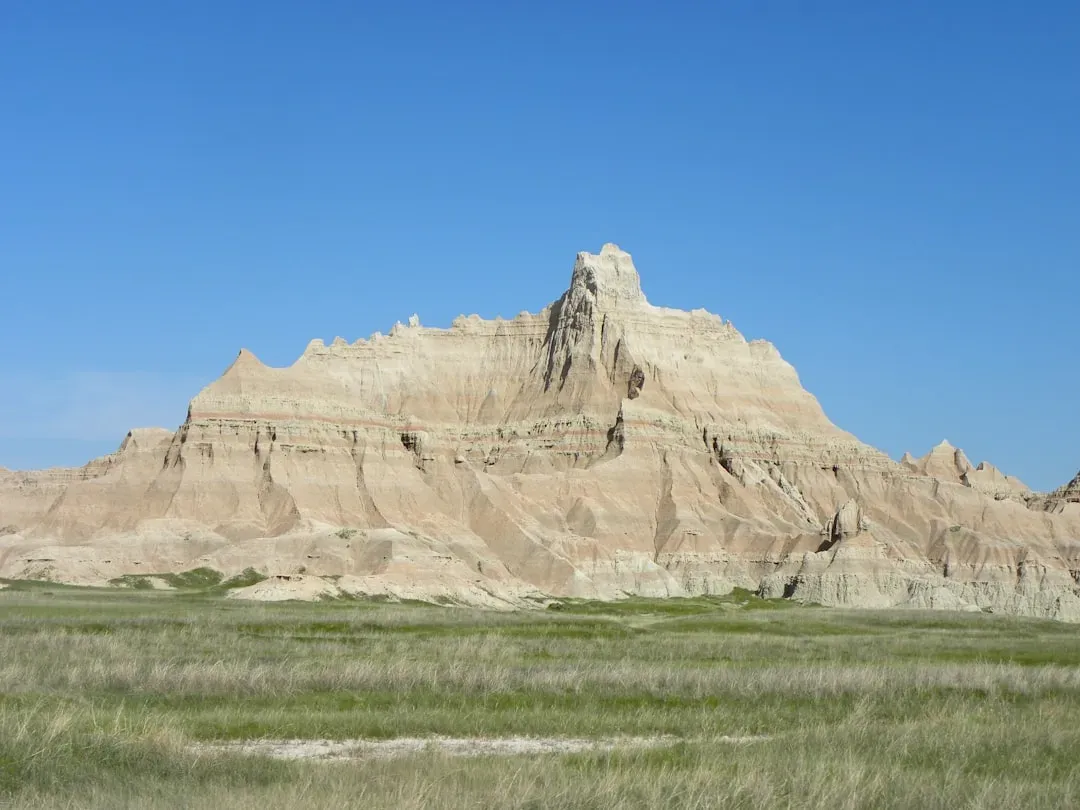
Deserts might feel like the last place on Earth worth exploring, but for paleontologists they are absolute treasure troves. Scientists typically search in regions where little vegetation covers the surface of the ground, so that any fossil fragments weathering out of the sedimentary rock layers can be more easily seen. No shrubs, no trees, no thick grass – just open rock faces staring back at you.
In certain deserts, badlands, cliffs, and quarries, ancient rivers and floods buried skeletons fast, and later erosion helpfully brought them back to the surface. It’s almost poetic, honestly. The same harsh environment that makes these places feel inhospitable is the exact thing that makes them so scientifically rich. The Gobi, the Wyoming badlands, the Patagonian scrublands – all brutal to live in, all extraordinary to dig through.
The dry, crumbly cliffs expose bone-bearing layers, so fossils can turn up in places that look empty at first glance, but are in fact full of incredible scientific research. You could easily walk right past a 75-million-year-old skull and mistake it for an ordinary rock. That’s both humbling and a little thrilling.
The Morrison Formation: North America’s Dinosaur Highway
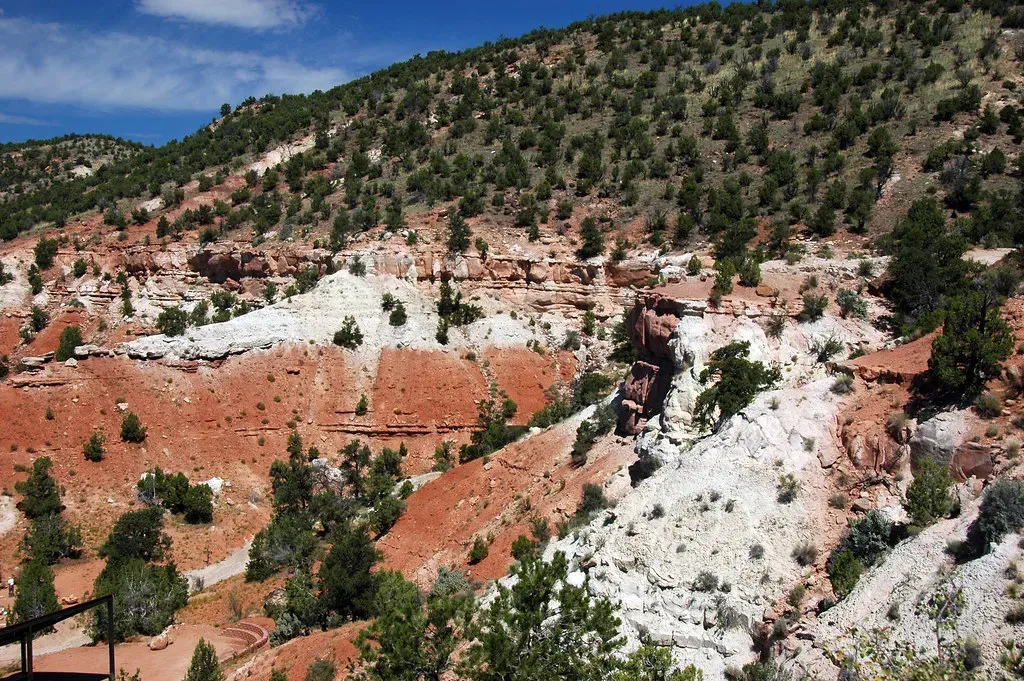
A sedimentary rock layer called the Morrison Formation is the most productive source of dinosaur fossils on the continent, and is where most of the popular dinosaurs, such as Stegosaurus and Brontosaurus, were first found. If North America has a dinosaur highway, the Morrison Formation is it. It stretches across an enormous swath of the American West, from New Mexico all the way up toward Canada.
Dinosaur National Monument on the border of Utah and Colorado marks one piece of the Morrison stone and is a great place to start looking, but other bits of it crop up from the U.S. Southwest all the way up to Canada. I think what makes this formation so extraordinary is its sheer scale – it essentially blankets the western interior like a prehistoric layer cake, hiding secrets at every exposed edge.
Dinosaurs are rare in the eastern half of the country because this area was generally eroding instead of being a place of deposition when dinosaurs were around. This is the kind of geological nuance that most people never consider. It’s not just about where dinosaurs lived. It’s about where the land was doing the right thing at the right time to preserve them.
The Gobi Desert: The World’s Most Spectacular Fossil Graveyard
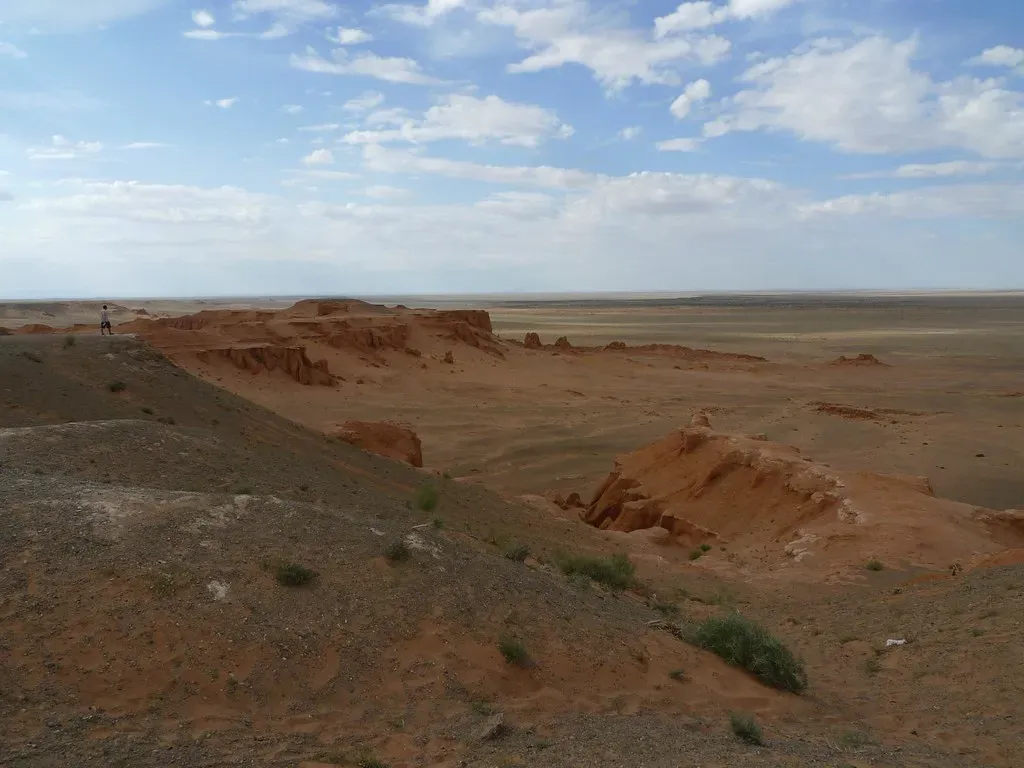
Few places on Earth carry the mystique of the Mongolian Gobi Desert. The Gobi’s vast sedimentary basins have preserved a nearly continuous record of dinosaur evolution, especially from the Late Cretaceous period, about 100 to 66 million years ago, the final era of the Age of Dinosaurs. At that time, the region was nothing like the barren wasteland you see today.
120 million years ago the vast desert basins and valleys contained freshwater rivers and lakes with abundant water resources, and the prevailing humid climate was paradise for plants and animals, including dinosaurs. That lush world eventually dried up, but not before burying its inhabitants in sediment. Today, UNESCO’s tentative listing for the Mongolian Gobi Cretaceous sites calls the region the largest dinosaur fossil reservoir in the world, a reputation built from repeated discoveries across multiple formations. Because the desert landscape exposes rock so clearly, field teams can spot fossil-bearing layers with less vegetation in the way.
Nearly 80 genera, or roughly one fifth of the over 400 dinosaur genera known to science, are found in the Mongolian Gobi Desert. Let that sink in for a moment. One single desert holds evidence of one fifth of all known dinosaur groups. That’s not luck. That’s geology, climate, and preservation all working in perfect concert.
Canada’s Dinosaur Provincial Park: The Species Champion
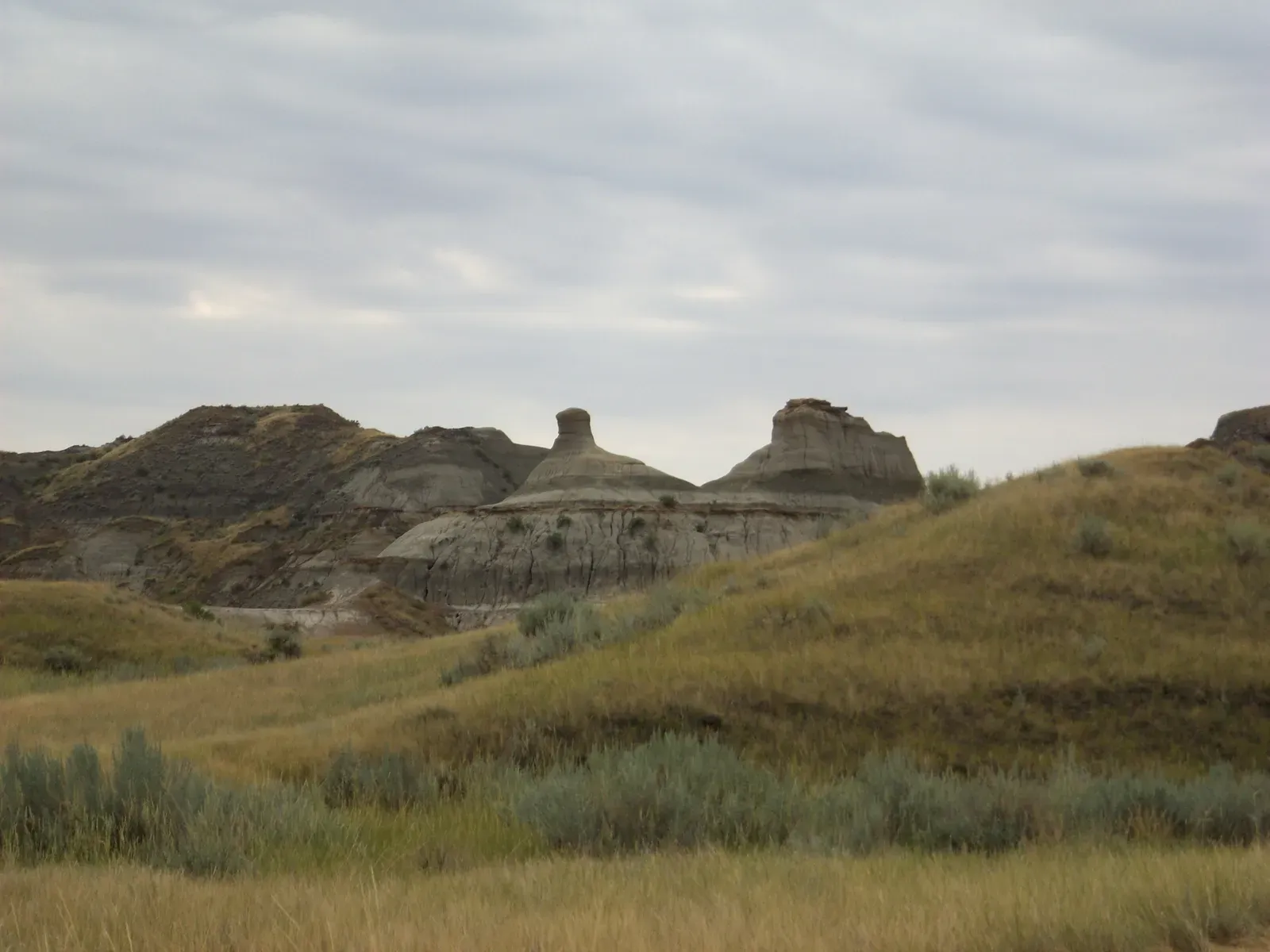
If you want the single richest variety of species packed into one location, Canada’s Dinosaur Provincial Park in Alberta is unmatched. Canada’s Dinosaur Provincial Park wins the title of the single site with the greatest variety of species: 40 distinct species among over 500 individual specimens have been uncovered there. That kind of diversity in one place is staggering, almost unreal.
In Alberta’s badlands, Dinosaur Provincial Park has produced some of the most important dinosaur fossil discoveries on Earth, including dozens of species from roughly 75 million years ago. The badlands terrain there is dramatic and beautiful in a deeply alien way. Layered cliffs of rusty red and tan stretch across the landscape like something out of a forgotten world, which, in many ways, it is.
China: The Kingdom of Feathered Dinosaurs
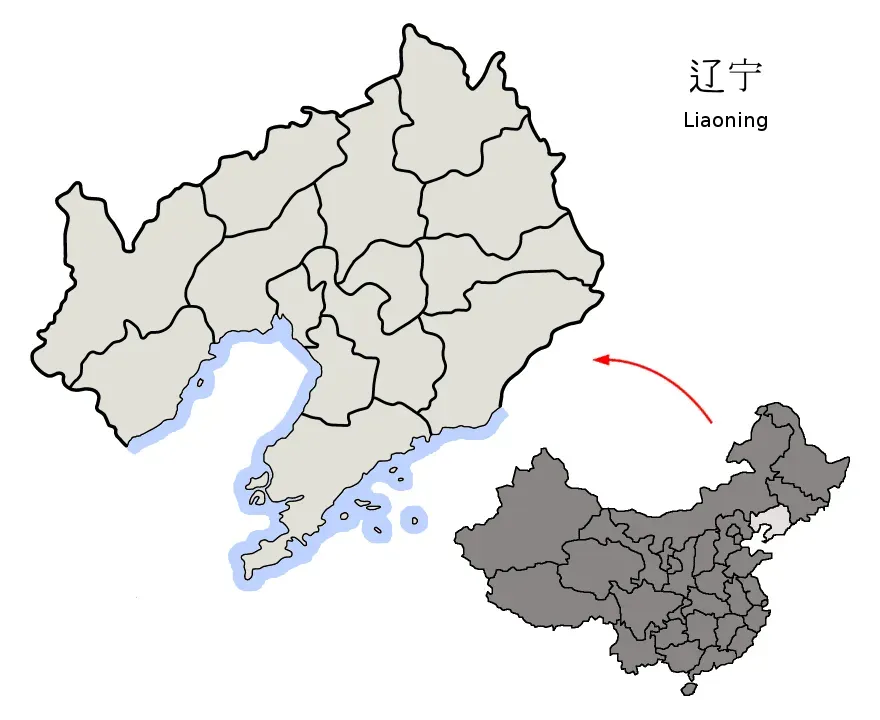
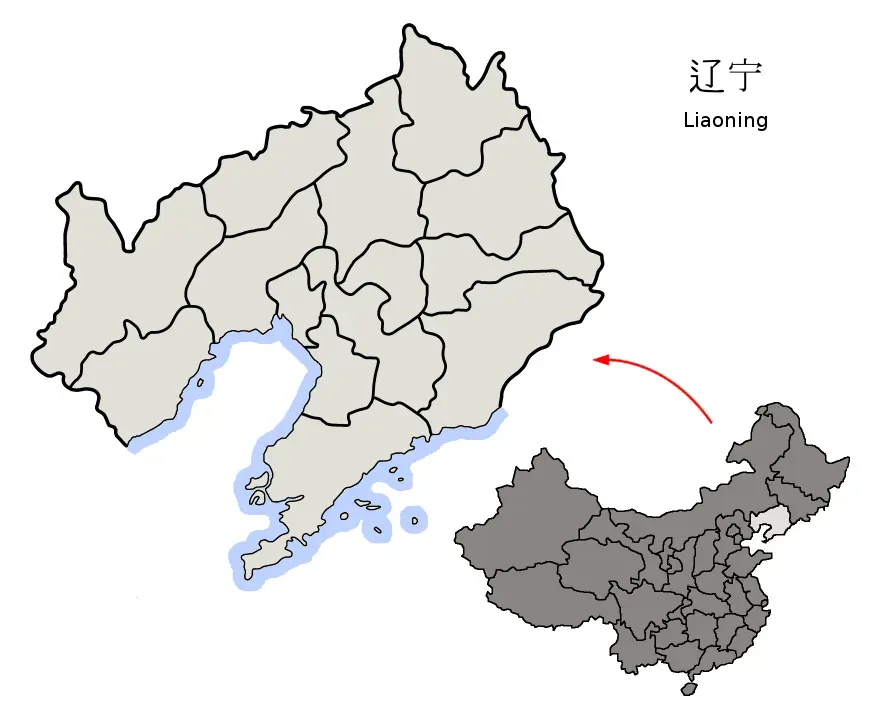
China has emerged in recent decades as one of the most exciting frontiers in paleontology, particularly for what it reveals about the link between dinosaurs and modern birds. A rock formation in the Liaoning province northwest of Beijing has hosted 20 million years of early Cretaceous fossils, including amazingly detailed fossils of feathered dinosaurs, like the Sinosauropteryx, that have spurred a scientific re-evaluation of the relationship between dinosaurs and birds. That’s not a small claim. That fundamentally changed how we understand what dinosaurs were.
The United States and China are the top two countries for dinosaur species discovered, with more than 320 apiece. Because they are both big countries with varied geology, they have two of the most complete rock records of the Mesozoic. Size matters here, certainly. But it’s the incredible variation in Chinese rock formations, from arid northern deserts to ancient river deltas, that makes the fossil record there so remarkably diverse and complete.
Argentina’s Patagonia: Where the Giants Were Born
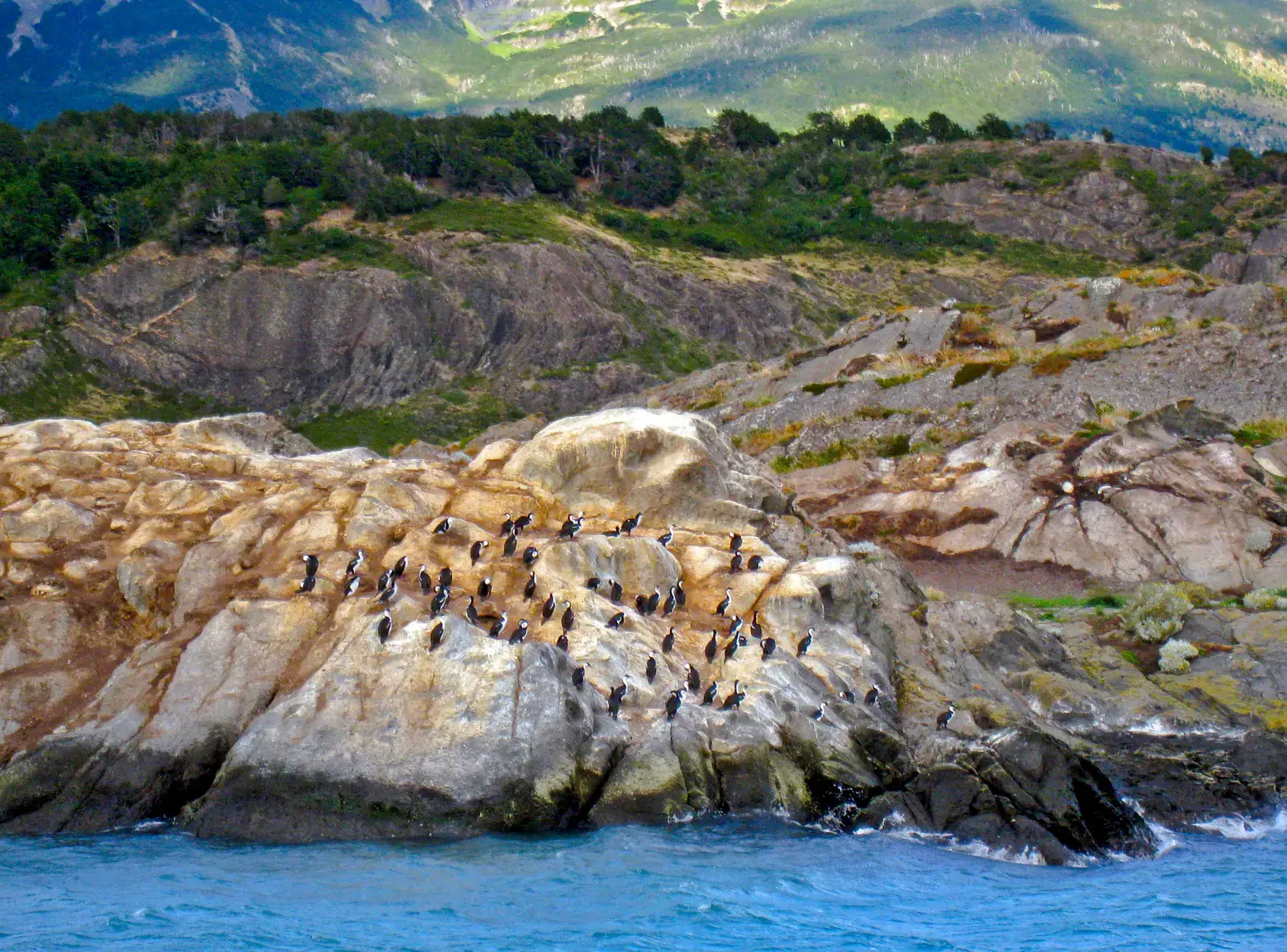
If you’re interested in the absolute biggest dinosaurs that ever walked the Earth, Patagonia is where you need to look. Because of natural uplift and erosion, sediment that dates from the Cretaceous is exposed at the surface in the region’s desert badlands, making fossilized bones easier to spot and excavate. The combination of ancient geology and ongoing erosion has essentially done the digging work for scientists, gradually revealing what has been hidden for tens of millions of years.
Ischigualasto and neighboring Talampaya form a UNESCO World Heritage Site because the area preserves an extraordinarily complete Triassic continental fossil record, including early dinosaurs and their relatives. The rocks document a long span of time and capture important evolutionary transitions, which is a big reason scientists keep returning. When you hear the phrase “origin of dinosaurs,” Ischigualasto is one of the first places experts point to. Honestly, if there’s a single region on Earth that holds the deepest roots of dinosaur life, Patagonia might just be it.
Conclusion: It’s About the Right Place at the Right Time in Deep Time
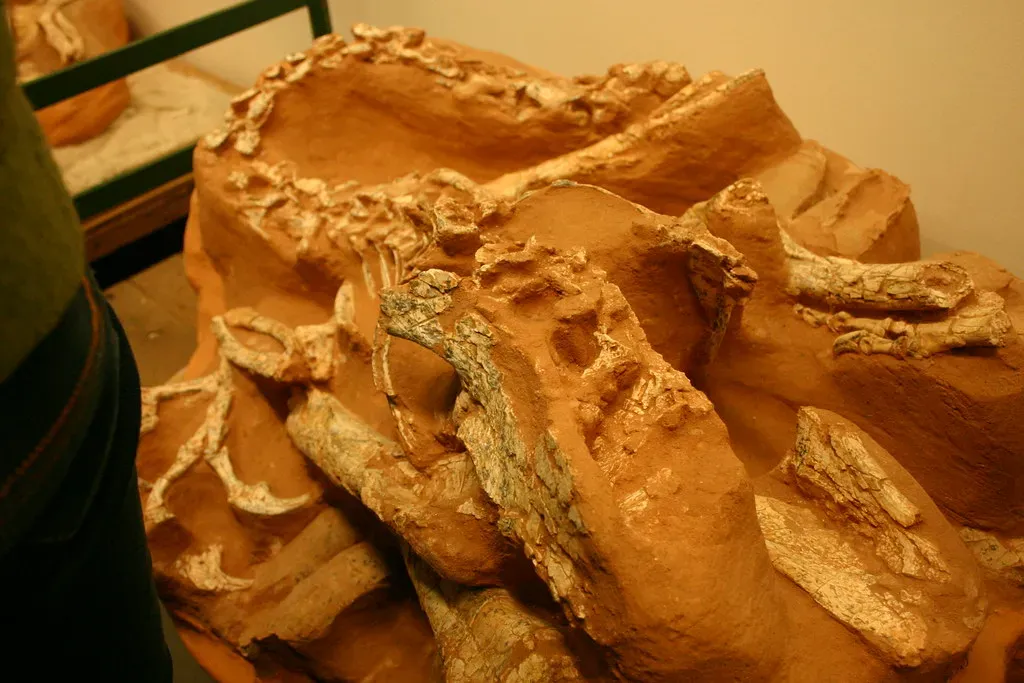
When you step back and look at all of this together, a clear picture emerges. Dinosaur fossils don’t cluster in certain regions by coincidence. They concentrate where ancient environments favored rapid burial, where sedimentary rock has survived the test of geological time, and where modern erosion is working continuously to bring old bones back to the surface. It’s a precise, almost miraculous chain of events that most landscapes simply never experience.
What’s perhaps most humbling is the thought that there are whole ecosystems of dinosaurs we’ll never know about, because the right conditions for deposition were rare, or any rocks that formed have been eroded. Every fossil you’ve ever seen in a museum represents a vanishingly tiny survivor of that process. The vast majority of prehistoric life simply disappeared without a trace.
The regions we’ve talked about, from the Gobi to Patagonia to Alberta’s badlands, are not just geologically fortunate. They are windows into a world that ruled this planet for over 160 million years. Every dig site is a chapter still being read. So here’s something worth sitting with: given how much we’ve already discovered purely by accident or by luck, how many chapters do you think are still buried out there, waiting to be found?