
Imagine trying to figure out what someone ate for dinner – not last night, but roughly 150 million years ago, without a menu, a kitchen, or any witnesses. That’s basically the challenge paleontologists face every single day. And honestly, the fact that they’ve made as much progress as they have is nothing short of remarkable. From stone-filled stomachs to ancient chemical signatures locked inside fossilized teeth, the clues are scattered across rock layers all over the world, waiting to be pieced together.
What we’ve come to understand about dinosaur diets is far more nuanced, surprising, and even shocking than most people realize. These weren’t just mindless eating machines. Their feeding habits were complex, often highly specialized, and deeply intertwined with the ecosystems they shaped. So let’s dive in – because what the ancient evidence reveals is more fascinating than any documentary you’ve ever seen.
Teeth as Time Capsules: What Fossil Fangs and Molars Tell You
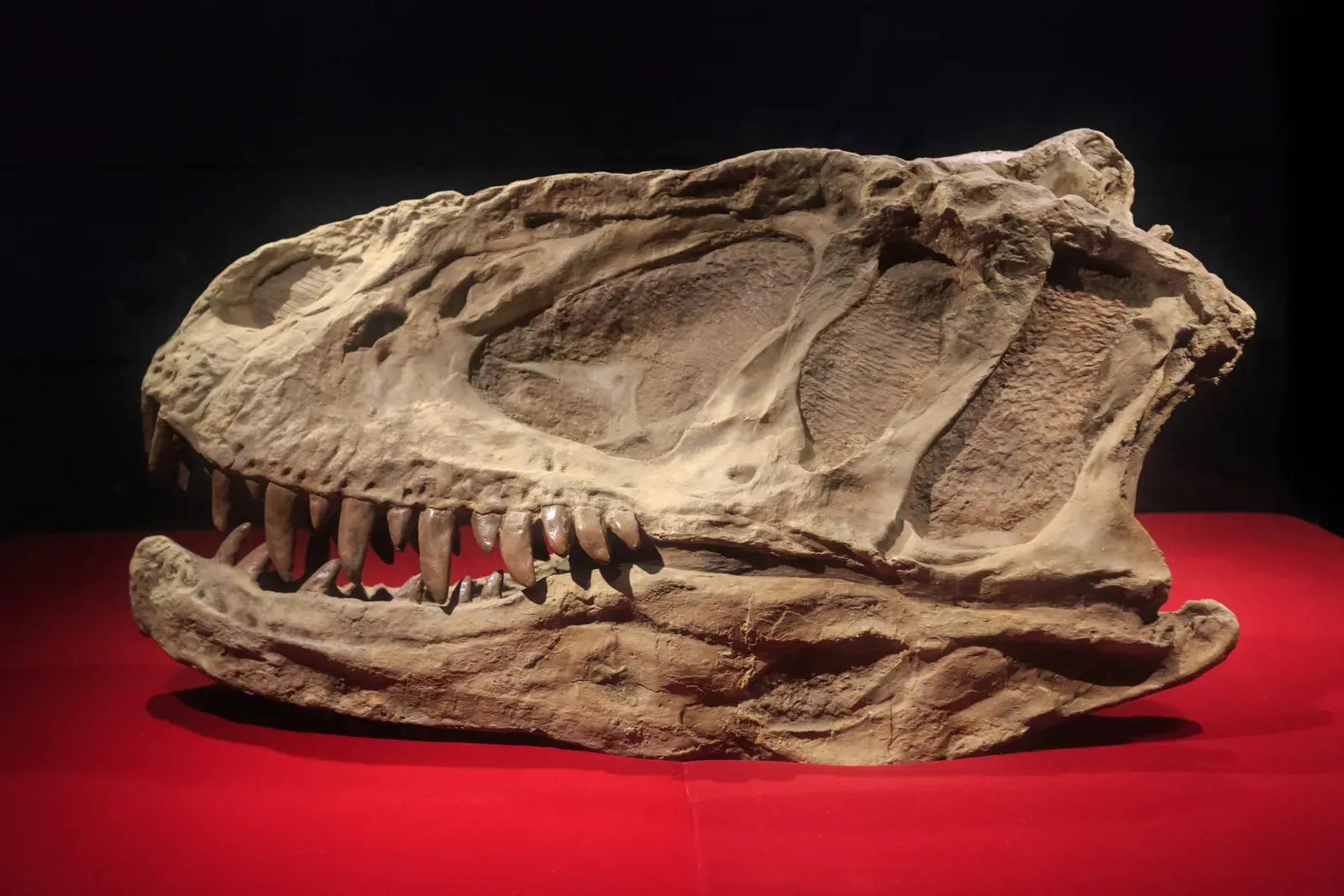
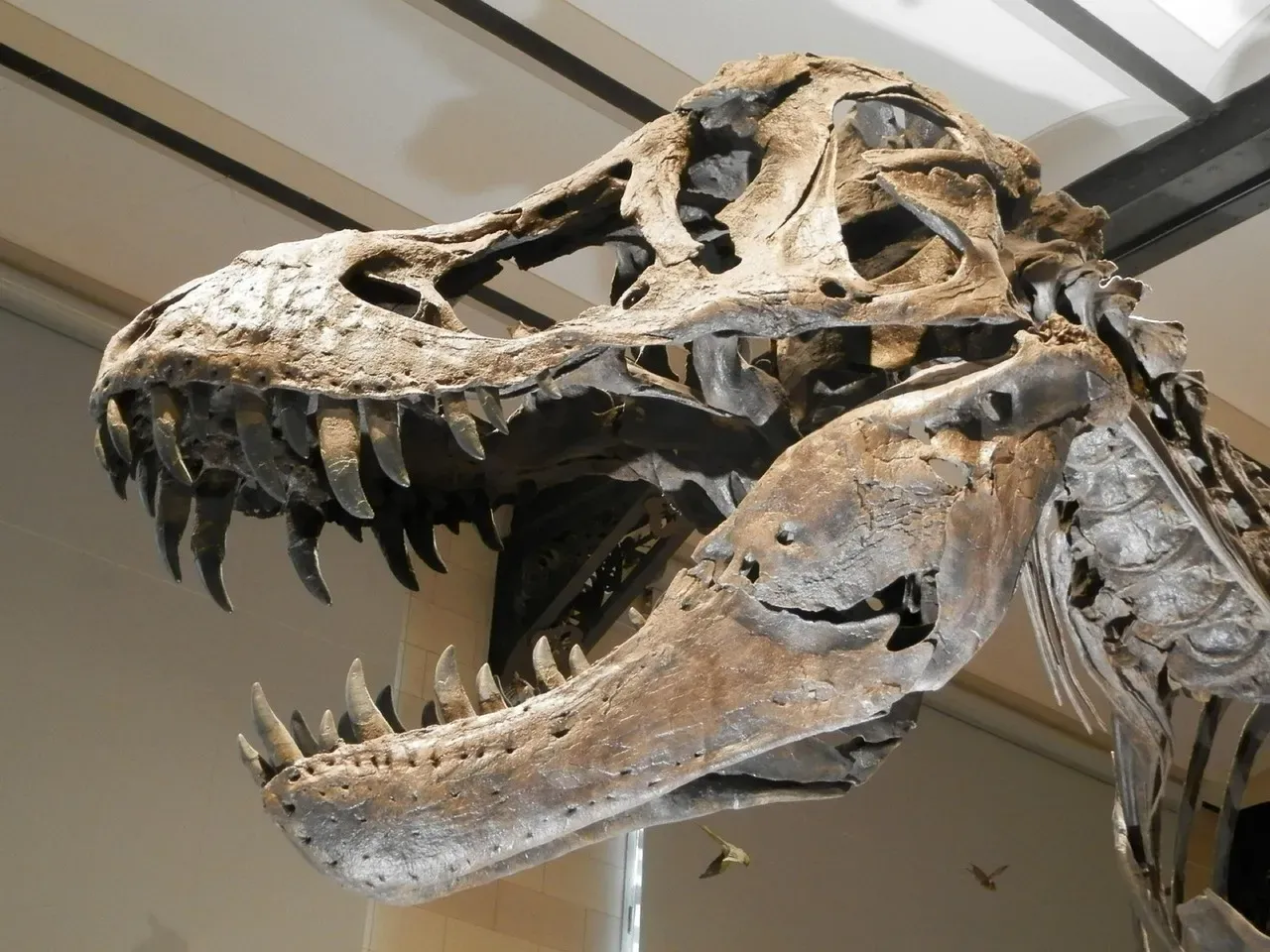
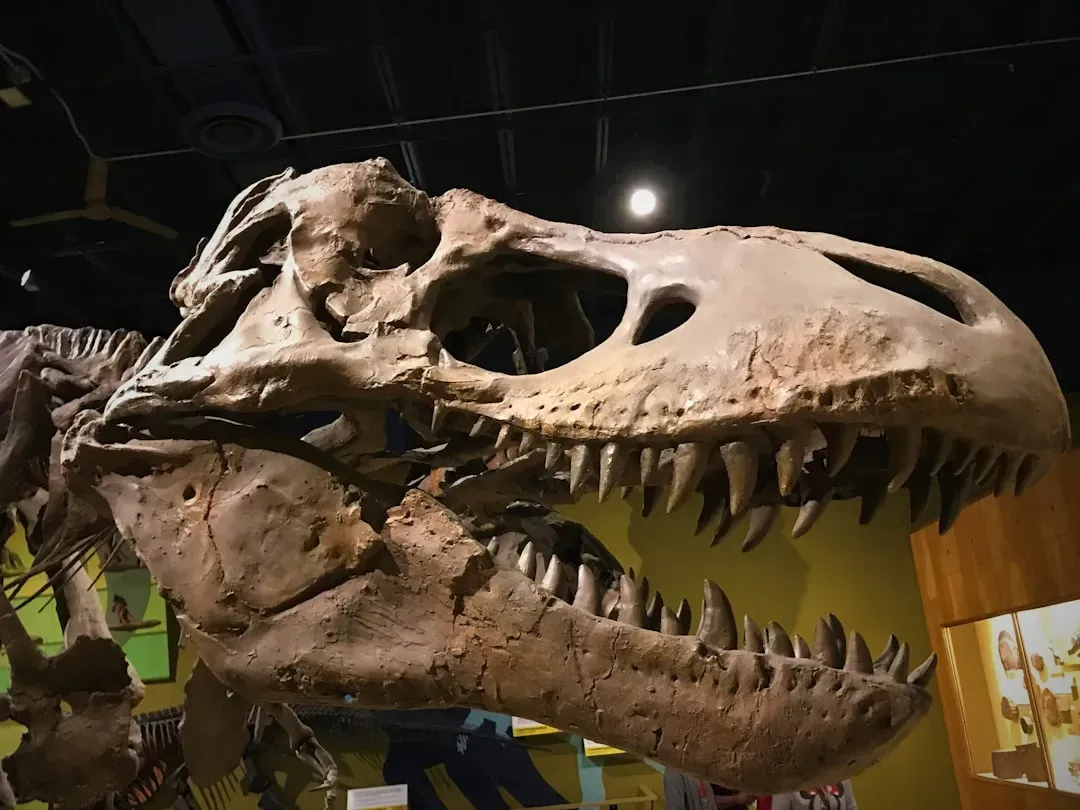
If you want to know what an animal ate, the first place any good detective looks is the mouth. While even a preschooler could tell you a Tyrannosaurus’ sharp teeth helped it eat meat, more subtle evidence – from microwear on a tooth to the shape of a jaw muscle attachment site – has helped scientists paint a rich picture of the ancient animals’ ability to obtain and consume food. Teeth are essentially biological tools, and their shape was dictated entirely by function.
The generalized carnivore tooth shape is sharp and pointed, suited to puncture and cut ductile and deformable tissues such as vertebrate flesh, while the mean herbivorous tooth is blunt and cusped to propagate fractures in tougher materials such as plant tissues. Think of it like the difference between a steak knife and a mortar and pestle – same mouth, completely different purpose. Plant-eating dinosaurs had teeth of various shapes designed for their particular diets. Triceratops, for example, had hundreds of teeth that formed a solid “wall” with sharp ridges used to chop off vegetation, while others, such as Anatotitan, had wide flat teeth that they used to grind up tough vegetation.
Reading the Last Meal: Dental Microwear Analysis
Here’s where it gets genuinely mind-bending. More recently, tooth wear has become an important source of information on dinosaur diets, as you can see a lot of scratches and pits and gouges on the teeth of these dinosaurs – essentially looking at their last meal, because their teeth are constantly being worn down. It’s like reading a diary written in microscopic scratches. Each meal left its signature on the enamel, and scientists can now read them.
Microscopic scratches that form on teeth in vivo during feeding are known to record the relative motion of the tooth rows to each other during feeding and to capture evidence of tooth-food interactions. Analysis of this dental microwear provides a powerful tool for testing hypotheses of jaw mechanics, diet, and trophic niche. Research on hadrosaur ornithopods has taken this even further. Late Cretaceous ornithopods showed significantly rougher dental microwear texture compared to their earlier relatives, suggesting a likely temporal dietary shift towards more abrasive foodstuffs, probably due to the increased ingestion of phytoliths – amorphous silica bodies found in plants.
Fossilized Poop: The Surprisingly Rich World of Coprolites
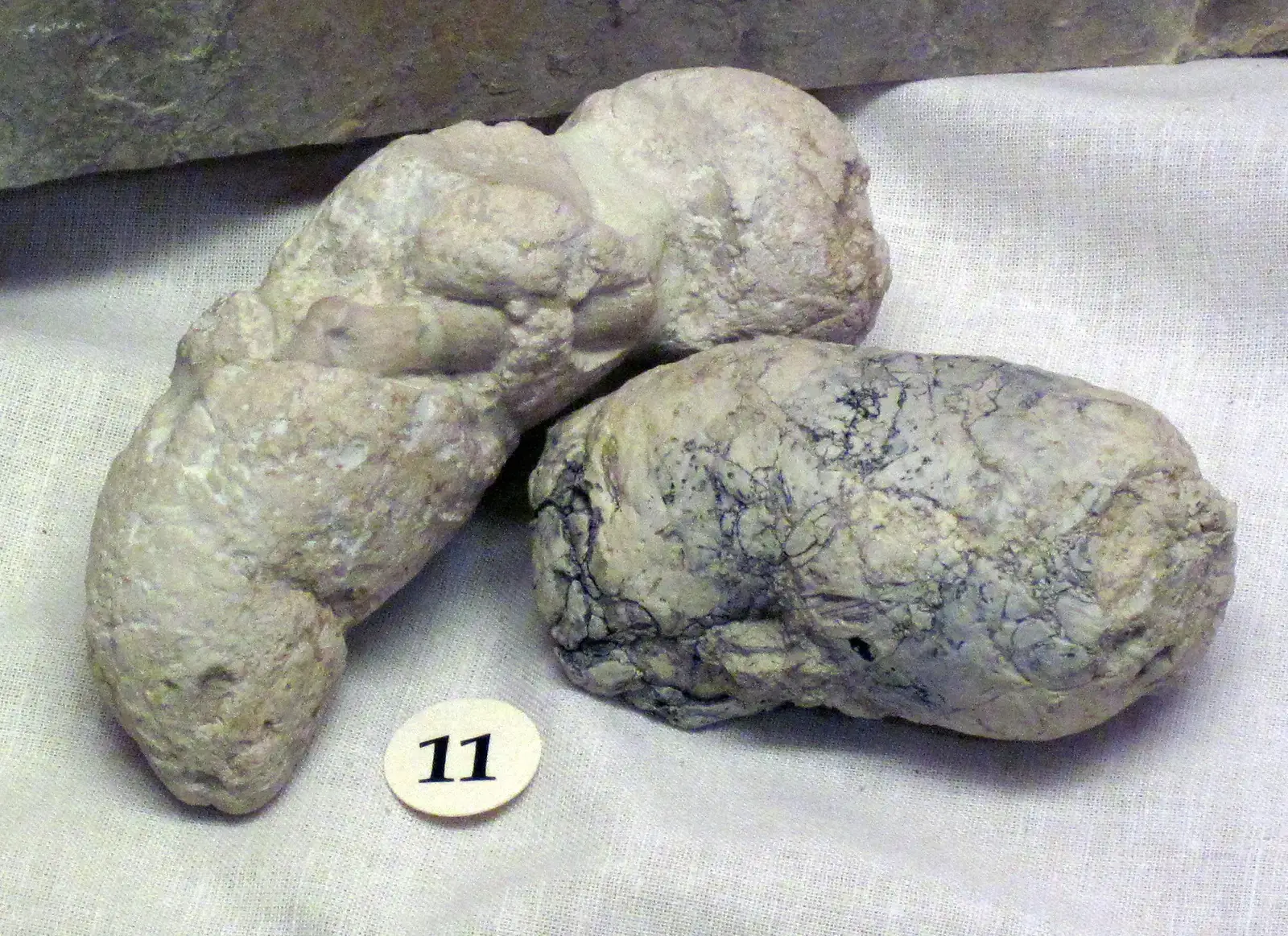
Let’s be real – nobody expects fossilized dinosaur droppings to be a scientific goldmine. Yet here we are. A coprolite is fossilized feces, classified as a trace fossil rather than a body fossil, as it gives evidence for the animal’s behaviour – in this case, diet – rather than morphology. They serve a valuable purpose in paleontology because they provide direct evidence of the predation and diet of extinct organisms. Direct evidence. Not inference. Not guesswork.
An international team led by researchers at Uppsala University analyzed fossilized dinosaur droppings – known as coprolites – to uncover details about the diets and ecological roles of dinosaurs 200 million years ago. By examining hundreds of samples, the team pieced together ancient food webs, shedding light on how dinosaurs adapted and rose to dominance, revealing the dietary diversity and adaptability that contributed to the evolutionary success of these iconic creatures. The coprolites revealed an unexpected variety of diet for these dinosaurs that included fish, insects, large animals, plants, and even charcoal. Yes – charcoal. You’ll want to keep reading to find out why.
The Charcoal Mystery: When Herbivores Ate Fire Remains
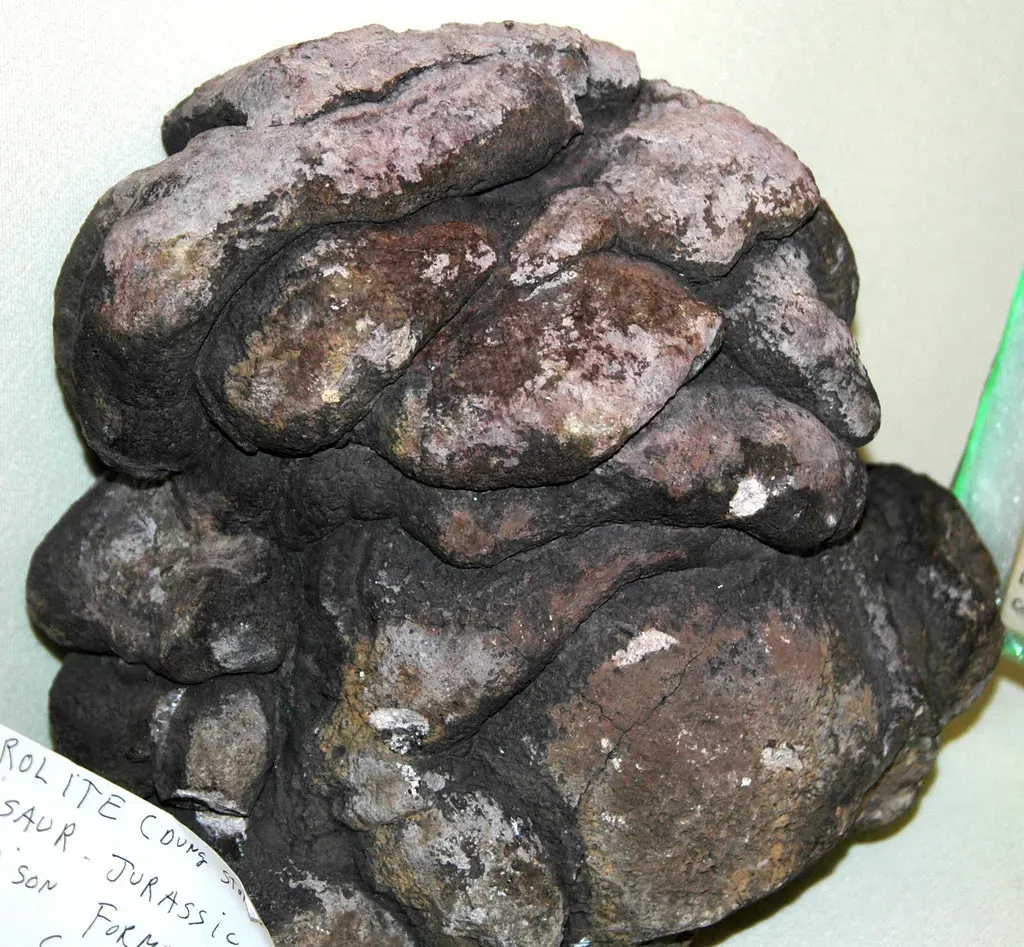
This one stopped me in my tracks when I first came across it. The herbivorous dinosaurs exhibited unexpected dietary complexity. Coprolites from the long-necked sauropods showed an abundance of tree ferns, along with other plants and even charcoal. Researchers hypothesize that the charcoal was ingested to detoxify stomach contents, as ferns can produce chemicals harmful to herbivores. It’s basically ancient self-medication – a behavior you’d usually associate with far more “sophisticated” modern creatures.
The discovery of charcoal in some dinosaur coprolites suggests that these creatures lived in regions prone to wildfires, and their diets likely adapted to such challenges. Moreover, the research highlights how dinosaurs may have influenced their surroundings. Large herbivores, for example, played a key role in shaping vegetation through grazing, potentially altering plant diversity and distribution. This changes the whole picture of how you might think about herbivorous dinosaurs. They weren’t passive munchers – they were active ecological engineers navigating a genuinely complex chemical landscape in their food.
Stomach Stones and Gastroliths: Chewing From the Inside
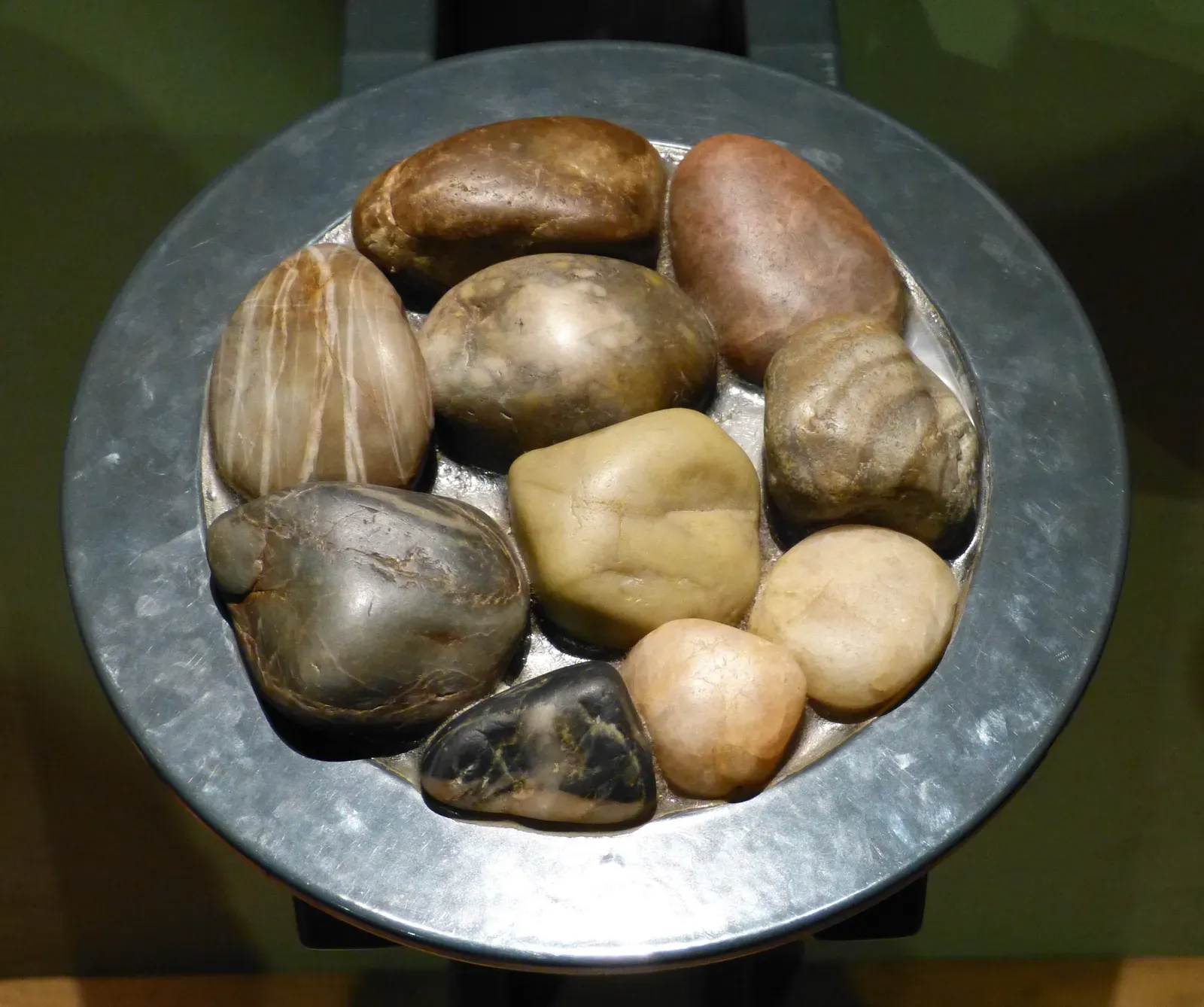
Some dinosaurs, it turns out, solved the problem of tough plant material in a rather creative way – they swallowed stones. Gastroliths helped dinosaurs, particularly herbivores, break down tough plant material by acting as grinding stones in their stomachs. These stones worked in combination with muscle contractions to crush and macerate fibrous plants, aiding in the digestive process – a behavior similar to that of modern birds, such as ostriches, which use gastroliths to grind food in their gizzards. Think of it like carrying a built-in blender around wherever you go.
Definite gastroliths have been found in the rib cages of sauropod dinosaurs, primitive ceratopsians such as Psittacosaurus, and in toothless theropods like ostrich dinosaurs and the feathered Caudipteryx. However, the story gets more complicated with the giant sauropods. Relative gastrolith mass in sauropods is at least an order of magnitude less than that in ostriches and other herbivorous birds, arguing against the presence of a gastric mill in sauropods. Sauropod dinosaurs possibly compensated for their limited oral processing and gastric trituration capabilities by greatly increasing food retention time in the digestive system. In other words, they may have simply let food sit and ferment for much longer than we initially imagined.
Isotope Fingerprints: The Chemistry Hidden in Ancient Enamel
One of the most exciting scientific breakthroughs in the study of dinosaur diets comes from a surprising source – chemistry. Tooth enamel contains calcium isotopes that reflect the range of foods the dinosaurs ate; different types of plants have different chemical signatures, and discrete parts of trees – from buds to bark – can also have unique signatures. Essentially, you are what you eat, even 150 million years after the fact.
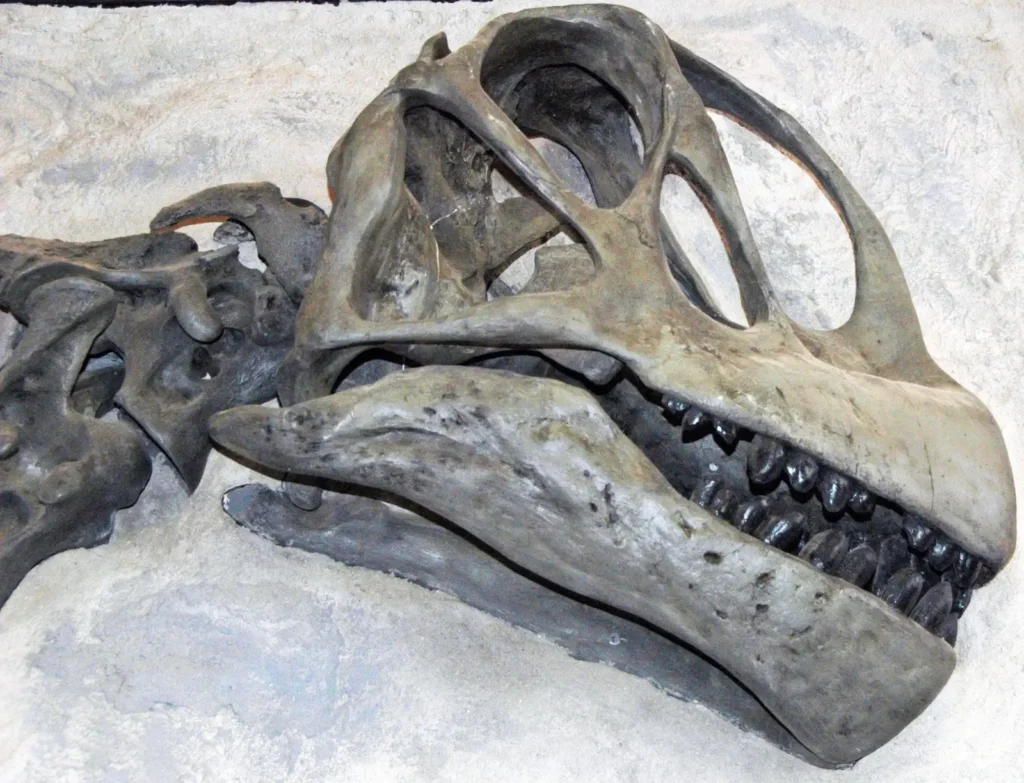
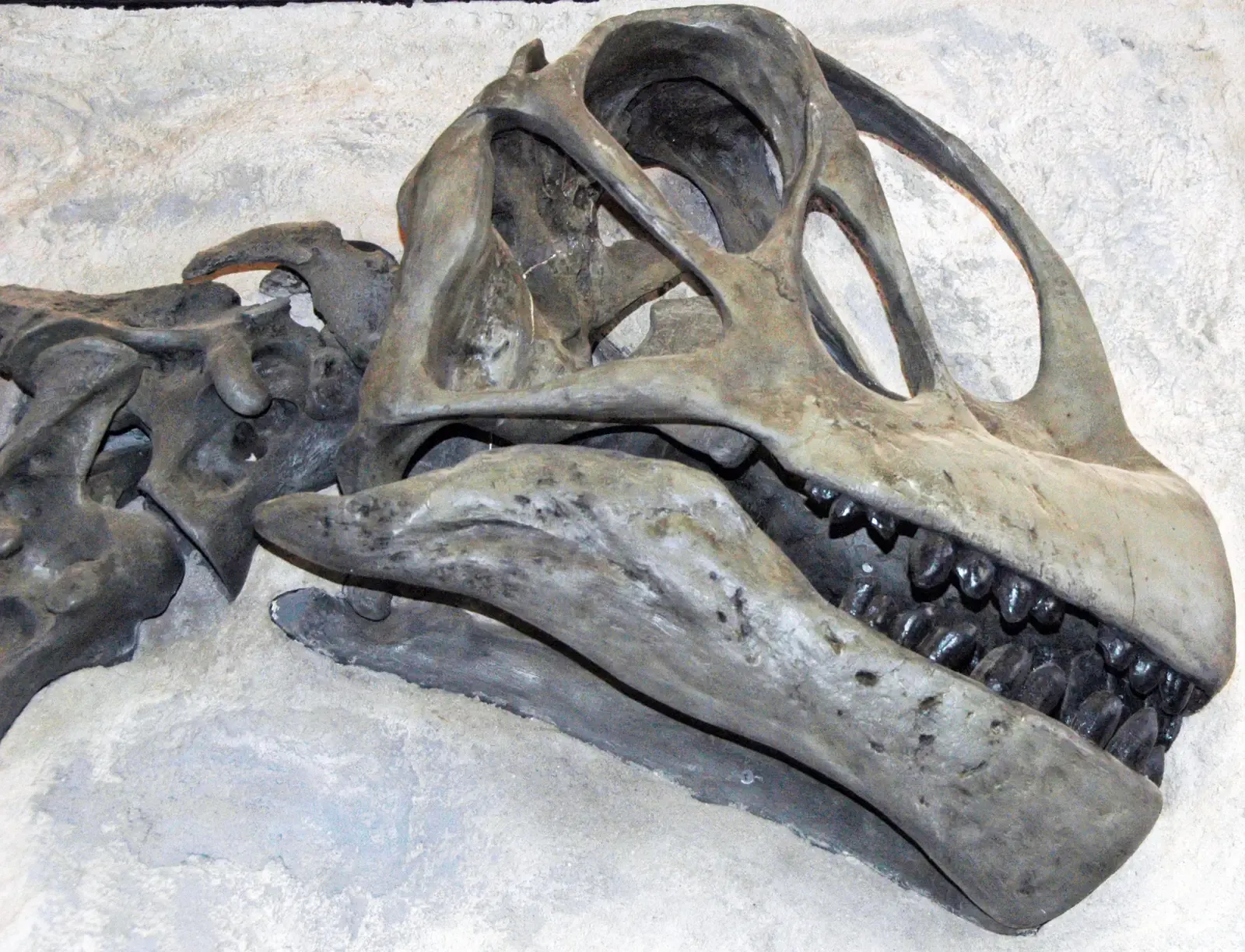
Researchers found that sturdy, long-necked Camarasaurus had statistically distinct calcium isotope ratios from the beaked, four-fingered Camptosaurus. This shows that their diets were different, although they lived in the same environment: Camarasaurus preferred woody plant tissue and conifers, while Camptosaurus ate softer leaves and buds. What’s remarkable about this is the ecological implication. According to the study’s lead author Liam Norris, the results help explain how so many behemoth creatures all lived together in the same area at the same time. They divided up the menu, like diners at a restaurant choosing different courses – an ancient and remarkably effective solution to avoiding competition.
Omnivores, Scavengers, and Surprising Dietary Shifts
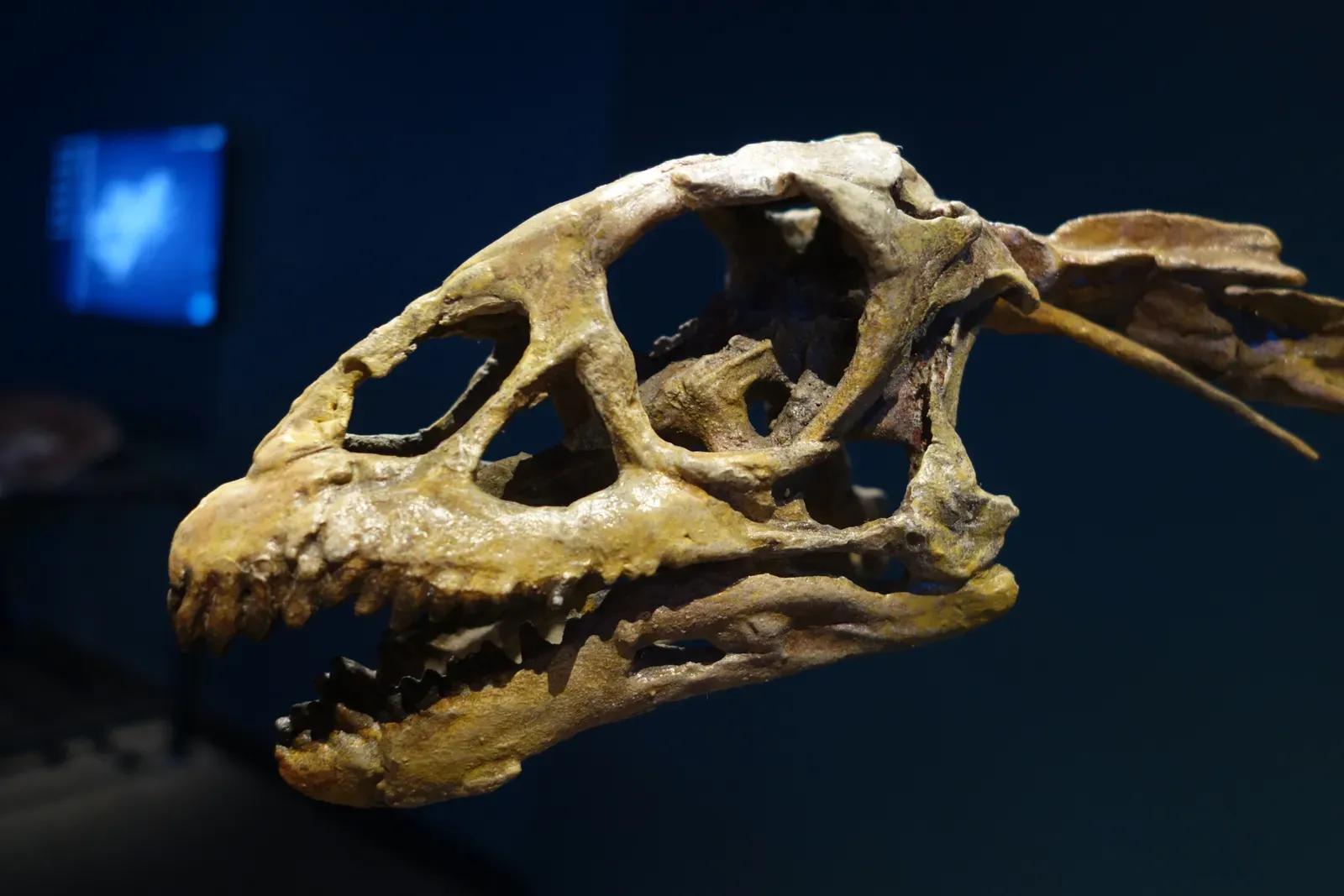
You might think every dinosaur had a fixed, permanent dietary identity – purely carnivore or strictly herbivore. The evidence says otherwise. Sauropodomorphs underwent a dietary shift from faunivory to herbivory, experimenting with diverse diets during the Triassic and Early Jurassic, and early ornithischians were likely omnivores. Obligate herbivory was a late evolutionary innovation in both clades. So the great plant-eating giants you picture? Their ancestors were likely eating meat.
Many people do not know that some dinosaurs ate both meat and plant materials. Even creatures we’ve long categorized as strict herbivores could surprise you. Evidence shows that herbivorous dinosaurs not only ingested rotted wood, but they also ingested crustaceans, probably like crabs. This opportunistic, flexible approach to feeding is precisely what may have made dinosaurs so successful as a group – they could adapt when the preferred food source dried up, much like many resilient animals do today. It’s hard to say for sure exactly how common this behavior was, but the fossil evidence is increasingly difficult to argue with.
Conclusion
Decoding what dinosaurs ate is one of the most intricate detective stories in all of science. You’re working with fragments of a world that vanished tens of millions of years ago, and yet the clues – embedded in teeth, locked in fossil droppings, hidden in the chemistry of ancient enamel, and polished into stomach stones – keep revealing extraordinary detail. To discover how organisms lived in the past, paleontologists look for clues preserved in ancient rocks – the fossilized bones, teeth, eggs, footprints, teeth marks, leaves, and even dung of ancient organisms.
What’s truly astonishing is not just what the evidence tells us, but how much it continues to challenge our assumptions. Herbivores eating charcoal and crabs. Giant sauropods possibly fermenting food for extended periods rather than grinding it. Entire ecosystems balanced on the knife-edge of dietary specialization. More research is needed to understand how their feeding behaviors impacted the other species – both plant and animal – that shared dinosaurs’ habitats, and how each carved its own niche in order to thrive. The deeper we look, the stranger and more wondrous the ancient world becomes. What piece of this story surprised you most?