
Few things in science carry the same electric thrill as a dinosaur discovery. You think you know these creatures. You grew up with the movies, the museum skeletons, the toy figurines. Then a team of researchers pulls something out of the ground, or sometimes out of an old dusty museum drawer, and everything you believed gets quietly dismantled.
What’s remarkable is just how fast the pace of revelation has become. A golden era in dinosaur science is driving global fascination, with around 1,400 dinosaur species now known from more than 90 countries, and the rate of discovery accelerating over the last two decades. We are not at the end of this story. Honestly, we might still be near the beginning. Let’s dive in.
A Discovery Rate That Defies Expectations
Here’s the thing about modern paleontology: it’s not slowing down. It’s actually speeding up in a way that makes your head spin. The year 2025 alone saw the discovery of 44 new dinosaur species, nearly one a week. Think about that for a second. One new species, every single week.
Two hundred years after the naming of the first dinosaur, taxonomic studies remain a vital component of dinosaur research, with around 50 new dinosaurs named each year from discoveries across the globe, and the rate of new discovery showing no signs of slowing. Many new discoveries come from paleontological hotspots such as Argentina, China, Mongolia, and the US, but dinosaur fossils are also being found in many other places, from a Serbian village to the rainswept coast of northwest Scotland. The map of where dinosaurs lived is being redrawn, literally year by year.
The Dragon Prince That Rewrote the T. Rex Family Tree
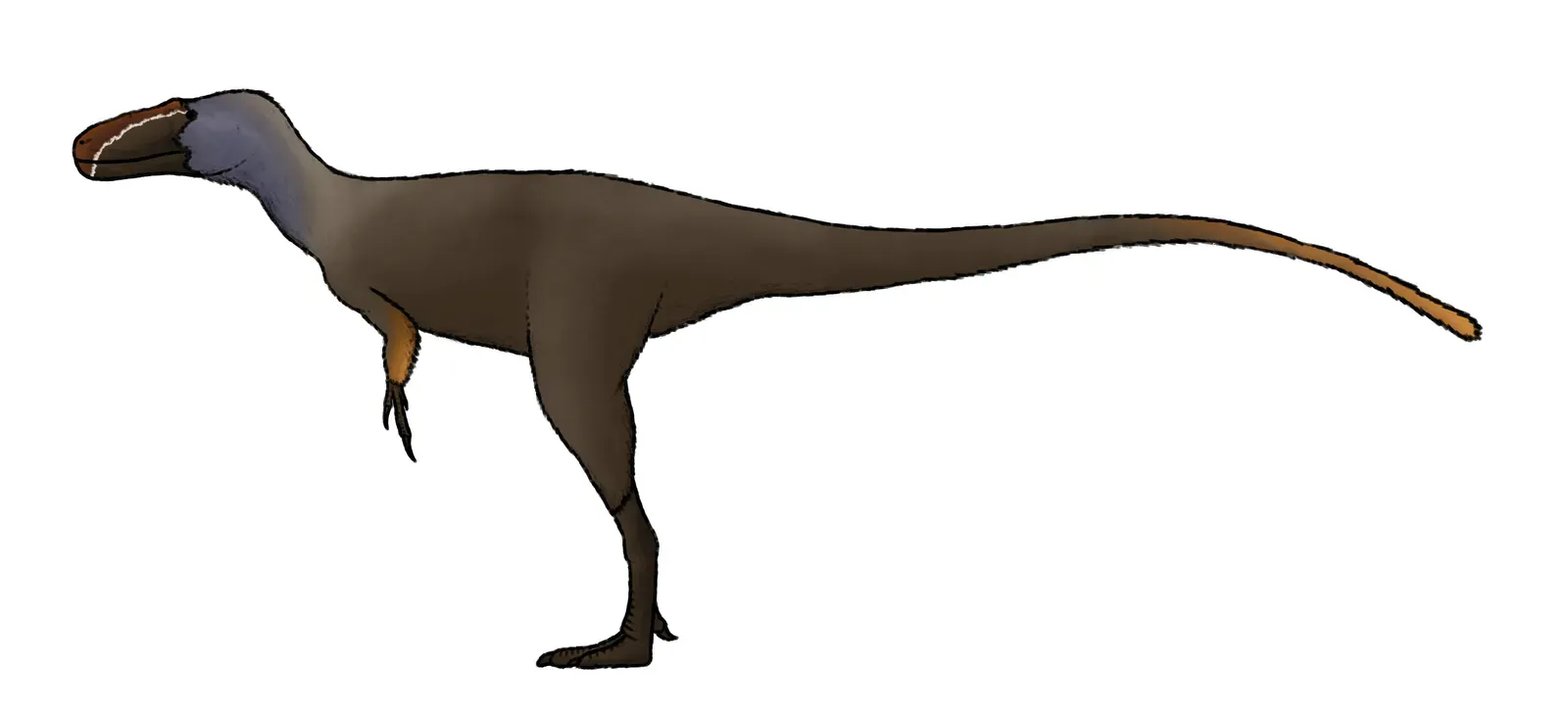
If there’s one discovery from recent years that genuinely stunned the paleontological community, it’s the “Dragon Prince.” Researchers analyzing fossil remains have named it Khankhuuluu mongoliensis, which translates to “dragon prince of Mongolia,” a newly identified dinosaur that was the closest known ancestor of tyrannosaurs. The study, based on a reexamination of two partial skeletons uncovered in Mongolia’s Gobi Desert in 1972 and 1973, suggests that three big migrations between Asia and North America led tyrannosauroids to diversify and eventually reach gargantuan size in the late Cretaceous Period before going extinct 66 million years ago.
The truly wild part? These bones had been sitting in a museum collection for over five decades. The skeleton was discovered over 50 years ago in the 1970s but, after being misidentified, the bones became part of a museum collection and were relatively untouched for almost half a century, until paleontologist Darla Zelenitsky sent graduate student Jared Voris to Mongolia on a research trip, where he examined the fossil and recognized its true significance. Khankhuuluu mongoliensis was about 13 feet long and weighed about 1,600 pounds, smaller than its famous descendant Tyrannosaurus rex, which could reach 41 feet in length and weigh up to about 23,000 pounds. It’s a humbling reminder that the biggest answers sometimes sit quietly in glass cases, just waiting for someone to look properly.
Nanotyrannus: The 35-Year Controversy Finally Settled
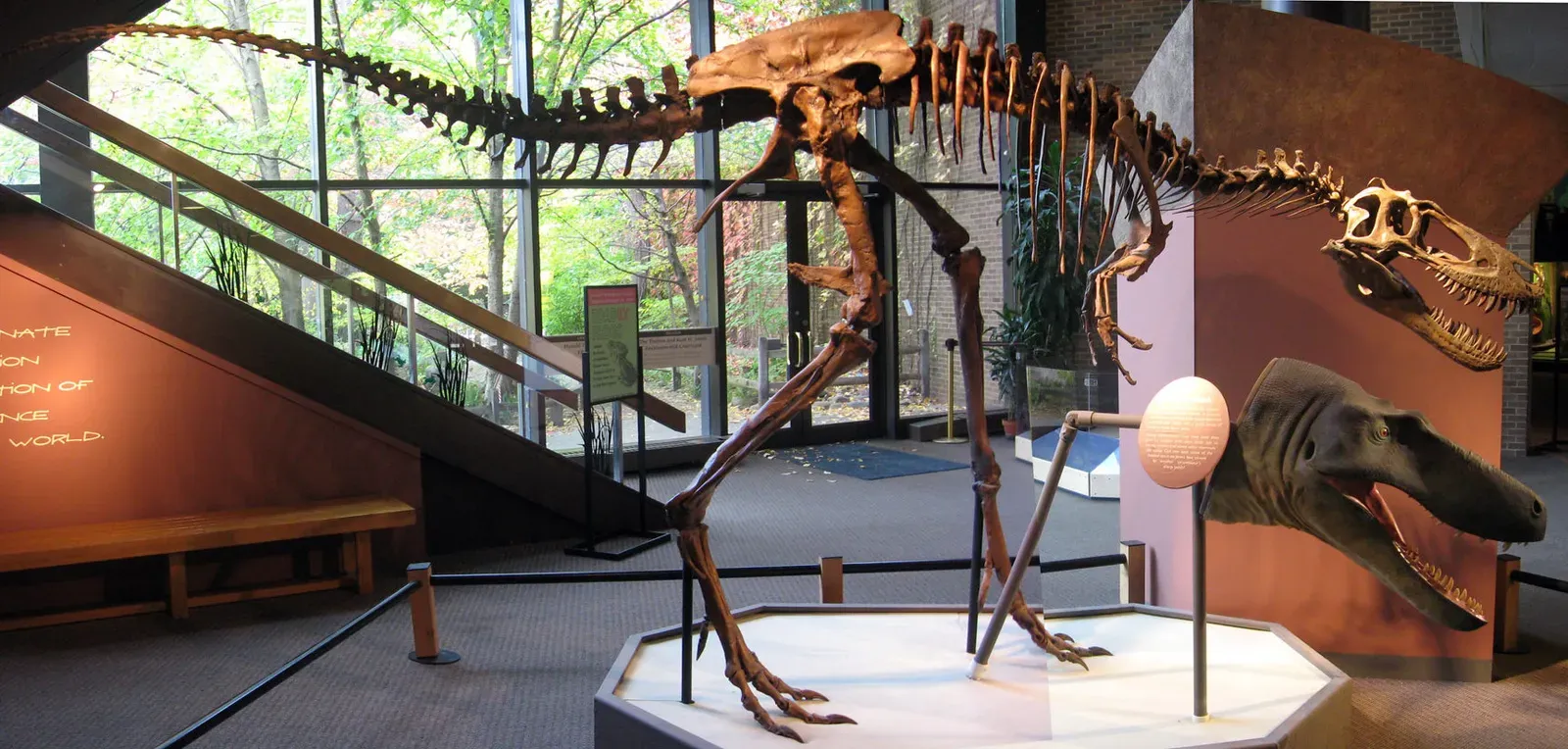
Few debates in paleontology have been as persistent, and as deliciously dramatic, as the question of Nanotyrannus. Was it a real species, or just a teenager T. rex? Since the predatory creature was first named in 1988, paleontologists have argued over whether medium-sized tyrannosaur fossils found in the same rocks as the iconic Tyrannosaurus rex were juvenile T. rex or a unique and distinct predator, and in recent years the bulk of evidence had appeared to favor the juvenile hypothesis.
In 2025, paleontologists Lindsay Zanno and James Napoli published a description of a new Nanotyrannus fossil specimen preserved as part of the Dueling Dinosaurs fossil alongside a herbivorous Triceratops, showing that this Nanotyrannus was nearly an adult but also different from T. rex in ways that cannot be explained by growth, including a longer hand. A subsequent study on the original Nanotyrannus demonstrated that this specimen was also fully grown. Together, these studies ended a 35-year-long controversy and reveal Nanotyrannus as a slender, agile pursuit predator built for speed. I think the fact that two separate research teams independently reached the same conclusion in the same year makes this one of the most satisfying resolutions in modern paleontology.
The Punk Rock Dinosaur: Spicomellus and the Oldest Known Ankylosaur
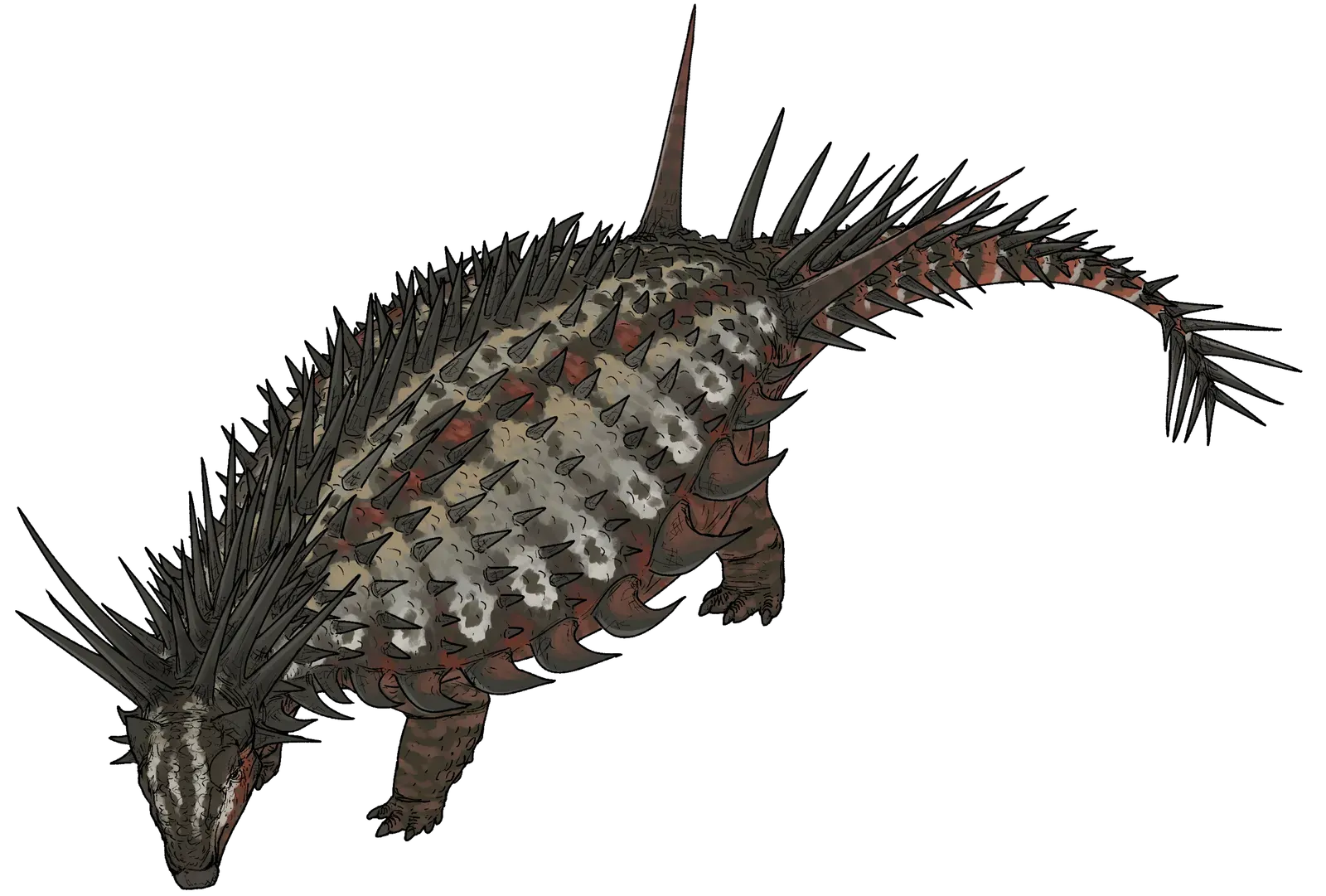
Some dinosaurs look exactly as you’d expect them to. Others look like they escaped from a heavy metal album cover. Spicomellus falls firmly into the second category. Named in 2021 based on an incomplete rib from 165-million-year-old rocks in Morocco, it is a rib unlike that in any other animal, alive or extinct, with a series of long spines fused to its surface. In 2025, a far more complete skeleton was finally described, and it revealed something extraordinary.
The new fossils show that Spicomellus is the oldest known member of the ankylosaurs, heavily armored, low, squat plant-eaters described by researcher Susie Maidment as resembling “walking coffee tables,” and the dinosaur is characterized by its bizarre armor bristling with long spines all over the body, including a bony collar around the neck with spines the length of golf clubs. Dubbed the “punk rock dinosaur” by the BBC, Spicomellus is changing our understanding of ankylosaur evolution while also highlighting the importance of the Moroccan fossil record. Morocco is quickly becoming one of the most important windows into dinosaur history we didn’t fully appreciate before.
Sauropod Origins: How Neck Elongation Really Began
You know those long-necked dinosaurs you see in every prehistoric mural? The ones that look like someone stretched a regular animal to comedic proportions? Well, it turns out the very beginning of that evolutionary journey is far older than many scientists realized. Gigantic, four-legged, long-necked plant-eating sauropod dinosaurs of the Jurassic and Cretaceous periods, such as Brachiosaurus, were the largest animals to ever walk the Earth, weighing up to 70 metric tons, equivalent to 12 African elephants.
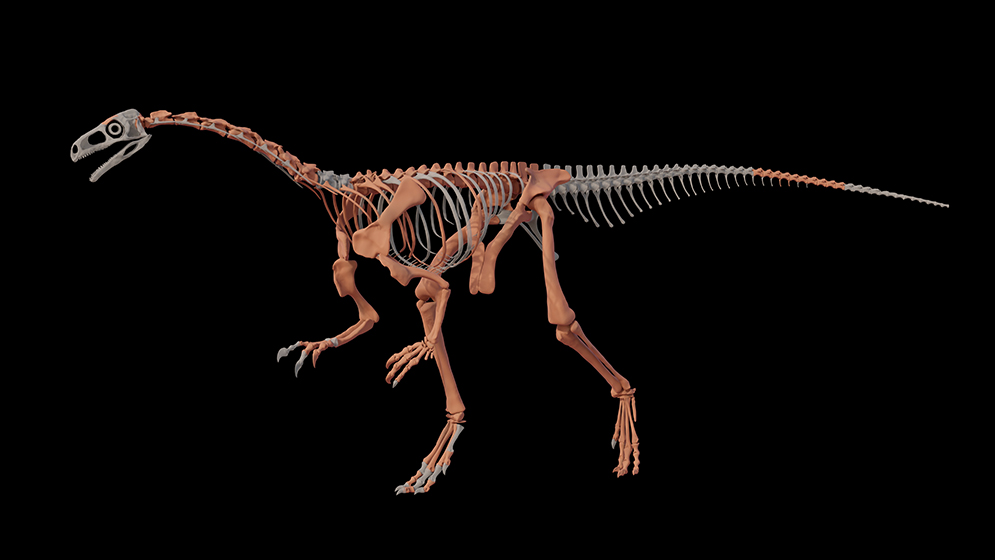
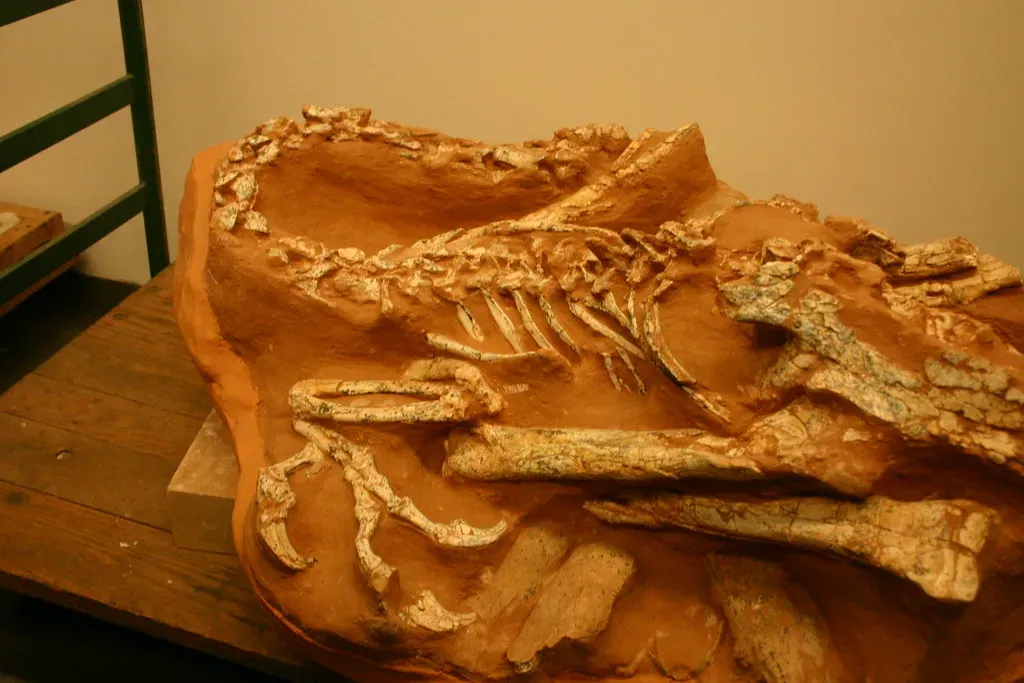
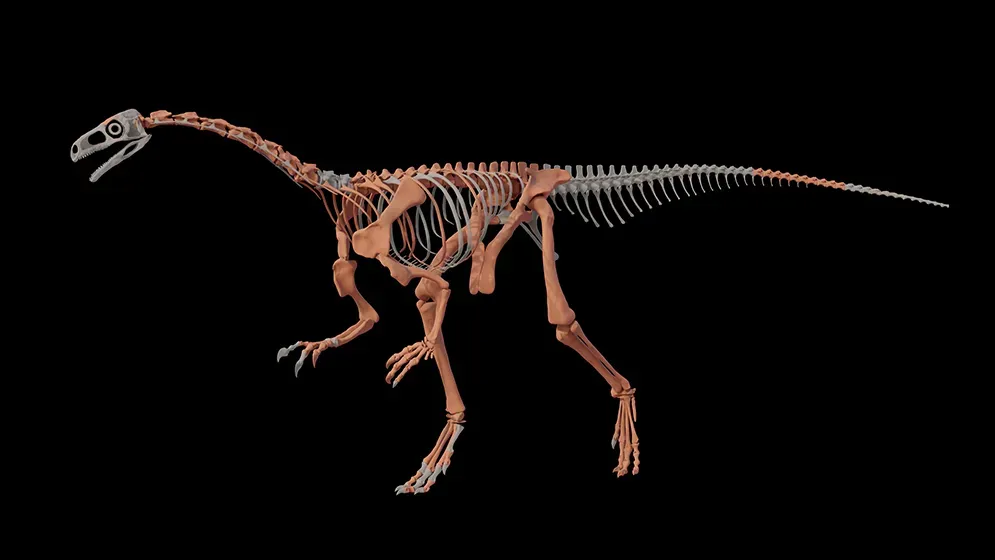
Important new information on sauropod origins came from the Triassic Period rocks of Argentina. The two-meter-long Huayracursor was described from 228-million-year-old rocks in the Andes, making it one of the oldest known sauropod ancestors. It has a much longer neck than other species from the dawn of dinosaur evolution, revealing the earliest stages in the evolution of the extreme neck elongation seen in later sauropods. Think of it like discovering the very first prototype of a design that would eventually produce the most massive land animals in Earth’s history. That’s genuinely thrilling.
The Tiny Dinosaur That Forced a Rethink of Herbivore Evolution
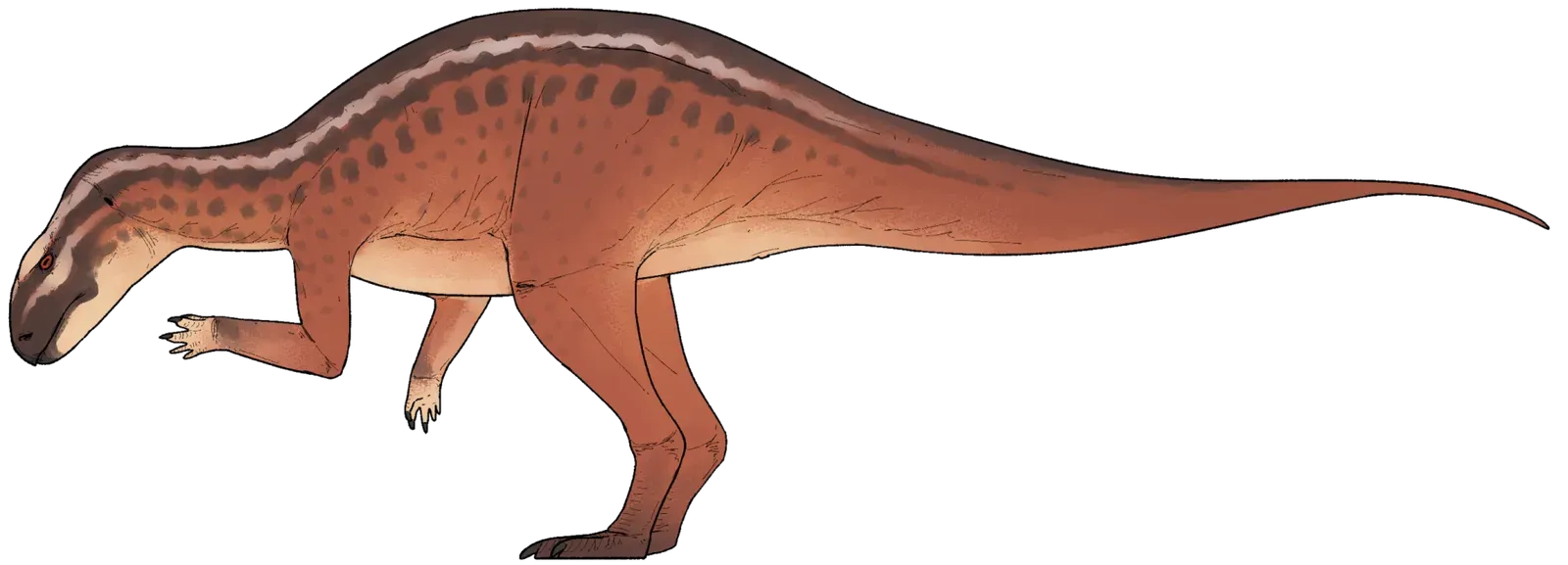
Not every revolutionary discovery is large. Sometimes it’s the small ones that carry the biggest implications. A newly identified tiny dinosaur, Foskeia pelendonum, is shaking up long-held ideas about how plant-eating dinosaurs evolved. An international research team identified this new species, a tiny plant-eating dinosaur that lived during the Early Cretaceous in what is now Burgos, Spain. At just about half a meter long, Foskeia ranks among the smallest known ornithopod dinosaurs, and despite its size, it had an unusually advanced skull.
Though fully grown adults were remarkably small and lightweight, their anatomy was anything but simple, featuring a bizarre, highly specialized skull and unexpected evolutionary traits. Detailed bone studies show these dinosaurs matured quickly with bird or mammal-like metabolism, while their teeth and posture hint at fast, agile lives in dense forests. It’s a bit like finding a hummingbird-sized animal with the internal biology of a falcon. Evolution, it seems, was just as ambitious at tiny scales as it was at enormous ones.
Where Did Dinosaurs Originally Come From?
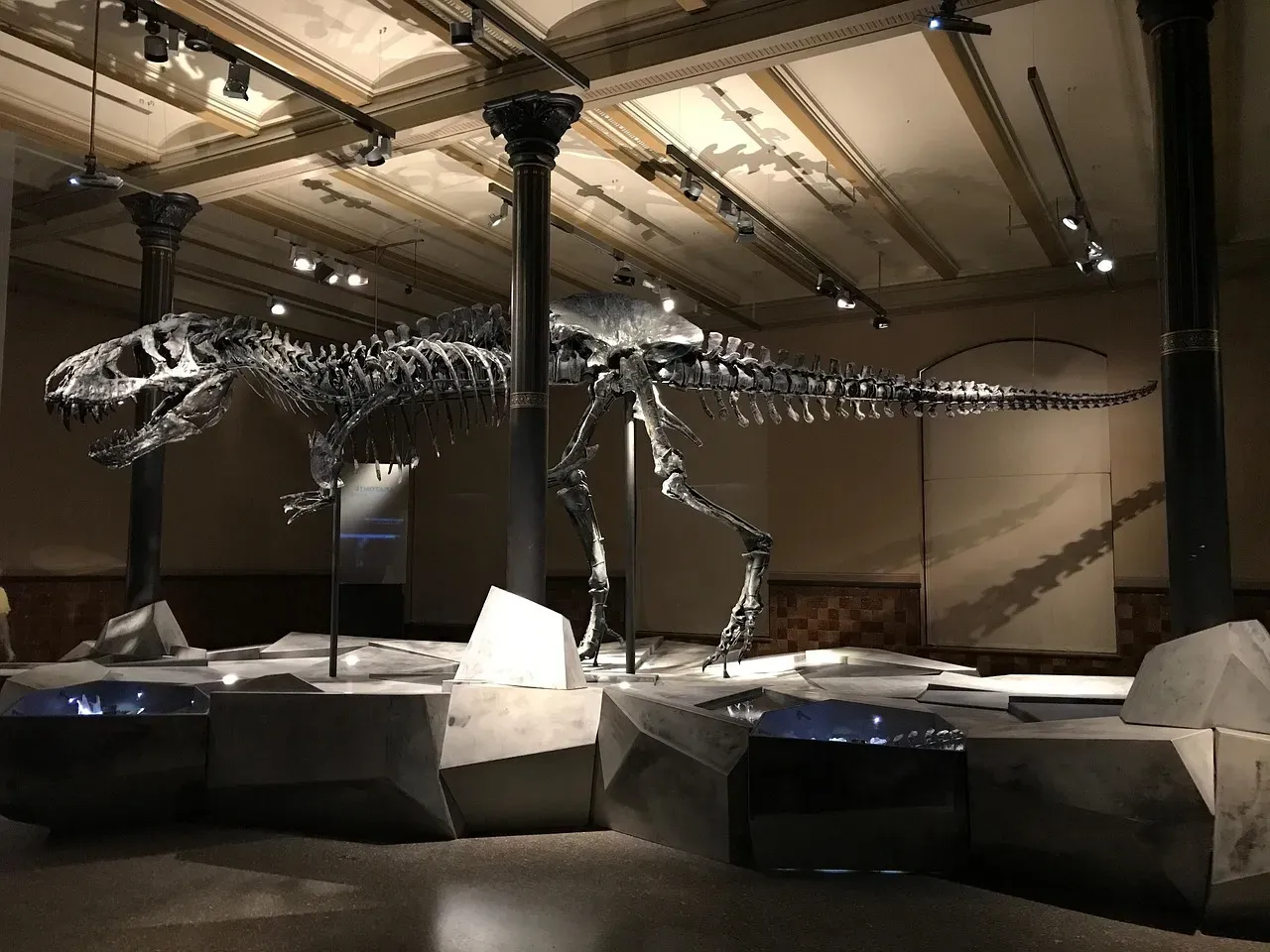
This seems like the kind of question that should have been answered decades ago. Surprisingly, it’s still keeping scientists up at night. The remains of the earliest dinosaurs may lie undiscovered in the Amazon and other equatorial regions of South America and Africa, suggests a new UCL-led study. Currently, the oldest known dinosaur fossils date back about 230 million years and were unearthed in places including Brazil, Argentina, and Zimbabwe, but differences between these fossils suggest dinosaurs had already been evolving for some time. The study concluded that the earliest dinosaurs likely emerged in a hot equatorial region in what was then the supercontinent Gondwana, an area encompassing the Amazon, Congo basin, and Sahara Desert today.
The potential for new dinosaur discoveries in India and Africa seems particularly high, while the Carnian period, when dinosaurs probably originated, and the Middle Jurassic, when the major clades diversified, offer the best opportunities to make discoveries that will fundamentally change our understanding of dinosaur evolution. It’s hard to say for sure, but the next great revolution in understanding where dinosaurs came from may come from regions that have barely been explored. The fossil record still has enormous blank pages waiting to be filled.
Technology Is Transforming What Fossils Can Tell You
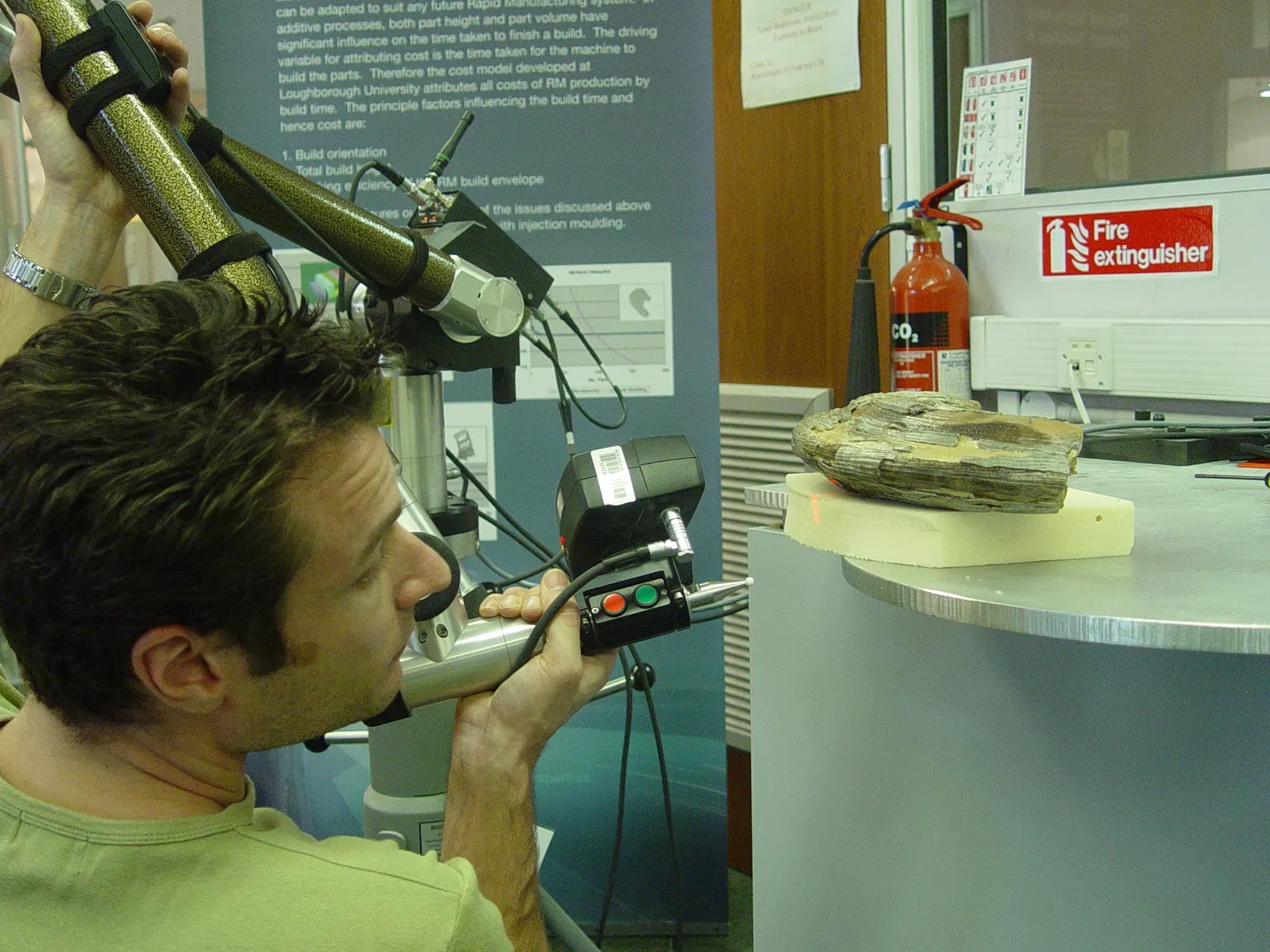
Science doesn’t just move forward because of where we dig. It moves forward because of how we look at what we already have. Dinosaurs may be long extinct, but 2025 made it abundantly clear that they’re anything but settled science. Over the past year, new fossils, reanalyses of famous specimens and the use of increasingly sophisticated tools have continued to upend what we thought we knew about how these animals lived, moved, fed, and evolved, with some discoveries filling in long-missing gaps while others forced researchers to confront that certain long-held assumptions were simply wrong.
The application of remote sensing and drone imaging to narrow down the best areas to prospect, three-dimensional scanning to record fossils in the field and in the laboratory, and artificial intelligence and machine-learning applied to help identify problematic fossils could revolutionize the field in the future. Researchers have even found that fossilized dinosaur eggshells contain a natural clock that can reveal when dinosaurs lived, with the technique delivering surprisingly precise ages that could revolutionize how specimens are dated. The tools have changed so dramatically that fossils collected generations ago are now giving up secrets they never could before.
Conclusion: The Story Is Far From Over
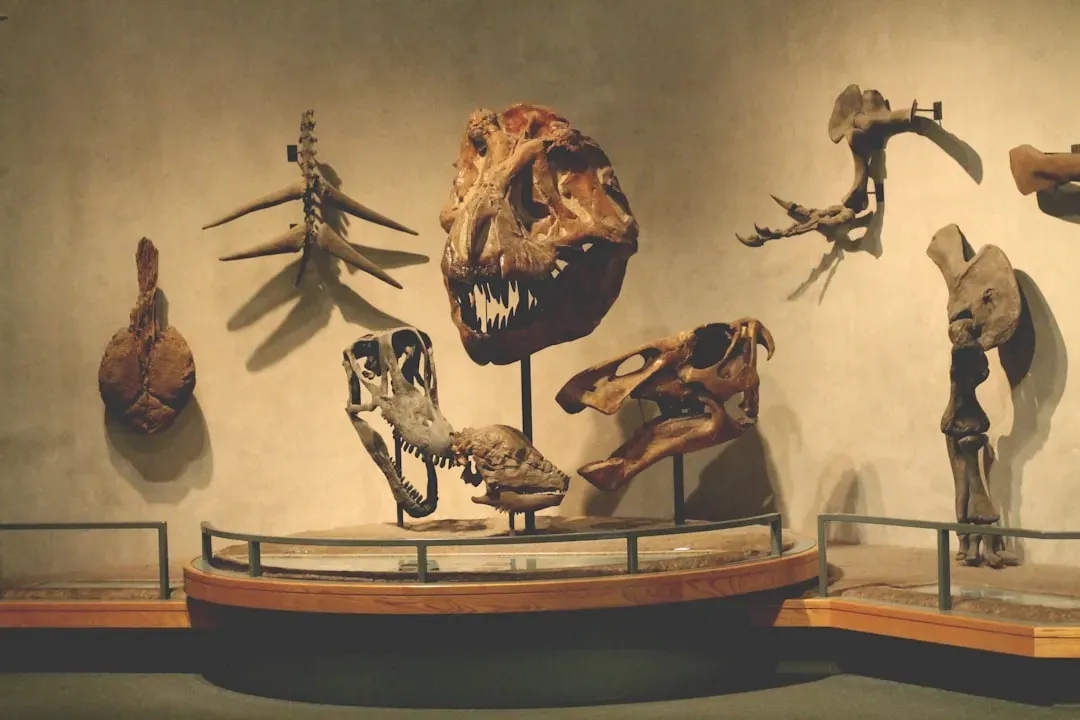
What strikes you most, stepping back and looking at all of this together, is not how much we know about dinosaurs. It’s how much we are still discovering. The picture we had even ten years ago looks genuinely incomplete by today’s standards. The T. rex had Asian roots. Nanotyrannus was real. The earliest ankylosaur looked like a heavily armed medieval knight designed by a punk band. Ancient sauropod necks were stretching even before anyone expected them to.
Every year, the fossil record gives up more of its secrets, and every year, the story becomes richer, stranger, and more spectacular than the last. These discoveries illustrate the vibrant pace of modern dinosaur research, and from experimental wing structures and monumental sauropods to exquisitely preserved mummies and revelations about reproduction, each find reshapes our understanding of Mesozoic ecosystems. We live in an era where nearly one new dinosaur species is being named every single week. And somewhere out there, in a desert, a quarry, or maybe even in the back of an overlooked museum cabinet, the next one is already waiting.
What kind of dinosaur do you think is still out there, hiding in plain sight?