Imagine standing at the base of an animal so tall it casually browses the treetops the way you might reach for a glass on a high shelf. That was daily life on Earth roughly 100 million years ago. The idea of land animals that large seems almost physically impossible today, yet the fossil record tells us it happened, over and over again, across multiple dinosaur lineages.
So what was really going on? Was it the environment, the food, some quirk of dinosaur biology, or simply an ancient version of keeping up with the neighbors? The answers, it turns out, are genuinely surprising, and they challenge more than a few long-held assumptions. Let’s dive in.
The World They Inherited: A Planet Built for Giants
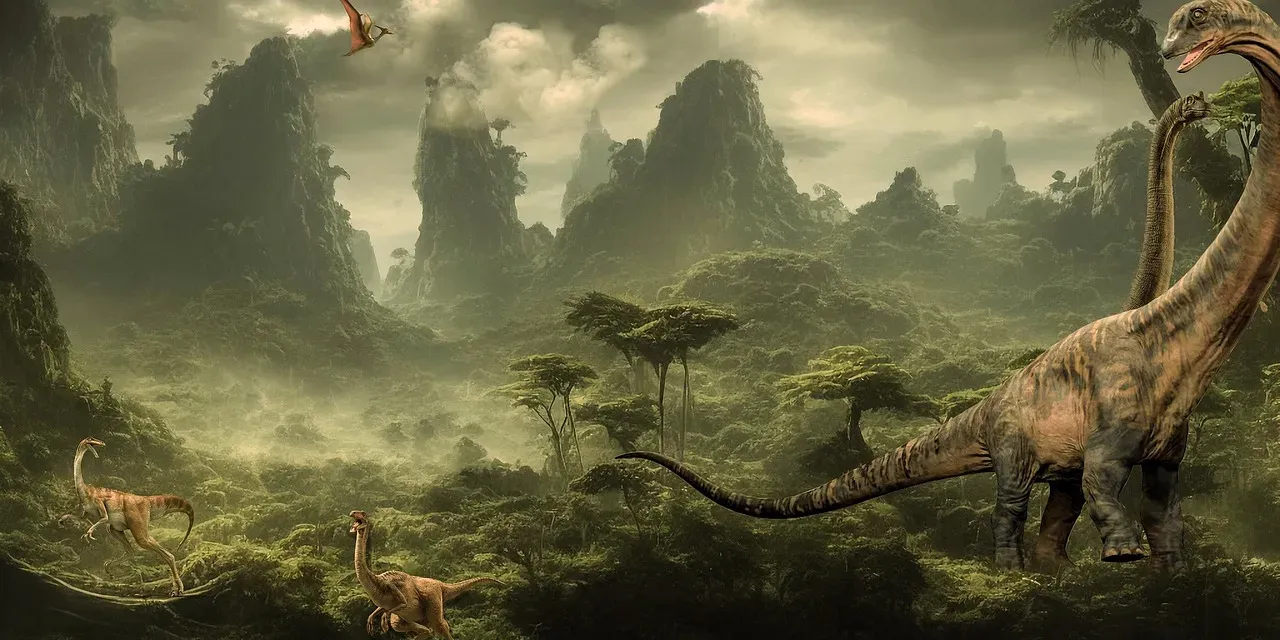
You have to picture the Mesozoic Era as a planet that simply ran hotter, greener, and wilder than the one you walk around on today. The Mesozoic Era’s environment was fundamentally different from ours, with atmospheric CO2 levels considerably higher than today, peaking dramatically in the mid-Cretaceous, and a warm, stable global climate that supported extensive plant growth. Think of it like a permanently tropical greenhouse stretched across the entire globe.
The warm, humid climate meant dense forests thrived even near the poles, and this vegetation provided abundant food for herbivorous dinosaurs, which in turn sustained a food chain capable of supporting enormous animals. Consistent food availability meant herbivores could grow large, and large herbivores meant the predators hunting them had strong evolutionary pressure to grow large too. It becomes a feedback loop that feeds on itself, generation after generation.
Cope’s Rule: Evolution’s Built-in Bias Toward Bigger
Cope’s Rule is the scientific principle stating that lineages evolve toward larger body sizes over evolutionary time, recognizing that larger body sizes often improve an animal’s ability to capture prey, avoid predators, and fight competitors. It sounds almost too neat to be true, and honestly, it isn’t a universal law. But the pattern is real and well-documented, and it mattered enormously for dinosaurs.
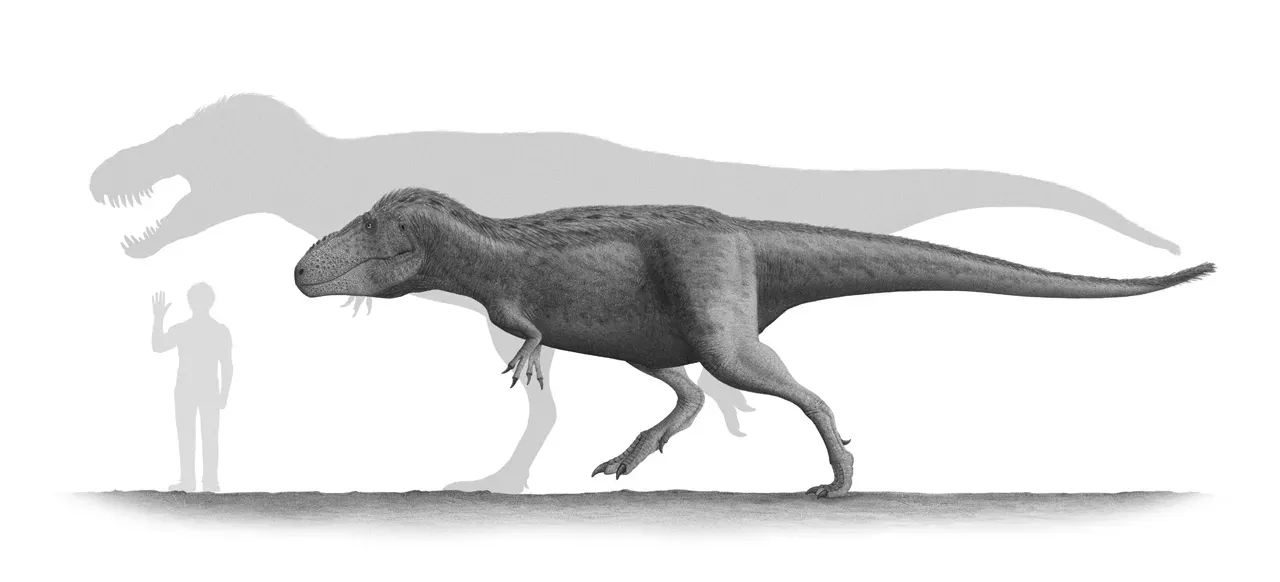
Research into Cope’s Rule within dinosaurs found that some groups, including the long-necked sauropods, do grow larger over time as the rule suggests. However, other groups like theropods, which include the popular T. rex, did not follow the same trend. So you shouldn’t picture all dinosaurs relentlessly inflating in size. The story is messier and more interesting than that. Giant dinosaurs appear to have evolved dozens of times, in response to local environmental conditions.
The Hollow Bone Secret: Light Enough to Be Huge
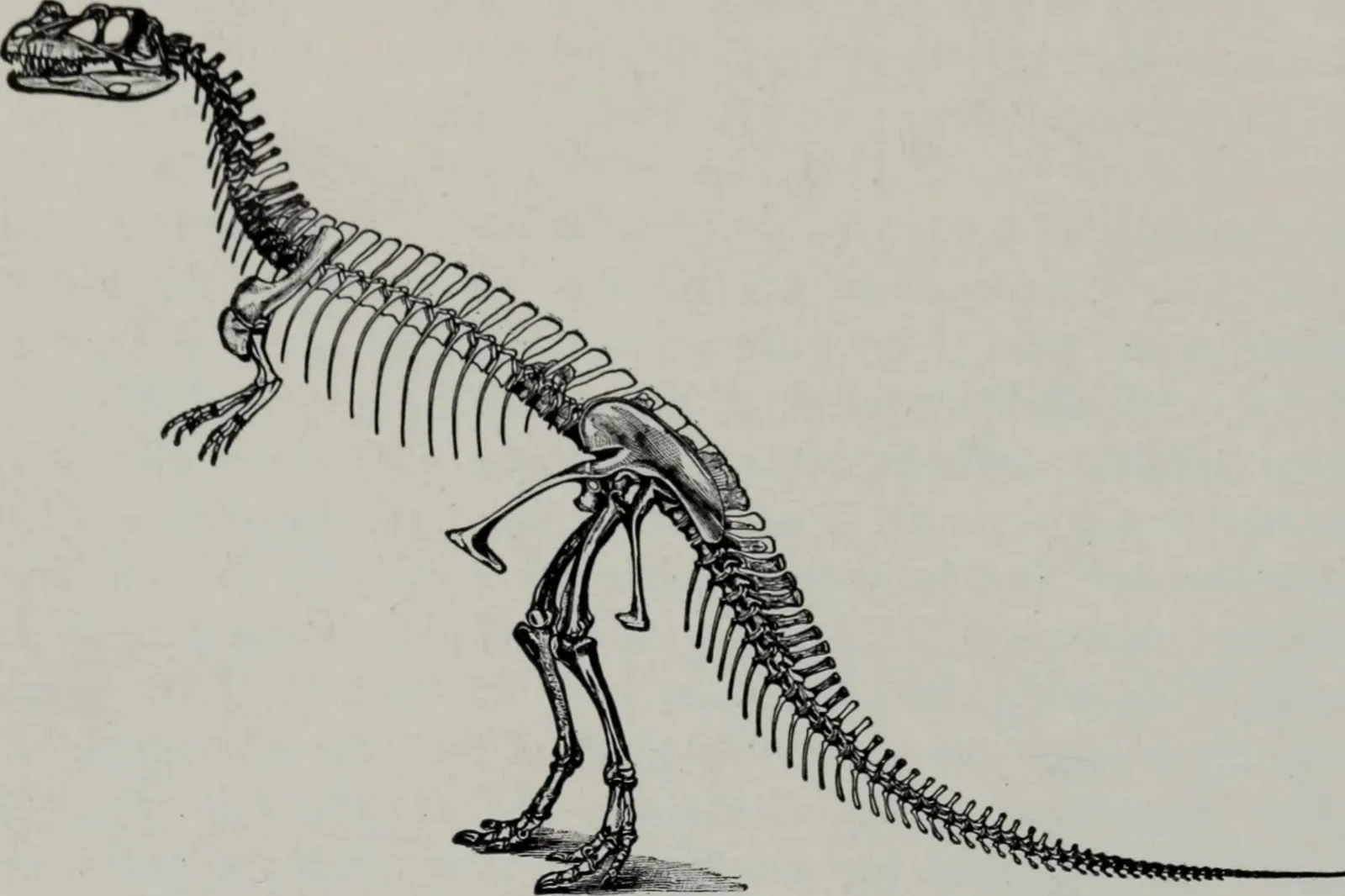
Here’s the thing about being massive: your skeleton has to actually support all that weight without collapsing. So how did creatures weighing dozens of tonnes manage it? Part of the answer is surprisingly elegant, and it connects dinosaurs directly to modern birds. Unique to dinosaurs and their descendants birds is an incredibly efficient respiratory system, where the hollow bones contained air sacs that kept them light and served as temporary stores of oxygen, with the combination of these air sacs and their lungs meaning that dinosaurs were supplied with oxygen when they breathed in and when they breathed out.
Dinosaurs had a highly efficient respiratory system similar to modern birds, with air sacs extending into many bones, which lightened the skeleton and facilitated unidirectional airflow through the lungs providing continuous oxygen, and this efficient oxygen uptake was crucial for powering large, active bodies and aiding cooling. Think of it like replacing the solid steel frame of a building with a structure using hollow titanium tubes. You lose almost no structural integrity but you shed enormous weight. That trade-off made gigantism physically achievable in a way it simply couldn’t be for most other land animals.
Eating Without Chewing: The Feeding Strategy That Changed Everything
You might be thinking that feeding an animal the size of a house is obviously the hardest part of the whole exercise. Surprisingly, the sauropods solved this by doing something almost shockingly simple: they didn’t chew. It appears that traits sauropods inherited from their ancestors, such as swallowing large amounts of food without chewing, allowed the beginnings of increased body size, which was further supported by the development of a bird-like breathing system that allowed oxygen to be supplied to their bodies more efficiently.
Because sauropods had such long necks, they must have been more efficient eaters than other large herbivores, meaning they could cover much larger feeding grounds and reach food that was inaccessible to other dinosaurs, and in theory the massive sauropods must have been able to grow larger because they fed more efficiently. It’s a bit like comparing someone who takes dozens of small bites and chews carefully versus someone who just scoops massive quantities straight in and lets their gut handle it. One approach is far faster, and for an animal needing thousands of calories every day, that speed mattered immensely.
Eggs Over Offspring: Why Reproduction Unlocked Extreme Size
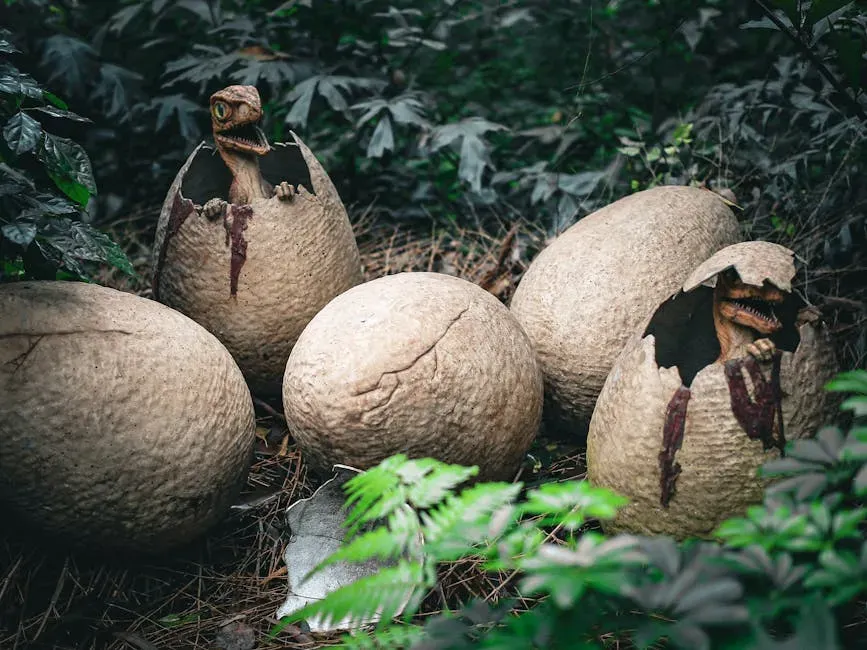
Here’s one of the most underappreciated secrets of dinosaur gigantism, and it completely reframes the question. Mammals are constrained in how large they can grow partly because of how they reproduce. One very important relevant difference is that dinosaurs, being egg-layers, did not have the limitations on gestation length and litter size that would restrict placentals from reaching their size. An elephant cow carries one calf for nearly two years. A sauropod laid eggs and walked away, investing almost nothing in each individual offspring.
When sauropods hatched, they generally weighed less than 11 pounds, yet in only about three decades they grew to be adults that were 10,000 times heavier or more, and such rapid weight gain per year has never been seen in any other land animal living or extinct. Studies of their bones show the animals initially gained as much as two tons each year. You could almost call it one of the greatest growth explosions in the history of life on this planet. Small eggs, enormous adults, and a reproductive strategy that simply bypassed the size limitations plaguing every mammal that ever lived.
The Predator-Prey Arms Race: Growing to Survive
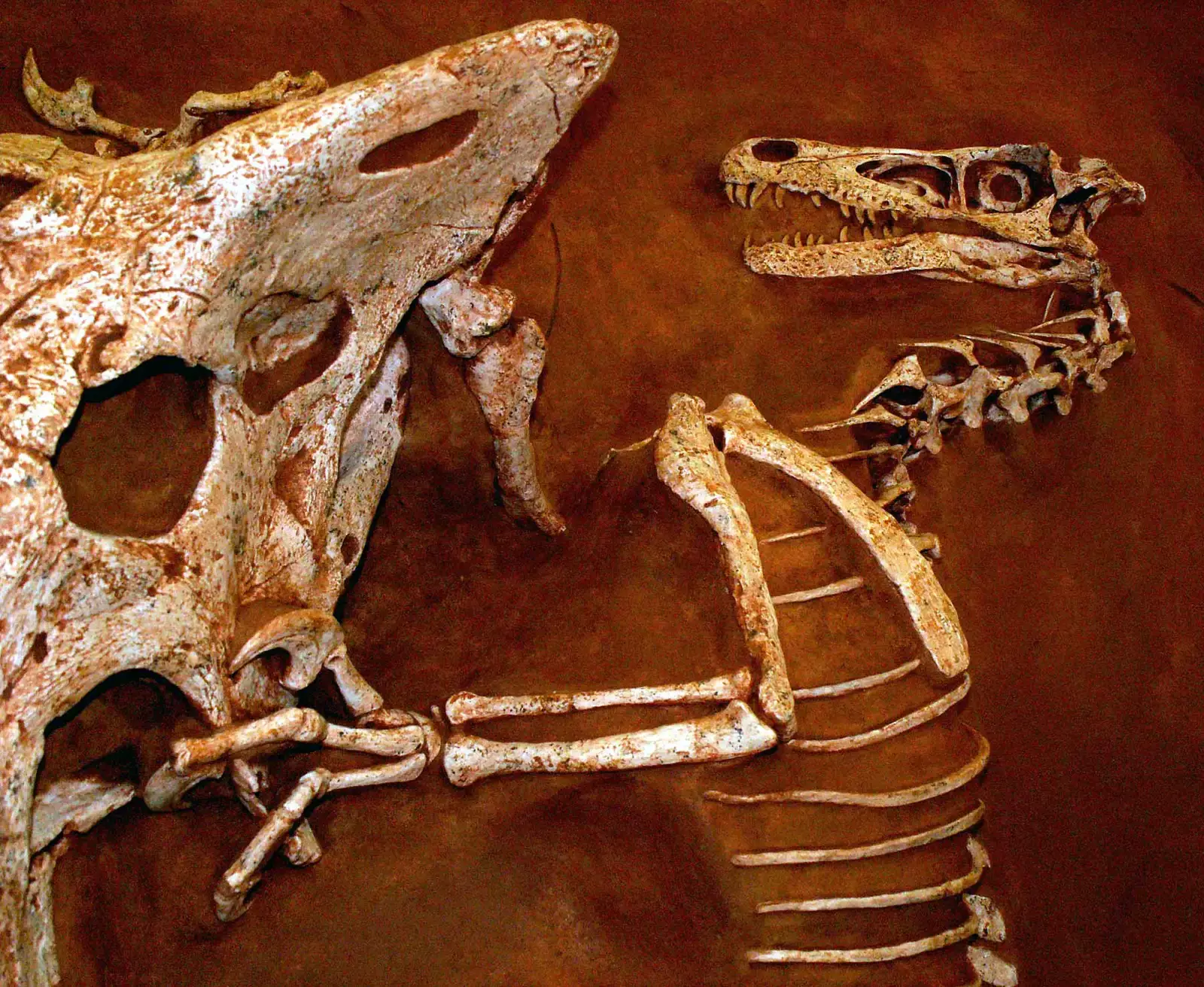
Large animals are more difficult to hunt. If one elephant is large and another is small, predators will have an easier time catching and killing the smaller one. The bigger elephant survives and has offspring which may be slightly larger than their parents at adulthood, and over time, elephants reach their present-day size. Substitute “elephant” for sauropod and you have a pretty elegant description of prehistoric natural selection in action.
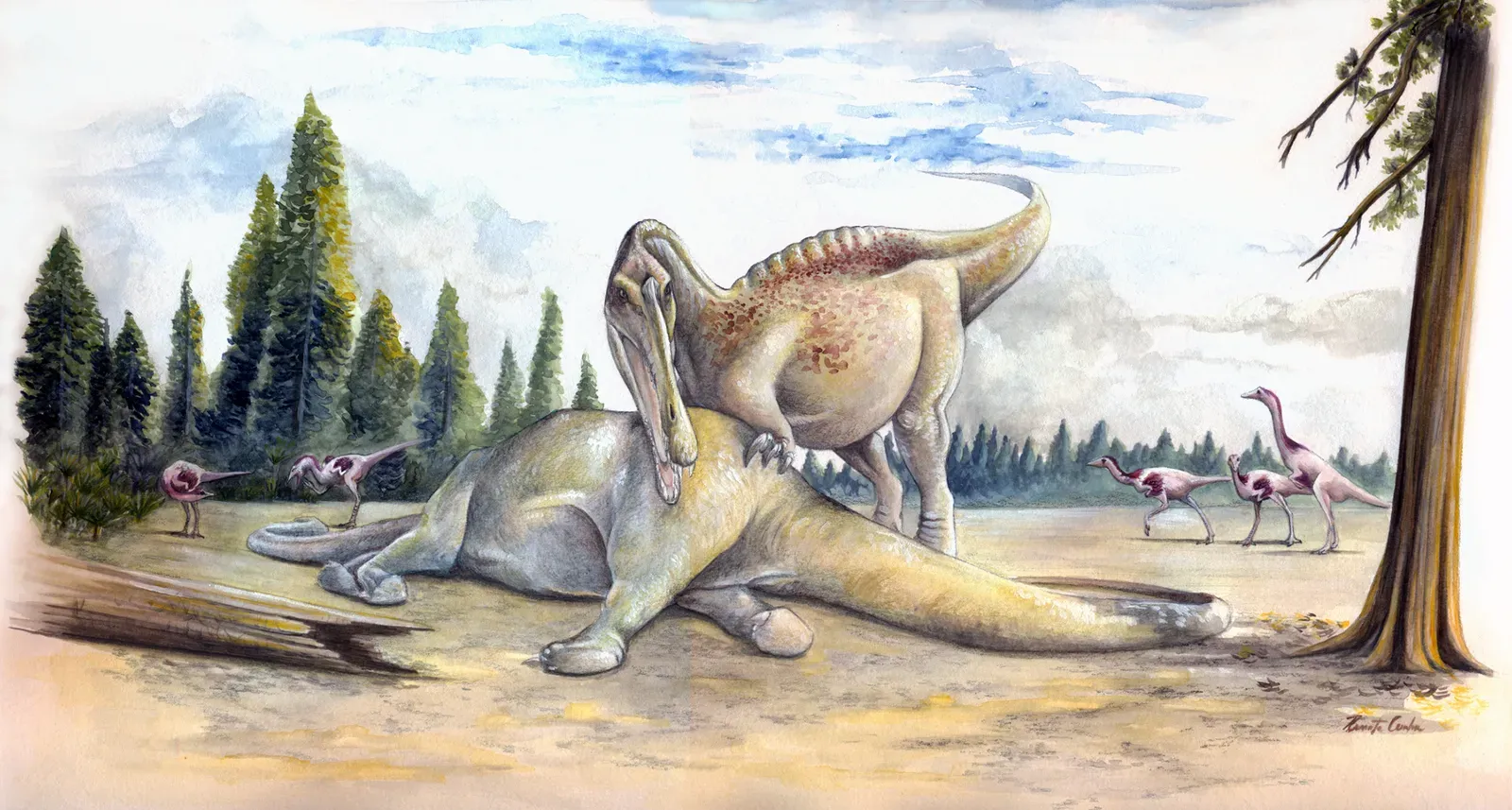
The arms race went both ways, which is genuinely fascinating. Research predicted the largest T. rex could have been capable of eating a sauropod, and this predation could in turn prompt sauropods to grow even larger. There’s almost like an arms race going on, which suggests that evolutionary pressure may have contributed to sauropods’ gigantism. So when you look at a titanosaur and a tyrannosaurid and wonder which came first, the answer might simply be: they pushed each other there.
The Growth Ring Evidence: Bones Tell the Real Story
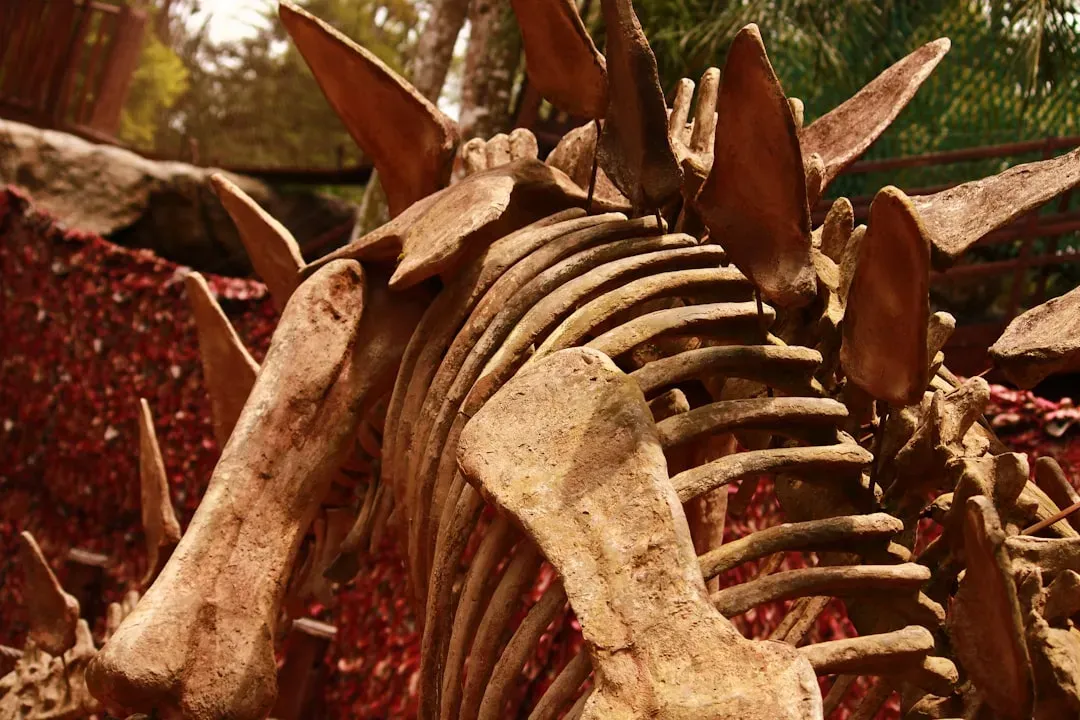
One of the most brilliant innovations in modern paleontology is figuring out how to read dinosaur bones the same way you read tree rings. The approach gives you a direct window into how fast these animals actually grew, and what researchers found surprised even the scientists asking the questions. Bones preserve a record of yearly growth much like tree rings do. Each year, new bone growth is preserved as a ring around the outside of the bone, where thick rings represent years where a lot of new bone was produced and correspond to rapid growth, while thin rings indicate slow or minimal growth.
Research found that there is no one way to grow a dinosaur, with the largest dinosaurs sometimes taking as little as 10 years or so to get to their truly immense sizes, while some others would have taken decades, indicating vastly different growth rates and durations in the largest dinosaurs. It’s a bit like discovering that some humans finish a marathon in two hours and others in six, both using completely different physiological strategies to get to the same finish line. Dinosaur bones show evidence that they formed rapidly, like those of birds and mammals rather than slowly as in reptiles, and it is therefore probable that dinosaurs became gigantic because they could grow fast enough to do so.
The Upper Limit: Why They Couldn’t Just Keep Growing Forever

dmitrchel@mail.ru, Public domain)
Let’s be real, if getting bigger was always better, why didn’t dinosaurs just keep inflating indefinitely? The truth is that size comes with its own ceiling, and the biggest dinosaurs were apparently bumping against it. Research shows an increase in body mass very early in their evolution, and after the Late Jurassic period sauropods arrived at a relatively constant state of gigantism. They reached a certain level where they couldn’t get to bigger sizes, likely because their bodies were already supporting the extremes they had achieved.
By externalizing birth and development, sauropods and other dinosaurs were able to sidestep the costs and risks that constrain mammal size. For dinosaurs, mechanical and other biological constraints might have prevented them from becoming even larger, and the fact that all the genera that are contenders for the largest dinosaur of all time title top out around 100 to 110 feet in length might indicate that these dinosaurs were reaching the anatomical ceiling of how large it was possible for them to get. It’s hard to say for sure, but there’s something almost poetic about the idea of a creature so massive it literally ran out of room to keep growing within the laws of biology and physics.
Conclusion: A Perfect Storm of Biology, Ecology, and Time
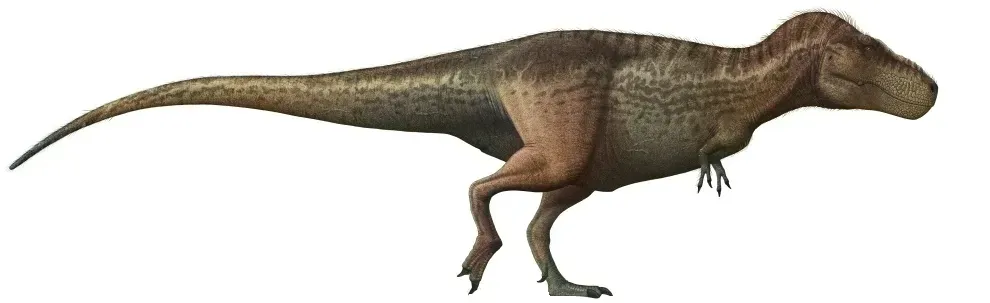
Dinosaur gigantism wasn’t a fluke. It wasn’t lower gravity (that theory has been thoroughly debunked), and it wasn’t simply that the world had more food. There was no single cause for the observed trend in body size, but rather an intertwined mass of pressures and constraints which shaped the evolution of these dinosaurs – a constant interplay between what was evolutionarily possible and what was advantageous to local conditions at a given time.
You’re looking at a convergence of hollow bones that reduced weight, bird-like lungs that turbocharged metabolism, egg-laying reproduction that eliminated the size cap plaguing mammals, a world drowning in edible vegetation, and millions of years of predator-prey escalation. Remove any one of those pieces and the giants may never have existed. Together, they produced the most spectacular land animals this planet has ever seen.
It’s worth sitting with that for a moment. The largest creature you’ll ever stand near in your lifetime, the blue whale, exists in a world that supports its weight through water. On land, nothing today even comes close to what was once completely ordinary. No modern animals except whales are even close in size to the largest dinosaurs, and paleontologists think that the dinosaurs’ world was much different from the world today and that climate and food supplies must have been favorable for reaching great size. What would you have guessed was the single biggest reason these giants existed? Odds are the answer is more complicated, and more wonderful, than you imagined.