
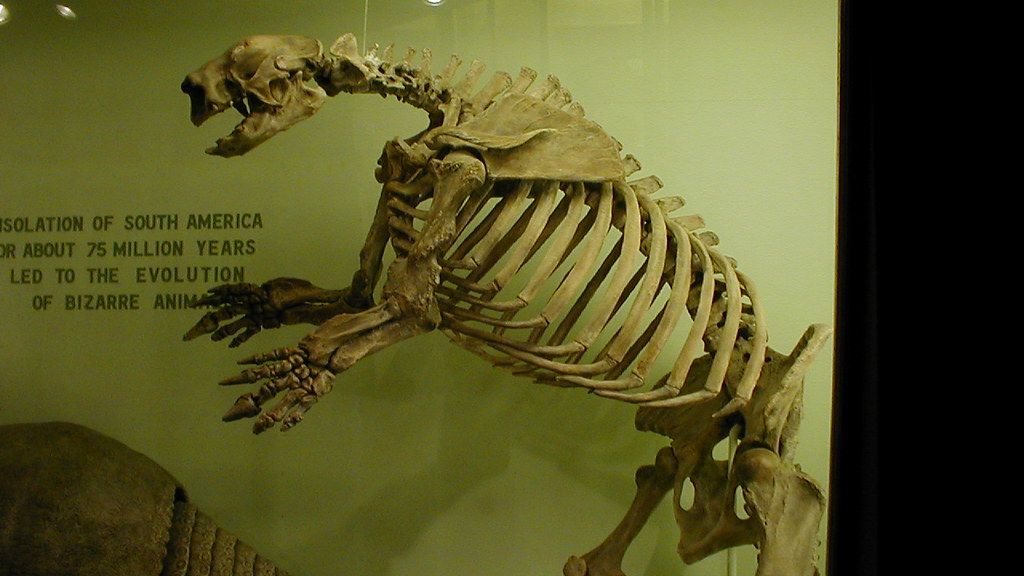
Picture a world where something the size of a small car, covered in shaggy fur and armed with claws longer than your forearm, lumbers past your campfire at dusk. That was not a fantasy. That was Tuesday for early humans living in the prehistoric Americas. The story of our ancient coexistence with giant ground sloths is one of the most surprising chapters in natural history, and for most of us, it is shockingly unknown.
Here’s the thing – when most people hear the word “sloth,” they picture a sleepy little creature dangling from a branch and blinking slowly. They don’t picture a multi-ton beast capable of rearing up on its hind legs like a bear. Yet that is exactly what your prehistoric ancestors would have encountered, possibly for thousands of years. The picture that science is painting of this coexistence is becoming richer, stranger, and more thought-provoking by the day. So let’s dive in.
The Giants Themselves: What You Would Have Been Looking At
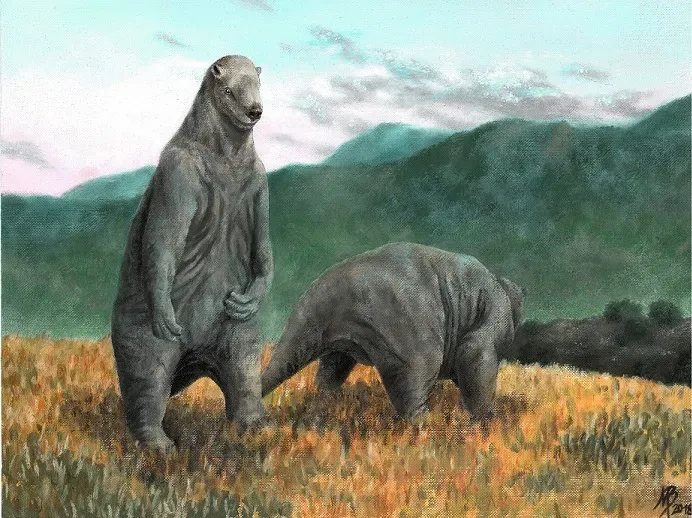
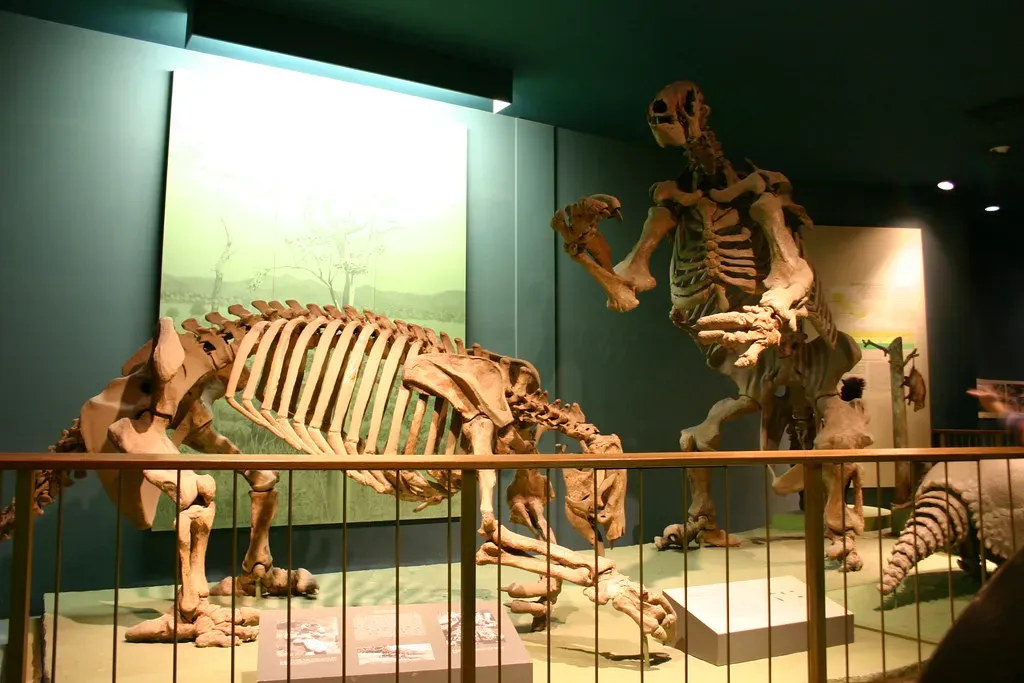
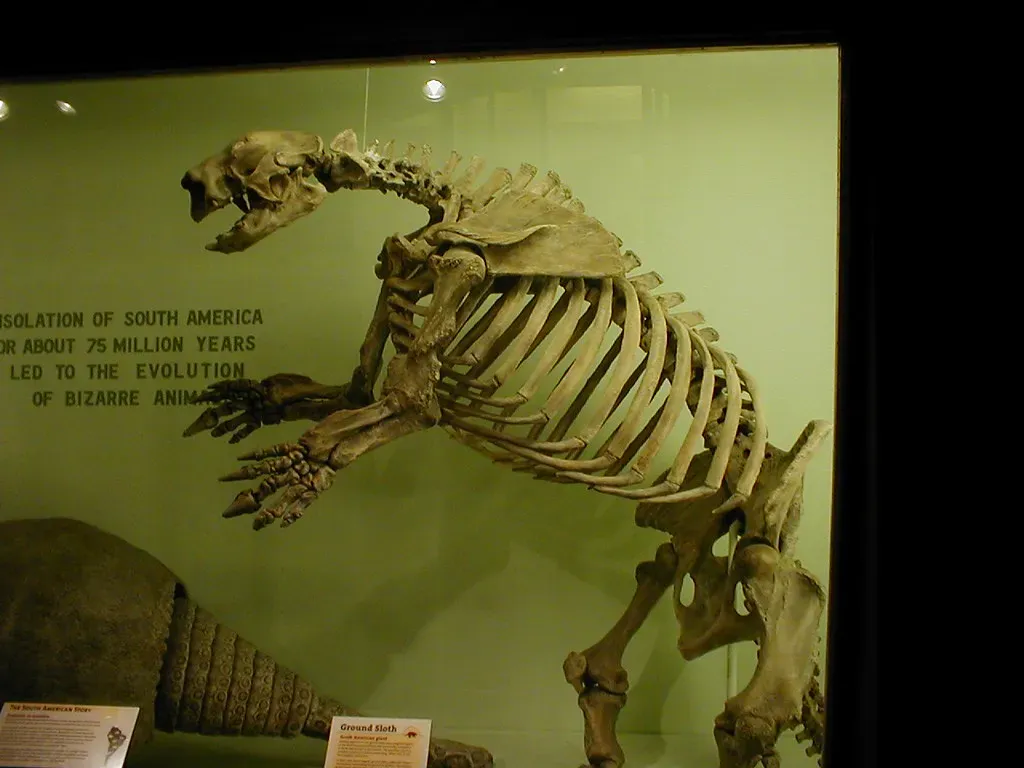
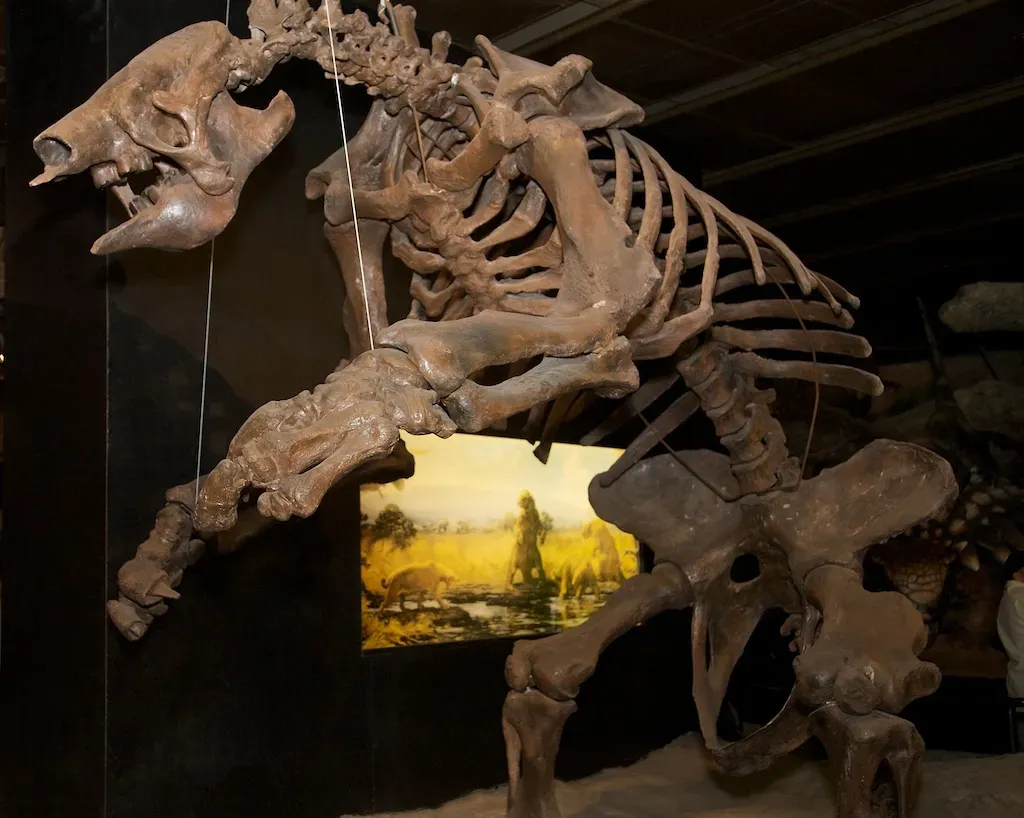
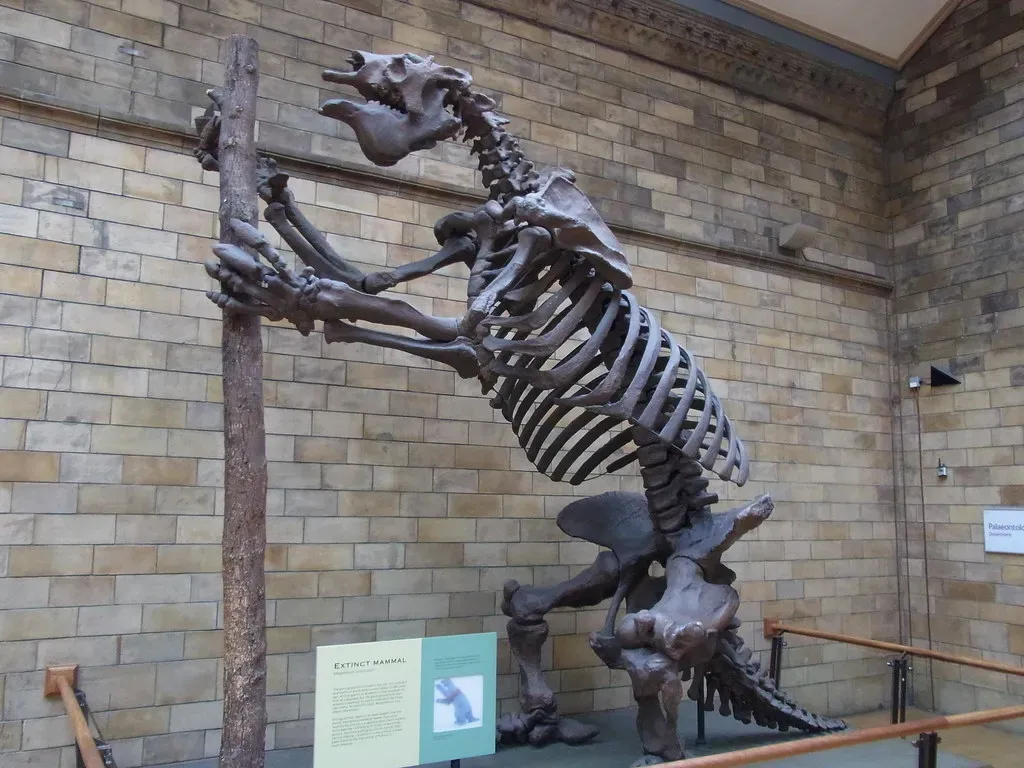
Let’s start with the basics, because the sheer scale of these animals deserves a moment of honest appreciation. The largest sloths, in the genus Megatherium, were about the size of Asian bull elephants and weighed roughly 8,000 pounds. To put that in perspective, that is heavier than most pickup trucks. Not one. Several.
Megatherium americanum is best known as the elephant-sized type species, weighing between roughly 7,700 and 8,800 pounds, primarily found across the Pampas region of South America. These animals were not just big in a vague, abstract sense. They were architectural wonders of biological engineering. Fossilized trackways have revealed the astonishing fact that these giants regularly walked upright on their hind legs, and since they weighed nearly as much as an African elephant, walking on only two legs would have put a tremendous strain on their skeletons.
Ground sloths varied widely in size, from the truly massive Megatherium, which could rip foliage off the tops of trees with its prehensile tongue and acted as a sort of ecological stand-in for giraffes, to the modestly chunky Shasta ground sloth that terrorized cacti in the desert southwest of North America. Honestly, the variety alone is staggering. You were not dealing with one type of giant sloth but rather an entire family of them, each occupying its own ecological niche across a continent.
Confirmed: You Really Did Share the Earth With Them
If you ever assumed that giant sloths were ancient history by the time humans came along, you would be wrong. Very wrong. For many years, scientists believed that humans set foot in the Americas around 13,000 years ago and rapidly hunted massive creatures like giant ground sloths and saber-toothed cats into extinction in what was called “Pleistocene overkill,” but researchers from different archaeological sites have recently suggested that people may have arrived much earlier and may have coexisted with these animals for thousands of years.
Laboratory analysis suggests that sloth bones were shaped and drilled not long after the animals died, hinting at a human presence in South America more than 25,000 years ago. That is a staggering timeline. At New Mexico’s White Sands, researchers have uncovered human footprints dated to between 21,000 and 23,000 years ago, as well as similar-aged tracks of giant mammals. You were not just passing through their territory. You were living alongside them, season after season, generation after generation.
Footprints in the Mud: The Frozen Moments of Encounter
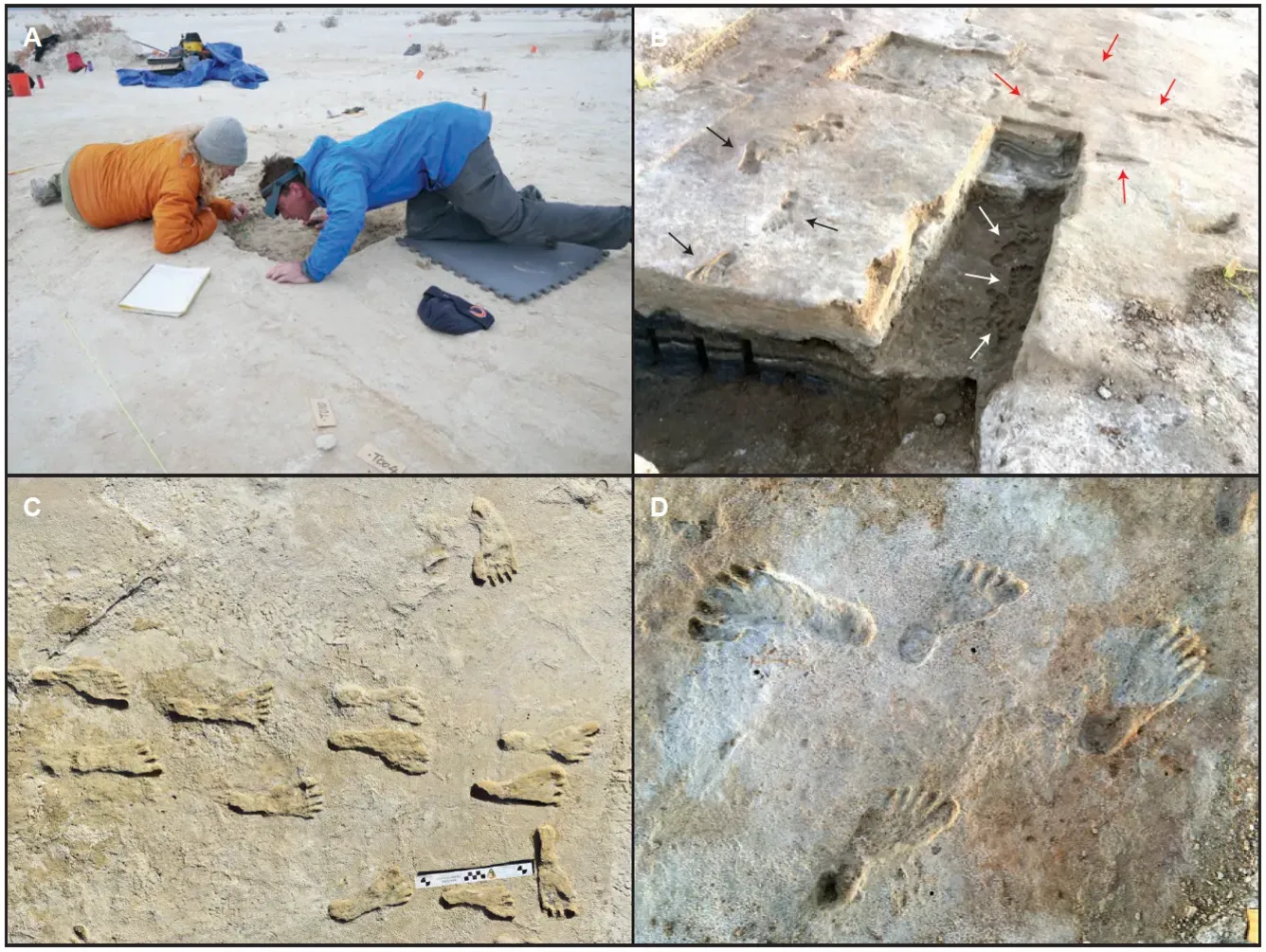
Perhaps no discovery captures the drama of prehistoric coexistence quite like the trackways at White Sands National Park in New Mexico. These are not abstract data points. They are freeze-frames of actual encounters. Researchers found fossilized human footprints inside the ancient footprints of a giant ground sloth, leading them to believe a human may have stalked the animal in a hunting expedition at the end of the Ice Age, on a remote salt flat in New Mexico’s White Sands National Monument.
One set of tracks shows a giant ground sloth going along on four feet when it encounters the footprints of a small human who had recently dashed by, and the huge animal stops and rears up on its hind legs, shuffles around, then heads off in a different direction. Think about how cinematic that is. A creature weighing several tons, spooked by the footprint of a human. It speaks volumes about the tension that must have existed between two species sharing the same ancient landscapes. Researchers also identified what they call “flailing circles” of sloth tracks in stalked trackways, which record the rise of the sloth on its hind legs and the swing of its forelimbs, presumably in a defensive motion.
Giant Sloths as Prey: What Was on the Menu
I know it sounds almost absurd, but yes, your prehistoric ancestors genuinely hunted and ate giant sloths. This was not the occasional opportunistic scavenge. It was a deliberate, systematic practice. Analysis of archaeological sites in southern South America indicates that early humans primarily hunted and consumed extinct megafauna, such as giant sloths and armadillos, between 13,000 and 11,600 years ago.
A single kill could feed dozens of people for days or weeks, and the fat content, so vital for survival in colder climates, was plentiful. By contrast, smaller animals like guanacos or deer offered far less energy for much more frequent effort. In purely practical terms, hunting a giant sloth made strategic sense. It was risky, certainly. Thick bones and even thicker joints on the hind legs gave the animals tremendous power that, combined with their size and fearsome claws, provided a formidable defense against predators. Yet the caloric payoff of a single successful hunt was simply enormous, and early humans were clearly willing to take the risk.
Sloth Bones as Jewelry: A Stranger Side of Coexistence
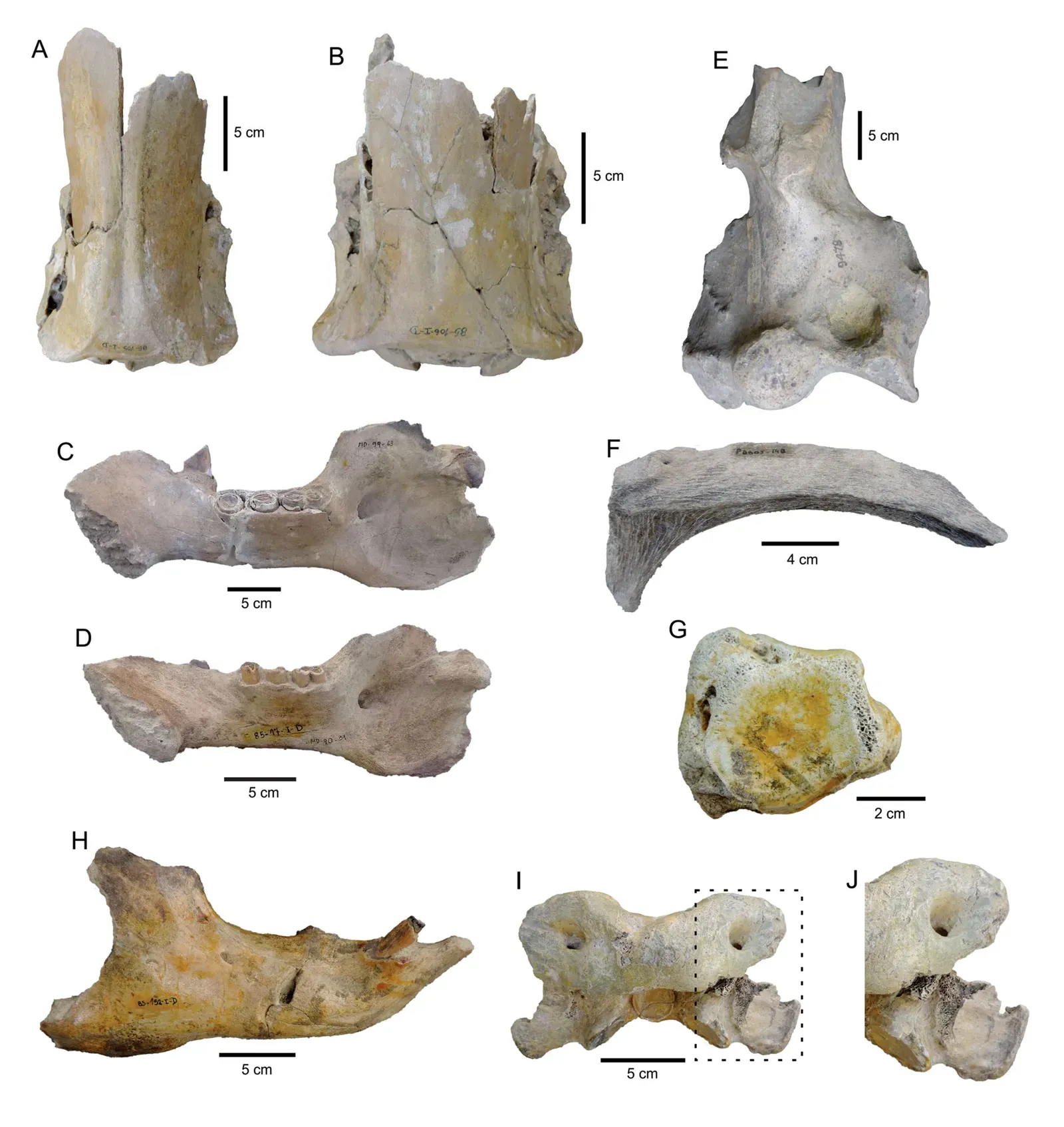
The relationship between early humans and giant sloths was not purely about food. There is compelling evidence that our ancestors also incorporated these creatures into their material culture. Some of the most tantalizing clues come from an archaeological site in central Brazil called Santa Elina, where bones of giant ground sloths show signs of being manipulated by humans, and sloths like these once lived from Alaska to Argentina, with some species having bony structures on their backs called osteoderms, a bit like the plates of modern armadillos, that may have been used to make decorations.
Researcher Mírian Pacheco holds in her palm a round, penny-sized sloth fossil at the University of São Paulo, noting that its surface is surprisingly smooth, the edges appear to have been deliberately polished, and there is a tiny hole near one edge. Wearing a piece of an animal that could weigh several tons as an ornament around your neck is, I think, one of the most striking things I have come across in prehistoric archaeology. These artifacts from Santa Elina are roughly 27,000 years old, more than 10,000 years before scientists once thought that humans arrived in the Americas. Coexistence, in other words, ran far deeper and far longer than anyone had imagined.
The End of Coexistence: What Killed the Giants?
This is where the story gets uncomfortable. The giant sloths are gone, and the question of who or what is responsible remains one of the most debated topics in paleontology. Analysis shows that human hunting of large animals such as mammoths, mastodons, and giant sloths was widespread and consistent across the world, and the species went extinct at very different times and at different rates around the world – in some local areas it happened quickly, while in other places it took over 10,000 years, but everywhere, it occurred after modern humans arrived.
The most compelling piece of evidence against purely climate-based explanations comes from the islands. By using radiocarbon dating of fossils from Cuba and Hispaniola, where humans appeared later than on the North American continent and long after the last Ice Age, researchers found that the last record of West Indian ground sloths coincided with the arrival of humans roughly 4,400 years ago. The slow, ground-dwelling sloths had no previous experience with human predators and thus would have been easy prey for prehistoric hunters. It is a sobering pattern. Wherever humans went, the giants soon vanished. Whether that was intentional or a slow ecological unraveling is still being debated, but the correlation is hard to ignore.
Conclusion: A Mirror Held Up to the Present
The story of humans and giant sloths sharing the ancient Americas is not simply a curiosity from the distant past. It is a profound reflection of what our species is capable of, both in terms of adaptability and impact. You were capable of living alongside creatures of extraordinary size, hunting them with spears made of stone, carving their bones into jewelry, and weaving them into your daily life for tens of thousands of years.
Yet the disappearance of these animals, arriving with the same timing and the same footprint across continents and isolated islands alike, is a pattern that scientists increasingly associate with human activity. Our species has always been capable of reshaping ecosystems through appetite and ingenuity. Thirteen thousand years ago, our ancestors brought down animals weighing several tons with stone-tipped spears. Today, we wield industrial-scale technologies that can transform entire biomes. The tools have changed enormously. The pattern, though? That part looks familiar.
The giant sloths are gone, but the questions they leave behind are very much alive. What does it mean to coexist with something magnificent and then lose it? What would a world with these creatures still in it look like today? And perhaps most pressingly: are we paying close enough attention to the lesson that their disappearance contains? What do you think – does knowing your ancestors lived alongside these giants change the way you see our relationship with the natural world? Share your thoughts in the comments.