If you think the Earth you stand on right now is just how it’s always been, prepare yourself for a serious reality check. The planet we call home has gone through changes so extreme, so strange, and so unrecognizable that it would be nearly impossible to survive on its ancient surface, even for a few minutes. Oceans glowed green. The sky contained no oxygen. Days lasted only a few hours. Honestly, it’s the kind of stuff that sounds like pure science fiction but is backed by hard geological evidence.
From molten hellscapes to frozen snowball catastrophes, Earth’s past is nothing short of jaw-dropping. The deeper you dig into the planet’s history, the stranger and more humbling it becomes. So let’s dive in, because what you’re about to discover will completely change how you see the ground beneath your feet.
1. The Atmosphere Was Utterly Toxic – No Oxygen, Just Poison
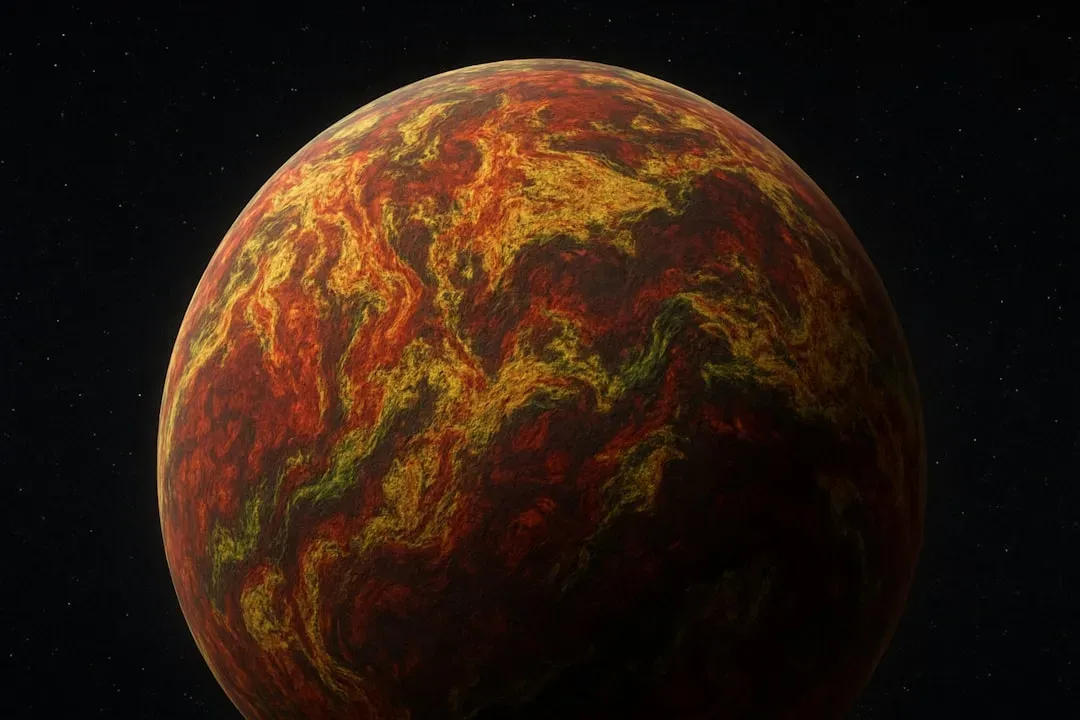
If you were somehow transported back to the early Archean Eon, roughly 3 to 4 billion years ago, the first breath you tried to take would kill you. Carbon monoxide, carbon dioxide, water vapor, and methane dominated the atmosphere, and free oxygen was completely absent – scientists conclude that the atmosphere during the Archean Eon was entirely anoxic. You weren’t breathing air. You were breathing the exhaust of a volcanic planet.
The early atmosphere was vastly different from the one we breathe today, primarily composed of gases released during planetary formation, including water vapor, carbon dioxide, methane, ammonia, and traces of other volatile compounds. Think of it like standing inside a running combustion engine – relentless, suffocating, and utterly hostile to any creature you might recognize. The sky itself was fundamentally alien.
2. Earth Was Born as a Ball of Molten Lava
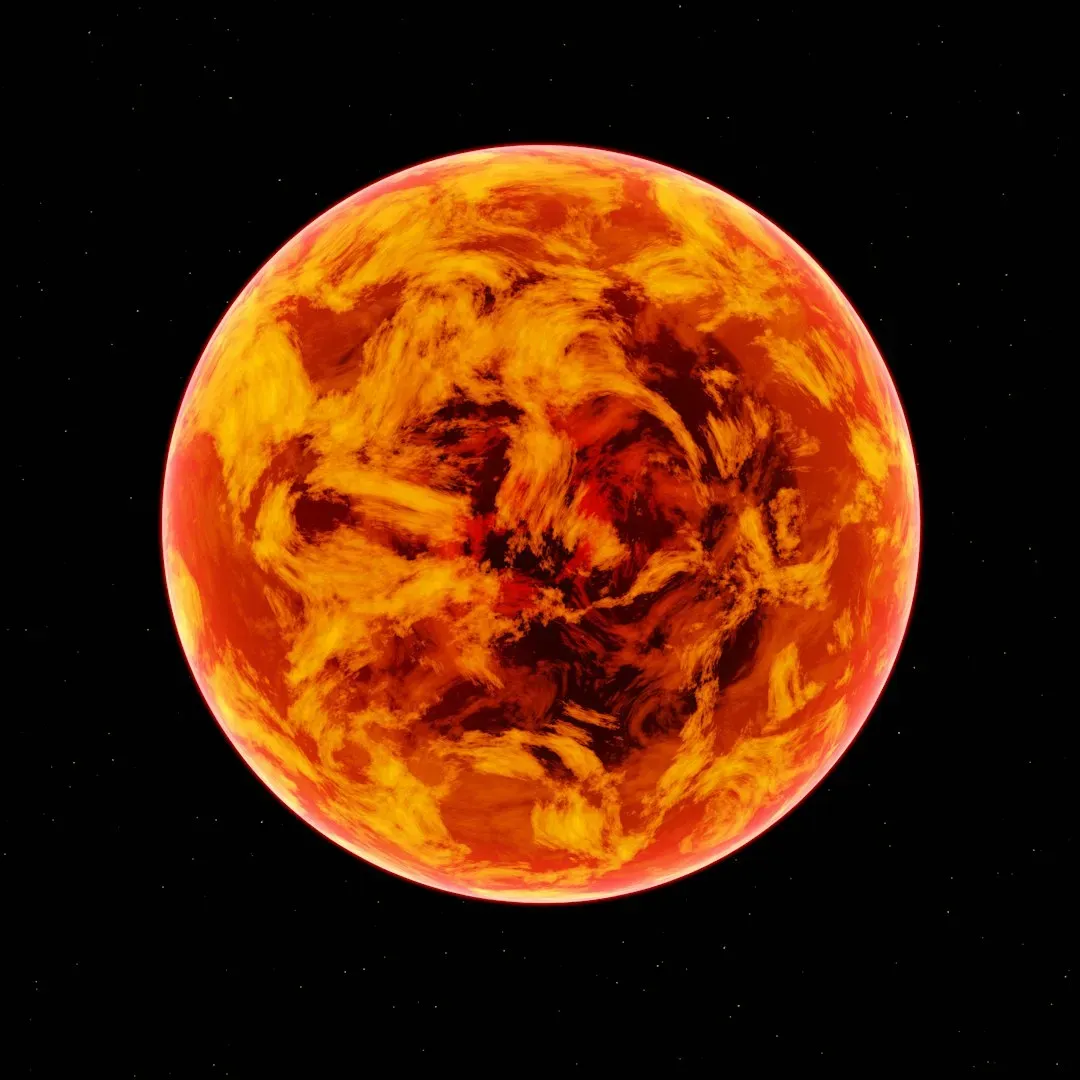
The Hadean Eon, named after the Greek ruler of the underworld, is the oldest eon and dates from 4.5 to 4.0 billion years ago. This time represents Earth’s earliest history, during which the planet was characterized by a partially molten surface, volcanism, and asteroid impacts. Several mechanisms made the newly forming Earth incredibly hot: gravitational compression, radioactive decay, and asteroid impacts. There was no ocean, no land, no sky – just a churning ocean of magma that stretched from horizon to horizon.
A long time ago, as our solar system was forming, Earth was essentially a giant ball of molten lava. Approximately 4.5 billion years ago, scientists believe that Earth collided with a planet the size of Mars. The energy from this catastrophic collision blew Earth’s existing atmosphere into space, created our Moon, and caused the entire planet to melt. You could call this a reset button on a planetary scale – and the consequences of that collision ripple all the way to the world you live in today.
3. The Oceans Were Actually Green, Not Blue
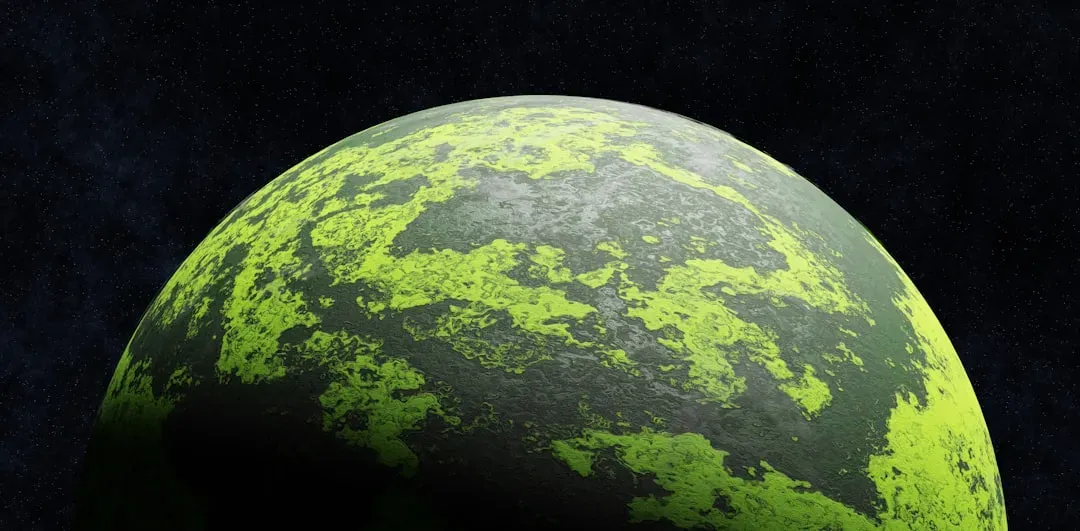
Here’s something that sounds absolutely absurd but is supported by peer-reviewed science: the oceans of ancient Earth were not blue. An intriguing study published in Nature analyzed water chemistry in the Earth’s oceans during the Archean eon, a critical point in our planet’s evolution about 3.8 to 1.8 billion years ago. Today, the atmosphere and ocean contain gaseous oxygen, which supports all life. However, in the Archean eon, the scope of life was limited to single-cell organisms in the oceans, and the levels of iron in the ocean were much higher. That dissolved iron is the key to the color story.
Oxygen released by the rise of photosynthesis in the Archean eon led to oxidized iron in seawater. Computer simulations found that oxygen released by early photosynthesis led to a high enough concentration of oxidized iron particles to turn the surface water green. Once all iron in the ocean was oxidized, free oxygen existed in Earth’s oceans and atmosphere. So the next time you look at a blue ocean, remember you’re just seeing one chapter in a much longer, stranger story. The ocean had its green era, and it lasted for billions of years.
4. Your Day Would Have Been Only a Few Hours Long
Imagine waking up to a sunrise, stepping outside, and watching the sun race across the sky – only for night to fall again just a few hours later. That was ancient Earth. Earth’s rotation rate is known to have been decreasing monotonically over geological time, owing to tides raised on Earth by the Moon. This is not a gradual, barely-noticeable change – in the early Archean, a full day may have been dramatically shorter than the 24 hours you experience today.
The most apparent consequence of a faster rotation rate is an enhancement of the equator-to-pole temperature gradient, which suggests that the Archean Earth exhibited a hotter equator relative to its poles than today. Practically speaking, this means weather systems, ocean currents, and even the distribution of heat across the planet all operated under completely different rules. The Earth was spinning like a restless, overcharged top – and everything alive on it had to cope with that frantic rhythm.
5. All the Continents Were Squashed Into One Giant Landmass
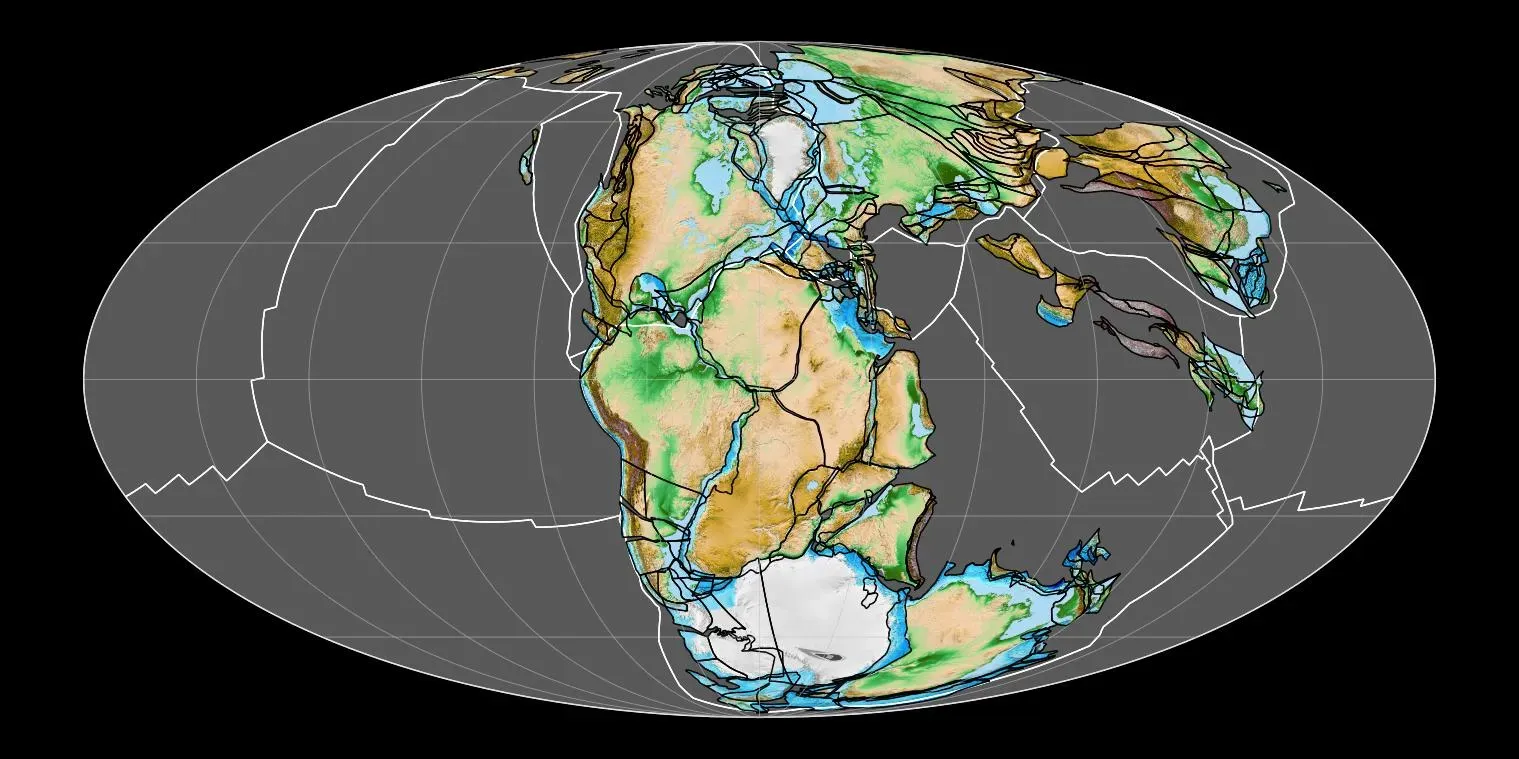
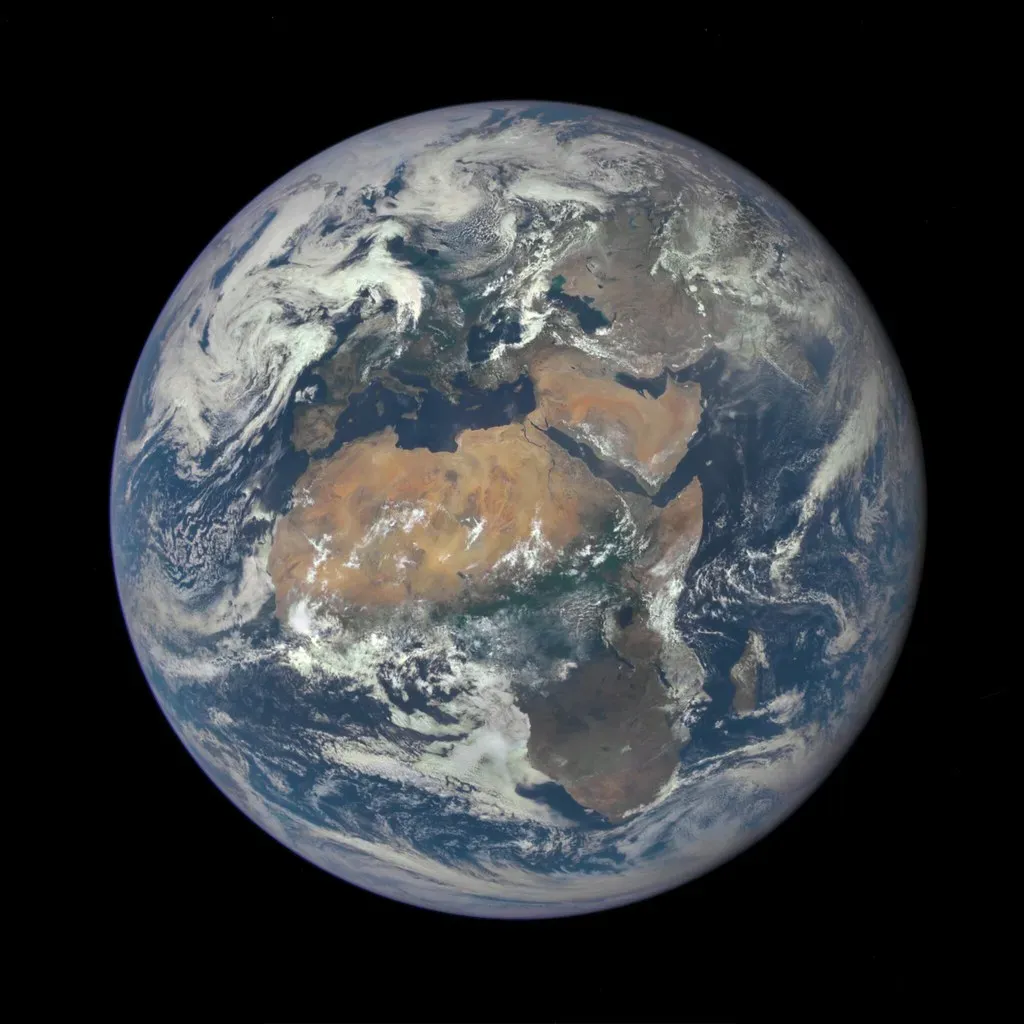
You already know the continents were once connected in a supercontinent called Pangaea – but here’s what makes it truly wild: that’s not even the oldest supercontinent. Pangaea was a supercontinent that existed during the late Paleozoic and early Mesozoic eras. It assembled from the earlier continental units of Gondwana, Euramerica, and Siberia during the Carboniferous period approximately 335 million years ago, and began to break apart about 200 million years ago. Before Pangaea, there were others – like Rodinia.
Throughout the history of Earth, there have been times when continents collided and formed a supercontinent, which later broke up into new continents. About 1,000 to 830 million years ago, most continental mass was united in the supercontinent Rodinia. Rodinia may have been preceded by even earlier continents called Nuna and Columbia. Think about it this way: the map you grew up staring at in school is essentially just one frozen frame from a 4.5-billion-year planetary animation. The continents are still moving right now, slowly and silently, with Australia and India creeping northward as you read this.
6. Oxygen Was Poison – And a Mass Extinction Happened Because of It
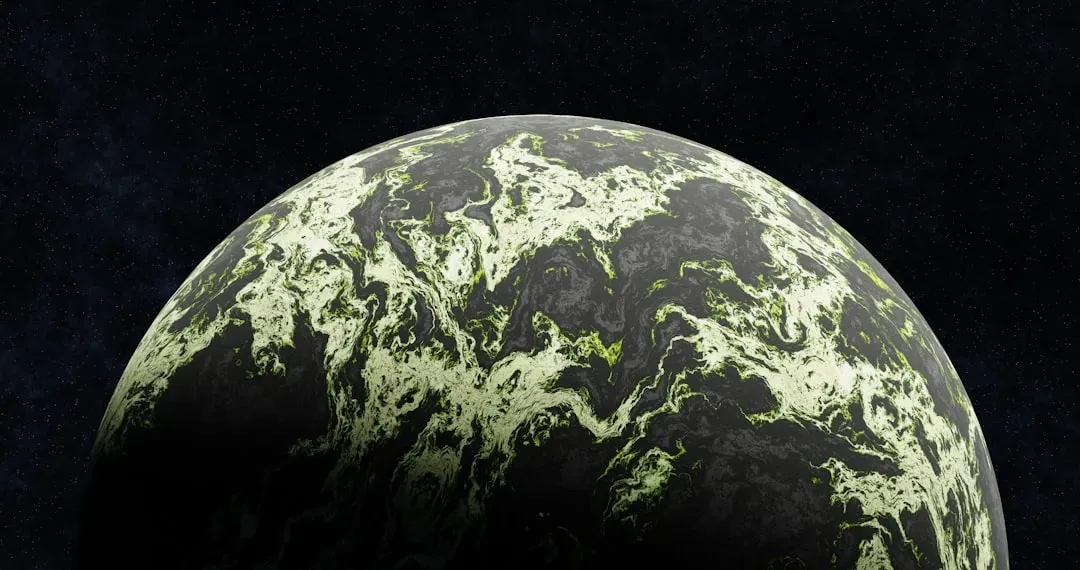
This one genuinely messes with your head. Oxygen – the very thing keeping you alive right now – was once the most catastrophic pollutant on Earth. The Great Oxygenation Event refers to a significant global rise in atmospheric oxygen that occurred approximately 2.3 billion years ago, resulting from the evolution of oxygenic photosynthesis by ancient cyanobacteria and contributing to the modification of the environment into more oxidizing conditions. This event dramatically influenced the bioavailability of metals and the evolution of aerobic respiration in early biota. For the creatures alive at that time, oxygen was genuinely toxic.
Gradually, the accumulated oxygen started escaping into the atmosphere, where it reacted with methane. As more oxygen escaped, methane was eventually displaced, and oxygen became a major component of the atmosphere. This event, known as the Great Oxidation Event, occurred sometime between 2.4 and 2.1 billion years ago. The Great Oxidation Event was an epochal moment in the evolutionary timeline and had several grave consequences, not only on Earth’s climate but also on the adaptation and evolution of living organisms. It’s a sobering reminder that what sustains life in one era can obliterate it in another. Evolution never stops playing by new rules.
7. Earth Was Completely Frozen – A Literal Snowball
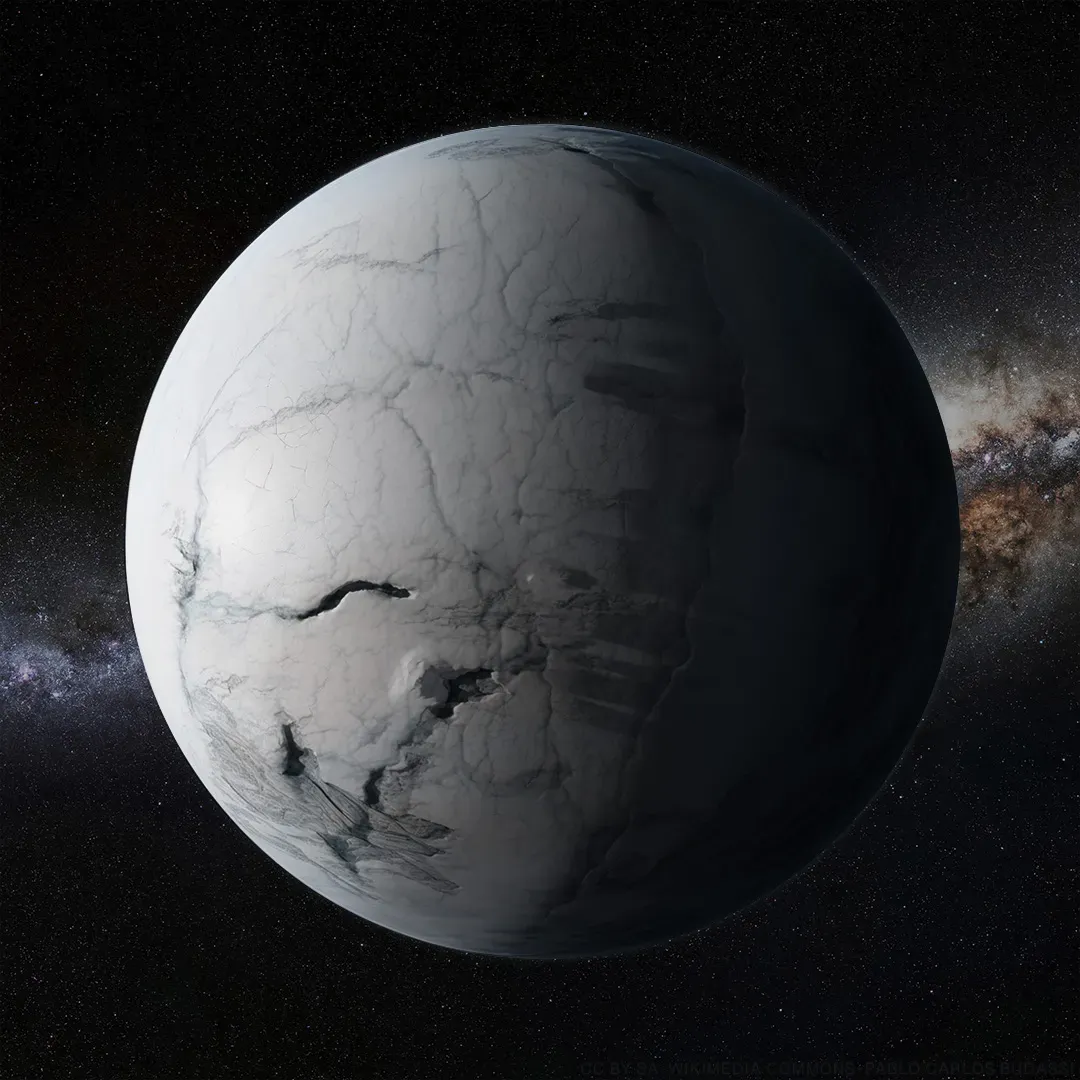
If the thought of a scorching, molten ancient Earth seems extreme, wait until you hear about the other end of the spectrum. With methane removed and carbon dioxide reduced, Earth’s atmosphere lost much of its warming power. Between 750 and 600 million years ago, the planet plunged into a series of deep ice ages known as the Snowball Earth episodes. Glaciers spread across continents. Ice may have reached the equator. Oceans were sealed beneath miles of frozen crust. The whole planet, from pole to pole, was essentially a giant ice cube drifting through space.
If the planet was covered by ice from pole to pole, all of the sun’s radiation would be reflected back to space and temperatures must have been frigid. Models suggest that the global average temperature was about minus 50 degrees Celsius, and the temperature at the equator would have been similar to that at the poles today, roughly minus 20 degrees. With these conditions, most parts of the planet would have been under roughly one kilometer of ice. The remarkable thing is that life somehow survived this. Tiny microbes, clinging on in volcanic vents and thin cracks in the ice, endured the most extreme ice age imaginable. That resilience is honestly breathtaking.
8. There Was No Land Life – The Continents Were Completely Barren
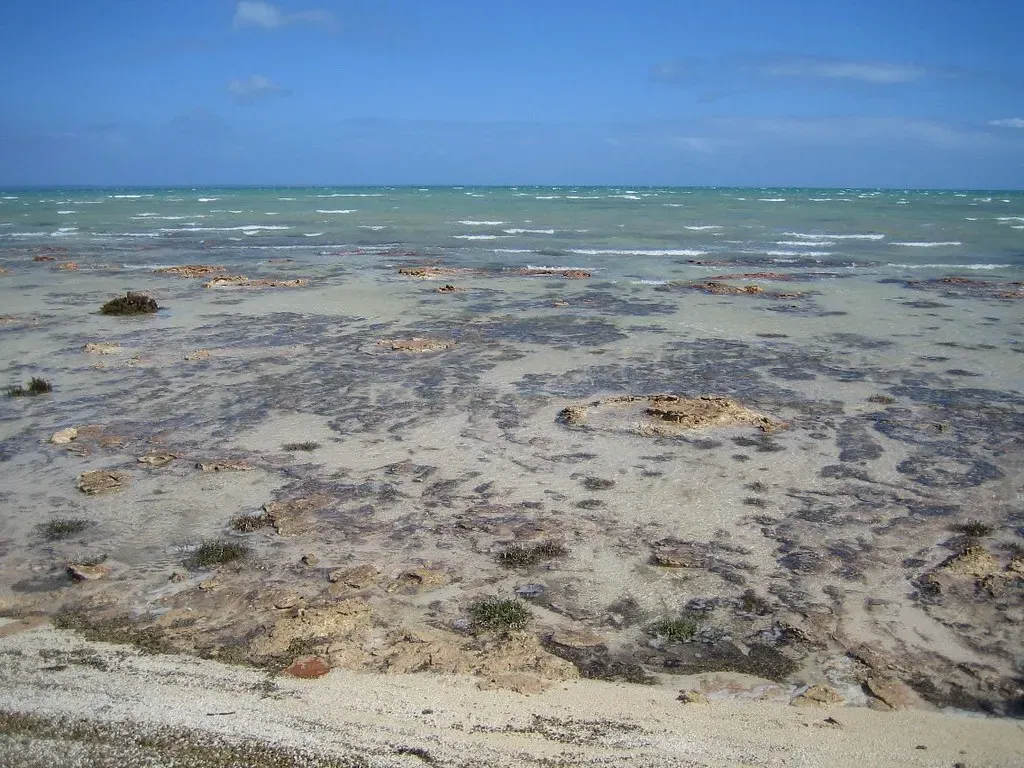
Walk outside and look at a tree, a patch of grass, a beetle crawling across the pavement. Now imagine all of that gone. It was early in the Archean that life first appeared on Earth. The oldest fossils date to roughly 3.5 billion years ago, and consist of bacteria microfossils. In fact, all life during the more than one billion years of the Archean was bacterial. Every mountain, every shoreline, every desert on land was absolutely, profoundly lifeless. No insects. No fungi. No moss. Nothing.
The Archean coast was home to mounded colonies of photosynthetic bacteria called stromatolites. Stromatolites have been found as fossils in early Archean rocks of South Africa and western Australia. These primitive microbial mats were the height of biological complexity for billions of years. Let’s be real – a planet covered in nothing but rocks and bacterial slime sounds like a horror movie, yet that was the Earth for more than half of its entire existence. It puts the diversity of life today in an almost unimaginable context.
9. The Moon Was Much Closer and Tides Were Monstrous
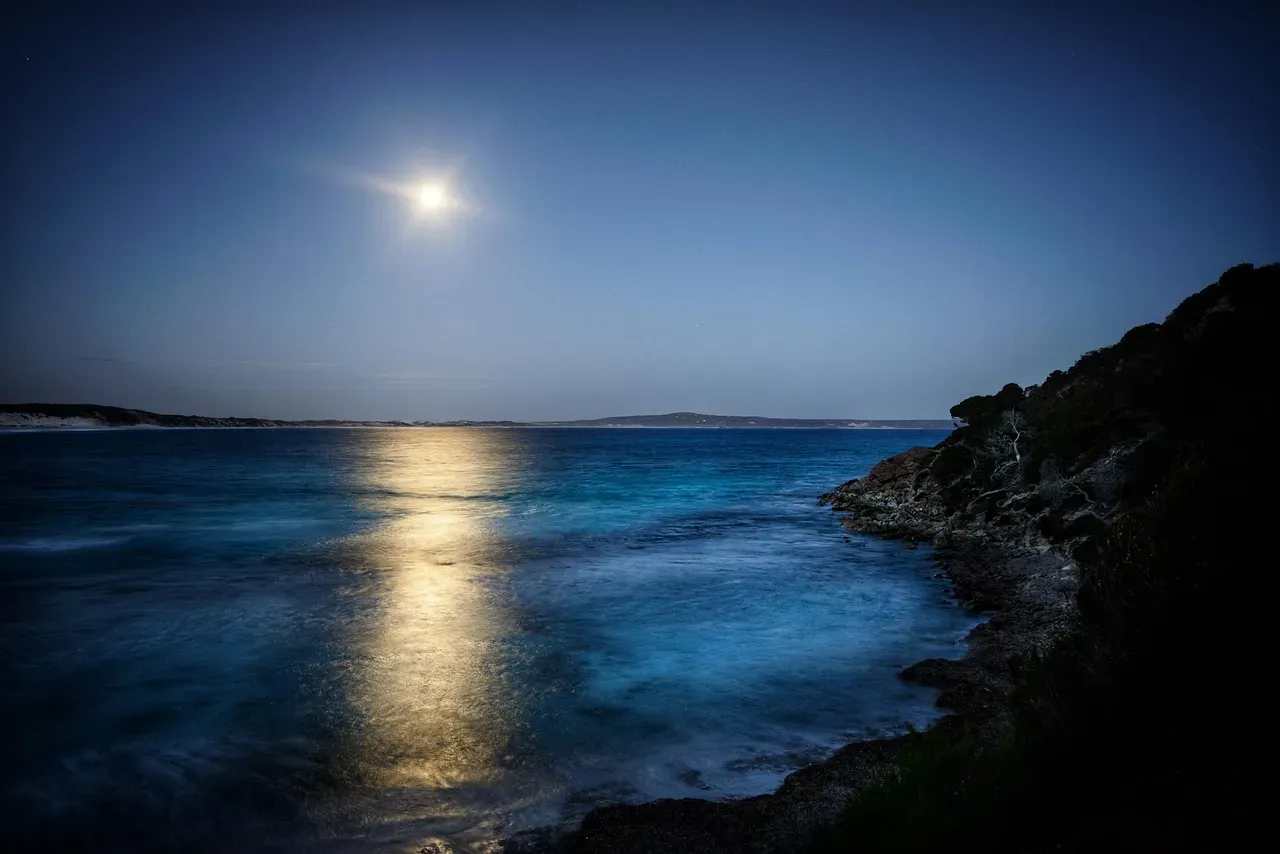
The Moon you see in the night sky is slowly drifting away from Earth. The tidal forces drain angular momentum and rotational kinetic energy from Earth’s rotation, slowing the Earth’s rotation. That angular momentum, lost from the Earth, is transferred to the Moon in a process known as tidal acceleration, which lifts the Moon into a higher orbit while lowering its orbital speed around the Earth. This has resulted in the length of an anomalistic month having increased from 20 days to today’s 27.55 days over the course of 3.2 billion years. That tells you the Moon was once significantly closer to Earth – and that had enormous consequences.
The tidal force acting on an astronomical body such as the Earth is directly proportional to the diameter of the Earth and inversely proportional to the cube of the distance from another body producing a gravitational attraction. In plain language: when the Moon was much closer, its gravitational pull on Earth’s oceans was dramatically stronger, generating tides that would dwarf anything you’ve ever seen at a beach today. Imagine tidal waves not of meters but of potentially hundreds of meters, reshaping coastlines with every cycle. Those tides also played a role in stirring up the early oceans, mixing chemicals that may have helped spark life itself.
10. A Young, Fainter Sun – Yet Earth Was Often Warmer Than Today
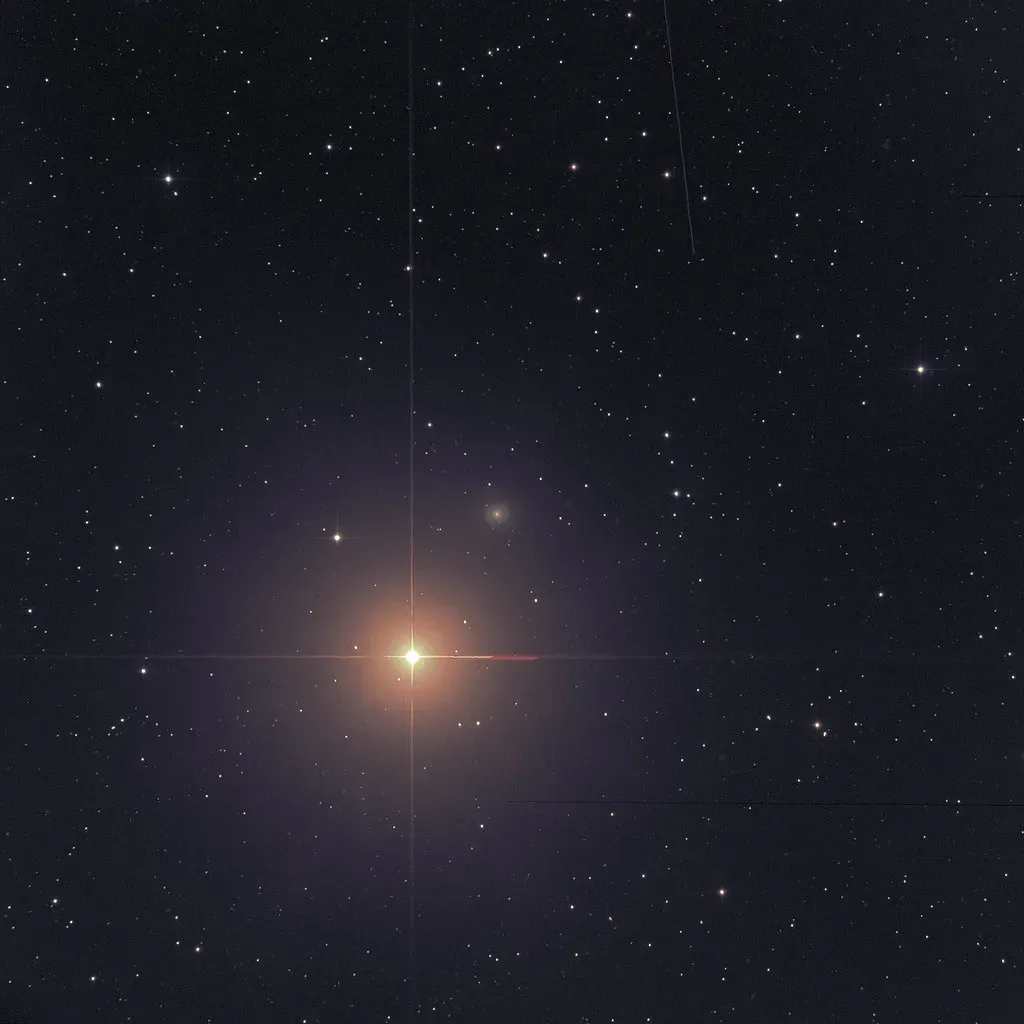
Here’s a scientific paradox that still keeps researchers up at night. Earth’s earliest sedimentary record contains evidence that surface temperatures were similar to, or perhaps even warmer than modern. In contrast, standard solar models suggest the Sun was roughly a quarter less luminous at this ancient epoch, implying a cold, frozen planet – all else kept equal. This discrepancy, known as the Faint Young Sun Paradox, remains unresolved. A weaker Sun should have produced a frozen Earth, yet the geological record tells a very different story.
Most proposed solutions invoke high concentrations of greenhouse gases in the early atmosphere to offset for the fainter Sun, though current geological constraints are insufficient to verify or falsify these scenarios. The leading theory points to an early atmosphere thick with methane and carbon dioxide, which acted like a planetary blanket, trapping enough heat to keep liquid water on the surface. Greenhouse gases trapped heat, creating a planetary blanket that kept the surface from freezing solid. Without this thermal shield, Earth might have remained an icy desert, incapable of ever nurturing life. It’s an almost poetic irony: the very gases that threaten our climate today are the ones that made life possible in the first place.
Conclusion
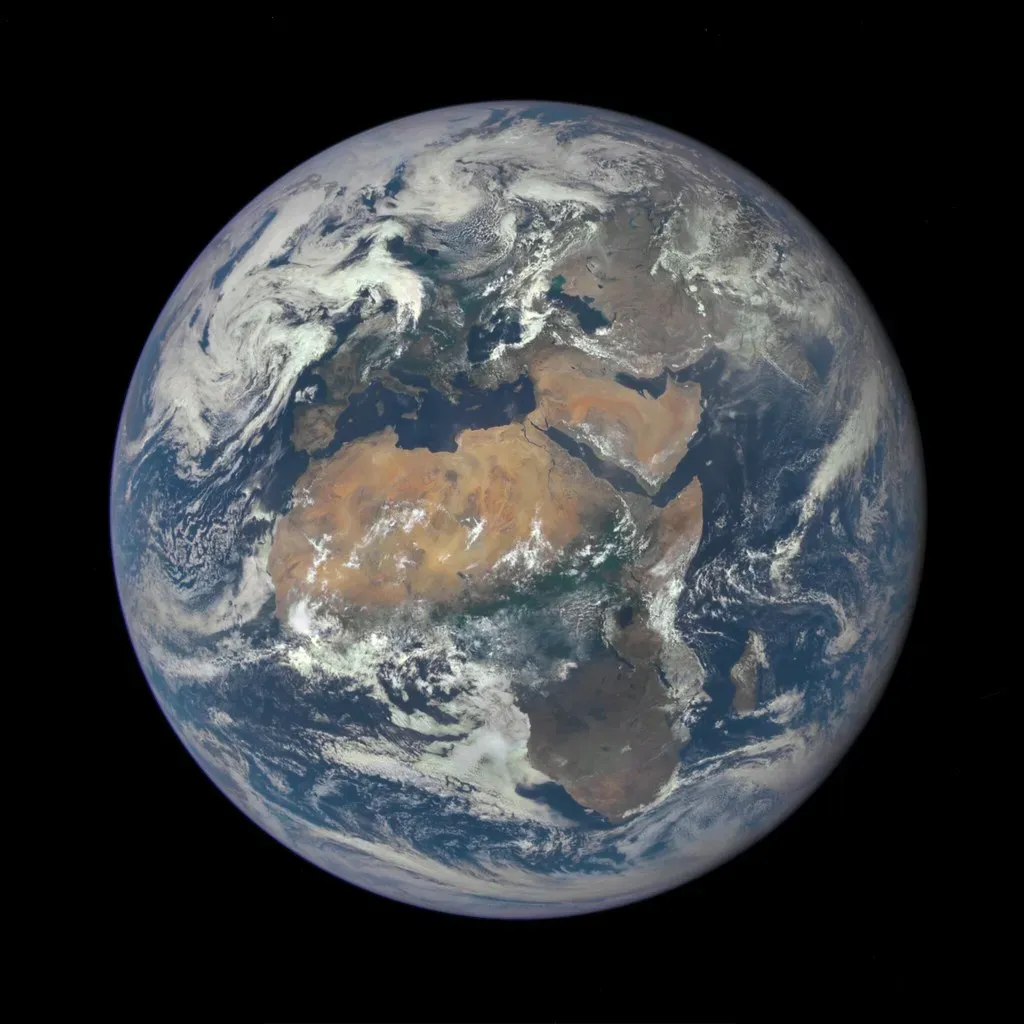
The Earth you live on in 2026 is, in geological terms, an extraordinarily refined and lucky version of a planet that has been through absolute chaos. It has been a lava ball, a poison chamber, a green-oceaned world, a frozen snowball, and a barren rock. It has lost its atmosphere, rebuilt it, then rebuilt it again. It has been smashed by Mars-sized planets and pelted by cosmic debris for hundreds of millions of years.
Every breath of oxygen you take is the product of a 2.4-billion-year-old microbial revolution. Every blue wave you watch roll in is the descendant of a once-green iron sea. And the ground you stand on is a fragment of a supercontinent that has broken apart and reformed multiple times over. The planet hasn’t just changed – it has reinvented itself, completely, over and over again.
If there’s one thing Earth’s history makes absolutely undeniable, it’s this: nothing about this planet was inevitable. Life, blue skies, stable continents, breathable air – all of it emerged from chaos, against staggering odds. That, honestly, is the most mind-blowing thing of all. What part of ancient Earth surprises you the most? Tell us in the comments.