
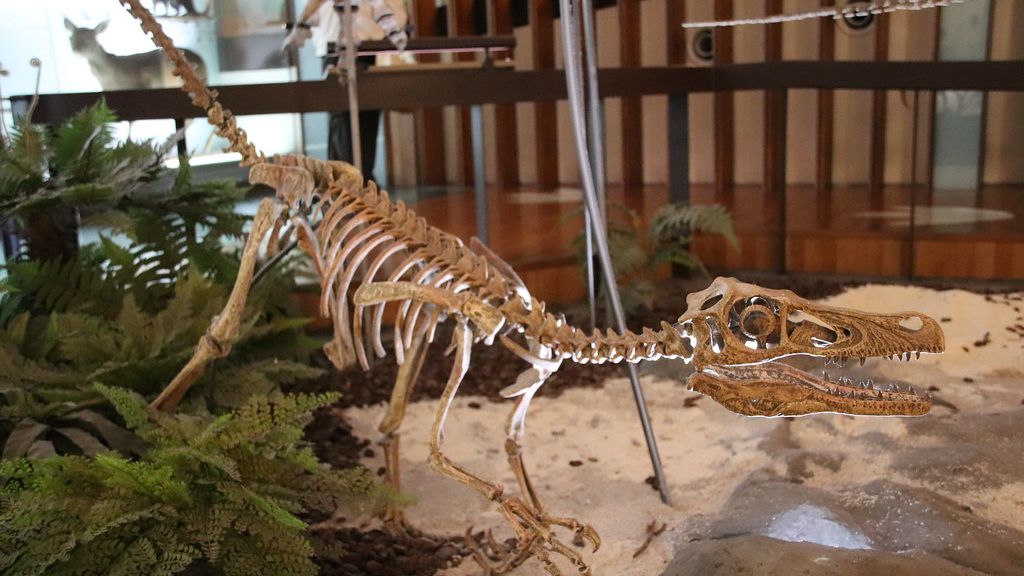
For most of human history, you could walk into any museum, stare up at a massive dinosaur skeleton, and feel absolutely certain about one thing: whatever those creatures were, they weren’t exactly thinking hard. Walnut-sized brains, lumbering bodies, cold-blooded instincts. That was the story. That was the comfortable, settled version of prehistoric life that fit neatly into the image of dinosaurs as magnificent, but ultimately mindless, giants.
Here’s the thing, though. Paleontology has a habit of rewriting what we thought we knew. In recent decades, a wave of genuinely surprising fossil evidence has forced scientists to reconsider not just how dinosaurs looked, but how they actually lived, thought, and interacted. Some of what researchers have uncovered is hard to square with the old image of a reptile running purely on instinct. Get ready to have your prehistoric assumptions shaken.
The First-Ever Fossilized Dinosaur Brain Changed Everything
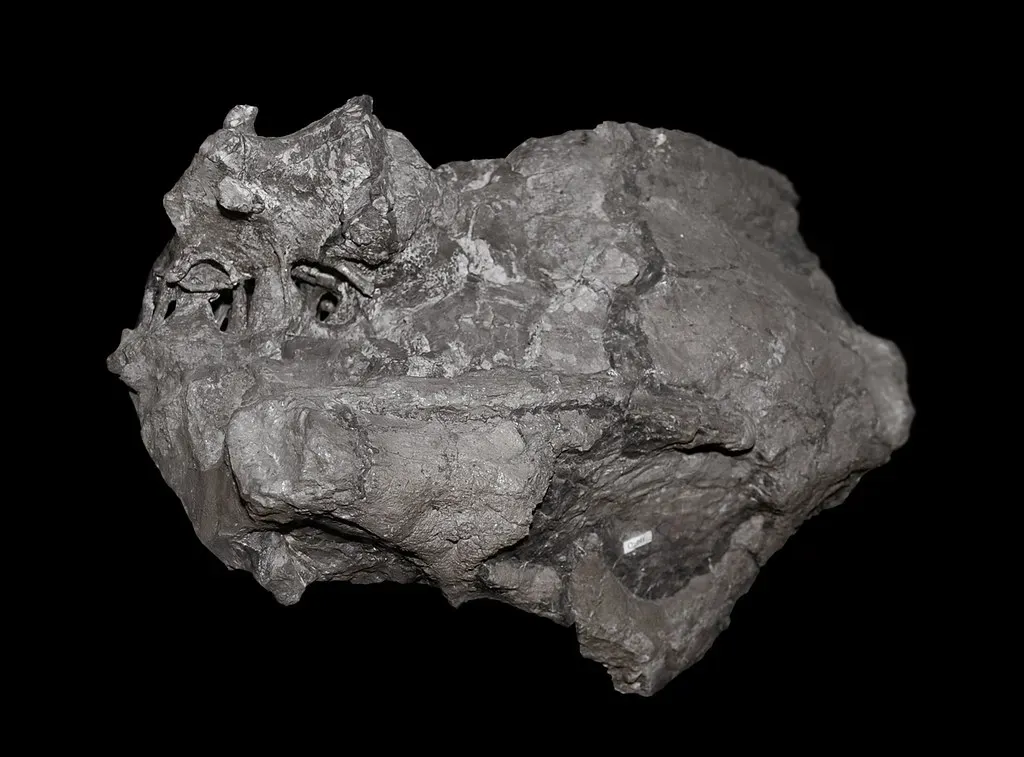
Imagine spending your career trying to understand the mental capacity of a creature that left no brain tissue behind. That was the frustrating reality of dinosaur research for over a century. Then, in a discovery that genuinely stunned the scientific community, a fossilized brain was found by a collector on a beach near Bexhill in Sussex, England, preserving brain tissue of a large herbivorous dinosaur similar to Iguanodon, one of the earliest dinosaur species ever identified.
What made this specimen extraordinary was that the outer portion of the brain tissues themselves were mineralized, meaning the fossil records some of the fine structure of the original tissues. Examining it with a scanning electron microscope revealed evidence of the dinosaur’s meninges, the tough outer membranes that protect the main brain. Even tiny blood vessels were preserved as tubes running across the specimen’s surface. That level of preservation, for something as fragile as brain tissue, is almost miraculous when you think about it.
The brain fossil appears to show that in Iguanodon, the protective membranes were roughly one millimeter thick, suggesting the brain of this dinosaur filled the majority of the braincase, more like modern birds. That in turn could imply that Iguanodon had a greater intelligence than it has previously been given credit for. Honestly, this single pebble-sized fossil did more for our understanding of dinosaur cognition than decades of skull measurements ever could.
Troodon: The Dinosaur That Almost Became the Smartest Animal on Earth
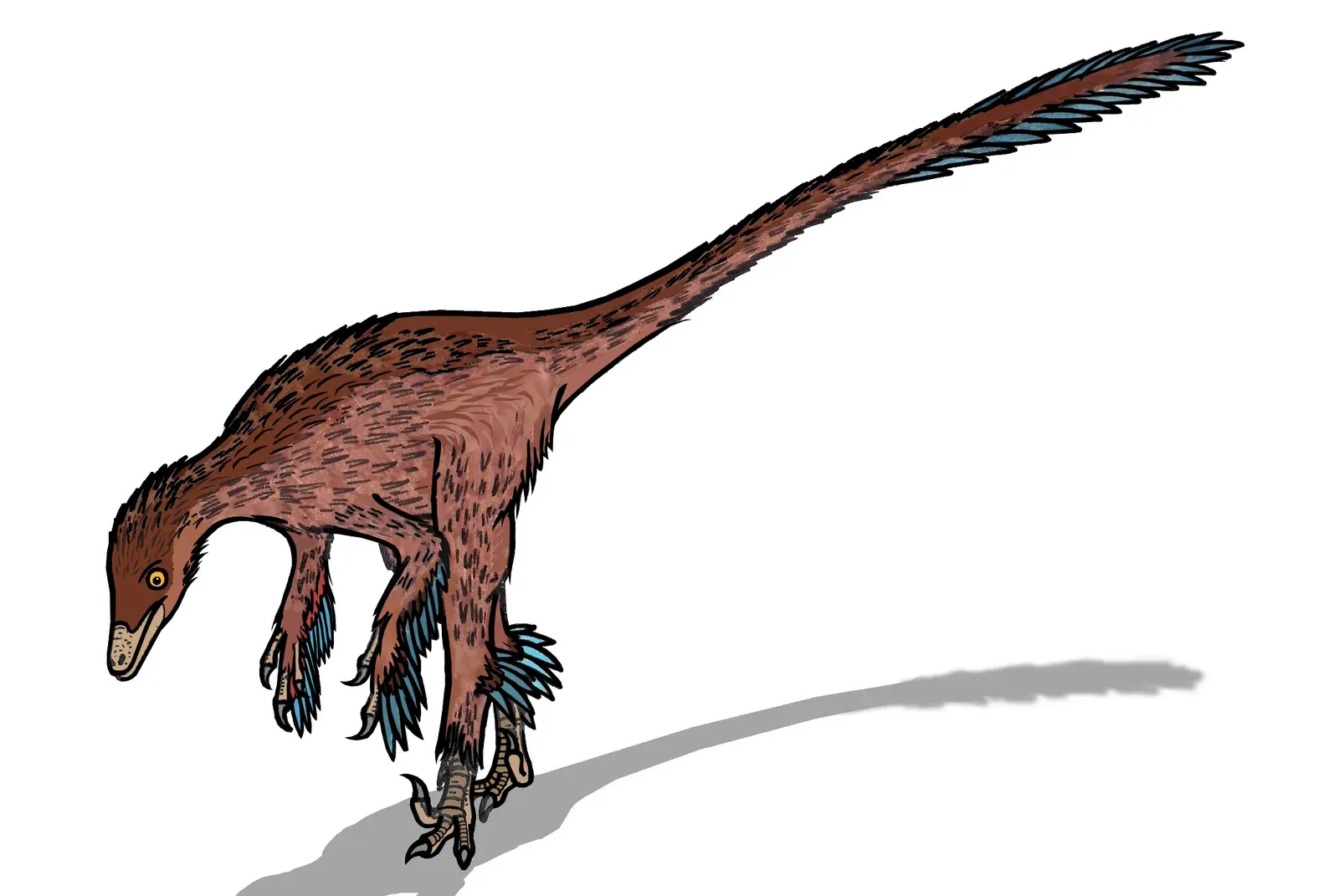
Among all dinosaurs, the Troodon is often hailed as the “brainiest.” This small theropod, discovered in regions spanning modern-day Canada and the northern United States, had a brain-to-body ratio significantly higher than most other dinosaur species. At roughly 1.2 meters in height and weighing about 50 kilograms, the Troodon was relatively small, but its intelligence made it a fascinating subject of study. Think of it as nature’s prototype for a thinking predator, a creature that evolution seemed to be nudging toward something bigger.
The troodontids were the smartest dinosaurs with an encephalization quotient of around 5.8. Paleontologists have focused on its large optic lobes, which suggest exceptional vision, likely aiding its nocturnal hunting habits. Fossil evidence from the Dinosaur Park Formation in Alberta reveals that Troodon likely preyed on small mammals and reptiles, using its curved claws and sharp teeth for precision. Its enlarged cerebral hemispheres, regions associated with higher-order processing in modern animals, suggest it might have been capable of learning and memory retention.
Paleontologists have even speculated why Troodon or a similar dinosaur did not evolve along a primate-like path. Troodon evolved late in dinosaur evolution, around 77 million years ago, and the catastrophic extinction of dinosaurs only 12 million years later may not have allowed sufficient time for such a development. I find this almost haunting. Twelve million more years, and we might not be the only intelligent species that ever walked this planet.
Ancient Trackways Reveal Startling Pack and Group Behavior
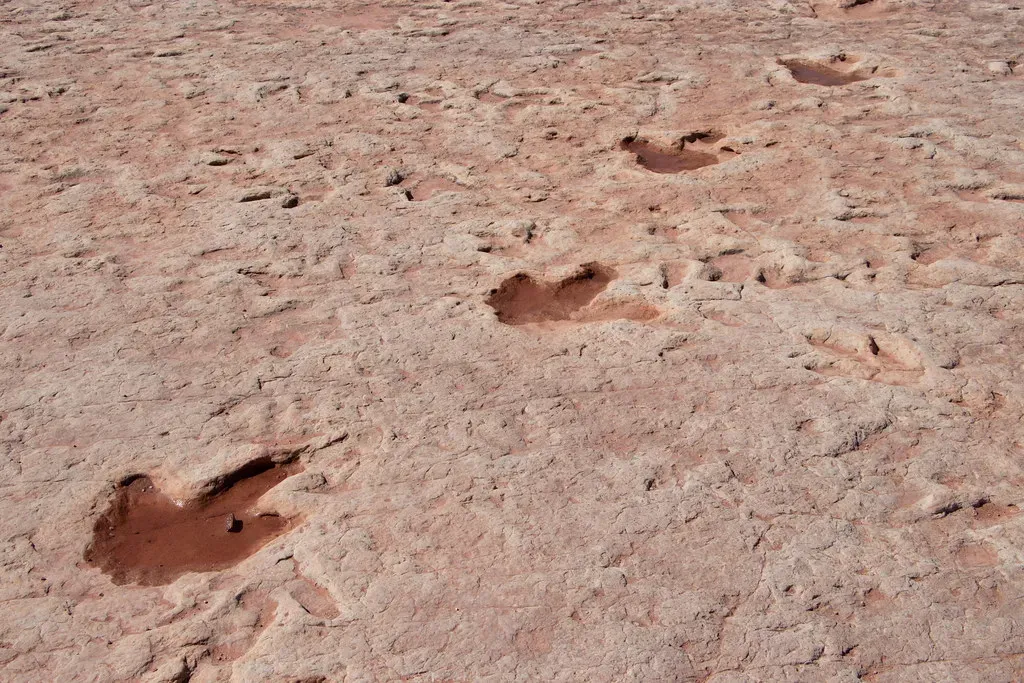
You can learn a shocking amount from a footprint. Not just the size of an animal, but where it was going, how fast it moved, and crucially, whether it was moving alone or with others. Studies of dinosaur trackways indicate herding behavior and adult care of juvenile members of the species among various theropod, sauropod, and ornithopod dinosaurs. That kind of coordinated movement implies communication, coordination, and social awareness. None of those things fit the old “solo instinct-driven beast” description.
Studies of trackways of carnivorous theropod dinosaurs, such as the dromaeosaurid Deinonychus, have provided evidence that they hunted in packs. Such social and parental behaviors are largely uncharacteristic of extant reptiles and are more reminiscent of the flocking, herding, hunting, and parental behaviors shown by birds and mammals. Some fossil evidence suggests that certain species, like theropod dinosaurs, may have hunted in groups, with supporters pointing to trackways that show multiple individuals moving together and fossilized remains of prey found near these sites. It’s still debated, yes. Still, the footprints don’t lie about the fact that these animals were moving in coordinated patterns.
The Shocking Evidence of Dinosaur Parental Care
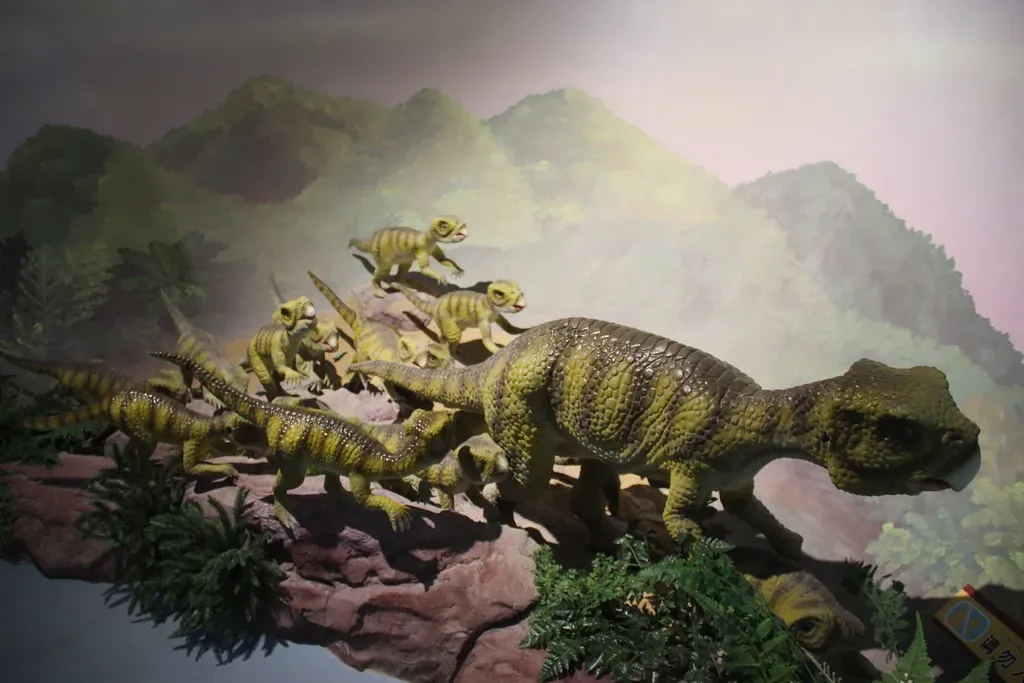
Here’s something that might genuinely surprise you: dinosaurs were, in at least several documented cases, devoted parents. Not just egg-layers who wandered off, but animals that stayed near nests, protected their young, and in some cases may have actively fed their hatchlings. Maiasaura is one of the most famous examples of dinosaur nests and parental behavior, with fossil evidence suggesting hatchlings were cared for well after birth. The name Maiasaura literally translates to “good mother lizard,” and the evidence behind that name is genuinely compelling.
Oviraptorids were a family of theropod dinosaurs that lived during the Late Cretaceous Period. Oviraptor, whose name means “egg thief,” was first discovered in the 1920s in association with eggs thought to belong to a different species, Protoceratops. Based on this, scientists assumed the animal was stealing eggs. But it has since been confirmed that the eggs actually belonged to Oviraptor itself, and in fact, oviraptorids show substantial evidence of putting their lives on the line for their young. The “egg thief” was actually a devoted parent. That’s a pretty dramatic reversal of the narrative.
A group of fossils shows an adult dinosaur that died together with 34 hatchlings, offering new evidence about how dinosaurs may have looked after their young charges. Parental sacrifice of that scale is something you expect from elephants or wolves, not creatures we once dismissed as mindless reptiles.
Complex Herd Structure and Age Segregation Discovered in Fossils
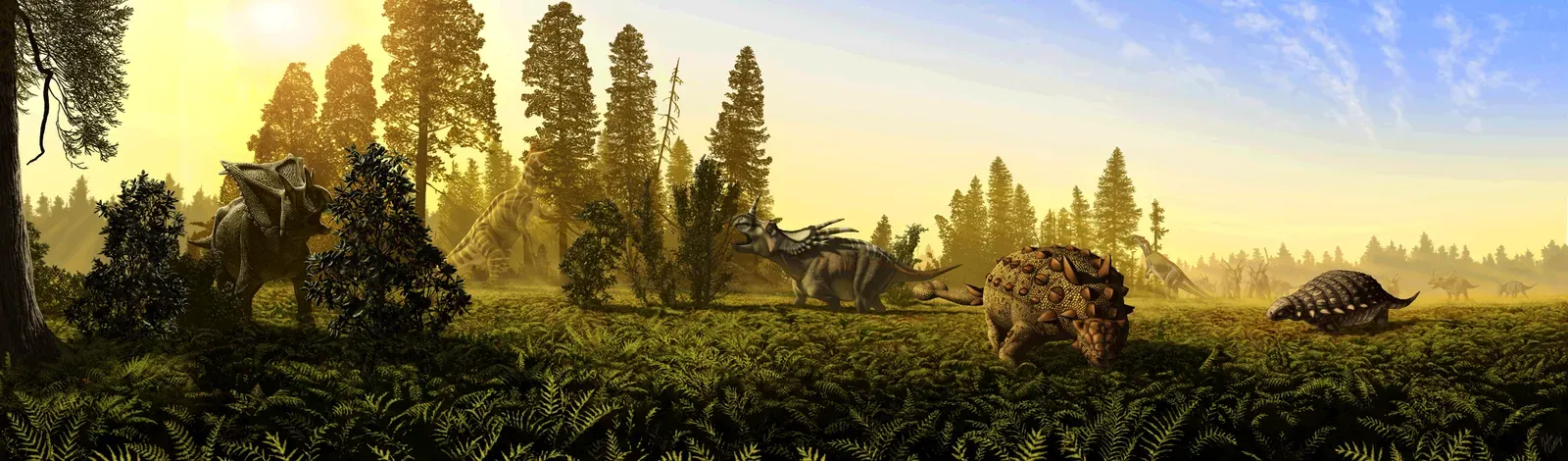
Social organization requires intelligence. Let’s be real about that. When you see structured herds with distinct age groupings, communal nesting sites, and evidence of shared territory, you’re no longer looking at a simple animal following blind instinct. Scientists believe they have found the earliest evidence for complex herd behavior in dinosaurs. Researchers from MIT, Argentina, and South Africa determined that Mussaurus patagonicus may have lived in herds as early as 193 million years ago, which is 40 million years earlier than other records of dinosaur herding.
An exceptional fossil site from Patagonia included over 100 eggs and skeletal specimens of 80 individuals of the early sauropodomorph Mussaurus patagonicus, ranging from embryos to fully grown adults. Most specimens were found in a restricted area, with some articulated skeletons grouped in clusters of individuals of approximately the same age. These discoveries indicate the presence of social cohesion throughout life and age-segregation within a herd structure, in addition to colonial nesting behavior, providing the earliest evidence of complex social behavior in Dinosauria. Age-segregated herds are a hallmark of highly social animals. You see it in wildebeest, elephants, even humans. That dinosaurs organized themselves in the same way is remarkable.
Neuron Counts and CT Scans Rewrite the Intelligence Story
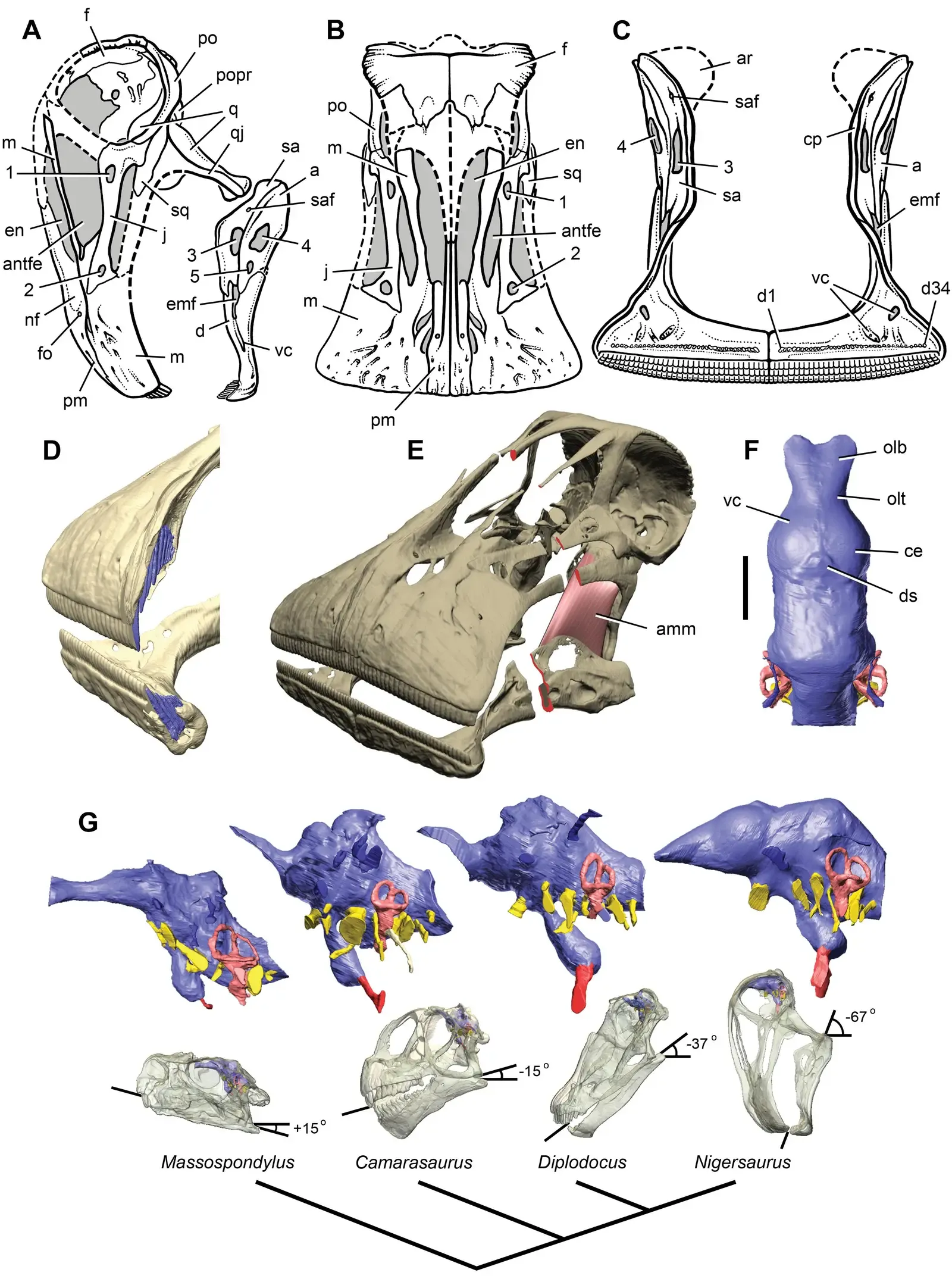
Recent research utilizing computed tomography (CT) has enabled scientists to create accurate models of dinosaur brains, allowing for more comprehensive analyses of their cognitive capacities. Notably, studies indicate that theropod dinosaurs may have had higher neuron densities similar to those found in modern primates, hinting at sophisticated intelligence. This kind of research, using hospital-grade scanning technology on 70-million-year-old fossils, would have seemed like science fiction just a few decades ago.
By comparing the relationship between brain size, number of neurons, and body size in numerous extant bird and reptile species, as well as considering available fossils of extinct dinosaurs, researcher Herculano-Houzel concluded that a large dinosaur such as Tyrannosaurus rex could have housed two billion to three billion neurons in its pallium, a number similar to that of a baboon. That estimate is disputed, and the scientific debate is genuinely fierce. While one side of the conversation praises a willingness to examine paleontological evidence in a new way, others caution that intelligence is more complex than a neuron numbers game. It’s likely that dinosaurs were, in fact, smarter than we’ve previously allowed, but precisely how much remains an open question. The truth is probably somewhere in the middle, and that middle ground is still far more impressive than the walnut-brained monster of old movies.
Conclusion: The Prehistoric Mind Deserves More Credit
Science has a beautiful, sometimes humbling way of correcting itself. The image of dinosaurs as lumbering, brainless giants was always more about human assumption than actual evidence. As it turns out, the more you look at the fossil record with open eyes and modern tools, the more you find animals that organized themselves, cared for their young, navigated complex social structures, and processed the world around them with far more sophistication than the old story allowed.
Over the past fifty years, the scientific view and public image of the intelligence and behavioral sophistication of dinosaurs has undergone considerable transformation. While dinosaurs were once considered to be slow-witted, slow-moving reptiles, the members of many dinosaur species are now recognized to have functioned at an avian level of behavioral complexity. That shift in understanding is still ongoing, and every new excavation has the potential to add another chapter.
The dinosaurs that ruled this planet for over 150 million years were not the mindless movie monsters we grew up with. They were social, adaptable, and in some cases, remarkably thoughtful creatures navigating a world that was every bit as complex as our own. What surprises you most about what they left behind?