
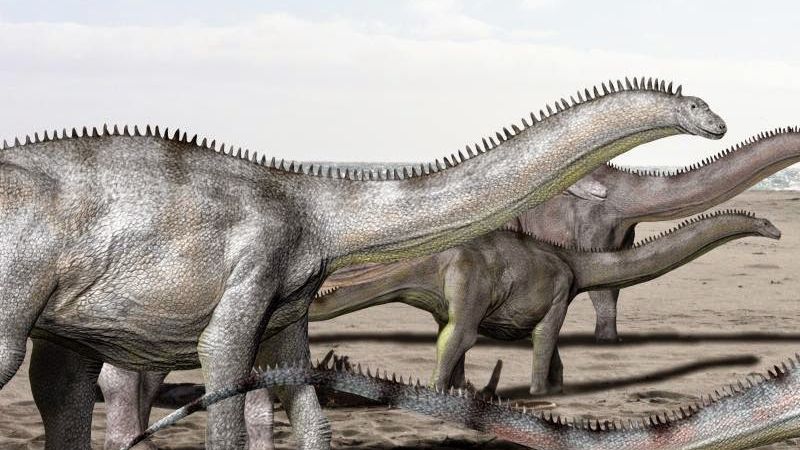
Dinosaurs. You probably picture them stomping around a fixed prehistoric landscape, never venturing far from home. For decades, that was essentially how scientists imagined them too. Static, territorial, rooted to one ecosystem. But as you are about to discover, nothing could be further from the truth.
The more researchers dig – literally and figuratively – the more they uncover evidence of epic prehistoric journeys that would rival the great migrations happening on Earth today. These ancient giants crossed continents, navigated climate barriers, and shuffled between hemispheres across millions of years. Some discoveries are so unexpected, so wildly counterintuitive, that they have forced entire textbooks to be rewritten.
So buckle up. Let’s dive in.
1. Dinosaurs Actually Migrated Hundreds of Miles Seasonally – and Teeth Proved It
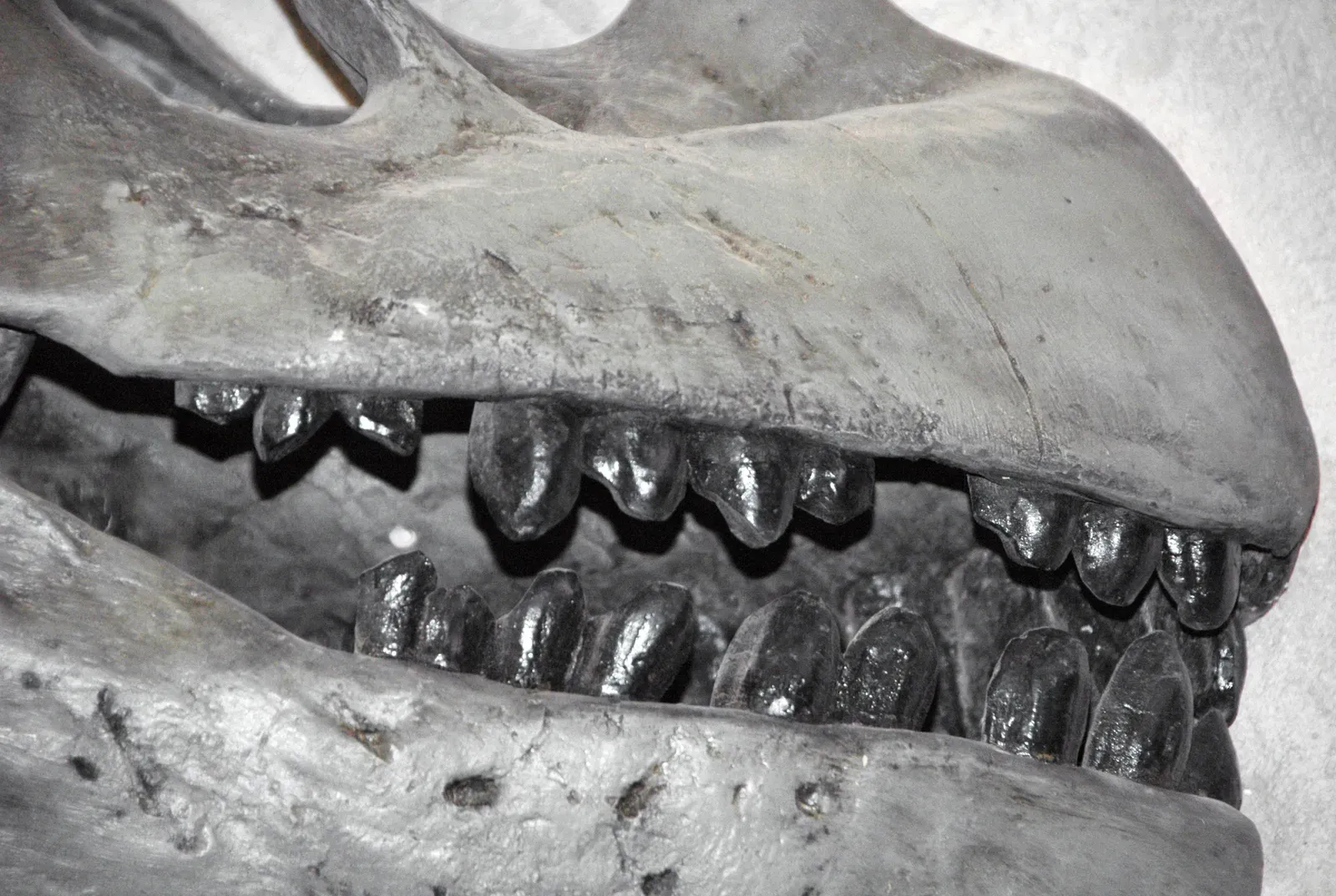
Here’s the thing – the first solid confirmation that dinosaurs migrated at all came from something almost absurdly small: fossilized teeth. By analyzing large, plant-eating dinosaur fossils, researchers discovered these animals potentially undertook seasonal migrations spanning hundreds of kilometers, and by studying the fossilized teeth themselves, scientists determined that dinosaurs migrated hundreds of miles from their home to find food and water during dry spells. Think about that. A tooth. Unlocking a migration story millions of years old.
Scientists compared ratios of oxygen isotopes in the fossil teeth with oxygen isotopes found in prehistoric layers of lowland soil, and because the dinosaurs’ teeth were replaced roughly every five months, each tooth offered a unique record of what the animal drank during the tooth’s lifespan. The soil and teeth turned out to have distinctly different oxygen-isotope ratios, suggesting the teeth had formed elsewhere. It is honestly one of the most elegant pieces of scientific detective work in all of paleontology. Each tooth was essentially a biological passport stamped with the geography of where that animal had been.
2. Sauropods Trekked Over 350 Miles in Search of Food and Water
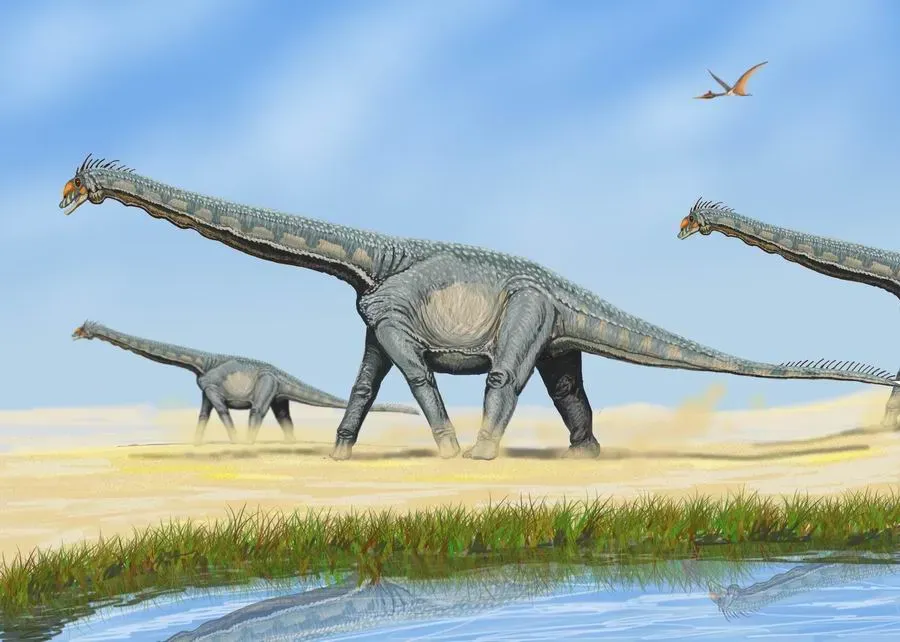
Sauropods in western North America were living in environments that were seasonally dry, with a pronounced wet season and a pronounced dry season. If you have an animal that needs to eat a lot and drink a lot, it is going to have to move to access vegetation and water. That logic is strikingly simple, and yet the scale of the journeys involved is staggering. These were not short strolls to a nearby river.
The dinosaurs probably traveled more than 350 miles to find food and water in the highlands, because the dry seasons meant the basin probably could not produce enough vegetation to support these gigantic plant-eating dinosaurs year-round. These giant beasts could grow as large as 20 meters in length and 18 tonnes in weight, which caused food supplies to rapidly deplete around them, requiring them to migrate far and wide in search of other supplies. Imagine trying to find enough food when you weigh as much as three full-grown African elephants. Suddenly, a 350-mile trip makes perfect sense.
3. Stomach Stones Carried Over 600 Miles Revealed Epic Dinosaur Road Trips
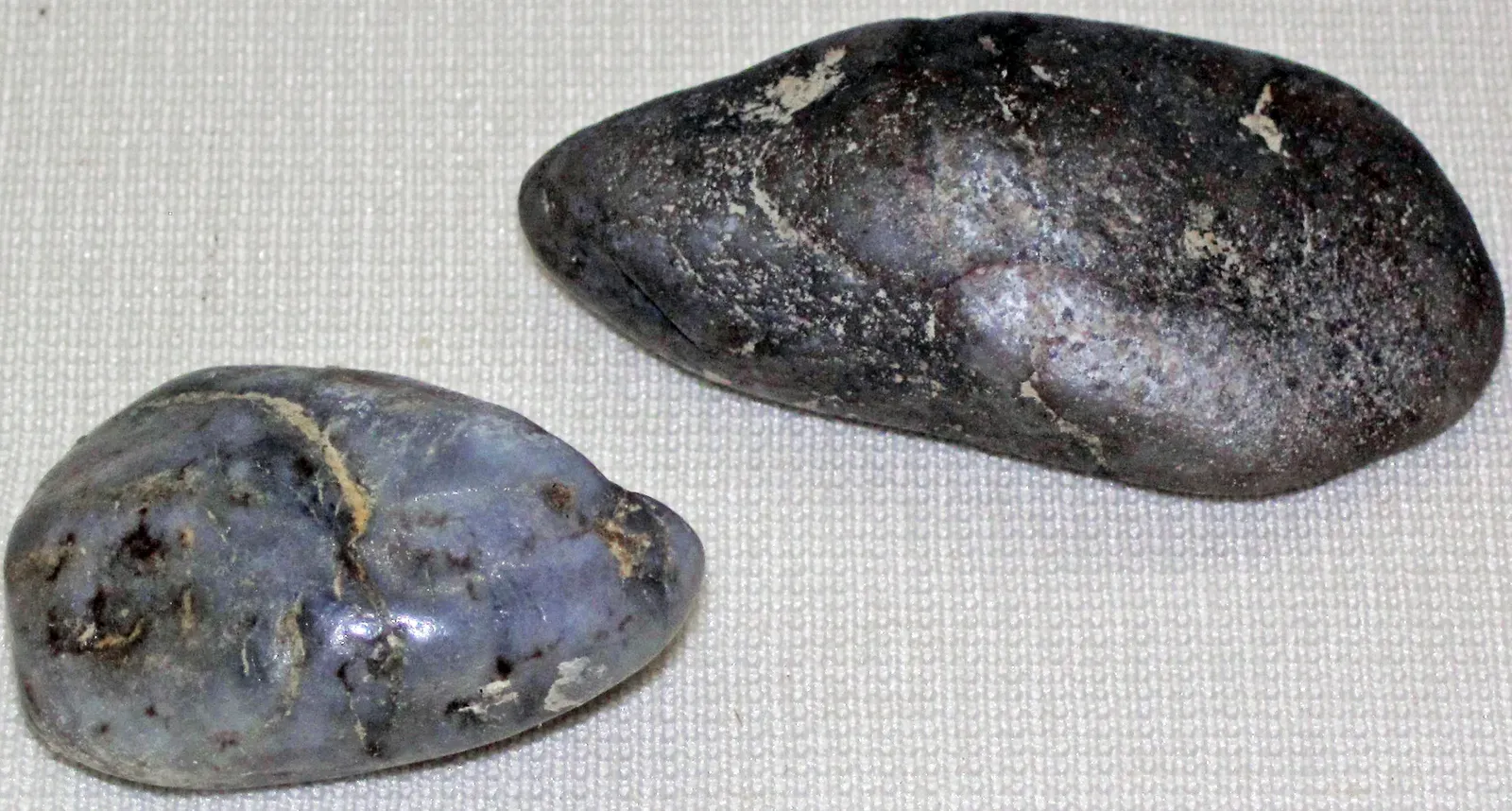
I know it sounds crazy, but one of the most compelling pieces of migration evidence came from rocks found inside dinosaur stomachs. These gastroliths were ingested by dinosaurs, most likely sauropods, in the Laurentian midcontinent and then transported in their digestive tracts to the site of deposition, supporting the hypothesis of long-distance dinosaur migration. These were essentially hitchhiking stones, carried across the prehistoric American landscape inside the gut of a moving dinosaur.
The color, texture, composition, and zircon age spectra of these gastroliths are indistinguishable from quartzites present in the Laurentian midcontinent more than 1,000 kilometers to the east. These stones were carried more than 600 miles in what was effectively the belly of a dinosaur. It is a bit like finding a pebble from Hawaii inside a fossil stomach in California. The rocks themselves become your GPS tracking device, and these ones were pointing to some truly extraordinary prehistoric journeys.
4. A Climate Shift Unlocked Dinosaur Migration to Greenland 214 Million Years Ago
![4. A Climate Shift Unlocked Dinosaur Migration to Greenland 214 Million Years Ago (Own work[1], CC BY-SA 4.0)](https://nvmwebsites-budwg5g9avh3epea.z03.azurefd.net/dinoworld/0d09bd0b15ae18a3e4d465fa835bc765.webp)
A drop in carbon dioxide levels may have helped sauropodomorphs, early relatives of the largest animals to ever walk the Earth, migrate thousands of kilometers north past once-forbidding deserts around 214 million years ago. This is a discovery that should feel chillingly relevant to us today. CO2 levels in deep prehistory were not just a background detail – they were the literal gatekeepers of where life could and could not go.
The study authors explained that on a planet supercharged with CO2, climate extremes would have prevented the dinosaurs from migrating, but when CO2 levels dipped between 215 and 212 million years ago, the tropical regions may have become more mild and the arid regions less dry. Certain passageways may have developed along rivers or lakes that would have helped sustain the herbivores along the way to Greenland. You could think of it as nature briefly opening a door that had been locked for millions of years, and those first dinosaurs walked right through it.
5. The T. rex Family Made Multiple Round Trips Between Asia and North America
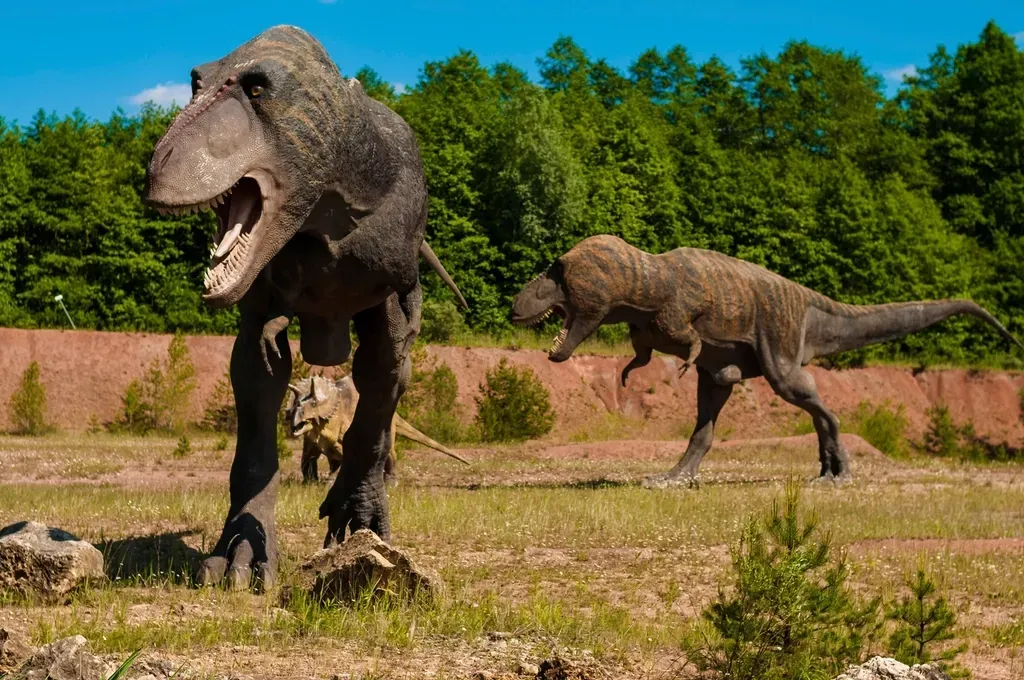
You might think of the T. rex as the ultimate American predator. Its entire brand, if dinosaurs had brands, is rooted in North America. So the discovery that the tyrannosaur lineage actually made multiple transcontinental migrations is genuinely mind-blowing. The study of a new dinosaur named Khankhuuluu, published in the journal Nature, details multiple tyrannosaur migrations millions of years apart, with Khankhuuluu being part of a burst of tyrannosaur evolution that led to slender, agile creatures crossing into prehistoric North America around 85 million years ago and proliferating there.
Some of those tyrannosaurs then crossed back into Asia, evolving into new forms and eventually leading one big, bone-crushing lineage to enter North America once more and give rise to the iconic T. rex. So the T. rex, king of the Cretaceous, was essentially the product of an ancient back-and-forth intercontinental shuffle. It is a bit like discovering that your country’s national hero actually spent generations living abroad first. The bloodline was always on the move.
6. Dinosaurs Migrated in Herds – Including Mixed-Species Groups
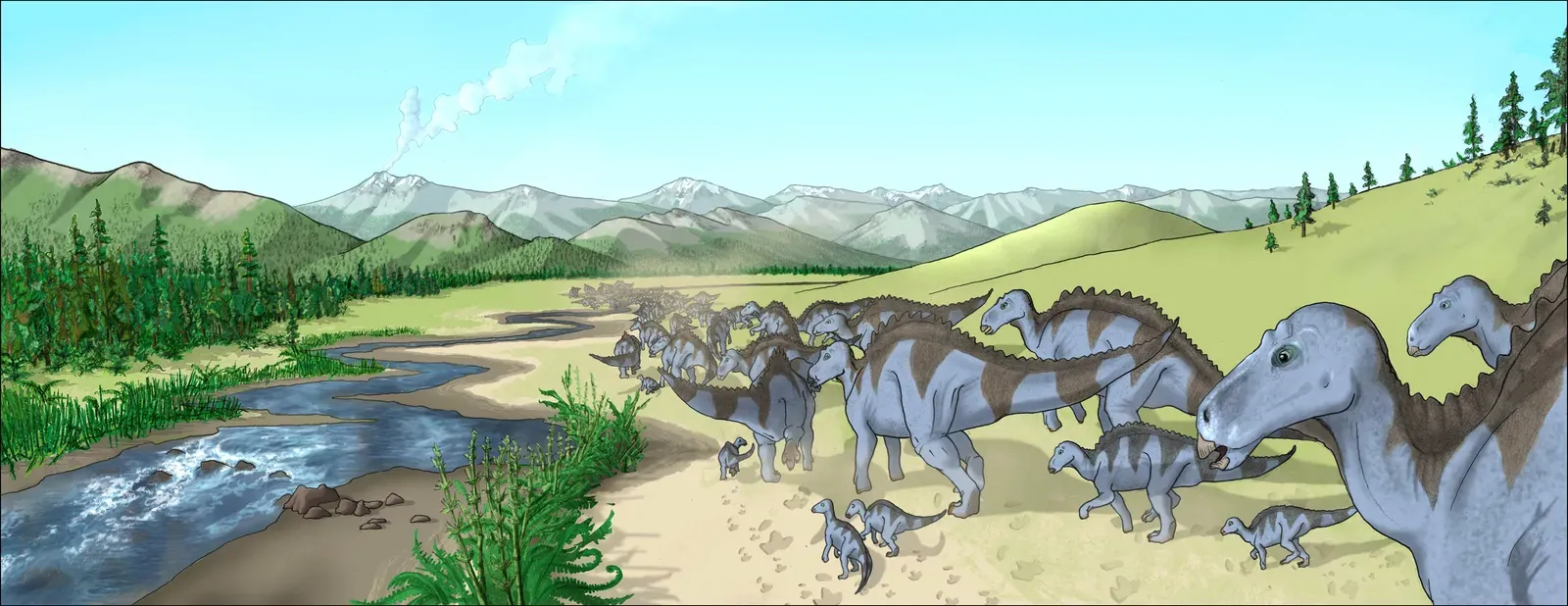
One of the most intriguing aspects of dinosaur migration patterns is the emergence of evidence for organized herds among certain species. Through the analysis of fossil trackways and the discovery of mass grave sites, researchers have been able to identify the social structures and collaborative behaviors that may have facilitated long-distance movements of these prehistoric creatures. The image of a lone dinosaur lumbering solo across an empty landscape is being replaced by something far more dynamic – and honestly more fascinating.
The preserved trackways of several ceratopsians walking together in a group is rare evidence for these animals living together, and the presence of other dinosaur footprints among the ceratopsians has led researchers to believe these trackways could show the first evidence of mixed-species herding behavior in dinosaurs. Additionally, two large Tyrannosaurus rex trackways were also discovered walking side by side and perpendicular to the herd, raising questions about whether these huge predators were stalking the group. Picture a massive mixed convoy of herbivores moving across the landscape with apex predators shadowing them at the edges. That is migration with real drama.
7. Climate Barriers, Not Oceans, Were the First Walls Blocking Dinosaur Dispersal
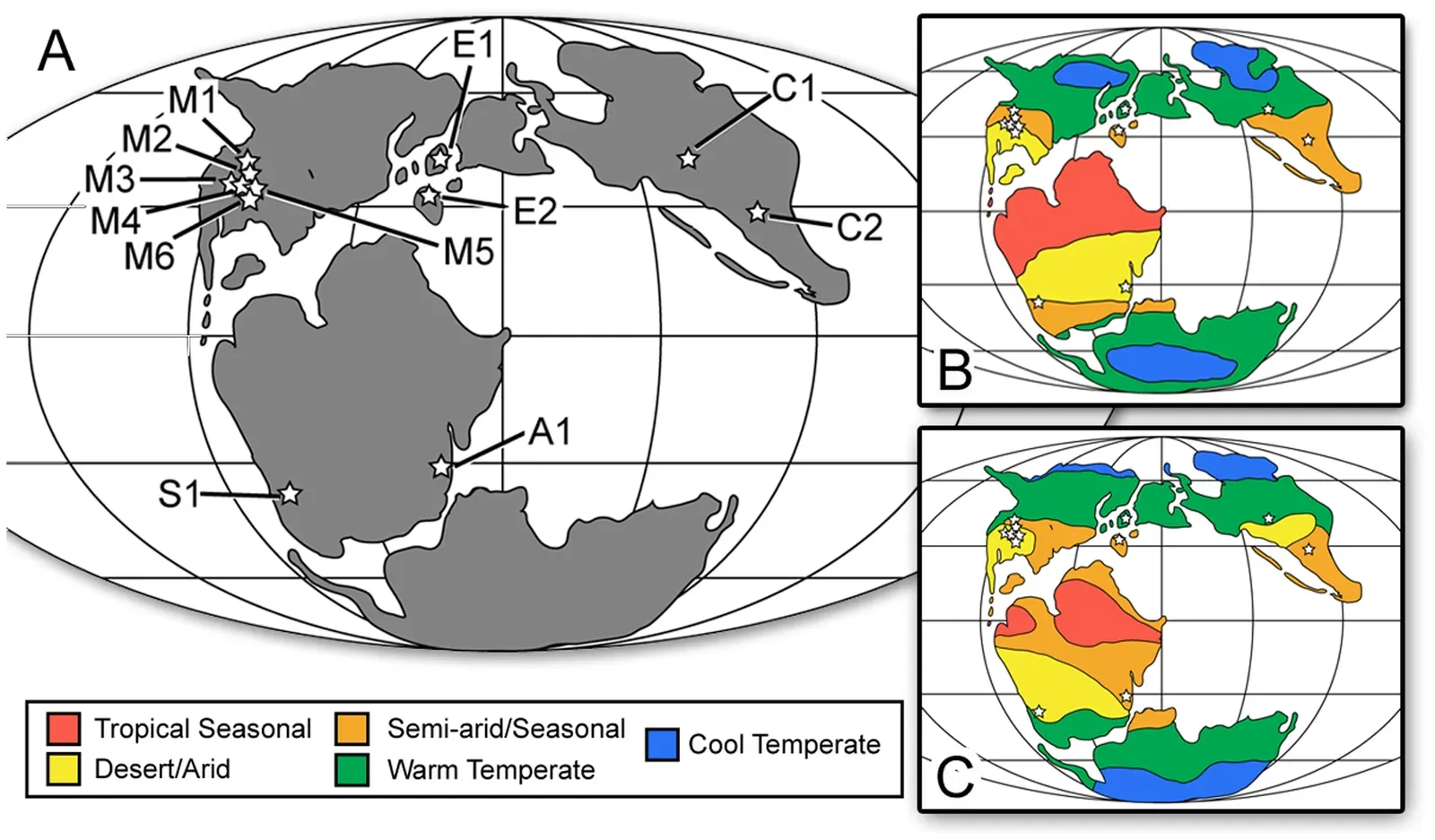
Here is something that flips conventional thinking on its head. When Pangaea was still one giant landmass, you might assume dinosaurs could wander anywhere they pleased. Testing the tempo and mode of early dinosaur dispersal is challenging because there were few geographic barriers across Pangaea during the Late Triassic. Instead, palaeolatitudinal climate belts, and not continental boundaries, are proposed to have controlled distribution. Think of it like a climate-enforced passport system – not walls of water or rock, but walls of unbearable heat or drought.
Fossil evidence from Zimbabwe indicates that the earliest dinosaurs were exclusively from environments that were temperate and semi-arid to semi-humid regions in the south of Pangaea. The distribution of the first dinosaurs was correlated with palaeolatitude-linked climatic barriers, and dinosaurian dispersal to the rest of the supercontinent was delayed until these barriers relaxed, suggesting that climatic controls influenced the initial composition of terrestrial faunas that persist to this day. Honestly, the idea that climate zones acted as invisible fences shaping all of evolutionary history is one of the more humbling things paleontology has ever revealed.
8. Dinosaurs Kept Migrating Between Continents Even After the Oceans Formed
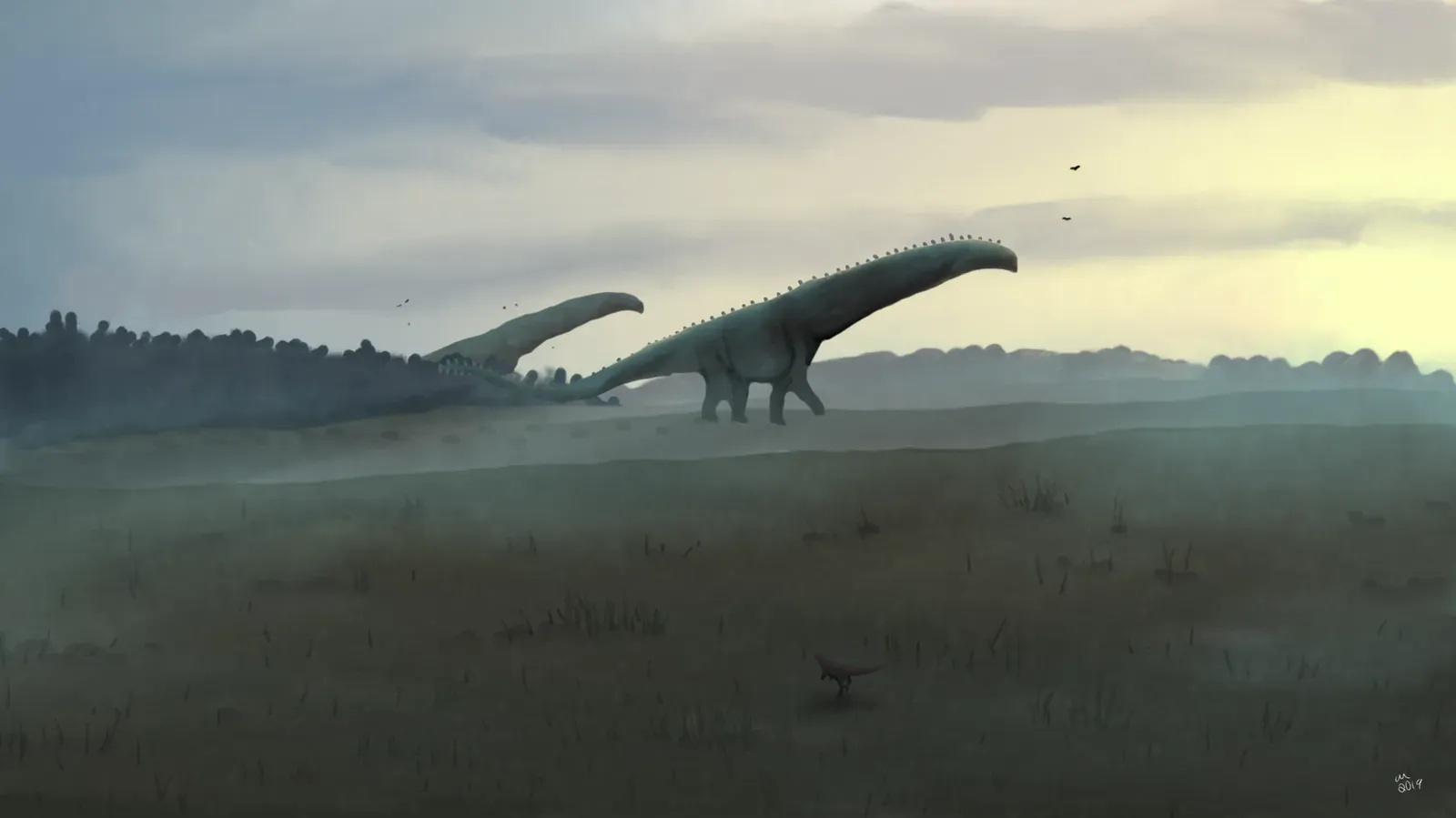
Most people assume that once continents separated and oceans grew between them, that was essentially the end of dinosaur migration between landmasses. Turns out, dinosaurs apparently did not get that memo. Despite landmasses becoming increasingly separated by water, the intercontinental exchange of dinosaur groups continued right up until they died out, meaning they must have found a way to travel across huge, newly-formed oceans. This is still one of paleontology’s great open mysteries.
The break-up of Pangaea occurred right in the middle of the Jurassic period, when dinosaurs ruled the world. Far from holding on to one piece of land, dinosaurs began to spread out across these continent-sized fragments, and by scouring through the Paleobiology Database, which has cataloged every single dinosaur fossil ever found, researchers managed to visually map how evolutionarily connected families of dinosaurs remained as they migrated across the world. It is hard to say exactly how they managed it – whether via land bridges, island chains, or other routes – but the evidence in the fossil record is hard to argue with.
9. The Earliest Dinosaur Herds Were Age-Segregated, Just Like Modern Animal Societies
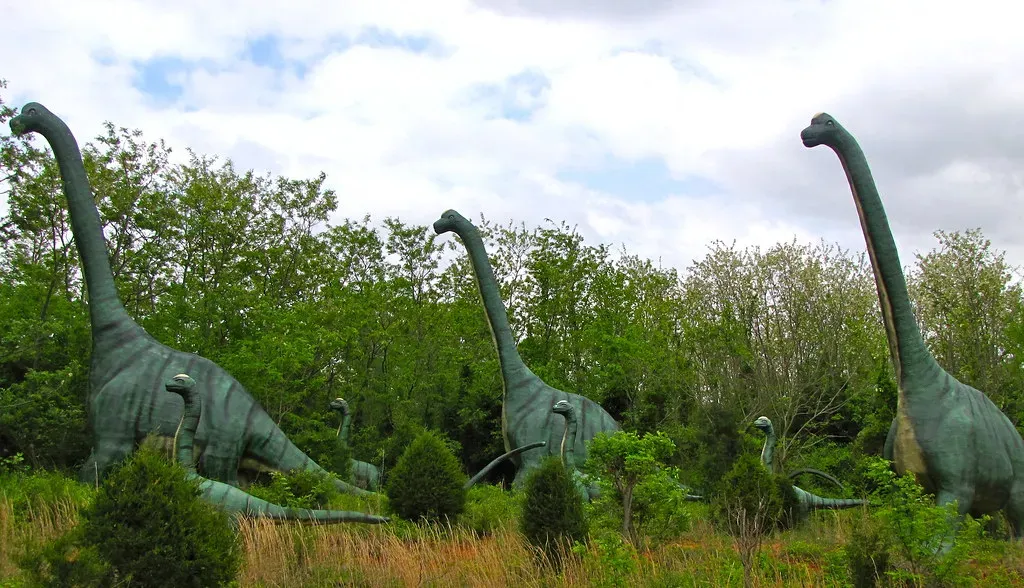
Perhaps the most quietly stunning discovery of all is just how socially sophisticated dinosaur migration really was. Researchers reported an exceptional fossil occurrence from Patagonia that includes over 100 eggs and skeletal specimens of 80 individuals of the early sauropodomorph Mussaurus patagonicus, ranging from embryos to fully-grown adults. That single site rewrote what we thought we knew about how early dinosaurs organized themselves during migration and nesting cycles.
The discovery of Maiasaura nesting sites in the Cretaceous badlands of Montana provided a glimpse into the familial bonds and cooperative parenting strategies of these hadrosaur dinosaurs. The presence of well-developed nests, hatchling remains, and evidence of adult care suggests that these herbivores may have traveled in multi-generational herds, with older individuals guiding and protecting the younger members during their migratory journeys. This is the part that genuinely moves me. These were not mindless giants on autopilot. They were social animals, guiding their young across ancient landscapes – an echo of every elephant herd, every wildebeest migration, every bird flock we marvel at today.
Conclusion: These Ancient Giants Were More Like Us Than We Ever Imagined
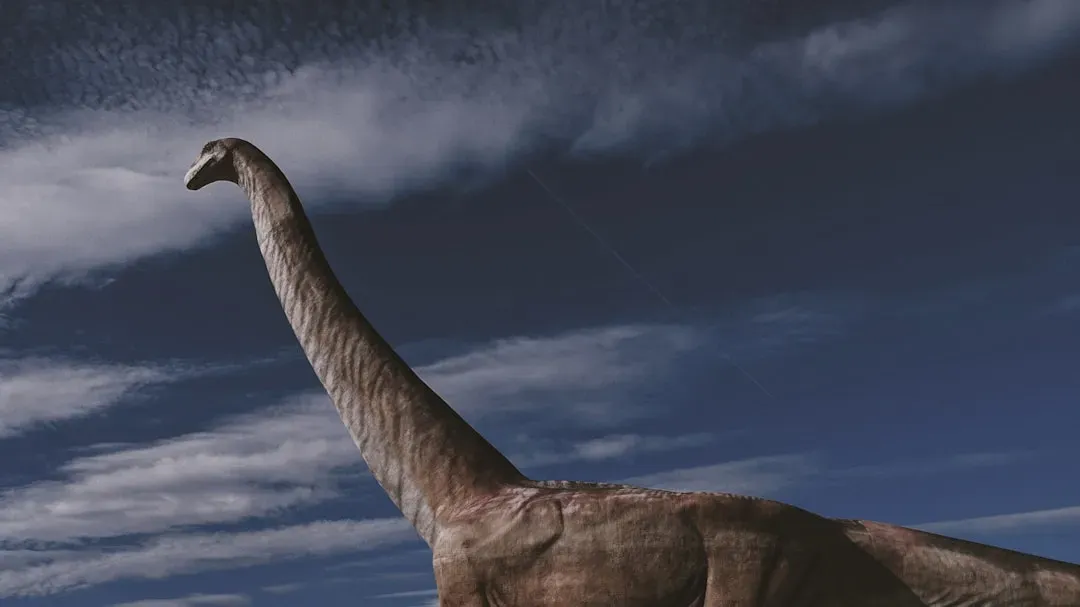
Let’s be real – every single one of these discoveries challenges the old image of dinosaurs as lumbering, isolated, brainless giants locked in one patch of ancient jungle. Dinosaurs may be long extinct, but recent research makes it abundantly clear that they are anything but settled science, with new fossils, reanalyses of famous specimens, and the use of increasingly sophisticated tools continuing to upend what we thought we knew about how these animals lived, moved, fed, and evolved.
The migrations of dinosaurs were epic, purposeful, and shaped by forces – climate, food, social bonds, and even CO2 levels – that we are still working to fully understand. The study of the dinosaur diaspora has far-reaching implications, not just for understanding prehistoric giants but also for broader knowledge of the Earth’s evolutionary history. By tracing migration patterns and dispersal of dinosaurs, researchers can gain insights into the complex interplay of tectonic plate movements, climate fluctuations, and the adaptability of life in the face of changing environmental conditions.
The more we learn about where dinosaurs went and why, the more we realize these ancient creatures were living out stories of survival and adaptation that mirror our own world in surprising ways. After all, every great journey – whether made by a Camarasaurus 150 million years ago or by a modern-day wildebeest – begins with the same basic need: to find what you need to survive. What do you think – does knowing dinosaurs migrated in social herds change the way you see them? Drop your thoughts in the comments.