
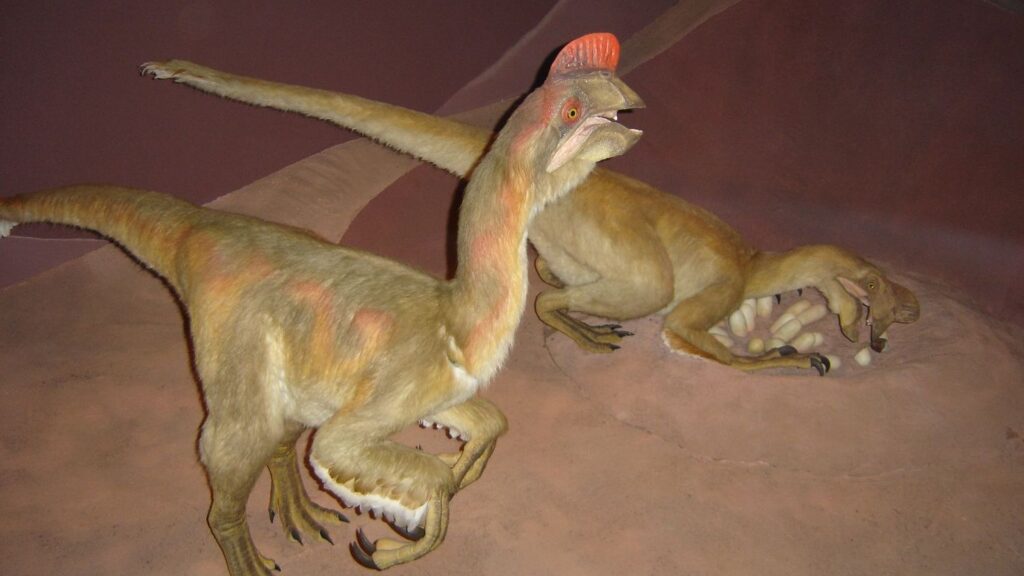
Picture the Cretaceous world as one long, brutal survival gauntlet, where a hatchling the size of your hand might grow into a creature weighing several tons. Most people imagine dinosaurs as solitary killing machines or thundering, indifferent giants. Yet the fossil record quietly tells a different story, one that involves tenderness, sacrifice, and some genuinely surprising parenting strategies that rival anything you see in the animal kingdom today.
What scientists have uncovered over the past few decades has genuinely rewritten the rulebook. From dads sitting on nests to mothers who apparently gave their lives protecting eggs, the ancient world of dinosaur parenting is nothing short of remarkable. So let’s dive in.
Theory 1: The “Good Mother Lizard” and Active Nest Provisioning
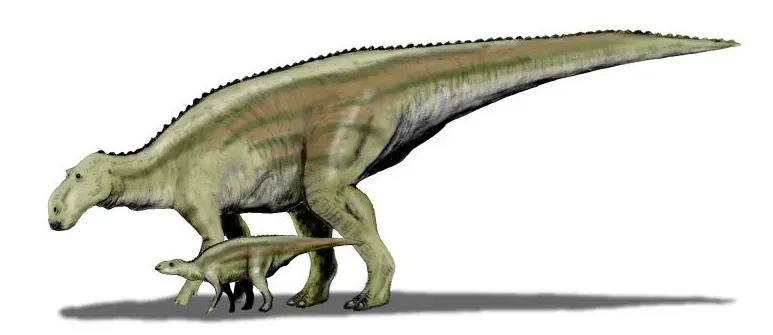
Honestly, few fossil discoveries have shaken paleontology as hard as the story of Maiasaura. Named Maiasaura, meaning “good mother lizard,” this dinosaur species has provided paleontologists with extraordinary evidence of parental care, with fossils first discovered in 1978 by paleontologist Jack Horner and his team. What Horner found wasn’t just bones. It was an entire behavioral window into the past.
Analysis of Maiasaura fossils demonstrated that hatchlings possessed immature leg muscles and might have been incapable of walking when born, while research showed that Maiasaura teeth had evidence of wear and tear, implying that adults brought food to the nest to care for their young until they were old enough to fend for themselves. Think of it like a prehistoric version of a robin feeding worms to chicks in a backyard nest. Only scaled up to something the size of a school bus.
Theory 2: Colonial Nesting as a Communal Defense Strategy
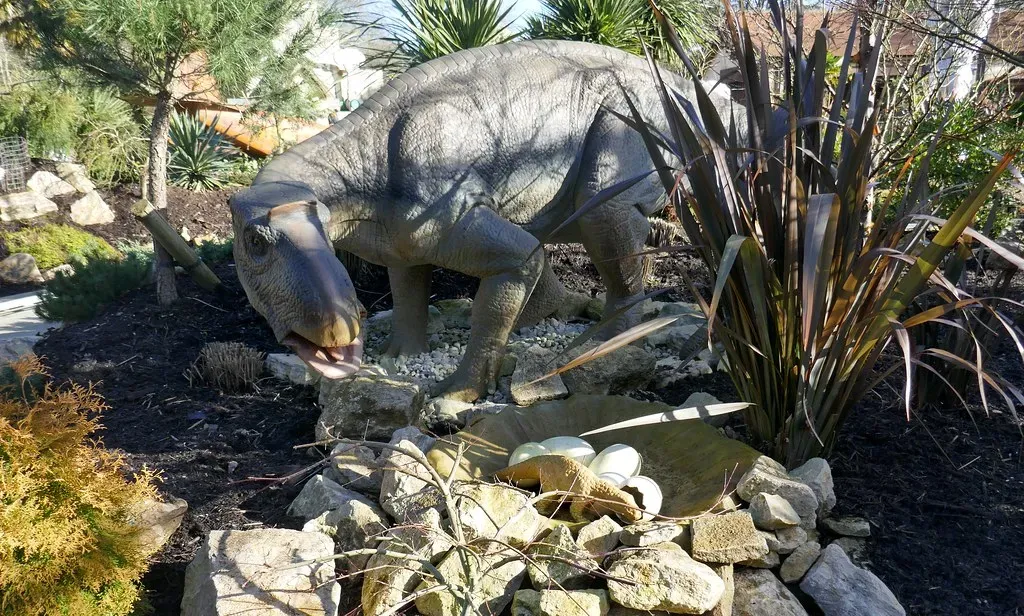
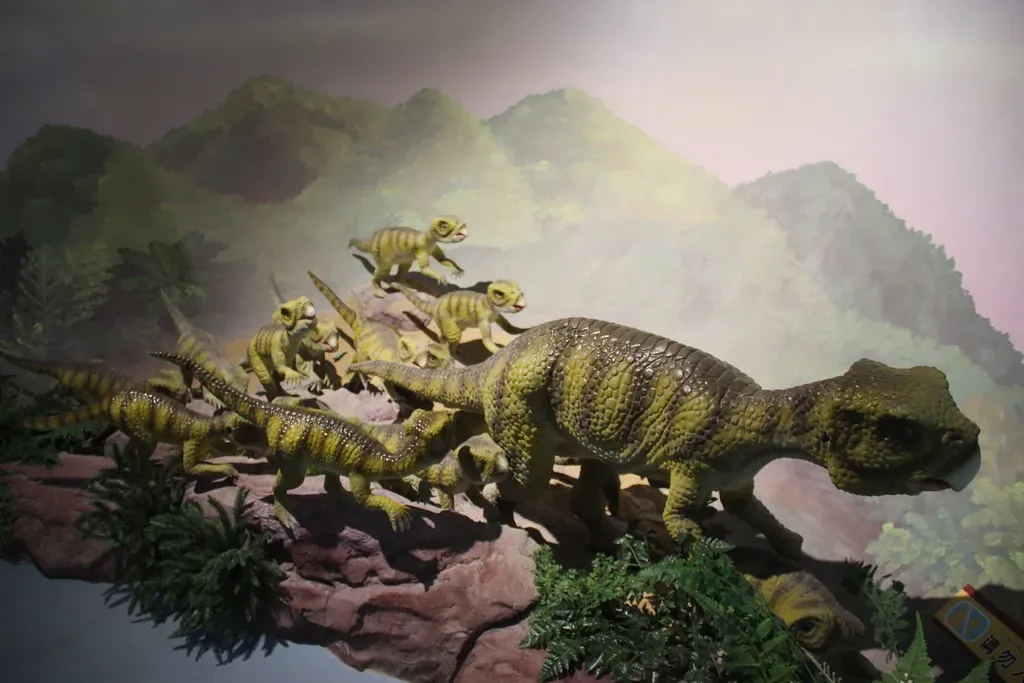
You might wonder why any dinosaur would want to nest in a crowd. Here’s the thing: safety in numbers was just as real back then as it is for flamingos on an African lake today. The colonial nesting patterns of Maiasaura provide compelling evidence that these dinosaurs lived in large social groups with complex interactions, and paleontologists estimate that Maiasaura herds may have numbered in the thousands, creating massive dinosaur “nurseries” during breeding seasons.
The discovery at Egg Mountain indicated that Maiasaura exhibited colonial nesting behavior, where large groups, likely herds, would all nest together in one area. By nesting in colonies, Maiasaura increased its chances of survival – there was safety in numbers, more eyes to spot danger, and more bodies to form a defensive barrier around vulnerable hatchlings, with adults possibly even using vocalizations to warn the herd of approaching threats. It’s the dinosaur equivalent of a neighborhood watch program.
Theory 3: Brooding on Open Nests Like Modern Birds
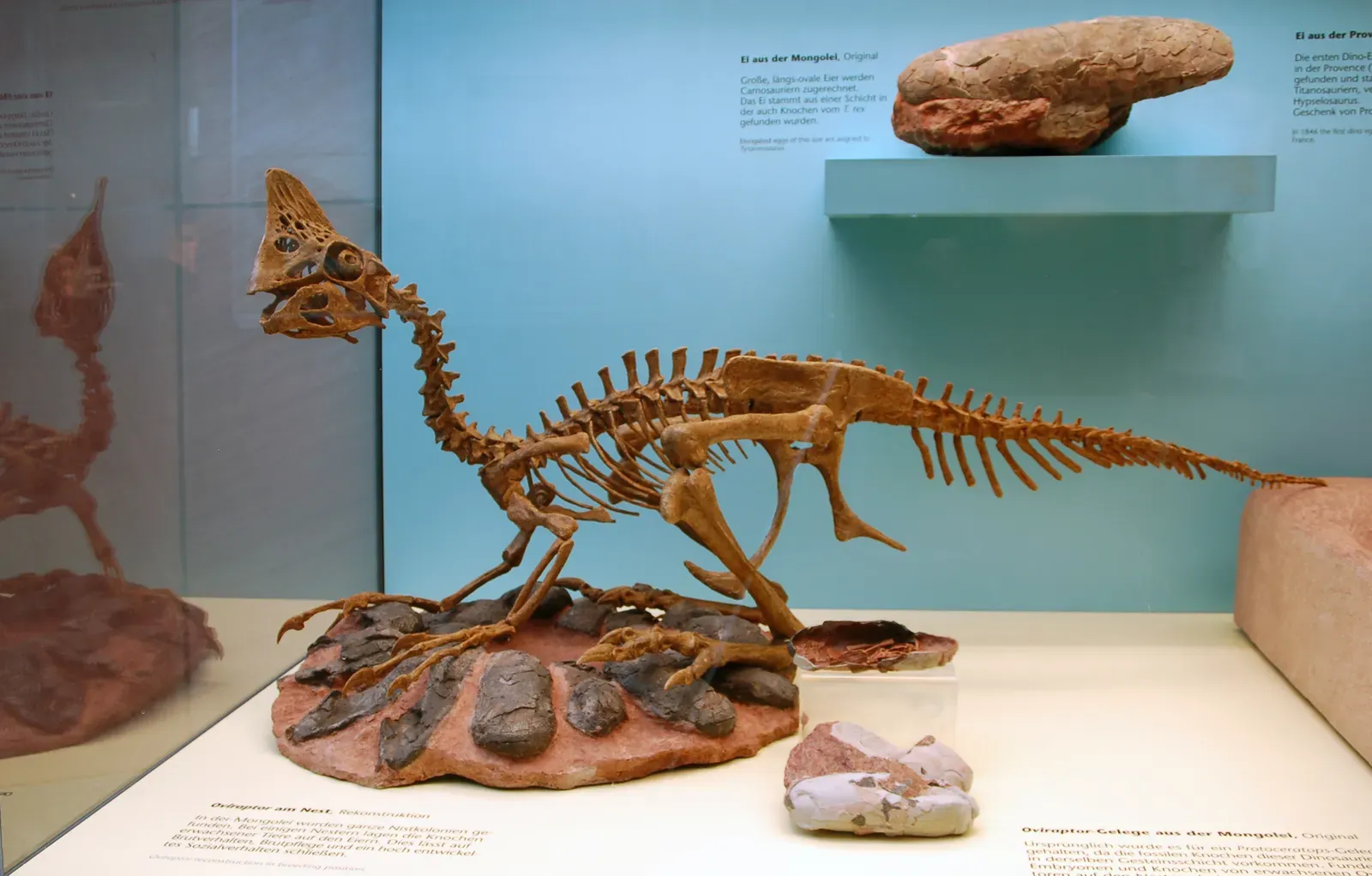
This one still gives paleontologists chills. The idea that a feathered dinosaur might crouch over its eggs, wings spread, warming them with body heat, sounds almost too bird-like to believe. The emu-sized Citipati is widely thought to have kept its eggs warm by sitting on them, and in 1995, a fossil of a Citipati incubating her eggs was uncovered, showing that by the Late Cretaceous there were some dinosaurs that cared for their young in this direct way.
The spectacular nesting Citipati fossil provides some of the most remarkable evidence of how these dinosaurs incubated their eggs, with the large adult skeleton preserved at the center of a ring of eggs, its arms wrapped around the precious clutch. In living archosaurs like birds and crocodilians, there are generally two types of nests: some animals cover their nests entirely and leave them, while others, including the majority of living birds, leave their nests open and incubate eggs by brooding – tactics thought to have been similar for dinosaurs.
Theory 4: Fathers, Not Mothers, Did Most of the Brooding
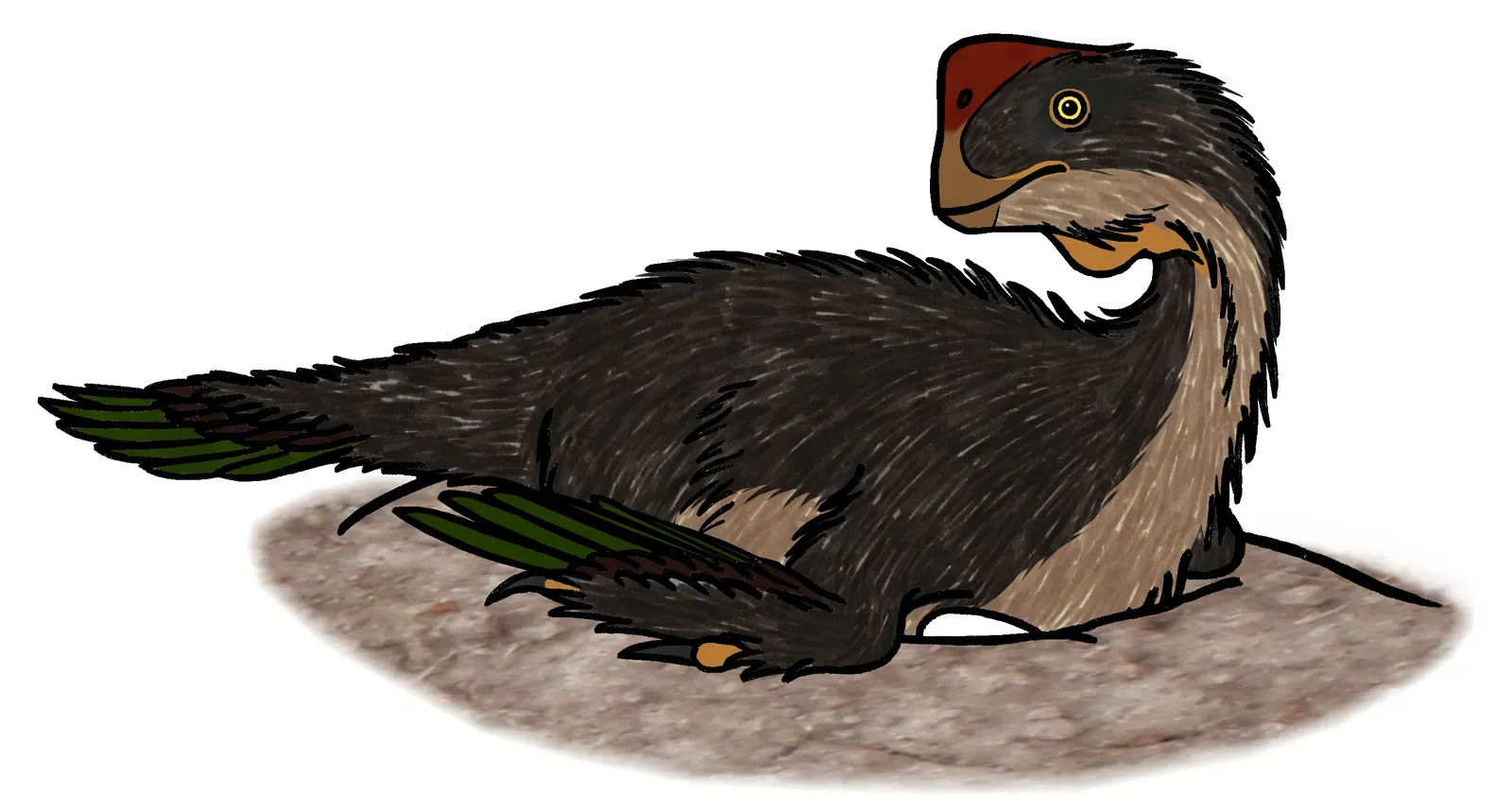
Here is where things get genuinely surprising. You’d assume it was always the mother dinosaur standing guard, right? Turns out, the evidence points in a very different direction for certain species. To David Varricchio from Montana State University, subtle clues in fossils also reveal which parent took more responsibility for the young – and based on the size of egg clutches and the bones of the brooding parent, Varricchio thinks it was the males that cared for the babies, suggesting that fatherly care was probably the norm for small predatory dinosaurs that became the ancestors of modern birds.
The team noted that the clutches so delicately incubated by Troodon, Oviraptor, and Citipati contained around 22 to 30 eggs apiece, and compared to most living birds and crocodilians studied, the dinosaurs were sitting on far more eggs than animals of their size normally do – with only species where the father does almost all of the work tending to rear such large broods. Think of the modern ostrich, where the male takes the night shift on the nest. Dinosaur dads, it seems, were doing that long before ostriches existed.
Theory 5: Egg Burial and Letting Decomposing Vegetation Do the Work
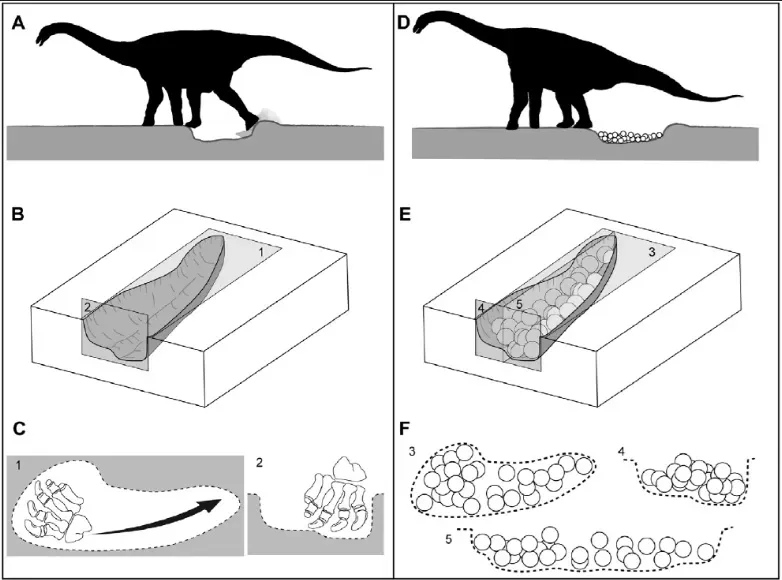
Not every dinosaur parent was a hands-on caregiver. Some, it appears, were more like engineers. The dinosaurs of the Triassic period probably laid soft-shelled eggs in large clutches, burying them and then leaving them to fend for themselves, much like sea turtles, with hatchlings’ survival left to chance. It sounds ruthless, but it was a perfectly viable strategy for tens of millions of years.
Larger species may have used a heating system similar to that of crocodilians, piling plant matter on top of eggs to create a compost heap to generate warmth as the vegetation decays. When looked at under a microscope, fossilized eggs that are more porous are thought more likely to have been intentionally buried by the parent, and this burial strategy is mostly seen in modern reptiles as well as megapodes such as the Australian brush turkey. The Australian brush turkey still does exactly this today, so the strategy is clearly not as primitive as it sounds.
Theory 6: The Oviraptorid’s Devoted, Life-Sacrificing Nest Guarding
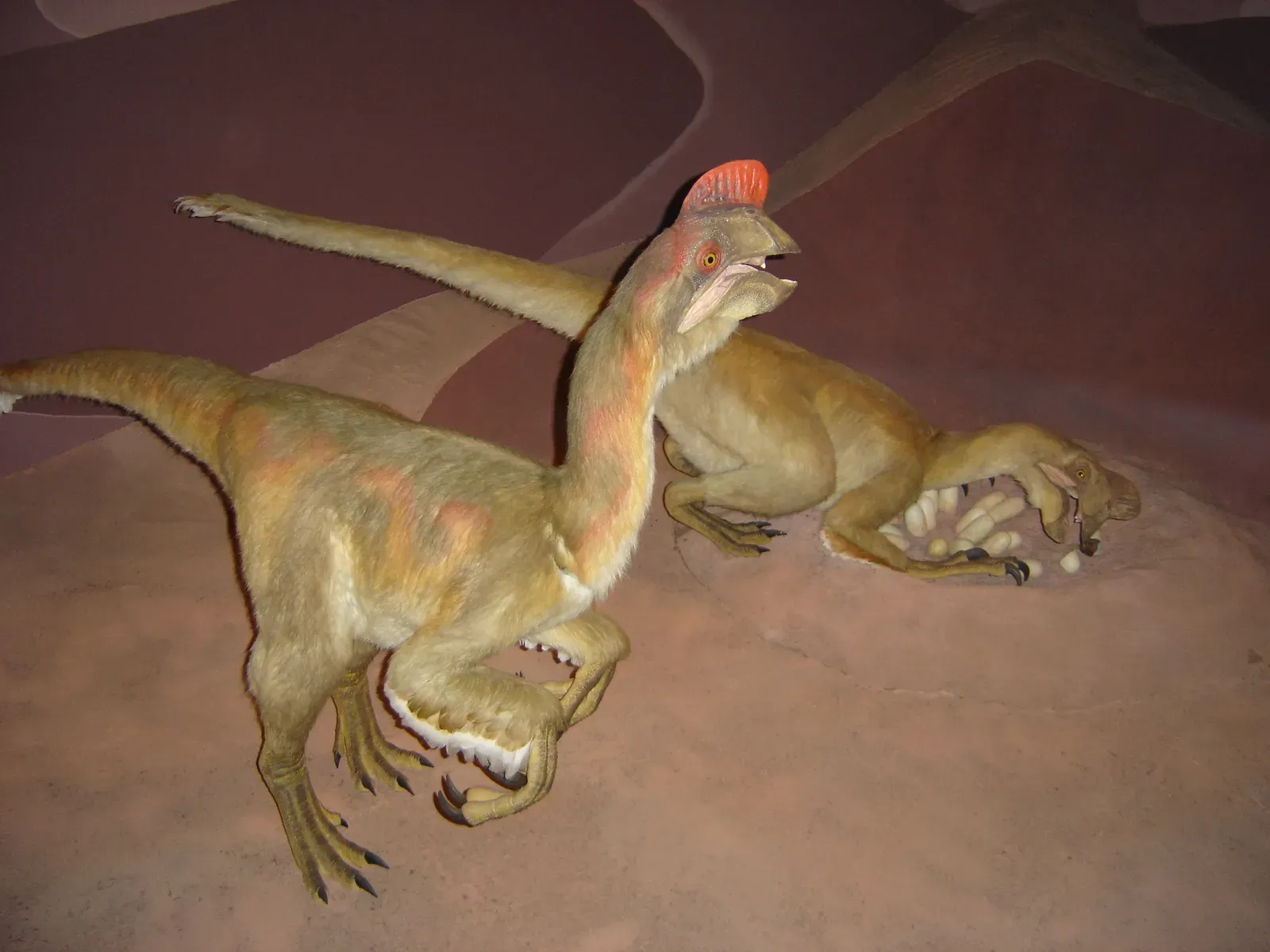
The story of Oviraptor is one of the most dramatic reversals in paleontological history. For decades, this dinosaur was branded a thief and a villain. Oviraptor was first discovered in the 1920s associated with eggs thought to belong to the small ceratopsian Protoceratops, leading scientists to believe it stole and ate other dinosaurs’ eggs – but it has since been confirmed that the eggs actually belonged to Oviraptor, and there is no other evidence it stole eggs; in fact, oviraptorids show substantial evidence of putting their lives on the line for their young.
One remarkable fossil consists of an incomplete skeleton of a large adult oviraptorid crouched in a bird-like brooding posture over a clutch of at least 24 eggs, with at least seven of those eggs preserving bones or partial skeletons of unhatched oviraptorid embryos inside. Researchers confirmed the adult was incubating the eggs by analyzing oxygen isotopes within the dinosaur embryos and fossilized eggshells, finding that the embryos were incubated at temperatures consistent with the parent dinosaur’s body temperature, adding a layer of evidence that the oviraptorid was sitting on the nest to keep the eggs warm. That parent died on that nest. If that’s not devotion, honestly, what is?
Theory 7: Altricial Young Requiring Extended Parental Feeding
One of the key debates in dinosaur science is whether hatchlings could walk out of the nest immediately, or whether they needed weeks of parental feeding to survive. The answer depends entirely on the species. Some baby hadrosaurines had poorly developed joint surfaces in their legs, making them unable to move well despite having worn teeth suggesting they were feeding, which points to an altricial lifestyle, while some other baby dinosaurs like troodontids had fully formed joints prior to hatching and would have been able to move from day one.
Research comparing femora of the Early Jurassic sauropodomorph Lufengosaurus with modern birds found that the rate and degree of bone development in Lufengosaurus was closer to that of the highly altricial pigeon than the precocious chicken, providing strong support for the hypothesis that Lufengosaurus was fully altricial, meaning its limb bones were not strong enough to forage for themselves and it would likely have needed parental feeding. It’s a bit like comparing a newborn foal, which walks within hours, to a helpless baby robin. Both strategies work. They’re just completely different survival bets.
Theory 8: Rapid Growth Rates Supported by Intensive Early Parental Care
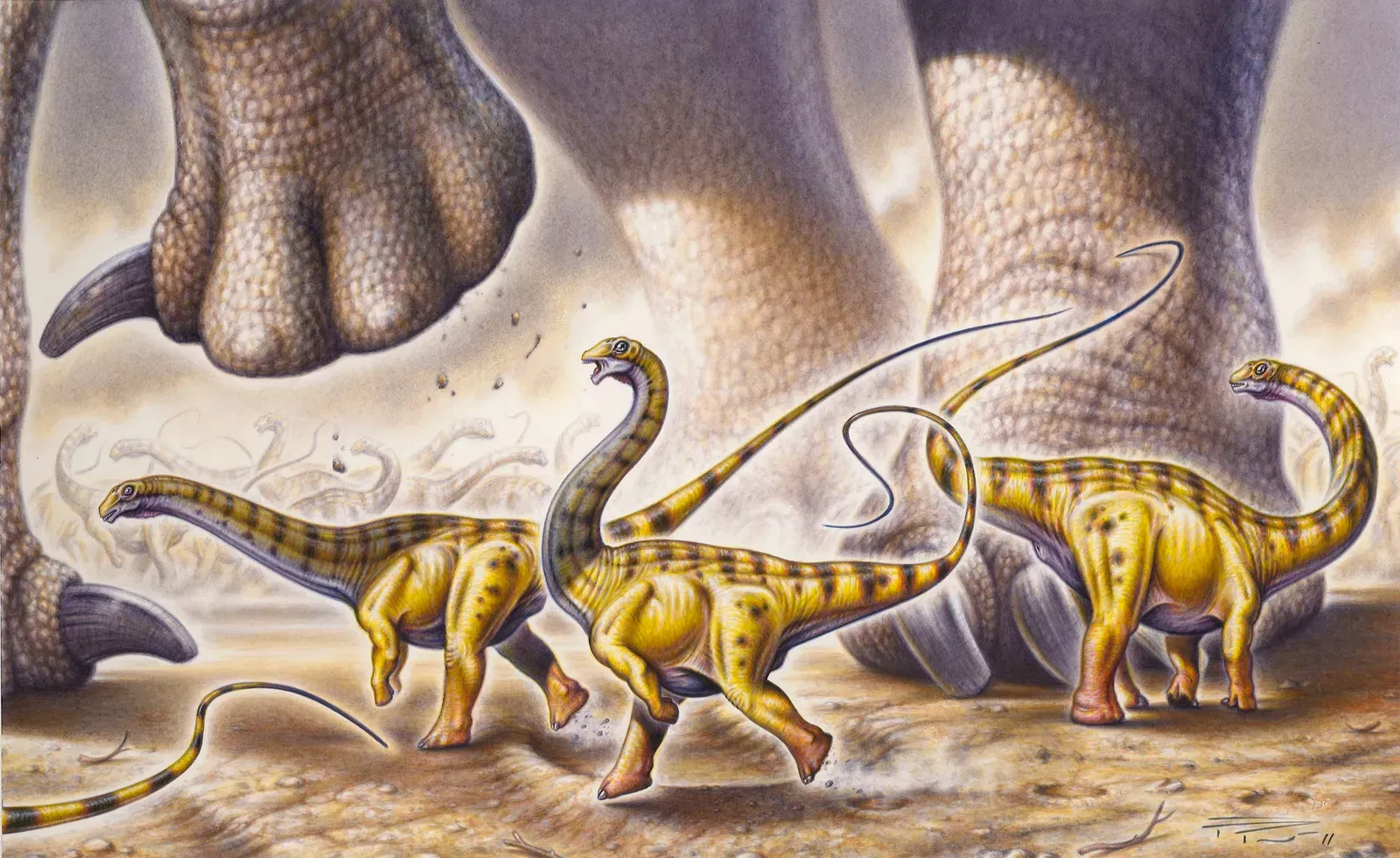
Here is something that doesn’t get nearly enough attention. Dinosaurs grew at breathtaking speed, and that kind of rapid development doesn’t happen without a significant energy investment early on. By studying the bones of Maiasaura, it has been determined that these dinosaurs experienced a dramatic change in size as they aged, growing from their hatch size of less than 1 kilogram to an adult size of 2,000 kilograms in a period of just 8 to 10 years. That’s roughly the equivalent of a hamster becoming a rhinoceros in less than a decade.
It has been found that dinosaurs had rapid growth rates, reaching full body size in less than a decade for most groups, and less than two decades for even the largest. Studies of bone tissues in nest-bound juveniles often show well-developed fibrolamellar bone typical of active, fast-growing animals requiring substantial parental provisioning. This strongly suggests that at least some dinosaur parents weren’t just guarding the nest. They were actively fueling a biological race against time and predation.
Theory 9: Cross-Species Juvenile Herding for Collective Survival
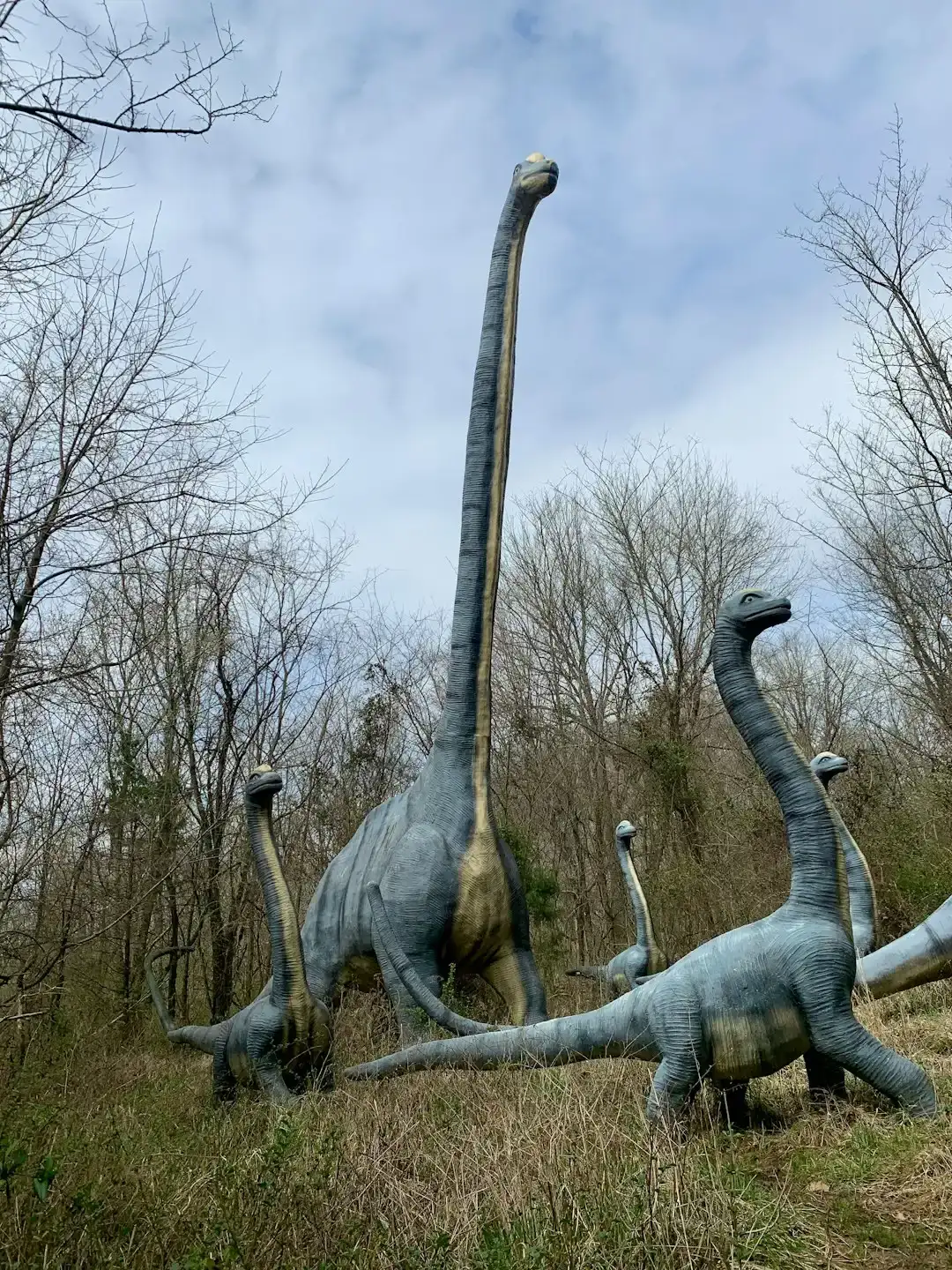
This theory is one of the more mind-bending ones. Imagine young dinosaurs of different species essentially forming their own gangs for mutual protection. After baby dinosaurs left the nest, they at least seem to have traveled together, with packs and herds of baby ankylosaurids, ceratopsians, and ornithomimosaurs known to science, and in at least the case of Psittacosaurus and the ornithomimosaur Sinornithomimus, these herds included individuals of different ages, including adults.
Adolescent dinosaurs forming cross-species social groups makes sense given what we know about how harsh life in the Mesozoic could be – even among Maiasaura, who received better-than-average parental care, nearly nine in ten hatchlings died within the first year, but if young dinosaurs could last through those first 365 days and grow large enough not to be a snack for larger carnivores, they stood a better chance at survival. It’s a sobering statistic that reframes the whole picture of early dinosaur life.
Theory 10: Large Sauropods Using Ring Arrangements to Avoid Crushing Their Eggs
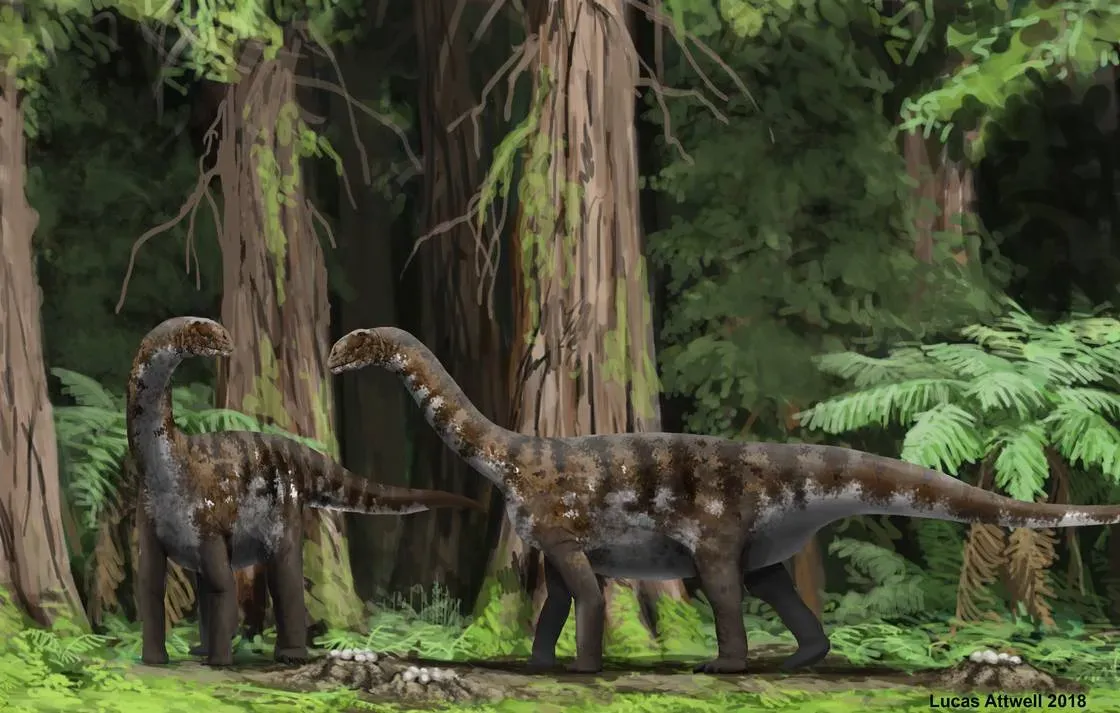
Let’s be real. If you weighed several tons, sitting directly on a clutch of eggs wouldn’t end well for anyone. So how did the giants of the dinosaur world manage incubation? For the largest dinosaurs that may have crushed their fragile eggs if sitting on them directly, it is thought that the Gigantoraptor, which weighed around 1,000 kg, may have arranged its eggs in a ring around itself so that it could incubate them without sitting directly on them.
In Argentina’s Patagonia region, paleontologists have discovered sauropod nesting grounds where nests are spaced at regular intervals, just far enough for adults to move between them but close enough to create a defensive perimeter. Perhaps most impressive were the large-scale nesting colonies discovered in Argentina, where hundreds of sauropod nests were arranged in distinct patterns suggesting these enormous dinosaurs returned to the same nesting grounds year after year, while in Romania researchers discovered titanosaur nests containing carefully arranged clutches of eggs positioned in circular patterns, demonstrating sophisticated nest architecture. The engineering logic behind this is actually brilliant, and strikingly similar to what you’d find in a modern penguin colony.
Theory 11: The “Egg Abandonment” Strategy for Some Species
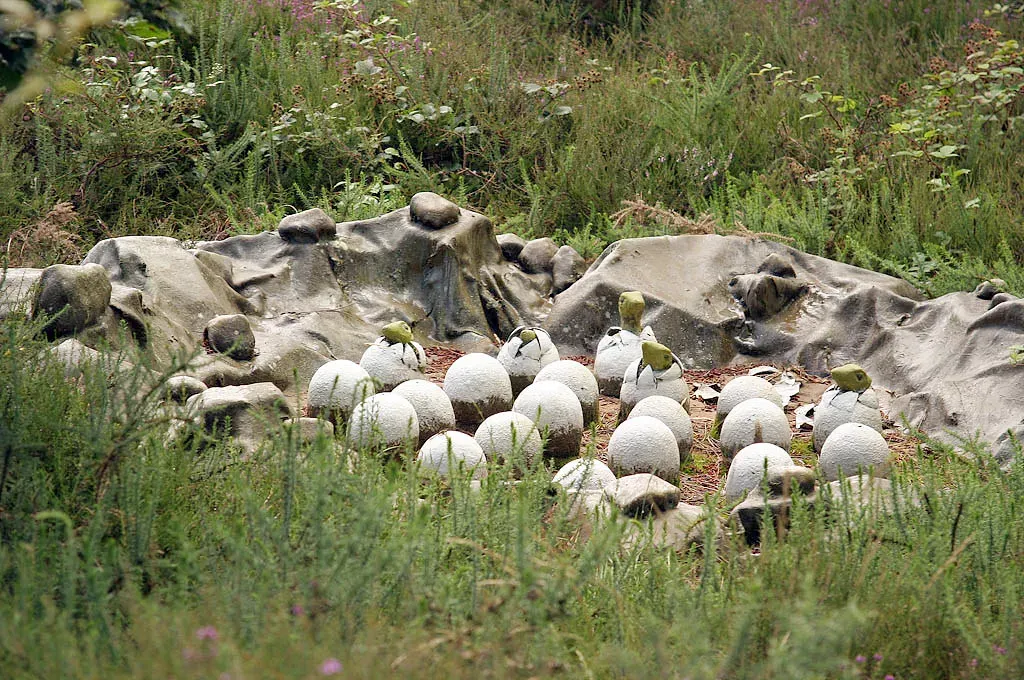
It would be dishonest to paint all dinosaurs as devoted parents. For some species, the fossil evidence strongly suggests a very different approach: lay the eggs, walk away, and let nature take its course. One major matter of debate is whether dinosaur parents stuck around to guard their eggs or, like today’s sea turtles, laid them and left the offspring to fend for themselves, and the answer seems to vary by species. This kind of variation, honestly, is exactly what you’d expect from a group of animals that dominated the planet for over 160 million years.
Some hatchlings came out needing care from a parent while others came out ready to run, and to increase survival rates, dinosaurs laid many sturdy eggs at once so that even if predators got some, they wouldn’t wipe out all the young. Perhaps some dinosaurs employed additional parenting strategies that researchers haven’t yet confirmed because they have yet to find the evidence, and in this case, living birds might offer some examples of what to look for. It’s a humbling reminder that the fossil record, extraordinary as it is, still only shows us a sliver of prehistoric life. There may be parenting behaviors locked in ancient rock that we haven’t even imagined yet.
Conclusion: Ancient Parenting, Modern Lessons
What strikes you most when you pull all of this together is how varied, creative, and surprisingly sophisticated dinosaur parenting really was. From a father Oviraptorid dying on its nest to enormous sauropods engineering ring-shaped clutches to avoid crushing their own offspring, these animals were solving the same fundamental problem every parent faces: how do you keep the next generation alive in a dangerous world?
The study of dinosaur parental care reveals the behavioral complexity and ancient parenting strategies exhibited by these prehistoric creatures, with scientists gaining valuable insights through the analysis of fossilized nests, eggs, and bones, uncovering everything from the brooding behaviors of Oviraptorids to the nesting colonies of Maiasaura, discoveries that challenge the popular perception of dinosaurs as ferocious and uncaring creatures and emphasize their capacity for nurturing and protective behaviors.
The deeper you look into this subject, the more you realize that the line between ancient reptile and modern bird is not a sharp one. It’s a long, unbroken thread of parental instinct stretching back hundreds of millions of years. We’re still finding new pieces of this story hidden in rock around the world. What does that tell you about how much we still have left to discover?