
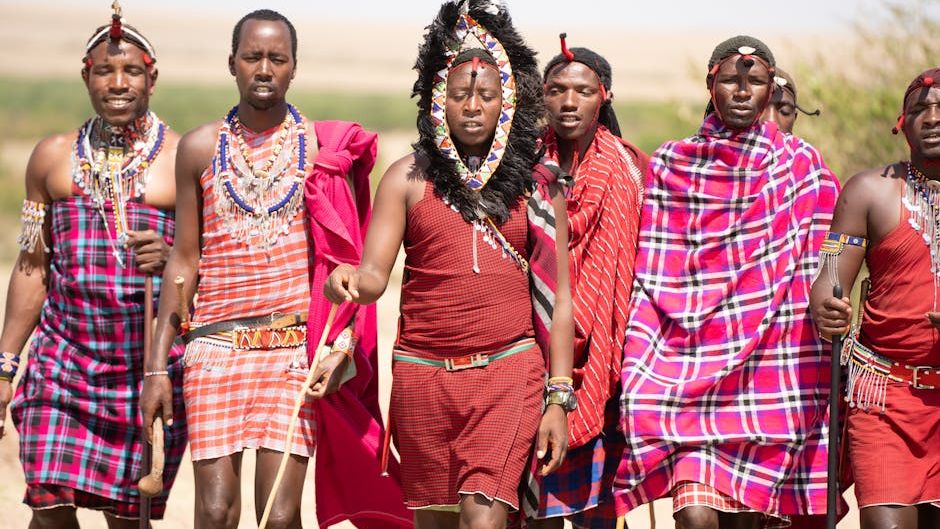
When you think about what it truly means to survive, not the app, not the TV show, but the real, raw thing, your mind probably jumps to modern gear, GPS devices, or maybe that one friend who obsessively watches wilderness videos. But here’s the thing. Long before any of that existed, certain tribes across the world had already mastered survival at a level that would honestly embarrass most of us today.
For thousands of years, human survival depended on a deep understanding of the natural world and the ability to adapt to ever-changing environments. Long before the advent of modern tools and technology, ancient civilizations mastered survival techniques that ensured their endurance and allowed them to thrive in harsh and unforgiving landscapes. These weren’t just tough people. They were elite-level problem solvers operating in a world with zero safety nets. Let’s dive in.
The Inuit: Turning Ice Into a Five-Star Fortress
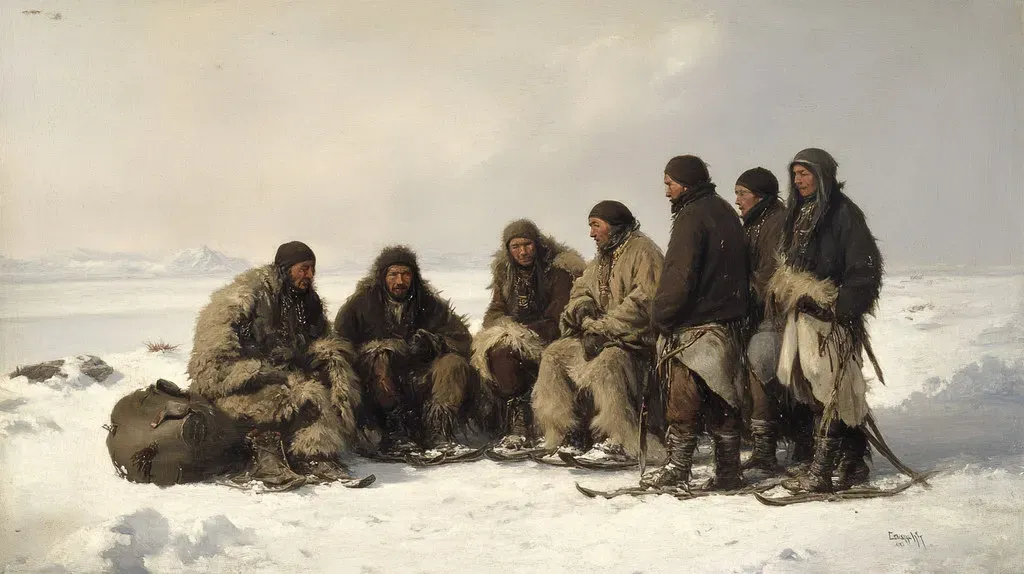
Honestly, it’s hard to imagine living somewhere where the air itself can kill you in minutes. Yet the Inuit did exactly that, and not just barely. For millennia, the Inuit not merely survived but thrived in extreme Arctic environments. Their story is a profound testament to human ingenuity, resilience, and an unparalleled understanding of the natural world. Far from simply enduring, the Inuit mastered the Arctic, developing a sophisticated suite of survival skills that allowed them to live sustainably and even flourish where others would quickly perish.
Their most iconic innovation, the igloo, was essentially a masterclass in physics. The Inuit peoples of Canada’s Central Arctic and parts of Greenland developed snow houses that could maintain interior temperatures as warm as 16°C even when outside temperatures plunged to -45°C, a remarkable 61-degree temperature difference. The secret lies in snow itself, and the physics of heat transfer. Think about that like packing a warm lunch inside a styrofoam cooler – except your entire life depends on it working. In the Arctic, clothing was not merely attire; it was a meticulously designed survival system. The Inuit developed sophisticated layering techniques and utilized specific animal materials that provided unparalleled insulation and protection.
The Hadza of Tanzania: Living Like the First Humans on Earth
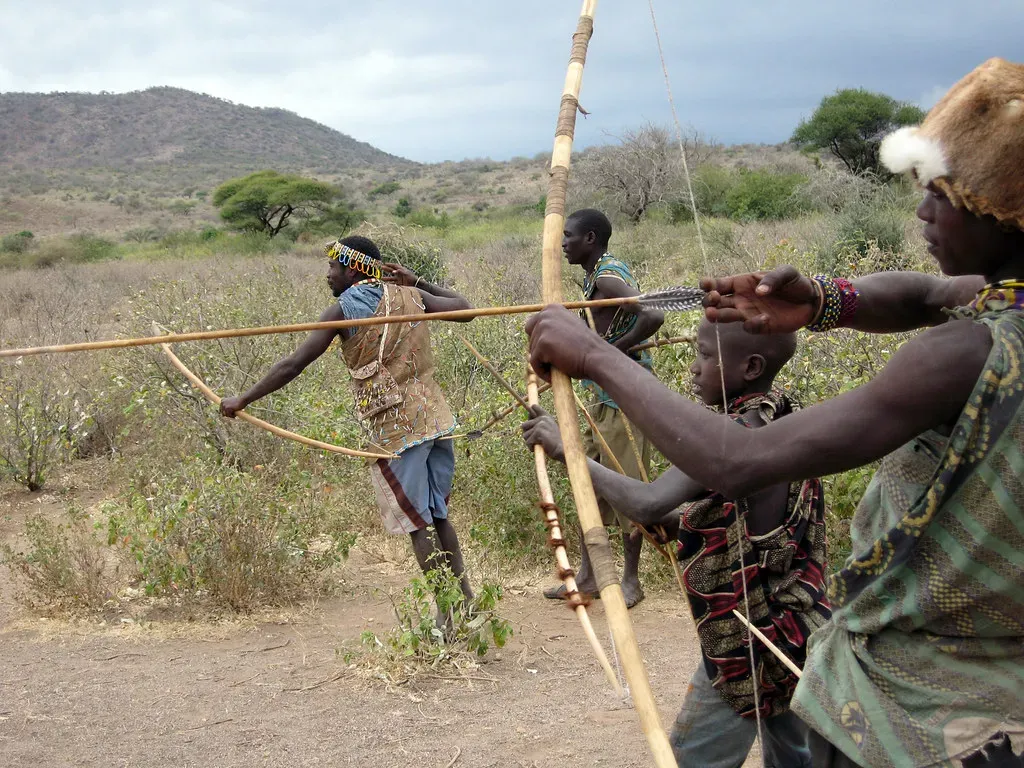
If you want a window into how the very first modern humans may have lived, you need to look at the Hadza of Tanzania. The Hadza are a protected hunter-gatherer Tanzanian indigenous ethnic group, primarily based in the Lake Eyasi basin in the central Rift Valley and in the neighboring Serengeti Plateau. As descendants of Tanzania’s aboriginal, pre-Bantu expansion hunter-gatherer population, they have probably occupied their current territory for thousands of years with relatively little modification to their basic way of life. That is not a metaphor. That is a fact that should genuinely blow your mind.
The Hadza survive by hunting their food with hand-made bows and arrows and foraging for edible plants. Their diet is primarily plant-based but also consists of meat, fat, and honey. One of the most jaw-dropping elements of Hadza survival is their relationship with the Greater Honeyguide bird. The Hadza have developed a mutually helpful relationship with the honeyguide bird, which leads them to wild bees’ hives. The bird calls to the hunters, who whistle back to it. That is a cross-species survival alliance, and it has been working for thousands of years longer than most civilizations have even existed.
The Native Americans: The Original Masters of Zero-Waste Living
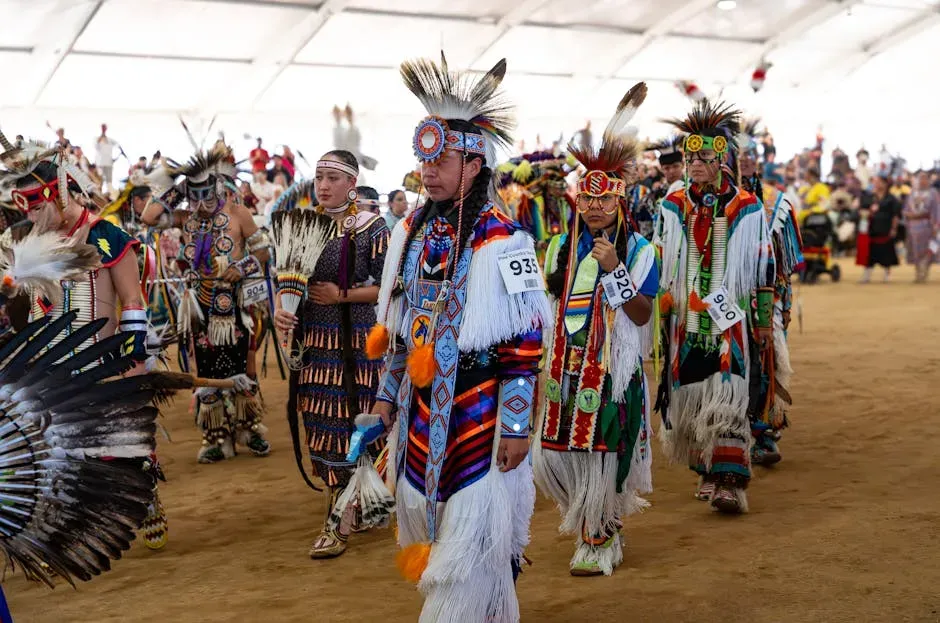
Let’s be real, there is no culture in human history that made better use of every single resource available than the Native Americans. If there were ever a people who lived in harmony with their surroundings, it was the American Indian. They took what they needed from nature, but did so without destroying nature. They learned the sounds and movements of the animals and could read their signs. More than anything, they studied everything around them. This was not just survival. This was a complete philosophy of existence.
When American Indians killed an animal, they used every bit of it they could. They were not wasteful. You never saw an Indian village with a garbage dump beside it. Everything had its use and the Indians were amazingly clever in finding those uses. Even internal organs from the animals could be used, making containers out of them to carry water or to store medical herbs. Their knowledge of plant medicine was equally extraordinary. Medicinal plants were a cornerstone of their survival. Willow bark, rich in salicin, was used as a natural pain reliever, while echinacea served as an immune booster.
The Aboriginal Australians: Navigating Infinity Without a Map
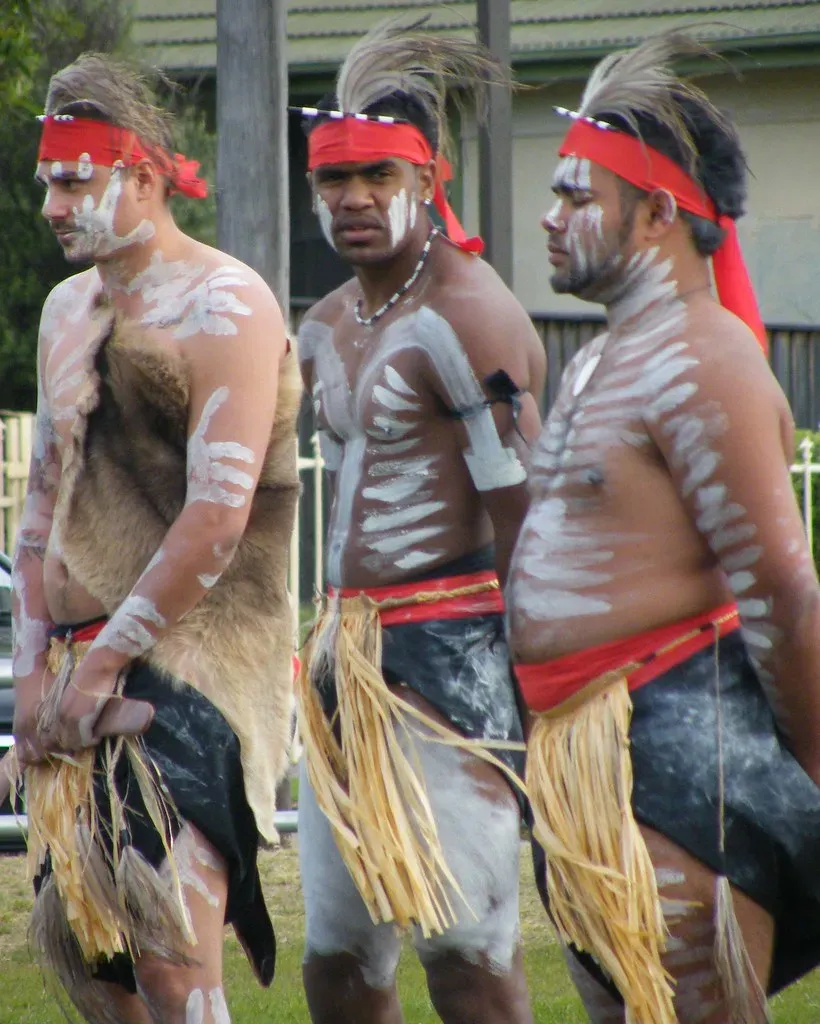
Imagine crossing one of the most brutal, featureless landscapes on Earth without any conventional navigation tools, not even a compass, and doing it successfully for over 65,000 years. Indigenous Australians are the bearers of one of the world’s oldest continuous cultures, stretching back over 65,000 years. That depth of cultural knowledge is something you genuinely cannot wrap your head around until you try to sit with it for a moment.
Indigenous Australians used a combination of pictographic maps, storytelling, and artwork to navigate the vast and often featureless Australian outback. The maps and landscape were interwoven with the storytelling into a complex system that not only gave meaning and history to the landscape, but also aided in navigation. Their shelter-building was just as remarkable. In some areas, underground shelters provided protection from extreme heat and cold. These reflected an understanding of thermal regulation that would impress any modern engineer today.
The Vikings: Braving the North With Brains and Brawn
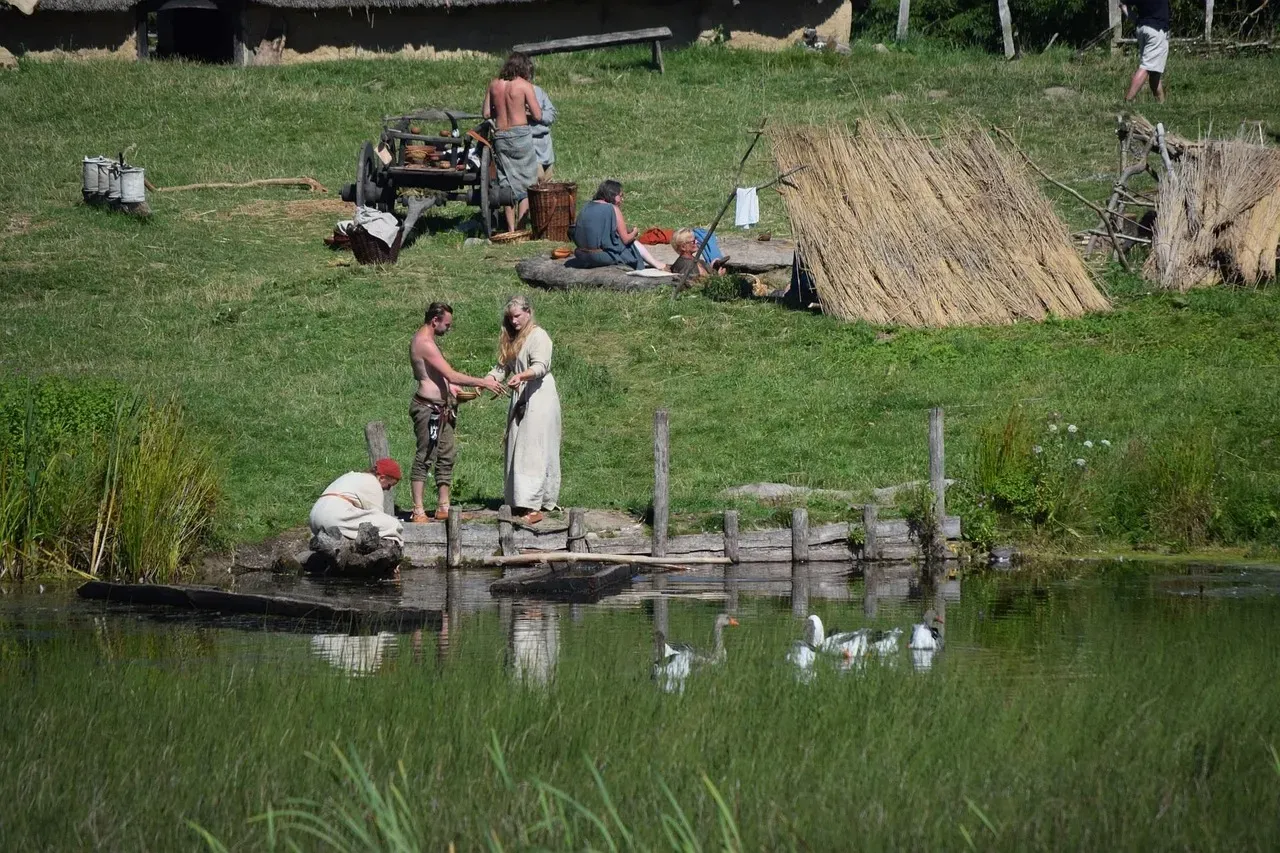
The Vikings have a reputation for being ferocious warriors, and honestly, that’s fair. But what often gets overlooked is just how intelligent and resourceful they were as survivalists. From the icy shores of Scandinavia and the arid expanses of varied environments, these early peoples developed ingenious methods for foraging, hunting, navigating, and building shelters. They were not just raiders. They were elite-level environmental adapters.
To survive long winters and sea voyages, the Vikings excelled in food preservation techniques. They salted, dried, and smoked fish and meat, ensuring they had a reliable food supply when fresh resources were scarce. Fermented foods, like skyr, a yogurt-like dairy product, were also staples of their diet. Their homes were equally genius. Viking longhouses were robust structures made of timber and insulated with sod or thatch. These homes not only provided protection from the cold but also housed livestock during the harshest months, creating a sustainable micro-ecosystem.
The San Bushmen of the Kalahari: Desert Survival Redefined
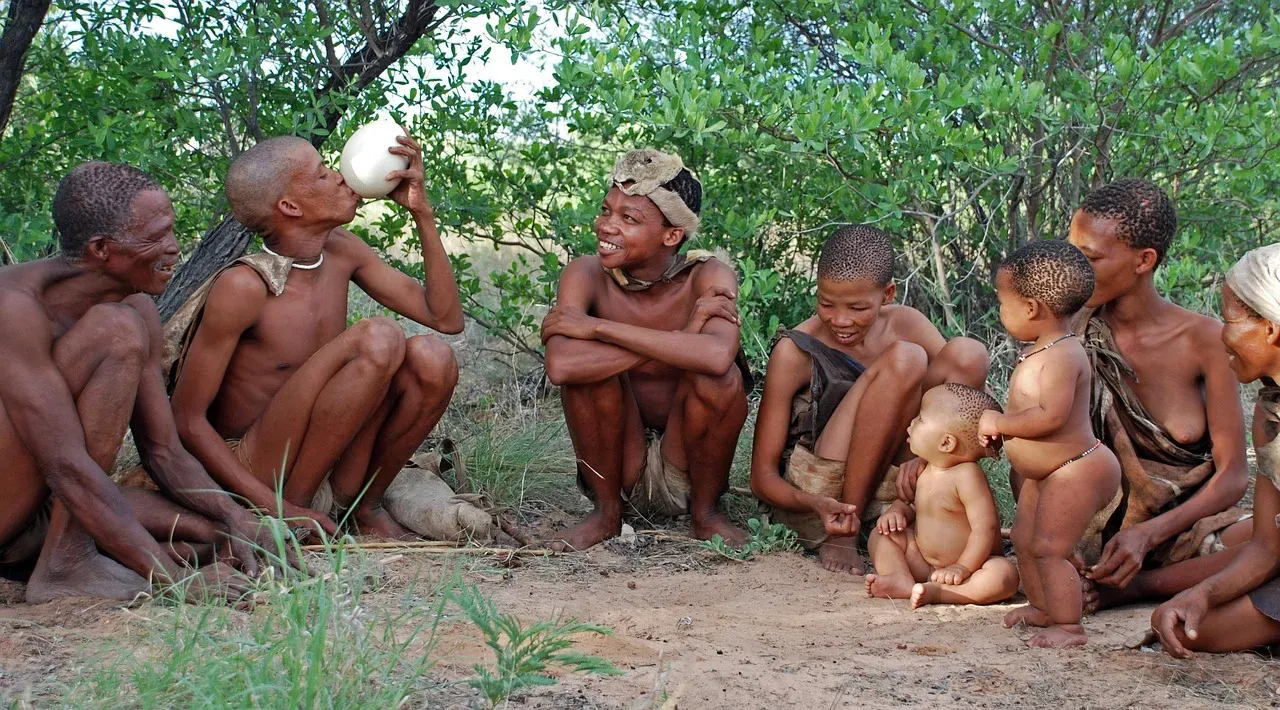
It’s hard to say for sure who the oldest continuous human culture on the planet is, but the San Bushmen of southern Africa are very serious contenders. Bushmen live in tribes in the Namib Desert and feed on wild plants and animals they hunt. Genetically speaking, the Bushmen may be the oldest people on the planet, because males of this tribe have the oldest genetic structure of the Y chromosome found among all nations in the world. That is not a small claim. That is the whole human story compressed into one group.
Their ability to find water in the most merciless landscapes is nothing short of legendary. Traditionally, the Bushmen find water in “pans,” rain-filled depressions in the sand, and from plants such as tsamma melons and roots, techniques learned over thousands of years of surviving in the desert during the dry seasons, when the water-holes of the Kalahari sand-face turn to dust. For many tribal peoples, continuous immersion in nature over thousands of years has resulted in a profound attunement to the subtle cues of the natural world. Acute observations have taught tribes how to hunt wild game and gather roots and berries, how to sense changes in climate, predict movements of ice sheets, the return of migrating geese, and the flowering seasons of fruit trees.
The Micronesian Navigators: Ocean Survival at Its Most Brilliant
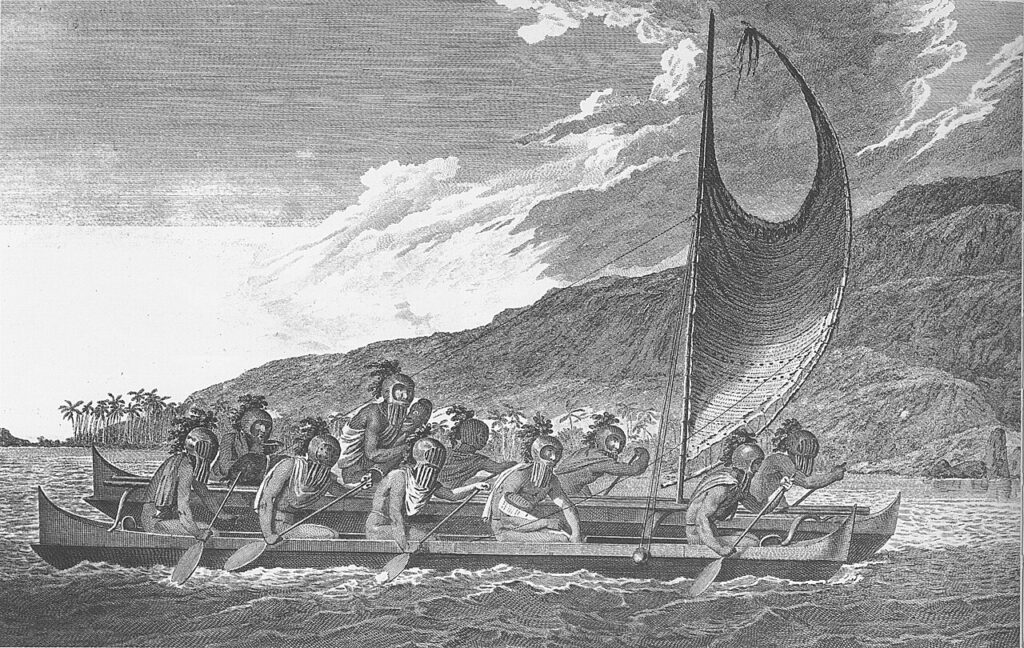
Most people have no idea just how extraordinary the navigational skills of ancient Micronesian peoples truly were. We’re talking about sailing across thousands of miles of open Pacific Ocean without any modern instruments whatsoever, in dugout canoes, in the dark, guided only by human knowledge and the stars. Ropes and cords, and shell spiderweb-style maps made by the indigenous sailors of Micronesia conveyed relative distance to different islands and also directions of the safest approach to each island represented by a shell. These ancient sailors used the maps in conjunction with highly developed skills and technique to navigate waters that still challenge modern sailors.
The 24 major island groups of the Pacific Ocean were settled by early Austronesians between 3,500 and 900 years ago, but we still know very little about how these isolated islands were colonized. Think about crossing the Pacific in a canoe the same way you might think about someone walking to the moon. Except these people actually did it. Sophisticated hunting, tracking, husbandry, and navigation techniques have been the ingenious responses of tribal peoples to the challenges of varied, and often hostile, environments. The Micronesian navigators represent perhaps the greatest pure intellectual survival achievement in all of human history.
Conclusion: What These Ancient Tribes Are Really Teaching You
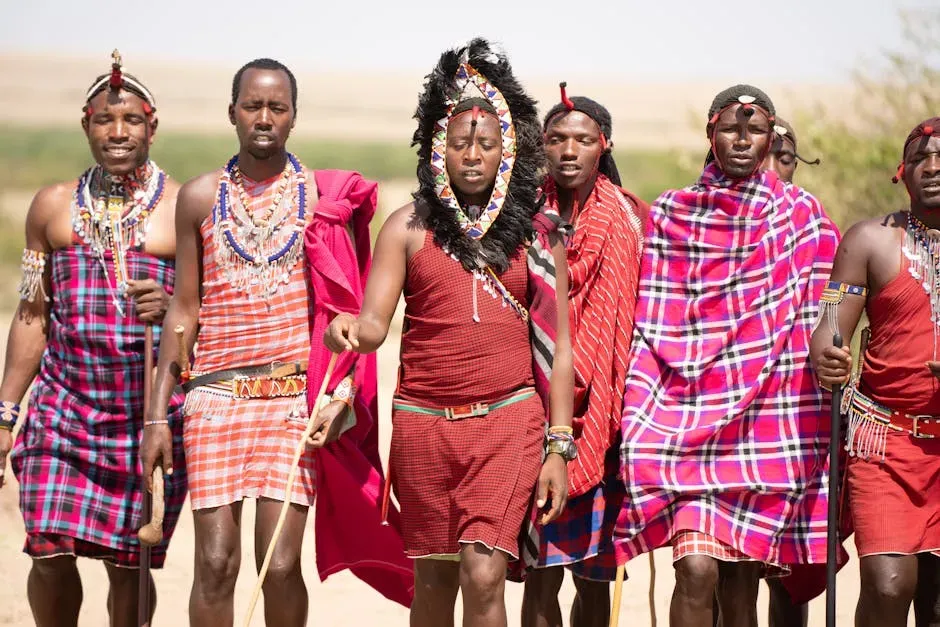
Here’s the thing that keeps striking me every time I revisit these stories. These tribes were not surviving despite difficult odds. They were thriving because of an intimate, almost sacred relationship with their environment. The basic structure of the human brain has remained essentially unaltered for tens of thousands of years, but the information processed within it has changed dramatically over time. Today, we require an entirely new set of skills to get by, but at the expense of our ancient know-how. What we call “modern progress” has quietly cost us some of the most extraordinary knowledge ever developed by human beings.
The survival techniques of ancient civilizations offer us a window into the past while providing invaluable tools for the present. By studying and practicing their methods, we not only honor their ingenuity but also develop a deeper connection to the natural world. These seven tribes were not just surviving. They were operating at a level of environmental mastery that most modern societies can barely imagine. The dinosaurs may have ruled their world through size and power. These tribes ruled theirs through something far more durable: knowledge, adaptability, and an unbreakable connection to the land.
So the next time you hear the word “primitive,” think twice. What would you do if everything you relied on simply disappeared? What do you think – could you survive even one week using only the skills these ancient tribes passed down for millennia?