
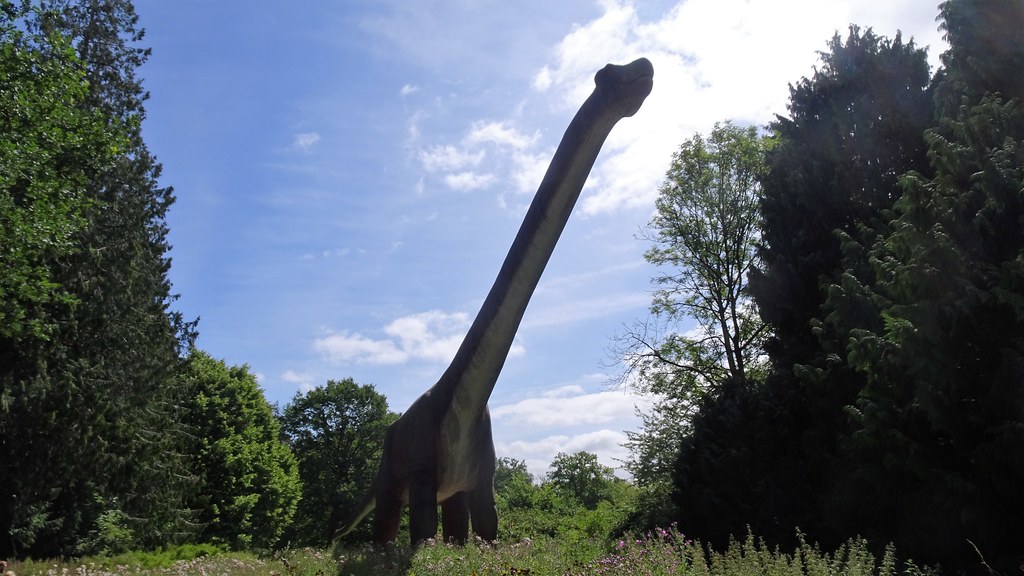
Picture a creature so massive that the ground shook beneath its footsteps, so tall it could peer over a five-story building, and so heavy it rivaled a fleet of loaded semi-trucks. That was not a science fiction monster. That was Tuesday in the Mesozoic Era. Sauropods that tower above treetops and tyrannosaurs that make the Earth tremble beneath their weighty footsteps are two iconic dinosaur images, and these prehistoric giants have fascinated us for centuries, igniting our imagination and curiosity about the world that existed long before we set foot on this planet.
Here’s the thing though: science still hasn’t settled on a single clean explanation. Both researchers agree that the jury is still out on exactly why dinosaurs became so large, and there are multiple explanations that ongoing research will continue to shed light on while raising yet further questions. So buckle up, because the answer is far weirder and more surprising than you might expect. Let’s dive in.
1. The Predator Arms Race: Growing Big to Stay Alive
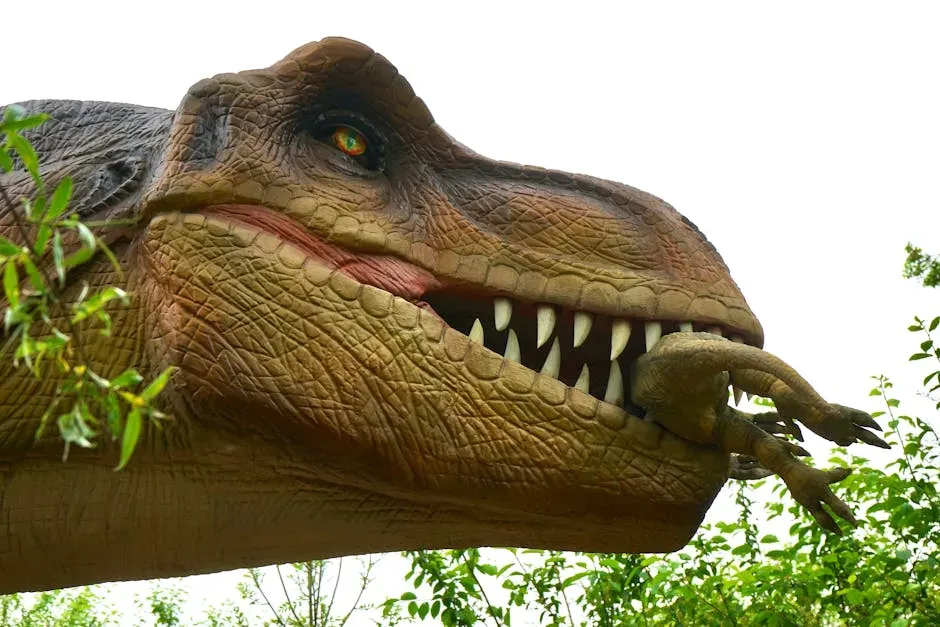
Imagine you’re living in a world where the neighbourhood bully keeps getting bigger every generation. Your best survival strategy? Get bigger yourself. That’s essentially what researchers believe was happening during the Mesozoic, and it’s one of the most compelling theories behind dinosaur gigantism.
Based on computational analysis, the largest T. rex could have been capable of eating a sauropod, and this predation could, in turn, prompt sauropods to grow even larger, suggesting that evolutionary pressure may have contributed to sauropods’ gigantism. Growing up quickly was one way to stave off hungry jaws, and hunting megafauna can be dangerous and even deadly, as we see with lions, wolves, and even humans today, so sauropods may have plumped up to be less appealing prey. In nature, this back-and-forth escalation between predator and prey is called an arms race, and few examples in history are as dramatic as this one.
2. Cope’s Rule: The Evolutionary Trend Toward Bigness
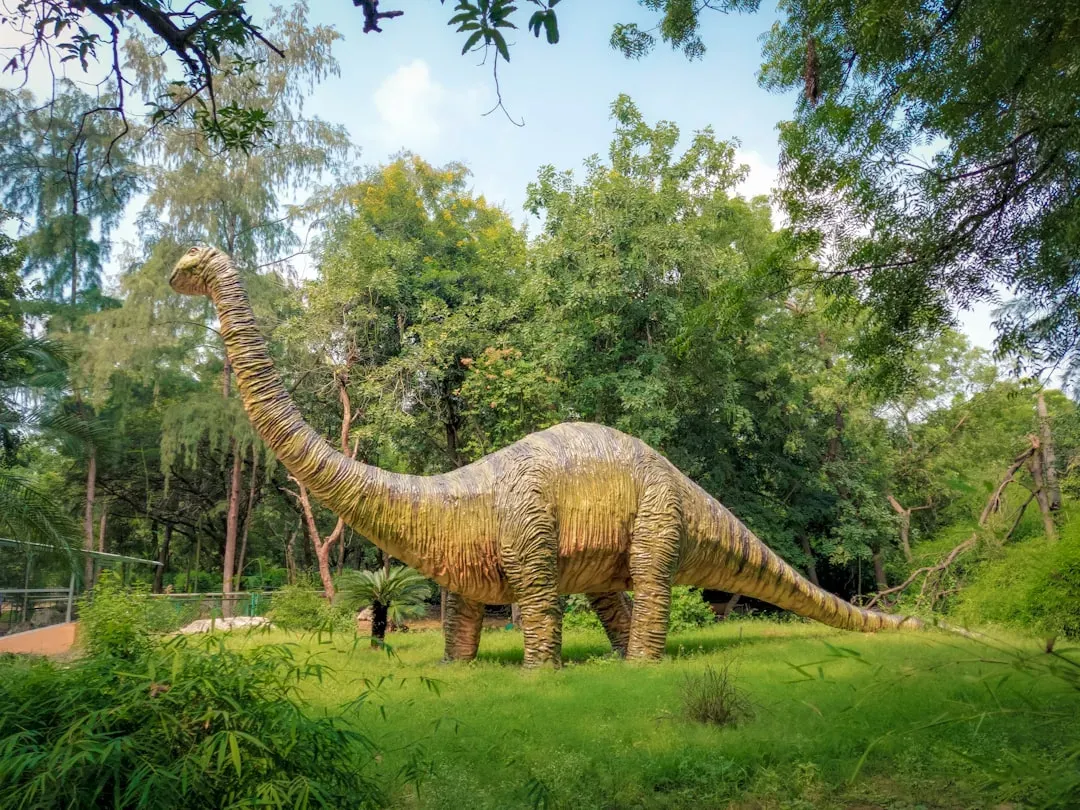
You’ve probably never heard of Cope’s Rule, but it’s one of the oldest and most debated ideas in paleontology. The concept is elegantly simple, almost suspiciously so.
Cope’s Rule is a hypothesis formulated by paleontologist Edward Cope that says animals in evolving lineages tend to get larger over time, and a study by the Department of Paleobiology at the National Museum of Natural History in 2012 found that Cope was right, well, some of the time. What researchers found was that some groups, or clades, of dinosaurs including the long-necked sauropods do grow larger over time as Cope’s Rule suggests, however others, like theropods which include the popular T. rex, did not. It’s less a universal law and more a useful pattern, like a trend that holds until it doesn’t. Still, for sauropods, it tracked with remarkable accuracy over millions of years.
3. Abundant Food and the Mesozoic Menu
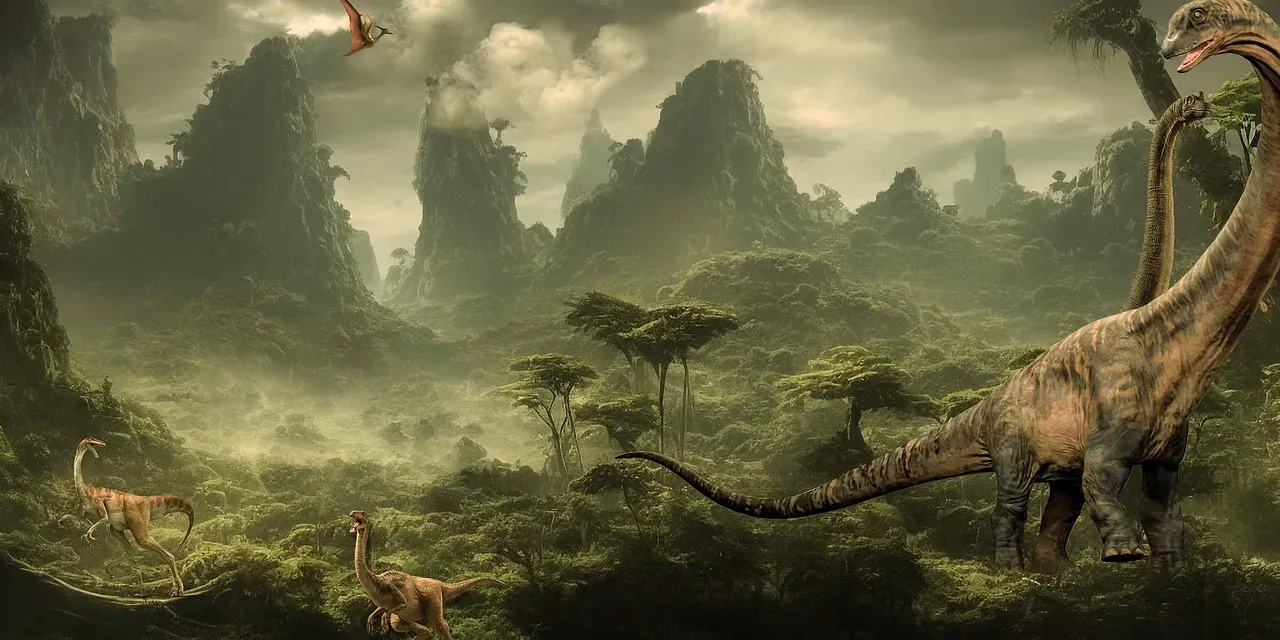
Think about the richest all-you-can-eat buffet you’ve ever seen. Now multiply the food supply by a few billion acres of lush prehistoric jungle. That’s roughly the dietary world some of these giants were born into, and scientists believe it played a major role in enabling extreme size.
Studies of ginkgoes, horsetails, and other common Mesozoic plants indicate that the ancient vegetation was more calorie-rich than previously supposed, so the abundance of green food likely fueled the reptilian giants’ unprecedented growth. A higher quality and availability of food plants makes the initial growth rate faster and the final saturating size larger, with the increase in body size stopping once reproduction starts. Basically, if you give an organism a virtually unlimited food supply and the biological machinery to process it efficiently, large body size becomes a natural endpoint. It almost feels obvious in hindsight, doesn’t it?
4. Hollow Bones and Bird-Like Lungs: The Lightweight Giants
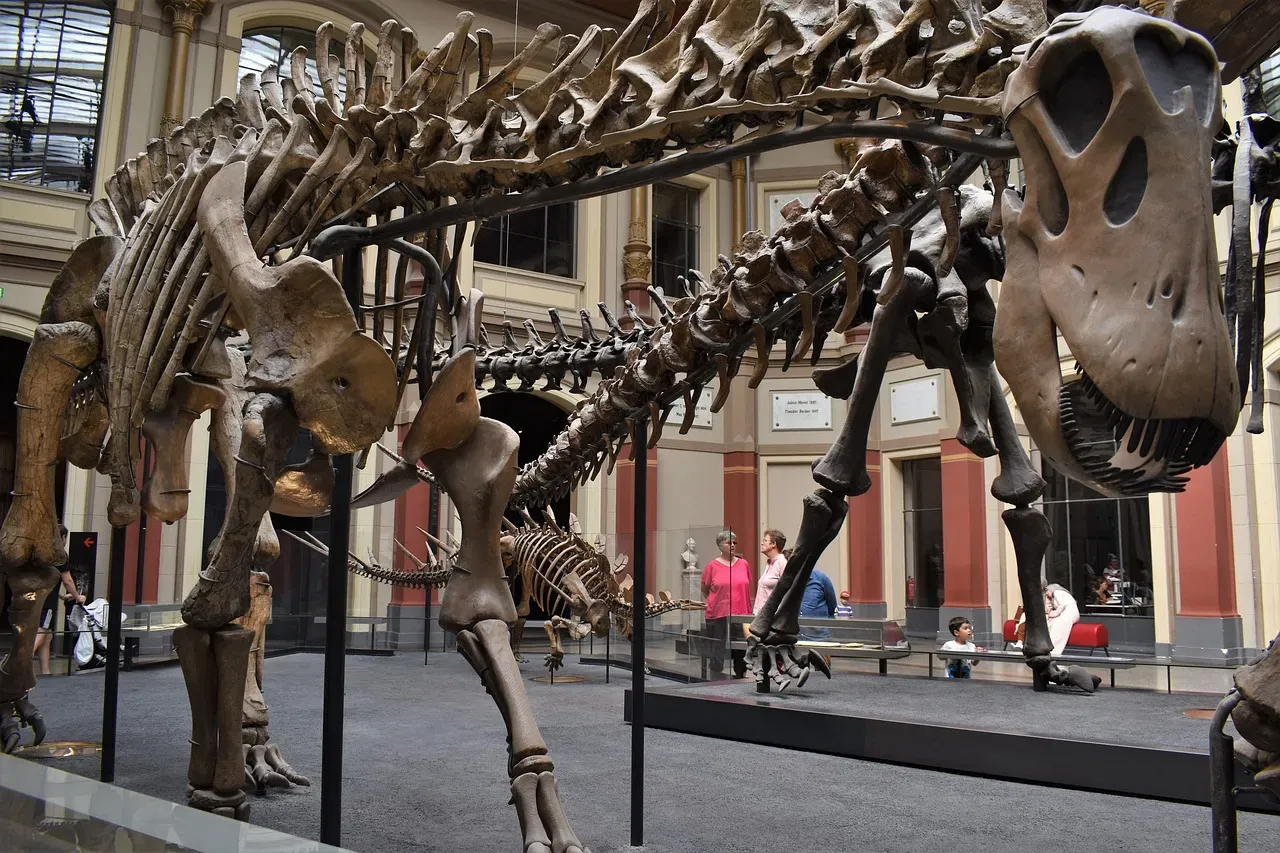
Here’s something that sounds almost contradictory: some of the largest animals to ever walk the Earth were partly built on air. Literally. The skeletal and respiratory systems of many giant dinosaurs were far more advanced, and far lighter, than you’d ever guess from looking at their sheer size.
Sauropods had complex air-sac systems in their respiratory tracts that created air pockets within and around their bones, and these features kept their skeletons light without sacrificing strength, and also made extracting oxygen from the air and shedding excess body heat more efficient. Their long necks relied on two key traits: hollow, or pneumatized, bones of the spine as well as a small head, which allowed the neck to be light. The only way they could get away with having such a small head was because they didn’t need to chew their food, since a chewing head needs to be big in order to accommodate big jaw muscles and strong, heavy bones to crush food. It’s engineering genius, honestly. Nature solved the problem of building a 50-ton land animal by making large portions of its frame essentially hollow, the same trick modern birds use to fly.
5. The Egg-Laying Advantage: Reproductive Strategy and Gigantism
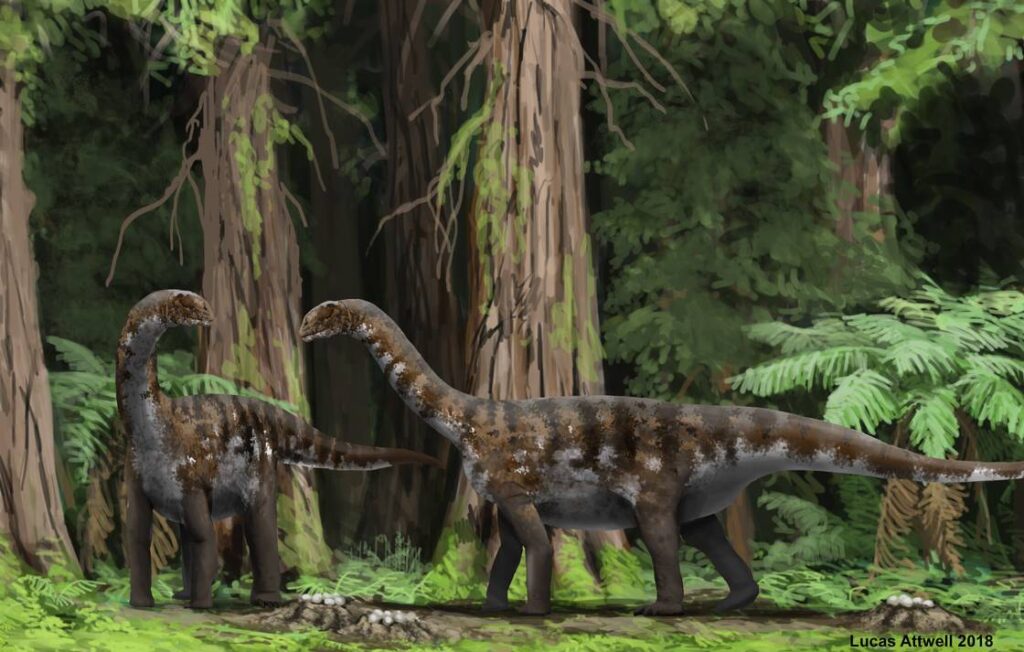
This is one of those theories that you don’t immediately see coming, but once you hear it, you can’t un-hear it. The way dinosaurs reproduced may have been one of the most underappreciated contributors to their extreme size. It’s not glamorous, but it’s surprisingly powerful biology.
Sauropods, like all nonavian dinosaurs, laid multiple eggs at a time, bypassing the reproductive constraints of live birth and flooding their ecosystems with tons of babies that had the potential to grow huge, and the different reproductive strategies gave dinosaurs some advantages over mammals. To reach even larger adult sizes, female mammals of each species would need to carry their babies in the womb for longer, and African elephants already gestate for about two years, during which much can go wrong. Dinosaurs simply didn’t face that bottleneck. They could pump out many small offspring quickly, letting natural selection work faster and more freely, eventually producing animals of mind-bending scale.
6. High Metabolic Rates and Fast Growth: The Internal Engine
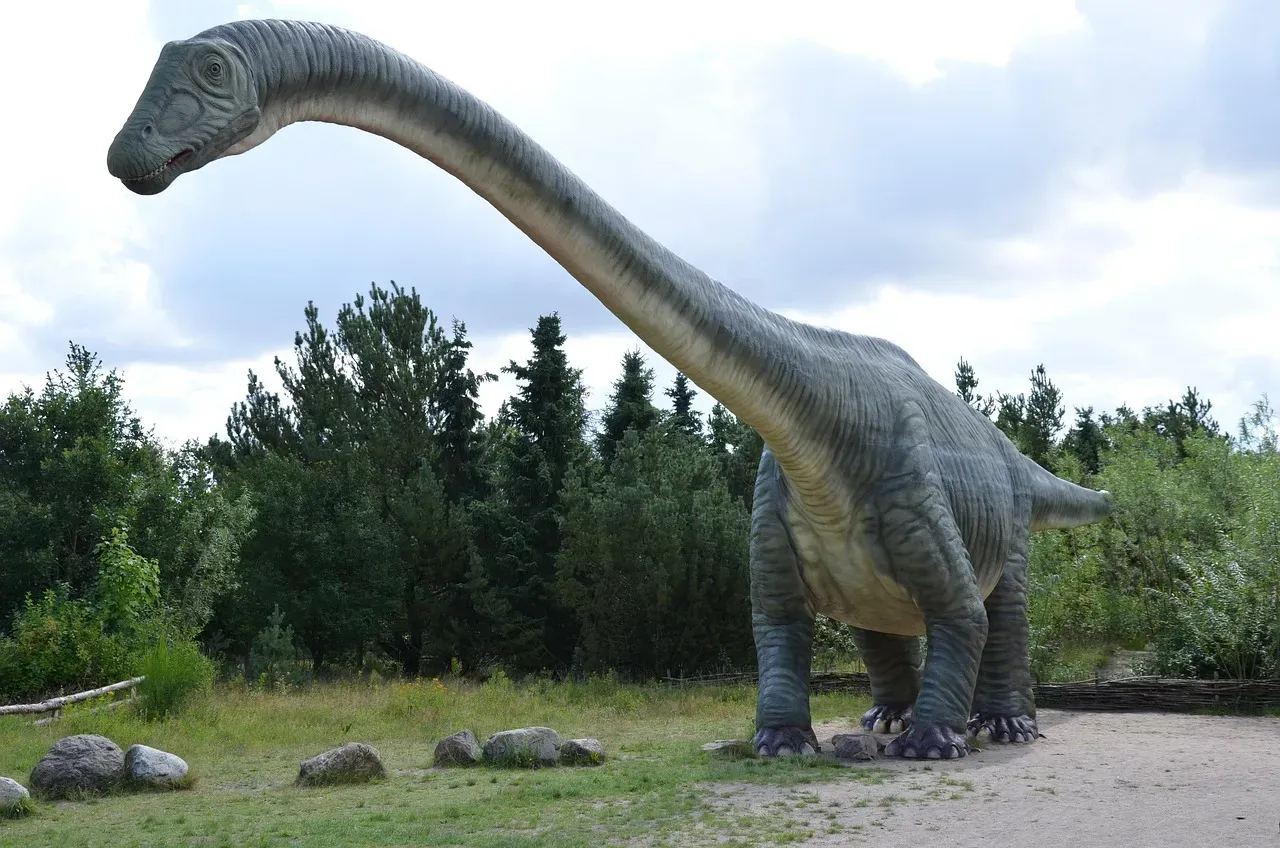
Let’s be real: growing from a soccer ball-sized egg to a 50-ton titan is only possible if your body runs like a turbocharged engine. The metabolic life of giant dinosaurs is one of the most fascinating chapters in their story, and recent research has completely reshaped what scientists once believed about it.
High metabolic rates are probably related to growth capacity, and only those animals with high metabolic rates can grow rapidly, meaning only they can grow fast enough to become gigantic within a reasonable amount of time. Sauropods had small offspring and many of them, each one would have grown incredibly fast before reaching adulthood, which tells us they likely had a fast metabolism and were warm-blooded. Think of it like a Formula 1 car versus a family sedan. Both can get somewhere, but only one is built to hit extraordinary speeds before anyone else even reaches the highway.
7. Growth Rate vs. Growth Duration: Two Roads to Giant Size
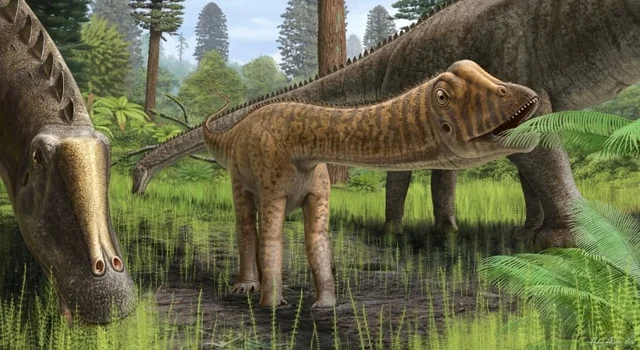
For a long time, the scientific consensus was fairly tidy: dinosaurs got huge because they grew really fast. Faster growth, bigger animal. End of story. Turns out, the story was not quite that simple, and newer research has blown the old assumption wide open.
It was thought that the predominant mechanism for evolving a larger body size was through developmental acceleration, having a faster growth spurt, but research shows that it is just as equally likely that some dinosaurs actually slowed their growth but grew for longer. Changes in the rate of the rapid growth phase occur on roughly half of evolutionary branches, whereas changes in its duration occur on nearly the other half, with the most common evolutionary change being size increase through acceleration of the explosive growth phase, followed closely by size increase through its prolongation. It’s a bit like asking whether you get to the same destination by driving fast for a short time or slow for a long time. Both can work, and dinosaurs somehow figured out both strategies simultaneously across different lineages.
8. Foot Pad Evolution and the Physical Architecture of Giants
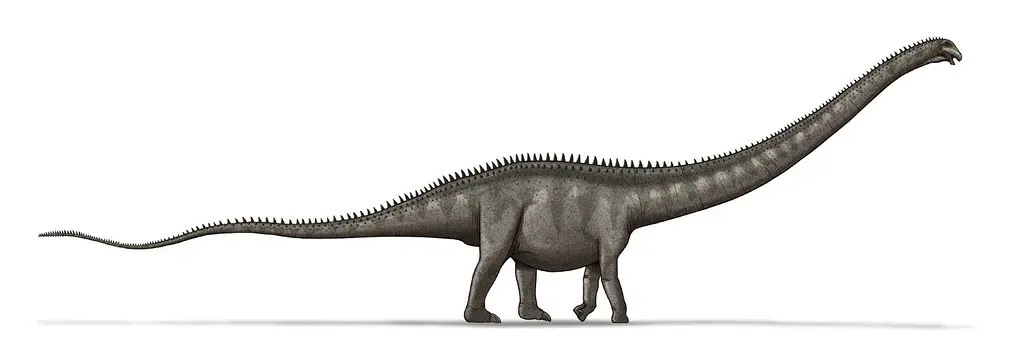
You might not immediately think of feet when wondering why dinosaurs got so large. It sounds almost mundane, like blaming a skyscraper’s height on its foundation. Honestly though, that’s not far off, and recent biomechanical research has made this one of the most exciting emerging theories in the field.
Findings suggest that a soft tissue pad in sauropods would have reduced bone stresses by combining the mechanical advantages of a functionally plantigrade foot with the plesiomorphic skeletally digitigrade saurischian condition, and the acquisition of a developed soft tissue pad by the Late Triassic to Early Jurassic may represent one of the key adaptations for the evolution of gigantism that has become emblematic of these dinosaurs. Research suggests that the evolution of a soft tissue pad on sauropod feet was crucial to allowing these lumbering giants to displace their enormous weight, and without such an adaptation, they likely would not have been able to grow so large. It is a reminder that gigantism wasn’t just about muscle and appetite. It was a full-body engineering project, refined over millions of years, with even the soles of their feet playing a critical and surprisingly elegant role.
Conclusion: The Mystery That Keeps Growing
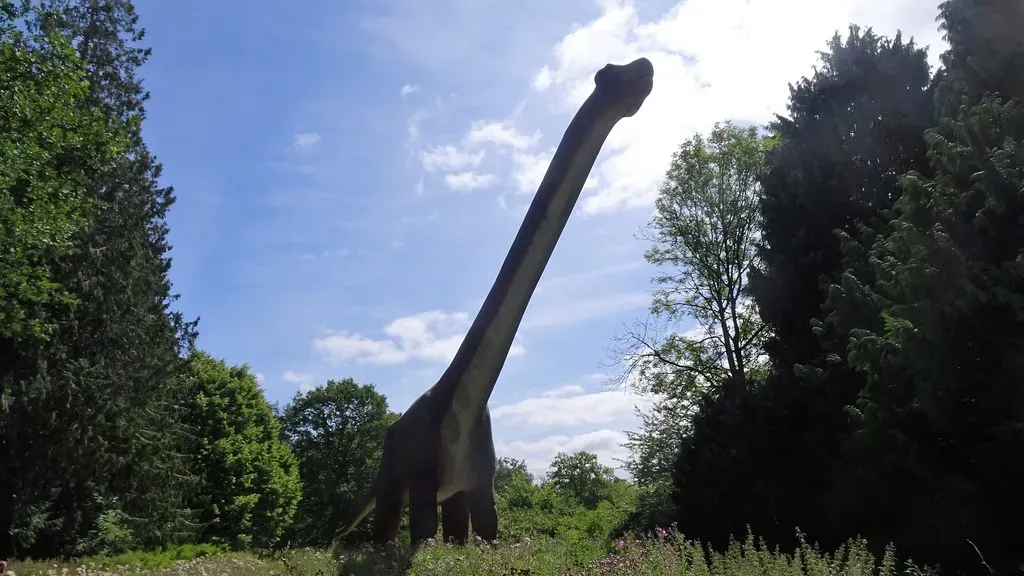
What makes dinosaur gigantism so endlessly captivating is that it resists a single clean answer. Every time researchers close one gap in understanding, another opens up. No modern animals except whales are even close in size to the largest dinosaurs, and paleontologists think that the dinosaurs’ world was much different from the world today and that climate and food supplies must have been favorable for reaching great size.
The truth is, the extreme sizes of these creatures were likely the result of multiple forces working together at the same time: abundant food, clever biology, reproductive freedom, metabolic power, and the relentless pressure of staying one size ahead of whatever wanted to eat you. It wasn’t one lucky mutation. It was a perfect storm of evolution playing out over hundreds of millions of years. Honestly, the more you learn about it, the more astonishing it becomes. If creatures this extraordinary could evolve on Earth once, what does that say about what evolution might produce given enough time? What do you think? Drop your thoughts in the comments below.