
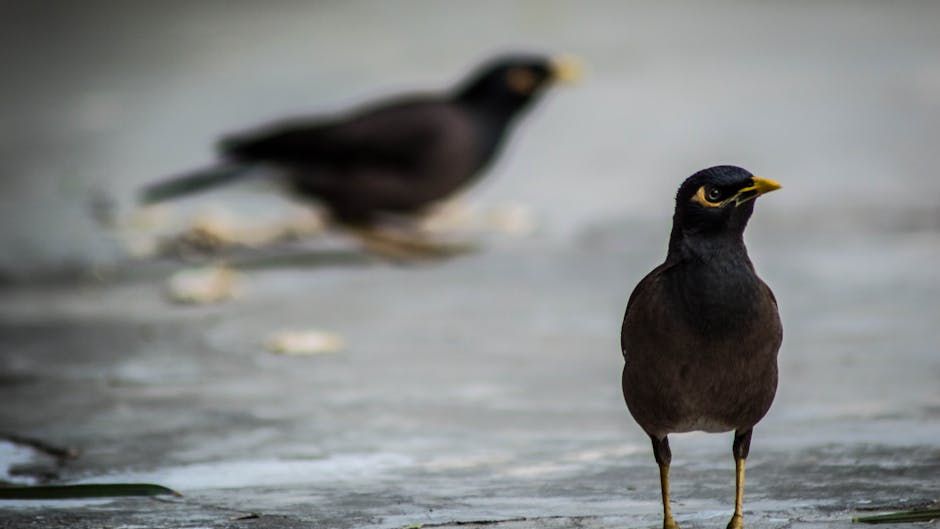
Look up at a pigeon strutting across the pavement, or watch a hawk trace lazy circles in the summer sky. You’re looking at a dinosaur. Not a metaphorical one, not some distant cousin – an actual, living, breathing dinosaur. It sounds wild, doesn’t it? The creatures we spent decades imagining as lumbering, scaly monsters, long since turned to rock and museum exhibits, are right there outside your window.
This is one of the most stunning revelations in the entire history of science, and yet most people walk past it every single day without a second thought. The dinosaur-to-bird transformation is arguably the most breathtaking evolutionary story ever told, packed with feathers where scales were expected, bones that hollow out like engineering marvels, and survival stories that put any Hollywood blockbuster to shame. Hold on tight – because once you see it, you truly cannot unsee it. Let’s dive in.
You Are Literally Watching Dinosaurs Right Now
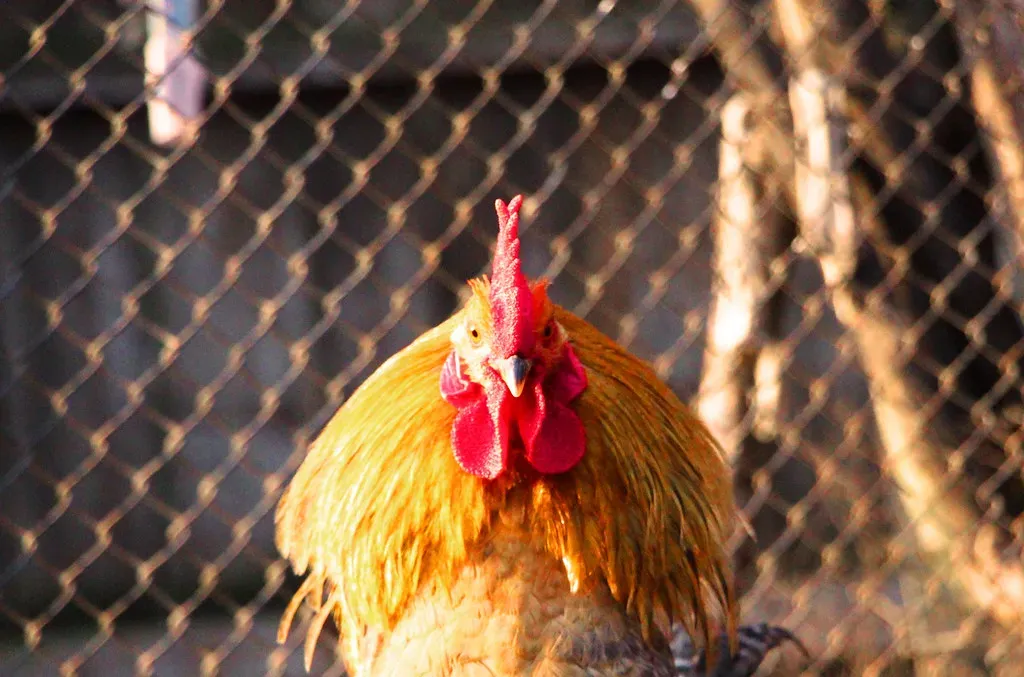
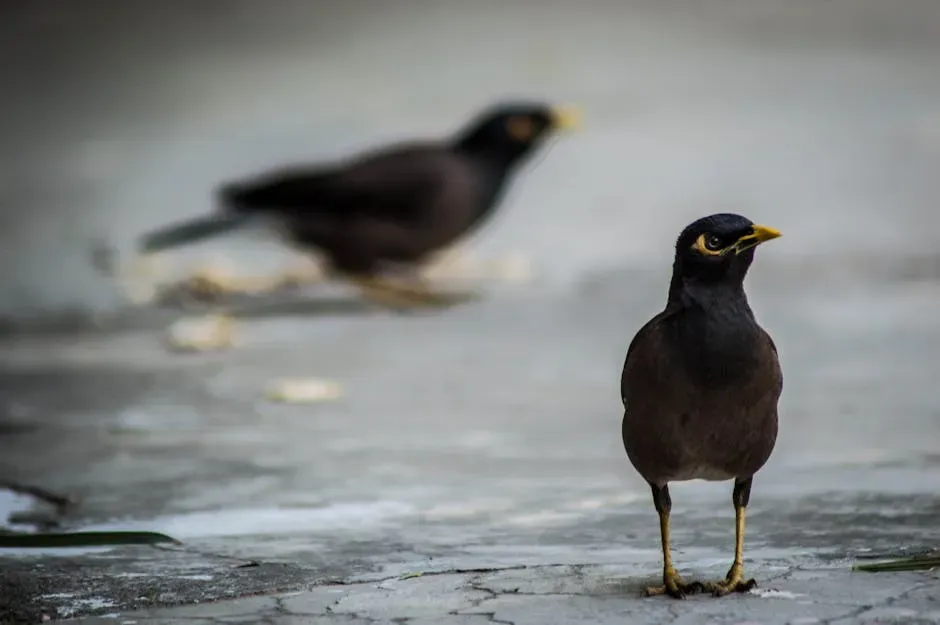
Here’s the thing that should stop you in your tracks: birds are the most diverse group of land animals on Earth, and they are also dinosaurs – the only ones that survived the mass extinction event 66 million years ago. Not metaphorically. Biologically. Completely, scientifically, verified-by-fossils dinosaurs.
In truth, birds are dinosaurs – they are one of the many subgroups that can trace their heritage back to the common ancestor of dinosaurs, every bit as dinosaurian as Triceratops or Brontosaurus. You can think of it this way: birds are dinosaurs in the same way that bats are an aberrant type of mammal that can fly. So the next time someone dismisses birds as “just birds,” you have full scientific permission to correct them.
Among the most revolutionary insights emerging from 200 years of research on dinosaurs is that the clade Dinosauria is represented by approximately 11,000 living species of birds. The origin of birds among dinosaurs has been reviewed extensively, and recent years have witnessed tremendous progress in our understanding of the deep evolutionary origins of numerous distinctive avian anatomical systems. These advances have been enabled by exciting new fossil discoveries, leading to an ever-expanding framework to pinpoint the origins of characteristic avian features.
The Theropod Family: Where the Bird Story Truly Begins
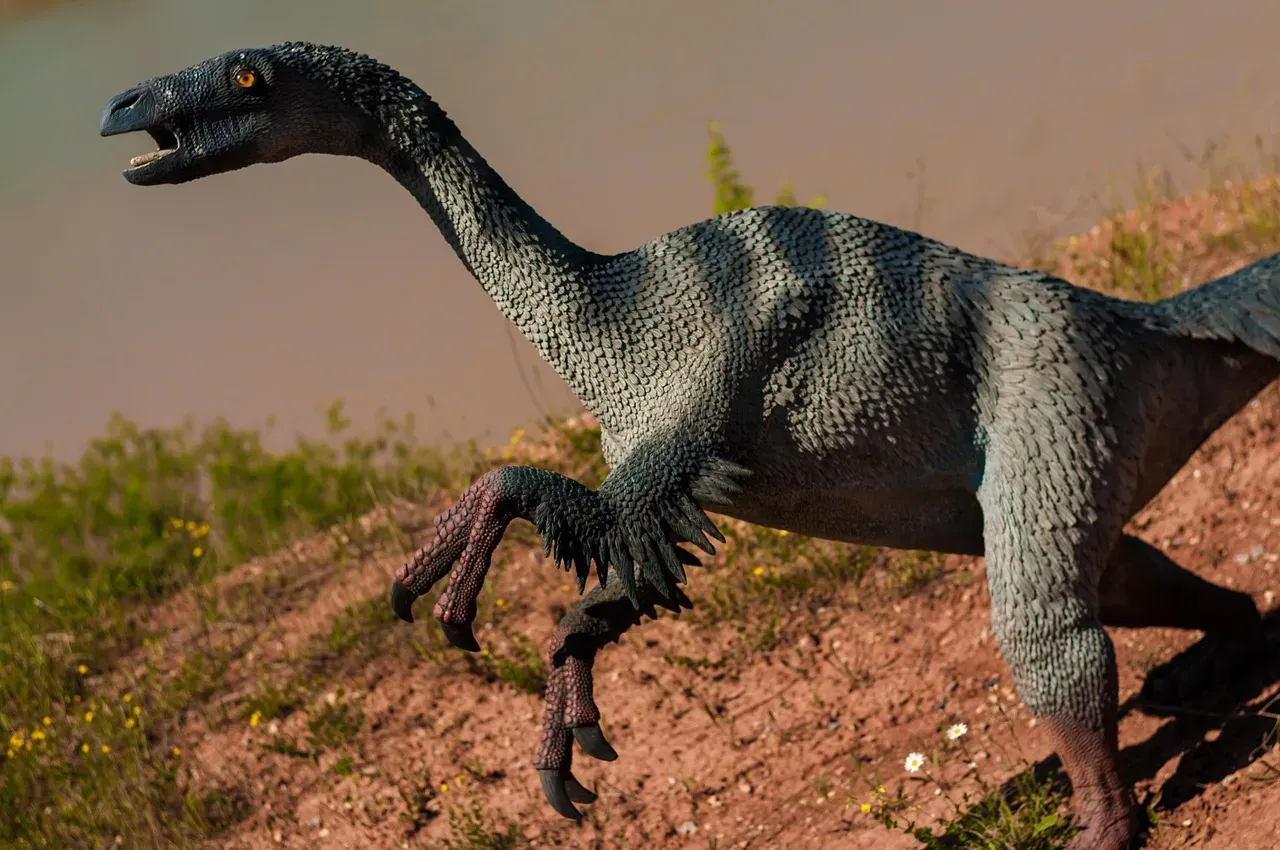
If you want to find your robin’s ancient family tree, you have to travel back to a group called theropods. Modern birds descended from a group of two-legged dinosaurs known as theropods, whose members include the towering Tyrannosaurus rex and the smaller velociraptors. The theropods most closely related to avians generally weighed between 100 and 500 pounds – giants compared to most modern birds – and they had large snouts, big teeth, and not much between the ears.
Honestly, picturing a 200-pound, toothy predator as the great-great-grandparent of a sparrow is almost comically absurd. Yet the evidence is overwhelming. The discovery that birds evolved from small carnivorous dinosaurs of the Late Jurassic was made possible by recently discovered fossils from China, South America, and other countries, as well as by looking at old museum specimens from new perspectives and with new methods.
Birds evolved from dinosaurs in patchwork fashion over tens of millions of years before finally taking to the skies some 150 million years ago. This wasn’t a sudden leap. Think of it less like a light switch and more like a dimmer dial, slowly turned over an incomprehensible stretch of time.
Feathers: They Were Never Just for Flying
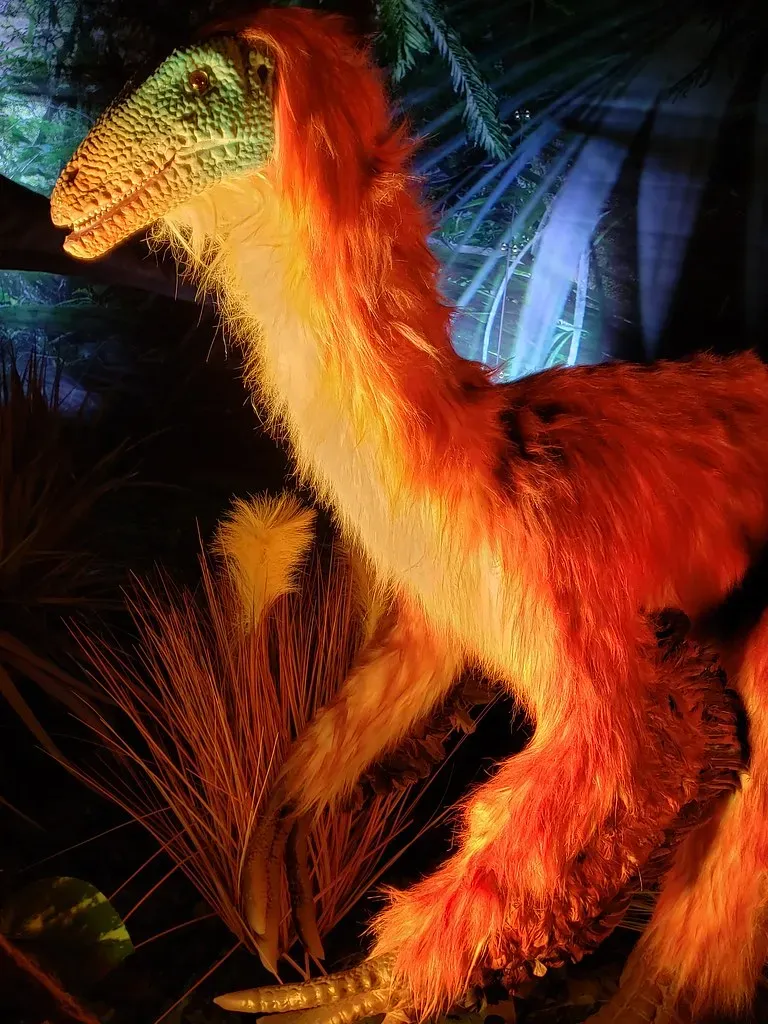
Feathers did not suddenly spring forth with the first birds but originally debuted far earlier, in their distant dinosaurian ancestors. The common ancestor of all dinosaurs may have even been a feathered species. These earliest feathers looked very different from the quill pens of modern birds, however.
The plumage of Sinosauropteryx, along with many other dinosaurs, looked more like fluff, made up of thousands of hairlike filaments. No way could these dinosaurs fly – their feathers were too simple to catch the wind, and they did not even have wings. The first feathers must have therefore evolved for something else, probably to keep these small dinosaurs warm. Think of it like a natural down jacket, millions of years before any human thought to stuff one.
There is an increasing body of evidence that supports the display hypothesis, which states that early feathers were colored and increased reproductive success. Coloration could have provided the original adaptation of feathers, implying that all later functions of feathers – such as thermoregulation and flight – were co-opted. This hypothesis has been supported by the discovery of pigmented feathers in multiple species.
Archaeopteryx: The Crown Jewel of Transitional Fossils
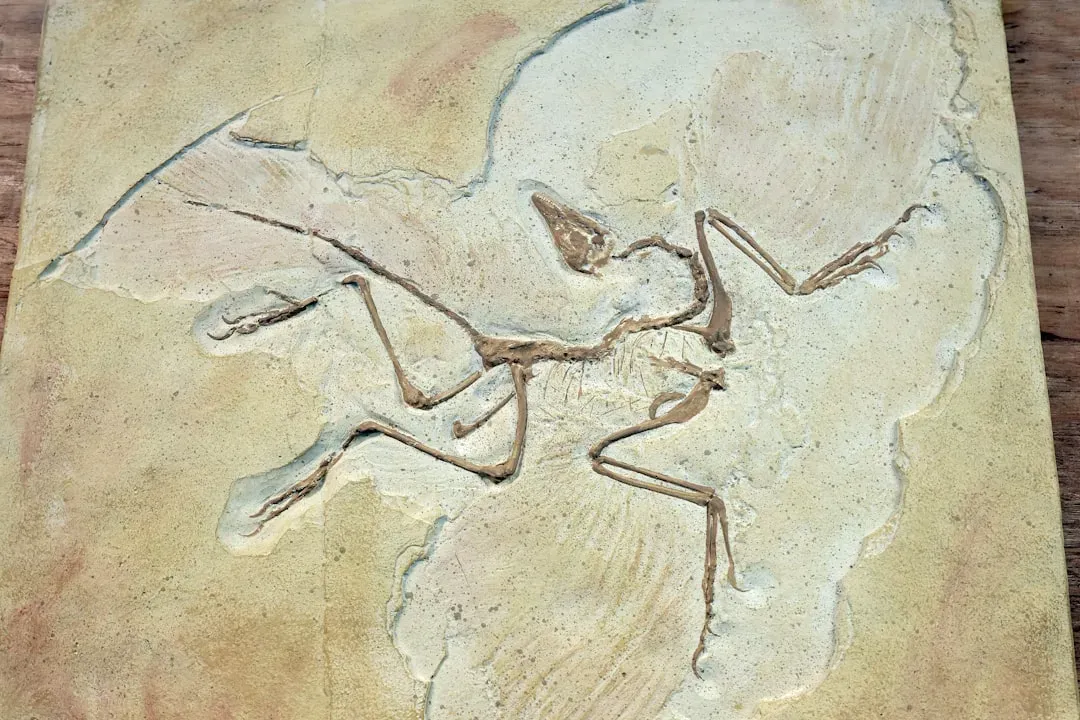
Few fossils in the history of paleontology carry the sheer weight of significance that Archaeopteryx does. Most of the specimens of Archaeopteryx that have been discovered come from the Solnhofen limestone in Bavaria, southern Germany, laid down during the early Tithonian stage of the Jurassic period, approximately 150 million years ago. These ancient stones preserved one of evolution’s most important moments, frozen in time.
Archaeopteryx had feathers, hollow bones, and wings. It was roughly the size of a raven and had a wishbone, a hallmark feature of birds today. But it also had a mouth full of sharp teeth and a long, bony tail. It’s like someone took a small raptor and a modern crow and merged them in a laboratory – except nature beat us to it by 150 million years.
In 2025, a landmark study published in Nature unveiled the “Chicago Archaeopteryx,” the 14th known specimen of this iconic animal. The team was able to use advanced techniques like high-resolution CT scanning and 3D reconstruction to investigate the skeletal, soft tissue, and feather structures in unprecedented detail, providing crucial insights into the evolution of the skull and adaptations for flight during the critical transition from non-avian dinosaurs to birds.
The Wrist Bone That Rewrote the History of Flight
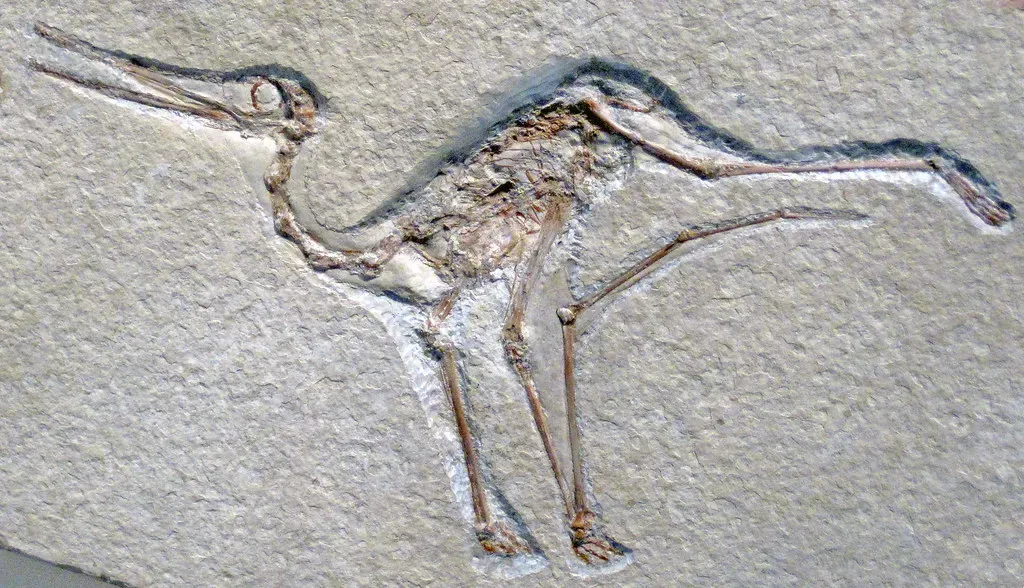
Sometimes the biggest discoveries come in the smallest packages. In a study published in Nature in 2025, researchers uncovered something remarkable about a tiny bone almost nobody had been watching. A tiny, overlooked wrist bone called the pisiform may have played a pivotal role in bird flight, and it turns out it evolved far earlier than scientists thought. Fossils from bird-like dinosaurs in Mongolia reveal that this bone, once thought to vanish and reappear, was actually hiding in plain sight. Thanks to pristine preservation and 3D scans, researchers connected the dots between ancient theropods and modern birds.
The evolutionary path from dinosaurs to birds included the development of this tiny wrist bone that ultimately proved crucial for stabilizing wings in flight. It’s a bit like finding out the entire aerodynamic secret of a jumbo jet rests on one overlooked rivet. Small things, enormous consequences.
The wrist bones underlying the first and second digits consolidated and took on a semicircular form that allowed the hand to rotate sideways against the forearm. This eventually allowed birds’ wing joints to move in a way that creates thrust for flight. Evolution, in its characteristically indirect way, repurposed a grasping hand into a flying wing – one small bone at a time.
Shrinking to Survive: The Size Transformation That Made Birds Possible
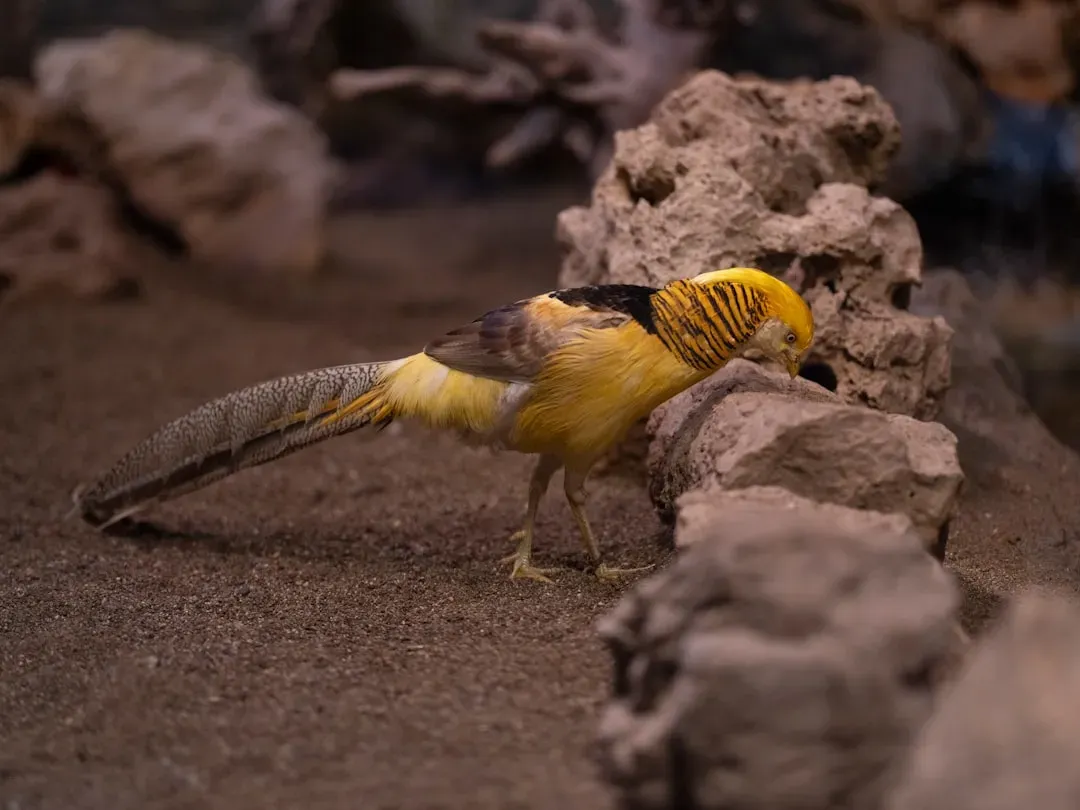
Let’s be real: one of the strangest parts of this story is the sheer scale of the size change involved. Bird ancestors decreased in weight from about 359 pounds to just 1.8 pounds over 50 million years to reach the size of Archaeopteryx. That’s the equivalent of a grizzly bear shrinking down to a robin over geological time. It’s almost hard to process.
New research suggests that bird ancestors shrank fast, indicating that diminutive size was an important and advantageous trait, quite possibly an essential component in bird evolution. Like other bird features, diminishing body size likely began long before the birds themselves evolved. A study found that the miniaturization process began much earlier than scientists had expected – some coelurosaurs started shrinking as far back as 200 million years ago, 50 million years before Archaeopteryx emerged.
The exception among dinosaur groups was the maniraptorans, which continued to evolve bigger and smaller species as they expanded into an ever-wider variety of ecological niches over a period of 170 million years. When an asteroid hit Earth 66 million years ago, only those feathered maniraptorans that had downsized to about 1 kilogram or so – the birds – were able to survive, probably because their small size allowed them to adapt more easily to changing conditions. The researchers argue that being small made it easier to adapt to a wider variety of habitats.
Brains Before Wings: The Surprising Intelligence Upgrade
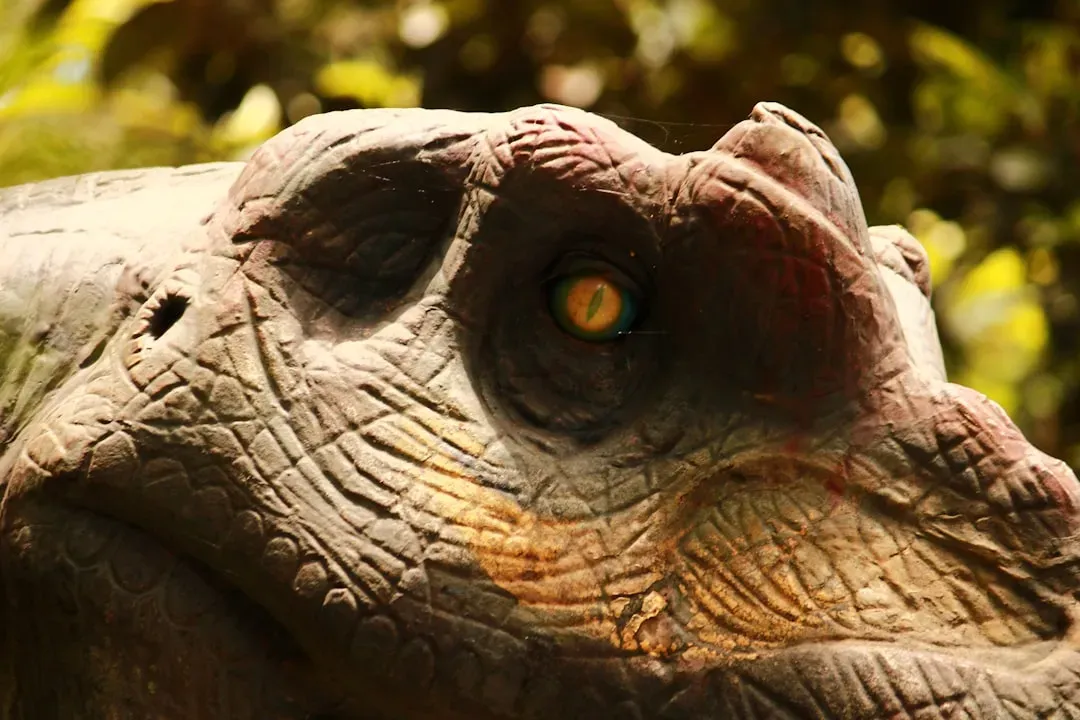
Here’s something you probably didn’t expect in a story about wings and feathers: the brain got there first. CT scanning of dinosaur specimens has revealed that feathered maniraptorans had a big brain, with the forward-most part of the organ expanded. A large forebrain is what makes birds so intelligent and acts as their in-flight computer, allowing them to control the complicated business of flying and to navigate the complex 3D world of the air. The fossils clearly show that the ancestors of birds got smart before they took to the skies.
Archaeopteryx had a cerebrum-to-brain-volume ratio roughly three-quarters of the way toward modern birds, compared to non-coelurosaurian dinosaurs like Allosaurus, which had a crocodile-like brain anatomy. Newer research shows that while the Archaeopteryx brain was more complex than that of more primitive theropods, the neurological development required for flight was already a common trait in the maniraptoran clade.
It’s a fascinating flip on the usual story. You’d think flying creatures would evolve brains to handle flight. Instead, the brains came first, and flight came later – almost like the cognitive hardware was installed before the software even existed. Evolution doesn’t always follow the script you’d expect it to.
How Birds Beat the Apocalypse: Surviving the Great Dying
Sixty-six million years ago, the world ended. At least, it ended for most animals. When a nine-mile-wide asteroid struck Earth 66 million years ago, it exploded with a force greater than a million atomic bombs and wiped out three quarters of life on Earth, including the non-avian dinosaurs. Some members of the dinosaur family tree survived, eking out a living in the post-impact world and eventually proliferating to become today’s birds.
Researchers note that “all the things that make birds, birds, were already in place well before the mass extinction.” When the extinction struck, the traits birds had been evolving for millions of years made the difference between life and death. It was not luck alone – it was tens of millions of years of evolutionary preparation, cashed in all at once in the worst week Earth had ever seen.
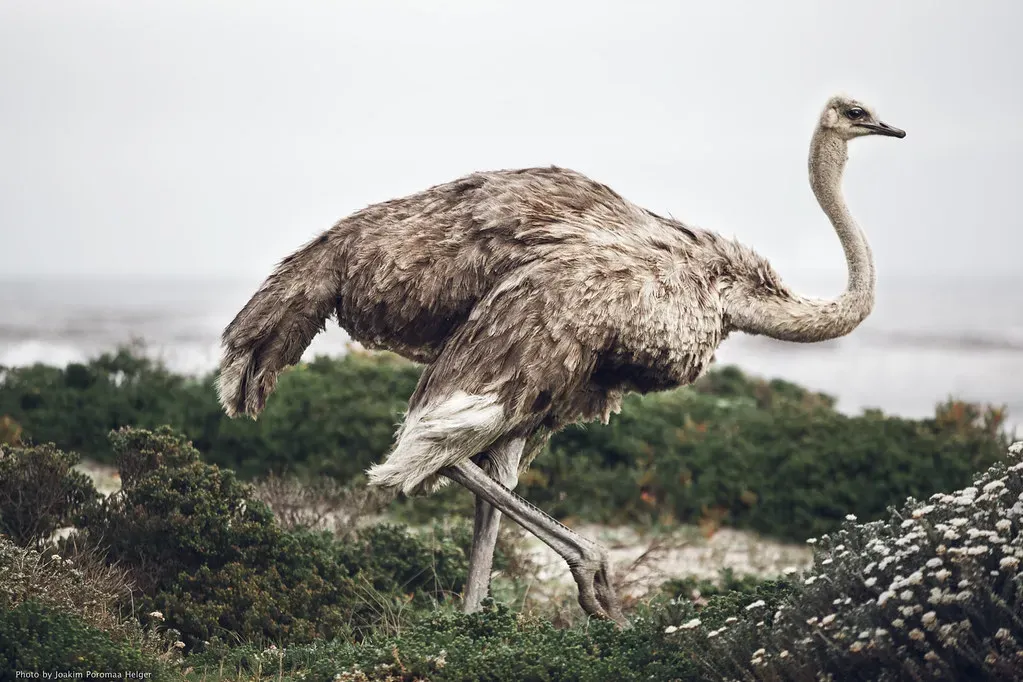
The only birds that survived were ground-dwellers, including ancient relatives of ducks, chickens, and ostriches. Following the cataclysm, these survivors rapidly evolved into most of the lineages of modern birds we are familiar with today. From a small group of seed-eating ground birds, an entire world of 10,000-plus species eventually bloomed. It’s hard to say for sure whether that’s more inspiring or more terrifying – but it’s definitely both.
What the Latest Research Is Still Revealing in 2026
You might think after all these decades of digging, we’d have the dinosaur-bird story pretty well figured out. Not even close. In March 2026, researchers published findings in Nature describing a nearly complete skeleton of Alnashetri cerropoliciensis. The new study of fossils from this bird-like dinosaur provides new insight into how its lineage evolved, shrank, and spread across the ancient world.
Questions remain as active debate continues: did all dinosaurs inherit feathers from a common ancestor, or did feathers evolve multiple times in the group? Are they exclusive to birds and their closest relatives, or are they more widespread across the reptile family tree? At the moment, the jury is still out. That’s not a scientific failure – that’s science doing exactly what it should, staying honest about the edges of what we know.
This extraordinary pace of discovery continues unabated, and the years since have seen a wealth of new data emerge that further clarifies the evolutionary origins of quintessentially “avian” features. Every new fossil, every CT scan, every molecular study adds another brushstroke to one of the most extraordinary portraits nature has ever painted.
Conclusion: The Sky Is Full of Living Dinosaurs
The dinosaur-to-bird transformation is not a cold scientific fact buried in a dusty academic journal. It is a living, singing, soaring reality that plays out every morning outside your window. The moment you truly understand that every bird you see is a direct descendant of the same lineage that includes T. rex and Velociraptor, the world becomes a fundamentally more astonishing place.
From a tiny wrist bone reorganizing itself for flight, to feathers first growing for warmth and display rather than aviation, to a handful of scrappy ground-dwellers outlasting an apocalypse and exploding into thousands of species – this story has everything. It has drama, improbability, and a beauty that no fiction writer could have invented. The next time a bird lands near you and tilts its head with that peculiar, alert intelligence, take a moment to really look at it. You are looking at 230 million years of relentless, breathtaking transformation.
What do you think: if dinosaurs hadn’t gone through that dramatic shrinking phase millions of years before the asteroid hit, would birds as we know them even exist today? Tell us what you think in the comments.