
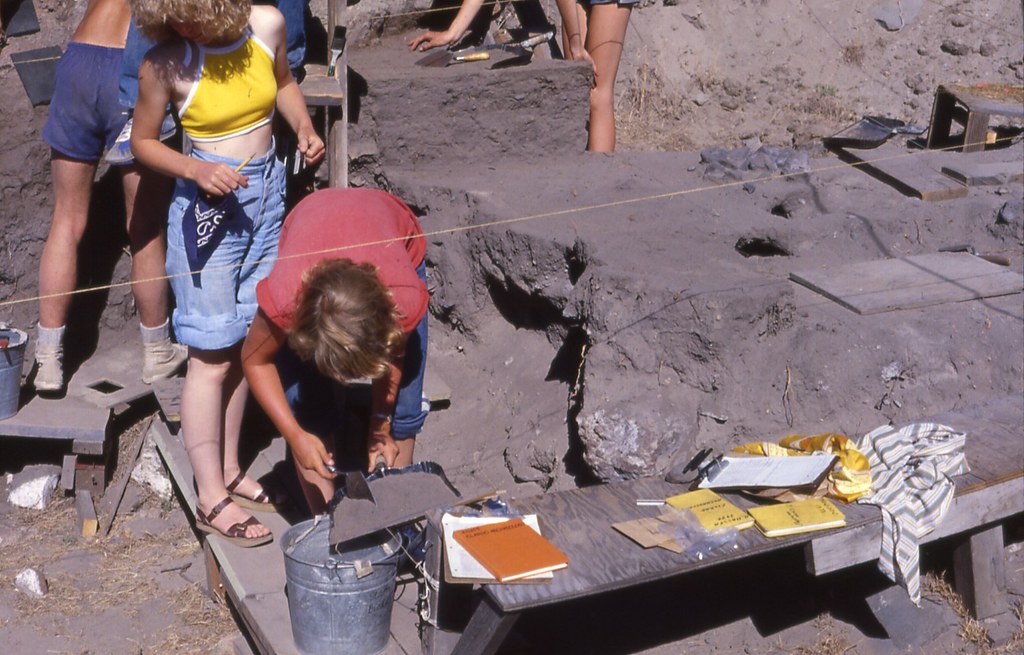
Picture this. You’re crawling through crumbling cliffs on a windblasted ridge, the sun baking your back at over a hundred degrees, and you reach down to brush away sand from something that hasn’t been touched in sixty-eight million years. Your fingers meet bone. Not just any bone. A bone the size of a small tree trunk.
That’s the world of paleontology – not the sanitized museum-display version, but the raw, dangerous, obsession-driven life that real fossil hunters have lived for centuries. These scientists traded comfort for remote deserts, tropical jungles, and frozen tundra, often risking everything for a chance to pull ancient giants out of the earth. Some were celebrated. Others were robbed of credit. Some paid with their sanity, their finances, and even their lives. Their stories deserve to be told in full. Let’s dive in.
Mary Anning: The Woman the Scientific World Tried to Forget
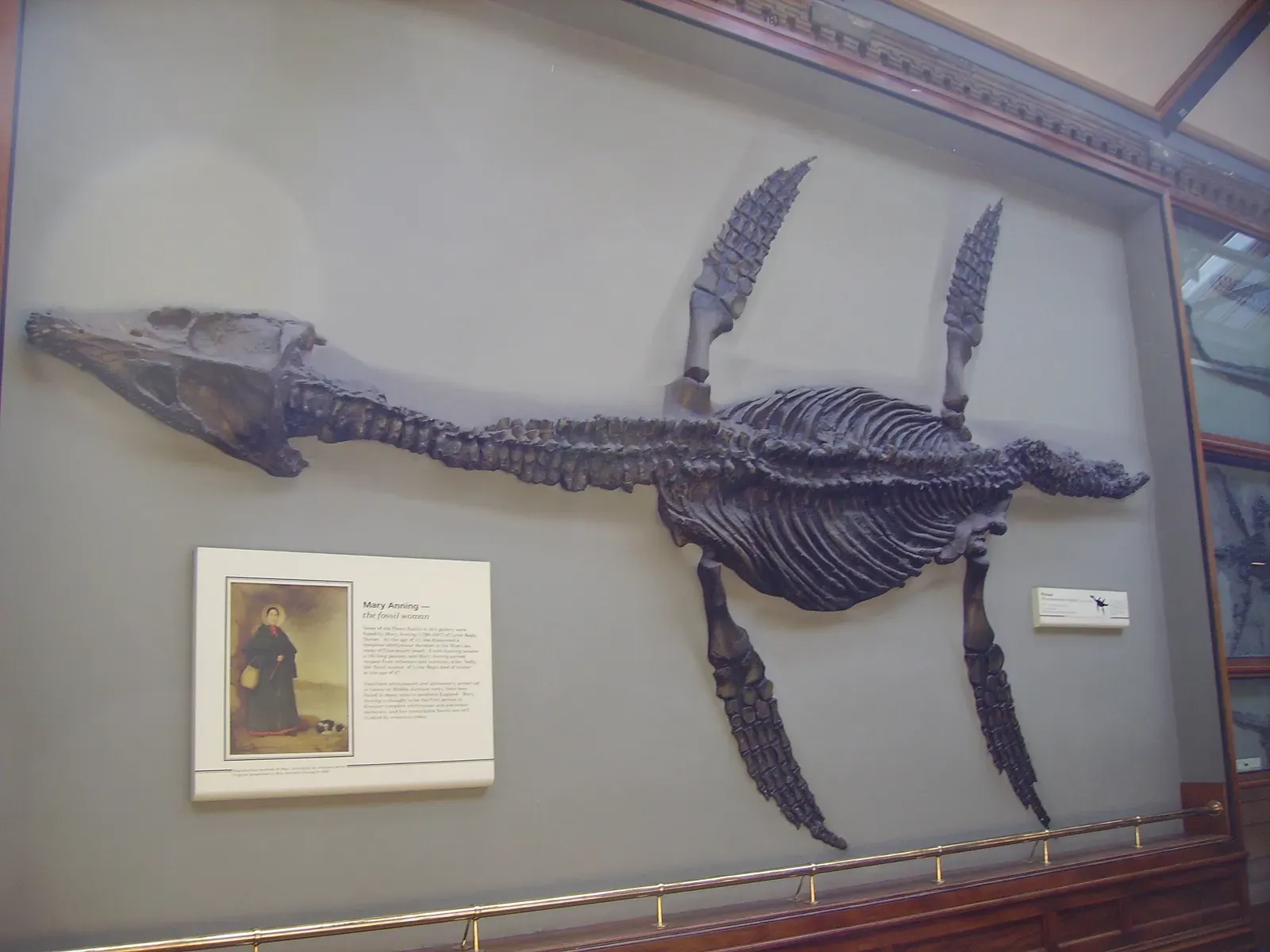
You might have heard of the tongue twister “She sells sea shells by the seashore” – but you probably didn’t know it was inspired by a real person, and that her contributions to science were nothing short of revolutionary. Mary Anning was an English fossil collector, dealer, and palaeontologist who became known internationally for her discoveries in Jurassic marine fossil beds along the English Channel at Lyme Regis in Dorset, Southwest England. What she uncovered there would shatter everything people thought they knew about life on Earth.
Her discoveries included the first correctly identified ichthyosaur skeleton, which she found when she was just twelve years old, the first two nearly complete plesiosaur skeletons, the first pterosaur skeleton located outside Germany, and a remarkable collection of fish fossils. Despite this extraordinary record, the credit she deserved was consistently snatched away. In 1824, William Conybeare made a presentation to the Geological Society of London regarding the Plesiosaurus skeleton she found, but omitted the role Anning had played in the discovery. She was denied the opportunity to present her own findings, as the Society did not admit women until the early 20th century. Honestly, that fact still stings.
William Buckland: The Clergyman Who Named the World’s First Dinosaur
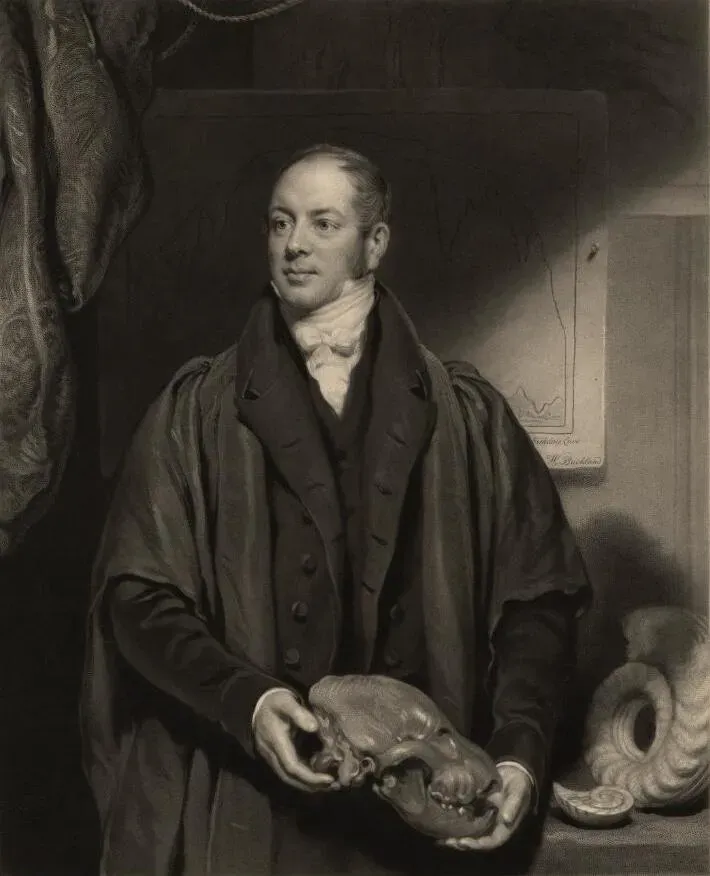
Here’s something that sounds almost too strange to be true. The first person to formally describe a dinosaur to the scientific world was not a professional scientist in any modern sense – he was a clergyman who studied rocks and bones with infectious curiosity. It wasn’t until around 1818 that William Buckland, a cleric from the University of Oxford, decided to study in greater detail a number of fossils discovered around Oxfordshire. With help from other scientists, he concluded that the fossils belonged to a type of giant lizard that walked on four legs. It was eventually given the name Megalosaurus bucklandii in his honour.
On February 20, 1824, during a meeting of the Geological Society of London, Buckland formally introduced Megalosaurus to the world. It was the first dinosaur to be described by scientists, though it would be another 18 years before Richard Owen coined the word “dinosaur.” What makes Buckland’s story even more layered is that his collaboration with Mary Anning produced groundbreaking insights into ancient food chains. Anning observed that stony objects known as “bezoar stones” were often found in the abdominal region of ichthyosaur skeletons, and noted that when broken open they often contained fossilized fish bones and scales. This led her to suggest to Buckland that they were fossilized feces, which he named coprolites and used to better understand ancient food chains. Two outsiders working together changed science forever.
Gideon Mantell: The Doctor Who Paid an Unbearable Price for His Passion
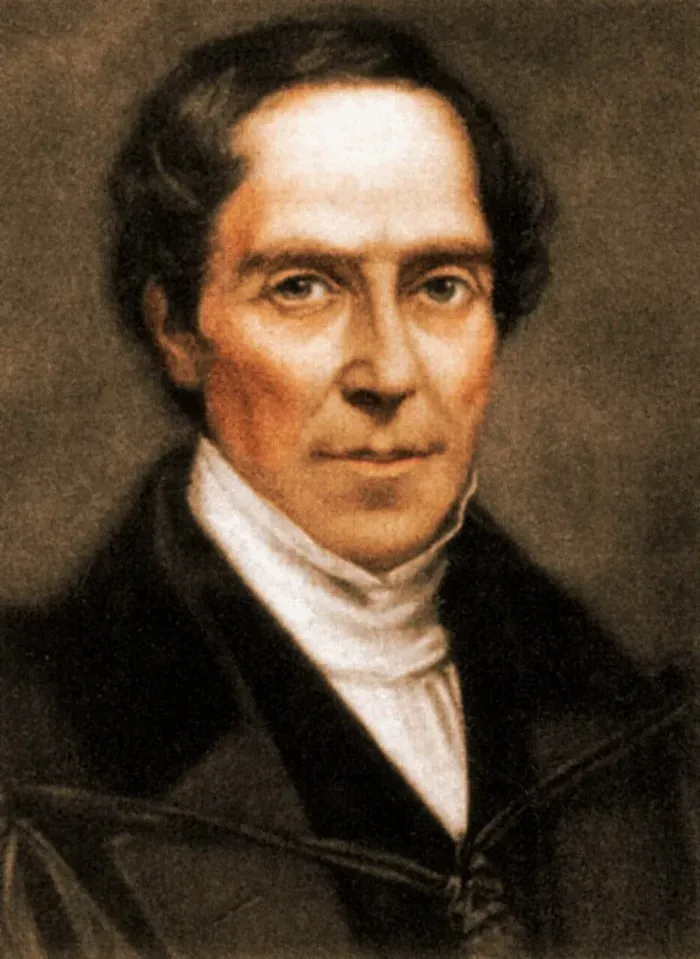
If you’re looking for a truly heartbreaking story from the history of paleontology, Gideon Mantell’s is it. He was a country doctor who spent every spare hour hunting for fossils in the countryside of Sussex, England. Mantell proceeded to discover more extraordinary giant reptile fossils in the area around Tilgate Forest, but his later life proved unhappy. He endured the collapse of his marriage, severe financial difficulties, and was in constant pain from a spinal condition. By the time of his death in November 1852, he had discovered and named four of the five species of dinosaur then known.
A carriage accident in 1841 injured his spine so badly that he was plagued by constant pain and eventually by crippling deformity. Ultimately, the accident cost Mantell his very life – in a desperate attempt to dull the pain, he overdosed on opiates in 1852. And yet, even in his darkest final years, his scientific legacy was being hijacked. It was his biggest rival, Richard Owen, who was for many years credited with the discovery of the dinosaur, as Owen first coined the term “dinosaur” to describe the prehistoric land reptiles. The man who found the first plant-eating giant died in pain and obscurity, while his rival took the glory.
Edward Drinker Cope and Othniel Charles Marsh: The War Beneath the Bones
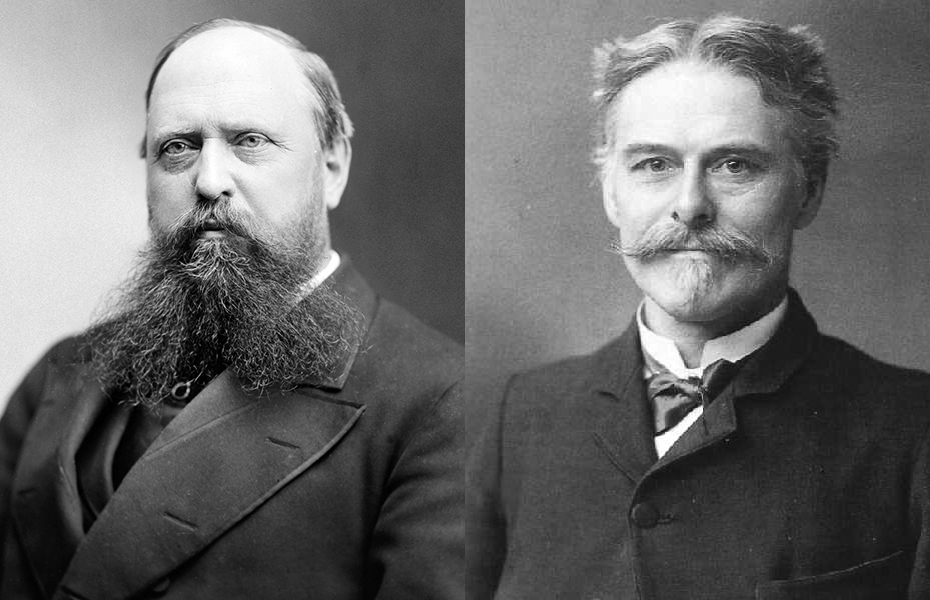
Let’s be real. The so-called “Bone Wars” reads less like a chapter from science history and more like a slow-motion disaster film. The Bone Wars, also known as the Great Dinosaur Rush, was a period of intense and ruthlessly competitive fossil hunting during the Gilded Age of American history, marked by a heated rivalry between Edward Drinker Cope and Othniel Charles Marsh. Each of the two paleontologists used underhanded methods to try to outdo the other in the field, resorting to bribery, theft, and the destruction of bones. What started as a scientific rivalry became something almost personal and pathological.
Together, they unearthed more than 130 dinosaur species and some of the first fossil evidence supporting Darwin’s new theory of evolution. Think about that. More than 130 species. In total, the two men described 136 species of dinosaurs, including famous names such as Stegosaurus, Triceratops, Allosaurus, Diplodocus, and Brontosaurus. The tragedy is that their bitter feud nearly destroyed both of them. By the end of their lives both men faced financial and social ruin because of their determination to outdo each other. Yet, the sensational headlines generated by the Bone Wars brought dinosaur discoveries to the attention of the general public and sparked an interest in the subject which continues to the present day.
Barnum Brown: The Man in the Fur Coat Who Found the King of Dinosaurs
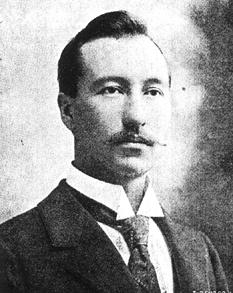
There is something almost mythological about Barnum Brown. Named after the circus showman P.T. Barnum, he grew up to become the greatest fossil hunter who ever lived – and he dressed the part too. Barnum Brown, commonly referred to as Mr. Bones, was an American paleontologist who discovered the first documented remains of Tyrannosaurus during a career that made him one of the most famous fossil hunters working from the late Victorian era into the early 20th century. His path to greatness started with an unusual gift: he could smell fossils, or so the stories go.
By 1902 he was the first paleontologist to discover a partial skeleton of Tyrannosaurus rex, from the famous Cretaceous-age Hell Creek Formation, and six years later he found an even more complete skeleton including a well-preserved skull, which would form the basis for the museum’s famous mount of the dinosaur. The Hell Creek digs produced extravagant quantities of fossils, enough to fill whole train cars. As was common practice then, Brown’s crews used controlled blasts of dynamite to remove the tons of rock covering their fossil discoveries. Everything was moved with horse-drawn wagons and pure manpower. No fancy machinery. No GPS. Just grit, explosives, and an extraordinary eye for ancient bone.
Roy Chapman Andrews: The Real Indiana Jones of the Gobi Desert
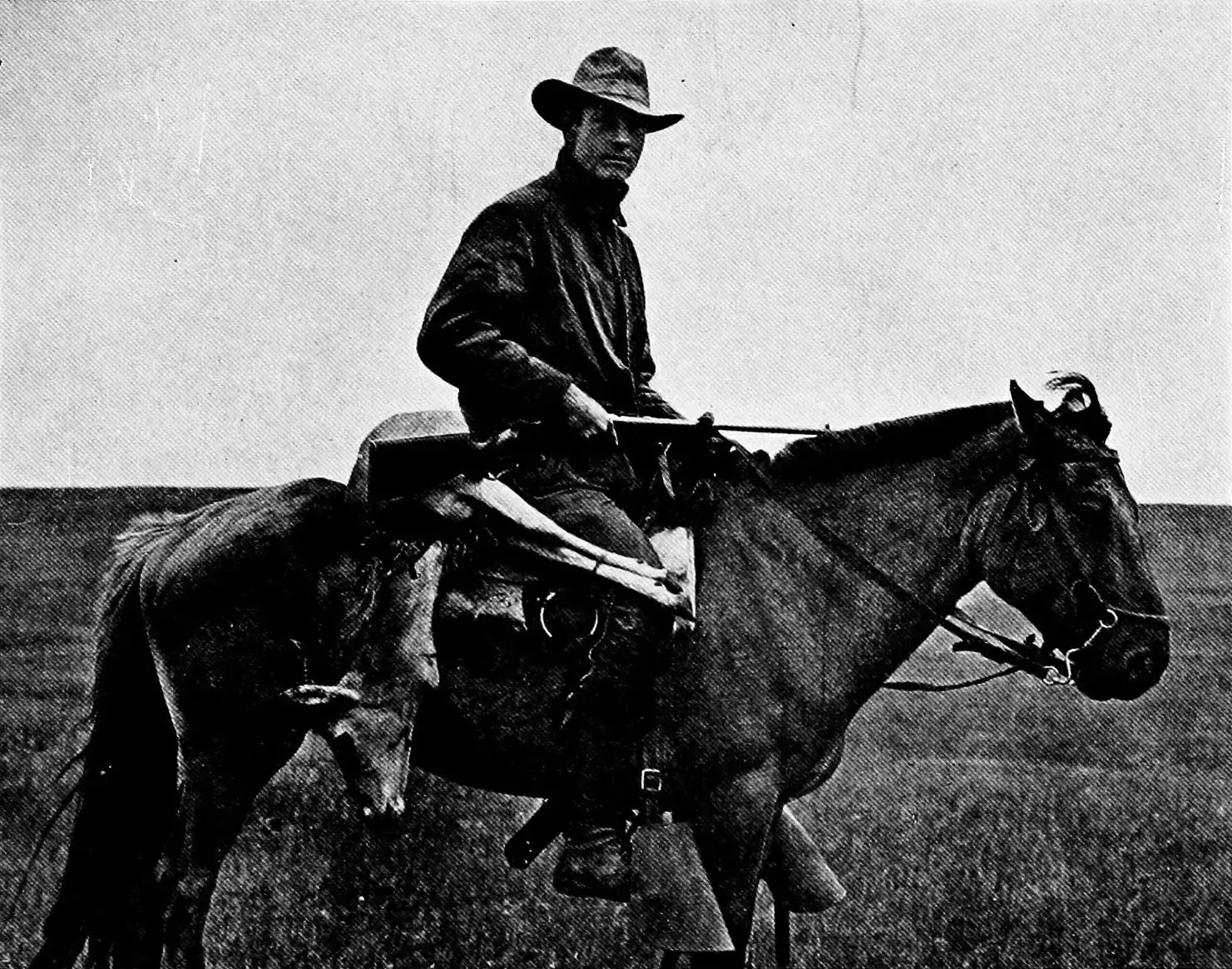
You’ve seen Indiana Jones sprint across the screen with a whip and a leather hat, dodging danger at every turn. Now imagine this – the actual inspiration for that character was navigating trackless sand dunes, battling bandits, and making one of the most astonishing fossil discoveries in all of scientific history. Andrews is best remembered for the series of dramatic expeditions he led to the Gobi of Mongolia from 1922 to 1930. He took a team of scientists into previously unexplored parts of the desert using some of the region’s first automobiles with extra supplies transported by camel caravan.
Though they failed to discover any early human remains in Asia, in 1923 Andrews’ team made an arguably far more significant discovery: the first full nests of dinosaur eggs ever discovered. The media frenzy that followed was remarkable. When Roy Chapman Andrews returned from the expedition to the Gobi Desert in 1923, there was only one thing the press wanted to talk about – dinosaur eggs. News had spread quickly that the field team had returned with the first dinosaur eggs ever discovered, and newspapers excitedly tried to outbid each other for an exclusive on the fantastic fossil find. It’s hard to say for sure, but it may have been the world’s first viral paleontology story.
Paul Sereno: Chasing Giants Across the Sahara with Solar-Powered Science
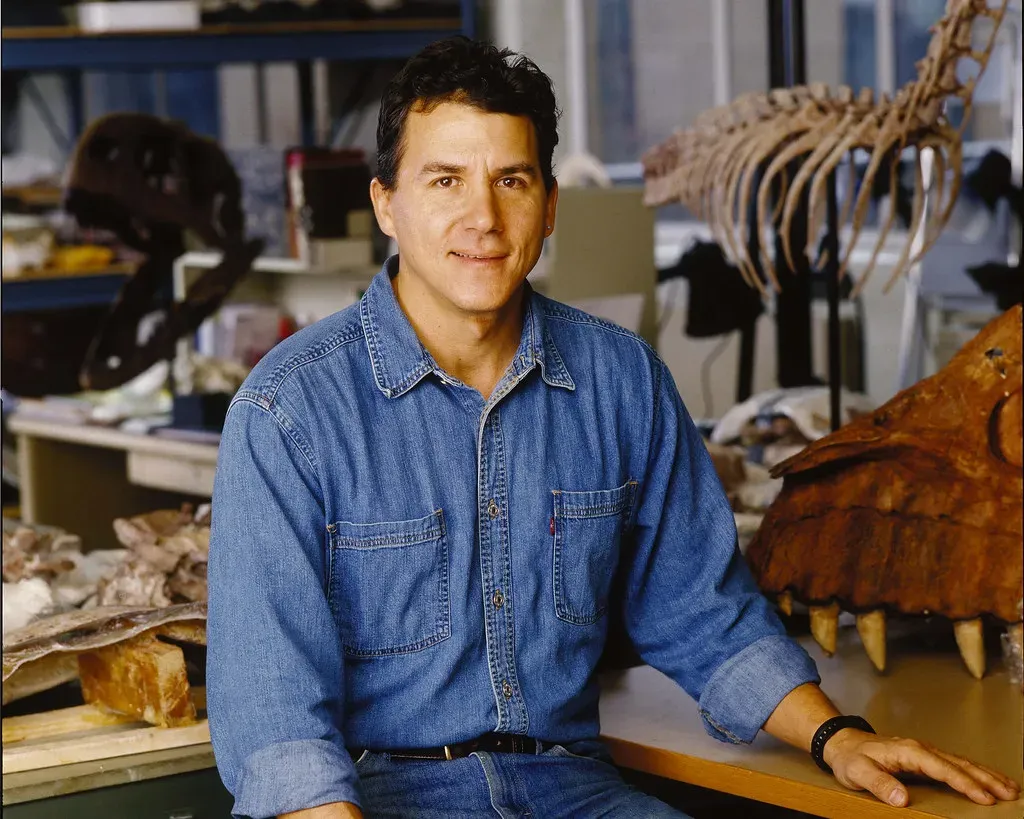
Most people think of paleontology as something that peaked in the nineteenth century. Then along comes Paul Sereno, dragging a team of twenty people deep into the central Sahara, running 3D skull reconstructions off solar panels in the middle of the desert. When the paleontologists first plucked a massive, scimitar-shaped bone from the desolate sands of the central Sahara in 2019, they didn’t immediately recognize it for what it was. It took a return expedition, two more crests, and a 3D digital skull assembly powered by solar panels in the middle of the desert in Niger before the realization sank in – they had unearthed the towering head crest of an entirely new species of dinosaur.
A paper published in Science described their journeys in 2019 and 2022 to find Spinosaurus mirabilis, the first new spinosaurid species discovered in more than a century. Sereno’s career is a reminder that the age of spectacular discovery is far from over. His travels have brought him to discover important links in the evolution of life on earth, such as his discovery of the world’s largest crocodile. Nicknamed “SuperCroc,” the animal is believed to have reached 40 feet in length – the length of a city bus – making it one of the largest crocs that ever lived. SuperCroc lived alongside dinosaurs, perhaps feasting on them. Every expedition Sereno runs feels like it belongs in a film.
Mary Schweitzer: The Scientist Who Dissolved a T. Rex and Rewrote Biology
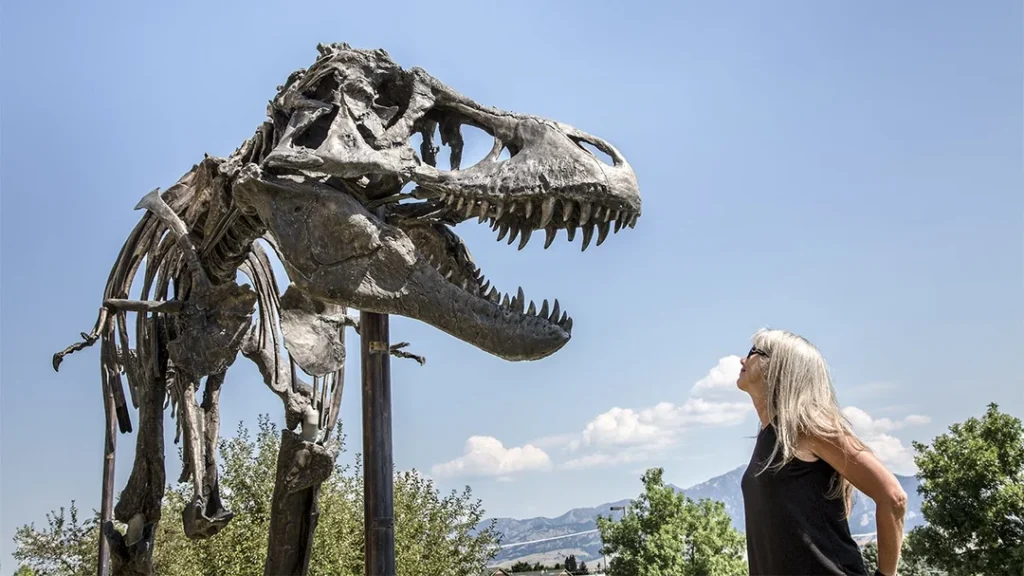
I think the most underrated story in all of modern paleontology belongs to Mary Schweitzer. Here’s the thing – she did something that no “right-thinking paleontologist” was supposed to do, and she found something so shocking that the scientific community initially refused to believe her. Schweitzer, one of the first scientists to use the tools of modern cell biology to study dinosaurs, has upended the conventional wisdom by showing that some rock-hard fossils tens of millions of years old may have remnants of soft tissues hidden away in their interiors.
Growing up in Helena, Montana, she went through a phase when, like many kids, she was fascinated by dinosaurs. At age five she announced she was going to be a paleontologist. But first she got a college degree in communicative disorders, married, had three children, and briefly taught remedial biology to high schoolers. In 1989, a dozen years after graduating from college, she sat in on a class at Montana State University taught by Jack Horner of the Museum of the Rockies. That class changed everything. The finding amazed colleagues, who had never imagined that even a trace of still-soft dinosaur tissue could survive. After all, when an animal dies, soft tissues such as blood vessels, muscle, and skin decay and disappear over time, while hard tissues like bone may gradually acquire minerals from the environment and become fossils. Schweitzer proved the textbooks wrong.
Lazarus Kgasi: The Self-Taught Fossil Digger Changing the Face of Paleontology
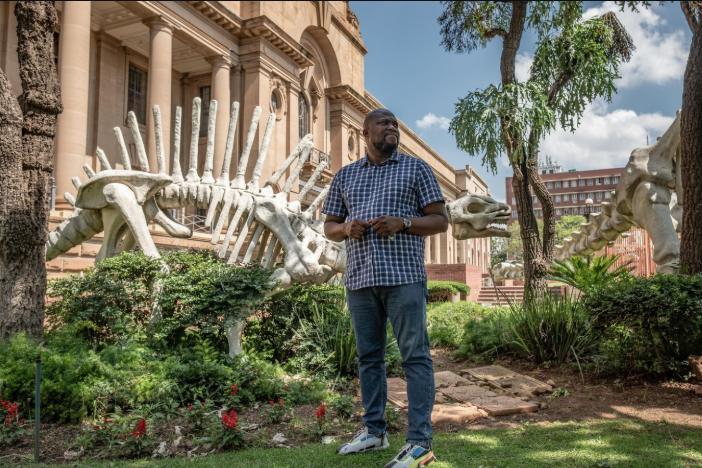
Sometimes the most powerful stories in science don’t begin in a university lecture hall. They begin with a young man who needs to support his family and ends up touching a 1.8 million-year-old bone. In South Africa, paleontology has been dominated by white people. Lazarus Kgasi is changing that dynamic – and coloring in the picture of the world our distant ancestors once inhabited. His journey into fossil hunting was pure chance, and yet the discoveries he has made are anything but ordinary.
Before Kgasi discovered the skeleton of a giant prehistoric cat, all that had been known about the species came from a single tooth. This finding, among others, helped earn him the respect of his fellow paleontologists. An array of 1.8 million-year-old fossilized bones laid out on display belong to Panthera shawi, a giant prehistoric cat. Everything that Kgasi knows he has learned by doing. He never went to college or graduate school. Yet today he stands in museum halls, describing million-year-old giants to children in their own language, making science feel personal and possible in a way that textbooks never quite manage.
Conclusion: Giants Beneath Our Feet – and the Giants Who Found Them
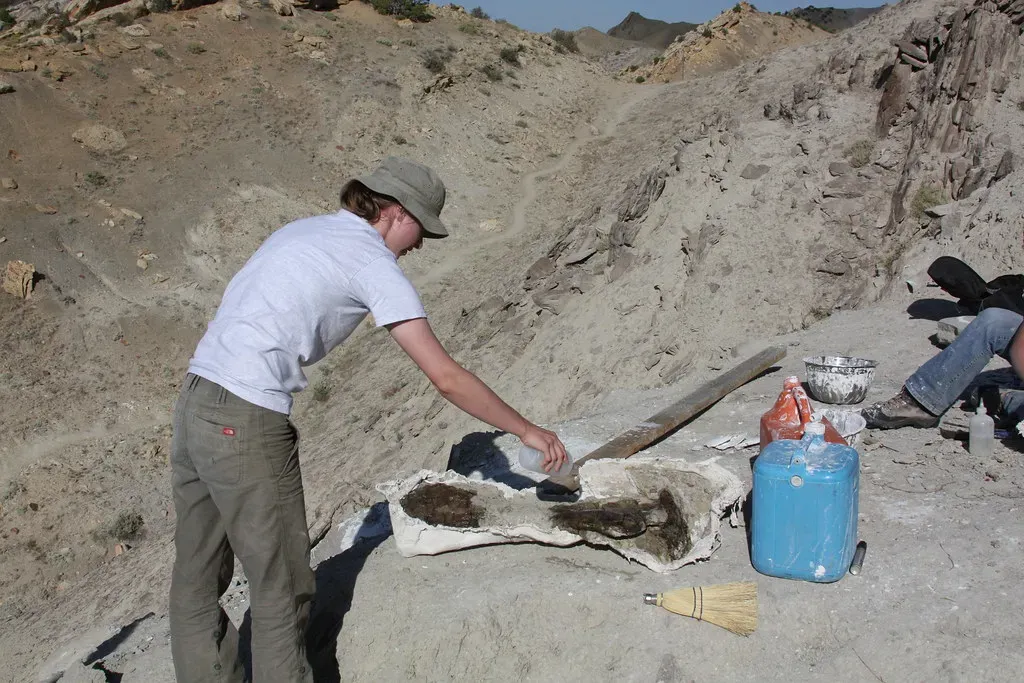
What strikes you most, reading through these nine stories, is how human they all are. These paleontologists were not superhuman. They were people driven by obsession, curiosity, and sometimes desperation. Some were robbed of credit by gender or race. Some destroyed each other in pursuit of glory. Some risked their lives in deserts and crumbling cliffs, and one even dissolved a dinosaur in acid just to find out what was inside.
The giants they uncovered – from towering Tyrannosaurus rex to the massive Panthera shawi – were extraordinary. But so were the people who found them. Every museum hall full of colossal bones represents a human story just as dramatic as the creature on display. There is still a lot to learn. It’s not completely clear how and why dinosaurs got quite so big, nor is it really known what noises these creatures might have made. The hunt is far from over. Which of these nine stories surprised you the most? Share your thoughts in the comments below.