
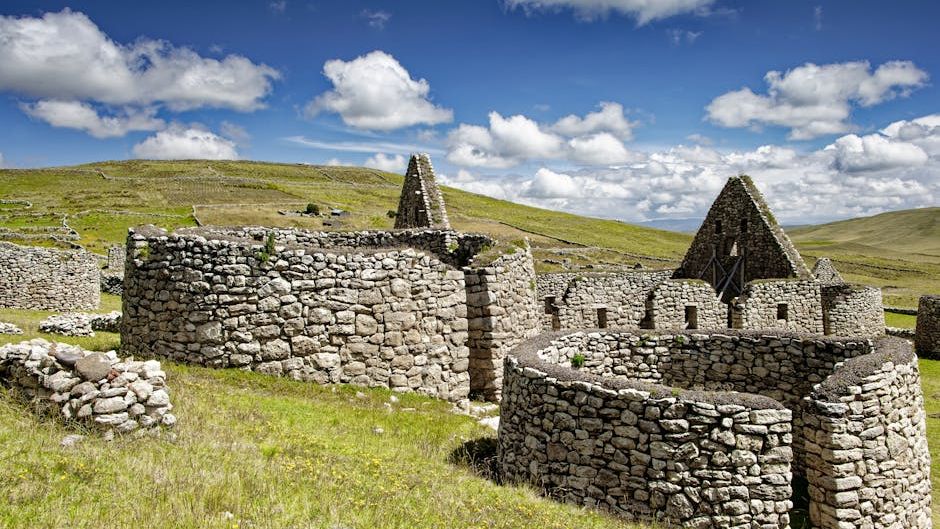
Imagine standing in a wide, wind-swept basin in New Mexico, looking out over endless white dunes of gypsum sand, and realizing that someone walked across this same ground over 21,000 years ago. Not a Clovis hunter with a fluted spear. Not even anyone their descendants would recognize. Someone who came before all of that, before the textbooks, before every theory you’ve ever been taught. That thought alone is enough to make you pause.
The story of who first arrived in North America is one of the most hotly debated puzzles in all of archaeology. Every few years, a discovery reshapes what we thought we knew. Entire careers have been built, and occasionally broken, around the question of when the first humans crossed into this continent. What follows are five of the most extraordinary sites found so far. Be prepared, because some of what you’re about to read flatly contradicts what most of us learned in school.
1. White Sands National Park, New Mexico: Footprints That Rewrote History
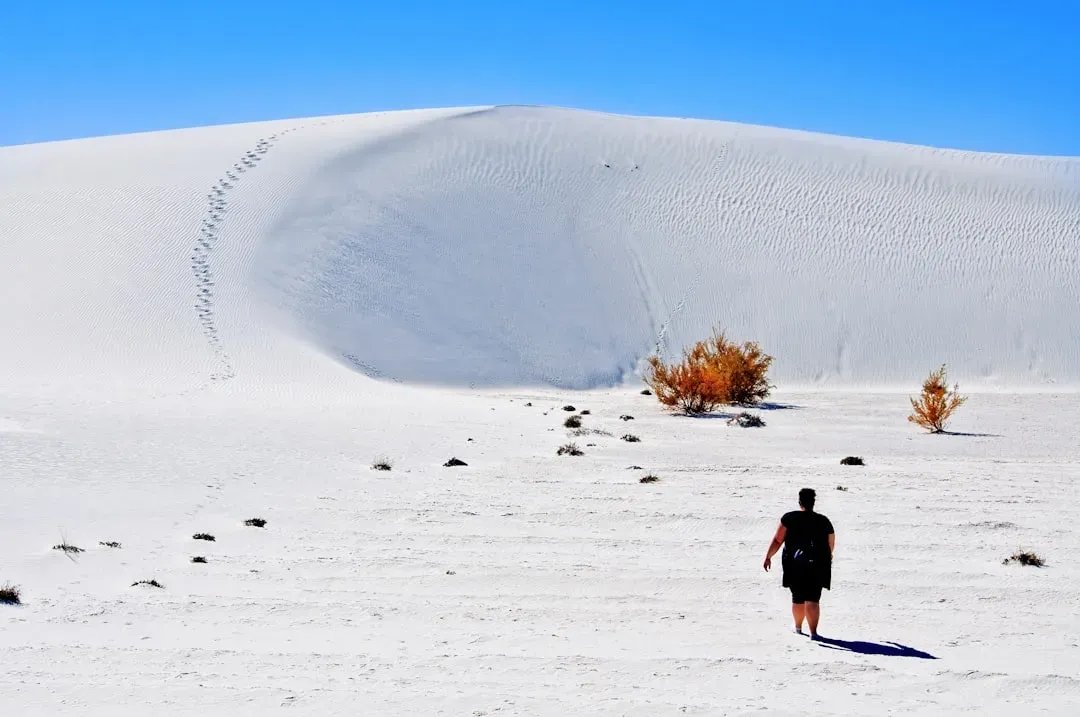
Let’s be real. When archaeologists talk about “rewriting history,” it’s often a bit of an exaggeration. Not here. The tracks at White Sands showed human activity in the area occurring between 23,000 and 21,000 years ago, a timeline that would upend anthropologists’ understanding of when cultures developed in North America. That’s not a small tweak to the timeline. That’s a seismic shift.
The potentially oldest known human footprints in North America were found at White Sands National Park in New Mexico, where researchers identified approximately 60 fossilized footprints buried in layers of gypsum soil on a large playa in the Tularosa Basin. Picture it like a prehistoric mud flat, once the edge of a shallow ancient lake, where people simply walked through, never knowing their steps would be preserved for tens of thousands of years.
Tracks of mammoth, giant ground sloth, and dire wolves are also present at the White Sands site, and researchers noted that all of the trackways show an interaction of humans in the landscape alongside these now-extinct animals. Honestly, that image alone feels almost cinematic. Humans and giant sloths sharing the same muddy shoreline.
The footprints would make them about 10,000 years older than remains found near Clovis, New Mexico. Critics spent the last four years questioning the 2021 findings, largely arguing that the ancient seeds and pollen in the soil used to date the footprints were unreliable markers. The science didn’t back down though. A new study supported the 2021 findings, this time relying on ancient mud to radiocarbon date the footprints, using an independent lab for analysis.
2. Cooper’s Ferry, Idaho: The Oldest Radiocarbon-Dated Settlement
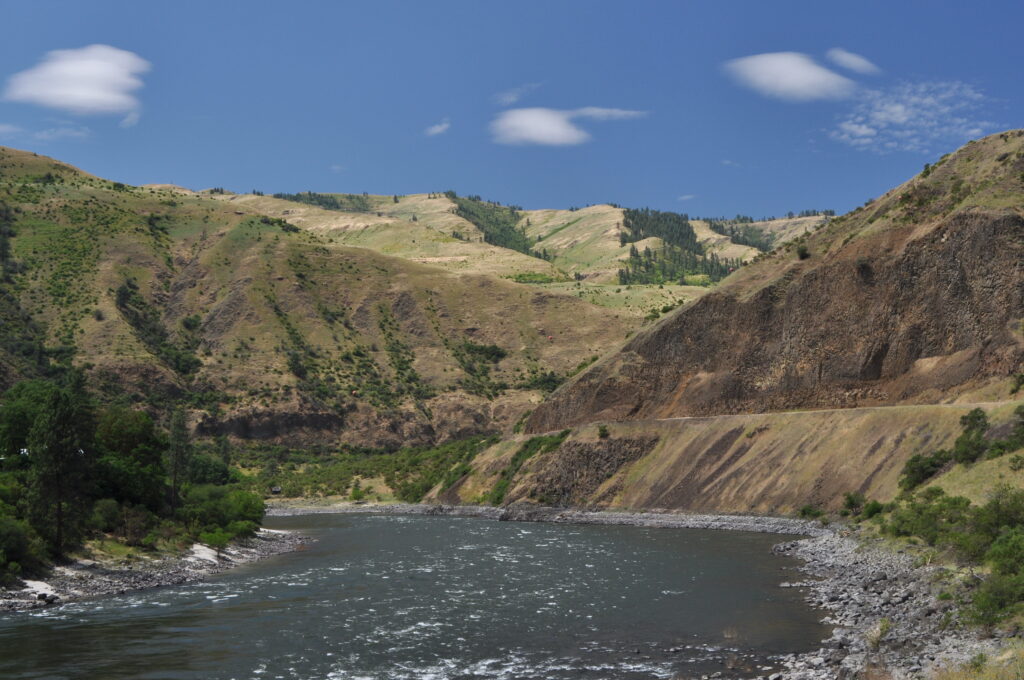
The charcoal and bone left at the ancient site now called Cooper’s Ferry are some 16,000 years old, representing the oldest radiocarbon-dated record of human presence in North America. Radiocarbon dating is considered far more precise than other methods, which is exactly why this finding carries so much weight in the archaeological community.
The artifacts have been dated to as far back as 16,500 years ago, making them the oldest radiocarbon dated evidence of humans in North America, according to research published in the journal Science. Think about what that means geographically. The site is more than 500 kilometers from the coast, yet the Salmon, Snake, and Columbia rivers link it directly to the sea. This suggests these ancient people likely arrived by watercraft and moved inland following river systems.
Over ten years of excavations, the Cooper’s Ferry team uncovered dozens of stone spear points, blades, and multipurpose tools called bifaces, as well as hundreds of pieces of debris from their manufacture. Although the site is near the Salmon River, most of the ancient bones belonged to mammals, including extinct horses. The team also found a hearth and pits dug by the site’s ancient residents, containing stone artifacts and animal bones.
The findings show that people lived at Cooper’s Ferry more than a millennium before melting glaciers opened an ice-free corridor through Canada about 14,800 years ago, implying the first people in the Americas must have come by sea, moving rapidly down the Pacific coast and up rivers. This is one of those details that feels genuinely staggering once you sit with it. There simply was no land path south yet.
3. Meadowcroft Rockshelter, Pennsylvania: The Controversial Giant of Pre-Clovis Archaeology
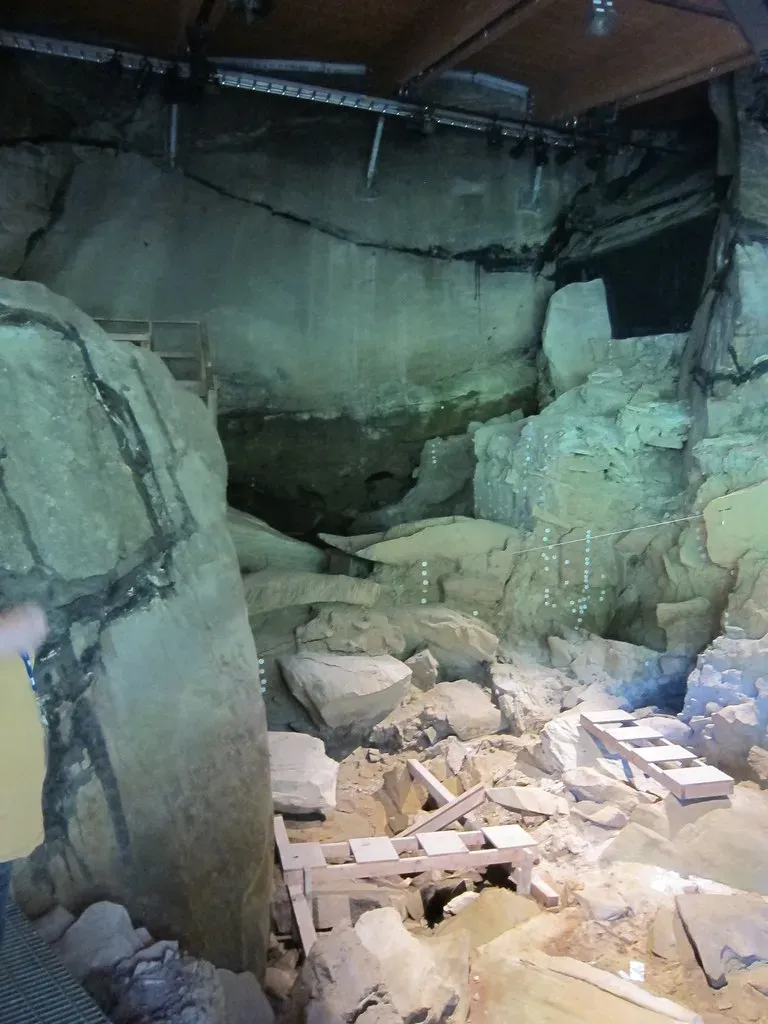
The Meadowcroft Rockshelter is an archaeological site located near Avella in Jefferson Township, Pennsylvania. The site is a rock shelter in a bluff overlooking Cross Creek, and contains evidence that the area may have been continually inhabited for at least 16,000 years and up to 19,000 years. You wouldn’t look twice at this rocky overhang if you didn’t know its story.
If accurately dated, it would be one of the earliest known sites with evidence of a human presence and continuous human occupation in the New World. The word “continuous” is key here. This isn’t just evidence of a single ancient campfire. Over the past 30 years, 20,000 artifacts have been found at the Meadowcroft site, including 956,000 animal remains and 1.4 million plant remains. That’s a staggering volume of evidence for any site.
Remains of flint from Ohio, jasper from eastern Pennsylvania, and marine shells from the Atlantic coast suggest that the people inhabiting the area were mobile and involved in long-distance trade. Here’s the thing about that detail: it tells you these weren’t just isolated cave dwellers. They were connected people, moving across large territories and exchanging materials with other groups.
Meadowcroft Rockshelter is recognized as a National Historic Landmark, a Pennsylvania Commonwealth Treasure, and as an official project of Save America’s Treasures. It’s hard to argue with that level of recognition, even if the academic debate over its earliest dates still simmers. If authentic, these dates would indicate that Meadowcroft was used in the pre-Clovis era and, as such, provides evidence for very early human habitation of the Americas.
4. Paisley Caves, Oregon: Ancient Poop That Changed Everything
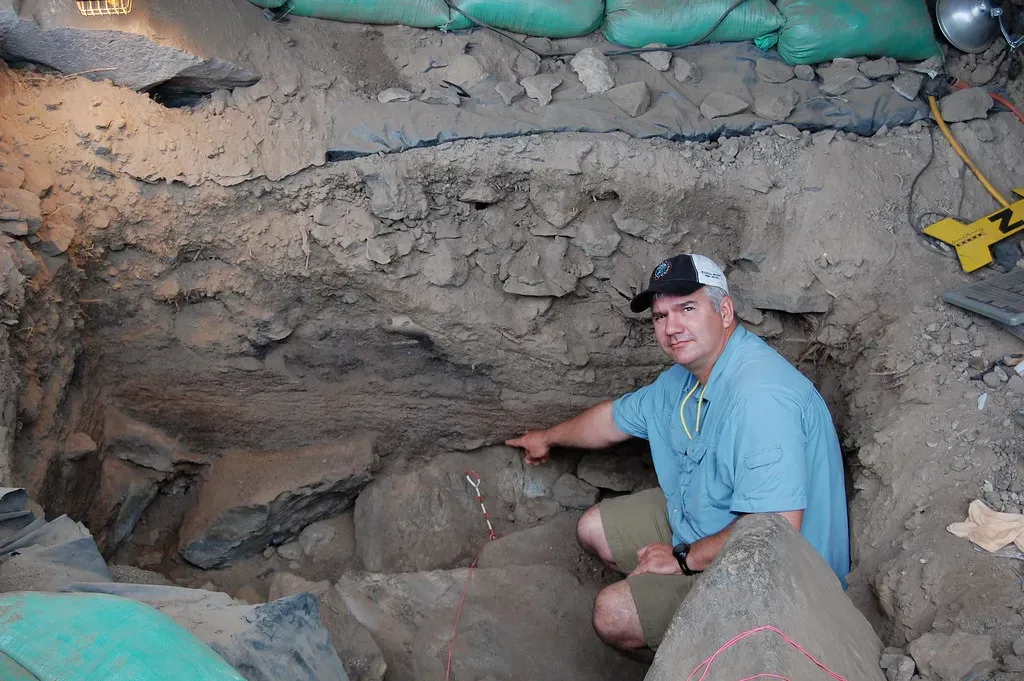
I know it sounds crazy, but sometimes the most profound archaeological evidence comes from the least glamorous source imaginable. DNA from dried human excrement recovered from Oregon’s Paisley Caves is the oldest found yet in the New World, dating to 14,300 years ago, some 1,200 years before Clovis culture, and provides apparent genetic ties to Siberia or Asia, according to an international team of scientists.
The Paisley Caves, more formally known as Paisley Five Mile Caves, in south-central Oregon are among the oldest archaeological deposits in North America. The seven creases that create the caves were etched into a low basalt ridge during the ice age by waves moving across Lake Chewaucan. The area, a volcanic region on the eastern side of the Cascade Mountain range, is so arid and the caves so dry that artifacts and ancient remains have been extremely well preserved over time.
Coprolite analysis at varying ages revealed that these occupants were omnivorous, eating a combination of foraged plants, seeds, small mammals such as rodents, fish, and insects like beetles. Knowledge of this omnivorous mode of sustenance further supports the notion that the coprolites are human in origin. Cultural materials such as sage cordage and grass threads, obsidian and bone tool fragments, wooden pegs, cut animal bones, and evidence of fire hearths have also been discovered in the caves intermingled with Pleistocene animal bones.
Together, the results confirm that the Paisley coprolites are the oldest directly dated human remains in the Western Hemisphere. That is a title worth sitting with. Not just in Oregon, not just in North America. Most archaeologists now believe that the Paisley Five Mile Caves is one of the earliest and most important archaeological sites on the American continent.
5. Cactus Hill, Virginia: The Site That Challenged Everything From the East
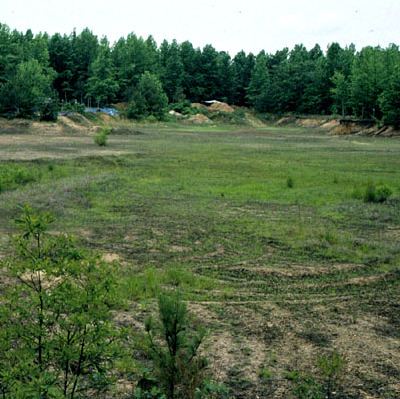
Most people picture the first Americans arriving from the west, crossing from Asia. Cactus Hill throws a fascinating wrench into that assumption. Cactus Hill is one of the oldest and most well-dated archaeological sites in the Americas, with the earliest human occupations dating to between 18,000 and 20,000 years ago. Sitting in Virginia, far from Beringia, its very location raises eyebrows.
Prior to the discoveries at Cactus Hill, which were made in the mid-1990s, most scholars believed that the earliest humans arrived in the Americas approximately 13,000 years ago. Representing the so-called Clovis culture, these people were believed to have come to the Americas from Siberia across the Bering land bridge. The Cactus Hill dates undercut that consensus dramatically.
Habitation at Cactus Hill dates to between 18,000 and 20,000 years ago, and when considered alongside the early dates from Meadowcroft Rockshelter and Monte Verde, it provides strong evidence that modern humans were in the Americas well before the ice-free corridor opened. That’s significant. The corridor through the glaciers that supposedly let people walk south from Alaska didn’t even exist at the time these people were already settled in Virginia.
The most important unanswered archaeological question in the Western Hemisphere is who got here first, and when. To that end, Cactus Hill proved to be pivotal in breaking down the Clovis-first paradigm. The site has provided another pre-Clovis site, a chronological niche for previously unidentified points, and a model for how people may have survived and possibly even prospered in harsh, near-glacial conditions. Still, the deeper question of how these people actually got to the East Coast of North America so early remains genuinely open.
Conclusion: A Story Still Being Written in Stone and Soil
What you’ve just read across these five extraordinary sites is not a finished history. It’s an ongoing excavation of our understanding. Evidence of pre-Clovis cultures has accumulated and pushed back the possible date of the first peopling of the Americas. Academics generally believe that humans reached North America south of the Laurentide Ice Sheet at some point between 15,000 and 20,000 years ago. Every dig season, that understanding shifts just a little further back.
From footprints frozen in New Mexico gypsum to ancient human DNA preserved in Oregon cave poop, the evidence is piling up in ways that would have seemed outlandish to archaeologists just a generation ago. These sites don’t just tell us when people arrived. They hint at just how resilient, resourceful, and widely-traveled our ancestors were, crossing seas and glaciers with no maps, no guides, and no guarantee of survival.
The more you look at these discoveries, the more humbling it becomes. We’ve been walking across this continent for far longer than most of us ever imagined. The real question isn’t just who got here first. It’s who else might still be waiting to be found, buried under the right layer of sand or ash. What do you think, and could there be even older settlements out there still undiscovered? Share your thoughts in the comments below.