The ancient past is full of creatures that defy all logic, bend the rules of biology, and generally refuse to be neatly categorized. You’d think that after centuries of fossil hunting, dedicated laboratories, and increasingly advanced imaging tools, we’d have most of the prehistoric world figured out by now. Honestly, you’d be wrong.
Some of these animals have been studied for over a hundred years and still manage to keep paleontologists up at night. Whether it’s a jaw that looks like a buzzsaw, a body plan that was reconstructed backwards, or a monster so large it barely makes sense, each of these creatures holds a piece of a puzzle that science is still struggling to complete. Prepare to have your assumptions challenged. Let’s dive in.
1. Hallucigenia: The Creature That Was Reconstructed Backwards and Upside Down
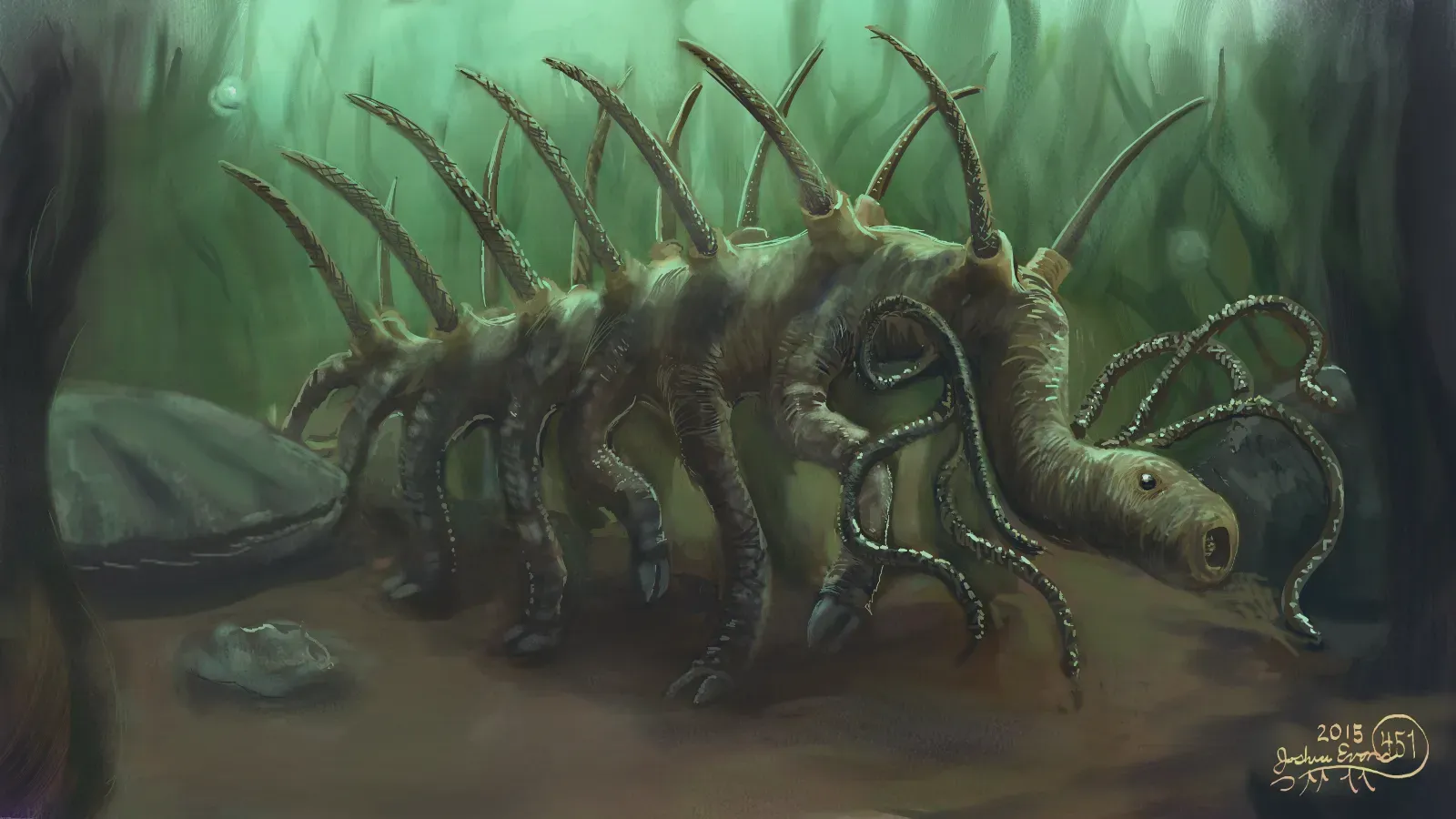
If nature ever had a fever dream, it looked a lot like Hallucigenia. This tiny animal was only 10 to 50 millimeters in length and lived roughly 505 million years ago during the Cambrian Explosion, a period of rapid evolution when most major animal groups first appeared in the fossil record. You might expect something that small to be simple. You’d be completely mistaken.
When it was first identified in the 1970s, it was reconstructed both backwards and upside down: the spines along its back were originally thought to be legs, its legs were thought to be tentacles along its back, and its head was mistaken for its tail. Scientists essentially assembled it like someone who lost the instruction manual halfway through building flat-pack furniture. The paleontologist Simon Conway Morris proposed the name Hallucigenia because of the “bizarre and dream-like appearance of the animal.”
Right side up and right way round, Hallucigenia still looks pretty strange: it had pairs of lengthy spines along its back, seven pairs of legs ending in claws, and three pairs of tentacles along its neck. Even after correcting the reconstruction, Hallucigenia’s unearthly appearance made it difficult to link it to modern animal groups. A 2014 study by University of Cambridge paleontologists partially solved this problem by studying the structure of its claws, which helped definitively link it to modern velvet worms.
Paleontologists consider Hallucigenia a critical evolutionary branch that gave rise to many invertebrates still alive today, including velvet worms, water bears, and other groups of arthropods. The relationship between this spiny little phantom and the humble velvet worms you can find in tropical forests today is one of the most jaw-dropping evolutionary stories ever told.
2. Tully Monster: The Creature That Stumped Scientists for Decades
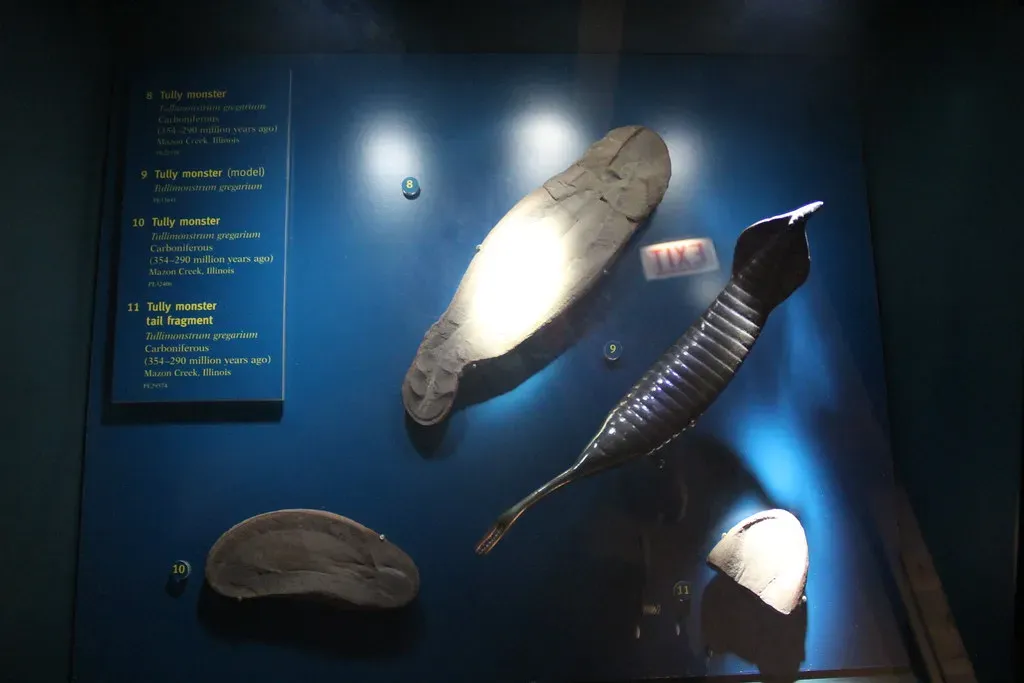
The Tully monster was so weird that it even left expert paleontologists confused. It was a worm-like creature about a foot long with eyestalks and a pincer-tipped proboscis with razor-sharp teeth. Everything about it screams evolutionary experiment gone wonderfully strange. You’d struggle to find anything remotely like it alive on Earth today.
The Tully monster was a soft-bodied species with primitive eyes on stalks and a long, thin appendage that ended in a claw-like feature. These mysterious creatures were so strange that researchers today have had trouble agreeing on where they belong in the tree of life. Whatever they were, these monsters hunted in marine coastal environments 300 million years ago and are found only in fossils from Illinois.
The Tully monster is still hotly debated. One article in the journal Nature suggests it had vertebrae, but other scientists disagree. It’ll keep palaeontologists busy for at least another 50 years. Think about that for a moment. A creature so fundamentally confusing that its basic classification remains an open argument a full sixty years after it was first discovered.
Scientists are unraveling the Tully monster’s secrets from fossil records and currently think it was an ancient fish similar to lampreys. Still, that classification remains contested. It’s the kind of creature that makes you wonder just how alien life on Earth truly was, hundreds of millions of years before humans ever arrived to ask questions about it.
3. Anomalocaris: The World’s First Apex Predator With a Confusing Mouth
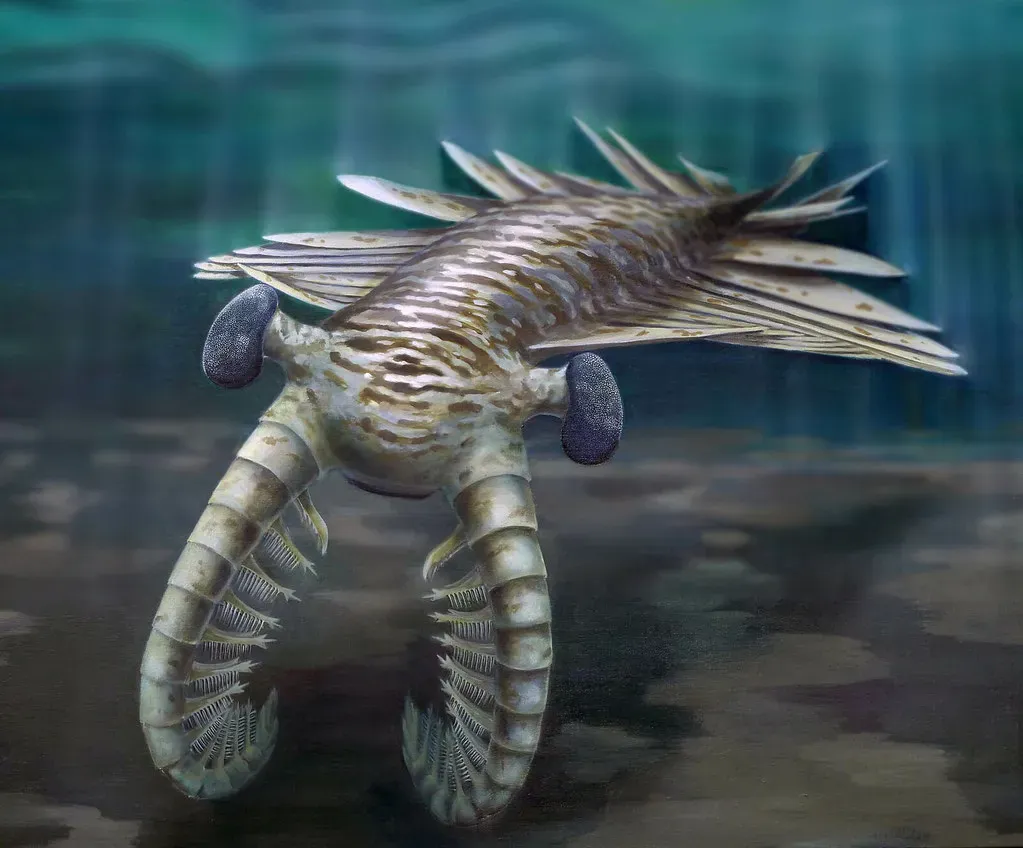
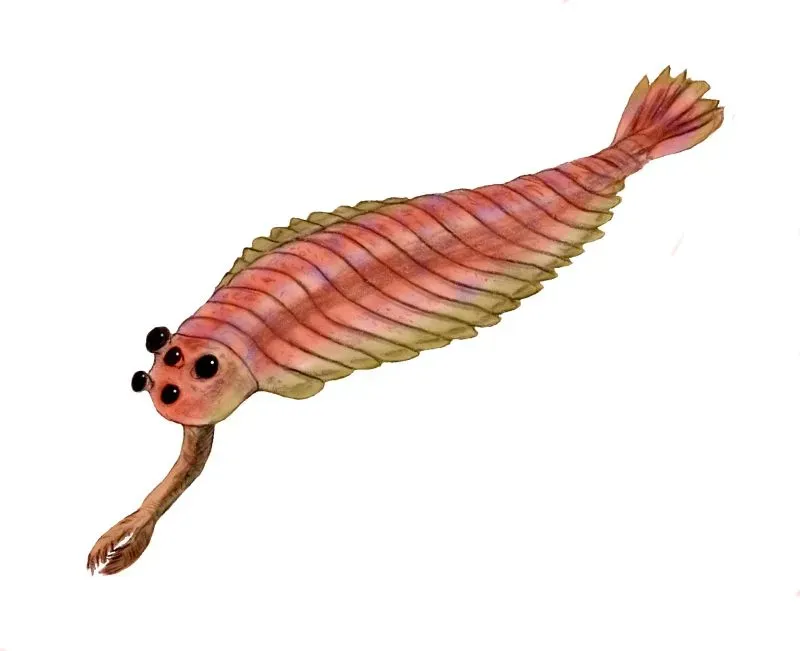
More than half a billion years ago, the world’s oceans were stalked by a soft-bodied predator that looked unlike anything alive today. This bizarre-looking animal was Anomalocaris, or “unusual shrimp,” and is widely regarded as the world’s first apex predator, the killer whale of its day. It ruled the Cambrian seas like an ancient, armored nightmare.
Anomalocaris was the largest hunter of the Cambrian period, measuring up to a metre in length from its grasping frontal appendages to the tips of its tail fans. The appendages are thought to have been used to catch and crush prey. Here’s where things get delightfully controversial. For a long time, hard-shelled marine arthropods known as trilobites were assumed to have been Anomalocaris’s favourite snack, but new research has suggested that this predator was more of a weakling, incapable of cracking tough trilobite armour.
So the world’s first apex predator might have actually had a weak bite. That’s almost poetic. What makes Anomalocaris even more fascinating is how its body parts were initially interpreted as completely different animals altogether. Anomalocaris had originally been identified as three separate creatures before being correctly identified as a single large animal.
This kind of mistaken identity shows just how radically different Cambrian life was from anything we’re used to today. The ocean floor back then must have looked like something designed by an artist who’d never seen another animal. Even now, debates around Anomalocaris’s feeding behavior, swimming mechanics, and sensory abilities are far from settled.
4. Dickinsonia: A Frilly Rug That Might Have Been One of the First Animals
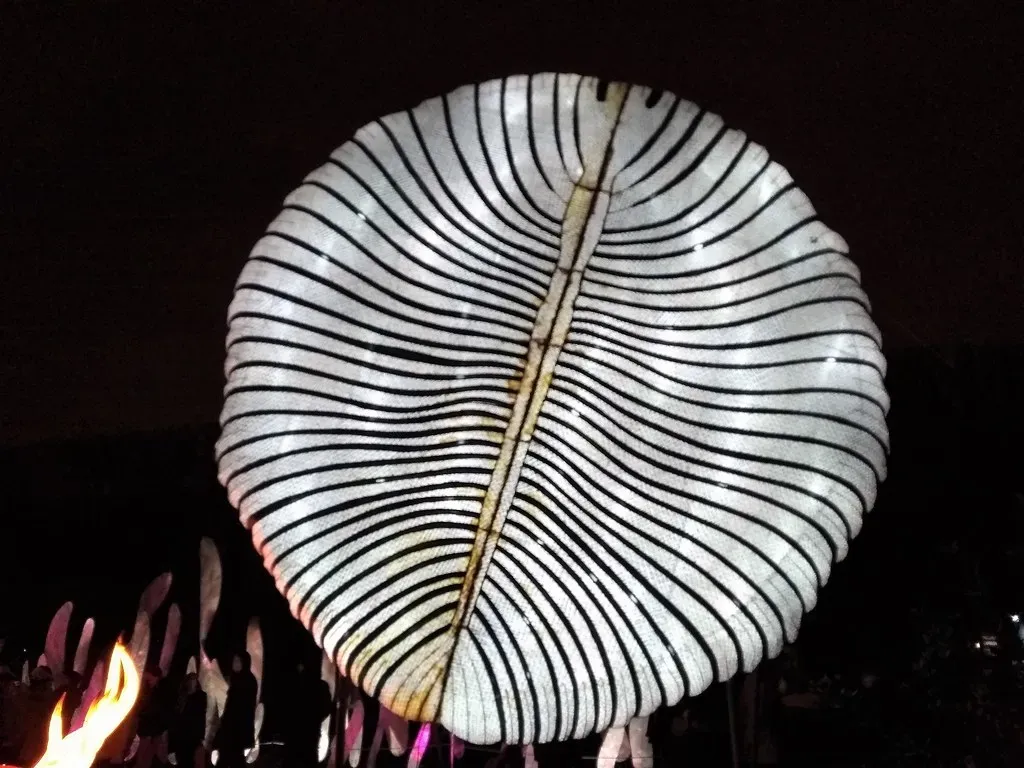
More than 560 million years ago, in the days of Dickinsonia, animal life was new and strange. In life, Dickinsonia resembles “a frilly rug” that could reach over four feet across. You’re looking at a creature that predates almost every living thing you can currently think of, and scientists still aren’t fully sure what it actually was.
A few clues, such as preserved remnants of biological compounds, indicate that Dickinsonia was indeed an early animal, but scientists are still scratching their heads as to where this ridged pancake fits in the Tree of Life. Was it an early animal? A fungus? Something in between? The debate has dragged on for decades with no clean resolution.
Evidence from the study of extant invertebrates, indicating that coprostane is not a gut biomarker for Ediacaran animals, has been presented by researchers who propose that the coprostane signal in the fossils of Dickinsonia is a result of feeding on microbial mats. This kind of granular, chemical-level analysis is now the frontier of Dickinsonia research. Scientists are essentially trying to decode a creature by analyzing the chemistry it left behind in rock.
These creatures were successful, given how often they’re found among Australia’s Ediacara Hills. Something that widespread and abundant should be easy to classify. The fact that Dickinsonia still resists neat categorization is a humbling reminder that the origins of life are stranger and more complex than any textbook can fully capture.
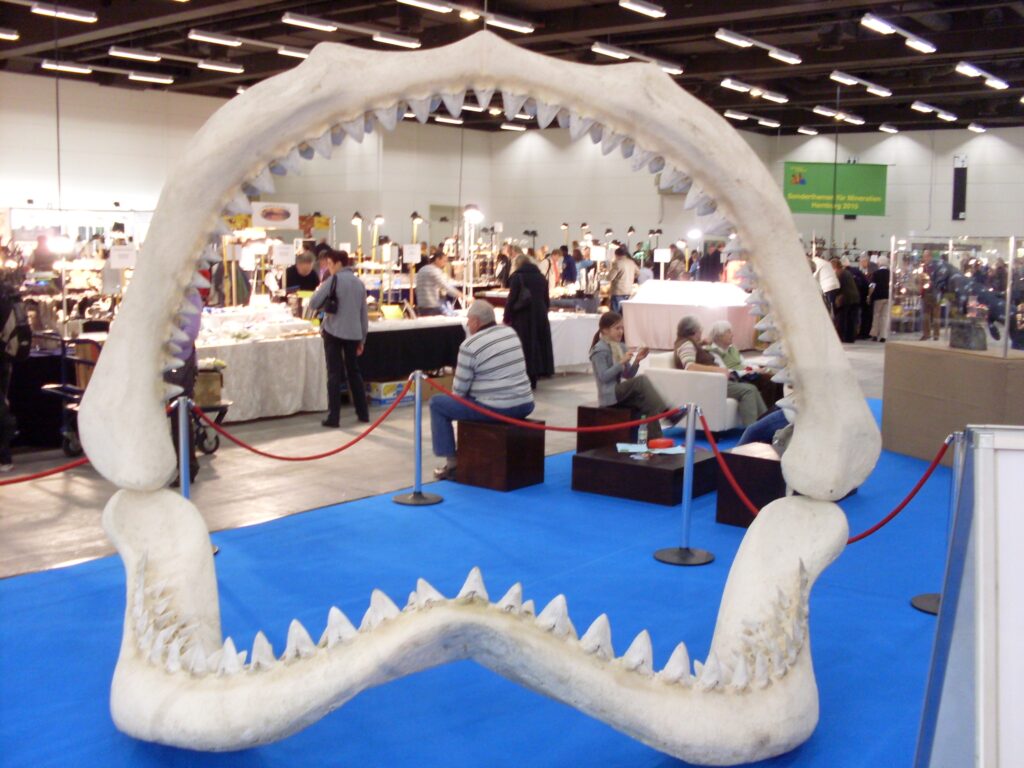
5. Helicoprion: The Shark With a Buzzsaw Spiral Jaw
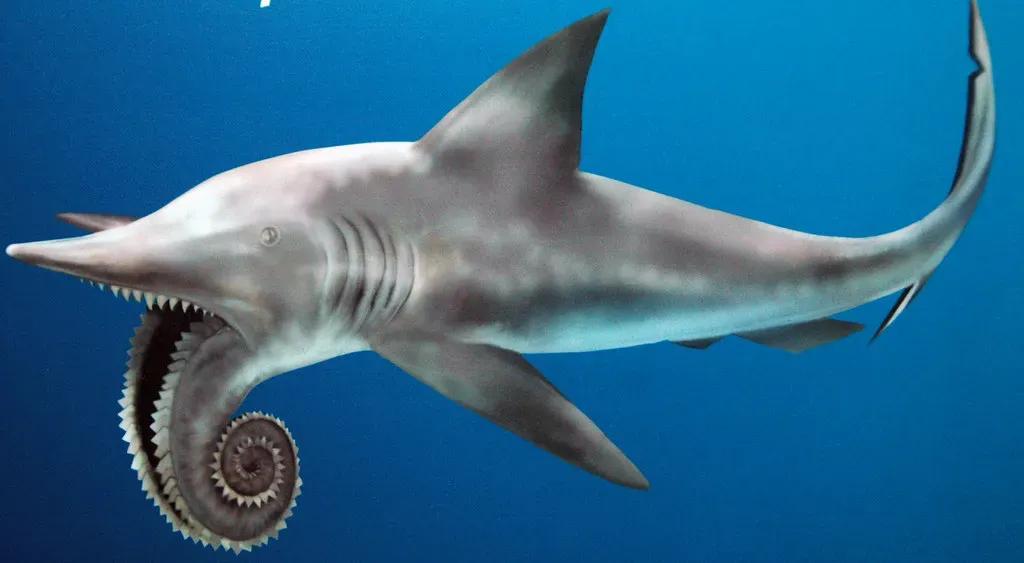
If you asked a child to design the world’s most terrifying shark, they might draw one with a spinning saw for a jaw. They’d actually be accidentally accurate. Helicoprion was a bizarre fish that lived around 270 million years ago, measuring 20 to 25 feet long, and has puzzled scientists for over a century with its unusual spiral tooth whorl. The name means “spiral saw,” and it earned every letter of that name.
Terrorizing the seas nearly 300 million years ago, the Helicoprion was a bizarre species of shark that sported one of the craziest sets of teeth in natural history. This unusual feature has been the subject of widespread debate in the scientific community for a century, and it’s easy to see why. The only fossils that have been found of this animal contain sets of spiraled teeth, and scientists are still trying to figure out just how they would have possibly fit into the shark’s mouth.
Early paleontologists were baffled, proposing that the whorl might have been attached to the nose, lower jaw, or even the dorsal fin. It wasn’t until 2013 that researchers concluded that the whorl actually filled the lower jaw, functioning as a buzzsaw that rotated its teeth backward as the jaw closed. Even now, the full picture remains elusive.
It is now thought that the spiral jaw faced inward, and the rotating teeth acted as a circular saw for grinding up food, though this still remains a topic of debate. A jaw that works like a circular saw. A shark that terrorized Permian seas with a weapon evolution probably shouldn’t have been allowed to build. There are still many secrets to draw out from the jaws of Helicoprion.
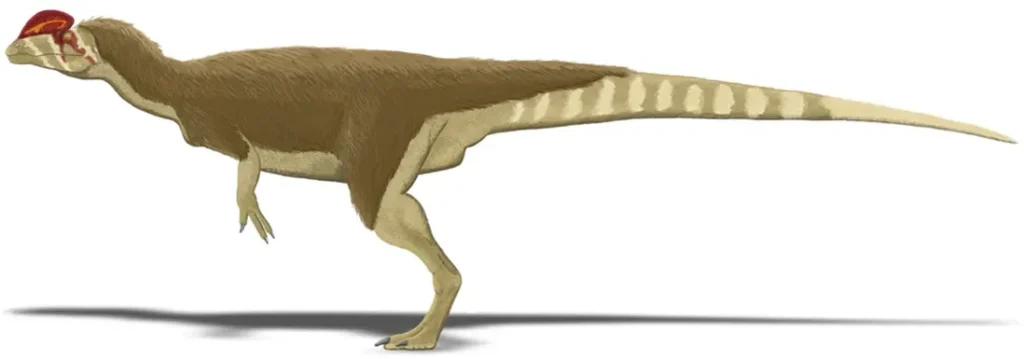
6. Spinosaurus: Was It a Swimmer, a Wader, or Something Else Entirely?
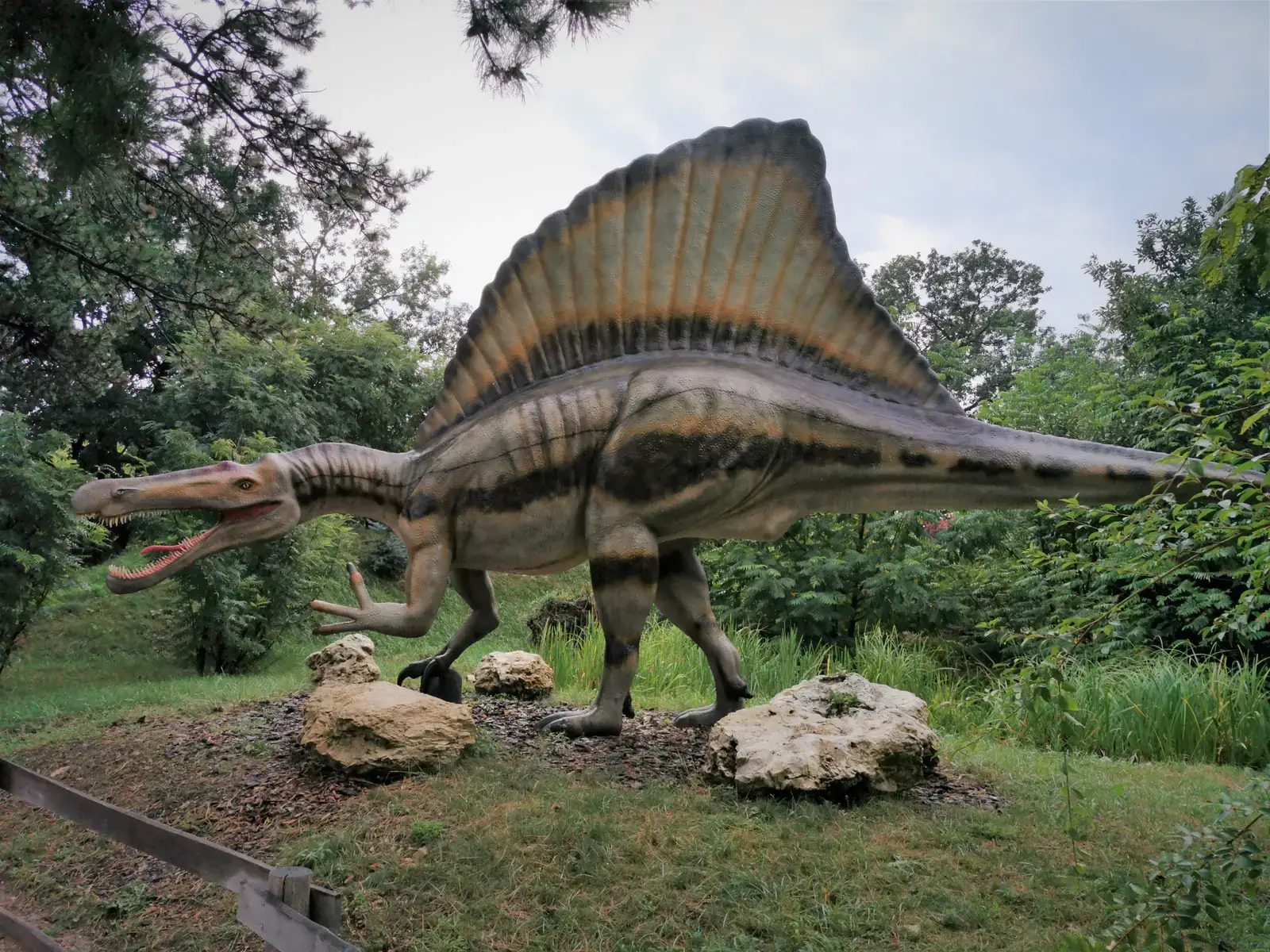
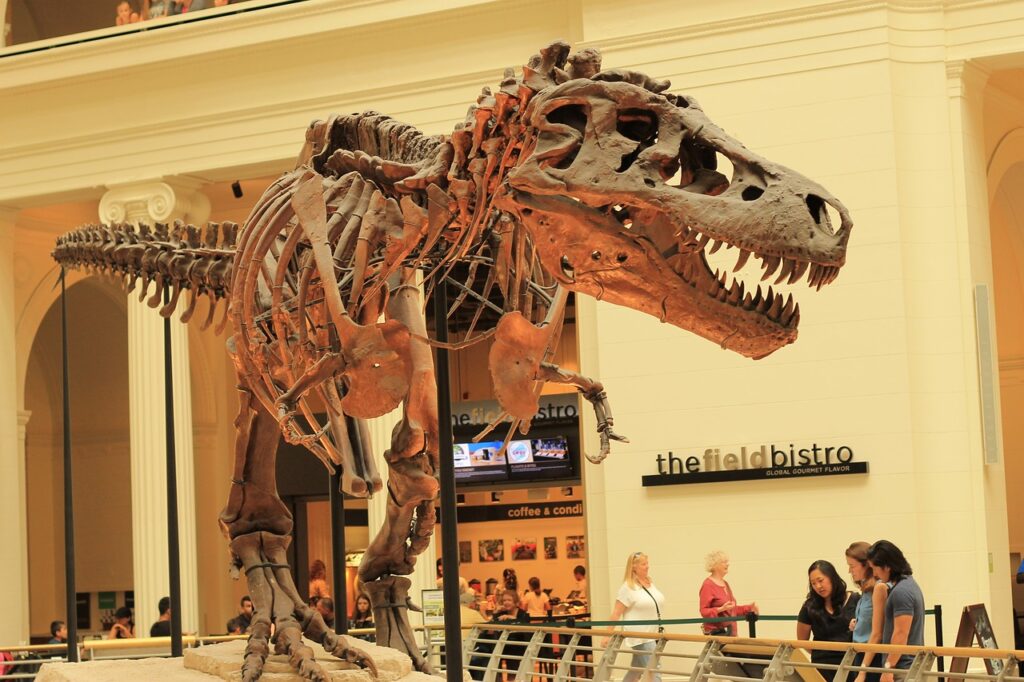
At 15 meters long, Spinosaurus is the longest predatory dinosaur ever found, with a body bigger than a Tyrannosaurus rex. It had a narrow, crocodile-like snout, a great big sail on its back that was taller than a human and a long, flat, paddle-like tail. In a world full of enormous predators, Spinosaurus somehow managed to stand out as distinctly, stubbornly strange.
Spinosaurus was among the largest predators ever to prowl the Earth and one of the most adapted to water, but was it an aquatic denizen of the seas, diving deep to chase down its meals, or a semiaquatic wader that snatched prey from the shallows close to shore? That question has sparked one of paleontology’s most passionate ongoing arguments.
Deep in the heart of the Sahara, scientists recently uncovered Spinosaurus mirabilis, a spectacular new predator crowned with a massive, scimitar-shaped crest. The fossil rewrites what we thought we knew about spinosaur dinosaurs, suggesting they weren’t fully aquatic hunters but powerful waders stalking fish in forested waterways hundreds of miles from the sea. The newly published study, released in February 2026, is already reshaping the debate.
Lead researcher Paul Sereno said the new research points to Spinosaurus being what he calls a “hell heron,” a semiaquatic shoreline hunter with physical similarities to a wading bird, but at a terrifying scale. Think a modern heron, but roughly 50 feet long and almost certainly willing to eat you. As one paleontologist put it: “It has long been a mysterious dinosaur, but with each new fossil find the real Spinosaurus is slowly coming into focus.”
7. Andrewsarchus: A Massive Predator Known From Exactly One Skull
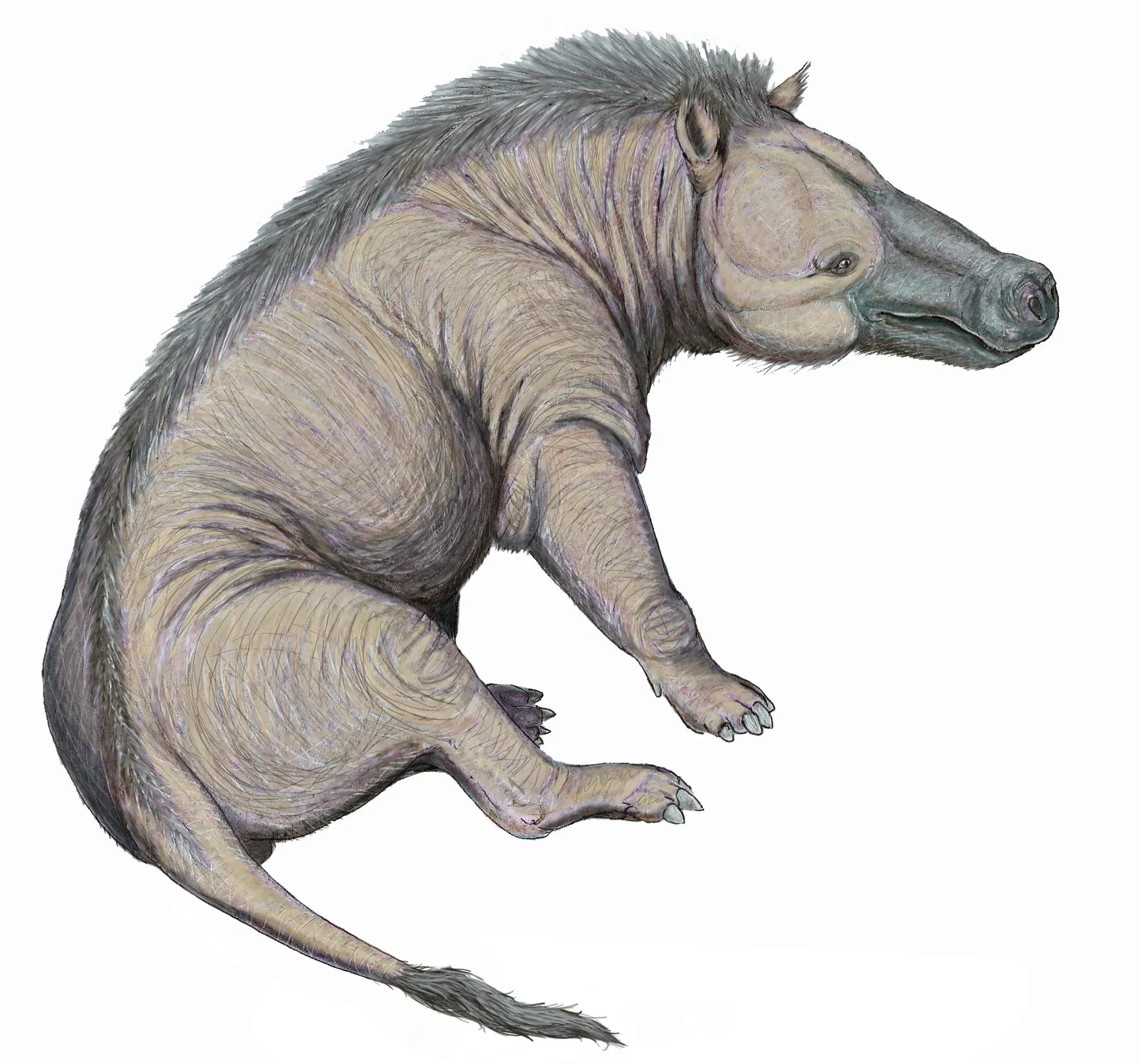
Perhaps the most enigmatic of them all is Andrewsarchus, a massive carnivorous mammal known only from a colossal skull fragment discovered in Mongolia in 1923. With a skull nearly three feet long, Andrewsarchus has been reconstructed as a 16-foot-long, 6-foot-high beast with a wolf-like body, hoofed feet, and bone-crushing teeth. Here’s the thing that blows your mind though.
Among all the carnivorous mammals that have ever lived, Andrewsarchus may have been the largest. The trouble is that this meat-eating beast is only known from a skull and a foot, with no other fossils coming to light in nearly a century. We’re trying to reconstruct the entire lifestyle, body shape, and behavior of a potentially record-breaking predator from an extraordinarily sparse fossil record.
Weighing between 1,764 and over 2,200 pounds, this formidable predator stands as the largest known meat-eating land mammal. Whether it was an active hunter or an opportunistic scavenger remains a subject of debate. Let that sink in. The largest meat-eating land mammal ever to roam the Earth, and we’ve never found a complete skeleton. Not one.
It’s a bit like trying to describe a person using only their head and one shoe. You’d have a rough idea, but a lot of important questions would remain unanswered. Every reconstruction you’ve ever seen of Andrewsarchus is, to some degree, educated guesswork dressed up in scientific clothing.
8. Arthropleura: The Car-Sized Millipede That Defies Explanation
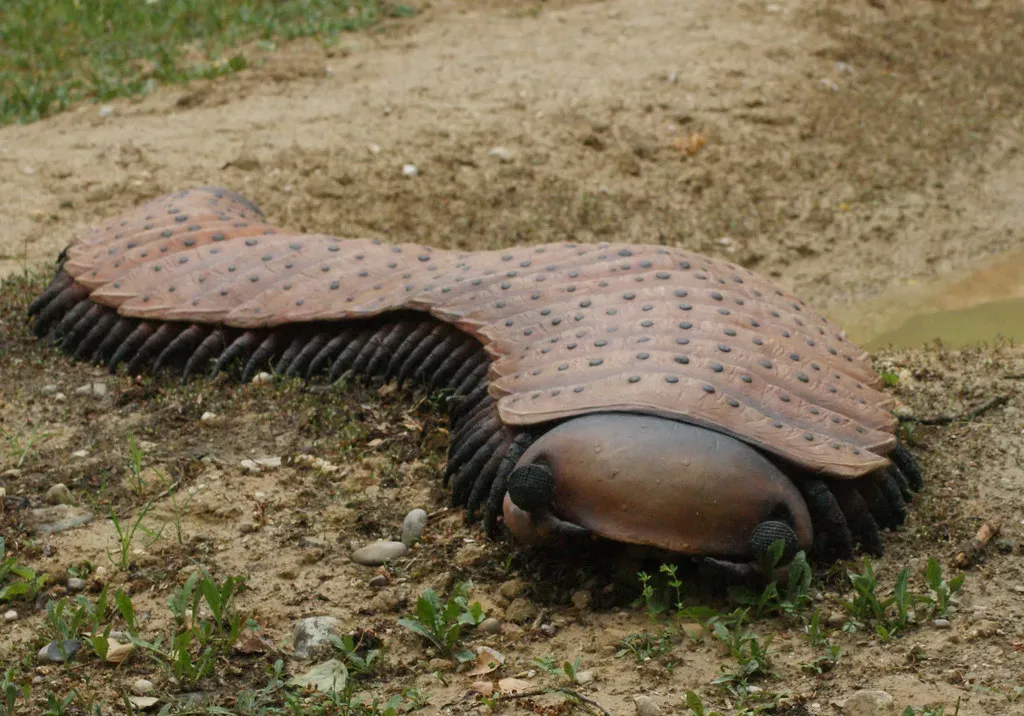
Arthropleura is a genus of creatures from the darkest imaginations. They were six to eight-foot-long millipede-like creatures and the biggest arthropods ever. If you have a fear of insects, the Carboniferous period roughly 300 million years ago was probably not your era. Bugs grew to huge sizes in the Paleozoic period, and scientists aren’t sure why, but theorize their size was due to more oxygen in the atmosphere and fewer predators.
The oxygen hypothesis is the most commonly cited explanation, suggesting that higher atmospheric oxygen levels allowed insects to grow dramatically larger through passive diffusion-based respiration. During certain prehistoric periods, atmospheric oxygen levels were indeed higher, which allowed these creatures to grow to enormous sizes. Other scientists think they were able to grow bigger simply because there weren’t airborne predators like birds that could pick on them.
Both arguments have merit, and scientists continue to debate which factor was more significant. What’s even stranger is that despite their imposing size, Arthropleura were most likely similar to modern woodlice, and the most probable theory is that they scuttled around woodland floors eating decomposing wood and carrion. The most nightmarish creature of its era was basically a giant leaf litter cleaner.
Scientists still haven’t confirmed exactly why Arthropleura ultimately went extinct, or what their precise ecological role was in Carboniferous forest ecosystems. The fragmentary nature of their fossils makes building a complete picture genuinely difficult. For now, the image of a millipede the length of a small car wandering through ancient forests remains one of prehistory’s most unsettling mental images.
9. Deinotherium: The Ancient Elephant With Backwards-Curving Tusks
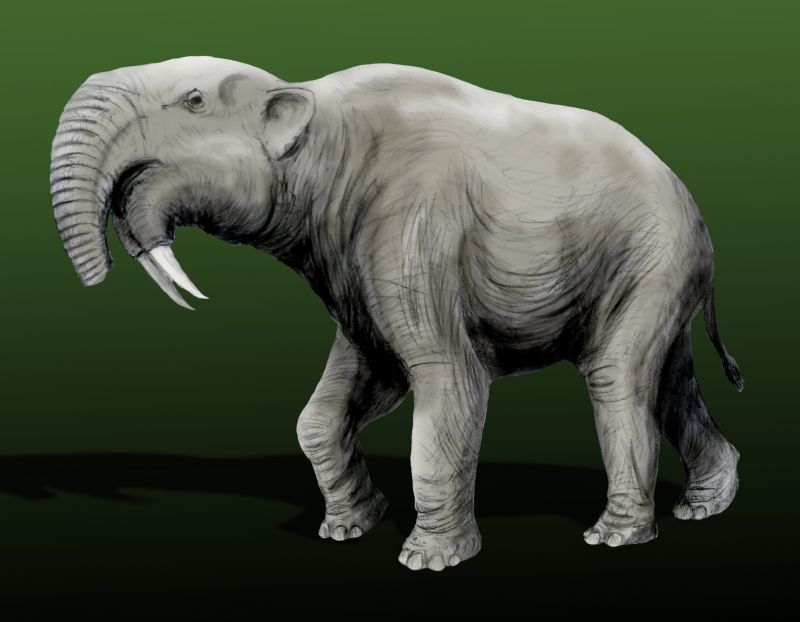
Around 20 million years ago there lived a prehistoric pachyderm named Deinotherium with twin, curved tusks curving down from the jaw. Precisely what the elephant used these tusks for isn’t clear. You can imagine teams of paleontologists staring at a skull and collectively shrugging. It genuinely defies easy interpretation.
Modern elephants use their forward-jutting tusks for digging, stripping bark, defending themselves, and fighting rivals. That logic fits neatly. Deinotherium’s downward-curving tusks, however, are positioned in a way that makes most of those tasks awkward, if not impossible. One early and fanciful idea is that Deinotherium used them to anchor itself to riverbanks while sleeping. Paleontologists may yet discover the real answer.
The riverbank anchor theory is almost certainly wrong, but it’s the kind of creative speculation you get when a fossil keeps defying obvious explanations. Other theories suggest the tusks were used to strip bark from trees differently than modern elephants do, or that they were used for dominance displays between competing males. None of these ideas has been definitively proven.
It’s hard to say for sure which function dominated, but this creature was far from a simple, overgrown modern elephant. Deinotherium was one of the largest land mammals ever to exist, and the mystery of its most distinctive feature persists, sitting there in the fossil record like a question nobody can answer cleanly.
10. Basilosaurus: The Ancient Whale That Hunted Like a Sea Serpent
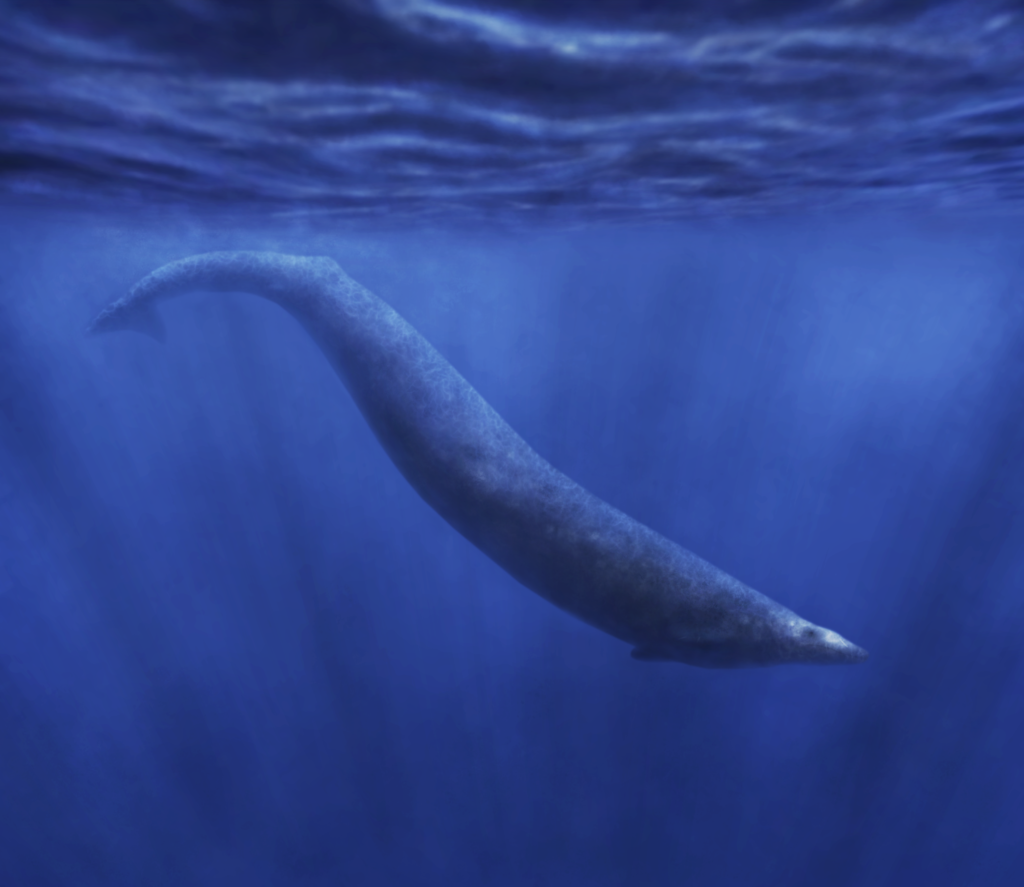
Basilosaurus was a 66-foot-long predatory carnivorous whale that went extinct about 40 million years ago. The name means “king lizard,” which makes you expect a dinosaur similar to T. rex, but wait: the Basilosaurus was actually a huge predatory whale. Even the name is misleading, a reminder that prehistoric paleontology sometimes gets it hilariously wrong the first time.
About 40 million years ago, in the late Eocene era, whale ancestors lived on land. Some genera moved to the oceans, and Basilosaurus became an apex predator that ate fish and sharks. Experts think they also took large mammals such as prehistoric elephants from the shoreline. This thing was essentially a sea serpent made real, a massive eel-shaped whale terrorizing every ecosystem it entered.
What makes Basilosaurus scientifically fascinating, beyond its staggering size, is how it bridges the gap between fully terrestrial ancestors and the streamlined whales we know today. It still had vestigial hind limb bones, remnants of the legs it no longer needed. Basilosaurus skeletons are found in America and died out around 35 to 33.9 million years ago when other prehistoric animals went extinct. Experts think there may have been significant volcanic activity, climate change, or even another meteor impact then.
The exact ecological details of how Basilosaurus hunted, raised young, and interacted with its environment remain poorly understood. Its sinuous body plan, unlike most modern whales, has led to ongoing discussion about how it actually moved through the water. It’s a fascinating snapshot of evolution caught mid-transformation, uncertain about what it wanted to be.
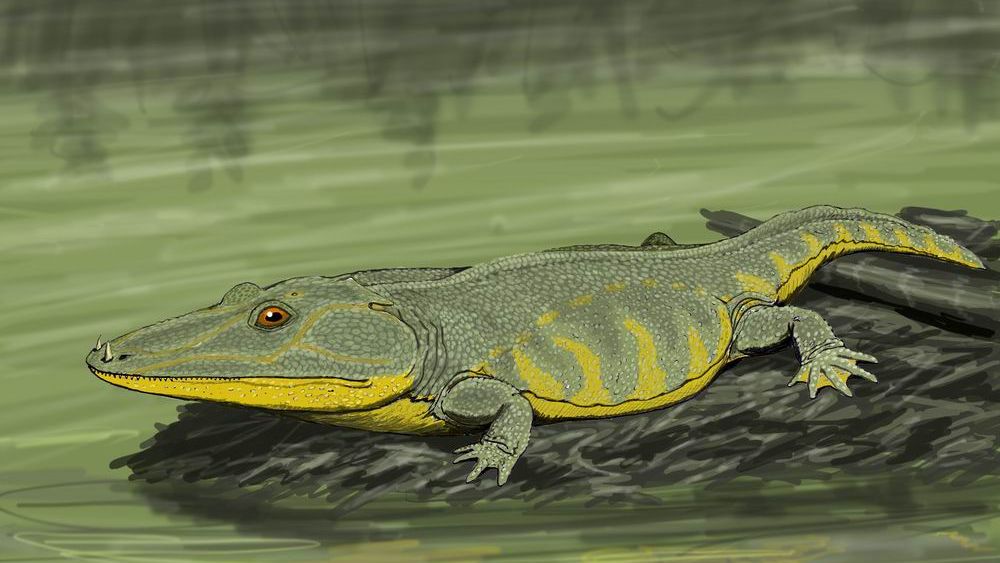
11. Tanyka Amnicola: The “Living Fossil” That Survived Millions of Years Past Its Expiration Date
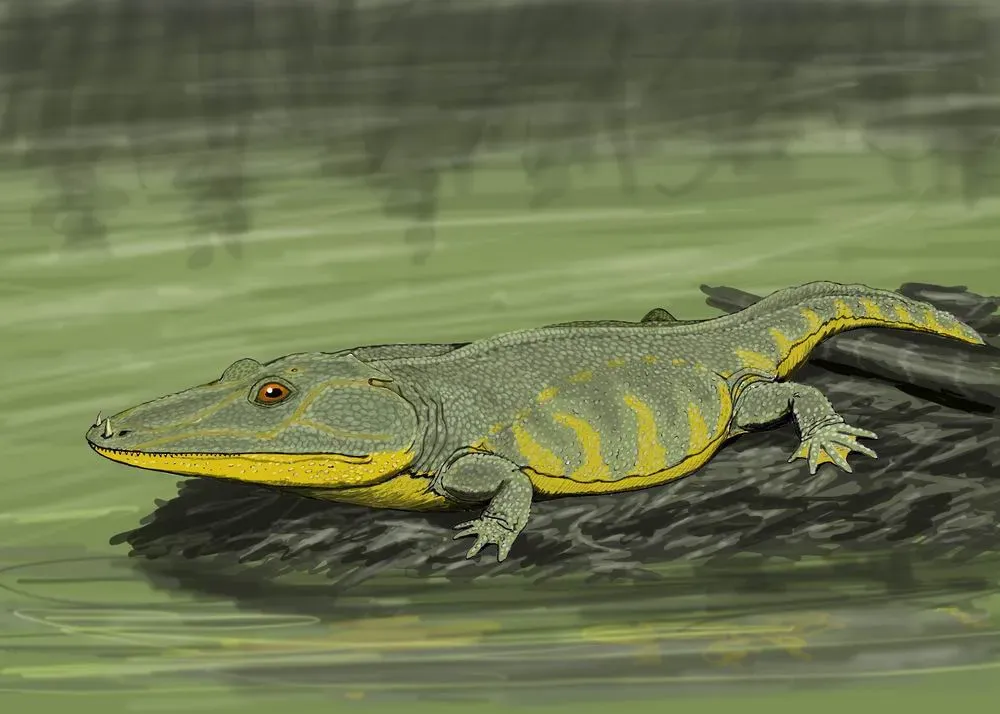
If evolution has a glitch in the matrix, Tanyka amnicola might be it. It lived about 275 million years ago, and its discovery has scientists rethinking some very confident assumptions about when certain ancient creatures disappeared from the planet. Sometimes the fossil record contains a creature that simply should not exist at the time and place it was found.
Tanyka belonged to a group called stem tetrapods, early relatives of modern four-limbed animals that eventually gave rise to the ancestors of amphibians, reptiles, birds, and mammals. Most stem tetrapods went extinct long before Tanyka lived. It was, in the truest sense of the phrase, a ghost from another era. Scientists long believed stem tetrapods largely disappeared after a major ecological event called the Carboniferous Rainforest Collapse. Creatures like Tanyka should have been gone long before it ever appeared. Yet there it was, grinding food with its twisted jaw, millions of years later than anyone expected.
One possible explanation is that species in the southern part of Pangaea may have experienced different climates than those in the north. Those conditions may have allowed them to survive after northern populations went extinct. It’s an elegant theory, though it’s still far from settled science. The idea that geography could essentially create a refuge where supposedly extinct lineages quietly kept on living is genuinely extraordinary.
The fossil record near the Amazon, and in excavation sites around the world, may hold more creatures waiting to be discovered that defy what we think we know. Tanyka is a reminder that evolution doesn’t always follow the timelines we assign to it. Sometimes life just keeps going, quietly, stubbornly, refusing to read the script scientists wrote for it.
Conclusion
What you’ve just explored is only a fraction of the prehistoric strangeness buried in the rocks beneath your feet. From a tiny spiny creature reconstructed completely backwards, to a 50-foot dinosaur whose lifestyle paleontologists are still furiously debating in 2026, the prehistoric world refuses to be neatly filed away.
The honest truth is that science is still in the early chapters of understanding ancient life. New species like Spinosaurus mirabilis are being formally published this very year, reshaping decades of assumptions in a single journal article. Every new fossil opens a question instead of closing one.
Perhaps the most exciting thought is this: the creatures that are baffling scientists today are baffling them with better tools than ever before, electron microscopes, CT scanners, robotic tail models, and chemical analysis of 500-million-year-old rock. If this is how much mystery remains with all that technology, imagine what’s still waiting to be found.
Which of these prehistoric mysteries surprised you most? Drop your thoughts in the comments below.