
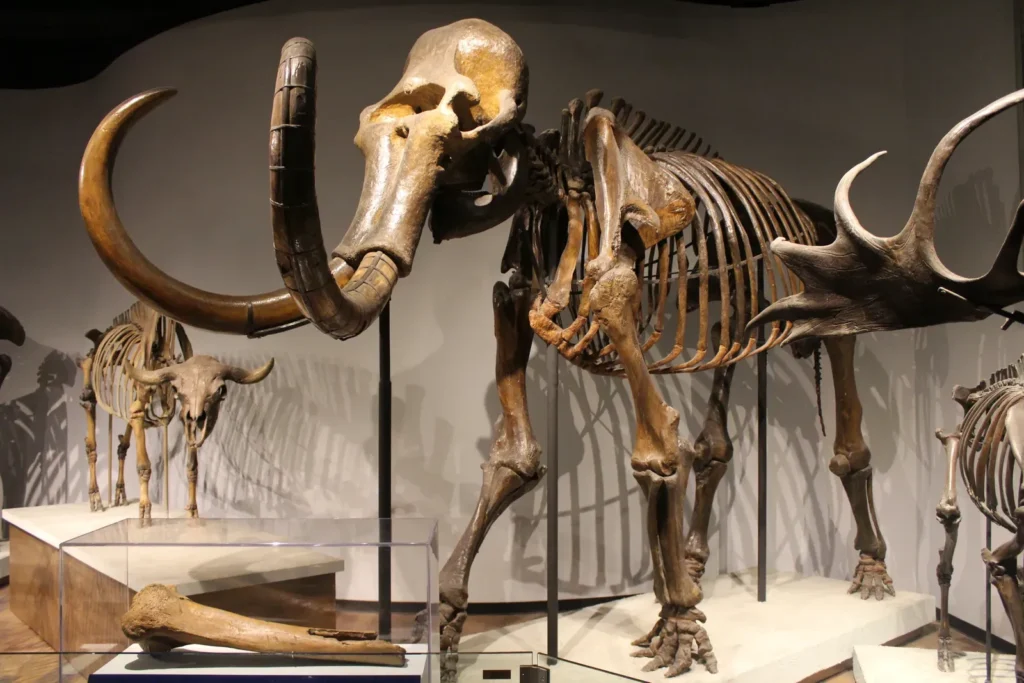
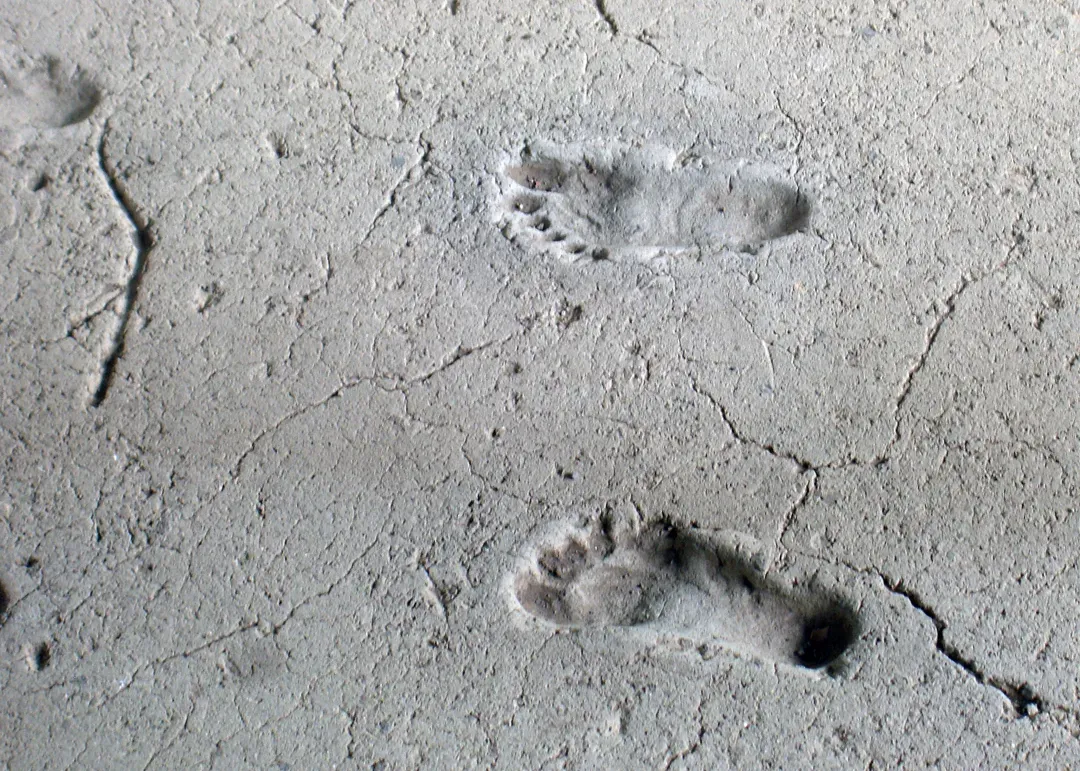
Imagine walking across a muddy lakebed in what is now New Mexico, thousands of years before any recorded history, and leaving your footprint right next to the track of a woolly mammoth. That is not a fantasy. It happened. The evidence is right there, pressed into ancient gypsum, waiting more than 20,000 years to be found. It is one of the most astonishing discoveries in the history of American archaeology, and it is turning decades of assumptions completely upside down.
For a long time, the popular story was neat and simple: humans arrived in North America roughly 13,000 years ago, and shortly afterward, the continent’s spectacular giants were gone. Case closed. Except it was not. New findings are painting a far more complex and, honestly, far more fascinating picture of a shared world where humans and megafauna occupied the same landscapes for thousands of years. So let’s dive in.
The Giants That Once Walked North America
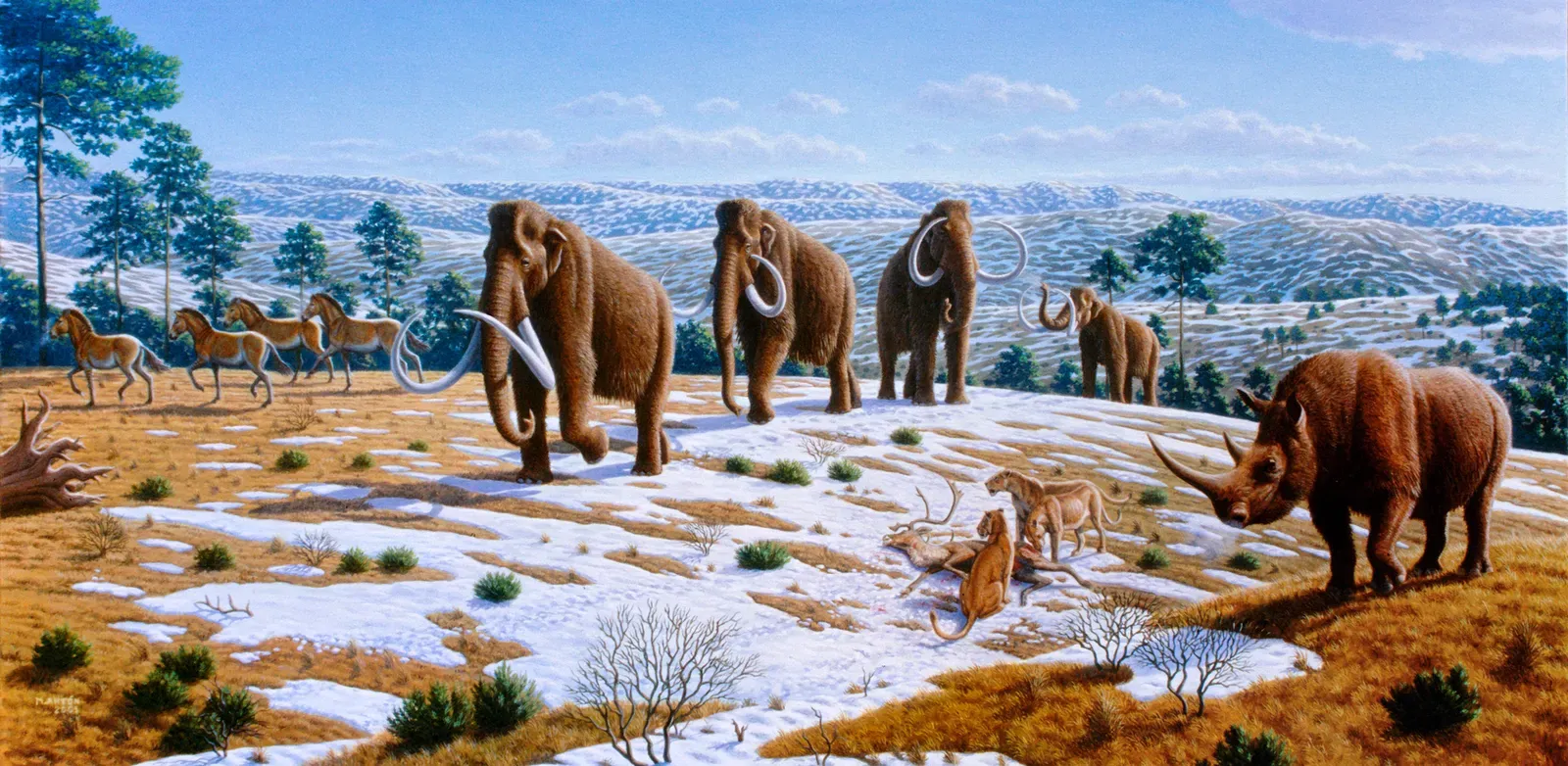
Let’s be real – if you could travel back to North America roughly 20,000 years ago, you would not recognize it. The earliest people who lived on this continent shared the landscape with enormous animals. On any given day, those hunter-gatherers might encounter a giant saber-toothed cat ready to pounce, or a group of elephant-like mammoths stripping tree branches. A herd of giant bison might stampede right past them.
As the Pleistocene came to an end in North America, 38 entire genera of mammals vanished. The majority qualify as megafauna, with body masses over roughly 45 kilograms, including several massive proboscideans like mammoth, mastodon, and gomphothere, some weighing over 4,500 kilograms. That is the weight of a small house. These were not just big animals. They were ecological architects shaping entire landscapes.
During the Late Pleistocene, roughly 72% of North America’s megafaunal species went extinct, a rate higher than nearly anywhere else on Earth, with all mammals over 1,000 kilograms eventually disappearing from the continent entirely. The scale of this loss is almost impossible to fully comprehend. North America went from a place teeming with giants to, essentially, a stripped-down shadow of its former wild self.
The White Sands Discovery That Changed Everything
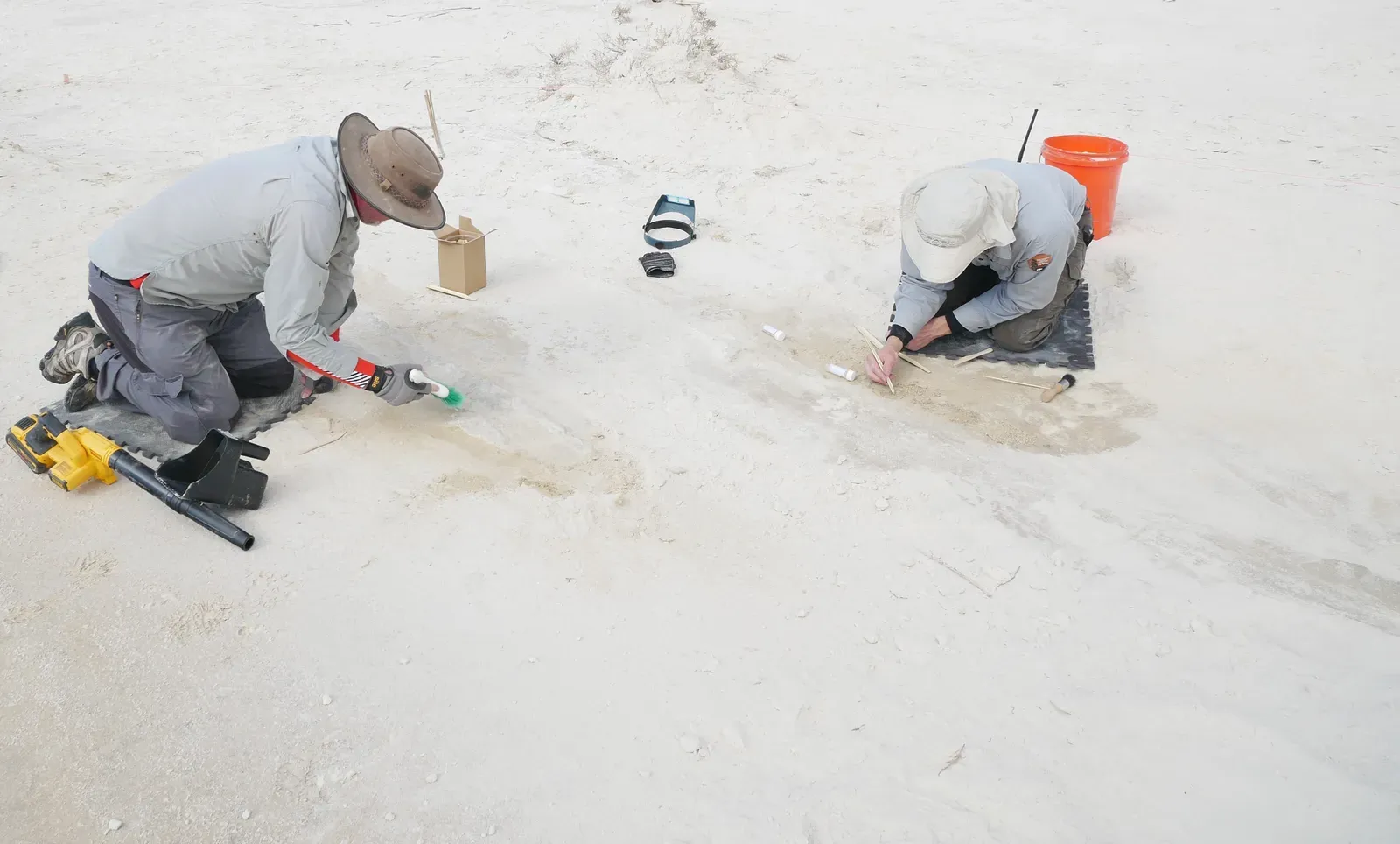
In situ fossil footprints have now shown that humans were present in North America between approximately 23,000 and 21,000 years ago during the Last Glacial Maximum, discovered at excavated surfaces in White Sands National Park in New Mexico, where multiple human footprints are stratigraphically constrained and bracketed by seed layers yielding consistent radiocarbon ages. This single discovery blew the lid off the entire debate about when humans first arrived in the Americas.
Other tracks found at White Sands include those of extinct megafauna such as Columbian mammoths and ground sloths, as well as predators like the American lion and dire wolves. The prints provide several insights into the lives of those peoples. One set of prints even appears to show human hunters tracking a giant sloth, with variations in the sloth’s tracks suggesting it stood on its hind legs and spun around, possibly in fear. I think that detail alone is extraordinary. You can almost feel the tension of that ancient moment.
These findings push back the peopling of the Americas by thousands of years and imply that early inhabitants and megafauna coexisted for several millennia before the terminal Pleistocene extinction event. A 2025 study based on radiocarbon dating of the mud in which the prints were set, performed by two independent labs, provided an estimate for the White Sands footprints site of more than 23,600 to 17,000 calibrated years before present.
The Clovis-First Theory Under Fire
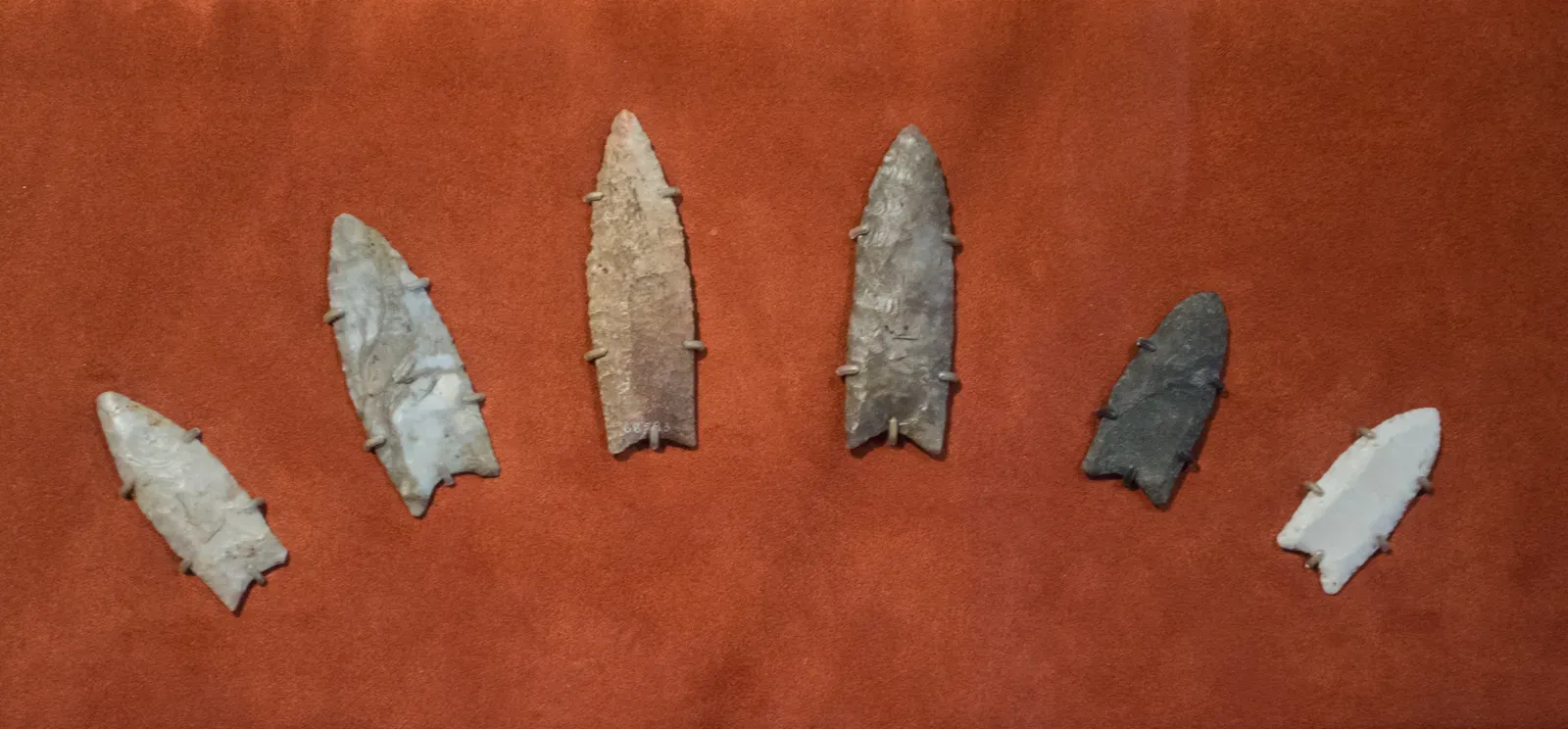
For decades, the dominant view was something called the Clovis-first theory. It held that the first Americans arrived around 13,000 years ago, identifiable by their distinctive, fluted stone spearpoints found near megafauna bones. This discovery at White Sands challenges the long-standing Clovis-first theory, which held that humans arrived on the continent around 13,000 years ago. Honestly, the field of archaeology does not like having its bedrock assumptions cracked open, and the debate has been fierce.
There is compelling evidence that humans arrived in the Americas at least roughly 1,000 years prior to Clovis times, yet despite this longer overlap between people and megafauna, there are no confirmed pre-Clovis age kill-and-scavenging sites. This is a fascinating wrinkle. Humans and megafauna were clearly present at the same time, yet the smoking-gun evidence of regular hunting remains frustratingly sparse. It raises real questions about how these two worlds actually intersected.
The most generally accepted theory is that ancient Beringians moved when sea levels were significantly lowered due to glaciation, following herds of now-extinct Pleistocene megafauna along ice-free corridors that stretched between the Laurentide and Cordilleran ice sheets. Think of it as following your food source across a land bridge. It was not conquest. It may have been survival, pure and simple.
Forensic Evidence: Blood on Ancient Stone Tools
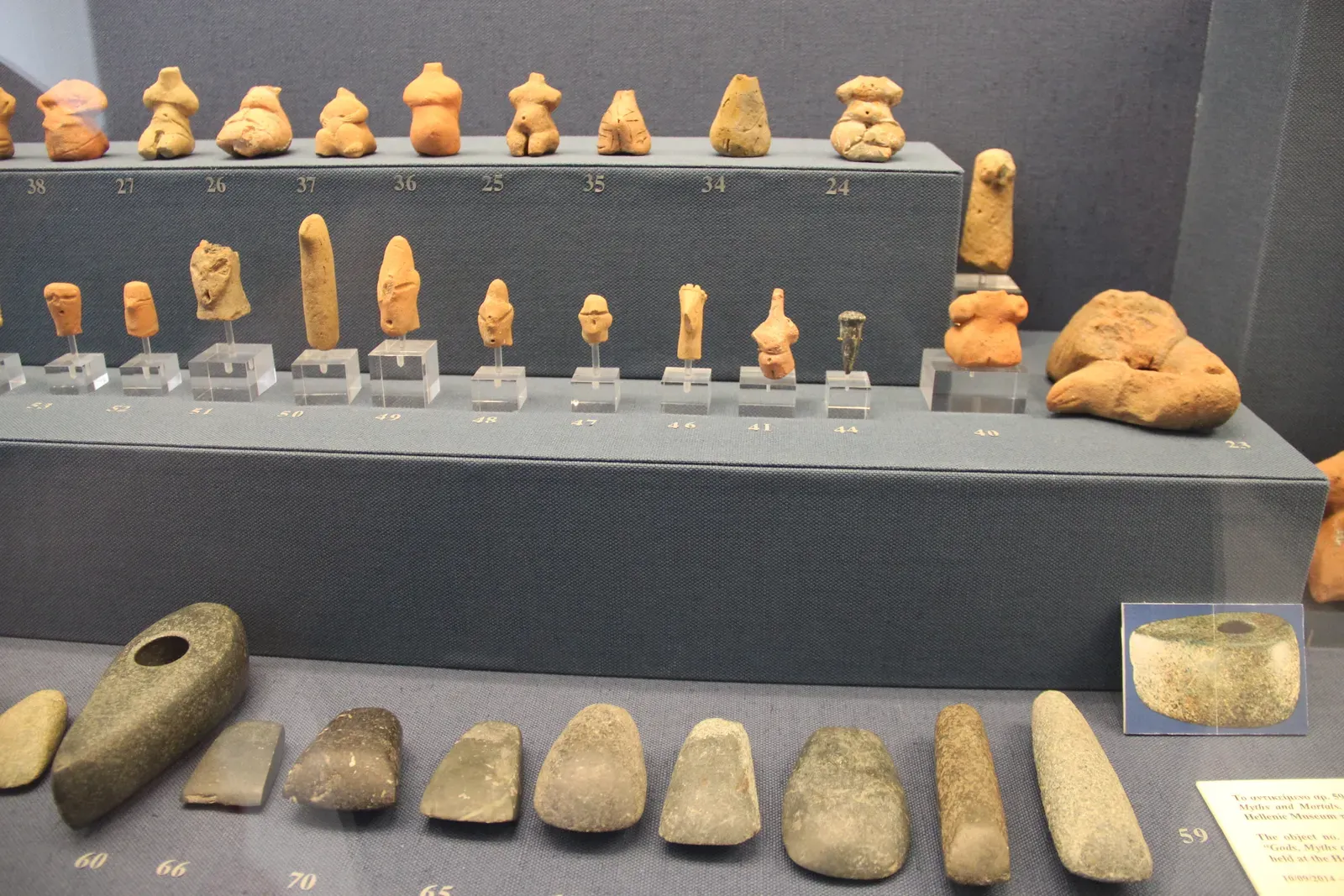
An archaeologist has explained how novel applications of forensic methods, namely blood residue analyses, have yielded evidence that Paleoindians hunted mastodons, mammoths, and other megafauna in eastern North America 13,000 years ago. This is the kind of detail that reads like a crime novel, and in a way, it is. Researchers essentially applied crime scene forensics to prehistoric stone tools to figure out what those tools had been used on.
The blood residue analysis provided unambiguous proof that the tools had contact with ancient animal blood proteins, including the first direct evidence on ancient stone tools of the blood of extinct mammoth or mastodon and the extinct North American horse on Paleo-American artifacts in eastern North America. This evidence proves that these animals were present in the Carolinas and were hunted or scavenged by early Paleo-Americans. That is a remarkable confirmation. You can debate theory all day, but ancient protein residue on a spearpoint is hard to argue with.
Archaeologists have also found traps designed for very large animals, and isotope analyses of ancient human bones and protein residues from spear points show that they hunted and ate the largest mammals. These large animals were and are particularly vulnerable to overexploitation because they have long gestation periods, produce very few offspring at a time, and take many years to reach sexual maturity. Even a modest, consistent hunting pressure on creatures that reproduce this slowly could tip the scales dramatically over centuries.
Was It Humans, Climate, or Both? The Great Debate Continues
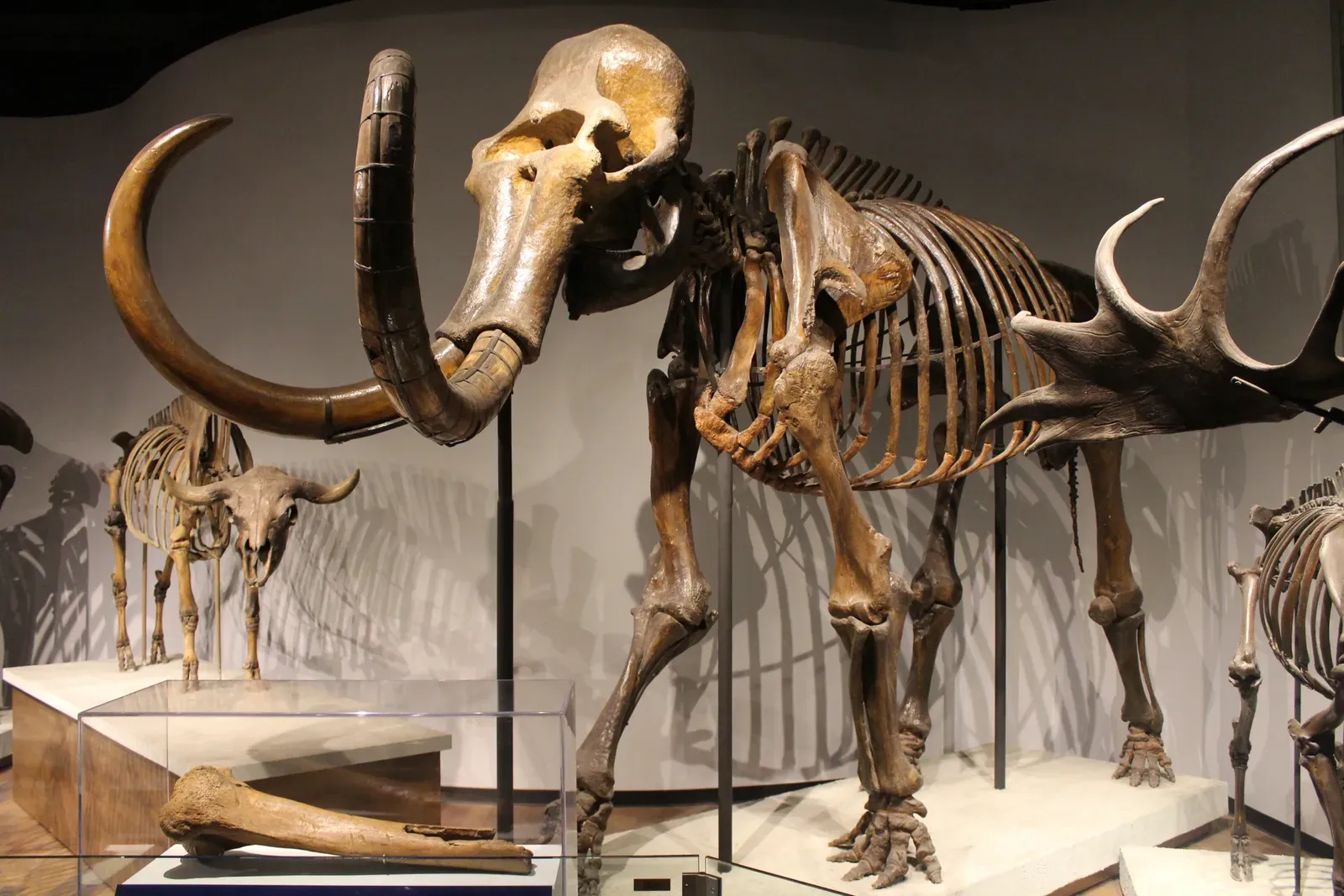
Here’s the thing: the question of what actually drove these great animals to extinction is still one of the most hotly contested issues in all of prehistory. Dozens of large mammals such as mammoth and mastodon disappeared in North America at the end of the Pleistocene, with climate change and the so-called “overkill” by human hunters being the most widely argued causes. The debate has been raging for more than half a century, and neither side has landed a decisive knockout punch.
Research results suggest that the causes for extinctions varied across different species and by region. In three cases, extinctions appear linked to hunting, while in five others they are consistent with the ecological effects of climate change, and in a final case, both hunting and climate change appear responsible. This is the kind of messy, nuanced finding that scientists love and that the general public finds frustrating. There is no single villain here. It was complicated.
A Radiocarbon-dated Event-Count modelling study found that megafaunal declines in North America correlated with climatic changes instead of human population expansion. In the North American Great Lakes region, population declines of mastodons and mammoths have been found to correlate with climatic fluctuations during the Younger Dryas rather than human activity. So depending on where you look on the map, the story changes. That alone is a remarkable finding.
What Coexistence Actually Looked Like on the Ground
(Original text: self-made), CC BY-SA 3.0)
Humans and megafauna walked across the patchwork of wet and dry ground at White Sands, leaving behind footprints and trackways that were preserved in multiple sediment layers over the course of time. Picture that scene for a moment. A small group of people, probably teenagers and children among them, moving across an ancient lakebed while mammoths and giant sloths made their own tracks nearby. Not a chase. Not a hunt. Just shared territory.
Even though humans and megafauna continued to coexist for about 1,000 years before the animals finally went extinct in northeastern North America, the animals were already on their way out, with between roughly three quarters and nearly all of the northeastern megafauna already gone before humans even came on the scene. Yet even during that millennium of overlap, there is no evidence of hunting. That timeline is sobering. It suggests coexistence was real, prolonged, and not necessarily defined by conflict.
Analyses of biomarkers and microfossils preserved in sediments from lakes in northern Alaska suggest early humans burned Beringian landscapes as early as 34,000 years ago, with the authors suggesting that fire was used as a means of hunting megafauna. Fire as a hunting strategy changes the entire picture of how humans interacted with megafauna. You do not need a spear in every carcass to leave a devastating mark on a landscape that giant herbivores depend on.
Conclusion: A Story Still Being Written
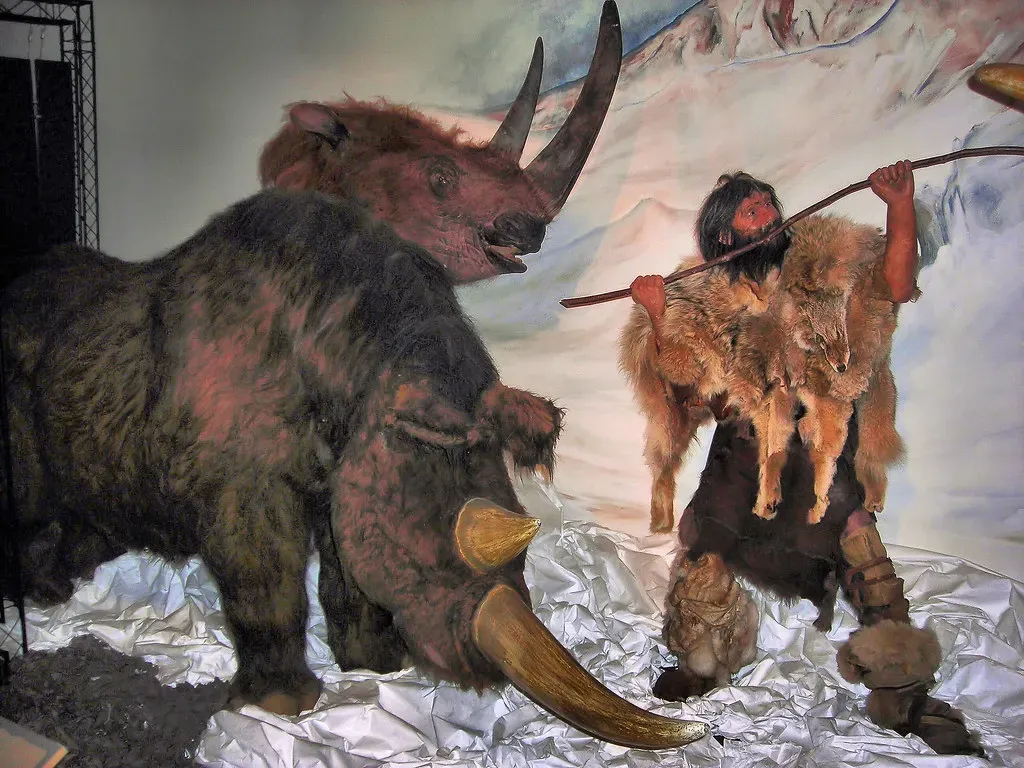
It is hard to say for sure whether we will ever fully resolve the mystery of North America’s lost giants. What we do know is that the old story, the neat and tidy one, was wrong. The findings from White Sands confirm the presence of humans in North America during the Last Glacial Maximum, providing a temporal range extension for the coexistence of early inhabitants and Pleistocene megafauna. That coexistence was real, complex, and far longer than we once believed.
A longstanding question remains: if extinctions were caused by climate changes at the end of the Pleistocene, then why did all those animals survive multiple previous glacial and interglacial transitions, only to vanish at the one transition when human hunters were on the landscape? It is a question that cuts right to the heart of the debate, and honestly, it has no clean answer yet. The footprints are there. The blood residue is there. The bones are there. What they all add up to is a story of two worlds, human and megafaunal, briefly and dramatically overlapping in deep time. We are just now learning to read what they left behind. What do you think really drove these magnificent creatures to extinction? We would love to hear your thoughts in the comments.