
Picture a world without trees, without oceans teeming with fish, without even a breath of oxygen in the air. No buzzing insects, no rustling leaves, nothing you would recognize as alive. That was Earth for the vast majority of its existence, and yet life was already here, doing something quiet, radical, and utterly bizarre beneath the surface of a boiling, volcanic planet. It did not arrive dramatically. It did not announce itself. It simply began.
The story of life’s earliest chapters on Earth is one of the most mind-bending tales in all of science, and honestly, science fiction writers would struggle to imagine it. From invisible microbes reshaping entire atmospheres, to a single ancestral organism giving rise to every living thing you have ever seen, the truth here is more astonishing than any novel could deliver. So let’s dive in.
A Planet That Should Have Been Lifeless
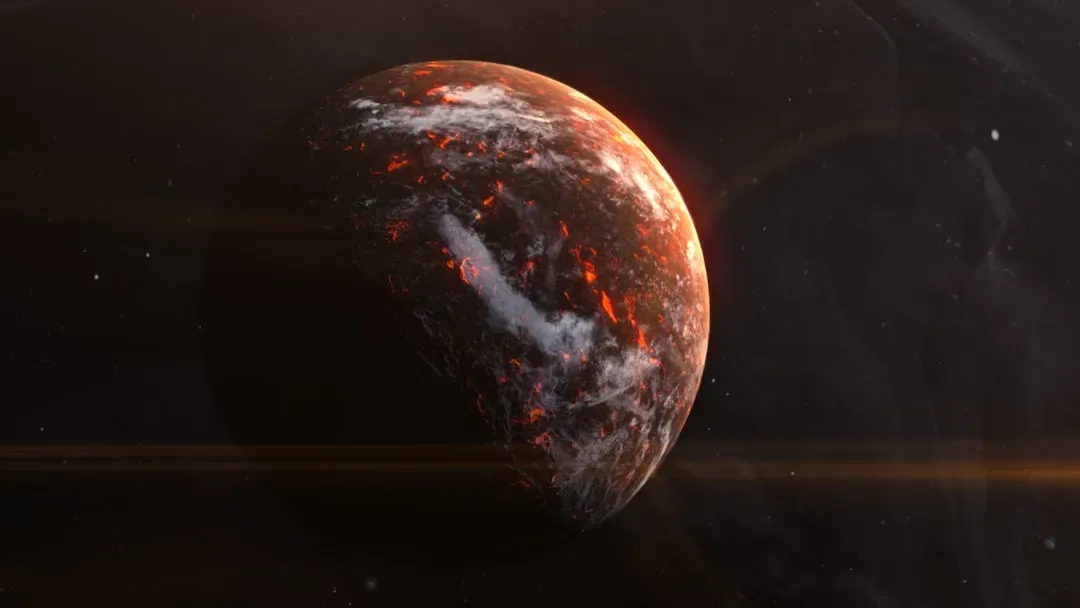
You might assume that life needs a calm, stable environment to get started. Comfortable temperatures, clean water, fresh air. Well, here’s the thing: early Earth offered almost none of that. The early days on Earth looked very different from today, extremely hot, volcanically active, and bathed in brutal ultraviolet radiation. The atmosphere was a toxic soup of methane, carbon dioxide, and volcanic gases.
When the Earth was formed around 4.5 billion years ago, it had vastly different conditions. At that time, the Earth had a reducing atmosphere, consisting of carbon dioxide, methane, and water vapor, as opposed to the present-day atmosphere that consists primarily of nitrogen and oxygen. Imagine breathing that. You wouldn’t last a second. Yet something found a way to exist in precisely those conditions, and that something became the ancestor of every living thing on Earth today.
How Far Back Does Life Actually Go?
The origin of life on Earth was at least 3.5 billion years ago, possibly as early as 3.8 to 4.1 billion years ago. That number is so enormous it barely fits in your brain. To put it into perspective, if the entire history of Earth were compressed into a single calendar year, complex animal life would not show up until roughly mid-November. Humans would appear in the last few minutes of December 31st.
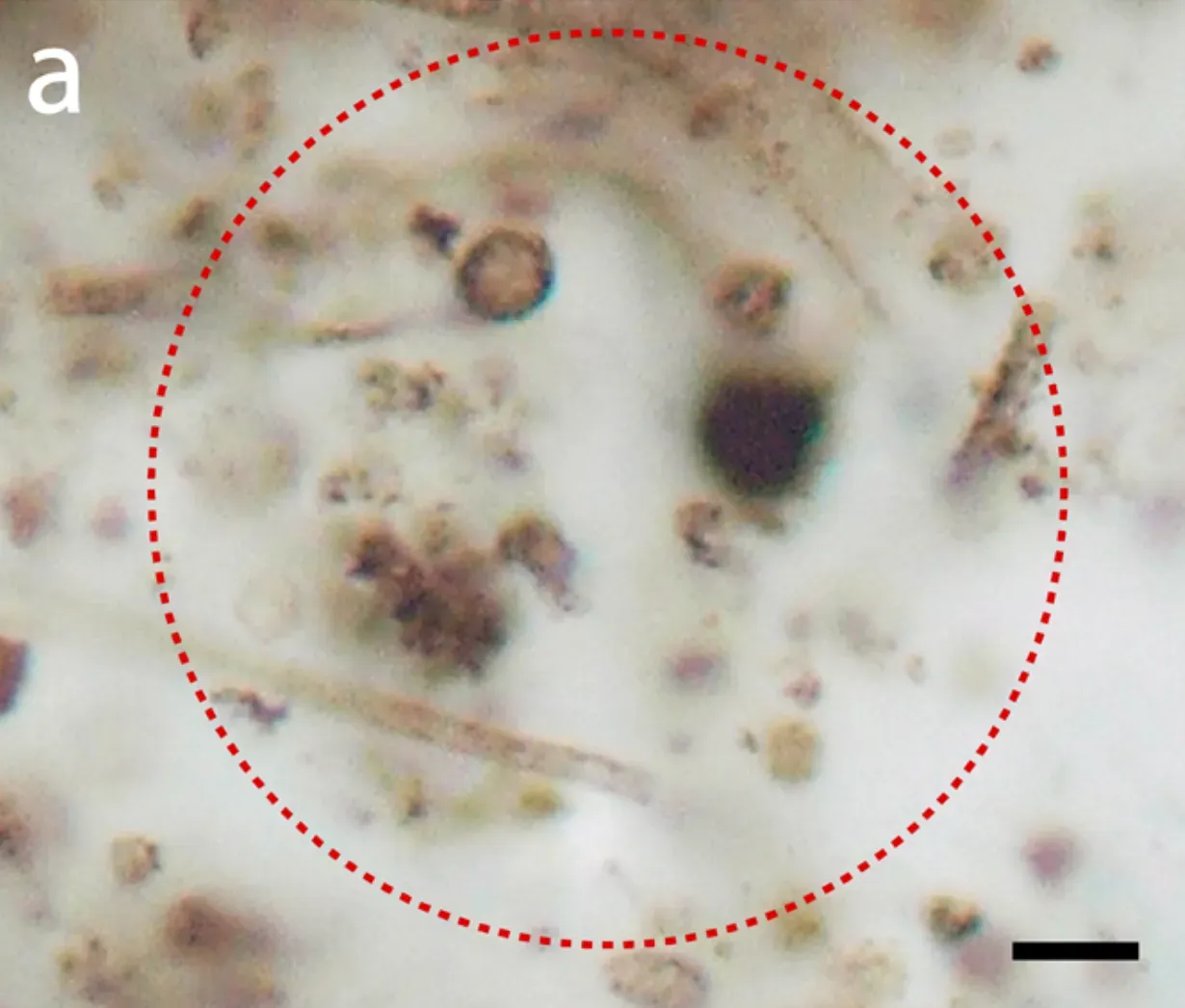
There is further evidence of possibly the oldest forms of life in the form of fossilized microorganisms in hydrothermal vent precipitates from the Nuvvuagittuq Belt, that may have lived as early as 4.28 billion years ago, not long after the oceans formed 4.4 billion years ago. That is an almost shockingly short gap between Earth having oceans and Earth having life, suggesting that, given the right chemistry, life may be almost inevitable.
The First Detectable Signs: Carbon Whispers in Ancient Rock
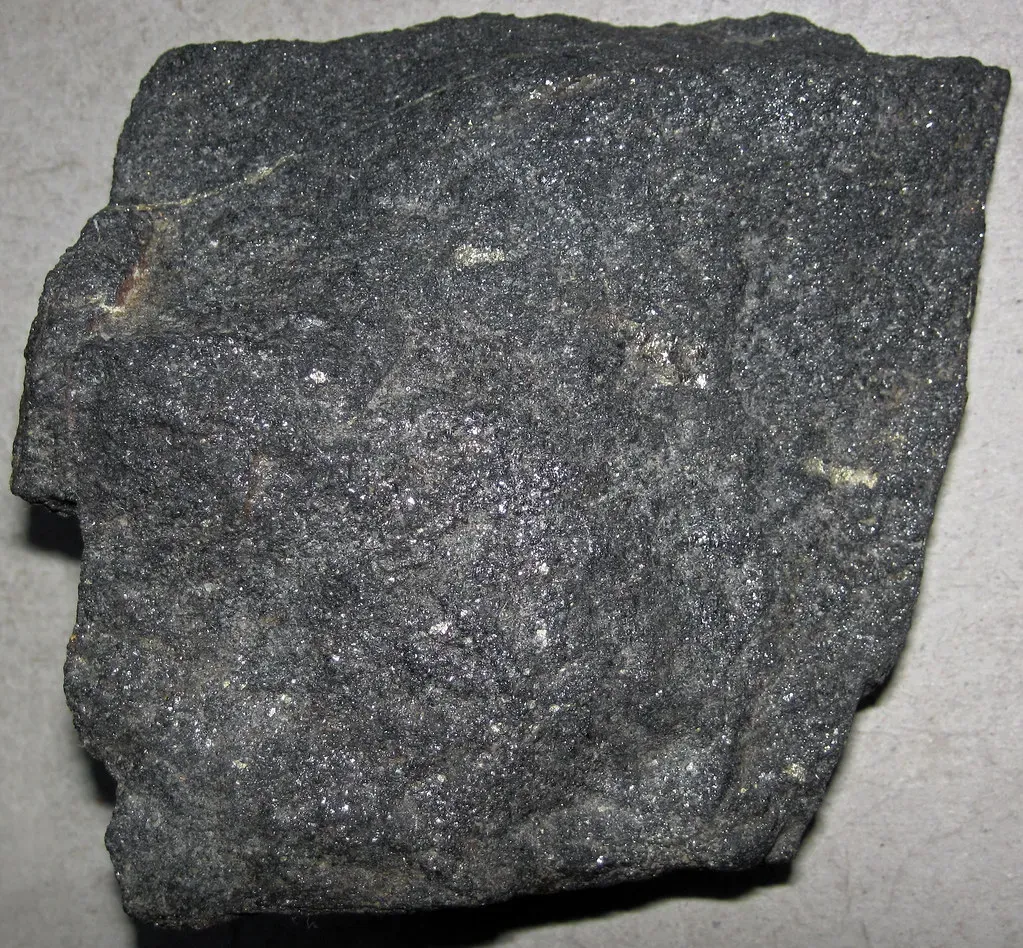
The earliest life forms we know of were microscopic organisms that left signals of their presence in rocks about 3.7 billion years old. The signals consisted of a type of carbon molecule that is produced by living things. Think about how remarkable that is. We are reading the chemical fingerprint of microbes that lived before the continents had fully formed. That is not finding a needle in a haystack; that is finding a whisper from nearly four billion years in the past.
The earliest known life forms on Earth may be as old as 4.1 billion years according to biologically fractionated graphite inside a single zircon grain in the Jack Hills range of Australia. The earliest evidence of life found in a stratigraphic unit, not just a single mineral grain, is the 3.7 billion year old metasedimentary rocks containing graphite from the Isua Supracrustal Belt in Greenland. Researchers are genuinely piecing together a 4-billion-year-old crime scene, and every crumb of evidence carries enormous weight.
Stromatolites: The Original Architects of Earth
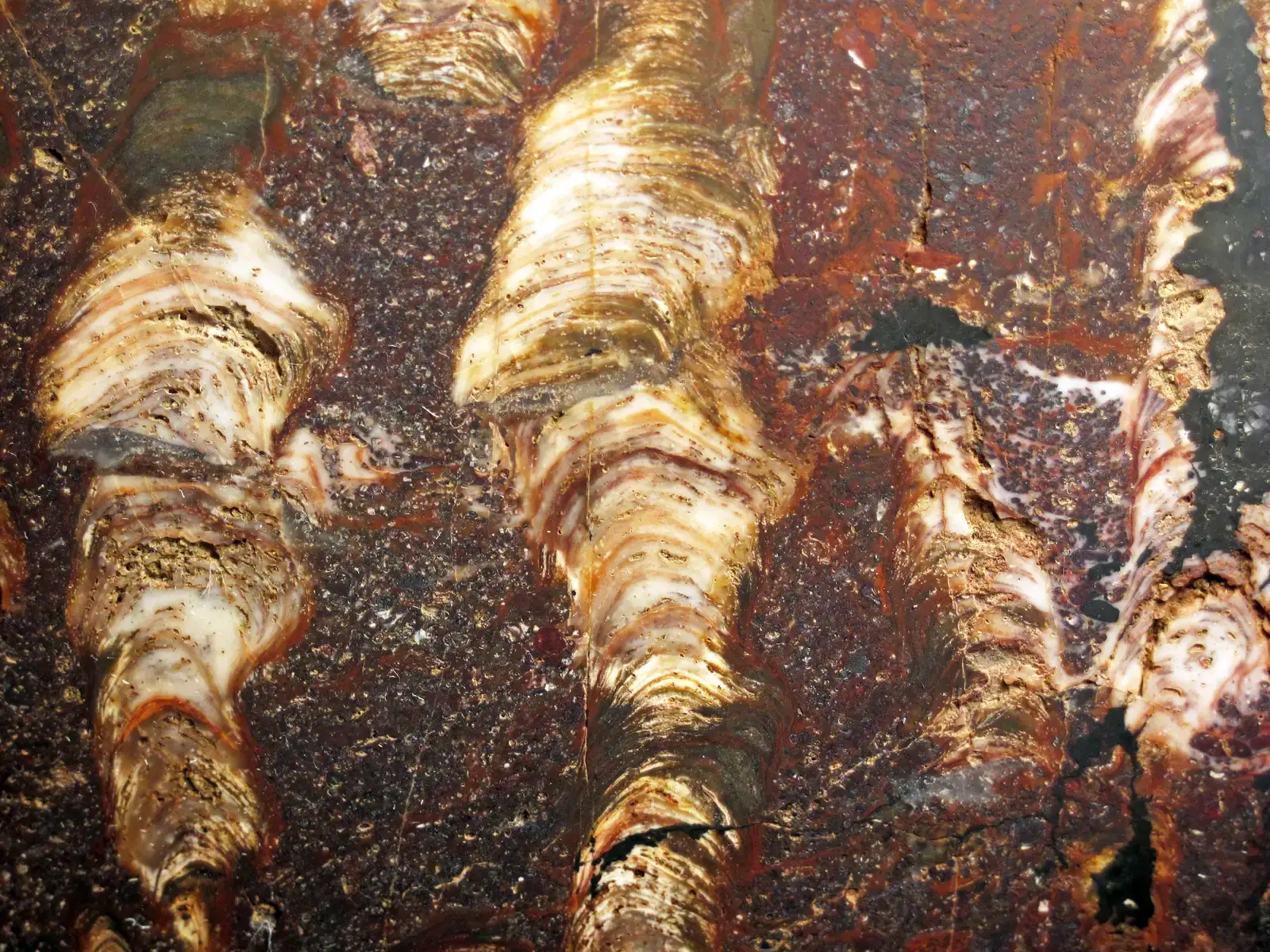
Stromatolites are ancient, layered rock formations that serve as some of the earliest evidence of life on Earth, dating back approximately 3.5 billion years. If you have never heard of stromatolites before, do not worry, most people haven’t. They look like lumpy, unremarkable mounds of layered rock. Nothing about them screams “revolutionary life form.” Yet they were exactly that.
Long before Earth had an oxygen-rich atmosphere or clear, modern oceans, life was already altering the planet in profound ways. The agents of that change were not plants or animals, but vast microbial communities living in shallow seas. These organisms were microscopic, yet their collective activity left behind some of the largest and most important biological structures ever preserved in rock: stromatolites. Stromatolites are the oldest fossils on Earth, dating back to more than three billion years ago. They were the dominant life form on Earth for over two billion years and are thought to be primarily responsible for the oxygenation of the atmosphere. That is a reign longer than anything else in the history of life.
Meet LUCA: The Ancestor You Share With Every Living Thing
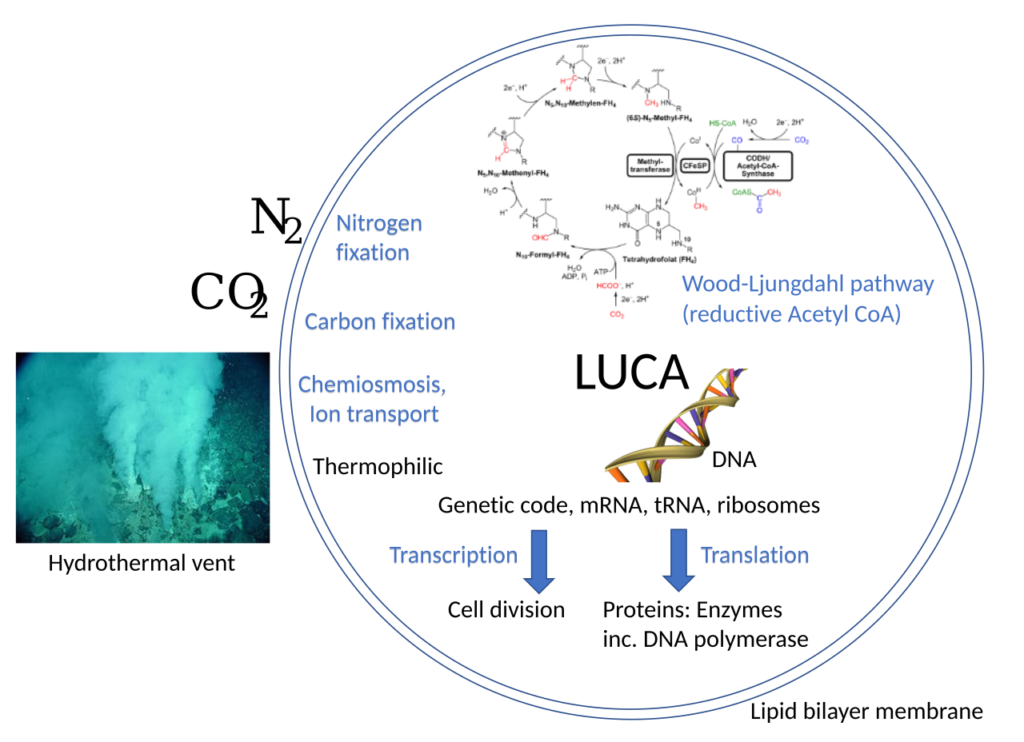
Here is a fact that should genuinely stop you in your tracks. Every organism alive today, from the mushroom in your kitchen to the blue whale in the ocean, traces its ancestry back to a single common origin. The last universal common ancestor, known as LUCA, is the hypothesized latest common ancestral cell population from which all subsequent life forms descend, including Bacteria, Archaea, and Eukarya. You are, in a very real sense, a distant relative of every bacterium, every tree, every shark.
Integration of phylogenetics, comparative genomics and palaeobiological approaches suggests that the last universal common ancestor lived about 4.2 billion years ago and was a complex prokaryote-grade anaerobic acetogen that was part of an ecosystem. Even more surprising, there is evidence that LUCA could have lived a somewhat alien lifestyle, hidden away deep underground in iron-sulfur rich hydrothermal vents. Anaerobic and autotrophic, it did not breathe air and made its own food from the dark, metal-rich environment around it. That is our great-great-great ancestor, trillions of generations removed, lurking near an underwater volcano.
The Oxygen Catastrophe: When Life Almost Killed Itself
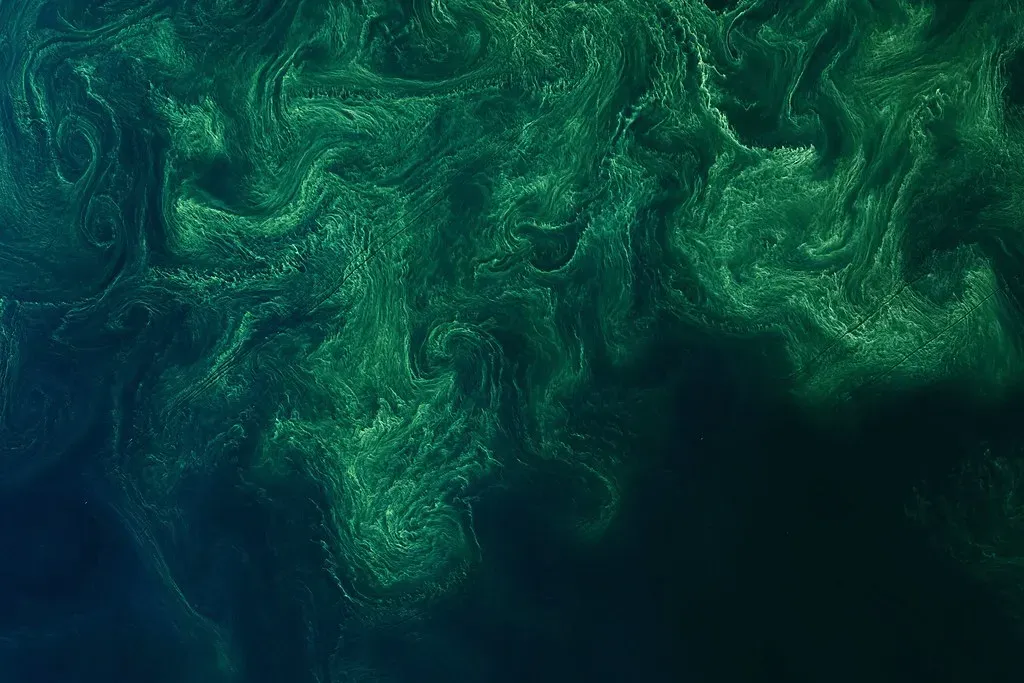
I think this is the most underrated story in all of natural history. Around 2.4 billion years ago, a group of microbes accidentally committed the largest act of atmospheric pollution Earth has ever seen, and that “pollution” is the oxygen you are breathing right now. The Great Oxygenation Event is inferred to have been caused by cyanobacteria, which evolved chlorophyll-based photosynthesis that releases dioxygen as a byproduct of water photolysis.
Since life was totally anaerobic 2.7 billion years ago when cyanobacteria evolved, it is believed that oxygen acted as a poison and wiped out much of anaerobic life, creating an extinction event. For organisms that had thrived in an oxygen-free world, this was an apocalypse. Cyanobacteria raised the oxygen levels in the atmosphere from about one percent to twenty percent, effectively terraforming the Earth and making it habitable for their descendants. Their descendants, of course, include you.
The Rise of Complex Cells: A Merger That Changed Everything
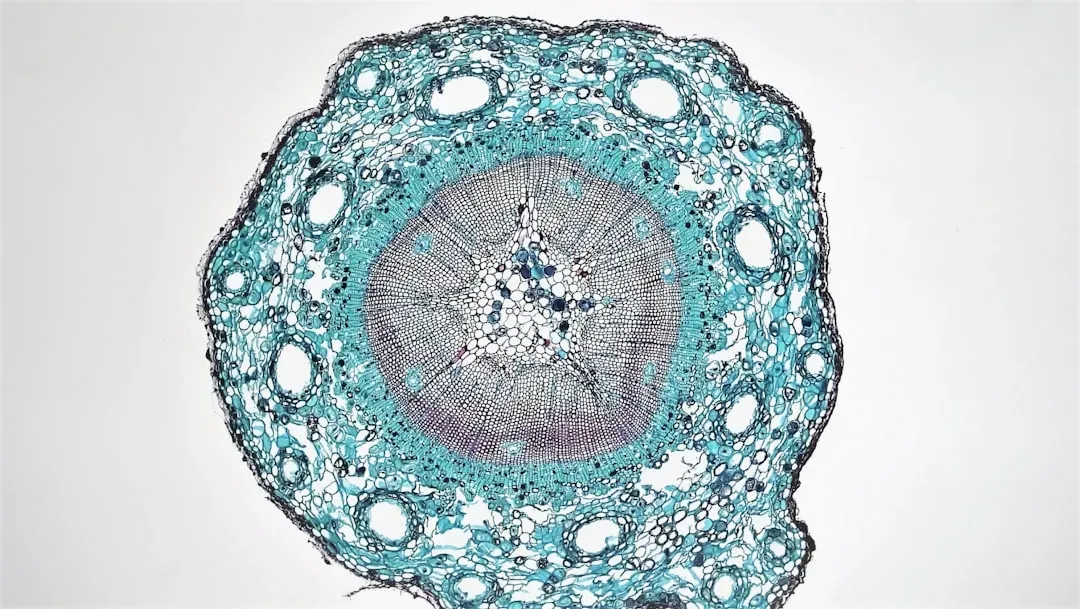
The earliest evidence of eukaryotes, complex cells with organelles, dates from 1.85 billion years ago, likely due to symbiogenesis between anaerobic archaea and aerobic proteobacteria in co-adaptation against the new oxidative stress. Here’s the thing: the cell that makes up your body right now is not a simple, humble unit of life. It is the product of one of the most dramatic biological mergers in Earth’s history. Think of it as a corporate takeover, except both companies ended up thriving.
One theory is that eukaryotic cells evolved via a symbiotic relationship between two independent prokaryotic bacteria. A single bacterium was engulfed by another one, and the smaller cell continued to exist inside the other, which was beneficial to both. They evolved to become the more advanced eukaryotic cell, with its membrane-enclosed nucleus. Findings suggest that eukaryotes, the domain of life comprising animals, plants, and protists, were present on Earth as early as 2.33 billion years ago, right around the time when oxygen became a permanent fixture in the atmosphere.
Strange Creatures of the Ediacaran: Nature’s Experimental Phase
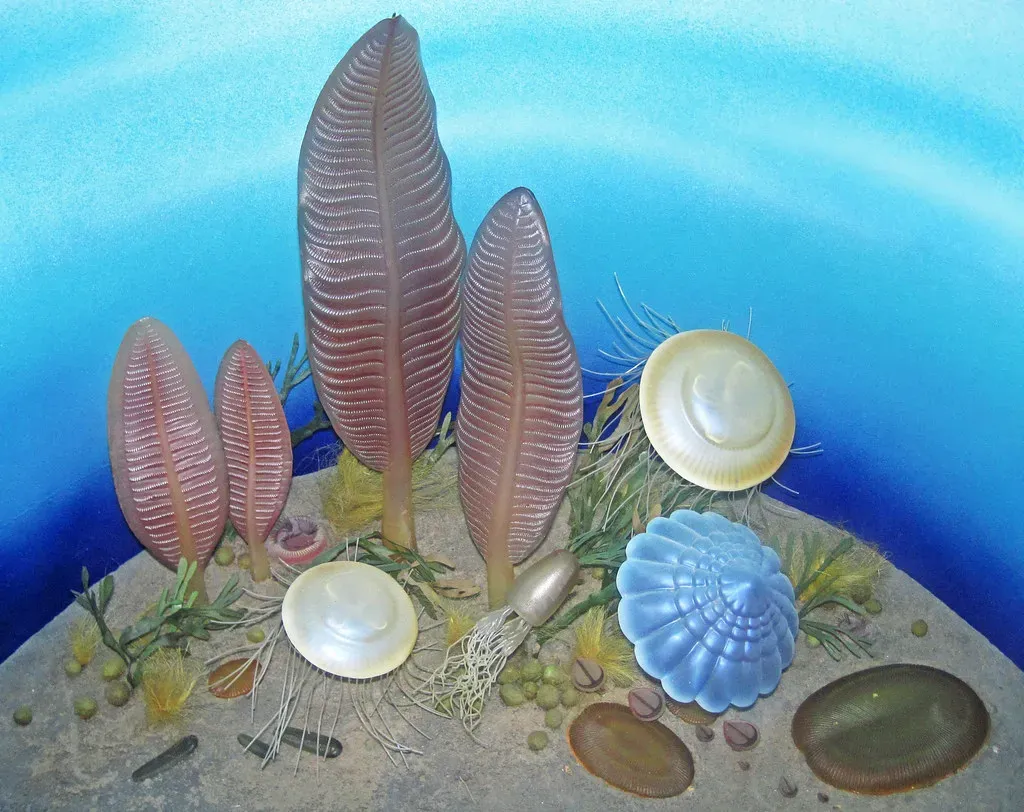
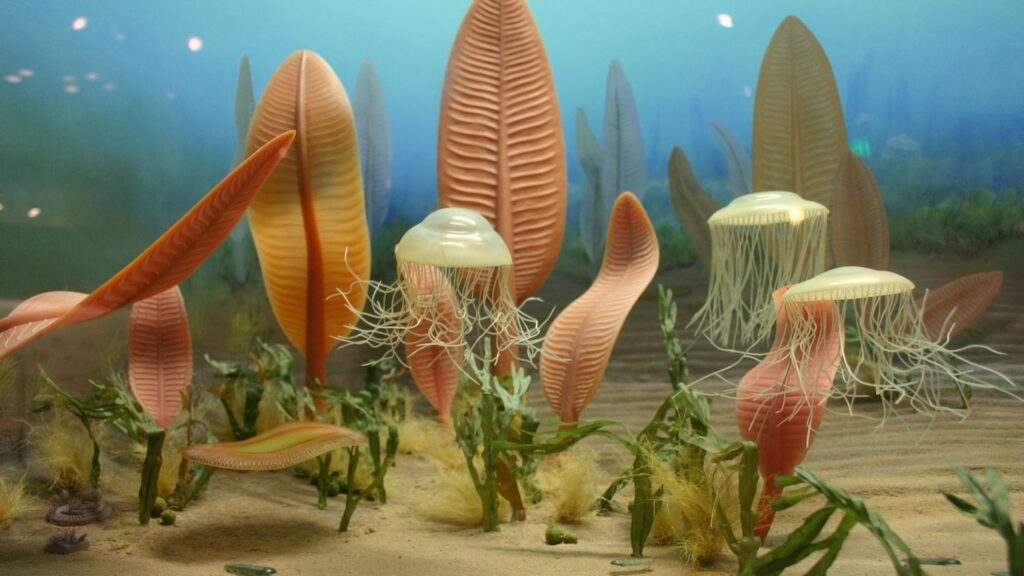
Before the Cambrian Explosion brought us the ancestors of recognizable animals, Earth went through what scientists sometimes call an experimental phase. By about 580 million years ago during the Ediacaran Period, there was a proliferation of organisms in addition to sponges. These varied seafloor creatures, with bodies shaped like fronds, ribbons, and even quilts, lived alongside sponges for eighty million years. They looked like living tapestries and coral-patterned rugs scattered across the seafloor.
For more than three billion years, the Earth harbored only single-celled organisms. At some point, multicellular life appeared, in the form of jellyfish, worms, and sponges. These early animals, being soft-bodied, left few fossil traces. It is humbling to realize that the vast majority of life’s history on this planet was played out by creatures invisible to the naked eye, and that even the ones we can see in fossils are often just shadowy impressions of beings stranger than anything we have words for.
Conclusion
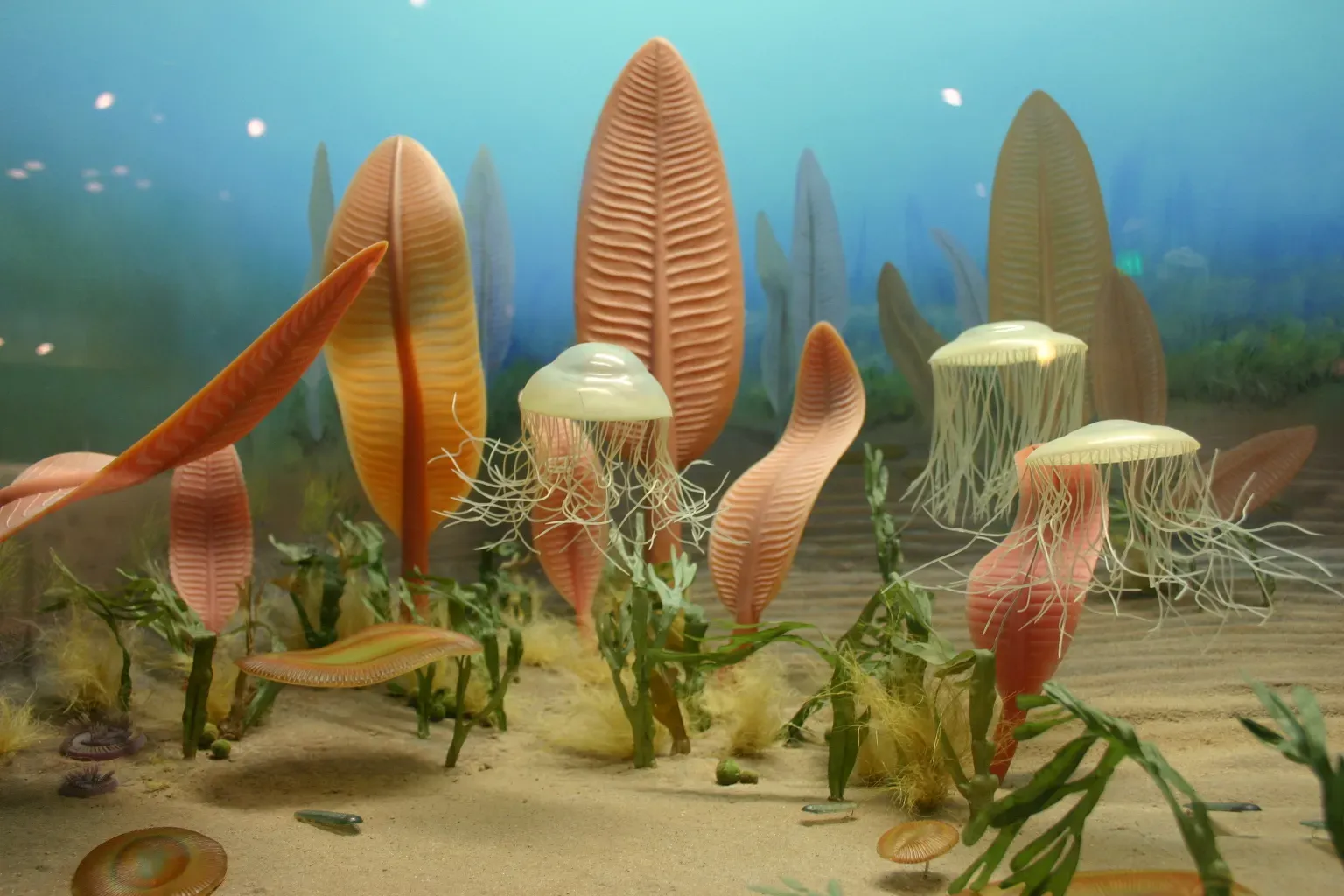
Uploaded by FunkMonk, CC BY-SA 2.0)
The history of early life on Earth is not just a scientific curiosity. It is the origin story of every living thing, including you. From invisible microbes in superheated ocean vents, to single-celled pioneers that accidentally flooded the atmosphere with oxygen, to mysterious Ediacaran creatures that look like nothing alive today, the earliest chapters of life on this planet were wild, improbable, and genuinely extraordinary.
What strikes me most is not how alien these ancient life forms were, but how connected they still are to us. The same basic biochemical machinery, the same genetic code, the same relentless drive to survive and replicate runs like a thread through four billion years of evolution. You carry ancient chemical echoes of those first desperate microbes inside every cell of your body. The strangest part? The currently living species represent less than one percent of all species that have ever lived on Earth. The full, wild story of life’s earliest forms may never be completely told. What would you have guessed came first?