
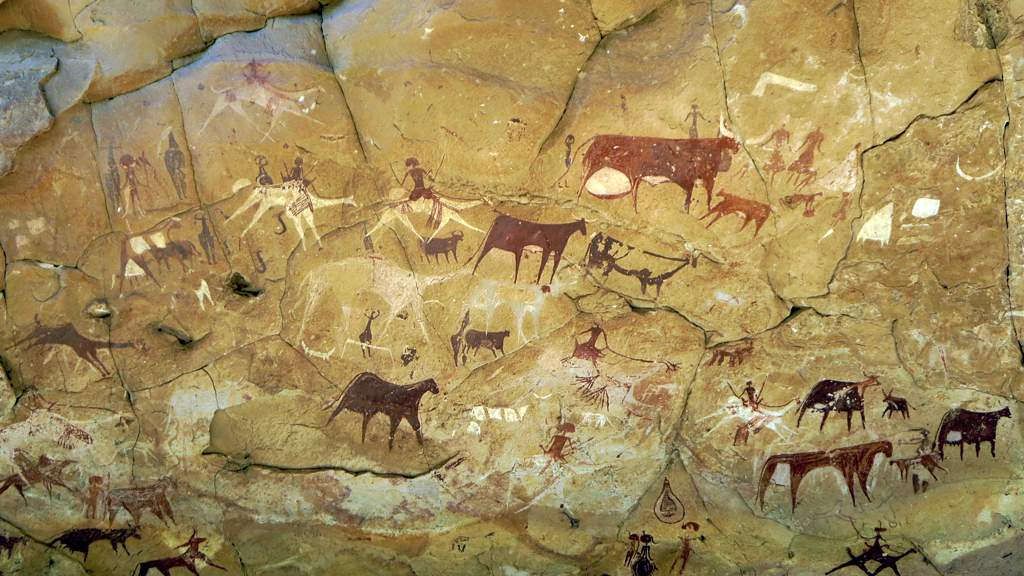
Imagine standing inside a limestone cave, torch flickering in your hand, staring up at a wall covered in vivid animals, human hands, and strange figures that haven’t been seen by human eyes for tens of thousands of years. That is the electric feeling archaeologists experience when a new discovery is made. It is the feeling of reaching through time itself.
Cave paintings are not simply pretty pictures on stone. They are the oldest surviving voice of our species, a direct transmission from minds that were, in many ways, just like yours and mine. Every newly discovered site pushes back the timeline of human creativity, and every brushstroke preserved across millennia forces us to rethink what it truly means to be human. Let’s dive in.
The World’s Oldest Known Art: A Stunning New Record
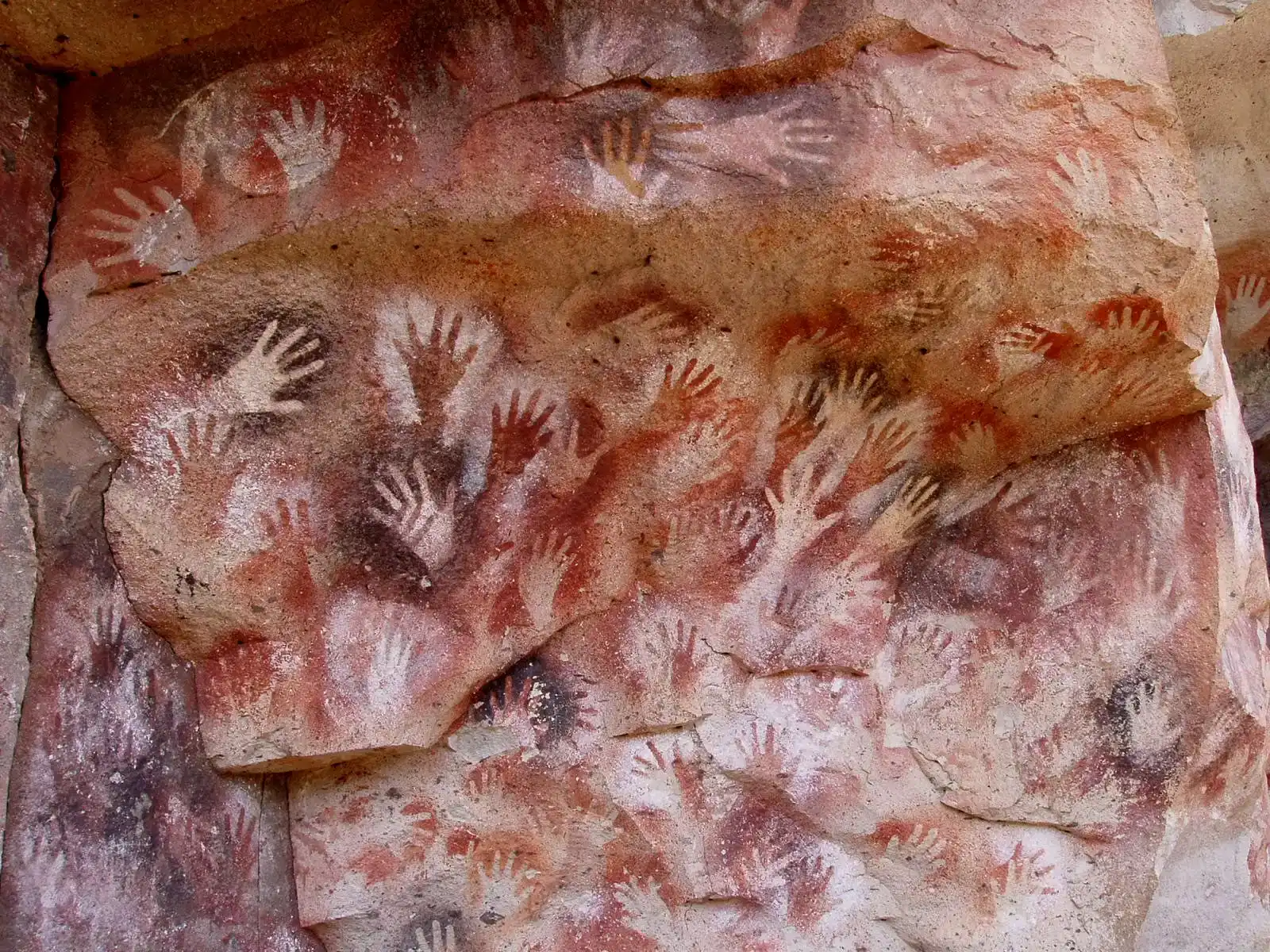
You might be surprised to learn that our understanding of the world’s oldest cave art has been completely rewritten, not once but twice in just the past two years. In January 2026, a hand stencil was discovered on Muna Island in Indonesia, dated to be at least 67,800 years old, making it the oldest known cave painting in the world. That number is almost impossible to wrap your head around. To put it in perspective, the Roman Empire was only around roughly 1,000 years ago. This painting predates that by more than sixty-six millennia.
This negative hand is at least 16,000 years older than previous prehistoric artworks found on the same island, and about 30,000 years older than the paintings of Chauvet Cave in France. The discovery shattered previous assumptions about where, and when, art first emerged. The cave art provides new evidence supporting the theory that there was early human migration through Sulawesi. Honestly, it is hard not to feel a little awestruck by that connection between a handprint and a migration route mapped by modern science.
How Scientists Actually Date These Paintings
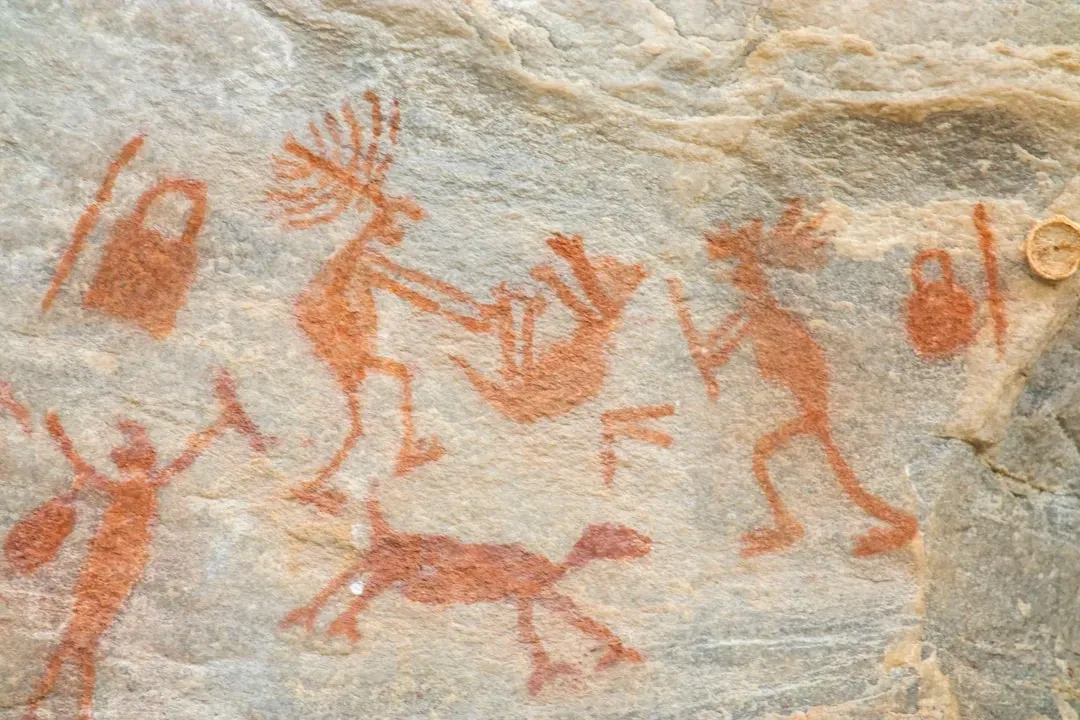
You might wonder how researchers even know a painting is 67,000 or 51,000 years old. It is not like there’s a label attached. Researchers determined the minimum age of paintings by analysing small amounts of the element uranium in mineral layers that gradually formed atop the pigment. This is a bit like reading the age of a tree by its rings, only far more precise and far more mind-bending in scale.
The breakthrough in dating cave art came from the use of the LA-U-series dating method, co-developed by Professor Maxime Aubert of Griffith University and Professor Renaud Joannes-Boyau of Southern Cross University, which involves vaporizing minute samples of calcium carbonate with a laser to measure the ratio of thorium to uranium. Previously, scientists relied heavily on radiocarbon dating, but that came with serious problems. The age of the paintings had been a contentious issue, since methods like radiocarbon dating can produce misleading results if contaminated by other samples. The laser technique changed everything, revealing dates that left even experienced archaeologists speechless.
The World’s Oldest Narrative Art: When Humans First Told Stories
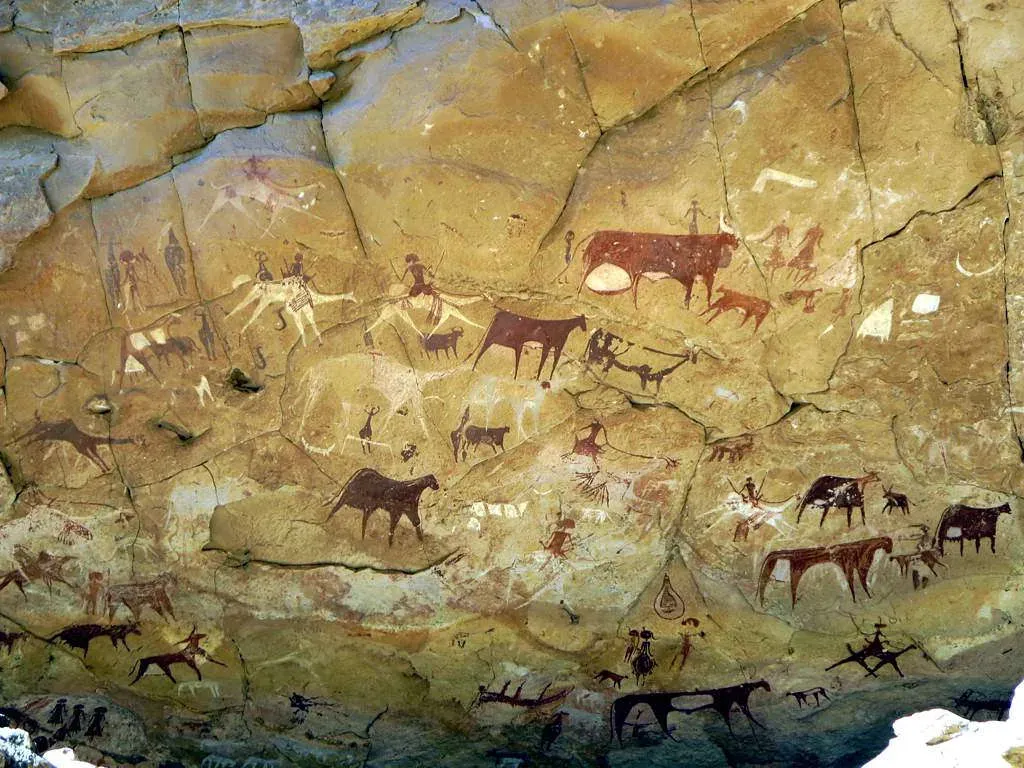
Here is the thing about cave art that really gets under your skin. It is not just decoration. Some of it is storytelling. Findings published in the journal Nature suggest that humans have been using art to tell stories for much longer than previously believed, with artwork found in the limestone cave of Leang Karampuang in the Maros-Pangkep region of South Sulawesi, initially dated at 43,900 years old, now revealed to be at least 51,200 years old. Think about that. This is a scene with characters and interaction, painted by a human being over 51,000 years ago.
The painting shows three human-like figures, known as therianthropes, interacting with a wild pig. Therianthropes, which are part-human, part-animal figures, are significant because they suggest an ability to imagine supernatural beings, a trait not observed in other archaic species. This is not just art. This is mythology, imagination, and perhaps even religion. Before this discovery, the oldest narrative art was thought to have originated in Europe, but this is much older than its European counterparts. The entire Eurocentric story of human creativity needed to be rewritten.
The Pigments and Tools of Prehistoric Artists
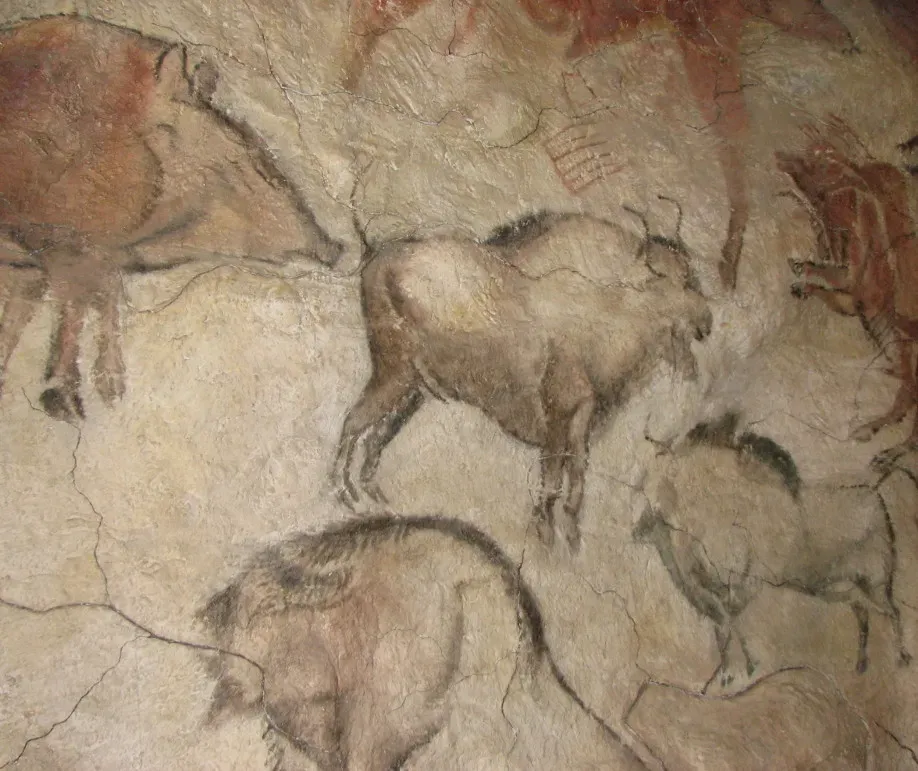
You might picture a prehistoric artist as someone scrabbling in the dirt with a stick, but the reality was far more sophisticated. The predominant colours used in cave art are black (often from charcoal, soot, or manganese oxide), yellow ochre (often from limonite), red ochre (haematite, or baked limonite), and white (kaolin clay, burnt shells, calcite, powdered gypsum, or powdered calcium carbonate). These artists understood their materials deeply, selecting pigments that would survive the centuries.
The pigment was made into a paste with various binders, including water, vegetable juices, urine, animal fat, bone marrow, blood, and albumen. That sounds like a pretty complex recipe to me. Cave artists went to great effort to source their pigments and dyes, travelling 40 kilometres or more to obtain supplies. When you consider how difficult and dangerous travel must have been tens of thousands of years ago, that level of dedication to art is genuinely startling. It suggests that painting was not a casual hobby. It was something that mattered, deeply.
What Cave Paintings Reveal About Prehistoric Beliefs and Ritual
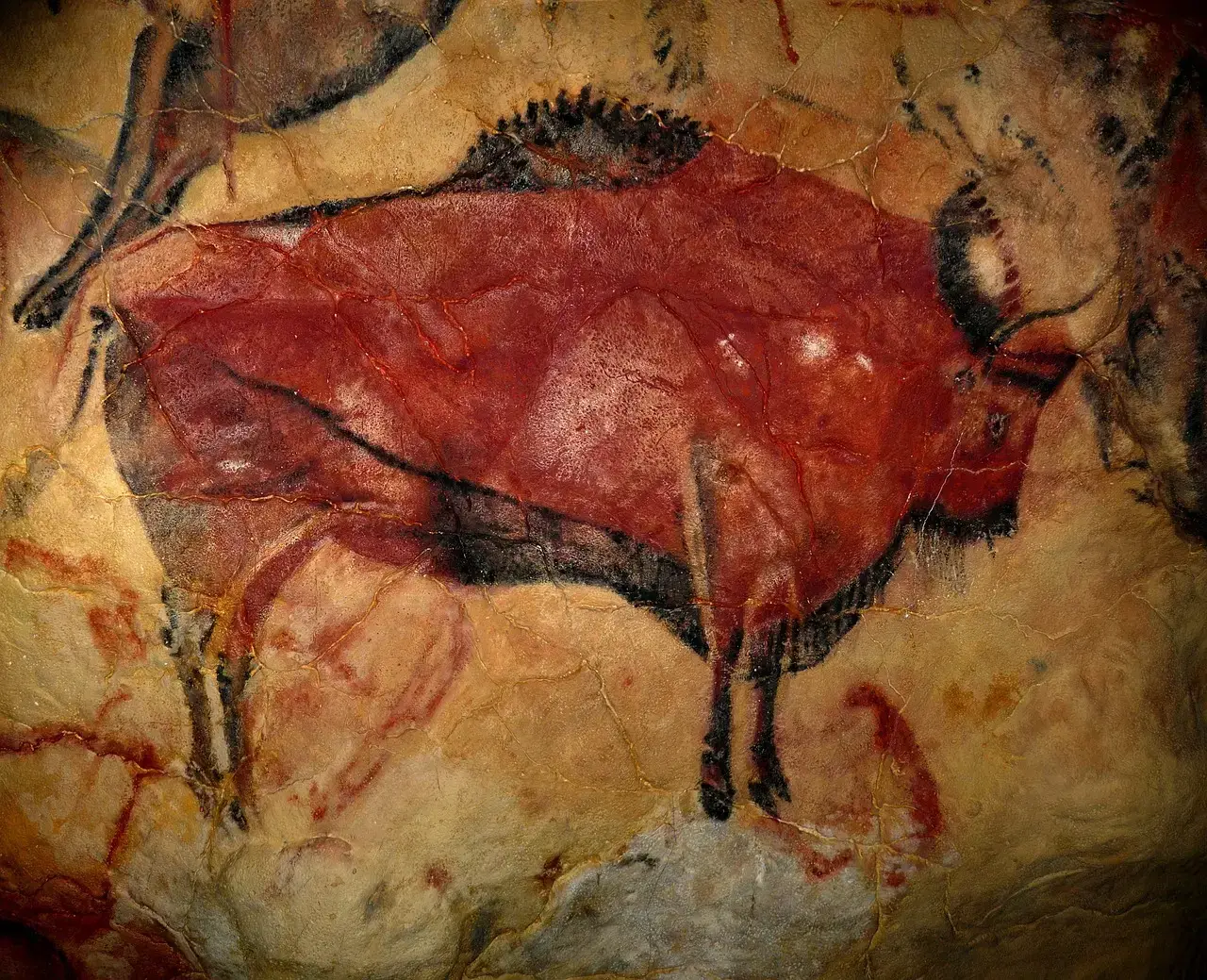
Walk into the deepest part of any great painted cave and you can almost sense that something ceremonial happened there. The exact meanings of the images remain unknown, but some experts think they may have been created within the framework of shamanic beliefs and practices, with one such practice involving going into a deep cave for a ceremony during which a shaman would enter a trance state and send his or her soul into the otherworld to make contact with spirits. It is impossible to say for certain, but the evidence points strongly toward a spiritual life of surprising depth.
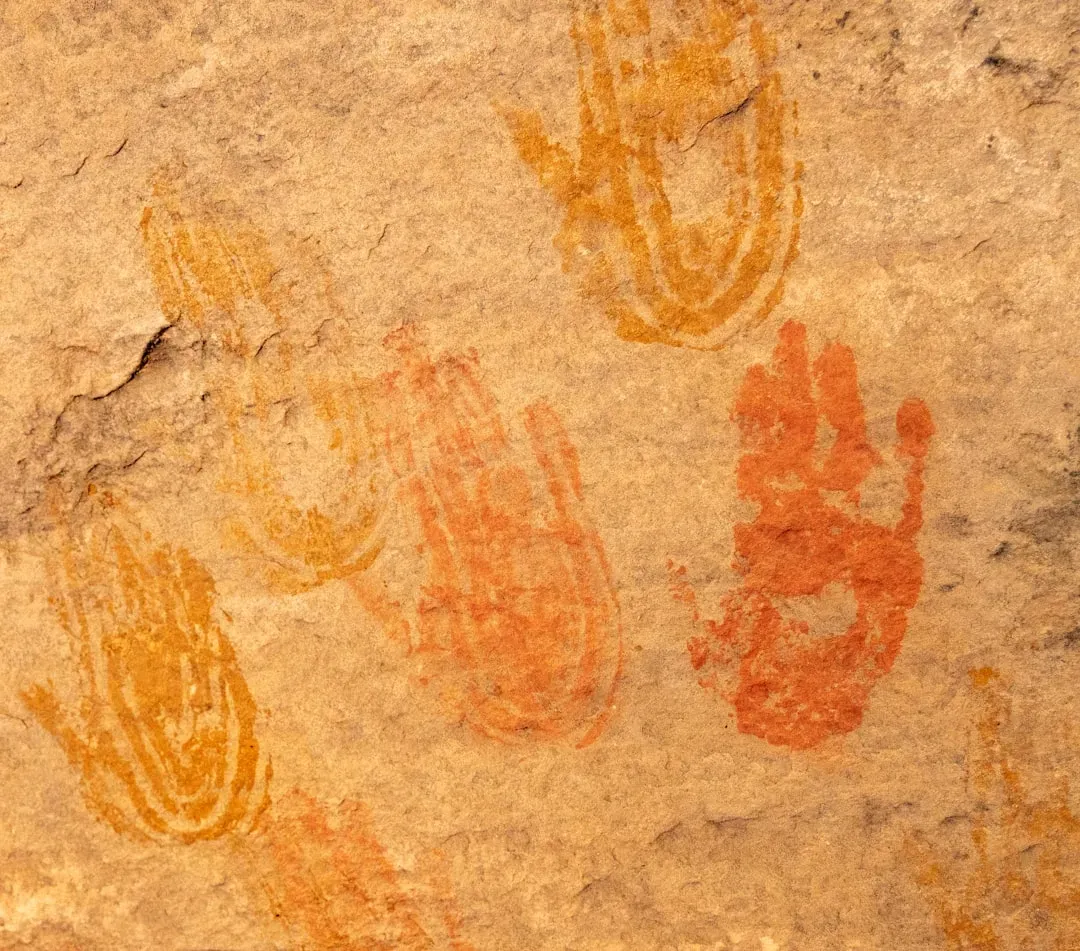
Totemism, where each drawing represented the animal protecting the tribe, was a favoured theory, but archaeological findings paved the way for the theory that drawing animals was a way to kill them symbolically before the hunt. Even the physical placement of the images was intentional. Many of the hand stencils appear in small recesses of the cave that are hard to reach, suggesting the person who made them had to prepare pigment and light before venturing into the cave to find the desired spot. These people planned, prepared, and committed. That is not the behaviour of a creature without complex thought.
Neanderthals, Not Just Homo Sapiens, Were Cave Artists
Let’s be real, most of us grew up thinking cave painting was a uniquely human activity, something that set our species apart from all others. That assumption is now being seriously challenged. Several groups of scientists suggest that the oldest of such paintings were created not by Homo sapiens, but by Denisovans and Neanderthals. That is one of the most mind-bending revelations in modern archaeology.
The markings are interesting because they demonstrate symbolic thinking. The significance is not simply that Neanderthals could paint, but the fact that they were engaging in symbolism. Symbolism suggests abstract thought. Abstract thought suggests something very close to a language-capable mind. Either way, cave art offers a unique window into the minds of prehistoric humans, showing them to use their imagination and to possess a rich inner life. The boundary between “us” and “them” in the ancient world is blurring, and that is both humbling and extraordinary.
Cave Art Discoveries Around the Globe: A Truly Worldwide Phenomenon
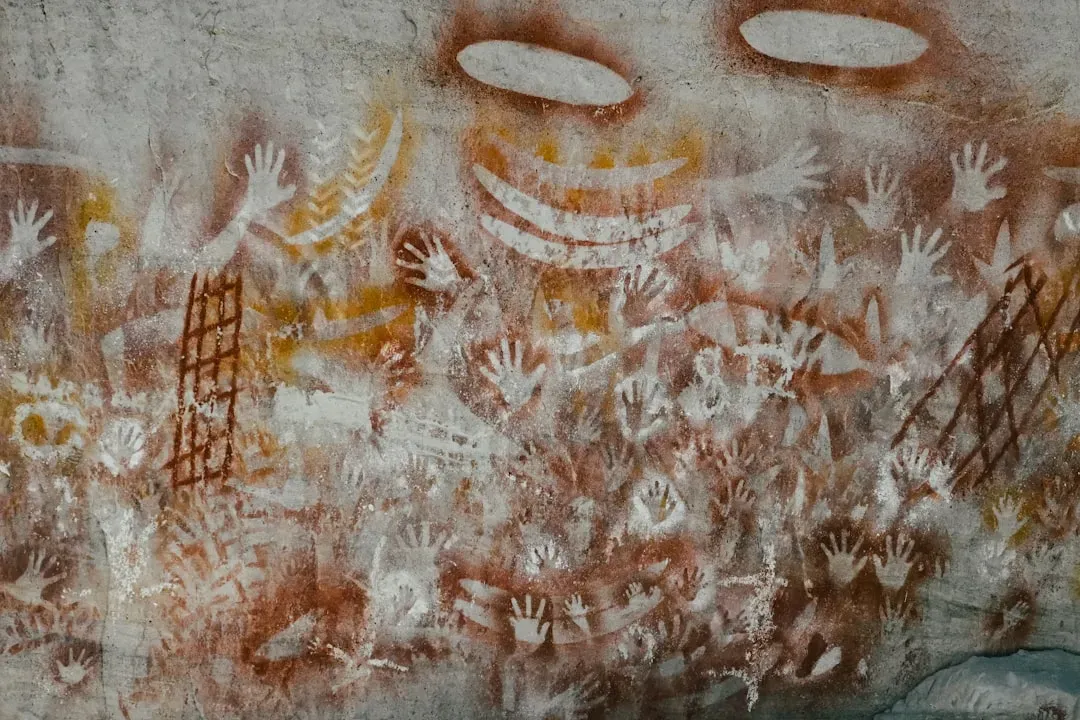
You could be forgiven for thinking cave art was mainly a European story. France and Spain dominate the textbooks, after all. Nearly 350 caves have now been discovered in France and Spain that contain art from prehistoric times. Yet the true picture is far more global and far more exciting. Such evidence of early human creativity has now been found around the globe, suggesting that it represents a hallmark of our species rather than a local cultural achievement brought about by developments in Ice Age Europe.
Cave paintings discovered in the Mantiqueira Mountains in Brazil, somehow hidden until recently, also came with compelling evidence that the region was inhabited by groups of hunter-gatherers, and researchers suggest that other similar sites likely exist nearby. Meanwhile, in South Africa, a mysterious rock painting in a South African cave could be the first-ever artwork of an animal that disappeared 250 million years ago, with the San people’s panel featuring a strange creature with tusks, prompting scientists to ask if ancient rock art could actually record prehistoric creatures long before scientists did. The globe is essentially a gallery without walls.
Decoding the Animals: What Prehistoric Painters Chose to Depict
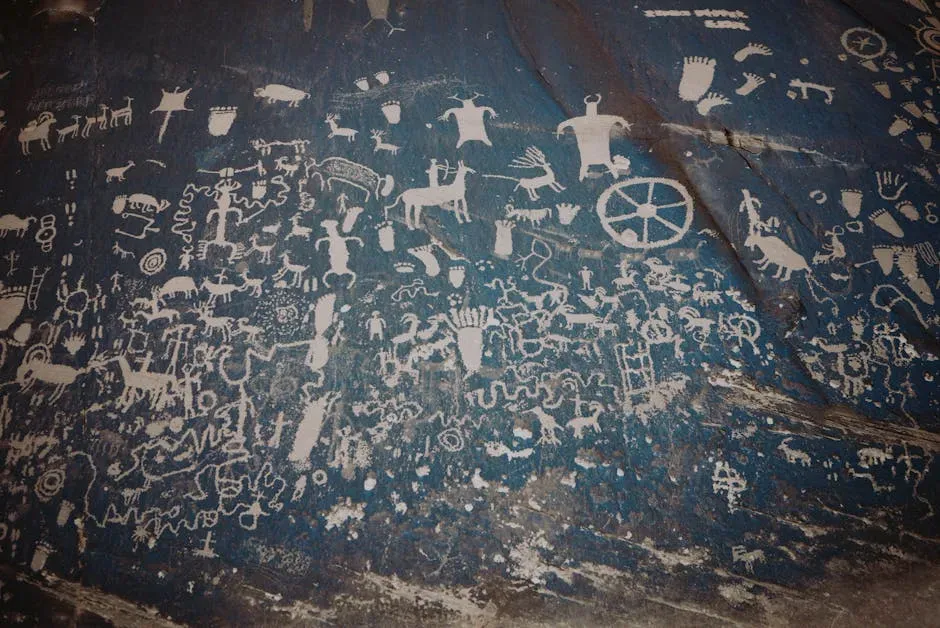
There is a fascinating pattern to what ancient artists chose to paint. It was not random. Animal figures always constitute the majority of images in caves from all periods, and during the earliest millennia when cave art was first being made, the species most often represented were the most formidable ones, now long extinct, including cave lions, mammoths, woolly rhinoceroses, and cave bears. These were not cute pets. These were animals that could kill you. Painting them may have been a way of processing fear, claiming power, or honouring something immense.
A 2012 study found that prehistoric cave artists depicted the walking gait of four-legged animals with greater accuracy than modern artists, suggesting close observation of prey animals was important for survival. Think about the sheer dedication that implies. These people studied their prey with an almost scientific intensity, then translated that knowledge onto stone walls. A striking feature of many of these cave paintings is the fact that they are often in large caverns with interesting sound qualities, raising the question of whether singing or chanting was another aspect of the art experience, supported by evidence of flutes from 42,000 to 40,000 years ago made from bird bone. Art, music, and ritual may have been inseparable.
A Race Against Time: Climate Change Threatens Prehistoric Art
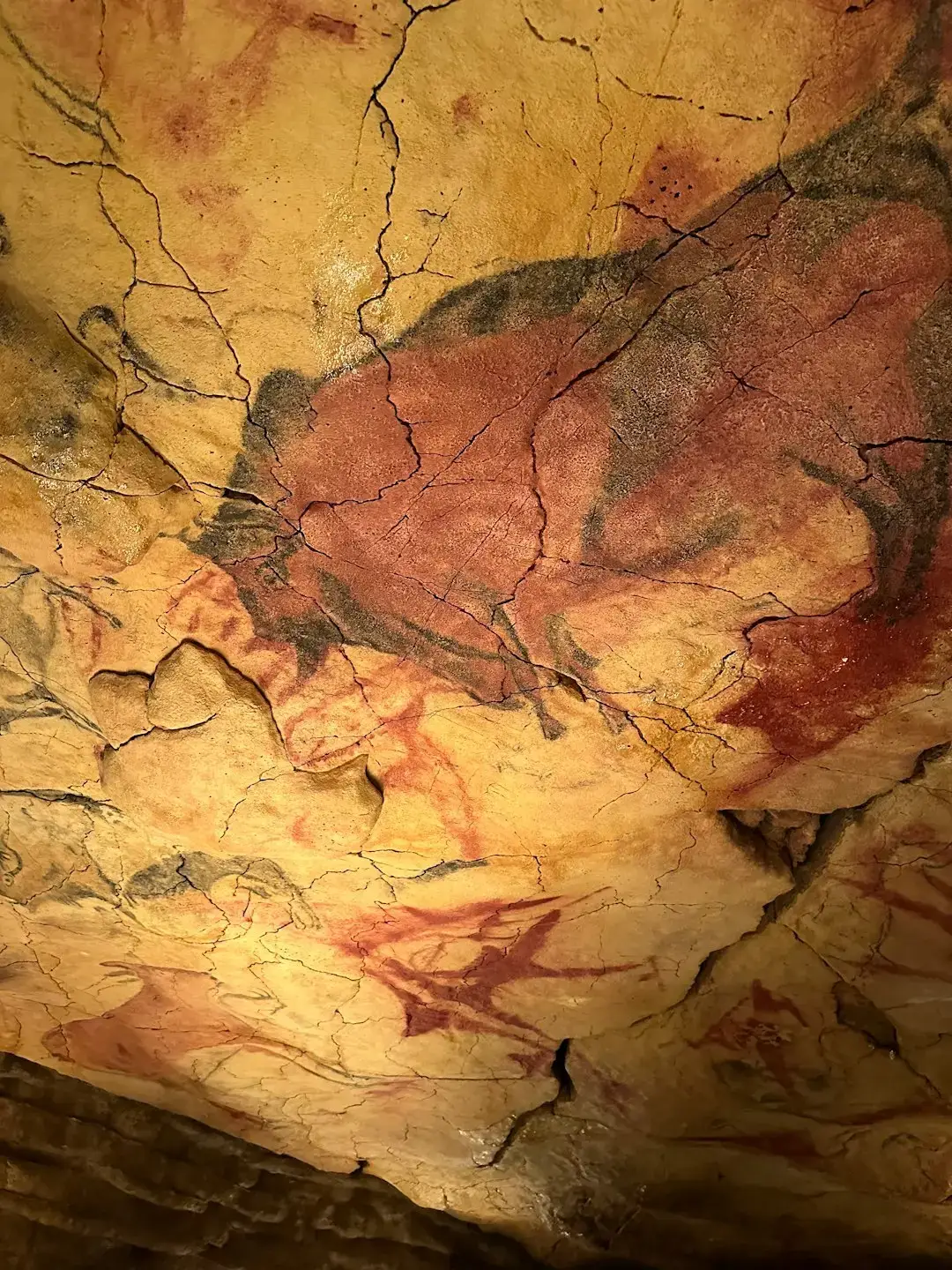
Here is where the story takes a truly sobering turn. All of this incredible art, preserved for tens of thousands of years, is now under serious threat. In recent years, archaeologists have reported that the art appears to be rapidly deteriorating, with experts reporting as much as an inch of art vanishing every couple of months at some sites. An inch may not sound like much. Over the span of a few decades, it is catastrophic.
Apart from the direct threats associated with industrial development, such as blasting away archaeological sites for mining and limestone quarrying, research makes it clear global warming is the biggest threat to the preservation of the tropics’ ancient rock art. The mechanism is almost poetic in its cruelty. Salt crystals building up on the walls seep into the cave stone, then expand and contract as temperatures rise and fall, causing the rock to slowly disintegrate. Meanwhile, a recent study shows that roughly four in five UNESCO World Cultural Heritage sites are facing climate stress, with wood and stone constructions susceptible to a range of threats from extreme heat, humidity, aridity, and other climatic factors. The urgency is real. The window to act may be closing.
Conclusion
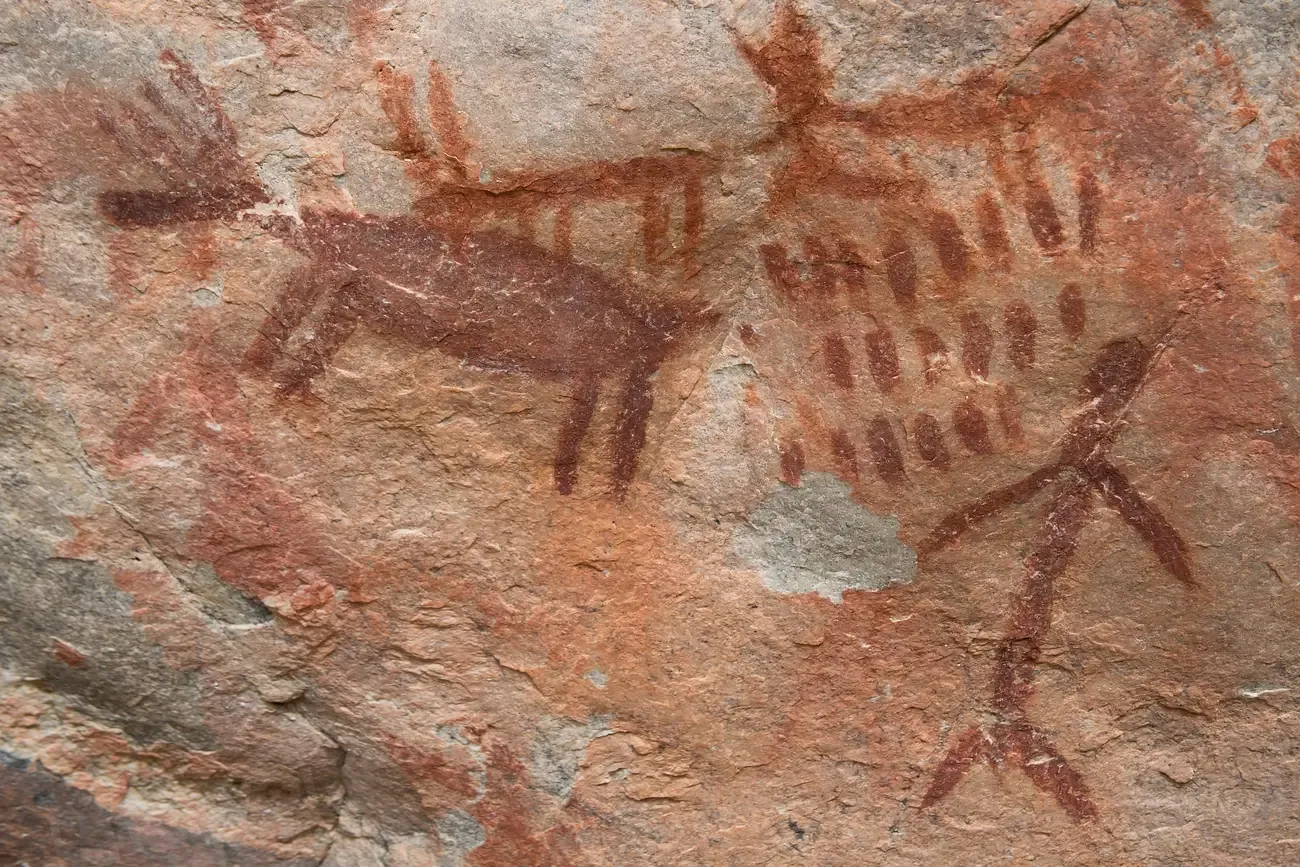
Ancient cave paintings are far more than relics sitting quietly behind museum glass. They are living proof that the human urge to create, communicate, and connect stretches back further than most of us ever imagined. From the 67,800-year-old handprint in an Indonesian cave to the storytelling scenes painted in Sulawesi, from Neanderthal symbolism in Spain to ghostly animals in South Africa, you are looking at the earliest chapters of a story you are still part of today.
Every new discovery rewrites history. Every threatened site reminds us that this ancient conversation between past and present can be broken. The real question is not whether prehistoric humans were sophisticated thinkers. The evidence has settled that beyond any serious doubt. The real question now is whether we, with all our modern knowledge and technology, will do enough to protect what they left behind for us to find. What do you think we owe them? Share your thoughts in the comments below.