
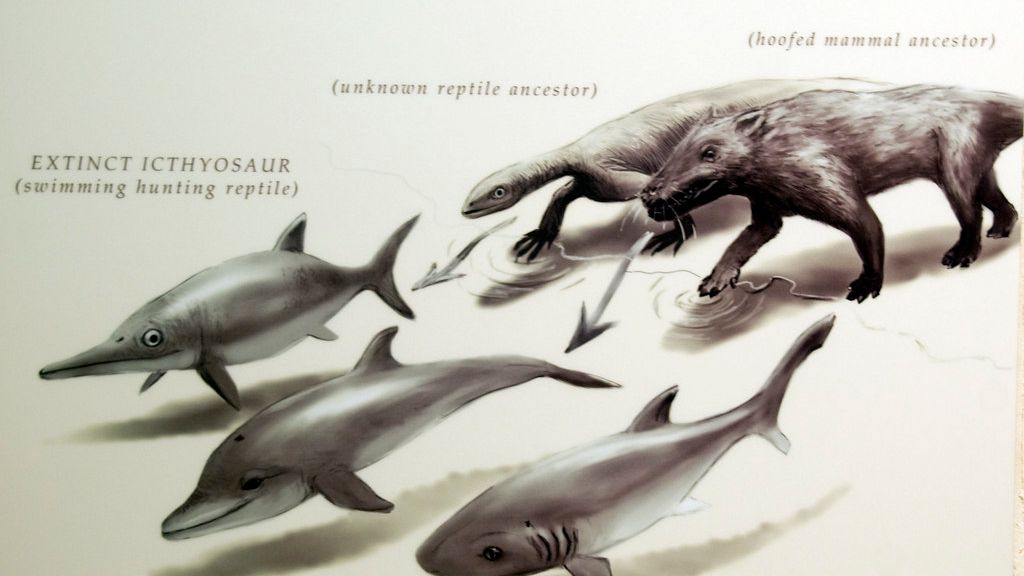
Nature has never been particularly interested in following the rulebook. You might assume that after centuries of scientific observation, the animal kingdom would hold few genuine surprises left. You would be wrong. In fact, the closer scientists look, the more they find that evolution is not only ongoing – it is accelerating, morphing, and twisting in ways that even the most seasoned researchers never anticipated. From killer whales crafting tools in the Pacific Northwest to tiny city lizards rewiring their own DNA in the span of a few decades, the story of wildlife evolution is being rewritten in real time.
What is perhaps most stunning is not just that these changes are happening, but how fast they are unfolding. Darwin imagined evolution as a glacially slow process, invisible to any single human lifetime. Yet out in the field today, scientists are measuring transformations that happen within years, sometimes mere generations. Strap in, because what you are about to discover just might change how you see every living creature around you. Let’s dive in.
Evolution Was Never as Slow as We Thought
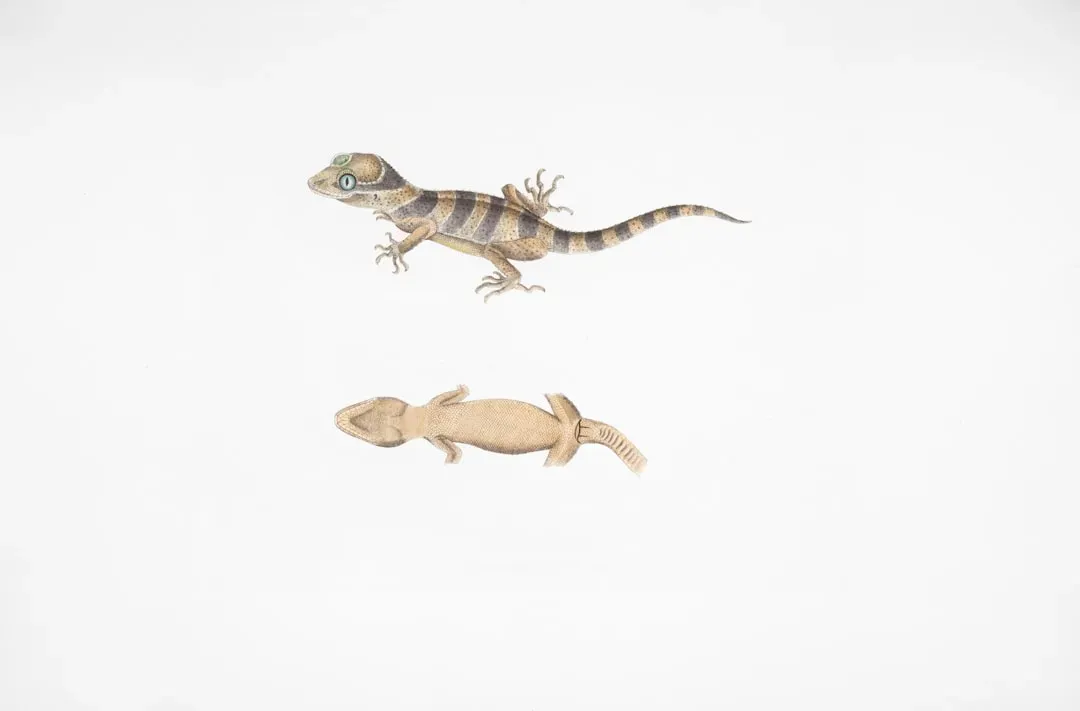
For a very long time, the scientific community treated evolution like a geological event – something massive, invisible, and stubbornly slow. Charles Darwin himself described it as a process unfolding across “many thousands of generations,” a timeline that offered little hope for the creatures facing today’s urgent threats. That assumption, it turns out, was built on incomplete data.
A team of researchers led by Timothée Bonnet from the Australian National University found that wild animals have two to four times the capacity to evolve in response to their environment than previously thought, according to research published in the journal Science. Honestly, that number is staggering. Think of it like a car engine that suddenly has four times the horsepower you assumed – same road, completely different performance.
Studies are increasingly finding that wildlife species can evolve much, much faster than scientists once thought possible, sometimes in a matter of decades or just several to dozens of animal generations, and these potential evolutionary shifts have been documented across a wide range of species, including insects, birds, reptiles, and mammals. The term “rapid evolution” is now firmly embedded in the scientific vocabulary, and it is reshaping how we understand the natural world.
Orcas Just Rewrote the Rules of Marine Intelligence
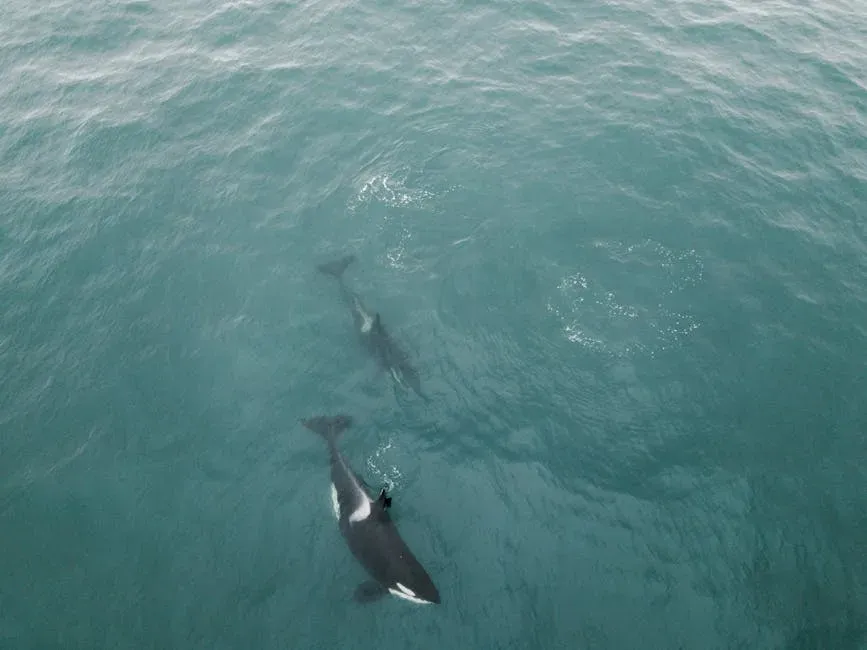
Here is the thing about killer whales: scientists have studied southern resident orcas formally for roughly 50 years, and yet 2025 delivered one of the most jaw-dropping behavioral discoveries in marine biology history. Southern resident killer whales were caught on drone video crafting kelp tools to groom one another – an unprecedented behavior among marine mammals that suggests a deeper social and cultural complexity than scientists previously realized.
The behavior, dubbed “allokelping,” represents the first evidence of toolmaking by marine mammals, as detailed in a paper published in the journal Current Biology. Southern resident killer whales in Washington’s Salish Sea were observed biting off the ends of bull kelp stalks, positioning the trimmed pieces between themselves and a partner, and rolling the kelp between their bodies for extended periods. You would expect that kind of nuanced, coordinated, tool-assisted social behavior from a primate, not a whale.
The southern resident orcas were detaching strands of bull kelp from the seafloor to roll between their bodies – a behavior scientists dubbed “allokelping” – which could be a form of grooming for skin hygiene as well as a way to socially bond with other members of the pod. The discovery marks the first time cetaceans have been observed using an object as a tool to groom. Tragically, as of the last census in July 2024, only 73 southern resident killer whales remain, with their numbers critically low due to declining Chinook salmon populations, pollution, and noise from human activities.
Urban Environments Are Forcing Animals to Evolve at Warp Speed
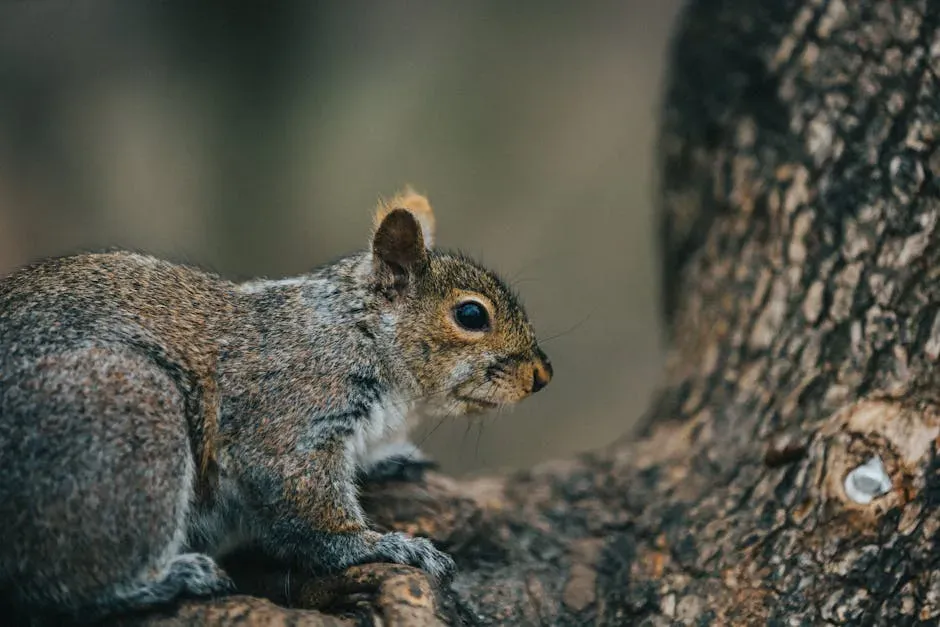
Cities were never designed with wildlife in mind. Concrete, glass, asphalt, noise, artificial light – it is a sensory obstacle course for any creature trying to survive. Yet nature, predictably stubborn, has responded with a burst of evolutionary creativity that is frankly astonishing. Some animals have undergone rapid evolutionary changes – known as human-induced rapid evolutionary change, or HIREC – to better survive the unique challenges of the urban environment, such as navigating smooth surfaces, digesting human food, or changing behavior to coexist with humans, with examples including lizards developing bigger toe pads for climbing urban surfaces and city mice evolving to better digest human diets.
Anoles in Puerto Rican cities tend to sport longer limbs than their forest-dwelling relatives, helping them sprint across treeless expanses to avoid predators, and their larger and more intricate toe pads may allow them to cling tightly to the smooth surfaces of buildings, while the city lizards also excel at handling blistering urban heat. In other words, these lizards have become essentially a different animal – all in response to a few decades of city living.
Tokyo great tits sing at higher pitches to pierce traffic roar, a tweak passed on to offspring. I think that detail is particularly wild – birds are literally retuning their songs because of the noise humans create, and they are passing that change down to their young. There is also evidence of rapid genetic evolution among animals in cities, as urban water fleas, for example, grow and mature faster and can withstand higher temperatures than their rural counterparts.
Convergent Evolution: Nature’s Strangest Recurring Coincidence
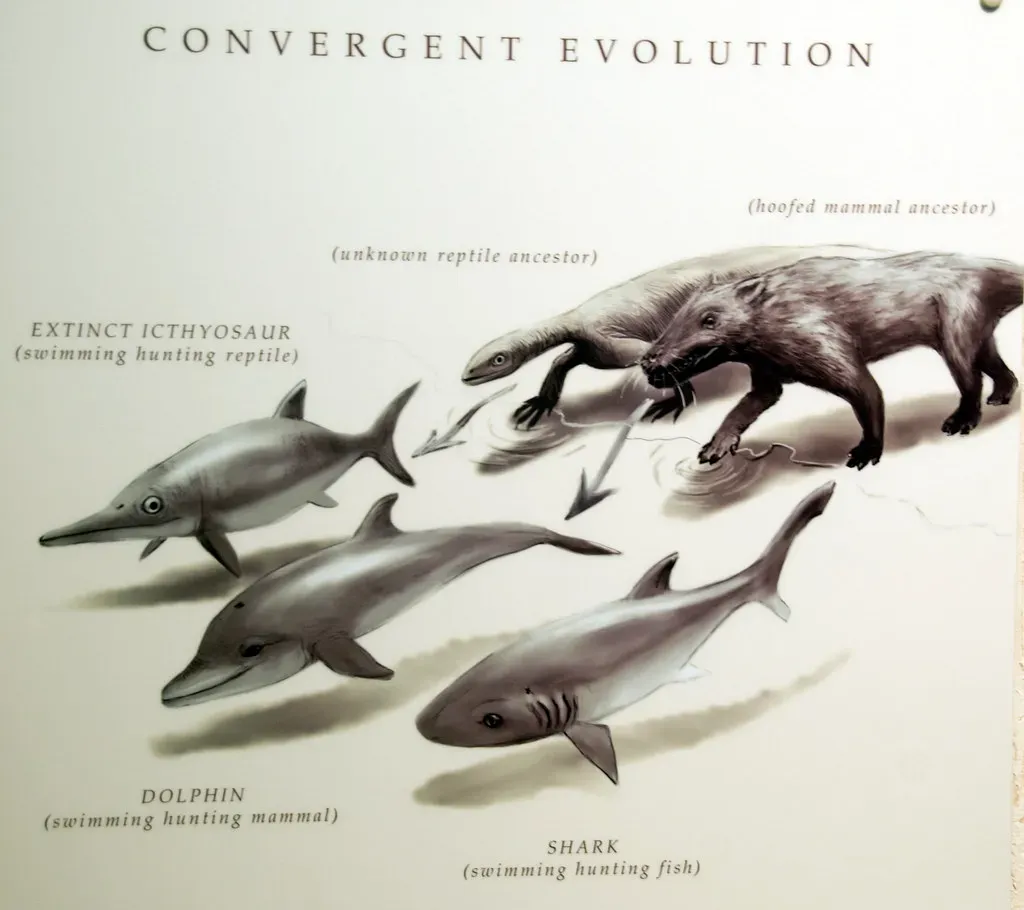
Imagine if two countries on opposite sides of the world, completely isolated from each other, independently invented the same complex machine with no communication whatsoever. That is essentially what convergent evolution is, and it happens far more often than science once suspected. Animals from completely different branches of the tree of life, such as insects, worms, and vertebrates, independently evolved similar genetic solutions to survive on land, according to research from the University of Bristol and University of Barcelona.
Researchers compared 154 genomes from 21 animal phyla and their outgroups to reconstruct the protein-coding content of ancestral genomes linked to 11 animal terrestrialization events, uncovering distinct patterns of gene gain and loss underlying each transition to land, while similar biological functions emerged recurrently. Semi-terrestrial species evolved convergent functional patterns, in contrast with fully terrestrial lineages that followed different paths to land.
It is almost as though evolution has a preferred “playbook” that it returns to again and again, regardless of which animal is doing the evolving. Independent transitions from water to land in diverse animal lineages involved repeated evolution of similar genetic adaptations, particularly in water regulation, metabolism, reproduction, and sensory perception, and a comparative genomic analysis across 154 species reveals that some genetic changes are highly predictable responses to terrestrial challenges, while others reflect lineage-specific evolutionary paths. Nature, it seems, often arrives at the same solution through completely different routes.
The Lizard That Climbed Out of the Forest and Into Evolutionary History
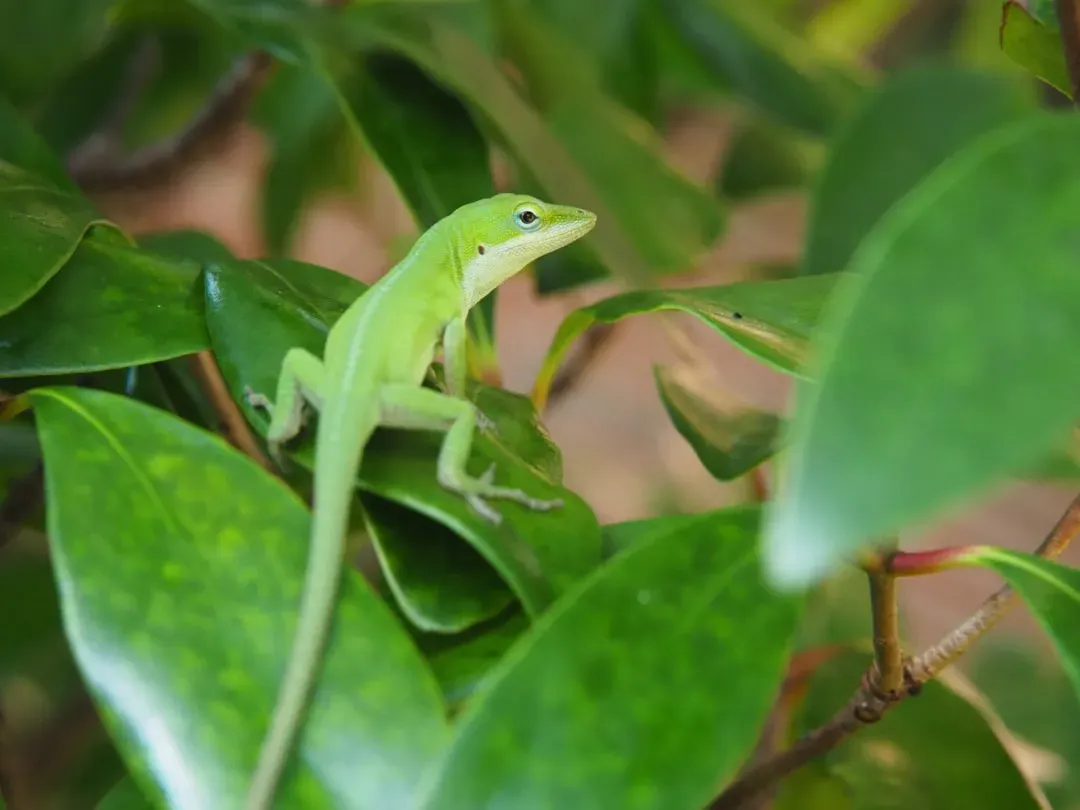
You could be forgiven for thinking a lizard story sounds unremarkable. Let’s be real, though – the Florida green anole case is one of the cleanest, most dramatic examples of real-time evolution ever observed. The native green lizards, known as Carolina anoles, that occupied the lower branches and trunks of Florida’s trees were suddenly faced with invasive brown lizards that moved in, and faced with limited resources and double the competition, the green lizards abandoned the lower branches for the treetops, where their toepads grew bigger and their scales got stickier – in just 15 years and about 20 generations.
Twenty generations. That is not geological time. That is barely a blip. Scientists were able to follow the rapid shift in the lifestyle of the native anole species as they perched higher and higher in the trees over time, and within only 15 years, the native anole species evolved larger toe pads with stickier scales, enabling them to climb more efficiently in their new, higher habitat. The creature did not wait for millions of years. It adapted because it had to, and it did so on a timeline that a human could personally witness from birth to middle age.
This is the kind of story that should rattle your intuitions about how slow biological change really is. Evolution involves a change in a species’ DNA over several generations through natural selection, in which animals with poorly adapted versions of genes die or fail to reproduce, and only individuals with better-adapted gene variants reproduce and pass their genes on, so that the population as a whole becomes increasingly well adapted. It is survival of the fittest – playing out right before your eyes.
Overfishing Has Accidentally Engineered Smaller Fish
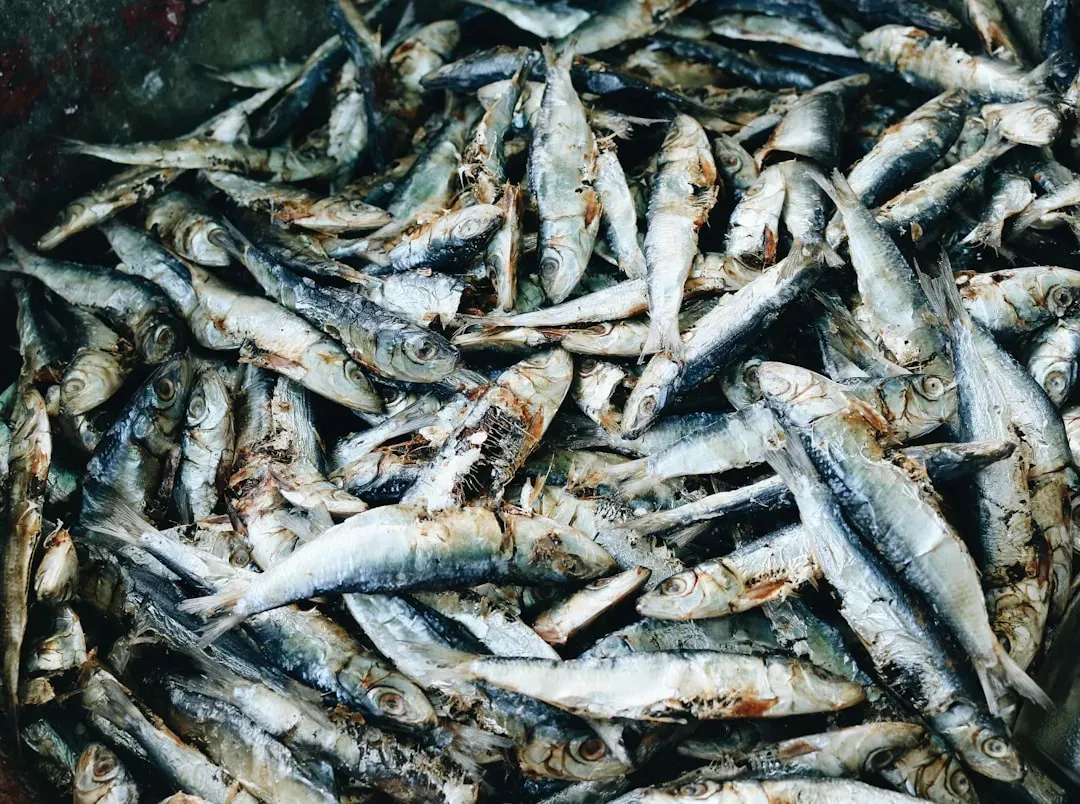
Here is something that should make you think twice the next time you sit down to a seafood dinner. Human fishing practices – specifically the targeting of the largest, most reproductively mature individuals – have quietly reshaped entire fish populations in ways that could take centuries to undo. It is evolution, but driven entirely by our appetite.
Because so many of the larger, older fish were caught, smaller individuals with traits that enabled them to reproduce earlier came to represent much of the population over time, and genetic analysis of Atlantic cod showed that overfishing during the 20th century forced cod to evolve these changes in a matter of only decades. Think of it like accidentally selectively breeding a shrinking species without ever intending to.
It is not just that traits are changing or size is changing, but the ecological role of these species is changing, which has reverberating effects through the whole ecosystem. Smaller cod eat smaller prey, and studies have shown they cannot play the same ecological role that bigger, top-predator cod once did, which rearranges the larger ocean food web. This is perhaps one of the most sobering examples of how human actions can redirect the evolutionary path of an entire species – not over millennia, but within a single human lifetime.
Social Animals Evolve Faster – and the Reasons Are Fascinating
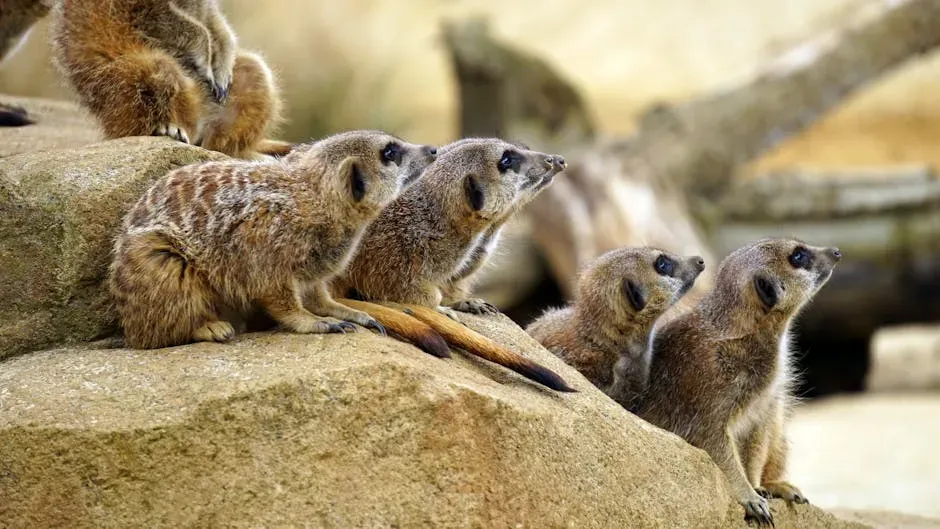
Not all animals evolve at the same pace, and it turns out one of the biggest predictors of evolutionary speed has nothing to do with genetics alone. It has to do with how sociable a creature is. Looking at the patterns of evolution for mammals over the past 80 million years, researchers found that living in groups and giving birth to well-developed young are linked to evolving at a faster rate.
Social mammals evolve faster than solitary animals probably as a result of developing social signals in the form of features like horns and antlers, and another aspect of living in a group is communication, which can help explain the rapid evolution of, for example, echolocation and sound production in social whales. It is a bit like how communities that talk to each other and compete with each other tend to innovate faster than isolated individuals – nature’s version of collaborative pressure.
Beyond looking into the past, this work could also help other scientists look into the future. By understanding which groups are able to more quickly evolve, it could allow researchers to predict what mammals may do better, and which ones may do worse, as the planet continues to warm at an increasingly rapid rate. Predicting evolutionary winners and losers in a warming world is no longer science fiction. It is an active field of urgent research.
New Species Keep Emerging – Even in Places We Thought We Knew
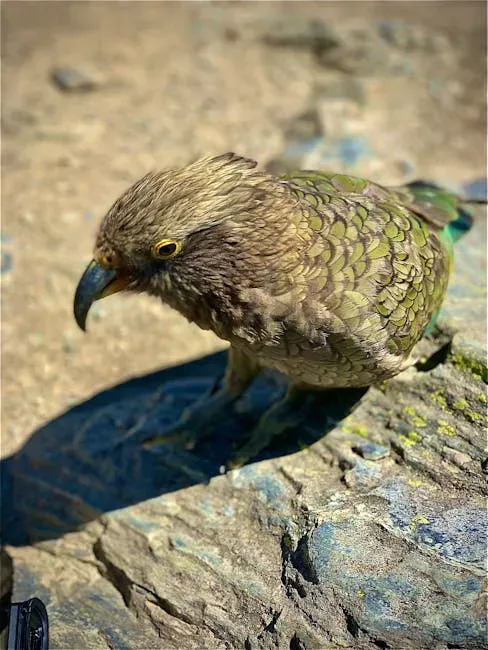
You might assume that by 2026, with satellites, drones, and DNA sequencing, we would have catalogued every meaningful living thing on this planet. Spoiler: we have barely scratched the surface. Researchers at the California Academy of Sciences described 72 new animal, plant, and fungi species in 2025 alone, including 15 beetles, 12 bush crickets, 11 sea slugs, seven fishes, seven plants, six geckos, five molluscs, two true lizards, two wasps, two worms, one bird, one cicada, and one skink.
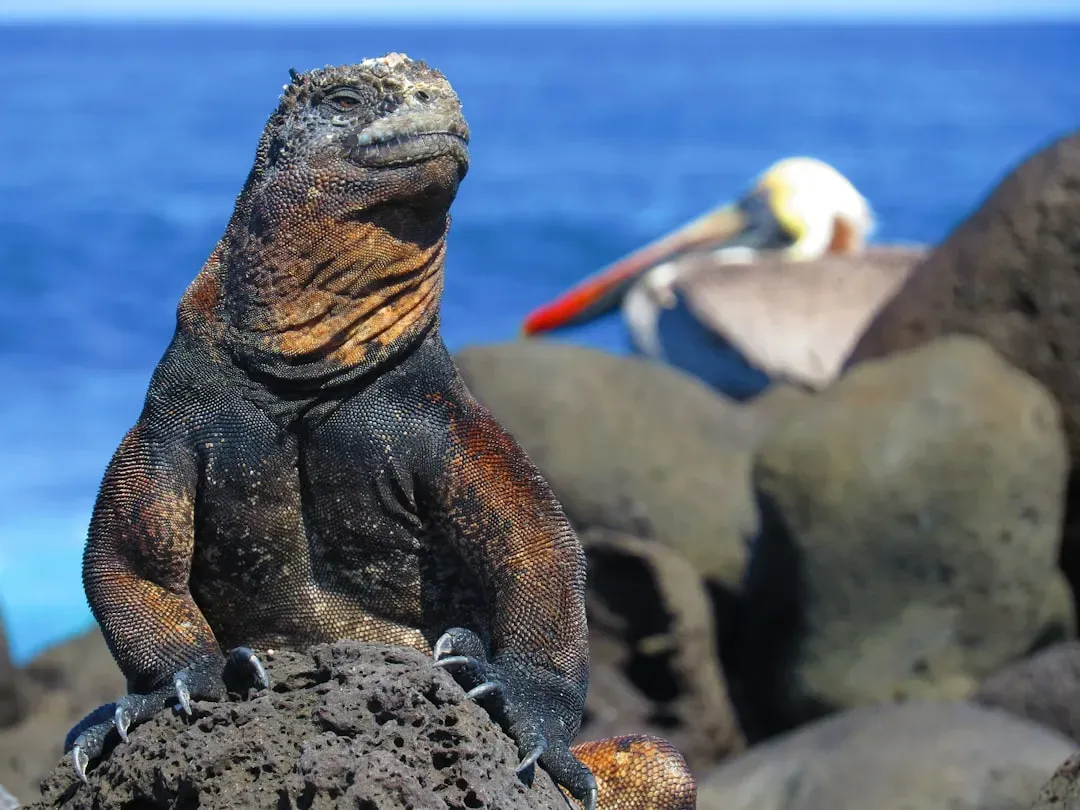
One newly described species, a lava heron of the Galápagos, has dark slate-gray plumage that helps it camouflage against volcanic rock along the coastline, and while variations in color across populations have complicated its classification, it shows that evolution is still actively shaping this species to match different local habitats. Even the most iconic, most visited, most photographed natural place on Earth – the Galápagos – was still hiding evolutionary secrets.
A team found a new type of mouse opossum, named Marmosa chachapoya, living in high-altitude cloud forests of Peru’s Río Abiseo National Park, and using DNA testing, researchers confirmed it was a completely new species, different from other known mouse opossums. The eastern Andes of Peru have many unique species that exist nowhere else, but the steep, densely forested mountains make it extremely difficult to explore. The world is still wildly full of undiscovered life, and that realization is both humbling and electrifying.
The Future of Evolution Depends on What Happens Next
With all this incredible evidence of rapid, ongoing, and surprising evolution, you might feel a wave of optimism. Nature is resilient. Animals are adapting. Life finds a way. But scientists urge caution here, because there is a critical difference between an animal population adapting and one actually surviving the pace of change we are now generating. At a time when natural environments are changing dramatically all over the world due to climate change and other forces, scientists ask whether evolution will actually help animals adapt – but that is where things get tricky, as research estimated only genetic changes due to natural selection, while in the context of climate change other forces are also at play.
Faced with an existential threat like unbearable temperatures, wildlife populations can respond in several ways, such as moving to cooler climates, and individual animals can also acclimatize during their lifetimes, learning to seek out shade or adjusting their physiology. But acclimatization and true evolutionary change are not the same thing, and not every species has the genetic toolkit or reproductive speed to pull it off in time.
As one researcher put it, “The world is changing, and wild organisms have only two options to cope with persistent environmental change: move or evolve to track these changes.” That is an almost uncomfortably clean summary of where we stand. Every species alive today is either moving, evolving, or quietly falling behind – and while current research alone is insufficient to draw predictions, it shows that evolution cannot be discounted if we want to accurately predict the near future of animal populations.
Conclusion: The Living World Is Still Full of Wonders
What the science tells us, again and again, is that life is far more dynamic, more responsive, and more surprising than any textbook ever fully captured. You do not need to look at fossils to witness evolution. You can see it in the lizards scaling city walls, in the orcas grooming each other with seaweed tools, and in the shrinking fish populations of the North Atlantic. Evolution is not history. It is happening right now, all around you.
The most important takeaway is this: the natural world’s ability to adapt is genuinely awe-inspiring, but it is not unlimited. The pace of human-driven change is testing the boundaries of what biological resilience can realistically handle. Understanding, respecting, and actively protecting the diversity of life on this planet is not just an environmental cause – it is a scientific imperative.
The next great evolutionary discovery might already be out there, hiding in a cloud forest or just below the surface of the sea – waiting for someone with a drone, a microscope, or simply a lot of patience to find it. What do you think is still out there waiting to be discovered? Tell us in the comments.