
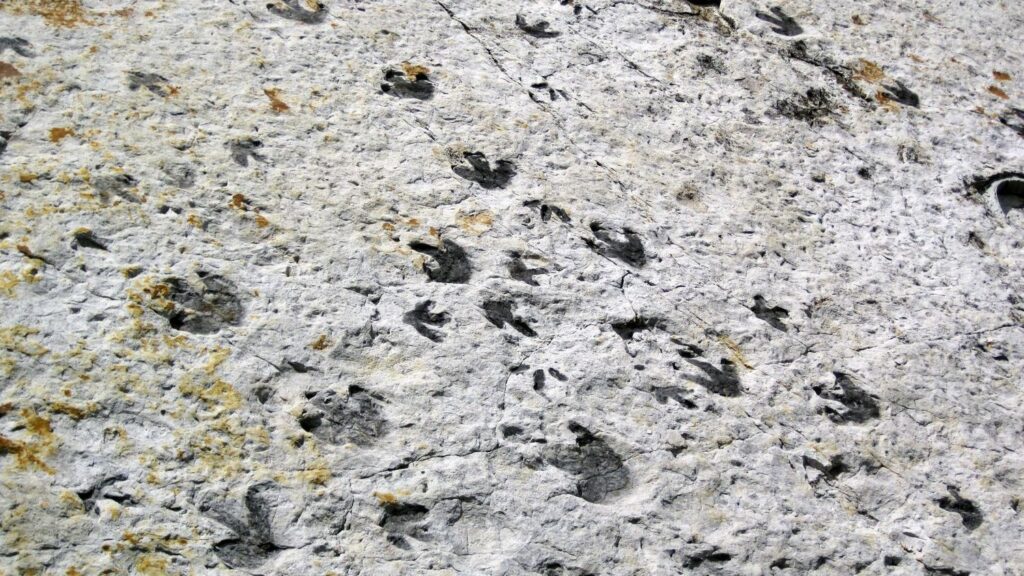
There is something quietly mind-bending about standing on ancient ground, knowing that millions of years before you arrived, something enormous was walking the same earth. America’s national parks aren’t just about sweeping canyon views or towering sequoias. Some of them hold a much older kind of magic – stone surfaces pressed with the footprints of creatures that ruled this planet long before humans ever arrived.
You might not see these places on the typical tourist bucket list. They don’t always come with giant gift shops or packed parking lots. Yet, honestly, that’s part of what makes them so extraordinary. From frozen Alaskan tundra to bleached New Mexico desert, these seven parks carry stories that no museum exhibit can fully replicate. Get ready to be seriously surprised.
Denali National Park and Preserve, Alaska – Where Tyrannosaurs Roamed the Arctic
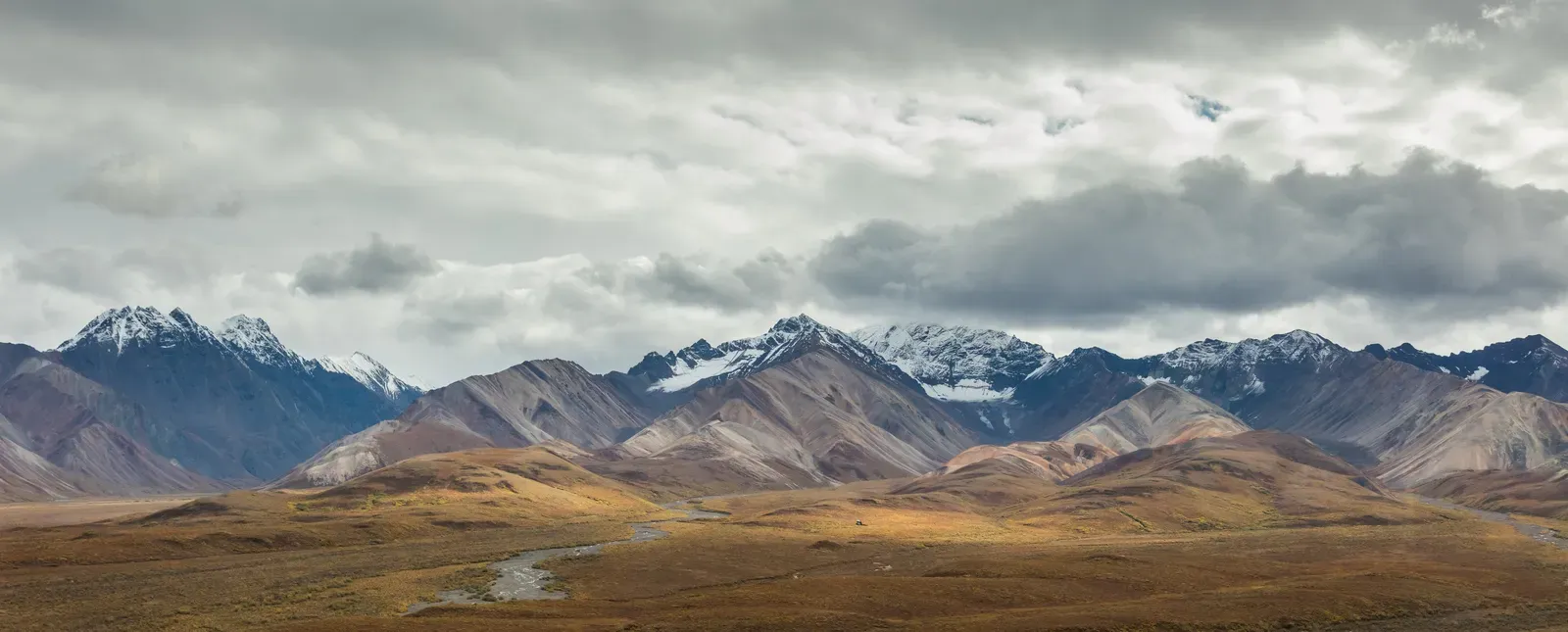
Most people think of Alaska and picture grizzly bears, glaciers, and maybe a moose. Dinosaurs? Not so much. Here’s the thing though – when you think of Alaska, dinosaurs are not usually the first animals to come to mind, and at first glance it doesn’t seem possible that reptiles the size of school buses could survive in the Arctic. Yet in Denali National Park and Preserve, dinosaurs were not merely surviving – they thrived in biologically diverse ecosystems. That discovery fundamentally changed how paleontologists think about cold-climate life.
Approximately 70 million years ago, during the Late Cretaceous Period, dinosaurs ranging from small feathered deinonychosaurs to towering tyrannosaurs were using Denali as their stomping grounds, leaving their footprints throughout the park. The scale of evidence found here is staggering. Since the discovery of the first dinosaur track fossil in 2005, hundreds of sites with thousands of trace fossils have been found, with new fossil finds every year – including tracks of flying reptiles, birds, clams, worms, and other invertebrates.
A backcountry site dubbed “The Coliseum” by researchers is the size of one and a half football fields and contains layer upon layer of prints preserved in rock. Think about that for a moment – a site the size of nearly two football fields, stacked with footprints from dozens of species across deep time. There is evidence for ornithopods, ceratopsids, and theropods, covering many different dinosaur types and species – testament to how busy this site, most likely a watering hole on a large floodplain, would have been over the years.
Dinosaur National Monument, Colorado and Utah – The Real Jurassic Park
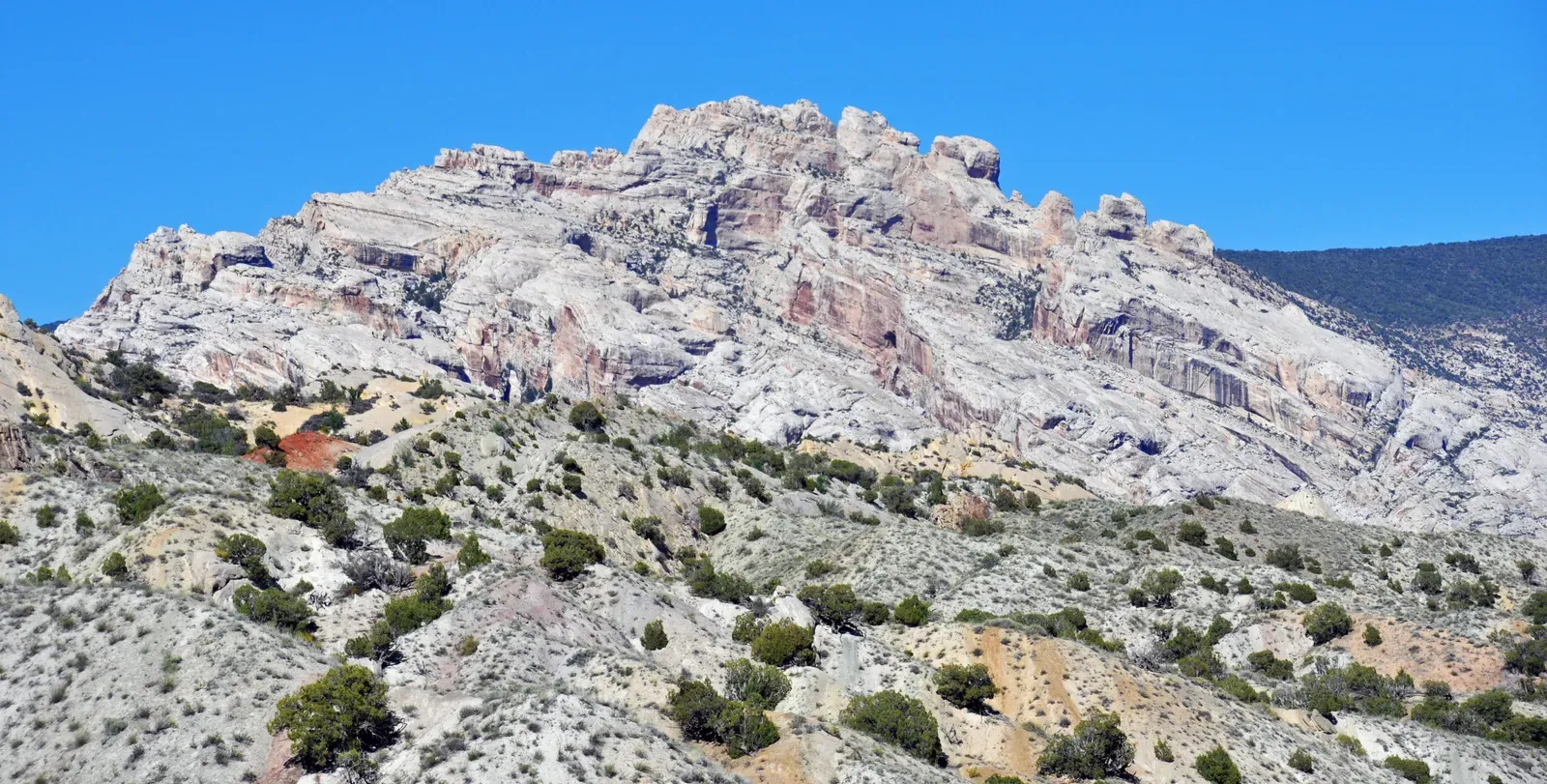
Let’s be real – this one has “dinosaur” literally in its name, yet so many people still overlook it in favor of flashier destinations. Located on the border of Colorado and Utah, where the Yampa and Green Rivers meet, this spectacular national monument encompasses river beds, breathtaking canyons, and desert plains. It was created in 1915 specifically to protect the world-famous Dinosaur Quarry, and later expanded to preserve the region’s extraordinary landscapes and natural history resources.
Visitors can see over 1,500 dinosaur fossils exposed on the cliff face inside the Quarry Exhibit Hall. This isn’t a replica situation – you’re looking at actual prehistoric remains still embedded in rock, like a wall of ancient time. The most common species are sauropods, including the Diplodocus, one of the longest known dinosaurs in size. The site also contains remains from species such as the Stegosaurus and the Apatosaurus – and it showcases a rare, exceptionally well-preserved skull from a fearsome 30-foot Allosaurus predator. You can even reach out and touch fossil remains that are roughly 149 million years old.
The Dinosaur Quarry Building features a wall of bones with 1,500 dinosaur bones from several dinosaurs, including Stegosaurus, Apatosaurus and Diplodocus. Visitors can also see petroglyphs and pictographs around the park dating back to the Fremont people who called the area home. So beyond the prehistoric giants, you’re also walking through thousands of years of human history – which makes Dinosaur National Monument a layered experience unlike any other.
White Sands National Park, New Mexico – Where Human History Was Rewritten
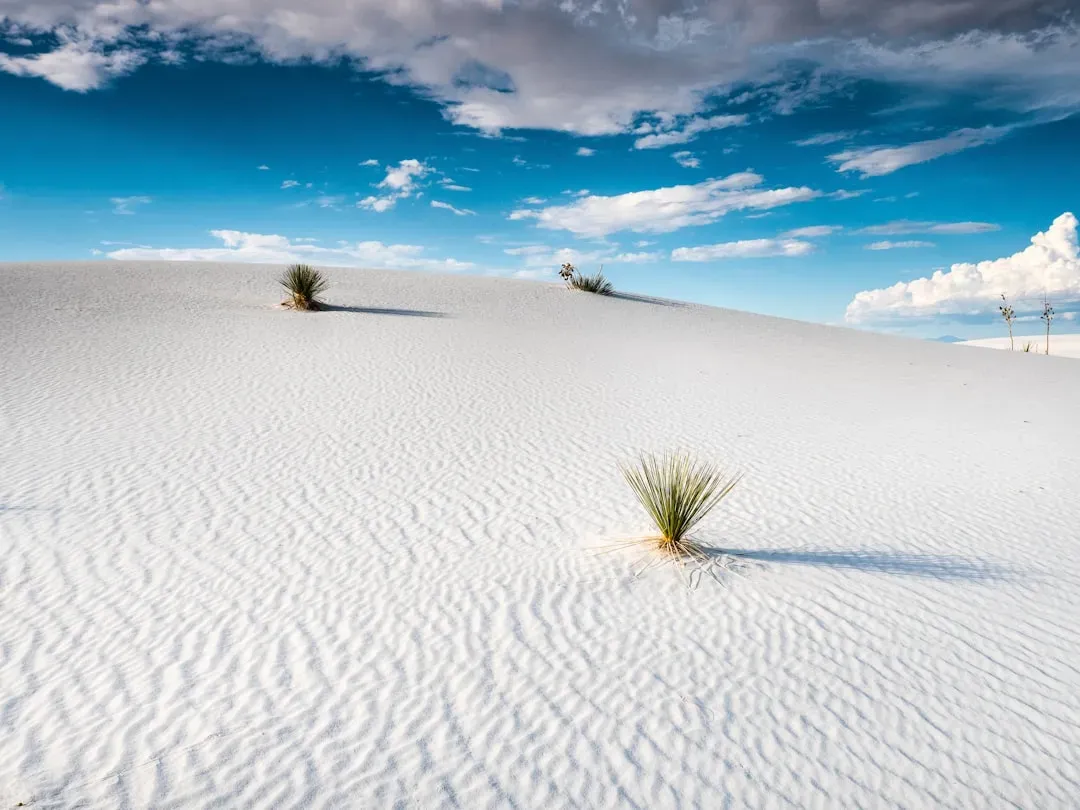
White Sands is famous for its blinding white gypsum dunes, the largest of their kind on Earth. What most visitors don’t realize is what lies hidden beneath those dunes – something that genuinely rewrote our understanding of when humans first arrived in the Americas. A multidisciplinary team of scientists announced the discovery of the oldest human footprints in North America. These fossilized prints were made between 23,000 and 21,000 years ago along the shores of an ice age lake that once filled the Tularosa Basin in south-central New Mexico. This finding fundamentally changes the timeline on North American human habitation, turning back the clock of human arrival in the Americas by nearly 10,000 years.
Designated a megatracksite in 2014, White Sands contains the largest collection of ice age Pleistocene epoch fossilized footprints in the world – and these have been left behind by more than just humans. Mammoth, giant ground sloth, dire wolf, and American lion tracks have been found at White Sands. Honestly, it’s hard not to feel the hairs stand up on the back of your neck when you picture those creatures sharing the same lake shore. The tracks at White Sands include the most important fossil human tracks in North America. They provide evidence that people arrived in North America at least 23,000 years ago, much earlier than scientists previously thought, and also show humans interacting with animals such as ground sloths.
A paper published in Quaternary Science Reviews documents the world’s longest fossilized human trackway discovered at White Sands. These ancient footprints show what researchers believe to be a female or a young male walking for almost a mile, with a toddler’s footprints periodically showing up alongside. The evidence reveals the person alternated from carrying the child, shifting the young one from side to side, based on how the footprints broadened and slipped in the mud. That is not science. That is poetry, frozen in stone.
Petrified Forest National Park, Arizona – Triassic Creatures Before the Dinosaurs Dominated
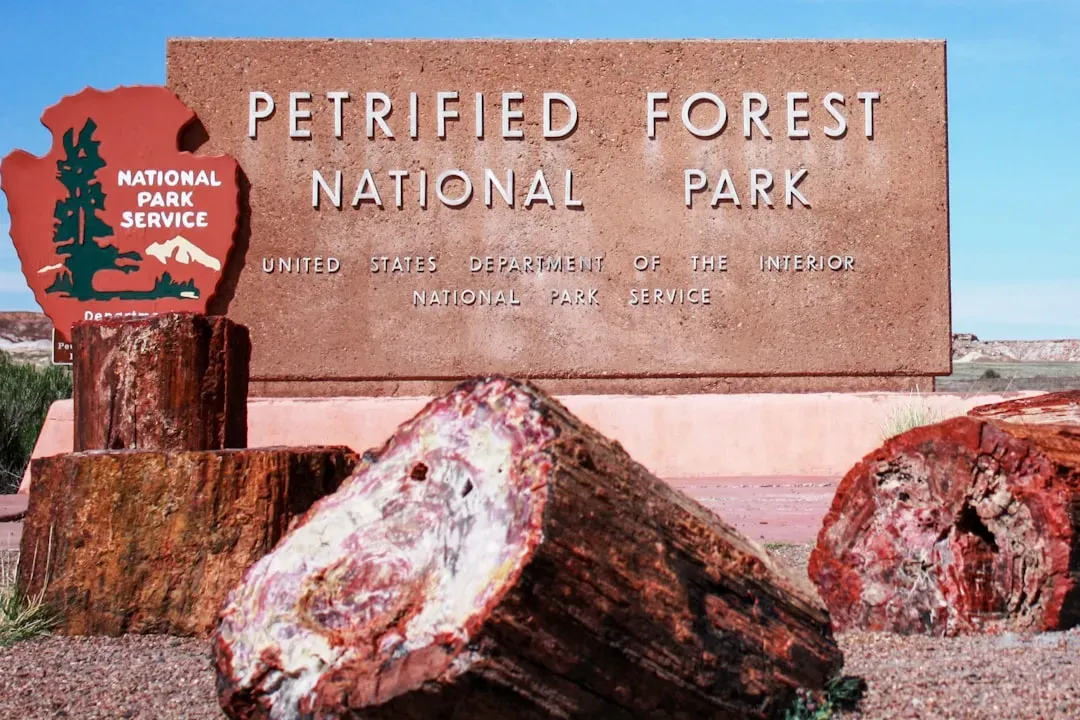
Petrified Forest tends to get attention for its rainbow-colored fossilized logs and alien-looking badlands. Yet its prehistoric footprint story is arguably even wilder. Dinosaurs from Triassic rocks in the National Park Service are best known from Petrified Forest National Park in Arizona, which has most of the few Triassic dinosaur body fossils from the service. The park’s Triassic dinosaurs were “supporting players” in an ecosystem dominated by crocodile-like phytosaurs, armored aetosaurs, and giant amphibians.
Other Triassic NPS dinosaurs are known almost entirely from tracks, mostly representing small three-toed predators. This is one of the things I find fascinating about Petrified Forest – you’re not just looking at dinosaur tracks, you’re looking at a moment in time when dinosaurs were actually the underdogs, just emerging in a world crowded with other fearsome creatures. Together, these fossils document dinosaurs from the Late Triassic, approximately 210 million years ago, to the end of the Cretaceous, 66 million years ago – encompassing everything from some of the earliest known dinosaurs of North America to desert trackmakers of Early and Middle Jurassic age, to giant sauropods and plate-backed stegosaurs of the Late Jurassic. The geological timeline preserved here is virtually unmatched.
Glen Canyon National Recreation Area, Utah and Arizona – Tracks That Seem to Defy Gravity
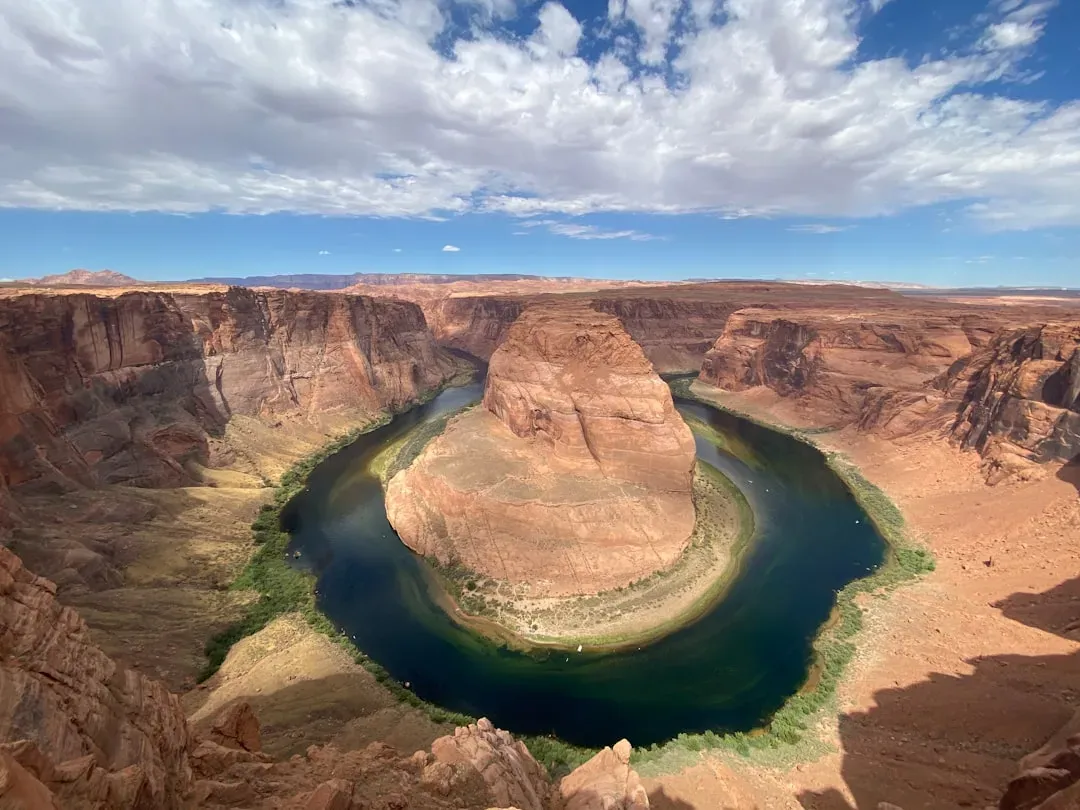
Here’s one that genuinely catches people off guard. Glen Canyon is mostly associated with Lake Powell and dramatic canyon scenery. The dinosaur trackways there, however, offer something you won’t find almost anywhere else in America. The dinosaur tracks at the Glen Canyon National Recreation Area are unique because it appears as though the dinosaur tracks defy gravity, as if dinosaurs were walking up a wall. The assumption is that the rock has shifted over the years, giving it this appearance. Think about how unsettling and cool that visual actually is.
The dinosaur footprints in this area are relatively newly discovered, circa 2008, and span over multiple time periods in history. New discoveries in a park this size are still emerging, which tells you just how much prehistoric life once moved through this landscape. Sauropod skin impressions have even been found in the Summerville and Morrison Formations near Lake Powell – a detail that takes your breath away when you sit with it. Skin impressions. Not just footsteps, but actual texture from an animal that walked this earth well over 150 million years ago.
Prehistoric Trackways National Monument, New Mexico – Older Than the Dinosaurs Themselves
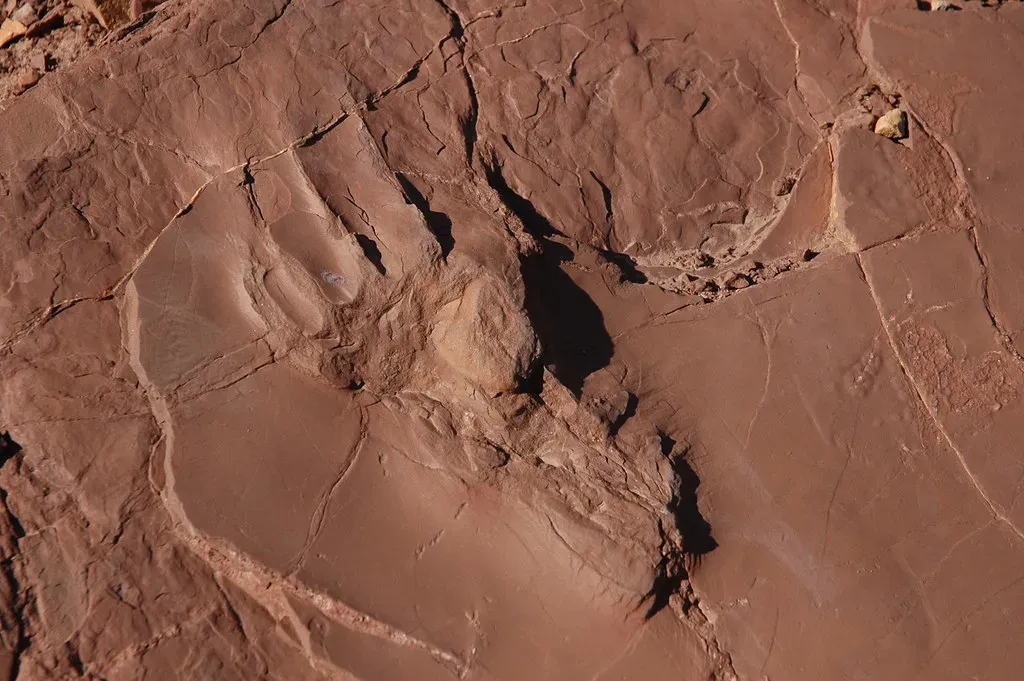
Most people have never even heard of this place, which is exactly why it belongs on this list. Established in 2009, the 5,280 acres of the Prehistoric Trackways National Monument features fossils from the Paleozoic Era. The 100th monument designated by the National Park Service, the sediments here were deposited pre-dinosaur, some 280 million years ago. Let that sink in – you’re looking at trackways from creatures that lived before dinosaurs even existed on this planet.
Prehistoric Trackways National Monument has preserved a snapshot of this era of evolutionary upheaval in red mudstones, most notably in the form of fossilized footprints, with more than 150 fossil sites in and around the monument. The variety of life recorded here is extraordinary. Discovered in 1987, the footprints are known as ichnofossils created by creatures from sea and land as well as plants. Previously unidentified insects and petrified wood can also be found along the trackways. Tracks from beetles, Dimetrodon lizards, and horseshoe crabs are just some of the many tracks that can be seen. It’s a window into a world so alien and strange that it barely feels like the same planet.
Dinosaur Footprints Reservation, Massachusetts – New England’s Prehistoric Surprise
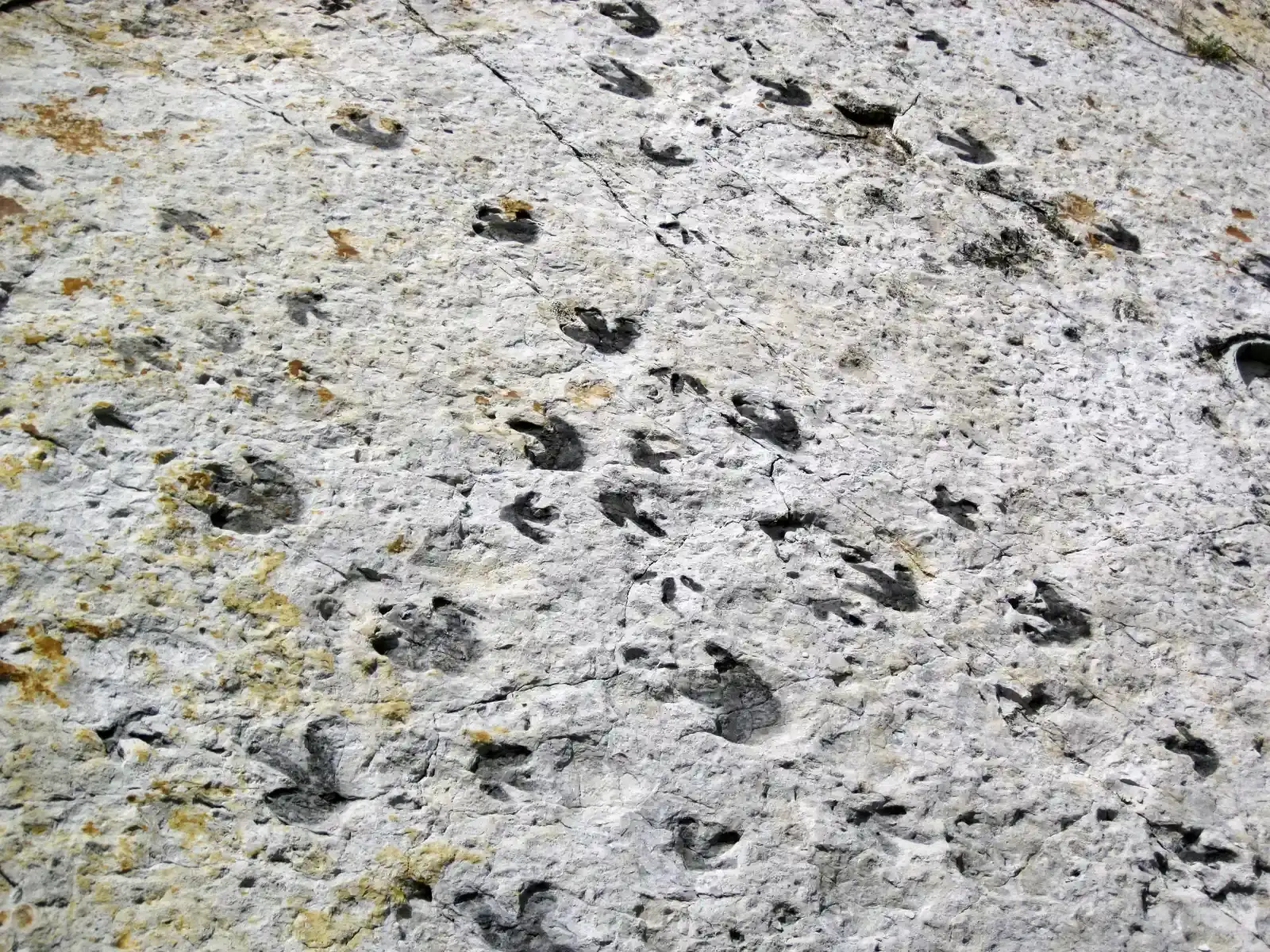
I know what you’re thinking. Massachusetts? Dinosaur tracks? It sounds more like a mistake than a travel destination. But this tiny reservation along the Connecticut River in Holyoke is genuinely one of the most significant prehistoric sites in the entire eastern United States. The footprints were formed during the Early Jurassic period, approximately 200 million years ago, when what is now the Connecticut River Valley was a subtropical region filled with lakes and swamps. Bipedal, carnivorous dinosaurs up to 20 feet long left footprints on the ancient mudflats.
The dinosaur tracks at this site were among the first to be scientifically described in 1836, and are still visible to visitors today. Hundreds of tracks, made by as many as four distinct types of two-legged dinosaur, are present in the sandstone outcrops. History upon history. Besides the clearly formed dinosaur tracks, visitors can see imprints left by prehistoric plants, invertebrate trace fossils, and delicate ripple marks of an ancient pool preserved in stone near the river’s west bank. The fact that this small, free-to-visit site packs in that much prehistoric richness is almost comically impressive. It’s the kind of hidden gem that makes you wonder how many other extraordinary places are hiding in plain sight, just waiting for someone curious enough to look down.
Conclusion: The Past Is Always Closer Than You Think
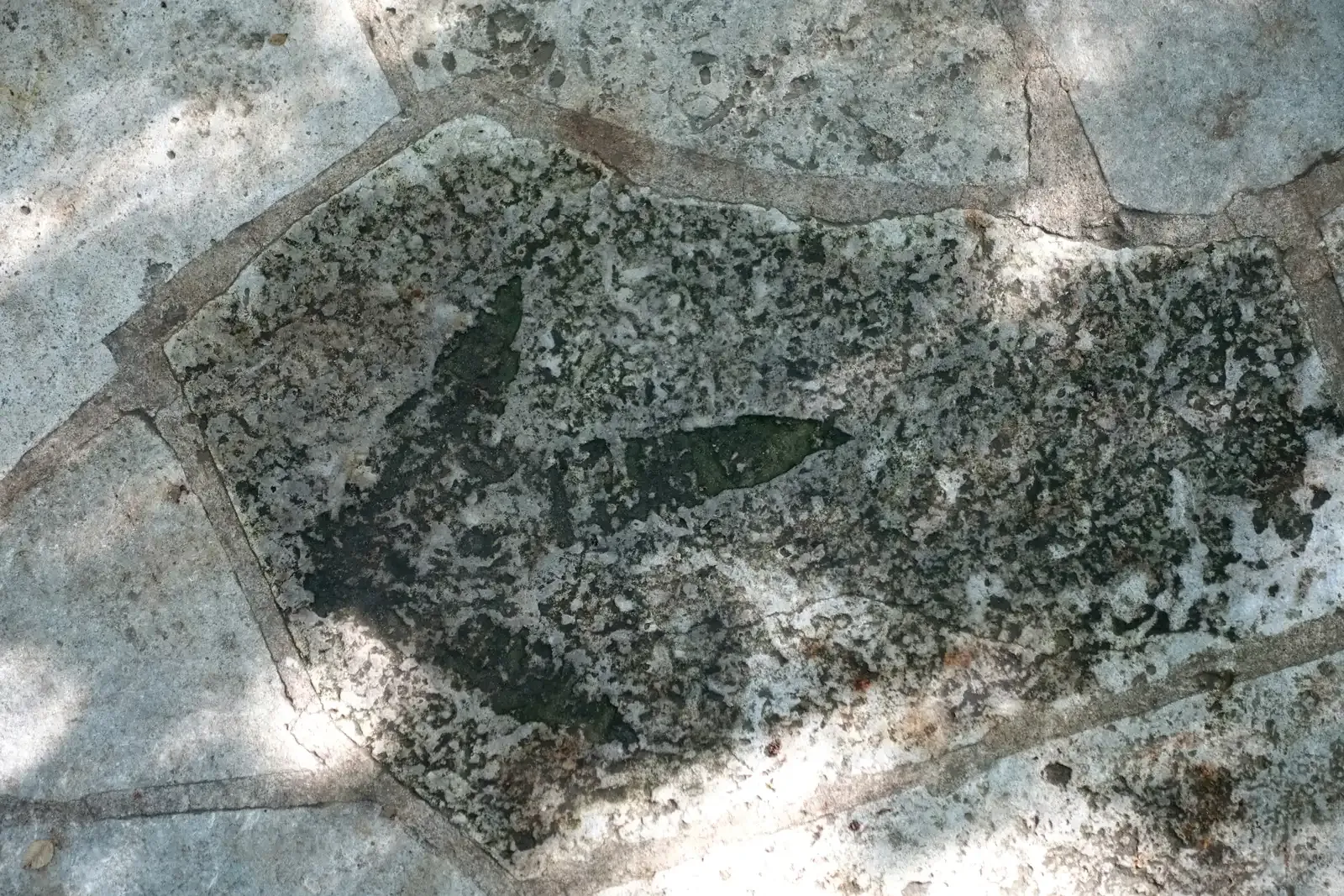
These seven places are proof that America’s greatest prehistoric wonders don’t always come with crowds and souvenir shops. Some of the most jaw-dropping footprint sites on the planet are tucked inside parks you may have driven past or never added to your bucket list. Fossils have been documented in at least 286 units of the National Park System, and this great wealth of paleontological resources is a significant part of the geoheritage values of the national parks. That’s a staggering number – and it means the adventure of discovering prehistoric footprints is far from over.
Whether it’s a mother carrying a toddler across an ice age lake at White Sands, a tyrannosaur leaving enormous depressions in Alaskan floodplain mud at Denali, or a carnivorous three-toed hunter pressing its feet into Jurassic mud in Massachusetts, every single footprint is a direct, unfiltered connection to life that is almost incomprehensibly ancient. There’s no glass between you and deep time. You’re just there, standing on the same ground. So the next time you plan a national park trip, maybe look a little closer at what’s beneath your feet. Which of these seven hidden gems surprised you the most?