
You’ve probably heard it a thousand times. That earth-shaking, hair-raising roar that explodes from the screen every time a T. rex appears in a movie. It’s one of the most iconic sounds in cinematic history, right up there with the Star Wars theme and the Jaws score. We’ve grown up with it. We’ve accepted it as truth. The only problem? Science says it’s almost entirely fiction.
What dinosaurs actually sounded like is one of the most fascinating, and surprisingly recent, questions in paleontology. Researchers are now piecing together clues from fossilized vocal structures, skull anatomy, and comparisons with living relatives to build a completely new picture of the prehistoric soundscape. What they’re finding will seriously surprise you. Let’s dive in.
The Roar That Was Never Real: Hollywood’s Biggest Acoustic Lie
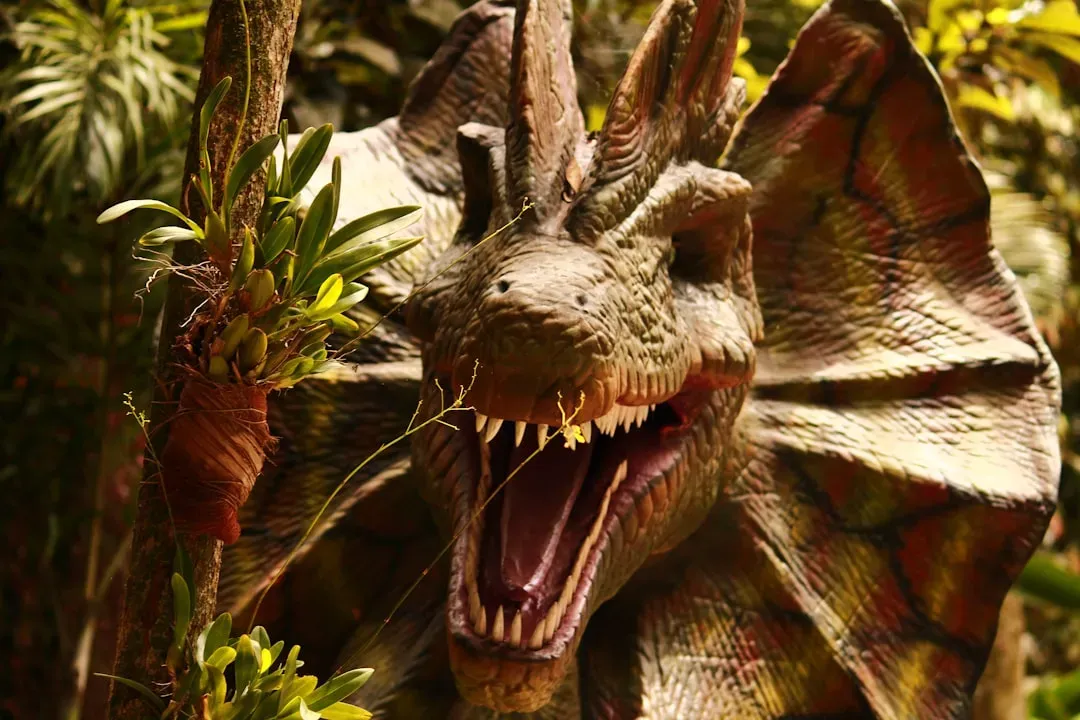
Picture it. The summer of 1993. Theaters upgraded their sound systems to full DTS surround audio just to handle it. Spielberg’s film didn’t just bring dinosaurs to life visually – it also redefined how they should sound, prompting movie theaters to upgrade to DTS digital sound systems specifically designed for its complex audio. The result felt revolutionary, and the T. rex roar became synonymous with raw prehistoric power. But here’s the thing: that iconic sound was built entirely from guesswork.
The sound was crafted largely from speculation, based on a very limited understanding of dinosaur biology at the time. Sound designers created the terrifying effect by combining various animal recordings – including the deep base of a baby elephant’s call, the growls of a tiger, and the guttural noises of an alligator – producing a roar that felt imposing and primal, but was scientifically inaccurate. In other words, you’ve been hearing a monster mashup, not a real dinosaur.
Why Dinosaur Sounds Are So Hard to Reconstruct
Here’s the real scientific challenge. Sound-producing organs don’t fossilize well. There are no audio recordings of dinosaur voices, and the organs responsible for producing sound – including vocal cords, lungs, and the syrinx in birds – are all made of soft tissues like muscle and cartilage, which decompose quickly after death, making it extremely rare for them to remain as fossils. It’s a bit like trying to reconstruct music when all you have left are the walls of the concert hall, not the instruments inside.
Paleontologists spent decades trying to correct the record, but the problem was always the evidence: vocal cords, larynxes, and soft tissues decompose, leaving only bones and teeth for scientists to interpret. Without direct fossil evidence, the debate over dinosaur sounds remained speculative, a battle between anatomical inference and Hollywood’s persuasive power. Honestly, you can’t blame people for defaulting to whatever the movies told them. There just wasn’t enough science to push back – until recently.
The Groundbreaking Fossil Discoveries That Changed Everything
Uploaded by FunkMonk, CC BY 2.0)
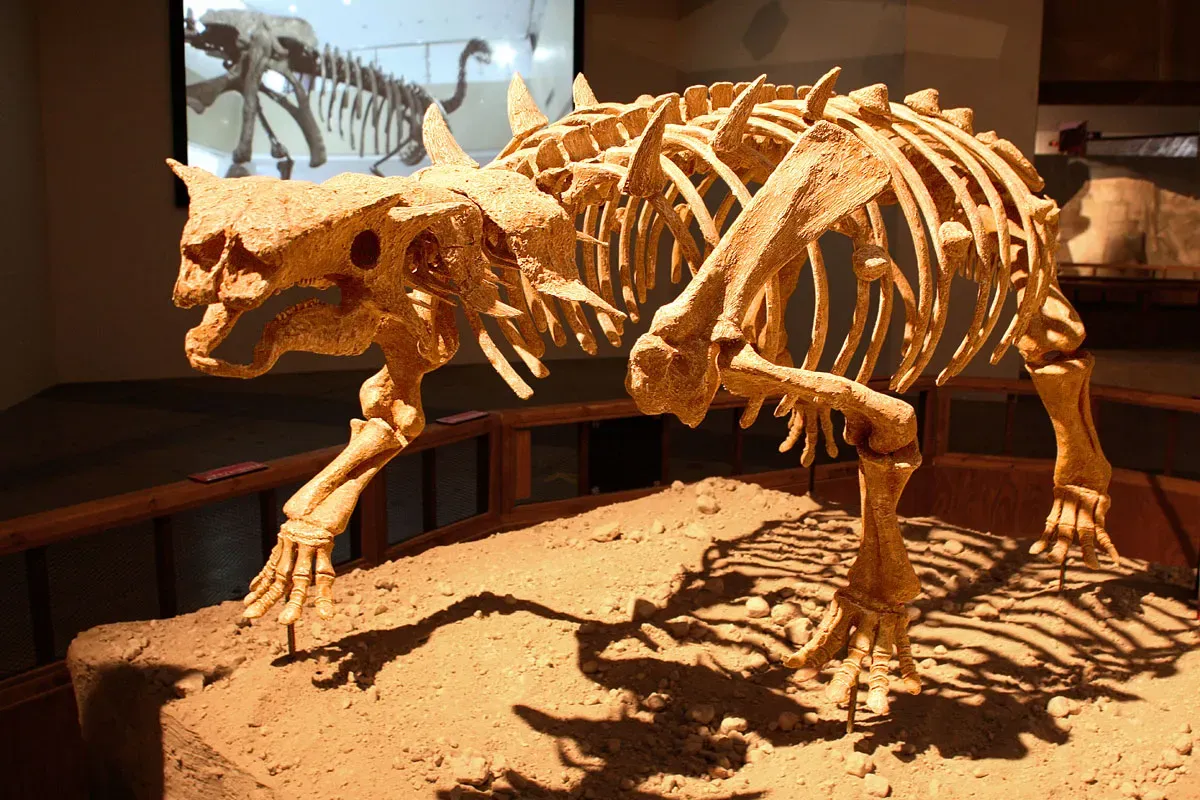
That changed in 2023, when researchers published the first description of a fossilized voice box from a non-avian dinosaur, with a second discovery following in early 2025. The specimens suggest dinosaurs produced sounds closer to a cooing dove or a booming emu than anything resembling a mammalian roar. The anatomical evidence now exists, and it contradicts three decades of cinematic convention. That’s a jaw-dropping shift in what science can actually confirm.
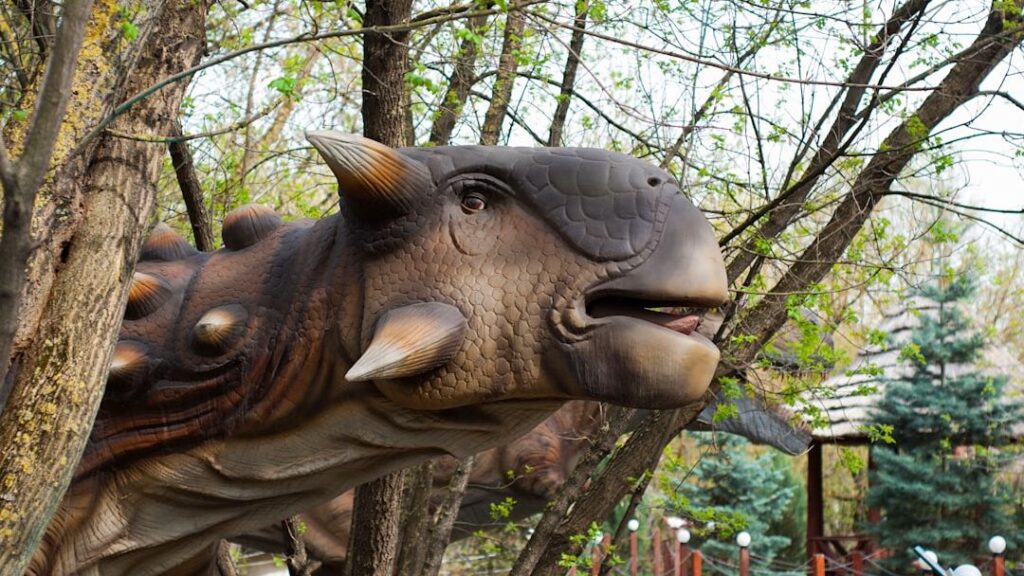
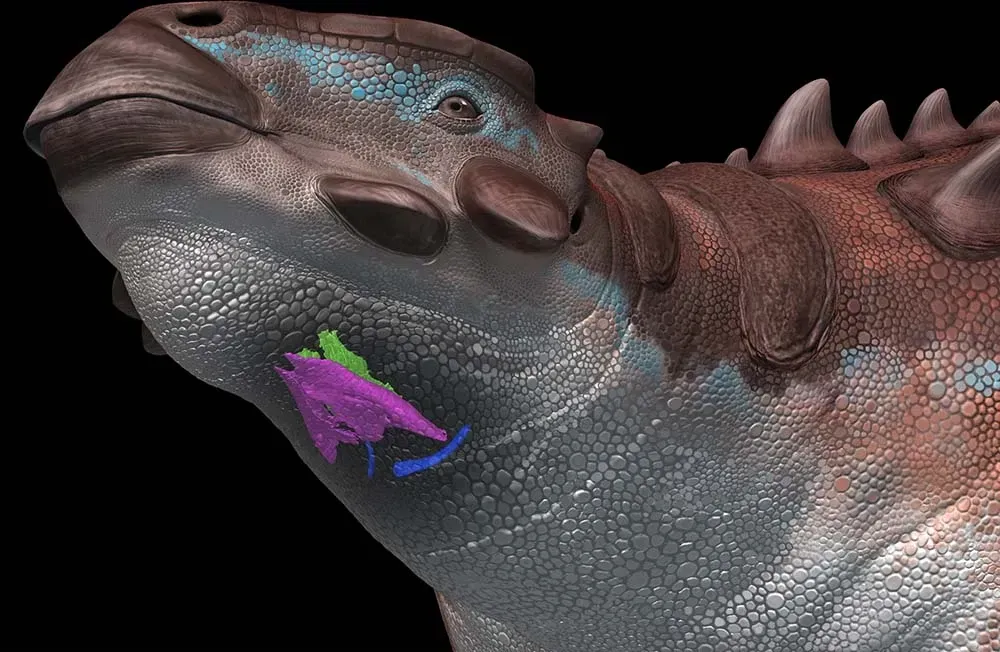
The 2023 discovery involved Pinacosaurus grangeri, a Late Cretaceous ankylosaur from what is now Mongolia. An international team of researchers described the specimen in Communications Biology, noting that while its larynx shared structural features with modern crocodilians, it also exhibited specialized modifications previously documented only in birds. The study concluded the dinosaur likely used its larynx as a vocal modifier capable of producing bird-like sounds, despite lacking the syrinx, the complex vocal organ unique to birds. Think less roaring lion, more cooing pigeon – and somehow that’s even more fascinating.
The Pulaosaurus Discovery: A Singer From the Jurassic
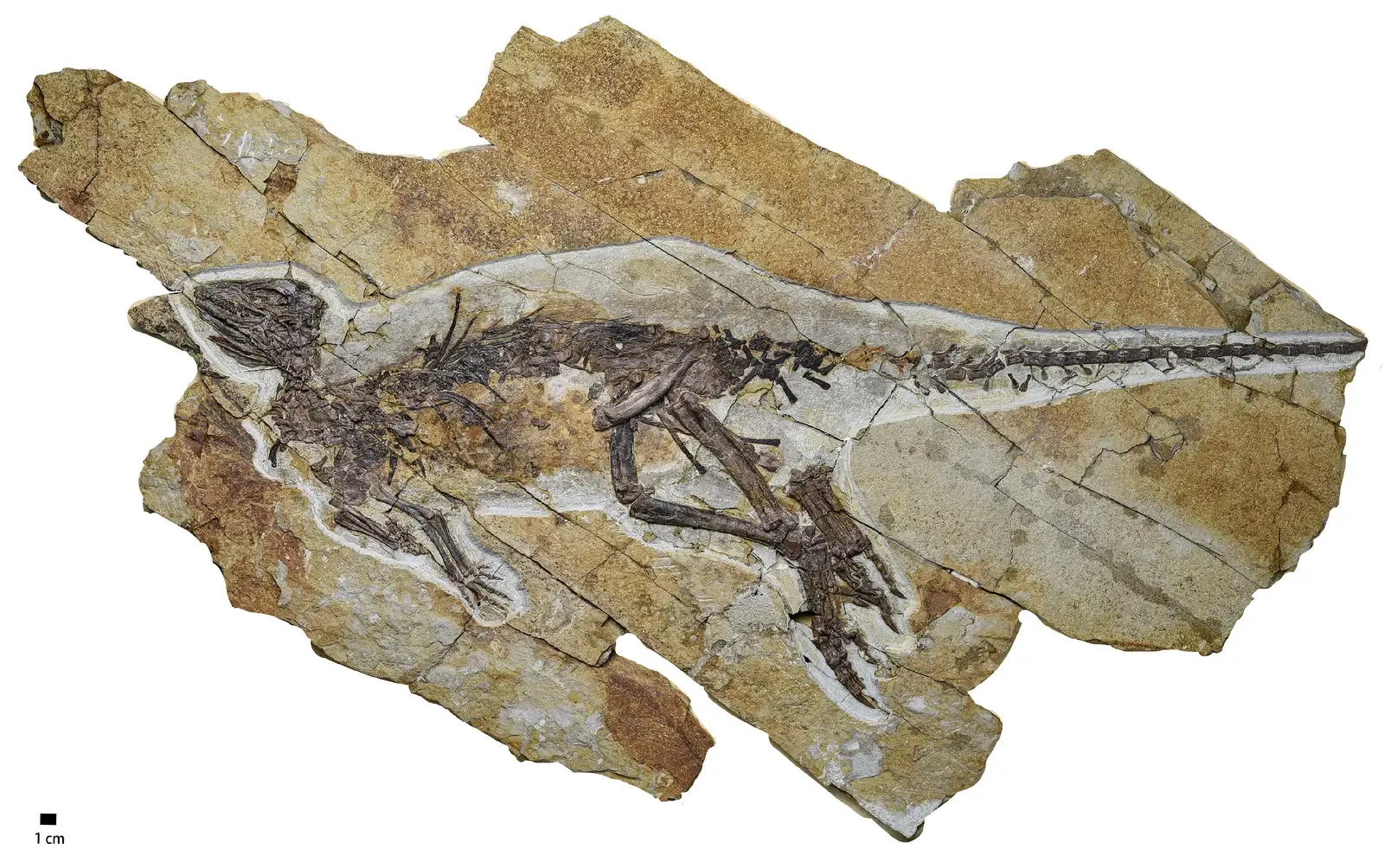
At just 28 inches long, Pulaosaurus qinglong wasn’t much of a fighter – but possibly a singer. The fossil includes unusually well-preserved vocal bones that hint at an ancient origin for birdlike sounds. Published in the journal PeerJ, the study describes Pulaosaurus as a small, fast-moving herbivore from the Jurassic period, and what sets this dinosaur apart is the surprisingly birdlike anatomy of its larynx – making it only the second known case of a non-avian dinosaur with ossified throat structures preserved, and the oldest yet.
To analyze what the dinosaur would have sounded like, researchers used micro-CT scans with 10-micron resolution to peer inside the fossil’s bones, finding thin, delicate structures unlike any seen before in early dinosaurs. These two fossils – Pinacosaurus and Pulaosaurus – separated by thousands of kilometers and millions of years, represent the only direct evidence of non-avian dinosaur vocal anatomy ever recovered. Their extreme rarity explains why the field of paleoacoustics has advanced so slowly. It’s remarkable that we’ve learned so much from so little.
Closed-Mouth Vocalizations: The Science Behind the Rumble
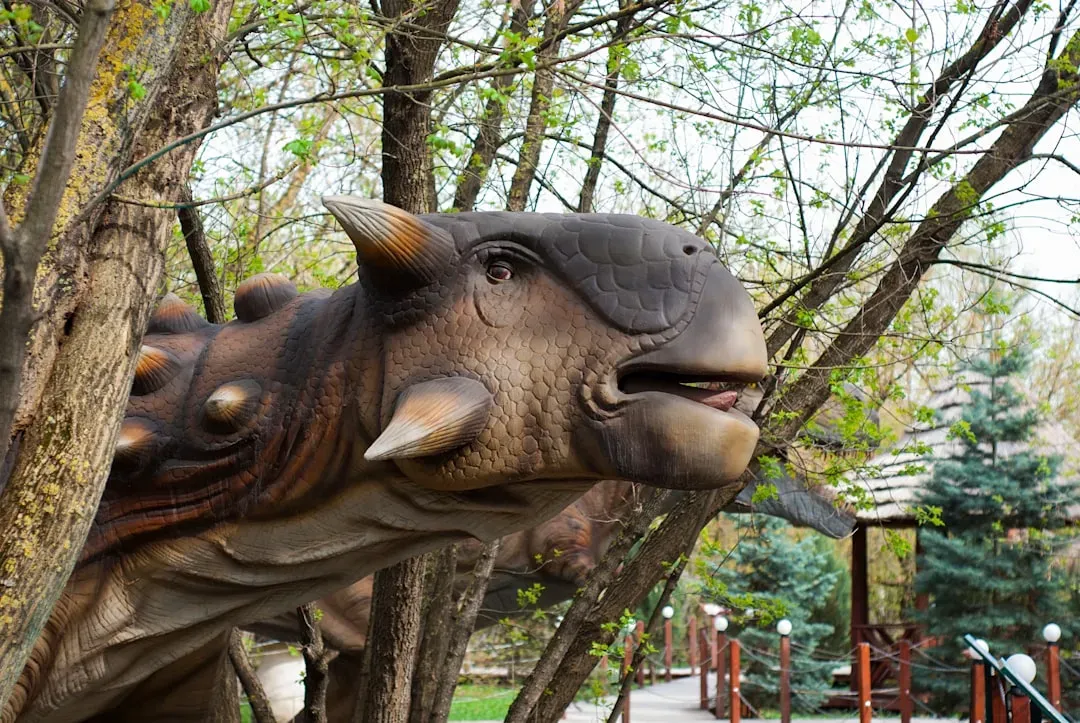
So if dinosaurs didn’t roar with an open mouth, how did they actually make sound? Scientists theorize that many dinosaurs may have produced closed-mouth vocalizations – animals produce these by inflating their esophagus or tracheal pouches while keeping their mouth closed, resulting in something comparable to a low-pitched swooshing, growling, or cooing sound. Imagine a giant, living subwoofer with teeth. That’s closer to the T. rex than anything you’ve seen in a blockbuster.
A separate line of research published in the journal Evolution examined vocalization data from more than 200 bird and crocodilian species, the closest living relatives of dinosaurs. Researchers found that closed-mouth vocalization evolved independently at least sixteen times within this group, suggesting deep evolutionary roots. The bigger animals are, the deeper the sounds they make. An enormous dinosaur would have made a sound so deep that human ears might not have been able to hear it – but you would have felt it across every inch of your body. That, if you stop to think about it, is far more terrifying than any movie roar.
The Parasaurolophus: Nature’s Own Brass Instrument
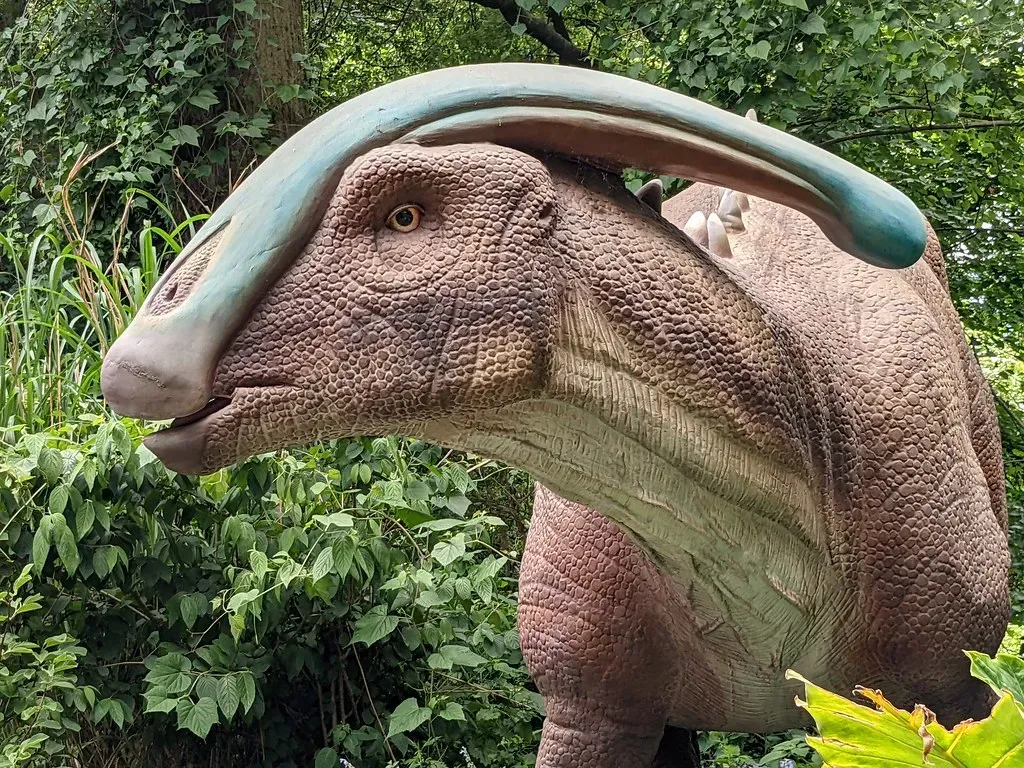
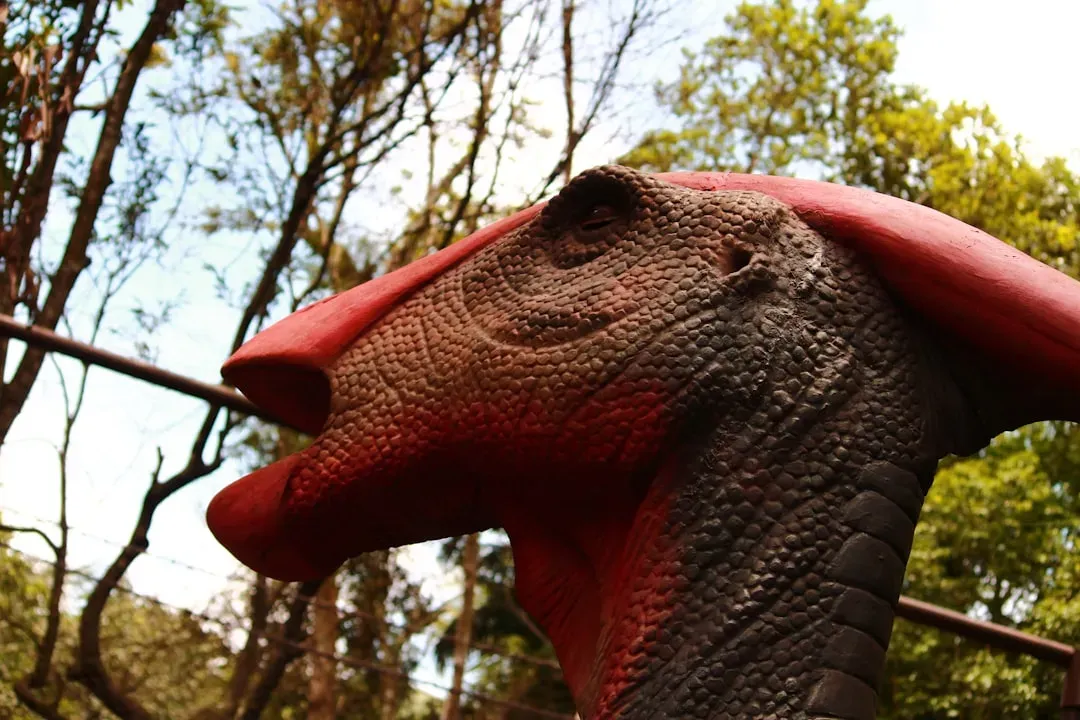
Duck-billed hadrosaurs such as Parasaurolophus possessed elaborate hollow head crests that functioned as resonant chambers. Paleontologists used CT scans of fossil specimens to create computer models of these structures and simulate the sounds they could produce, with results generating calls described as otherworldly – deep, resonant tones closer to brass instruments than to animal vocalizations. Think trombone, not roar. It’s one of the most startling comparisons in all of paleontology.
Scientists at Sandia National Laboratories and the New Mexico Museum of Natural History collaborated to recreate the sound a dinosaur made 75 million years ago, producing a low-frequency sound using CT scans and powerful computers. Based on the structure of the crest, the dinosaur apparently emitted a resonating, low-frequency rumbling sound that could change in pitch, and each Parasaurolophus probably had a voice distinctive enough to differentiate not just from other species, but from other members of its own kind. In a prehistoric forest, that kind of vocal signature would have been everything.
What the Future of Dinosaur Sound Science Looks Like
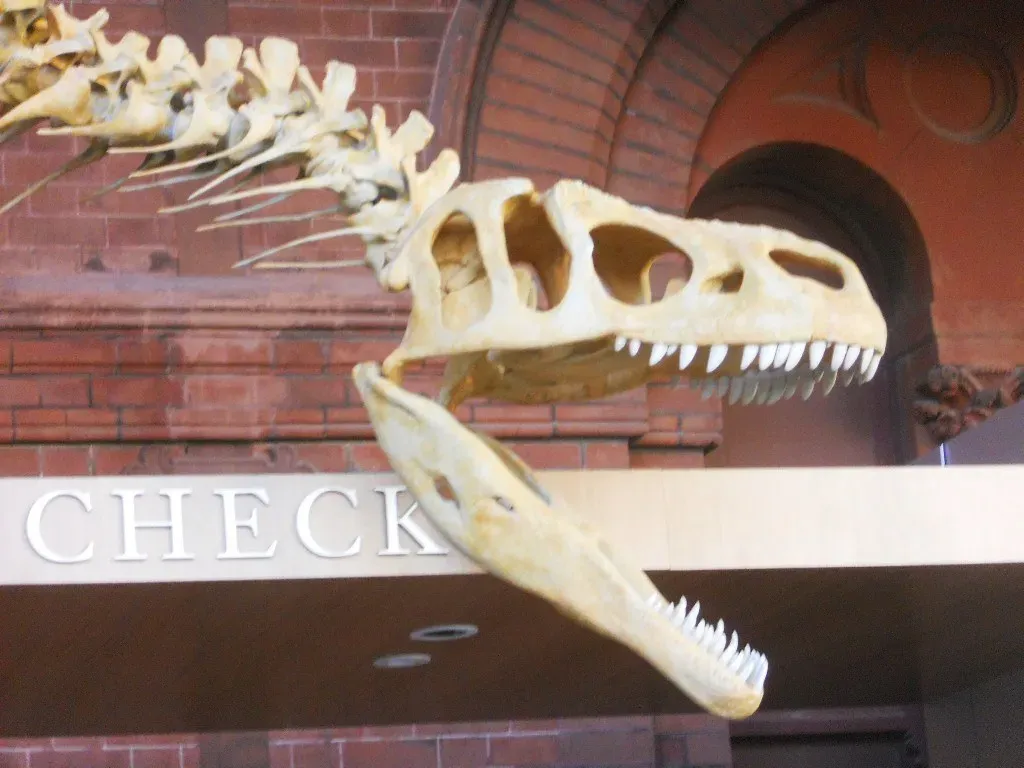
Two musicians are challenging existing assumptions using 3D-printed dinosaur skulls. Dubbed Dinosaur Choir, these craniums use fossil evidence to recreate the vocalizations of species that haven’t been heard in millions of years, and the project was recently recognized at Georgia Tech’s 2025 Guthman Musical Instrument Competition. It’s the kind of crossover between art and science that makes you realize discovery doesn’t always happen in a lab.
Researcher Hongjun Lin from New York University presented findings on the acoustic characteristics of a physical model of Parasaurolophus’ crest at the 2024 Meeting of the Acoustical Society of America, with the ultimate goal of recreating its sound. Lin hopes that if better-preserved fossils are found, “We’ll have a chance to listen to the actual sound of a dinosaur in the 21st century.” As scientific research continues to evolve, museums and filmmakers face the challenge of representing dinosaur sounds in a way that’s both scientifically accurate and engaging, with some experts believing future films and exhibits could incorporate low-frequency vibrations, allowing audiences to experience the feeling of a T. rex’s call rather than hearing a dramatic roar.
Conclusion
Let’s be real – there’s something almost poetic about all of this. We’ve spent over three decades trembling at a sound that was never real. The T. rex roar that terrified a generation of moviegoers was stitched together from elephant bellows, tiger growls, and alligator grunts. The true dinosaur soundscape was likely something far stranger and, in its own way, far more awe-inspiring. Low rumbles felt through the chest. Deep resonant booms echoing through ancient forests. Prehistoric creatures communicating in frequencies we can barely detect.
Science is still in its early stages when it comes to reconstructing these ancient voices. Every fossilized voice box discovered is a miracle of preservation, a tiny window into a world lost for 66 million years. The field of paleoacoustics is young, the fossils are rare, and the answers are still coming. What we do know is this: the prehistoric world was not silent, and it was nothing like the movies. The truth, as it turns out, might be even more haunting.
What do you think – would you rather experience the Hollywood roar, or feel a real low-frequency dinosaur rumble vibrate through the ground beneath your feet? Drop your thoughts in the comments.