Gulf of Mexico – Federal officials have summoned a powerful and seldom-used committee to consider overriding protections for endangered marine life amid ambitious oil and gas development plans. The Endangered Species Committee, dubbed the “God Squad” for its authority to exempt major projects from the Endangered Species Act, marks a rare move not seen in over three decades. At stake lies the fate of the critically endangered Rice’s whale, whose tiny population clings to survival in these waters.
The Rare Power of the God Squad
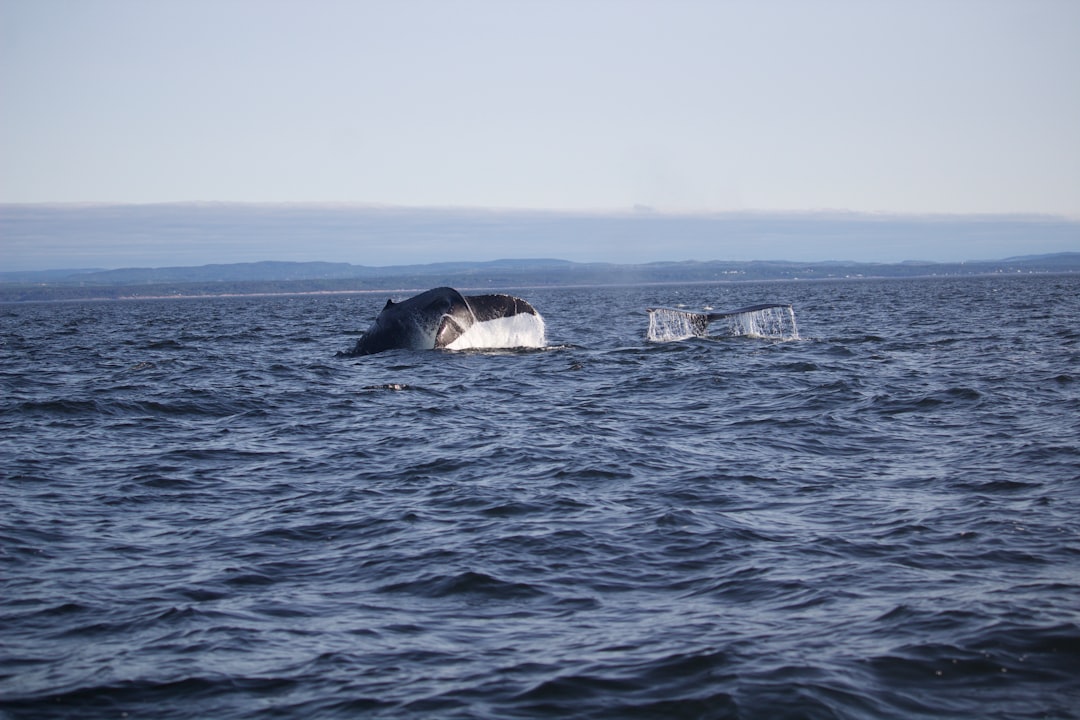
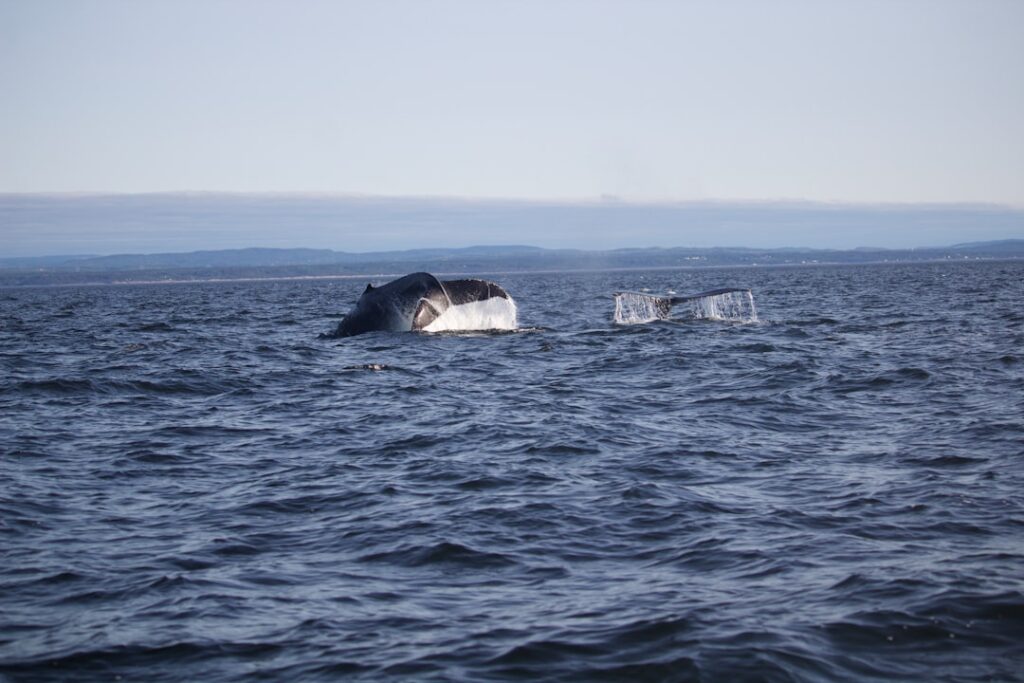
The Rare Power of the God Squad (Image Credits: Unsplash)
Established by Congress in 1978, the Endangered Species Committee holds extraordinary influence. It can grant exemptions to the Endangered Species Act when federal projects clash with species protections, but only after a supermajority vote of five out of seven members approves. Members include top officials such as the secretaries of Interior, Agriculture, and the Army, along with leaders from the EPA, NOAA, and the Council of Economic Advisors.
Interior Secretary Doug Burgum, serving as chairman, announced the committee’s reactivation earlier this month. This gathering represents just the fourth time in history the panel has convened, underscoring its exceptional nature. Proponents must demonstrate no viable alternatives exist and that project benefits outweigh ecological harm.
Rice’s Whale: A Gulf Exclusive on the Edge
Found only in the Gulf of Mexico, the Rice’s whale (*Balaenoptera ricei*) stands as America’s most endangered large whale. Recent surveys peg its population at around 50 individuals, confined mostly to the northeastern Gulf off Florida’s west coast in waters 100 to 400 meters deep. Genetic analysis in 2021 confirmed it as a distinct species from the Bryde’s whale, heightening urgency for its protection.
NOAA lists the whale as endangered under the ESA and depleted under the Marine Mammal Protection Act. Ongoing threats compound its vulnerability, including vessel strikes, ocean noise from seismic surveys, oil spills, and fishing gear entanglements. The 2010 Deepwater Horizon disaster alone exposed nearly half its habitat and likely triggered a 22% population drop.
- Vessel traffic in busy northern Gulf areas raises collision risks.
- Seismic airguns and drilling operations disrupt whale calls and foraging.
- Climate shifts alter prey like silver-rag driftfish, essential to their diet.
- Recent acoustic detections in Mexican waters hint at a slightly broader range, but numbers remain perilously low.
Energy Priorities Fuel the Exemption Push
The Bureau of Ocean Energy Management and Bureau of Safety and Environmental Enforcement oversee vast Outer Continental Shelf leases in the Gulf, now rebranded by the administration as the Gulf of America. These activities drive significant economic output but overlap directly with Rice’s whale core habitat. A recent NOAA assessment warned that intensified exploration and production could jeopardize the species’ recovery.
The Trump administration cited a declared National Energy Emergency to justify accelerating permits. Critics argue this sidesteps standard environmental reviews, potentially endangering not just whales but sea turtles and Gulf sturgeon as well. Supporters emphasize job creation and energy independence in a region producing 15% of U.S. oil.
A High-Stakes Meeting Looms
The committee convenes on March 31, 2026, at 9:30 a.m. in Washington, D.C., with public access via YouTube livestream. The agenda centers on an ESA exemption for Gulf oil and gas exploration, development, and production.Federal Register announcement
Though no final decision timeline was specified, the outcome could reshape conservation efforts. NOAA continues monitoring through acoustics, health assessments, and a proposed critical habitat designation from 2023.NOAA Rice’s Whale page Environmental groups have filed lawsuits challenging the process, highlighting risks to irreplaceable biodiversity.
Key Takeaways
- The God Squad requires strict proof of no alternatives before granting exemptions.
- Rice’s whale numbers hover near 50, making every threat existential.
- Gulf oil activities promise economic gains but amplify noise, spills, and strikes.
As the God Squad deliberates, the Gulf embodies a pivotal tension between human progress and natural heritage. Will economic imperatives eclipse the survival of a unique whale lineage? The decision could echo for generations. What do you think about this balance? Tell us in the comments.