Beneath the prismatic hot springs and the faithful clockwork of geysers, something extraordinary is waiting. You are walking, without knowing it, on the roof of one of the most powerful geological forces on the planet. Yellowstone is not just a national park filled with bison and breathtaking landscapes. It is, at its core, a sleeping titan that has already reshaped this continent multiple times over.
What makes this place so fascinating is not the fear of what might happen, but the staggering record of what already has. Millions of years of fiery history are written into the rocks, the ground, and the very air above the surface. Whether you are a casual visitor or a devoted geology enthusiast, the story buried under your feet is more epic than any disaster film Hollywood could produce. Let’s dive in.
What Exactly Is a Supervolcano, and Why Does Yellowstone Qualify?
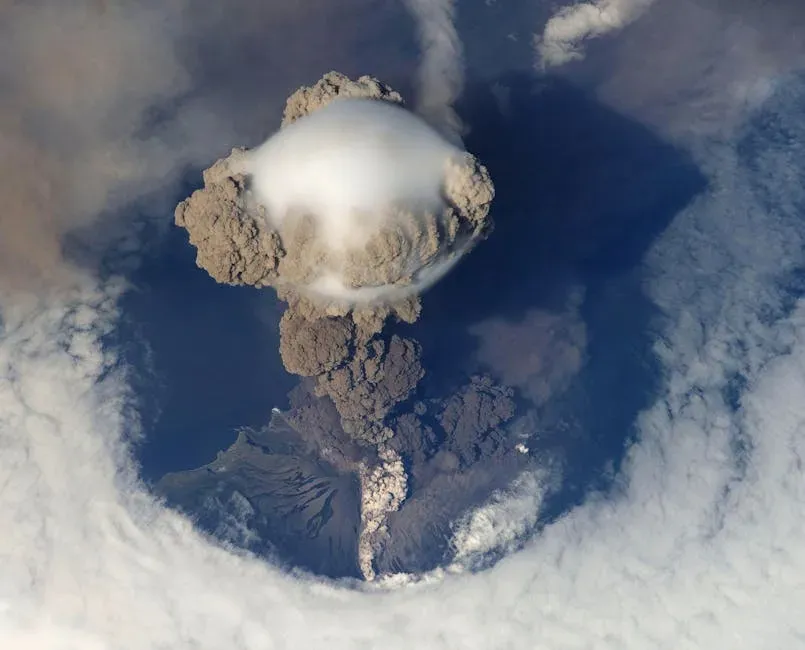
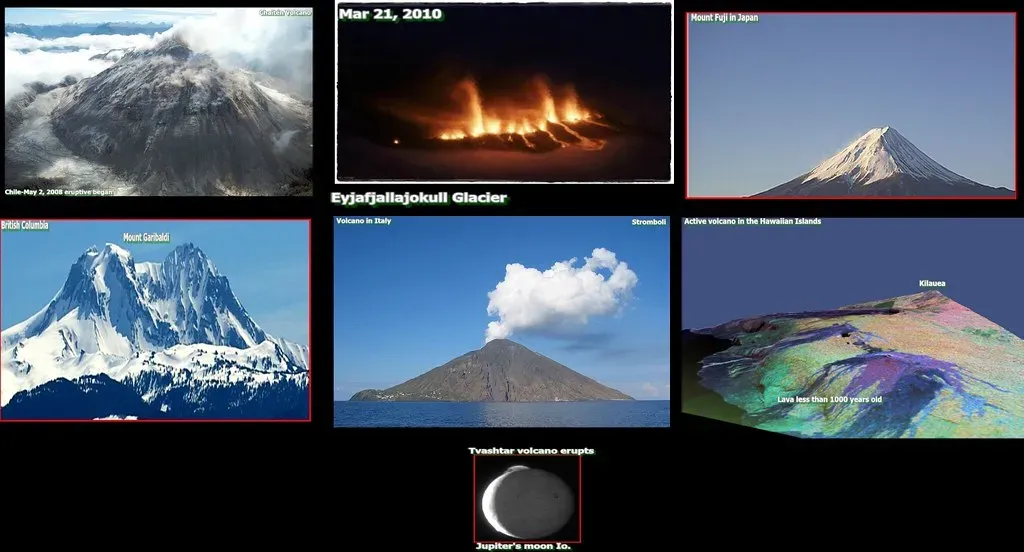
Here is the thing about supervolcanoes. They are nothing like the cone-shaped mountains you picture when someone says the word “volcano.” Supervolcanoes differ from familiar peaks like Mount Fuji or Vesuvius because they lack a classic cone shape. Instead, they form broad calderas after explosive events collapse the surface. That alone changes everything about how you think about what is hiding under Yellowstone.
The term “supervolcano” implies a volcanic center that has had an eruption of magnitude 8 on the Volcano Explosivity Index (VEI), meaning the measured deposits for that eruption is greater than 1,000 cubic kilometers. To put that in perspective, Mount St. Helens in 1980 clocked VEI 5, devastating, but a fraction of supervolcano scale. Yellowstone, by contrast, has crossed that threshold not once, but three times.
The Three Cataclysmic Eruptions That Rewrote the Continent
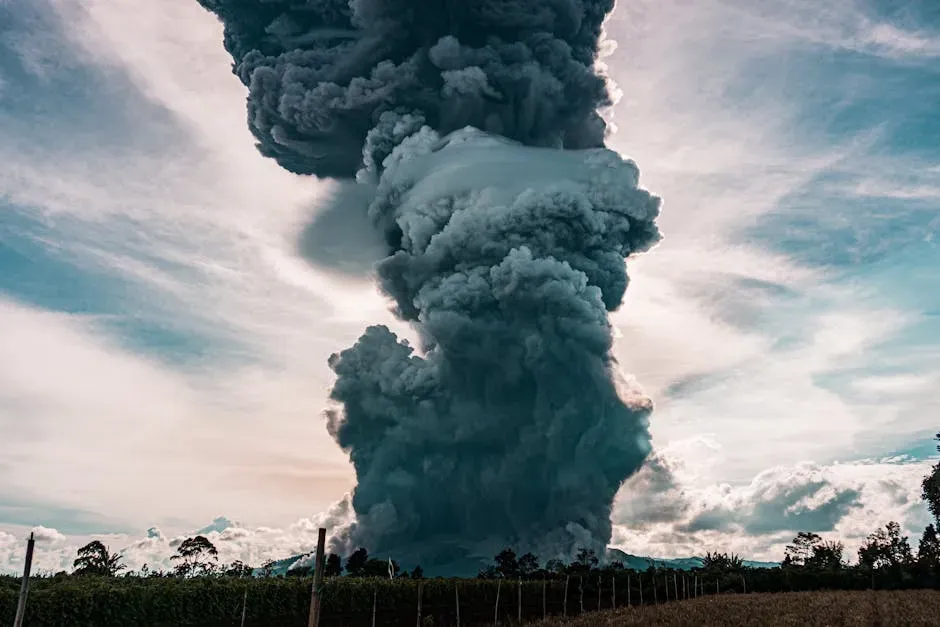
There have been three major explosive eruptions in Yellowstone’s history: Huckleberry Ridge, 2.1 million years ago, Mesa Falls, 1.3 million years ago, and Lava Creek, 640,000 years ago. Each of those events was so violent that it literally collapsed the ground above the emptied magma chamber, carving enormous calderas into the landscape. Think of it like the ceiling of a cave crashing down after everything underneath it has been hollowed out.
During these eruptions, enormous volumes of hot, fragmented volcanic rocks spread outward as pyroclastic density currents over vast areas. The hot ash, pumice, and other rock fragments accumulated and welded together to form extensive sheets of hard lava-like rock. In some sections, these welded ash-flow tuffs are more than 400 meters thick. That is taller than the Empire State Building, buried in volcanic debris. The scale is honestly staggering.
The Colossal Scale: A Caldera You Could Get Lost In
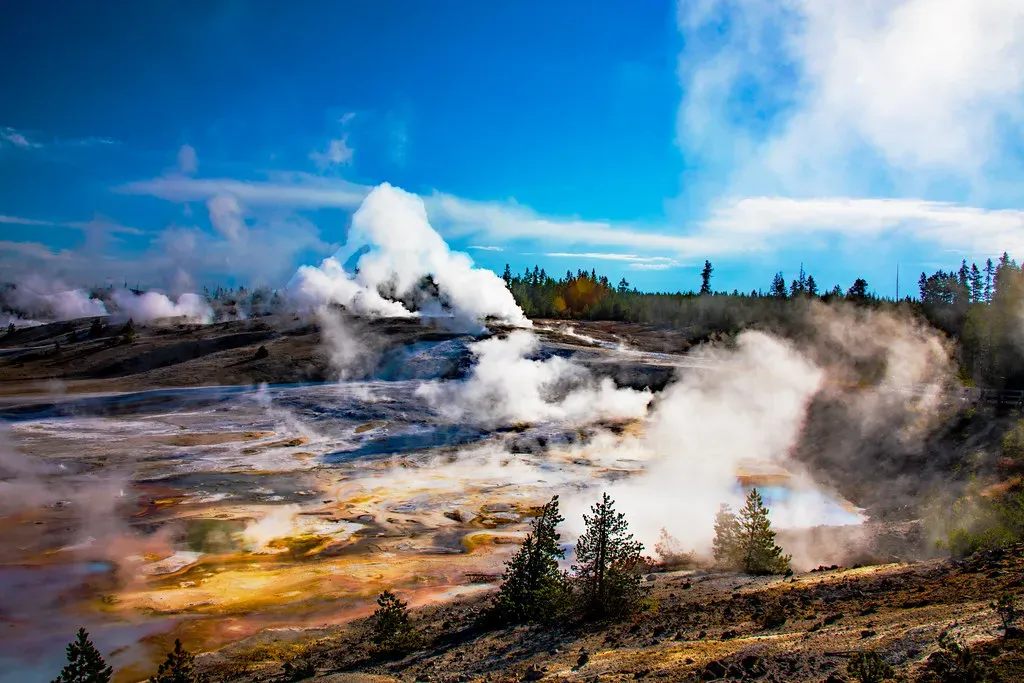
The first major eruption of the Yellowstone volcano, which occurred 2.1 million years ago, is among the largest volcanic eruptions known, covering over 5,790 square miles with ash. You need a moment to sit with that number. Ash covering an area bigger than many countries, deposited in a single geological event. The most recent major eruption, 640,000 years ago, caused the ground to collapse into the magma reservoir, leaving a giant caldera. Subsequent lava flows filled in much of the caldera, and it is now measured at 30 by 45 miles.
During the three giant caldera-forming eruptions that occurred between 2.1 million and 631,000 years ago, tiny particles of volcanic debris covered much of the western half of North America, likely a third of a meter deep several hundred kilometers from Yellowstone. Wind carried sulfur aerosol and the lightest ash particles around the planet and likely caused a notable decrease in temperatures around the globe. This was not a local catastrophe. This was a planetary event.
The Hotspot Beneath: A River of Fire Moving Across the West
Yellowstone’s volcanism is the most recent in a 17 million-year history of volcanic activity that progressed from southwest to northeast along the Snake River Plain. A track of volcanic complexes can be traced for more than 750 kilometers and marks the surface manifestation of hot spot volcanism where a plume of mantle material rises into the crust, is stored, then erupts. Honestly, it is one of the most dramatic geological journeys on Earth, a slow-burning trail of fire crawling across the American West over millions of years.
Seismic tomography has revealed a 350 kilometer wide, cylindrical thermal anomaly extending from the deepest mantle to just beneath Yellowstone, supporting the mantle plume origin. In this model, the North American Plate moves southwest at about 2.2 centimeters per year over the relatively stationary plume, creating the observed age-progression of eruptive centers. So it is not the hotspot that is moving. It is you, or rather, the entire continent drifting slowly over a stationary column of heat rising from deep within the Earth.
The Magma Chamber: A Restless Giant Beneath Your Feet
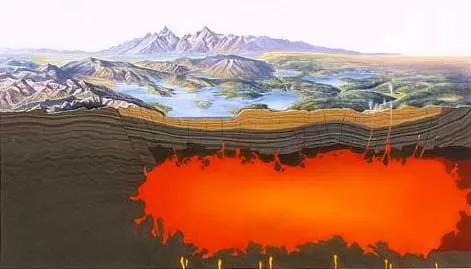
Since its most recent major eruption approximately 640,000 years ago, Yellowstone has remained geologically active, primarily due to the vast magma chamber beneath the caldera. This chamber is estimated to contain around 4,000 cubic kilometers of partially molten material, making it one of the largest of its kind globally. For context, imagine a reservoir of semi-molten rock stretching across an area large enough to swallow a small nation. That is what sits beneath the park’s beautiful meadows.
In October 2017, research from Arizona State University indicated that prior to Yellowstone’s last supereruption, magma surged into the magma chamber in two large influxes. An analysis of crystals from Yellowstone’s lava showed that prior to the last supereruption, the magma chamber underwent a rapid increase in temperature and change in composition. The analysis indicated that Yellowstone’s magma reservoir can reach eruptive capacity and trigger a super-eruption within just decades, not centuries as volcanologists had originally thought. That finding rattled the scientific community. Decades, not centuries. Worth knowing.
Geysers, Hot Springs, and Earth’s Thermal Stage Show
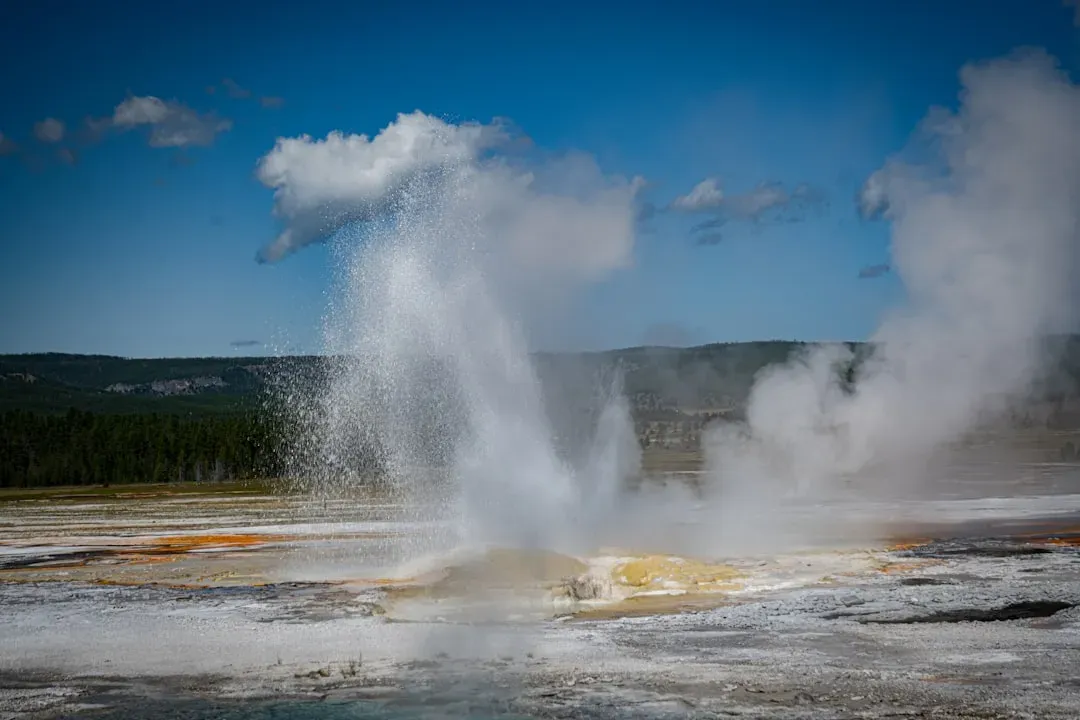
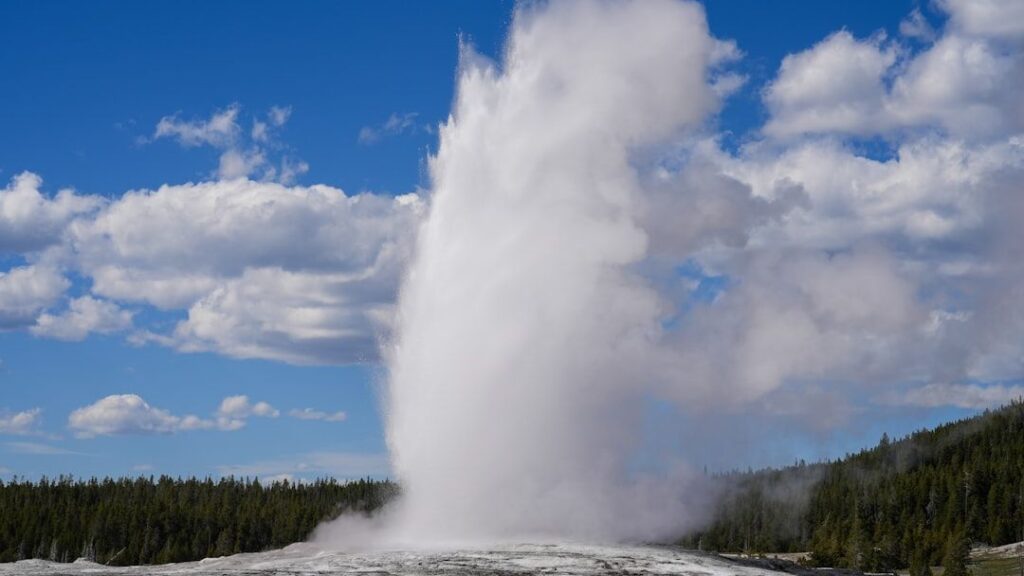
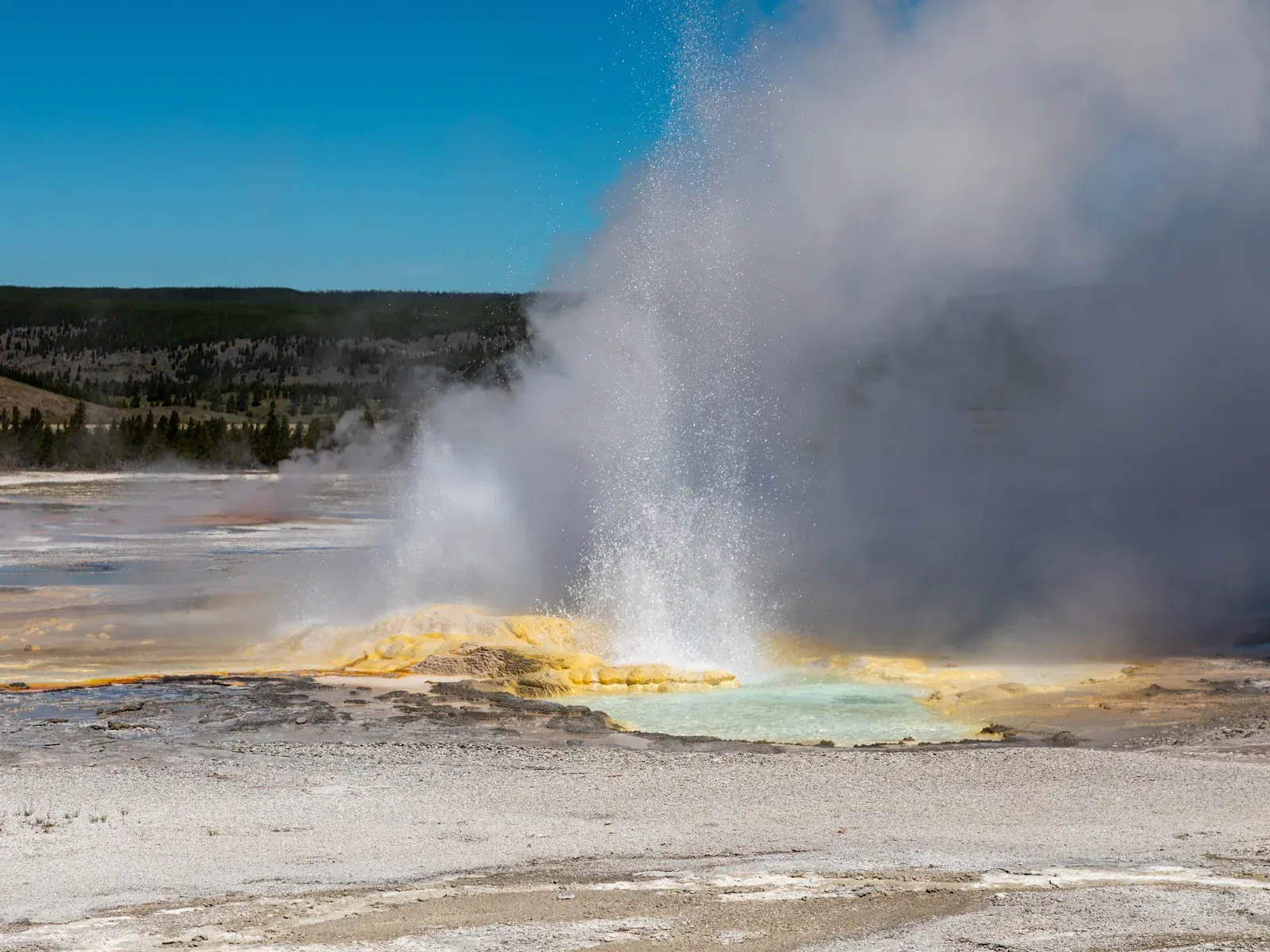
A plume of molten rock that rises beneath the park creates one of the world’s largest active volcanoes, and you can see evidence all around in the form of geysers, hot springs, mud pots, and other otherworldly thermal features. These are not just tourist attractions. They are a direct conversation between the deep Earth and the surface, a visual language of heat, pressure, and chemistry that scientists study obsessively. Yellowstone’s geysers and hot springs are a direct consequence of the volcanic system. These features exist because of the high heat discharge from the molten rock that fuels the volcanic eruptions.
Studies and analysis may indicate that the greater hazard comes from hydrothermal activity, which occurs independently of volcanic activity. Over 20 large craters have been produced in the past 14,000 years, resulting in such features as Mary Bay, Turbid Lake, and Indian Pond, which was created in an eruption about 1300 BC. So even without a full magmatic eruption, the hydrothermal system is capable of its own brand of sudden, violent surprises. The park keeps no quiet secrets.
Is Yellowstone “Overdue”? What the Data Actually Says
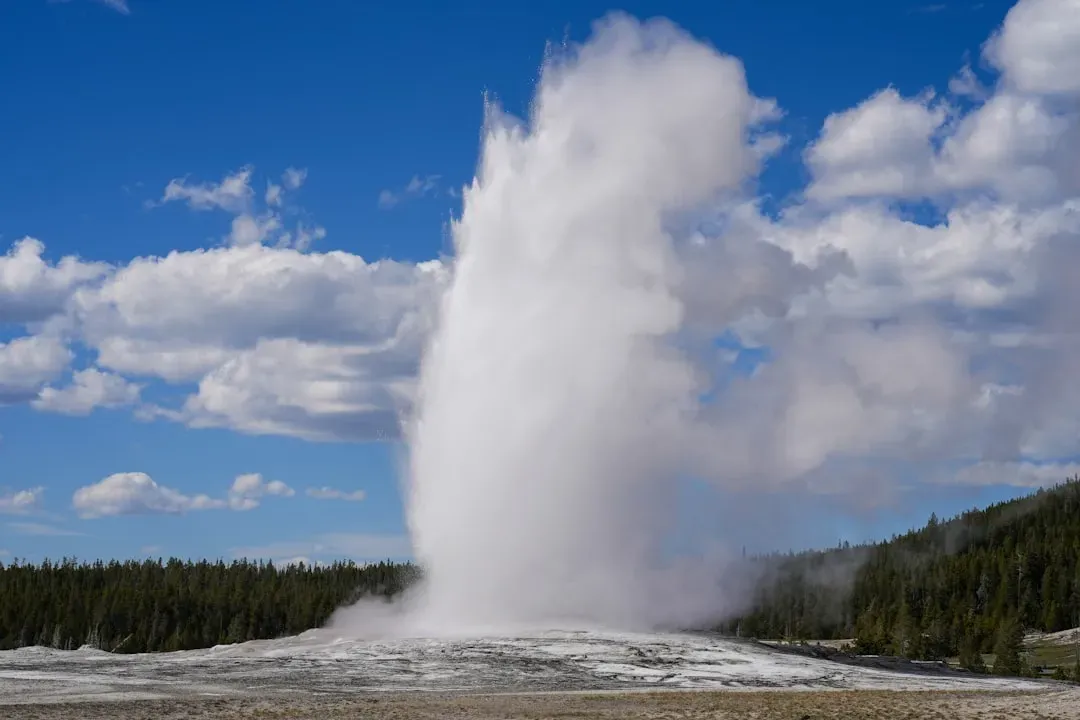
Let’s be real. You have probably heard someone say Yellowstone is overdue for an eruption. It is the kind of headline that spreads fast and fades slowly. Given Yellowstone’s past history, the yearly probability of another caldera-forming eruption can be approximated as 1 in 730,000 or 0.00014%. However, this number is based simply on averaging the two intervals between the three major past eruptions at Yellowstone. This probability is roughly similar to that of a large asteroid hitting the Earth. So, you could argue you should be more worried about the sky than the ground.
At that time, supereruptions ravaged the Yellowstone hotspot track once every 500,000 years. Today that rate has dropped to 1.5 million years. All clues indicate that Yellowstone was much more violent in its adolescence. It is hard to say for sure, but some researchers even suggest the system may be winding down rather than building toward a new catastrophe. The Yellowstone Volcano Observatory monitors volcanic activity and does not consider an eruption imminent. Imaging of the magma reservoir indicates a substantial volume of partial melt beneath Yellowstone that is not currently eruptible.
How Scientists Monitor the Beast in Real Time
Scientists continuously monitor the volcanic system, and the U.S. Geological Survey (USGS) states that there is no evidence indicating an imminent eruption. Monitoring includes studying ground deformation, gas emissions, and seismic activity, which demonstrate that the volcanic system is stable. The monitoring network is genuinely impressive. It is like having a stethoscope pressed permanently against the chest of a sleeping dragon.
An area on the north rim of Yellowstone caldera, to the south of Norris Geyser Basin, started to uplift slightly in July 2025. Similar deformation occurred in the same area during 1996 to 2004 and reveals characteristics of the subsurface. Even a subtle rise in the ground level gets logged, analyzed, and compared against decades of historical data. Yellowstone experiences 1,000 to 2,000 earthquakes annually, mostly below magnitude 3, and features geysers and geothermal features. Most of those tremors are imperceptible to the average visitor, but every single one is recorded.
Conclusion
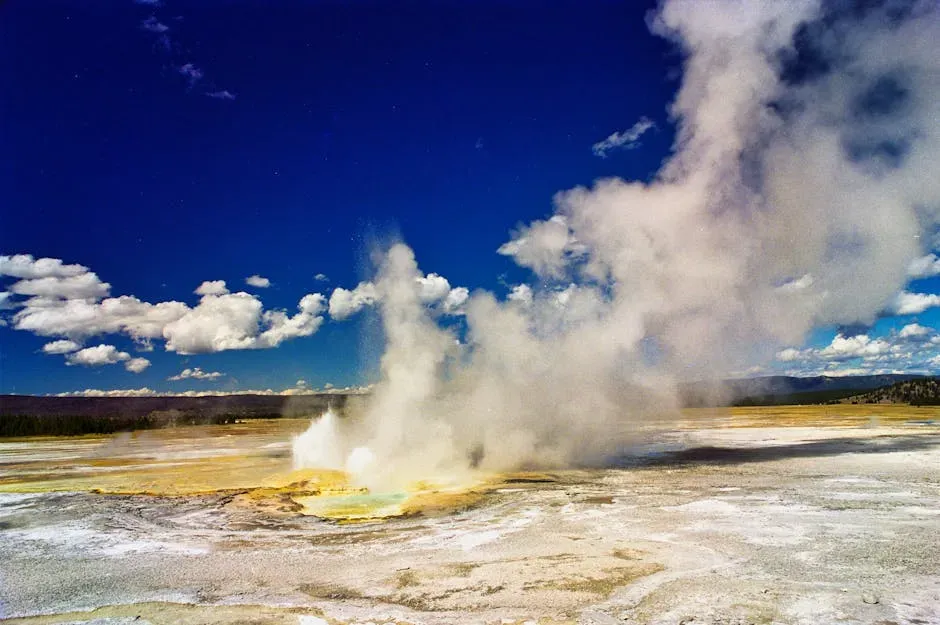
Yellowstone is, without question, one of the most extraordinary geological archives on the planet. It is a place where you can stand on ground that has been violently rearranged by forces almost incomprehensible in their scale, and still feel perfectly safe watching a geyser erupt on schedule. The past it carries is cataclysmic. The present is, fortunately, quiet.
What makes this story so compelling is that it keeps evolving. New research continues to peel back layers of what we thought we understood, revealing that eruptions may have been multi-phase events, that magma can mobilize faster than previously assumed, and that the system is far more dynamic than the calm surface suggests. You are not just visiting a national park when you go to Yellowstone. You are visiting the memory of events that once changed the climate of the entire planet.
The Earth does not keep its most dramatic stories written in books. It writes them in rock, in heat, and in the slow, patient movement of tectonic plates. Yellowstone is perhaps the most vivid chapter of all. Does knowing all of this change how you’d feel standing at the edge of that caldera? Tell us what you think in the comments.