
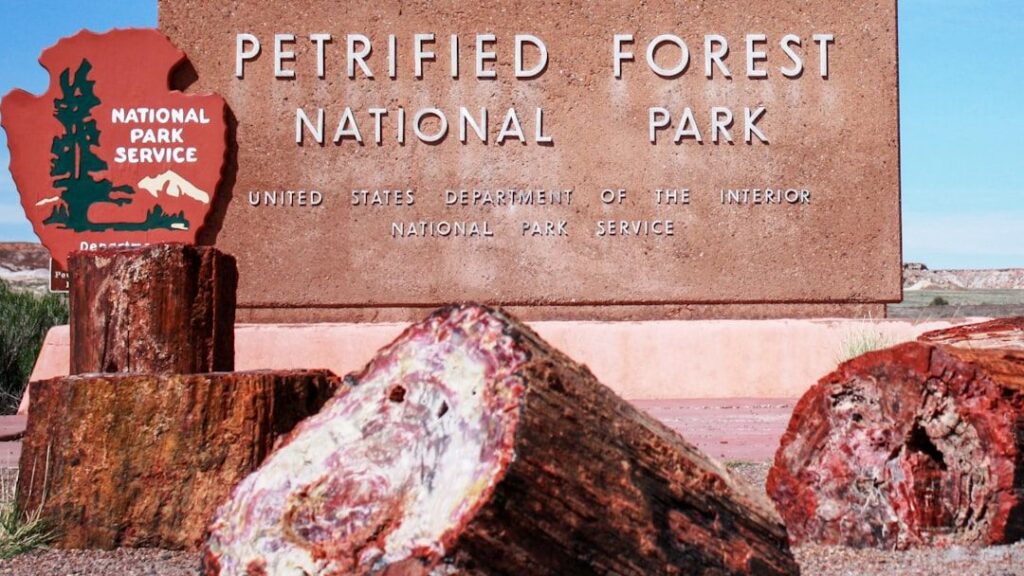
Imagine standing in the middle of what was once a lush, tropical jungle, where enormous trees towered over meandering rivers and bizarre prehistoric creatures lurked in the undergrowth. Now picture that very same place transformed into a vast, windswept desert scattered with crystallized logs that shimmer in red, purple, orange, and yellow. That is precisely what awaits you at Petrified Forest National Park in northeastern Arizona, and honestly, it is one of the most astonishing places on the entire planet.
This park holds secrets far older than any civilization, older than any recorded history, and far more dramatic than most people ever expect. Whether you are a nature lover, a history enthusiast, or someone who just wants to experience something utterly unlike anything you have ever seen, you will find more here than you bargained for. So let’s dive in.
A World That Existed 225 Million Years Ago
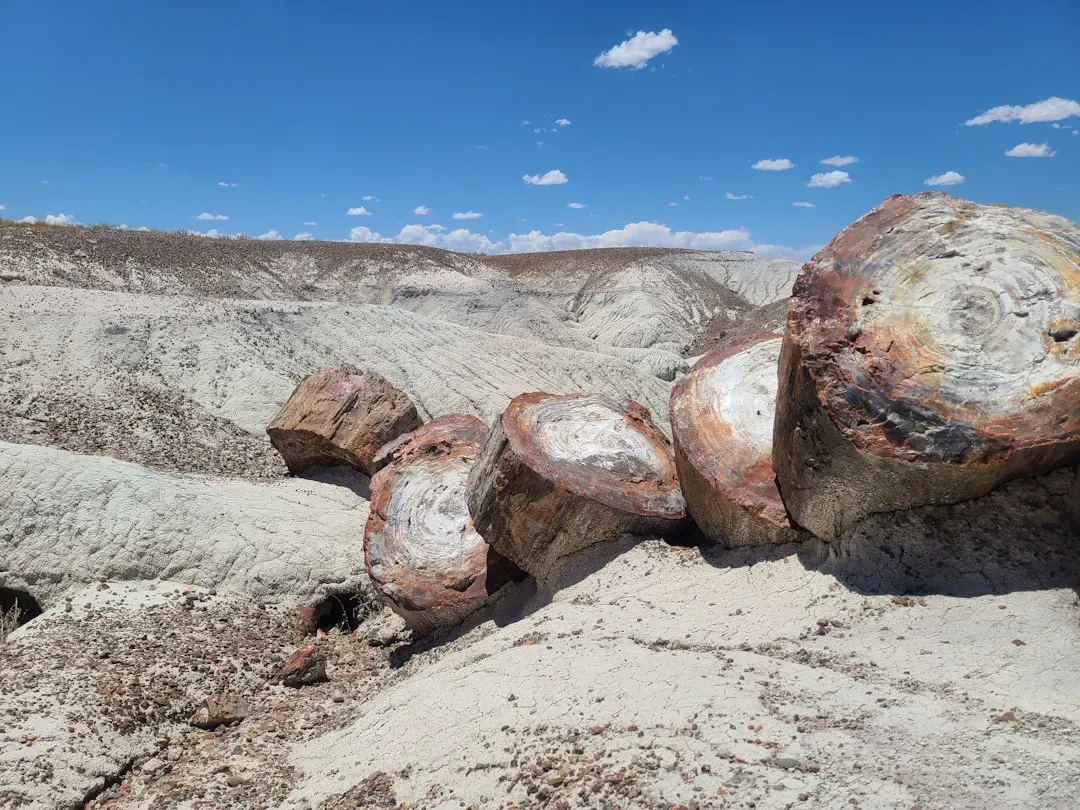
Here is something that should genuinely stop you in your tracks: the petrified forests found here date back to the Late Triassic Epoch of the Mesozoic era, roughly 225 to 207 million years ago, at which time the region that is now the park sat near the equator on the southwestern edge of the supercontinent Pangaea, enjoying a humid and subtropical climate. That means what you see beneath your feet is a snapshot of a world so ancient it makes even the dinosaurs seem almost recent.
What eventually became northeastern Arizona was a low, flat plain flanked by mountains to the south and southeast and a sea to the west, with streams flowing across it and depositing sediment, organic matter, fallen trees, and the remains of animals that had entered the water. Think of it like a prehistoric version of the Amazon floodplains, except populated with creatures that look like nothing alive today. The Triassic Period held a particularly prominent position in Earth’s history as a time of great change and rejuvenation, when new creatures including rodent-sized mammals and the very first dinosaurs began to populate a recovering world.
The Remarkable Science Behind Stone Trees
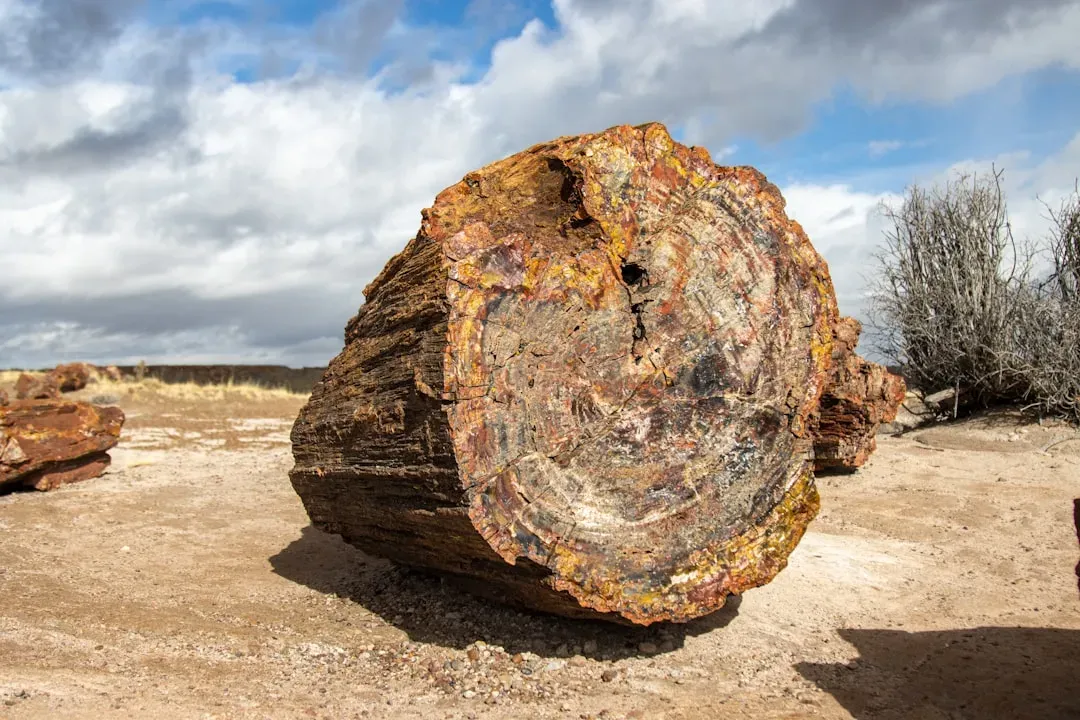
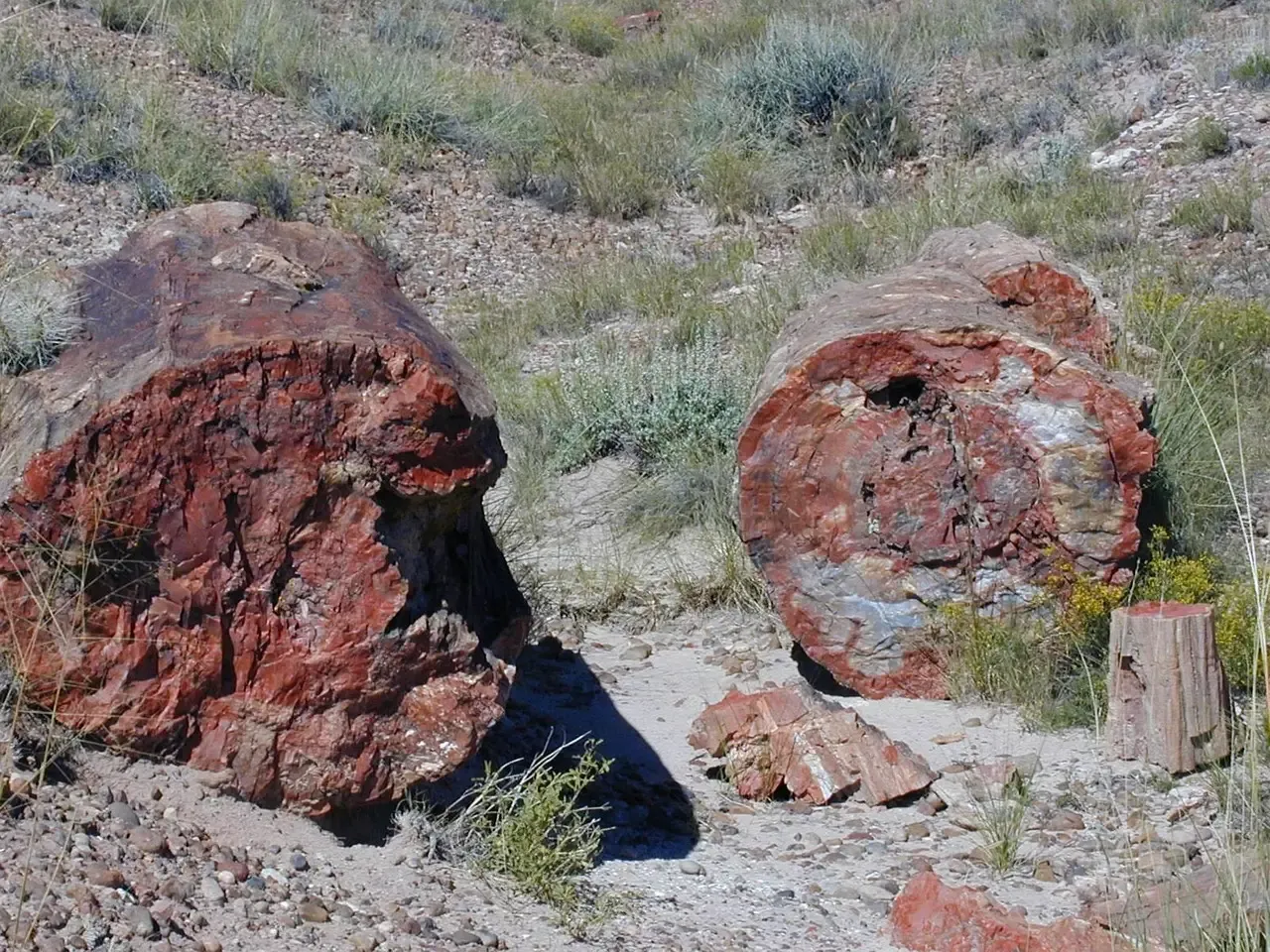
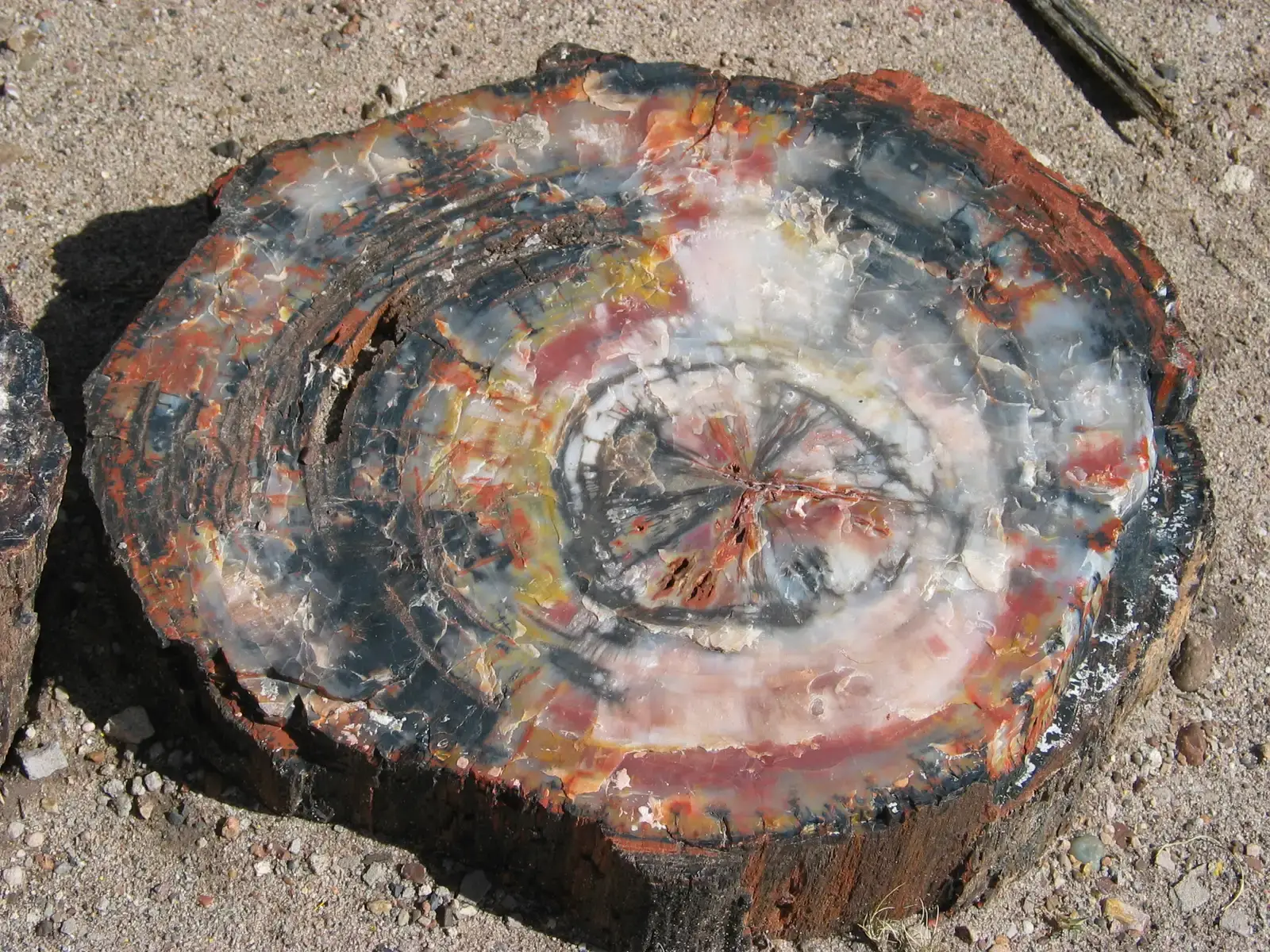
You might be wondering how an actual tree becomes a stone. It sounds almost like magic, and in a way, the process is extraordinarily beautiful. During the Late Triassic, fallen trees accumulating in river channels were periodically buried by sediment containing volcanic ash, after which groundwater dissolved silica from that ash and carried it deep into the logs, where it formed quartz crystals that gradually replaced organic matter, with traces of iron oxide and other substances combining to create the varied and vivid colors you see today.
The process of petrification is where the cellular structure of organic materials is replaced by minerals, and the most common of these minerals are quartz, manganese oxide, and iron oxide, each giving the petrified wood its distinctive and different colors. It is essentially nature’s version of casting a sculpture out of precious stone, one crystal at a time, over millions of years. Most logs in the park retained their original external form during petrification but lost their internal structure, though a small fraction of logs and most of the park’s petrified animal bones still retain much of their original organic structure, making it possible to study the cellular makeup of ancient organisms with a microscope.
A Fossil Treasure Trove Unlike Any Other on Earth
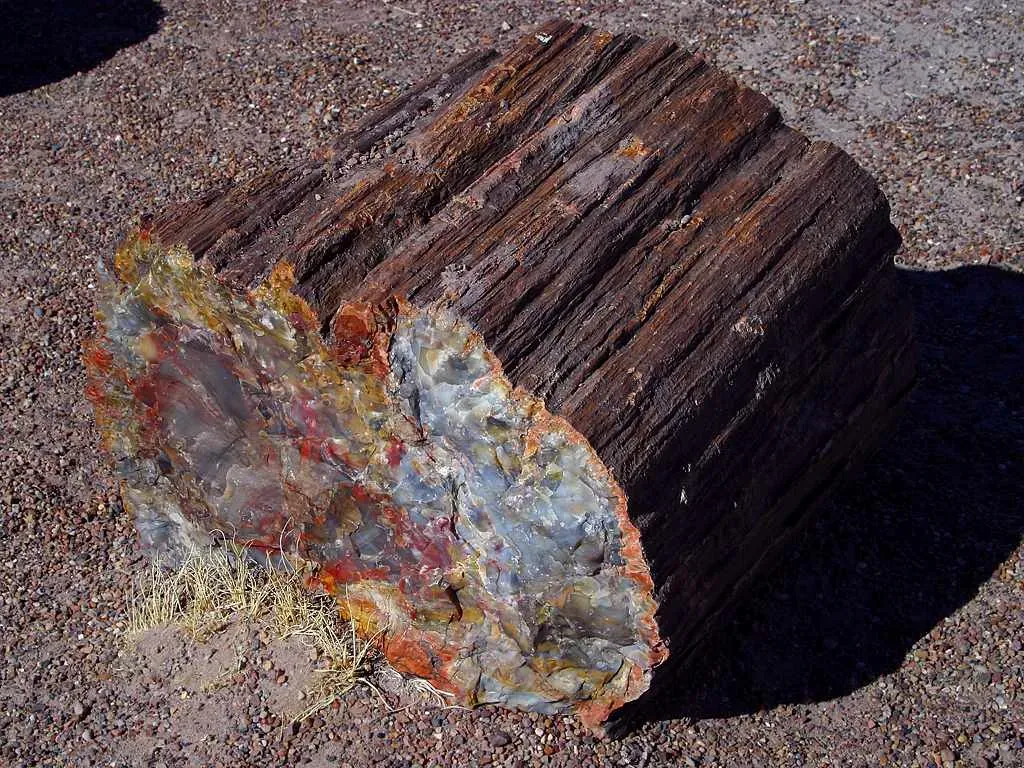
You would be selling this park short if you thought it was only about pretty logs. The park contains the largest deposits of petrified wood in the world, as well as important fossils of plants and animals, including early dinosaurs, all within a detailed stratigraphic setting that allows scientists to trace changes in ecosystems and biology through the end of the Triassic. That is a genuinely staggering claim, and it holds up under scrutiny.
The park has also produced one of the most diverse assemblages of fossil vertebrates from the Late Triassic, including early theropod dinosaurs, crocodile-line archosaurs, temnospondyl amphibians, lissamphibians, and other dinosauromorphs and archosauromorphs. Petrified Forest has some of the earliest dated dinosaurs in the fossil record of North America, at approximately 223 million years ago, and over 90 species of fossil plants and animals were first named from its rocks. I honestly think that second fact deserves far more attention than this park typically gets.
The Painted Desert: Where Color Becomes a Landscape
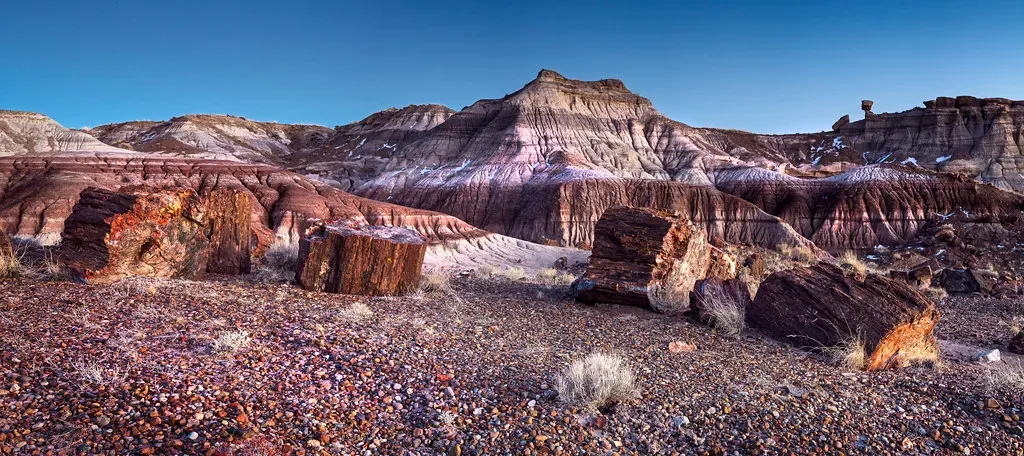
If you enter through the northern entrance, you will be greeted by something that looks less like Earth and more like an alien world. The sediments containing the fossil logs are part of the widespread and colorful Chinle Formation, from which the Painted Desert gets its very name. The striped hills and banded mesas stretch as far as your eye can see in shades of lavender, red, cream, and pink, creating a visual experience that no photograph fully captures.
The Chinle Formation, extensively exposed in the park and outcropping across much of the Colorado Plateau, is one of the most researched Late Triassic continental deposits in the entire world. When you stand at overlooks like Kachina Point or Tawa Point, you are not just admiring pretty scenery. The overlooks you cannot miss are Tawa Point, Kachina Point, and Jasper Forest, each offering a perspective on this ancient geological canvas that feels genuinely otherworldly. You are peering directly into the strata of deep time.
Thousands of Years of Human History
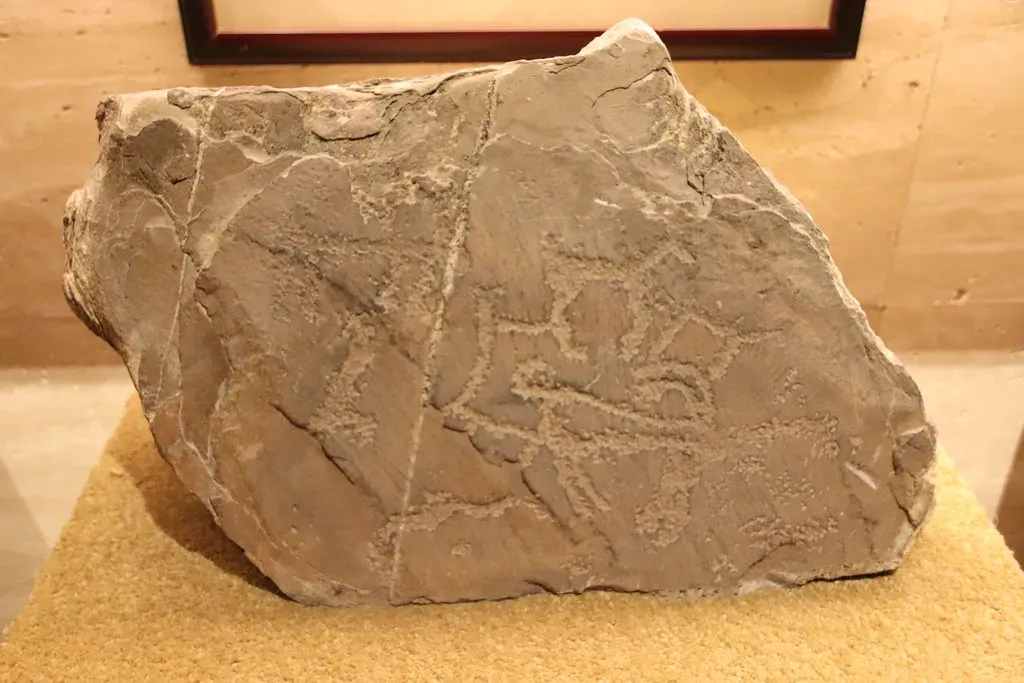
Beyond its prehistoric natural history, this park carries the weight of thousands of years of human presence, and that is where things get even richer. The park also has over 800 archaeological and historic sites exhibiting at least 12,000 years of human presence, and petroglyph sites ranging in age from 600 to 2,000 years ago. Let’s be real: most national parks with that kind of human heritage would advertise it as the main attraction. Here, it almost plays second fiddle to the rocks.
You can see the remains of Puerco Pueblo, a 100-room compound occupied by Ancestral Puebloan people some 600 years ago, and Agate House, an 8-room pueblo built entirely of petrified wood and occupied between 1050 and 1300. Think about that for a second: people actually built their homes out of ancient petrified logs. The Newspaper Rock site also presents a group of rockfaces bearing over 650 ancient carvings. This place layers human stories one on top of another, all the way back to the deep Triassic past beneath them.
Route 66, Fossils, and a Surprisingly Rich Visitor Experience
You might not associate the “Mother Road” with prehistoric forests, but here the two coexist in a way that is uniquely American. Petrified Forest is the only national park site that contains a segment of the historic Route 66, America’s legendary road that once rolled straight through the park’s boundaries, and today you can still see an old 1932 Studebaker left in place to mark the path of this legendary route, along with a line of telephone poles tracing where the road once ran.
The 28-mile Main Park Road winds past viewpoints and trailhead features, with short and easy hikes, many on paved trails, getting visitors up close to ancient trees that have transformed from wood into quartz. While casual visitors won’t be digging up any fossil bones, you can explore world-class exhibits at both the Painted Desert Visitor Center and the Rainbow Forest Museum near the south entrance, where the Triassic is brought to life with fossil replicas, skeletons, paleontology labs, and vivid reconstructions of the ancient landscape. Honestly, between a Studebaker on Route 66 and a Triassic dinosaur exhibit, it is hard to know where to look first.
What You Need to Know Before You Visit
Planning your trip well can make the difference between a rushed drive-through and an unforgettable experience. The park spans 221,390 acres, with over 50,000 acres of designated wilderness where the National Park Service allows recreational activities like camping and backpacking. It’s bigger than many people expect, and there is far more to do than most visitors realize. The closest major airports to Petrified Forest are Phoenix Sky Harbor International and Albuquerque International, both of which are about three hours from the park.
The two best seasons to visit are autumn and spring, with fall providing mild temperatures and smaller crowds, while spring offers beautiful wildflower blooms and plenty of sunshine. One critical thing you need to know: it is estimated that up to 12 tons of petrified wood is illegally removed from the park each year, so if you really want to take home a souvenir, visit one of many petrified wood shops located between the park and Holbrook, where the wood comes from private land and can be legally sold. Leave what you find. The park, and the next generation of visitors, will thank you for it.
Conclusion
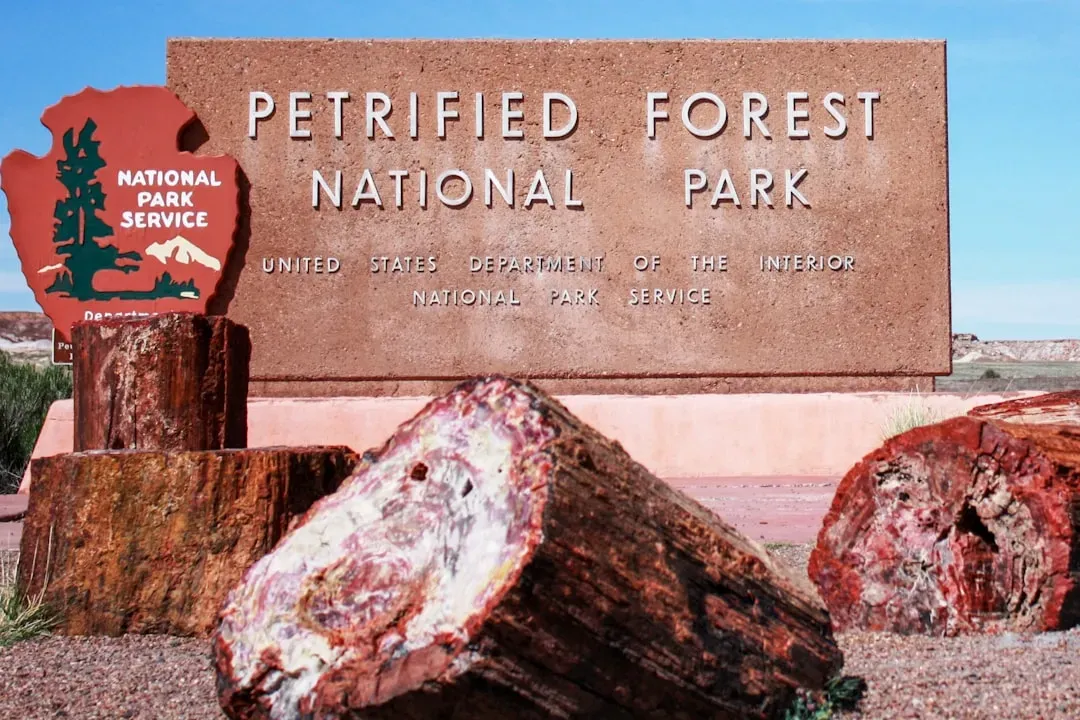
Petrified Forest National Park is one of those rare places that rewards you differently depending on what you bring to it. Come as a geologist, and you will find a living textbook of Late Triassic earth history. Come as a casual traveler, and you will be stopped cold by colors and shapes you never imagined a desert could produce. Come as a history buff, and you will leave humbled by twelve millennia of human presence written into the stones and walls all around you.
It is, without question, one of the most underestimated national parks in the United States, a place where the sheer scale of time becomes something you can actually touch, walk across, and hold in your gaze. Petrified Forest is one of the best-preserved glimpses into the Triassic period anywhere on Earth. So next time you are crossing Arizona on Interstate 40 and you consider driving past, maybe don’t. Pull over. Walk among the stone trees. Let 225 million years wash over you. What would you have expected to find on a quiet stretch of Arizona desert? Probably not the distant echo of a world that existed before the dinosaurs ever ruled it.