
Imagine swimming in an ancient sea where a single creature could swallow something the size of a small boat whole. No monster from any film franchise comes close to what actually patrolled Earth’s oceans for millions of years. The Megalodon, the most powerful shark ever to have lived, once ruled the waves with a dominance so absolute that almost nothing dared share its waters.
Yet this ocean titan vanished. Completely. And the question of exactly why has fascinated scientists, fossil hunters, and ocean lovers for generations. The clues left behind paint a picture that is far stranger and more complex than most people expect. So let’s dive in.
A Giant Beyond Imagination: How Big Was the Megalodon Really?
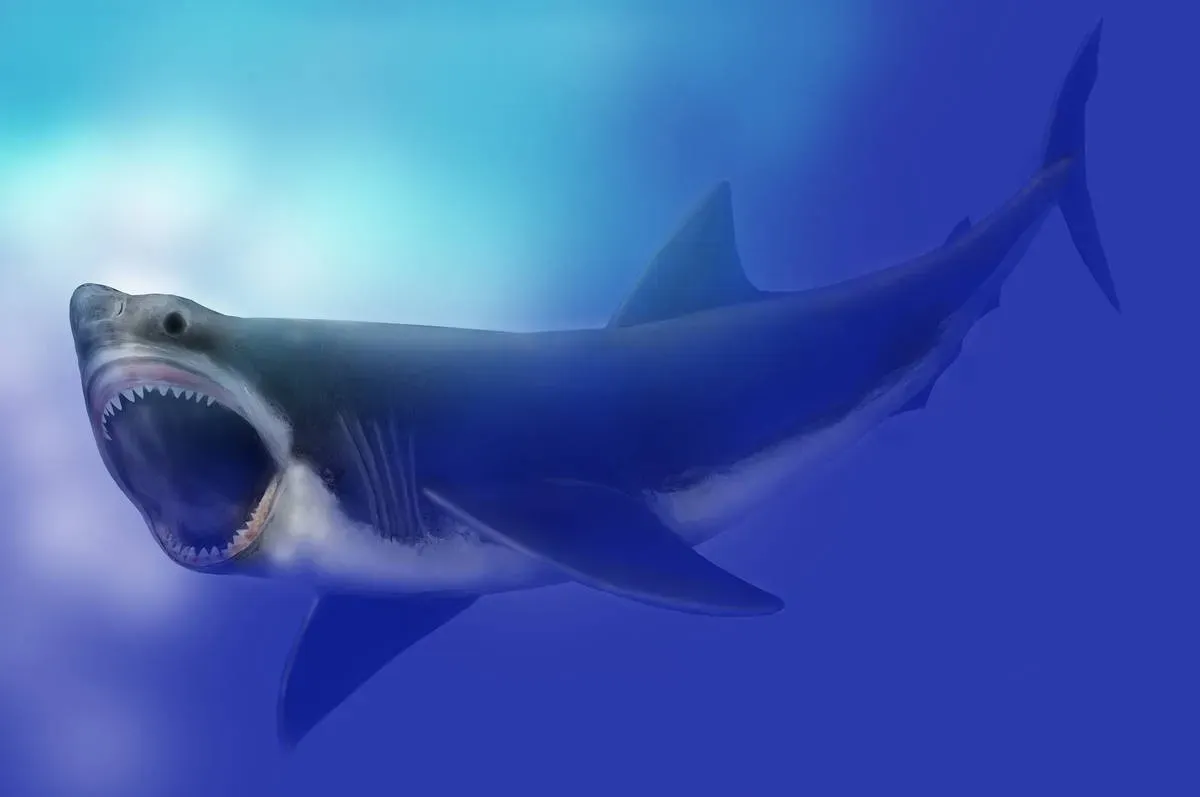
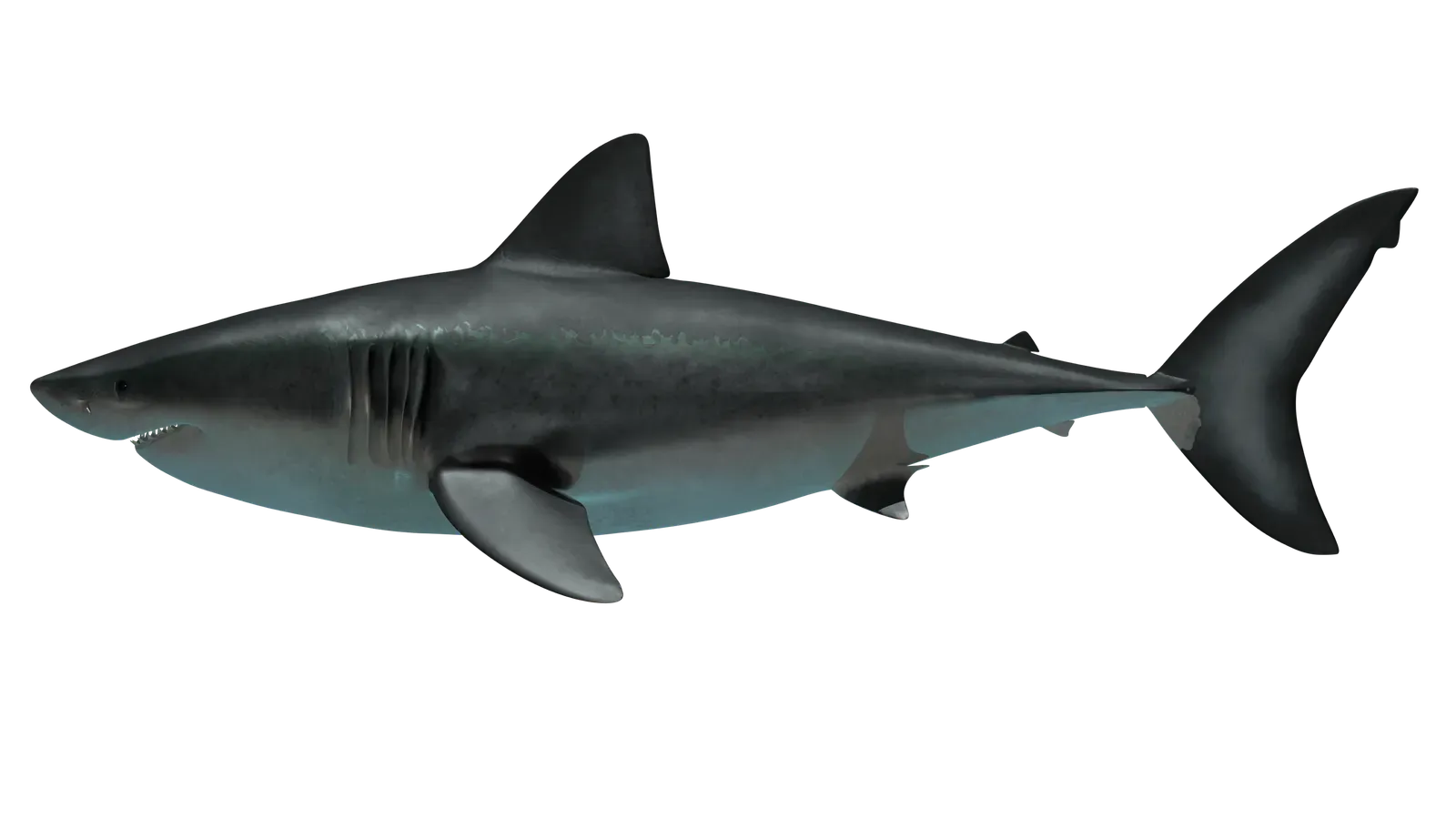
Here’s the thing about the Megalodon: you’ve probably been picturing it wrong this whole time. For decades, scientists reconstructed this creature as basically a bloated great white shark, round, stocky, and monstrous. That image stuck in pop culture so stubbornly that movies like “The Meg” practically cemented it in the public mind.
Recent research conducted over 2024 and 2025 used an innovative approach to estimate the Megalodon’s size by examining a tail-less vertebral column found in Belgium, measuring eleven meters in length, and comparing it to vertebrae from a larger individual found in Denmark. The results were stunning. A 2025 study written by 29 fossil shark experts found that the Megalodon may have grown up to 24.3 metres long, making it about four times longer than the largest recorded great white shark and a few metres longer than today’s biggest whale sharks.
Its body shape was probably rather streamlined, resembling the proportions of the largest living baleen whales, rather than the chunky torpedo shape most people imagine. Think less “giant great white” and more “living submarine with teeth.” The Megalodon also likely had a much shorter nose compared to the great white, with a flatter, almost squashed jaw, and it had extra-long pectoral fins to support its weight and size.
The Teeth That Tell the Story
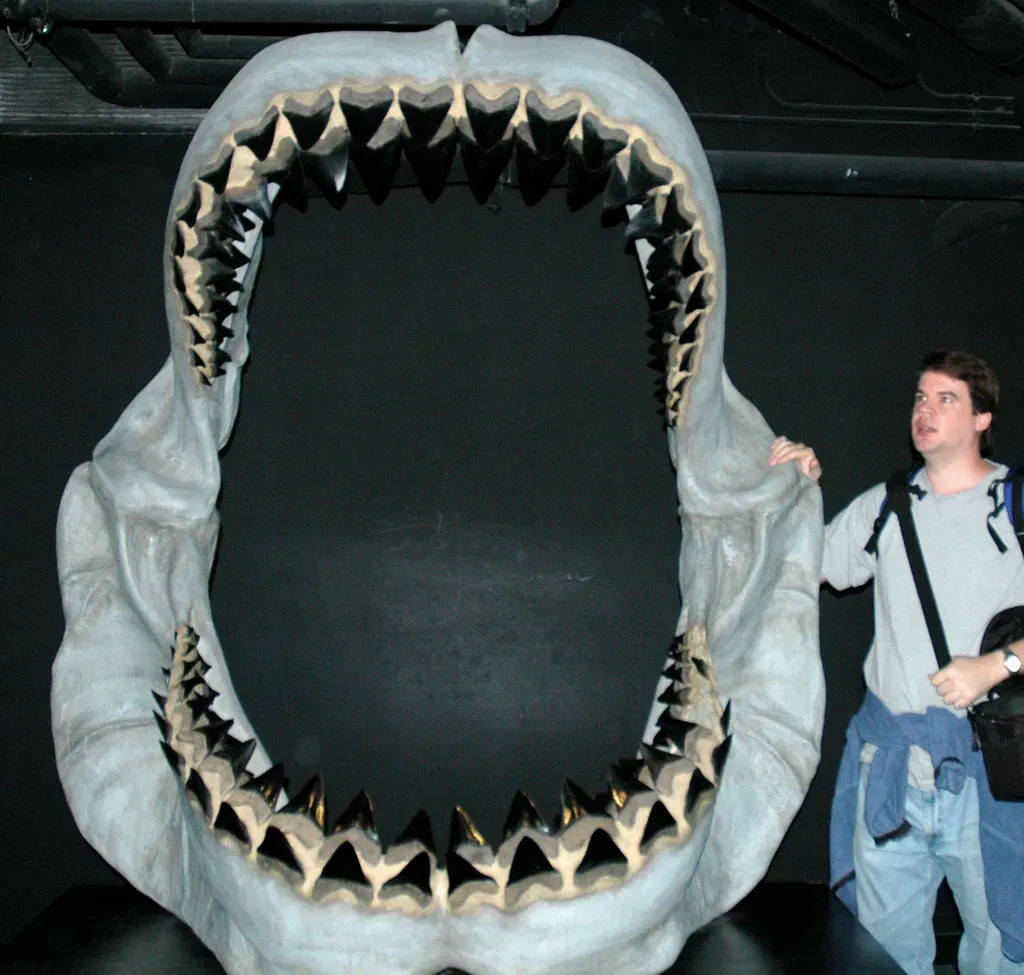
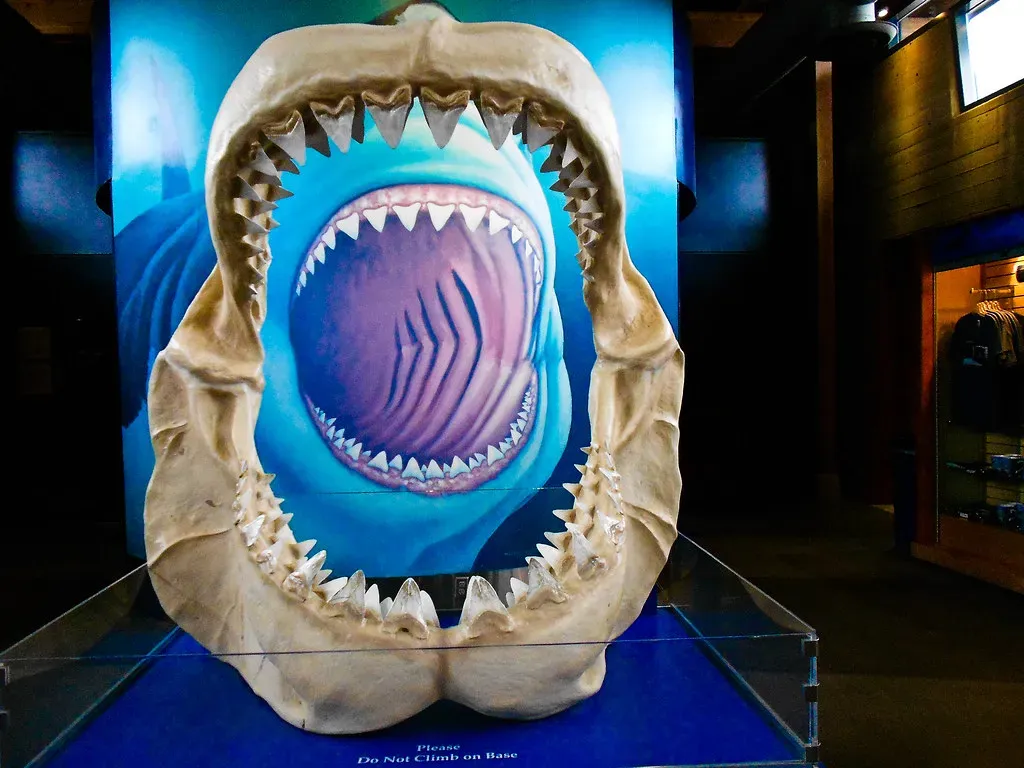
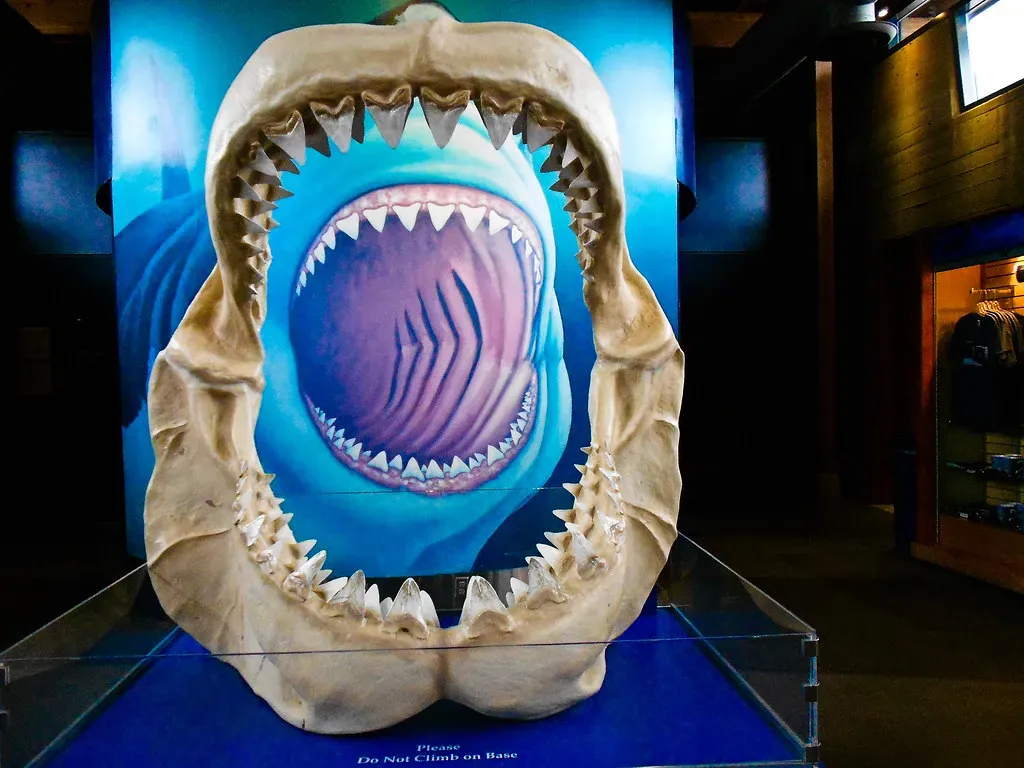
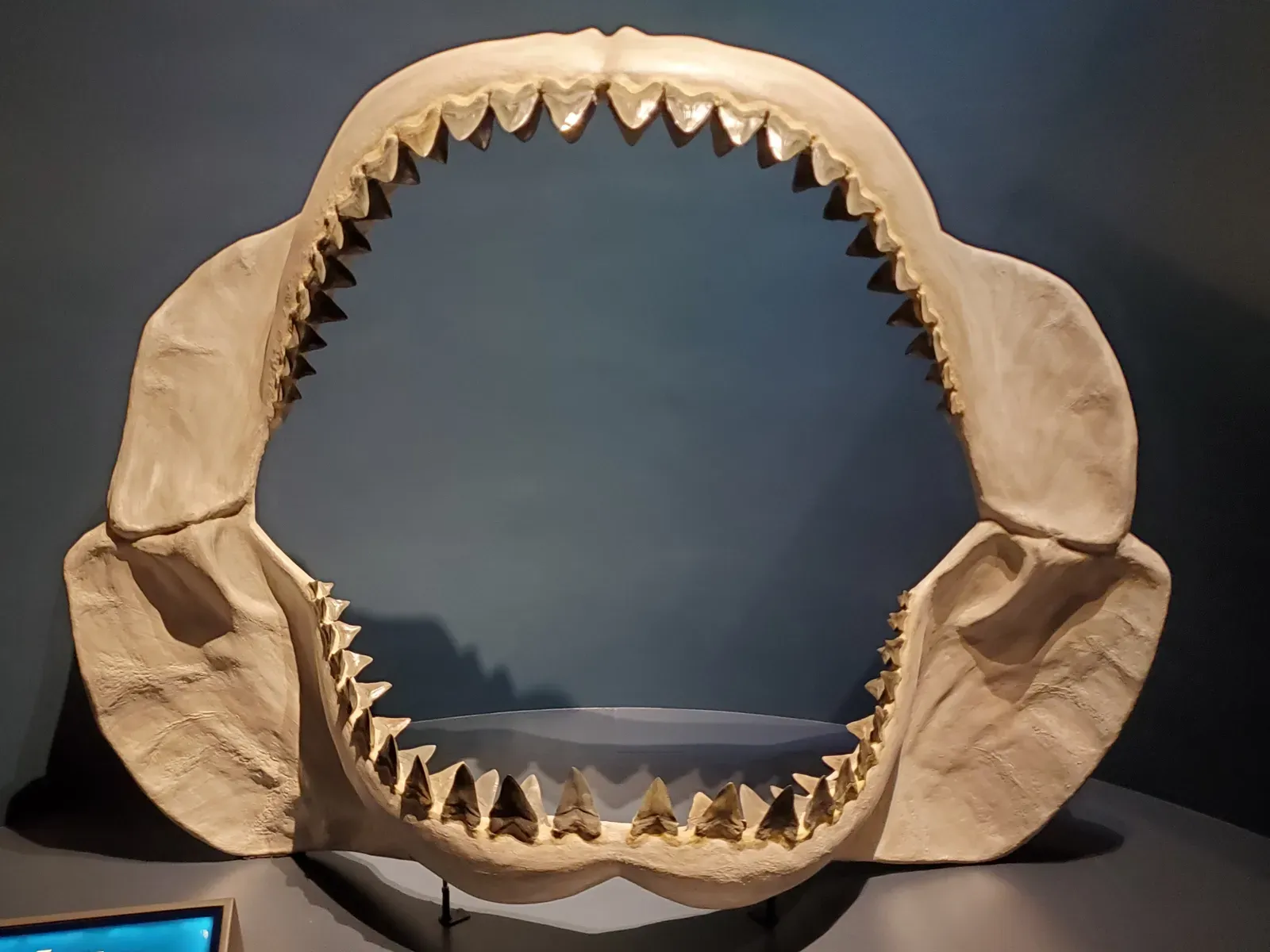
If you want to understand the Megalodon, you start with its teeth. Honestly, teeth are almost all we have, and they are extraordinary. The name “megalodon” is a Greek-derived word meaning “giant tooth,” which is fitting, considering the Megalodon’s teeth could be up to 7 inches long, with hundreds of these giant teeth lining its ferocious jaws.
Like modern sharks, Megalodons regularly shed their teeth, meaning that just one Megalodon could have left thousands of teeth on the ocean floor. This is why fossil hunters still find them washed up on beaches today, centuries after humanity first noticed them. The Megalodon had four types of teeth: anterior, intermediate, lateral, and posterior, counting to a total of 276 serrated teeth that were perfectly designed for ripping flesh, with each tooth thick and durable and adapted to grabbing prey and crushing bones with ease.
The Megalodon has a rich fossil record, but its biology remains poorly understood, like most other extinct sharks, because no complete skeleton of the cartilaginous fish is known in the fossil record. This is the great frustration of Megalodon science. You have a creature so dominant, so widespread, yet so incompletely preserved that every new study rewrites something we thought we knew.
A Global Apex Predator: Where Did It Hunt and What Did It Eat?
The Megalodon did not settle for one corner of the ocean. It was, in every sense, a global predator. The Megalodon lived in most regions of the ocean except near the poles, and while juveniles kept to the shores, adults preferred coastal areas but could move into the open ocean, with the most northern fossils found off the coast of Denmark and the most southern in New Zealand.
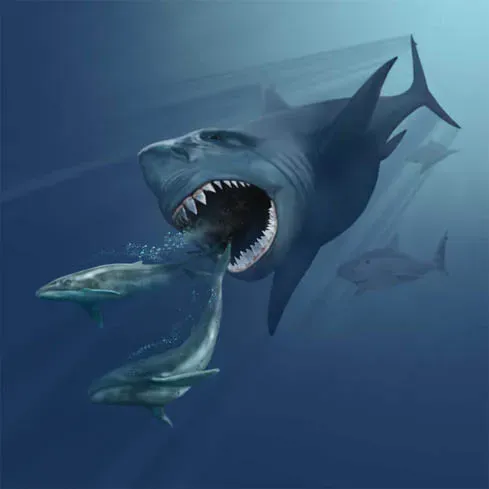
The Megalodon was a fearsome predator that, as the largest predator of the time, ate a diverse array of prey including toothed and baleen whales, seals, sea cows, and sea turtles, and as an opportunist, it likely also ate fish and other sharks, with many whale fossils bearing distinct gashes from Megalodon teeth and sometimes an entire Megalodon tooth found embedded in a whale bone.
Tooth marks on the tail and fin bones of whales show evidence that the Megalodon attempted to immobilise its prey before feeding. That strategy, targeting the propulsion system first, is not random. It is calculated. An adult Megalodon could cruise at faster absolute speeds than any shark species today and could fully consume prey the size of modern apex predators, with a dietary preference for large prey that potentially enabled it to minimise competition and provided a constant source of energy to fuel prolonged migrations without further feeding.
The Warm-Blooded Secret That May Have Sealed Its Fate
This is the part that surprises almost everyone. The Megalodon was not cold-blooded like most fish. It was warm-blooded, running an elevated internal body temperature, and that very advantage may have contributed to its downfall.
A study published in the Proceedings of the National Academy of Sciences provides the first empirical evidence of warm-bloodedness in the extinct shark. Being endothermic gave the Megalodon tremendous short-term advantages. With a warmer body temperature, it could likely swim faster, go deeper, and have access to different prey, but it needed a lot more energy to be able to survive, meaning that if its prey sources were getting smaller while it still needed all that energy to maintain its body temperature, those two things were working against each other.
This precarious energetic balance was perhaps put in peril when productive coastal shelf habitats diminished and there were accompanying shifts in prey landscapes due to Pliocene sea-level changes. Think of it like a high-performance sports car engine: brilliant when fuel is abundant, catastrophic when the tank runs dry. The high metabolic cost of maintaining that warm-bloodedness as the climate changed might have helped doom the species.
Competition, Climate Change, and Collapsing Nurseries
Let’s be real: the Megalodon did not disappear because of a single dramatic event. It was death by a thousand cuts. Several converging forces dismantled one of evolution’s greatest predators over millions of years.
The appearance of the great white shark approximately five million years ago might have played a role in the extinction of the Megalodon around 3.5 million years ago, as adult white sharks may have outcompeted young Megalodons for food, contributing to the eventual decline of the species. Cooling global temperatures might also have played a role, as could changing geographic factors like the formation of the Isthmus of Panama, which might have fragmented Megalodon populations.
As the sea temperatures cooled, the Megalodon would have lost suitable habitat and prey, and its range would have shrunk dramatically as it was limited by its warm water niche, while ice forming at the poles and lowering sea levels would have destroyed nursery areas. Those nurseries mattered enormously. Like the modern-day bull shark, Megalodons gave birth in specific nursery habitats that included protected bays and estuaries, providing the shark pups with plenty of fish and a safe environment to grow, with scientists having discovered Megalodon nursery habitats in Panama, Maryland, the Canary Islands, and Florida. When those coastal environments were erased by falling sea levels, the next generation never had a chance.
Could the Megalodon Still Be Out There? Science Has a Clear Answer
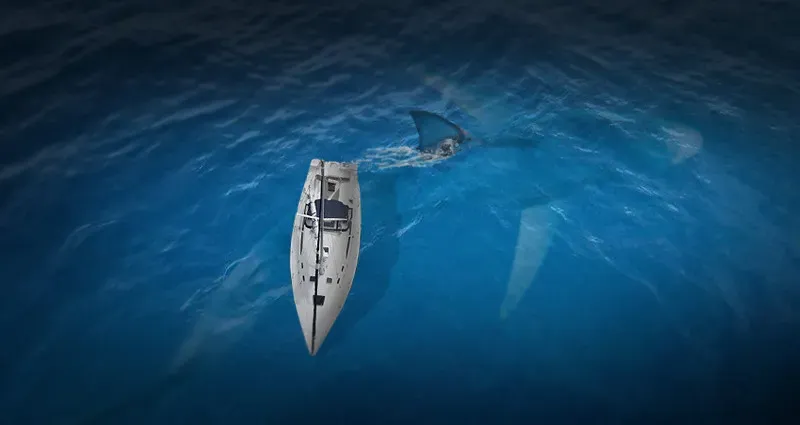
Every few years, someone on social media claims to have footage of a living Megalodon lurking in the deep ocean. It’s a compelling idea, honestly. The ocean is vast. We’ve explored so little of it. So could something that big really be hiding down there?
Despite popular myths and legends, it is highly unlikely that the Megalodon still exists in the unexplored depths of the ocean, primarily because of the lack of credible evidence such as recent teeth, bite marks on marine mammals, or other signs that would indicate their presence, and additionally because the Megalodon was a warm-water species while the deep ocean is mostly cold and would not be a suitable habitat.
Even though Megalodons could breathe underwater, their prey could not, since the whales and dolphins they hunted are marine mammals that need to live near the ocean’s surface to breathe. This is the knockout argument. A creature that needs to hunt near the surface, in warm coastal waters, simply cannot hide. The Megalodon’s extinction likely had large impacts on global nutrient transfer and trophic food webs, reshaping ocean ecosystems in ways we are still trying to fully understand today.
Conclusion: The Lesson the Megalodon Left Behind
The story of the Megalodon is not just a tale of a vanished monster. It is a cautionary portrait of how even the most dominant creature on the planet can be undone by forces it cannot outswim.
Despite having traits that allowed it to be a commanding presence in the ocean, the Megalodon was not immune to the effects of climate change, and that particular parallel to the present day is difficult to ignore. Given current stresses on modern sharks, including the great white, due to factors including climate change, ocean acidification, and overfishing, the story of the Megalodon has direct implications for the future of marine apex predators that play a critical role in the ocean food web.
The Megalodon ruled for over twenty million years. It was not weak. It was not slow. It was arguably the most perfectly engineered predator ever to exist. Yet it is gone. The ocean changed, the food disappeared, the nurseries vanished, and the competition arrived. No size, no strength, and no bite force could hold back that tide. It is hard to say for sure what the exact tipping point was, but the bigger question it leaves us with feels uncomfortably modern: what happens when the world’s most powerful species can no longer adapt fast enough?
What do you think pushed the Megalodon over the edge? Tell us in the comments.