Imagine standing on a patch of earth and realizing that beneath your feet, millions of years ago, a Tyrannosaurus Rex once stalked its prey. No movie. No documentary. Just you, the open landscape, and the weight of deep time pressing up through ancient rock. North America is quietly one of the most dinosaur-rich continents on the planet, scattered with places that feel less like tourist destinations and more like portals to another world entirely.
Whether you’re a lifelong fossil enthusiast, a curious road tripper, or a parent trying to pull your kids away from a screen for one unforgettable weekend, there is something on this continent that will genuinely blow your mind. From the badlands of Montana to the windswept valleys of Alberta, the clues are all there, waiting for you. Let’s dive in.
1. Dinosaur National Monument, Utah and Colorado
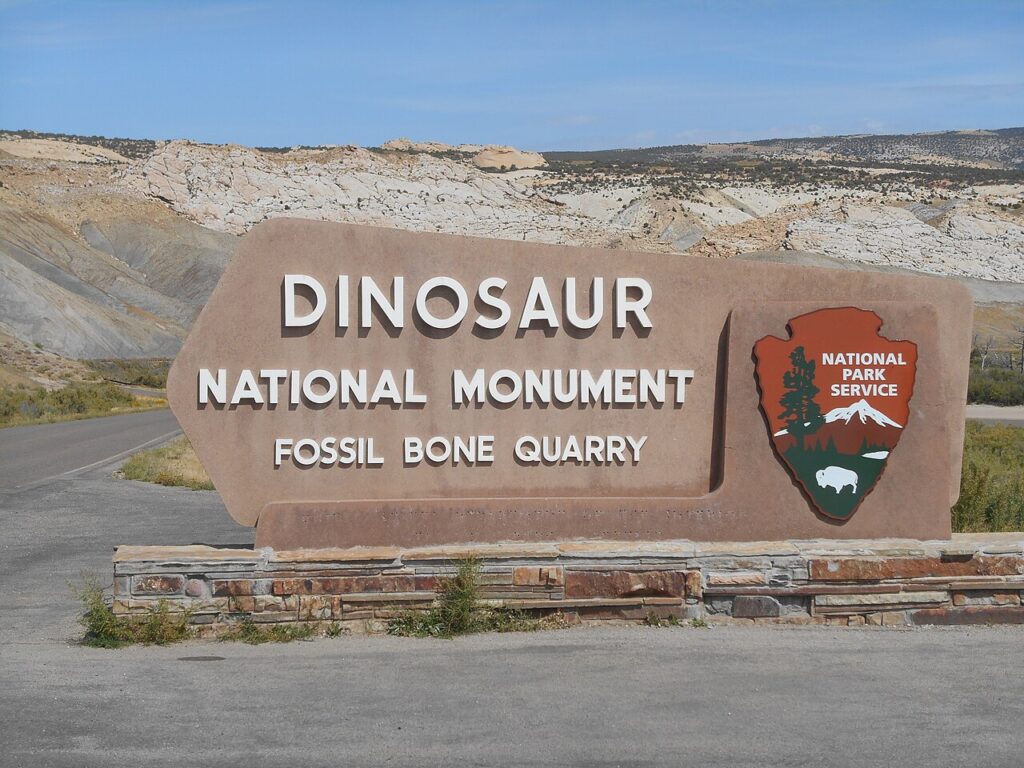
Here’s the thing: if there’s one place in all of North America that deserves to be called the real Jurassic Park, it’s this one. This scenic site at the confluence of the Green and Yampa Rivers is the real Jurassic Park. Situated between Utah and Colorado, this stretch of mountains, canyons and desert comprises a major chunk of the Morrison Formation, an expansive sedimentary rock unit that is considered the most productive source of near-complete dinosaur skeletons in North America.
One of the main attractions of Dinosaur National Monument is the Quarry Exhibit Hall, which houses a remarkable collection of dinosaur fossils. You can observe hundreds of dinosaur bones embedded in a rock face, providing a unique glimpse into the past. The exhibit hall also offers educational displays and interactive exhibits that help you understand the significance of these fossils and the processes involved in their discovery and preservation. While the monument is a great place to learn about paleontology and see fossils in their natural state, fossil hunting and collecting are strictly prohibited throughout the park, including backcountry areas. This rule ensures the preservation of fossils for scientific research and public education.
2. Badlands National Park, South Dakota
Honestly, Badlands National Park is one of those rare places that manages to be both visually stunning and scientifically explosive at the same time. Badlands National Park in South Dakota is made up of geological formations that have eroded over time to expose the rocks and fossils underneath. Every day, the elements erode the land a little bit more, bringing to light things that have been buried since prehistoric times. Think of it as nature’s own slow-motion excavation project.
Rainfall, wind, and perpetual freezing and thawing erode approximately one inch of topsoil per year and continue to reveal more ancient mysteries, including fossils and ancient artifacts. You can visit the fossil preparation lab, take a scenic drive to see the bison, or plan a night of dark-sky stargazing. You never really know what you might stumble upon, and that sense of possibility is genuinely thrilling.
3. Hell Creek Formation, Montana
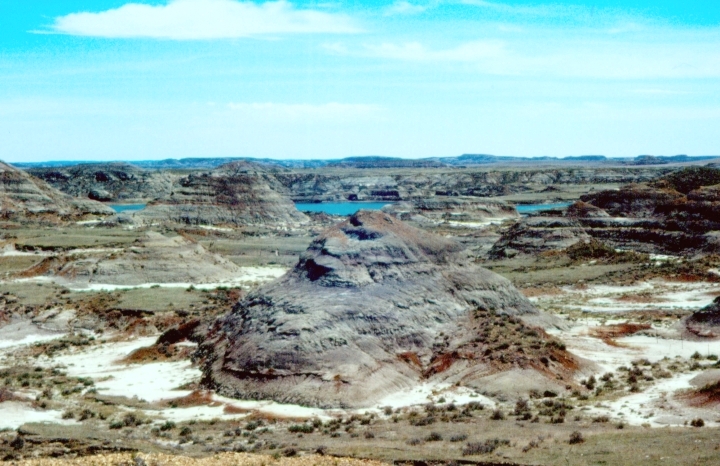
If the name doesn’t already send a shiver down your spine, the fossils certainly will. The Hell Creek Formation is an intensively studied division of mostly Upper Cretaceous and some lower Paleocene rocks in North America, named for exposures studied along Hell Creek, near Jordan, Montana. The formation stretches over portions of Montana, North Dakota, South Dakota, and Wyoming. This is where the final chapter of the dinosaur age played out, and you can feel it in the landscape.
Notable dinosaur finds include Tyrannosaurus and Triceratops, ornithomimids as well as caenagnathids, a variety of small theropods, pachycephalosaurs, and ankylosaurs. Alongside paleontologists, visitors too can help make big discoveries each year as snow, rain and wind expose more finds. Makoshika State Park is another must-visit stop, where some of the world’s best preserved dinosaur fossils have been found on its 11,000 acres.
4. Drumheller and the Royal Tyrrell Museum, Alberta, Canada
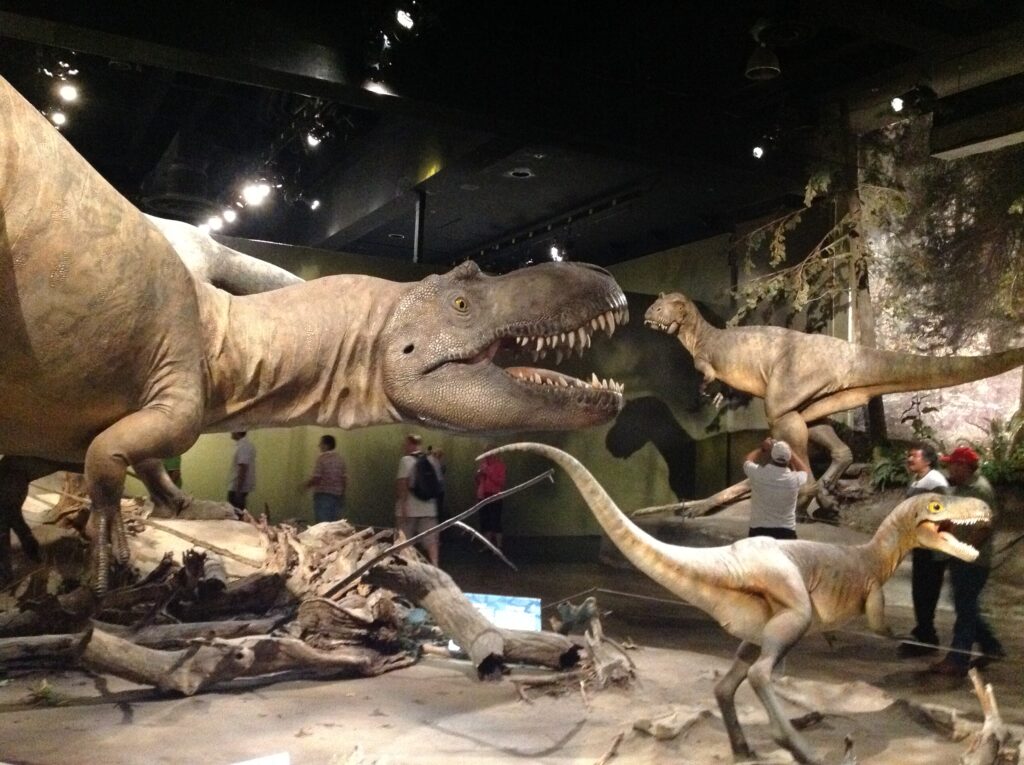
Cross the border into Canada and you’ll find what many consider to be the greatest dinosaur destination on the planet. The unique geological formations of the Badlands surrounding Drumheller expose an incredible cross-section of Earth’s history, making it one of the richest fossil beds in the world. The museum’s personal collection includes over 160,000 cataloged fossils, consisting of over 350 holotypes, providing the museum with the largest collection of fossils in Canada.
It all began with Joseph B. Tyrrell, a geologist with the Geological Survey of Canada, who in 1884 stumbled upon the skull of a carnivorous dinosaur while exploring the Red Deer River valley in search of coal. This discovery, later identified as an Albertosaurus sarcophagus, ignited a spark that would eventually lead to the establishment of this iconic institution. Opened in 1985, the museum was named in his honor, recognizing his pivotal role in unveiling the rich paleontological treasures of the region. You can also take part in a fossil search, try your hand at dig techniques on a realistic excavation site, and make a fossil cast to take home as a memento.
5. Petrified Forest National Park, Arizona
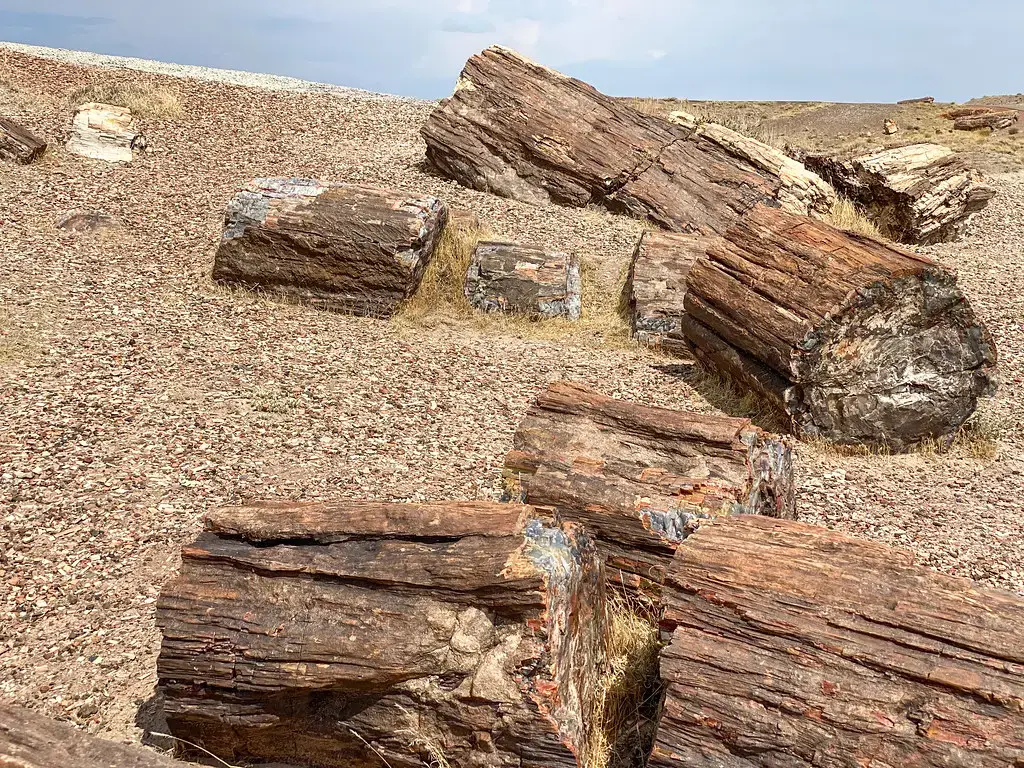
I know it sounds crazy, but an Arizona desert was once a lush, tropical landscape roamed by early dinosaurs. Roughly 200 million years ago, lush trees and plants covered a region in Northeastern Arizona. However, volcanic lava devastated the woodland, and the remnants were buried in volcanic ash and water-saturated silt. Eras later, erosion unveiled the petrified wood that now attracts Arizona tourists. What you see today is both beautiful and deeply ancient.
Petrified Forest National Park in Arizona is home to one of the world’s biggest and most vividly colored collections of fossilized wood, historic buildings, and ancient sites. Beyond the trees, you can see the fossils of animals and plants from the Late Triassic period, over 200 million years ago, including early dinosaurs. You can take a drive through the park, participate in a ranger-guided program, and stop at the park’s visitor centers and museum for an interactive, computer-based Triassic Virtual Tour and hands-on exhibits.
6. Dinosaur Ridge, Morrison, Colorado
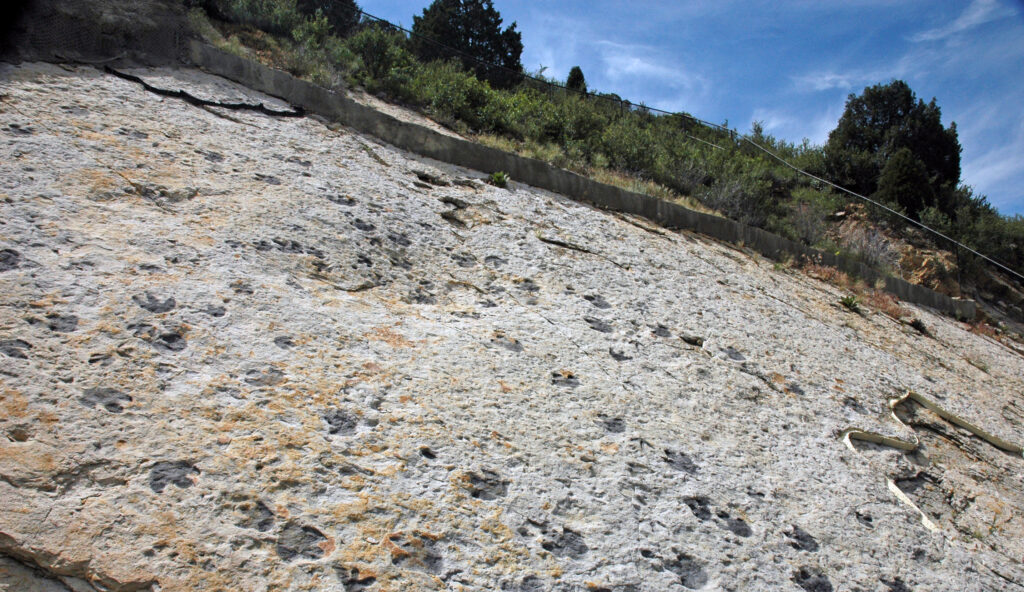
Let’s be real, not everyone has time for a week-long paleontological expedition. Sometimes you just need a great half-day trip that delivers maximum prehistoric impact, and Dinosaur Ridge near Morrison, Colorado, delivers exactly that. Dinosaur Ridge Trail, just outside of Denver, Colorado, is the perfect place to explore the beauty of the Rocky Mountain foothills. This hike would be worth the visit just for the beautiful view. However, it offers something much more exciting: real dinosaur footprints and fossils!
The crisscrossing Cretaceous period tracks in the cliff belong to both dinosaurs and prehistoric crocodiles. Along the trail, you’ll also get the chance to see fossilized bones. Some of today’s most well-known dinosaurs were first discovered in Dinosaur Ridge near Morrison. The hike is wheelchair accessible. It’s also free, although tour guides are available for a fee. You can also purchase tickets to the visitor center, an exhibit hall that gives you the chance to take a peek at more dino fossils.
7. Picketwire Canyonlands, Colorado
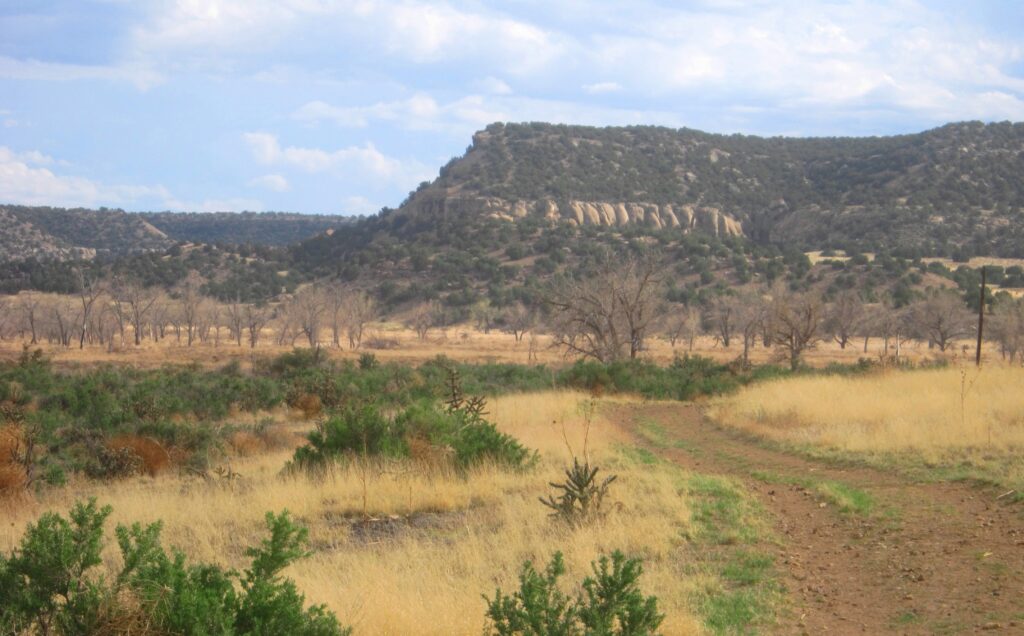
If you’ve ever wanted to place your own feet inside a dinosaur’s footprint, this is the place to do it. Take on gargantuan fossil tracks at Picketwire Canyonlands south of La Junta. Here, you can feast your eyes on the nation’s largest collection of fossilized dinosaur footprints, as well as put your own tiny feet right inside them. The area boasts nearly 1,300 dinosaur tracks from as many as 100 different animals, all along just a half-mile stretch of the Purgatoire River. That is, honestly, a staggering number to wrap your head around.
Think of walking this trail like reading a page from a book that’s 150 million years old, except the words are giant three-toed impressions pressed permanently into rock. The world’s longest continuous path of dinosaur footprints opened to the public in 2024 near Ouray. The 134 footprints made by a long-necked sauropod dinosaur are more than 150 million years old. Colorado, it turns out, is far more than just its ski slopes.
8. Dinosaur State Park, Rocky Hill, Connecticut
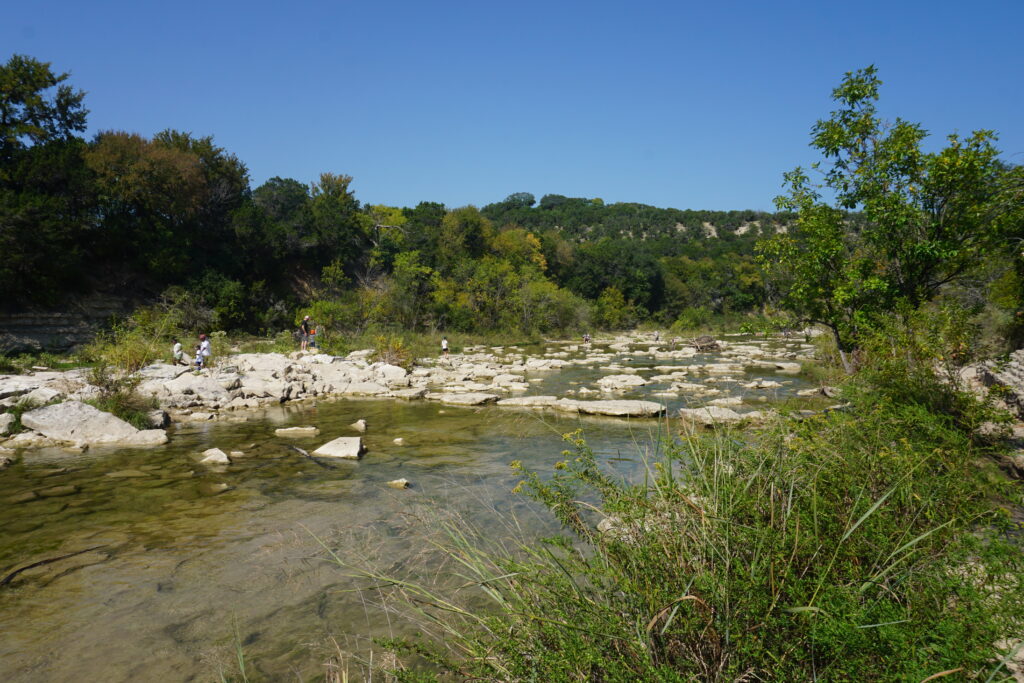
You might think dinosaur country is strictly a western American affair. Surprise. It sounds incredulous that there are dinosaur tracks in the New England states, but it’s true. Dinosaur State Park, located in Rocky Hill, Connecticut, has over 500 visible dinosaur tracks from the early Jurassic period visible and preserved. Over 2,000 tracks were initially identified, but 1,500 of them were buried to keep them preserved. You can see 500 of them on display underneath a protected geodesic dome.
There are also more than two miles of trails through various habitats including a forested area, swamps and meadows. The state park houses one of the largest dinosaur track sites in North America. It’s the kind of destination that makes you pause and reconsider everything you thought you knew about where the ancient world left its mark. The East Coast, it turns out, has its own prehistoric story to tell.
9. Cleveland-Lloyd Dinosaur Quarry, Utah
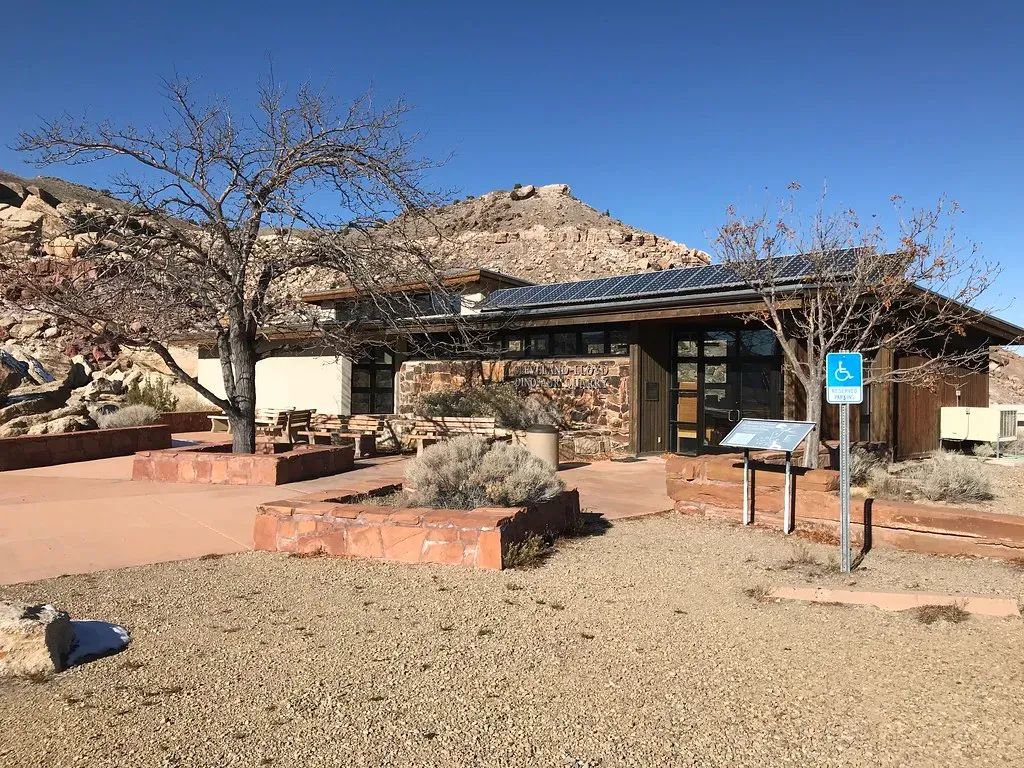
There is a genuine mystery hiding in the desert of central Utah, and science still hasn’t fully cracked it. The Cleveland-Lloyd Dinosaur Quarry contains the densest concentration of Jurassic-aged dinosaur bones ever found. Scientists are still puzzled why more than three-quarters of the bones found in this area are from carnivores. Normally you’d expect more plant-eaters in the fossil record, since predators are always fewer in number. So what happened here?
The Cleveland-Lloyd Dinosaur Quarry within Jurassic National Monument in the northern part of the San Rafael Swell invites visitors for some hands-on learning. This area is home to the densest collection of Jurassic-era dinosaur fossils ever unearthed, more than 12,000 individual bones, belonging to at least 74 different dinosaurs. You can see the dinosaur bones and learn about the research being conducted at this site, and then offer your own hypothesis about the mystery that persists even today. I think that interactive quality is what makes it genuinely special.
10. Moenave Dinosaur Tracks, Navajo Nation, Arizona
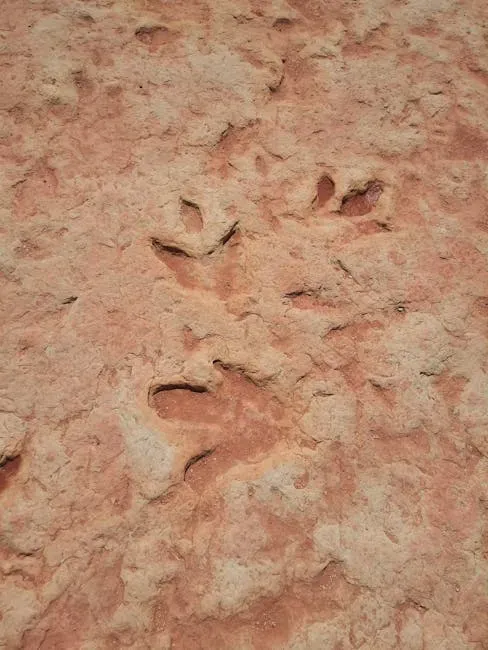
Some places feel sacred, not just scientifically but spiritually, and the Moenave Dinosaur Tracks on the Navajo Nation near Tuba City, Arizona, are exactly that kind of place. Nobody knows exactly what dinosaur made the Moenkopi tracks near Tuba City, Arizona, but whatever it was must have been enormous. While the Moenave Dinosaur Tracks on the Navajo Nation are far from other popular destinations, they’re worth a visit if you’re heading to Four Corners or looking for offbeat adventures near the Grand Canyon.
If you want to get up close to dino fossils without ropes and glass, this is the place to do it. You can touch the fossilized footprints and follow their paths when you visit. Admission to the attraction is free. However, the site is a source of revenue for the local community, so it’s a good idea to hire a guide or buy handmade goods sold at the location. That kind of raw, unfiltered access to ancient history is increasingly rare, and honestly, it’s worth every mile of the drive to get there.
Conclusion
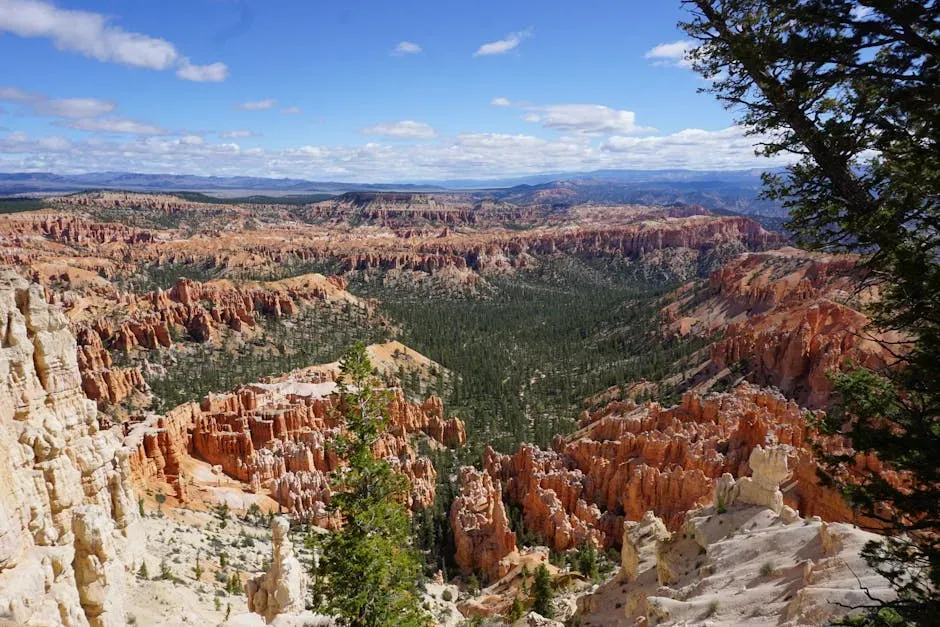
North America is not just a land of national parks and city skylines. It is a continent built on bones, quite literally. The most numerous and diverse dinosaur fossils have been found primarily in North America, China and Argentina, with the Western United States representing a large portion of all dinosaur fossils found. From the shimmering red rocks of Utah to the wind-carved badlands of Alberta, the prehistoric world is not buried and gone. It is right there, waiting for you.
What makes these destinations so powerful is not just the science, but the feeling they create. Standing beside a wall of 149-million-year-old bones or stepping your foot into the track of a creature that hasn’t walked this earth since long before humans existed… it changes your perspective in a way few experiences can. Although some of the best-known paleontological sites are in the Northern Rockies and the Southwest, more than 260 national park sites preserve fossils from a wide variety of flora and fauna. There are still so many stories waiting to be uncovered.
So the real question is: which one of these extraordinary places will you visit first? Tell us in the comments below!