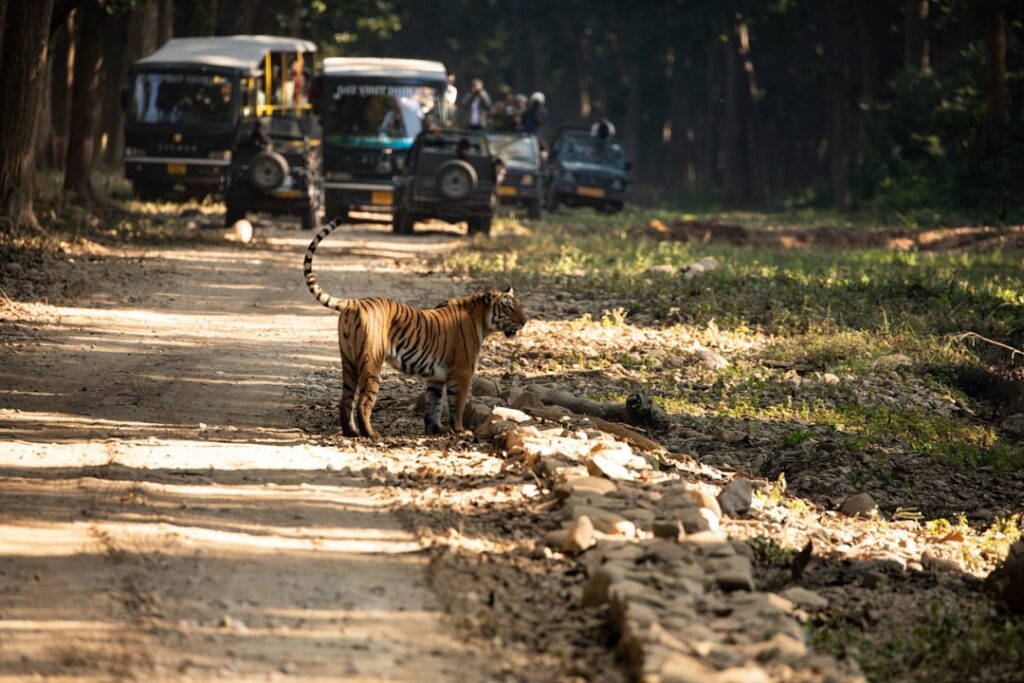
India – Major national parks across the country rolled out strict mobile phone bans during safari drives in early 2026, aiming to curb disturbances that threatened both wildlife and visitor safety. The measures followed Supreme Court guidelines issued in November 2025, addressing how smartphone use fueled overcrowding and noise in protected areas. Officials noted that rapid tourism growth had amplified risks, prompting reserves to enforce rules starting at park entrances. These changes seek to restore balance in habitats home to tigers, leopards, and other endangered species.
Tourist Frenzy Turns Safaris Chaotic
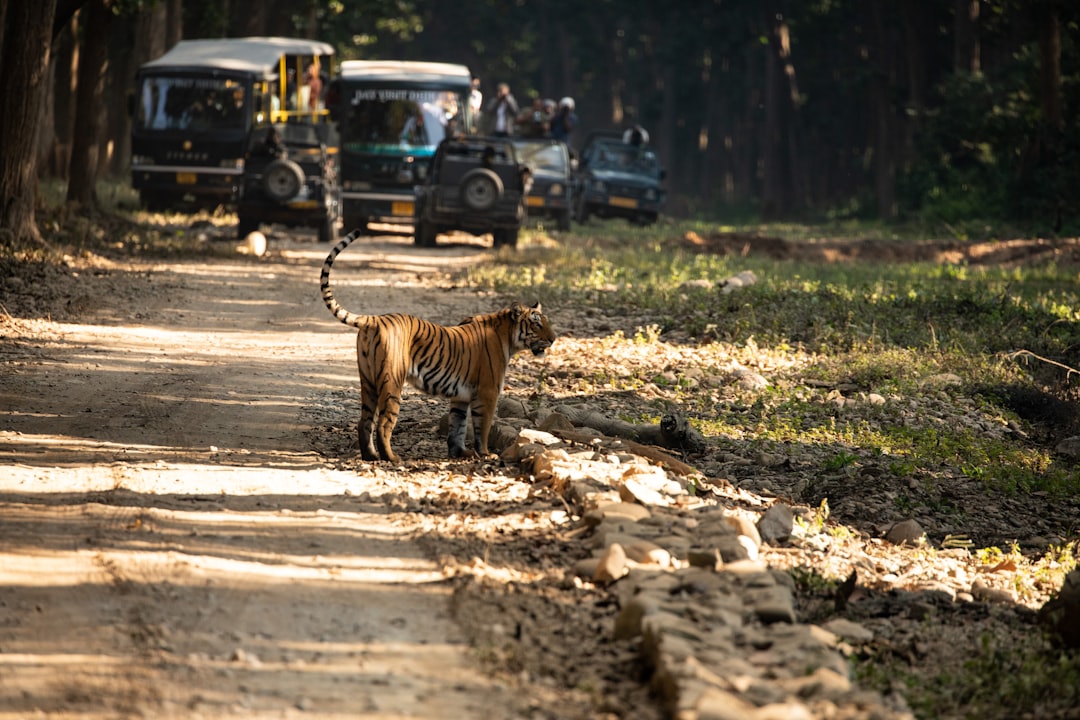
Tourist Frenzy Turns Safaris Chaotic (Image Credits: Unsplash)
The tipping point came from escalating tourist behaviors amplified by mobile devices. Visitors often shared real-time animal locations via calls or messages, drawing dozens of vehicles to single spots within minutes. This created traffic jams amid the wilderness, with engines idling and crowds shouting, all in pursuit of videos and photos.
Such gatherings blocked animals’ natural paths and altered their routines. Tigers and deer, sensitive to noise and human presence, shifted behaviors to avoid disruptions. Forest authorities reported increased safety hazards for tourists leaning out of vehicles or venturing too close for selfies. The Supreme Court highlighted these issues in its directive, urging parks to prioritize conservation over social media spectacles.
Supreme Court Guidelines Drive the Shift
In November 2025, the Supreme Court of India mandated controls on tourism activities in protected zones to safeguard wildlife. National parks responded swiftly, implementing phone restrictions by February and March 2026. The policy targets safari zones, where most disturbances occurred, and aligns with the Wildlife Protection Act of 1972.
India maintains 106 national parks and 574 wildlife sanctuaries among its 987 protected areas, sheltering over 92,000 species including Bengal tigers, Asiatic lions, and blackbucks. These sites draw millions annually, boosting local economies but straining ecosystems. The court’s intervention marked a pivotal step toward sustainable tourism.
Park-by-Park Enforcement Rules
Implementation varies slightly by reserve, but the core rule remains: no active phones inside safari areas. Visitors deposit devices at entrances or keep them powered off. Penalties for violations include fines, permit cancellations, and blacklisting.
| Park/Reserve | State | Phone Rule |
|---|---|---|
| Ranthambore National Park | Rajasthan | Locker storage at gate; key held until exit |
| Sariska Tiger Reserve | Rajasthan | Locker storage at gate |
| Tadoba Andhari Tiger Reserve | Maharashtra | Common storage boxes at entrance |
| Corbett Tiger Reserve | Uttarakhand | Common storage boxes |
| Madhya Pradesh Parks (e.g., Bandhavgarh) | Madhya Pradesh | Switched off; carried but inactive |
Professional cameras receive approval with fees, adhering to photography guidelines. Safari guides and drivers retain phones solely for emergencies, ensuring operational needs.
Wildlife Wins and Visitor Immersion
The bans promise quieter forests where animals roam freely without vehicle swarms. Reduced noise from ringtones, alerts, and chatter preserves the habitat’s natural rhythm. Early feedback suggests fewer stress-induced changes in tiger movements and better dispersal of wildlife sightings.
- Prevents location-sharing that caused overcrowding.
- Lowers engine idling and exhaust near sensitive species.
- Enhances safety by discouraging risky photo pursuits.
- Promotes mindful observation over digital distractions.
- Supports anti-poaching by limiting real-time coordinates.
Tourists report deeper connections to nature, free from screen glare. Reserves emphasize that true wildlife encounters thrive in silence, fostering respect for these vital ecosystems.
As India balances tourism with conservation, the phone bans signal a broader commitment to responsible exploration. Parks continue monitoring impacts, with potential expansions to more reserves. Visitors now enter the wild unplugged, rediscovering the thrill of unmediated nature.
Key Takeaways
- Bans stem from Supreme Court guidelines to reduce disturbances in safari zones.
- Affected parks include Ranthambore, Sariska, Tadoba, Corbett, and Madhya Pradesh reserves.
- Expect storage options at gates; cameras allowed with permits.
This shift prioritizes wildlife over viral moments – what do you think of phone-free safaris? Share in the comments.