
Most people think of national parks as places to hike, breathe fresh air, and take stunning photos. Fair enough. But some of these protected landscapes are quietly harboring something far more extraordinary than beautiful scenery. Beneath your feet, locked in ancient rock and eroding cliffs, lies one of the world’s most jaw-dropping fossil records. The kind that makes even seasoned scientists stop and stare in disbelief.
Fossils have been documented in at least 286 units of the National Park System. That’s not a small footnote. That’s a staggering legacy of ancient life preserved across America, much of which the average visitor walks right past without knowing it. These five parks, in particular, go way beyond beautiful landscapes. They are time machines in stone, and the secrets they hold are still being uncovered today. Let’s dive in.
Badlands National Park, South Dakota: Where Mammal Evolution Was Born
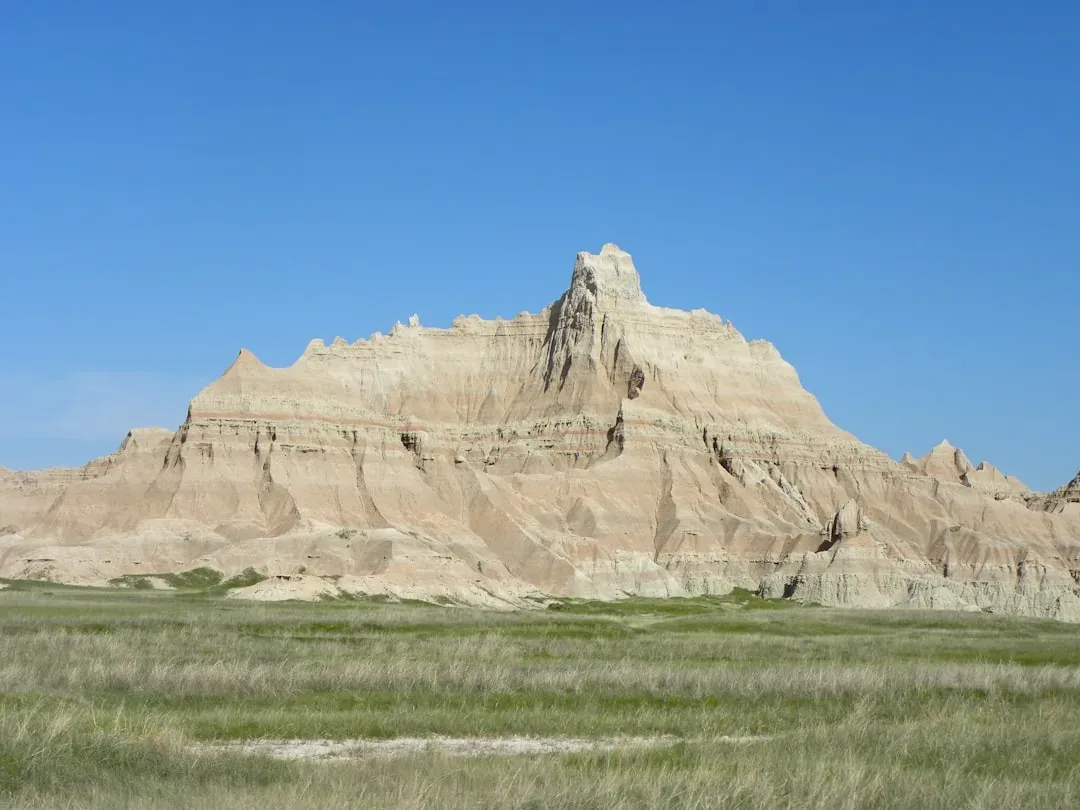
Here’s something that might genuinely surprise you: the area now included in Badlands National Park is considered to be the birthplace of vertebrate paleontology in the American West. Not just an interesting dig site. The actual birthplace of an entire science. That’s the kind of weight this landscape carries, even if it looks, at first glance, like nothing more than a haunting stretch of twisted rock and prairie sky.
Badlands National Park is home to one of the world’s richest fossil mammal beds from the late Eocene and early Oligocene epochs. Over the years, thousands of fossils have been found in the Badlands, including ancient rhinos called brontotheres, saber-toothed cats called nimravids, and ancient horse-like mammals called oreodonts. And the discovery process never really stops. The Big Pig Dig was one of the longest paleontology digs in Badlands National Park, recovering almost 20,000 fossils.
What makes this park truly special is how accessible the science is to you as a visitor. Following the discovery of a significant saber tooth cat-like skull in 2012, the Badlands Fossil Preparation Lab opened to the visiting public to showcase fossil preparation work, and the emphasis on visitor interaction with paleontologists at Badlands has resulted in the development of a one-of-a-kind relationship between scientists and the general public, not experienced elsewhere in the National Park Service.
Badlands National Park is a fossil treasure trove, where you may find a fossil bone shard, tooth, seed, or maybe even a fossilized skull. There is a team of Paleontologists who dig up fossils, but most fossils are found by ordinary visitors, and park visitors especially those under the age of ten seem to find most of the fossils. Honestly, where else can you say that a child on a family vacation might stumble upon a discovery that rewrites prehistoric history?
Big Bend National Park, Texas: A Graveyard of Giants from Another World
Big Bend sits in a remote corner of West Texas that most people never make it to. That’s their loss. The 130 million year fossil record preserved at Big Bend is one of a kind. Over 1,200 fossil species have been discovered thus far in the park. Think about that for a second. Over a thousand species. From sea creatures to dinosaurs to flying reptiles the size of small aircraft. This park is not messing around.
Some of Big Bend’s fossil finds include bones of a giant pterosaur, the largest known flying creature of all time with a 36-foot wingspan, as well as the massive skull of the giant horned dinosaur Bravoceratops. This provides the first comprehensive look at the fossil remains of the airplane-sized flying reptile Quetzalcoatlus, which was discovered by a University of Texas at Austin graduate student in 1971 in Big Bend National Park. A grad student. A remote desert. A creature with a wingspan wider than a school bus. It’s almost too cinematic to believe.
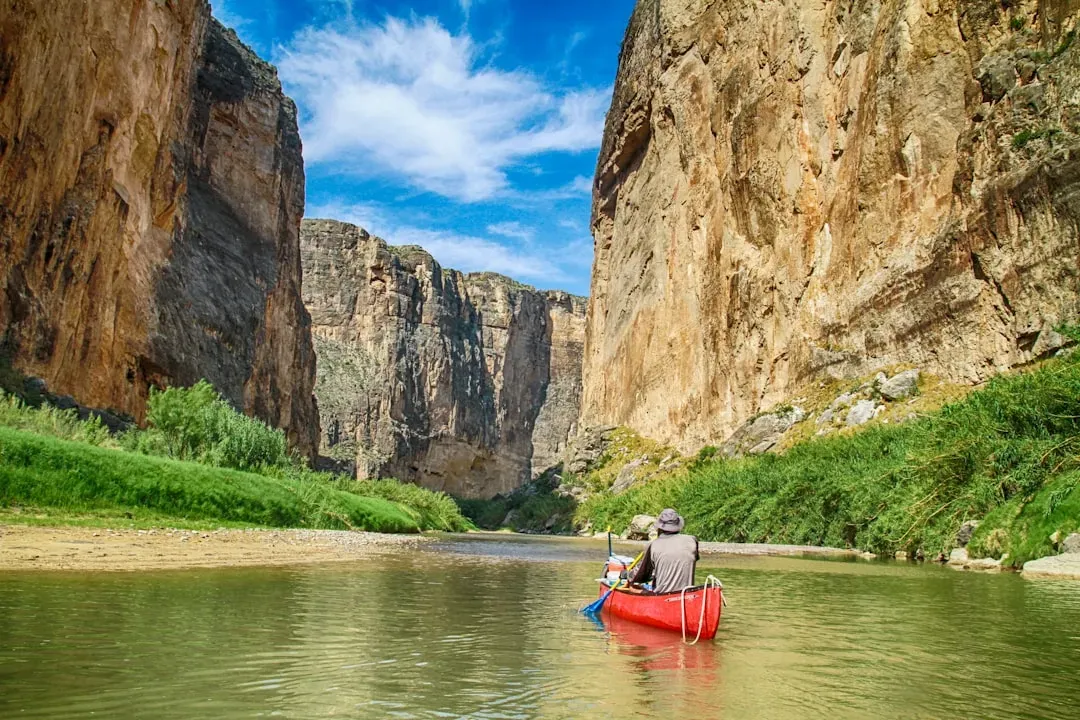
Big Bend is the only unit in the National Park Service where the Cretaceous-Paleogene Boundary is exposed and can be observed. That is the exact geological line in time that marks the extinction of the dinosaurs. You can actually stand at that moment in history. The Santa Elena Canyon Nature Trail is one of the best places in the park to see fossils, with trailside signs pointing out marine invertebrate fossils in the limestone canyon walls, and a large ammonite located within the trail surface of the Hot Springs Trail, while fossil oysters are visible in the Rio Grande Overlook and Trail.
A team from Sul Ross State University has unearthed a giant fossilized bone from Big Bend National Park, part of an Alamosaurus, a long-necked dinosaur that likely roamed North America in the late Cretaceous period from about 70 to 66 million years ago. New discoveries keep rolling in, which tells you everything you need to know about how much of this place remains unexplored. The continued discovery of prehistoric relics is increasing the profile of Big Bend National Park as a site of extraordinary historical and scientific importance, attracting researchers and enthusiasts from around the world.
Guadalupe Mountains National Park, Texas: Mountains Literally Made of Ancient Ocean
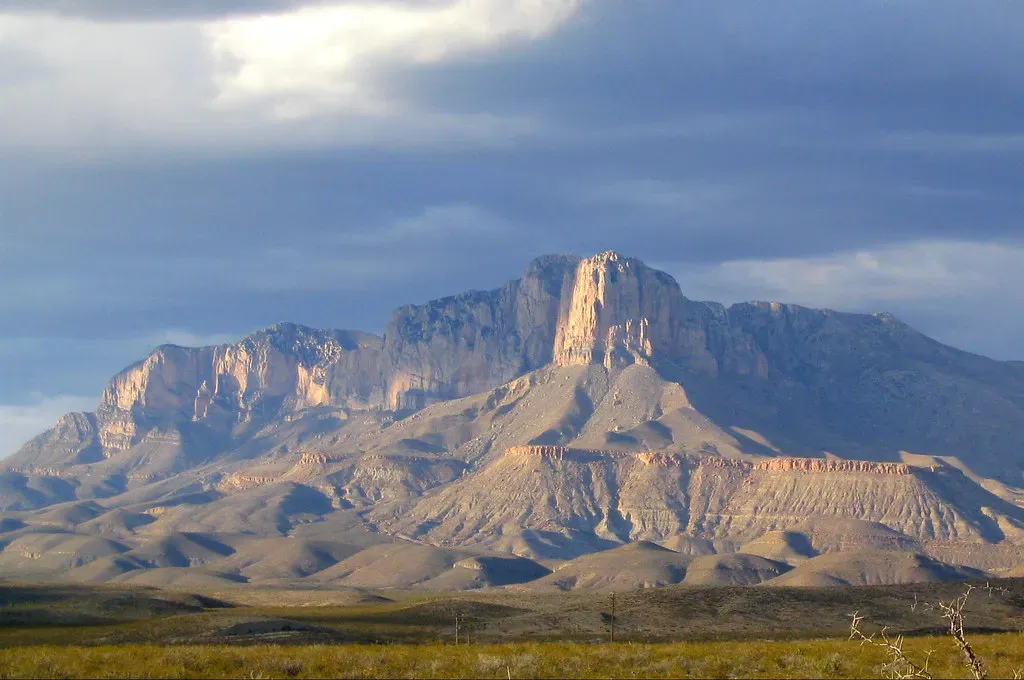
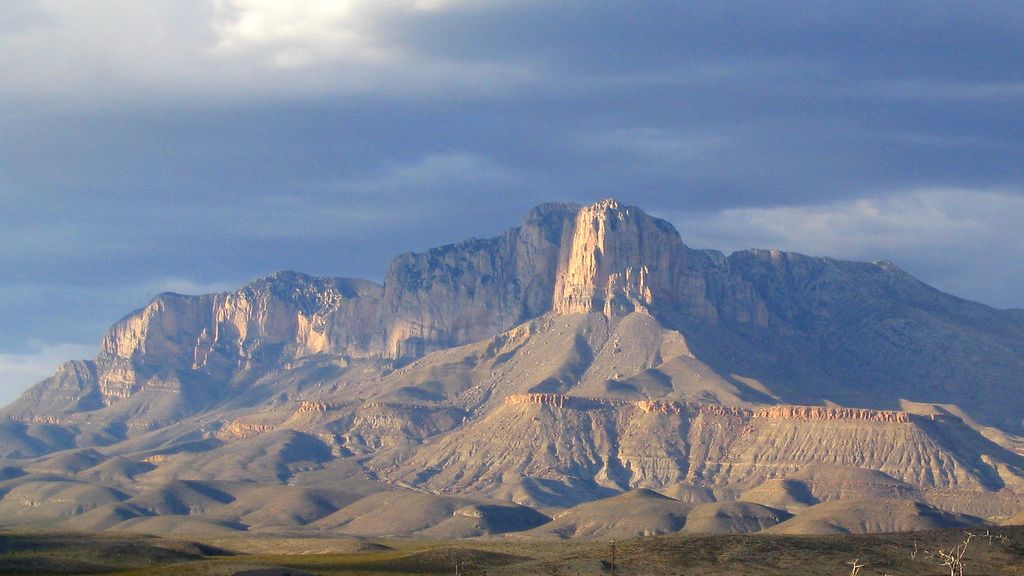
You might visit Guadalupe Mountains National Park for the hiking or to stand on the highest peak in Texas. But the real reason scientists travel here from across the globe is something far older and stranger. Guadalupe Mountains National Park contains one of the world’s finest examples of an ancient reef system. In fact, the mountains are essentially an uplifted and eroded reef that existed for millions of years during the Permian, known as the Capitan Reef. You are literally walking on what used to be the ocean floor. I think that’s one of the most mind-bending realities in all of American geology.
Investigators have found more than 500 Permian fossil species in the Guadalupe Mountains. The Capitan Reef is made up of several rock formations that represent different parts of the reef system, and these include many different kinds of marine invertebrate fossils, such as sponges, horn corals, bryozoans, brachiopods, cephalopods, gastropods, trilobites, crinoids, and even sea urchins. It’s a snapshot of a lost ocean world from a time so ancient it predates the dinosaurs entirely.
So exceptional are the Guadalupe Mountains that the International Commission on Stratigraphy selected this section of rocks to be the Global Boundary Stratotype Section and Point for Middle Permian age, covering 270 to 260 million years ago. That’s the scientific community’s way of saying: this is the official reference point for an entire age of Earth’s history. Rising above the Chihuahuan Desert in West Texas and southern New Mexico, the Guadalupe Mountains are part of one of the best-preserved fossil reefs from the Permian Period. The cemented accumulation of plant and animal material constitutes a revealing record of aquatic life before a mass extinction event at the end of the Permian.
The American Southwest is known for its arid climate, yet this park showcases remnants from an underwater world that existed 265 million years ago. Today, this area, known as the Permian Reef, is one of the best-preserved fossil reefs on Earth, with numerous tiny marine creatures embedded in the park’s rock. Visitors can hike the Permian Reef trail or the McKittrick Canyon Nature Loop for the best chance of seeing these fossils, and you should stop by the visitor center beforehand, where a park staff member can show you examples of fossils, so you know exactly what you are looking for.
Petrified Forest National Park, Arizona: The Dawn of Dinosaurs Is Rewriting Itself Here
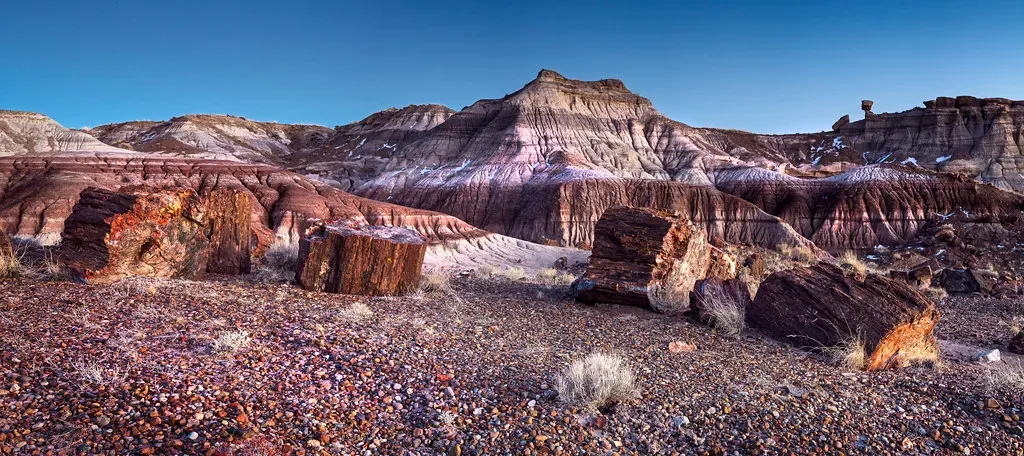
Most visitors come here for the petrified wood. And fair enough, because the Petrified Forest is named for its magnificent plant fossils, in particular its hulking 200-million-year-old logs that have crystallized into shiny, colorful stone. It contains the largest deposits of petrified wood in the world, as well as important fossils of plants and animals, including early dinosaurs, all in a detailed stratigraphic setting that allows changes in the ecosystem and biota to be effectively traced through the end of the Triassic. That’s already extraordinary. Yet the story gets even better.
Petrified Forest has some of the earliest dated dinosaurs in the fossil record of North America, at 223 million years ago, and over 90 species of fossil plants and animals were first named from its rocks. There are upwards of 500 known vertebrate fossil sites in the park, including bonebeds containing numerous specimens from a variety of species. The sheer density of discovery here is staggering, and researchers have barely scratched the surface.
A Smithsonian-led team of researchers have discovered North America’s oldest known pterosaur, the winged reptiles that lived alongside dinosaurs and were the first vertebrates to evolve powered flight. In total, the team uncovered more than 1,200 individual fossils, including bones, teeth, fish scales, and coprolites, and this assemblage contains 16 different groups of vertebrate animals that once inhabited a diverse ecosystem. That’s one bonebed. One site in one corner of one park.
Petrified Forest National Park is deservedly known as one of the best records of Late Triassic paleontology and geology in the world. New plant and animal fossil discoveries, including Pseudosuchian and Ornithodiran archosaurs, dating back over 200 million years are found with impressive regularity, and these finds are rewriting the Triassic fossil record and continuing to expand our knowledge of this seminal time in the history of life on our planet. It’s hard to say for sure which park has the most exciting future discoveries ahead, but Petrified Forest belongs in that conversation without question.
Channel Islands National Park, California: The Island of Shrinking Giants
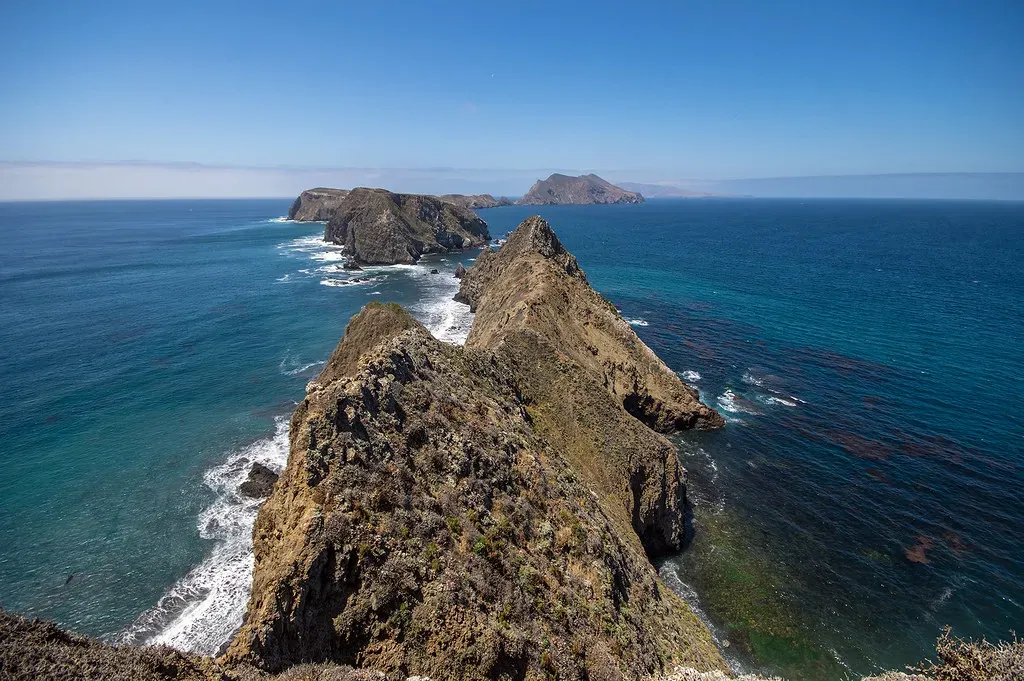
Channel Islands is one of those parks that most Americans have never even heard of, and that might be the biggest oversight in their national park bucket list. Made up of five islands on the southern coast of California, Channel Islands National Park protects unique island-based and marine ecosystems as well as valuable paleontological and archeological resources. What those resources contain is something you genuinely won’t find anywhere else on the planet, and that’s not an exaggeration.
By far the most famous fossils of Channel Islands are pygmy mammoth bones. Pygmy mammoths descended from full-sized mainland Columbian mammoths that swam what was then a few miles to Santarosae, probably smelling the fresh vegetation on the island. As happened on other islands, the body size of the mammoths became smaller over time to adapt to the smaller landmass. It’s like nature’s own experiment in evolution, playing out over thousands of years, and the evidence is still sitting there in the island rock.
Mammoth bones have been reported from the islands since at least the 1870s, but it wasn’t until 1994 that a nearly complete specimen was found. This find greatly increased interest in the paleontology of the islands, and researchers have since spent many years surveying for new finds. The Channel Islands also have rich records of marine invertebrate fossils, particularly of mollusks, and microfossils. Miocene-aged fossils of marine mammals have also been recovered on the islands, as well as fossils of a variety of bird species and terrestrial small mammals.
You might not think of people as potential fossils, but the most ancient human bones in the National Park Service were found on Santa Rosa Island. Also known as Arlington Man, this person lived between approximately 13,494 and 13,291 years ago. The most recent pygmy mammoth fossils date to about this time frame as well, so it is possible that humans and mammoths briefly coexisted here. Let that land for a moment. Humans and miniature mammoths, sharing the same small island. Channel Islands doesn’t just hold ancient creatures. It holds a story about us.
Conclusion: The Ground Beneath You Has Stories to Tell
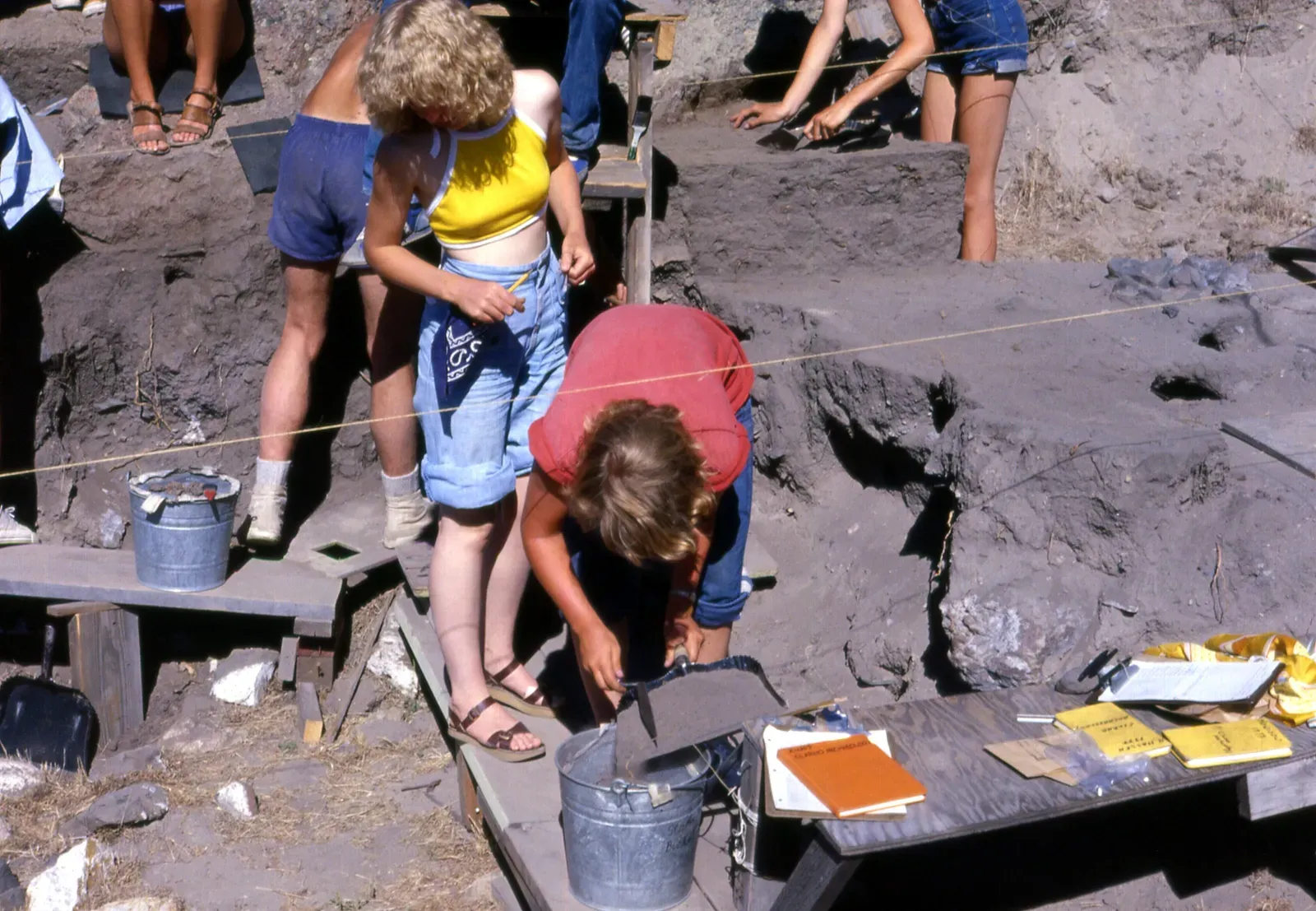
There is something deeply humbling about standing on land that holds the bones of creatures that lived tens or hundreds of millions of years before any human ever walked the Earth. Fossils and paleontological sites are irreplaceable and nonrenewable. They are invaluable to science as they provide our only evidence of the history of life on Earth. A single fossil may be the only evidence of the existence of an entire species. That weight, that responsibility, is what makes these national parks so much more than recreation areas.
From the mammal graveyards of the Badlands to the shrinking giants of the Channel Islands, each of these parks is a chapter in a story that began long before us and will outlast us all. The next time you lace up your hiking boots and set out on a trail, look down. You might be walking on the roof of a world you never imagined existed. What would it feel like to be the one who finds it?