There is something almost unbelievably intimate about holding a 75-million-year-old eggshell fragment in your hands. You are touching the beginning of a life that never got to finish. Dinosaur eggs and nests have always captured the imagination, but the real science behind them? Even more extraordinary than the movies ever suggested. Every cracked shell, every perfectly arranged clutch, every fossilized parent frozen in time above its eggs tells a story that rewrites what you thought you knew about these ancient giants.
The truth is, paleontologists are still uncovering startling surprises about how dinosaurs reproduced, what their eggs looked like, how they built their nests, and – most shockingly – just how tender some of these “monsters” actually were with their young. If you think you already know the story of dinosaur eggs, think again. Let’s dive in.
The Very First Dinosaur Eggs Were Soft, Not Hard
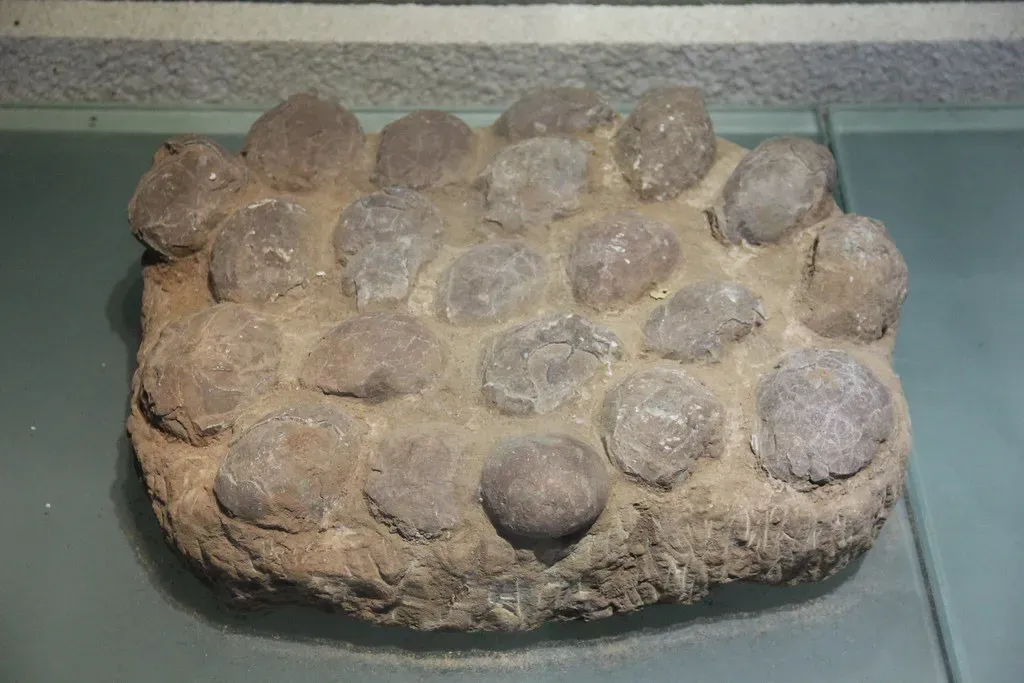
Here’s the thing – when most people picture a dinosaur egg, they imagine something like a hard-boiled Easter egg, round and sturdy. But that image is completely wrong for the earliest dinosaurs. The common ancestor of all dinosaurs laid soft-shelled eggs buried in moist soil, and hard-shelled eggs evolved multiple times in several different lineages. Think of it like a leathery, flexible pouch rather than the rigid shells we see today.
Dinosaur nests evolved from this ancestral state of soft-shelled eggs buried underground to hard, sometimes colorful eggs incubated in partially open nests. It’s a staggering evolutionary leap, and it happened over hundreds of millions of years. The shift from buried, soft-shelled eggs to openly incubated hard-shelled ones mirrors a profound change in parenting behavior that eventually gave rise to the bird nests we see in our backyards today.
The Oviraptor Was Wrongly Named “Egg Thief” for 70 Years
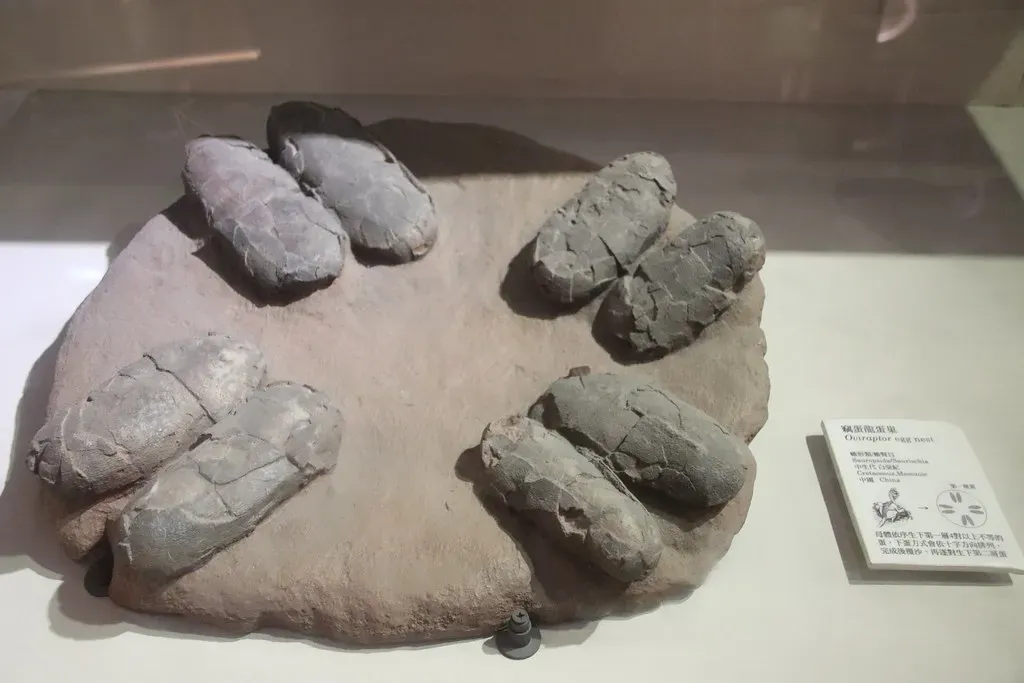
Honestly, this might be one of the most embarrassing cases of mistaken identity in the history of science. After further exploration of a nest in Mongolia, bones of a birdlike dinosaur never before seen were found at the nest site. The team decided this dinosaur must have been stealing the eggs and thus named it Oviraptor, meaning “egg thief.” It seemed logical at the time. Caught at the scene, so to speak.
That dinosaur found with eggs in a nest was not stealing or eating the eggs at all. She was sitting on a nest, protecting her eggs from a vicious sandstorm that ultimately claimed her life. It took roughly 70 years for scientists to clear her name. The presence of Oviraptor preserved in their life brooding position suggests that the eggs, nests, and parents may have been rapidly buried by sandstorms. A mother, not a thief. The injustice of that misidentification still stings a little.
Some Dinosaurs Laid Colorful, Pigmented Eggs
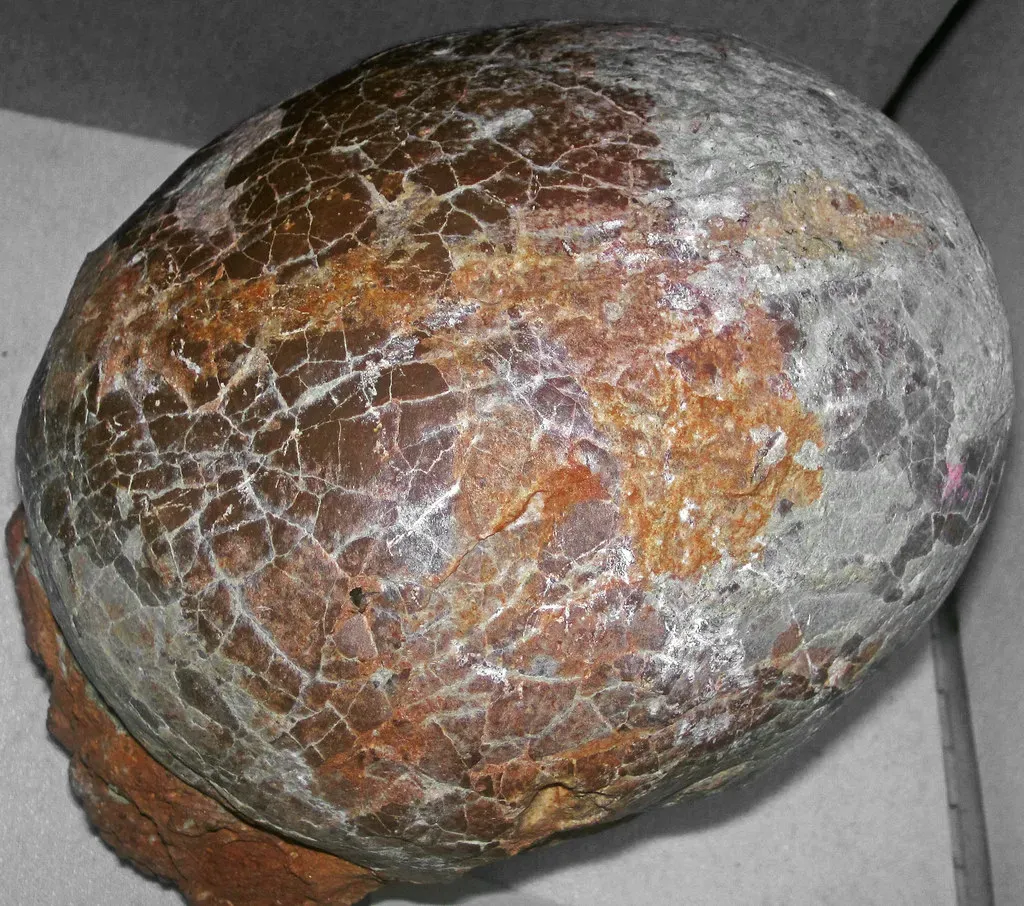
You would never have guessed it from the old depictions, but some dinosaur eggs were not plain white or beige. They were genuinely colorful. In fossil nests from the oviraptorid Heyuannia, scientist Jasmina Wiemann, now at the University of Chicago, identified pigments in the eggs to determine their original color. The eggs in this nest were originally blue-green. Blue-green eggs sitting in a prehistoric nest. Extraordinary.
The fact that eggshell pigments are detected only in theropods provides another piece of evidence that this group of dinosaurs gave rise to modern birds. Birds are the only living amniotes that lay colored eggs, making it likely that eggshell pigments evolved a single time in an ancestor of birds and advanced theropods. The appearance of colored eggs coincides with the evolution of partially open nests, and so may have been driven by new selective pressures. Brown speckled eggs, for example, may have been better camouflaged from predators when the parents left the nest to feed. Nature’s camouflage, 70 million years before modern bird watching became a hobby.
Dinosaurs Nested in Colonies, Just Like Modern Birds
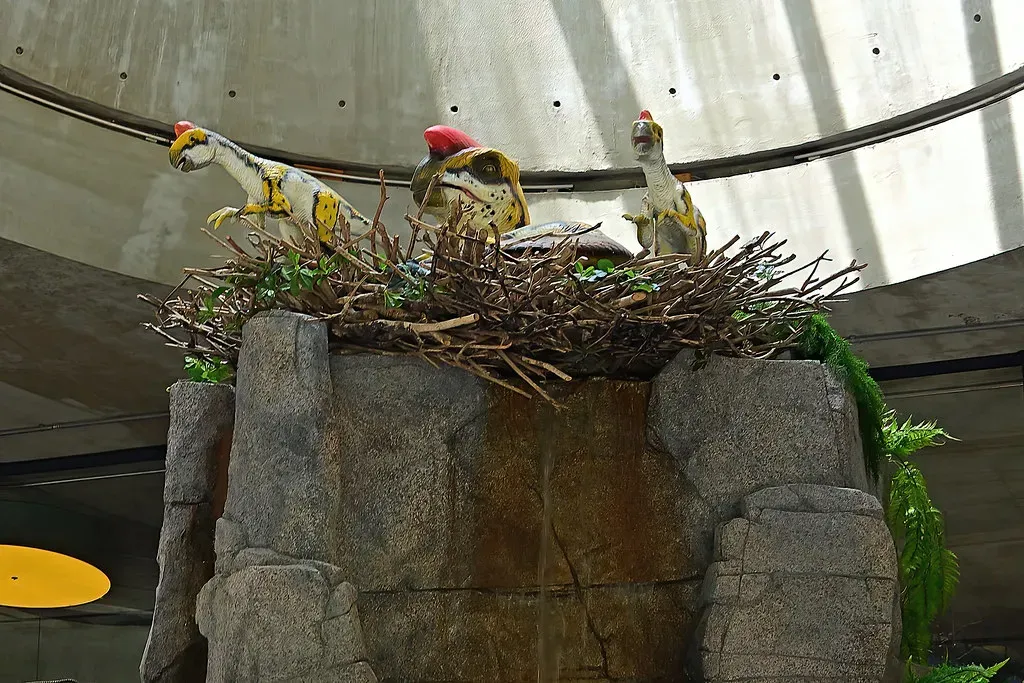
Picture a cliff face covered in nesting seabirds – squawking, jostling, guarding their eggs. Now stretch that image back 80 million years. An exquisitely preserved dinosaur nesting site discovered in the Gobi Desert shows that some of these prehistoric animals nested in groups and, like birds, protected their eggs. This was not an accident of geography. It was coordinated social behavior.
The find includes the fossils of 15 nests and more than 50 eggs that are roughly 80 million years old. It provides the clearest evidence to date that complex reproductive behaviors, such as group nesting, evolved before modern birds split off from the dinosaurs 66 million years ago. Researchers also estimated that just over half of the nests had at least one successful hatch, on account of the number of fragmented eggs. This relatively high rate mirrors the hatching success of modern birds and crocodiles that guard their nests, rather than those that abandon or only occasionally check their nests. They were not just laying eggs and walking away. They were watching over them.
Eggshell Pores Reveal Hidden Secrets About Nesting Habits
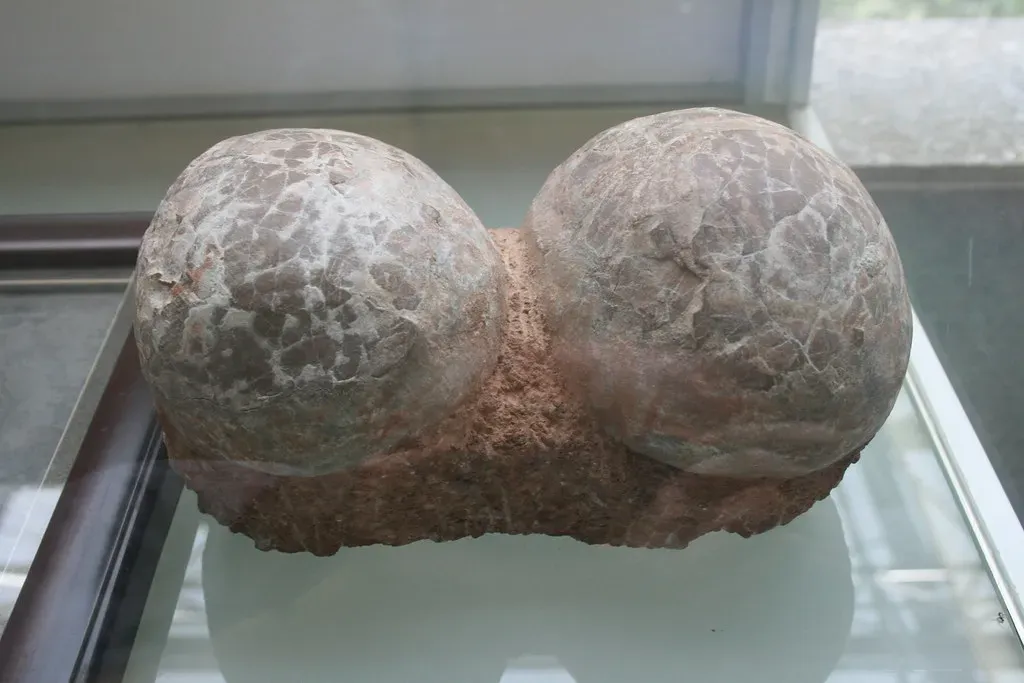
You might never look twice at a pore – it sounds utterly microscopic and boring. But in dinosaur eggs, pores are a treasure map. In egg-laying amniotes including dinosaurs, pore canals cutting through the eggshell allow gas exchange between the embryo and the outside world. Dinosaur eggshells exhibit a lot of diversity in pore size, density, and shape. Each variation tells a different story about how and where the eggs were kept.
The density and width of the pores, combined with the eggshell’s thickness, can be used to predict the gas conductance of a dinosaur’s egg. This can provide both information about nesting behavior and about the climate: eggs buried in sediment have higher rates of gas conductance than those laid in the open, and eggs laid in arid environments have lower gas conductance to prevent water loss than those laid in more humid conditions. It is almost like reading a climate diary written in microscopic holes. By analyzing the water vapor conductance of the eggshells, researchers can infer whether the eggs were incubated underground, covered by sediment or vegetation mounds, or brooded by an adult sitting on them.
A Dinosaur Parent Was Discovered Frozen on Its Nest With Embryos Inside
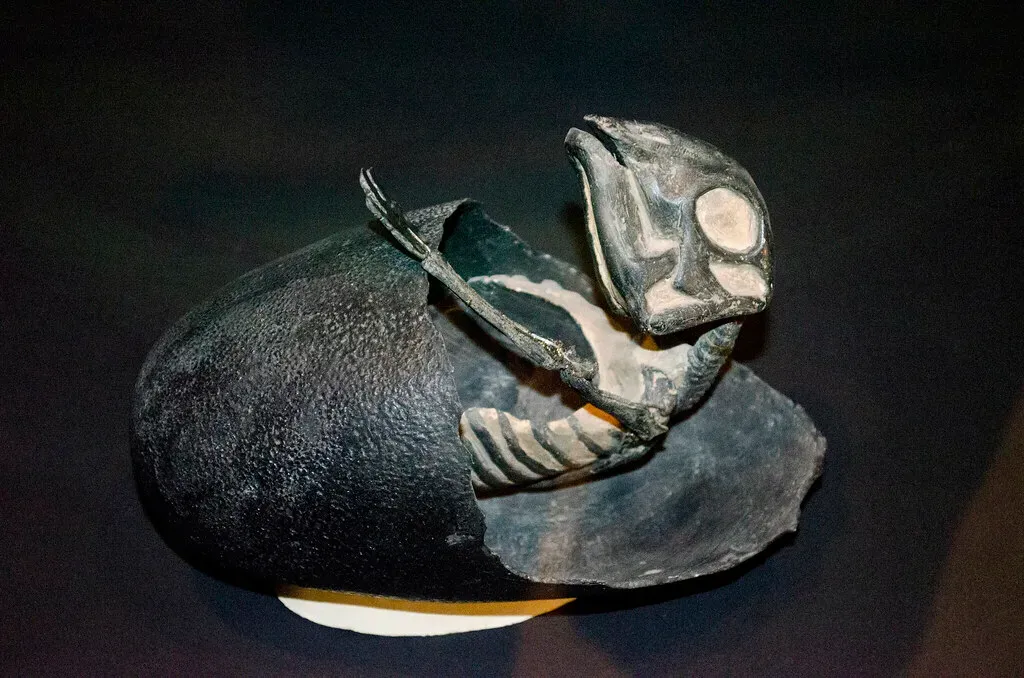
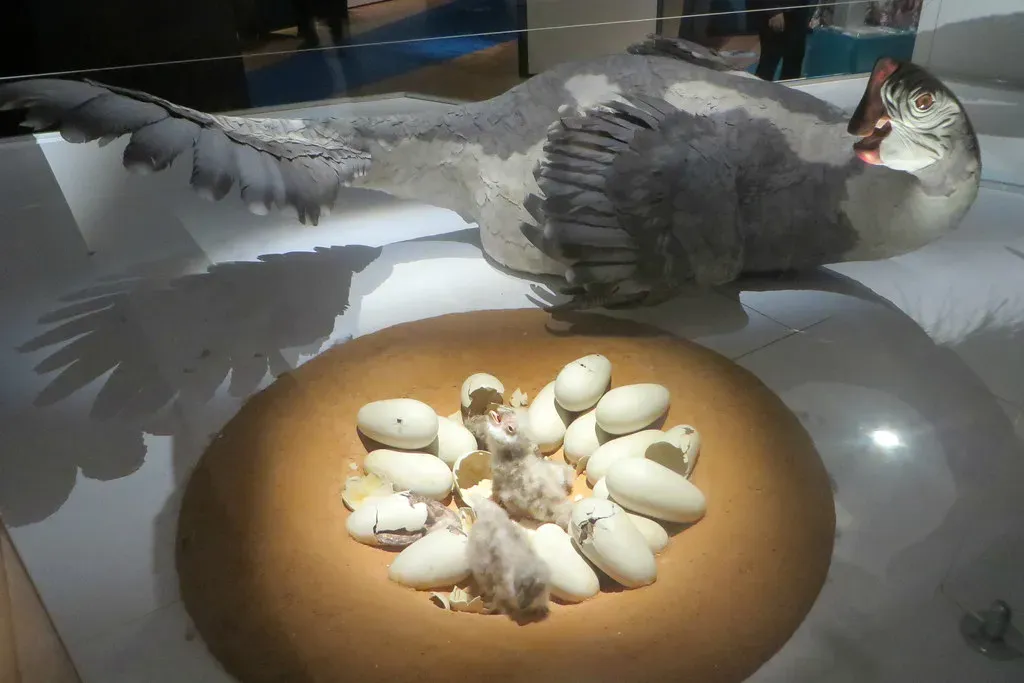
Some fossil discoveries change everything. This one made scientists catch their breath. The roughly 70-million-year-old fossil in question shows an adult oviraptorid theropod dinosaur sitting atop a nest of its eggs, with multiple eggs, including at least three that contain embryos, clearly visible, as are the forearms, pelvis, hind limbs, and partial tail of the adult. This is as close as you will ever get to seeing a dinosaur’s last parental act preserved in stone.
The babies inside were almost ready to hatch, which indicates beyond doubt that this oviraptorid had tended its nest for quite a long time. The team also conducted oxygen isotope analyses indicating that the eggs were incubated at high, bird-like temperatures. Dinosaurs preserved on their nests are rare, and so are fossil embryos. This was the first time a non-avian dinosaur had been found sitting on a nest of eggs that also preserved embryos, in a single spectacular specimen. You cannot help but feel something when you realize that parent never left.
Scientists Recreated a Dinosaur Nest to Crack a 70-Million-Year-Old Mystery
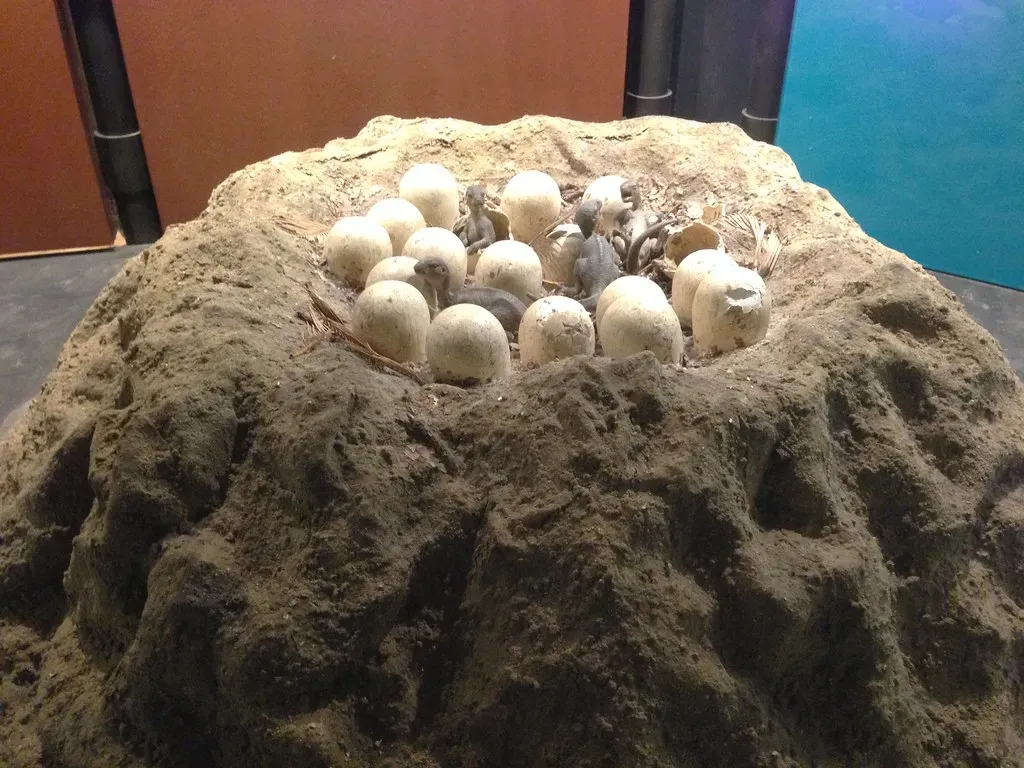
Imagine building a life-size dinosaur and placing it over a reconstructed nest in a laboratory, just to figure out how warm the eggs got. That is exactly what researchers did in a groundbreaking 2026 study. Scientists recreated a life-size oviraptor nest to understand how these dinosaurs hatched their eggs. Their experiments showed the parent likely could not heat all the eggs directly, meaning sunlight played a key role.
In colder conditions, when a brooding adult was present, temperatures in the outer ring of eggs varied by as much as 6 degrees Celsius. Such differences could lead to asynchronous hatching, where eggs in the same nest hatch at different times. In warmer environments, that variation dropped to about 0.6 degrees Celsius. This suggests that in warmer climates, sunlight may have helped even out temperatures and influenced hatching patterns. I think this is one of those discoveries that sounds simple but is actually profound. Not all eggs in the same nest hatched at the same moment. These were not synchronized, machine-like creatures. They were messy, complex parents.
Dinosaur Eggshells Can Now Be Directly Dated Using Uranium
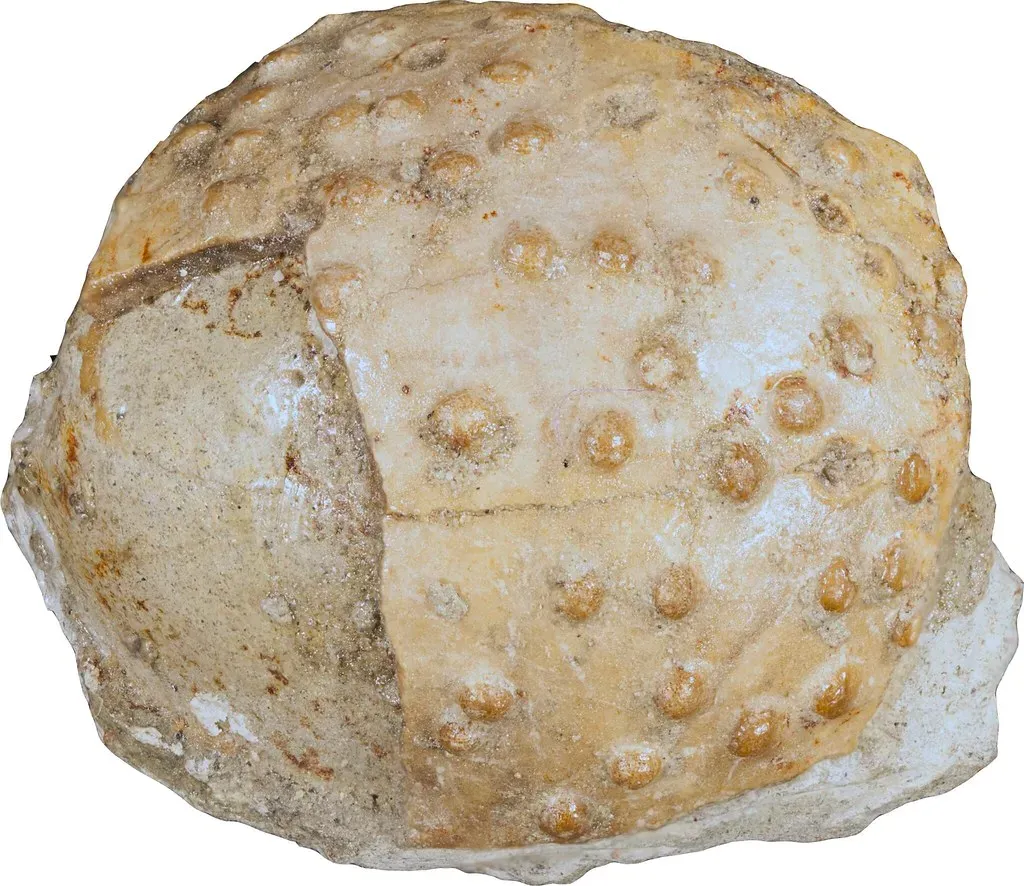
For decades, dating a dinosaur fossil meant looking at the rocks surrounding it rather than the fossil itself. That approach had limits. Now, fossilized eggshells are changing the game entirely. By looking to radioactive minerals taken up by eggshells in the deep past, experts have uncovered a novel method to determine when those eggs were laid, one that could put ancient ecosystems on a more accurate timeline.
Researchers turned to uranium-lead dating, a technique that measures the decay of radioactive uranium into lead at a fixed rate, to date uranium-bearing calcite within fossilized eggshells. Uranium-lead dating had been used to date volcanic rock and fossilized bone, but it had never before been used on fossilized dinosaur eggs. Dinosaur egg diversity was remarkably high and evolved rapidly during the Cretaceous, and being able to date those eggs directly means scientists can finally start mapping that rapid evolution with precision. It’s a bit like finding a receipt tucked inside an ancient artifact.
Some Theropod Dinosaurs Had a Reproductive System Halfway Between Reptiles and Birds
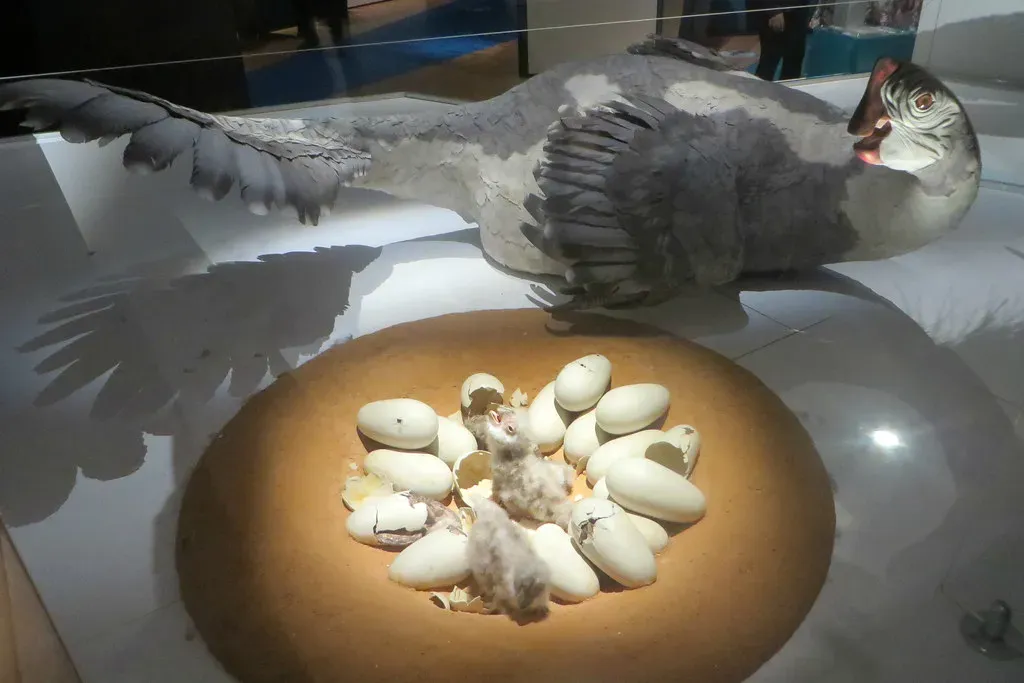
This one is genuinely strange, and honestly kind of wonderful. Certain theropod dinosaurs occupied a peculiar middle ground in reproductive anatomy that you would not find in any living creature today. As far as reproduction goes, these theropod dinosaurs were halfway between their crocodile ancestors and their bird cousins. They had two egg tubes, like crocs, but only one egg in each, like modern birds. A biological bridge between two worlds, locked in evolutionary amber.
In one fossil, the eggs are not paired, suggesting the parent had only one egg tube like modern birds, as opposed to the two present in most other dinosaurs. Meanwhile, Troodon formosus, by its egg shape and nesting behavior, seems to be the precursor of modern avian reproduction. Every time you watch a bird sit on its nest and rotate its eggs carefully, you are watching a behavior that started with a feathered theropod tens of millions of years ago. That connection is real, and it is extraordinary.
Conclusion
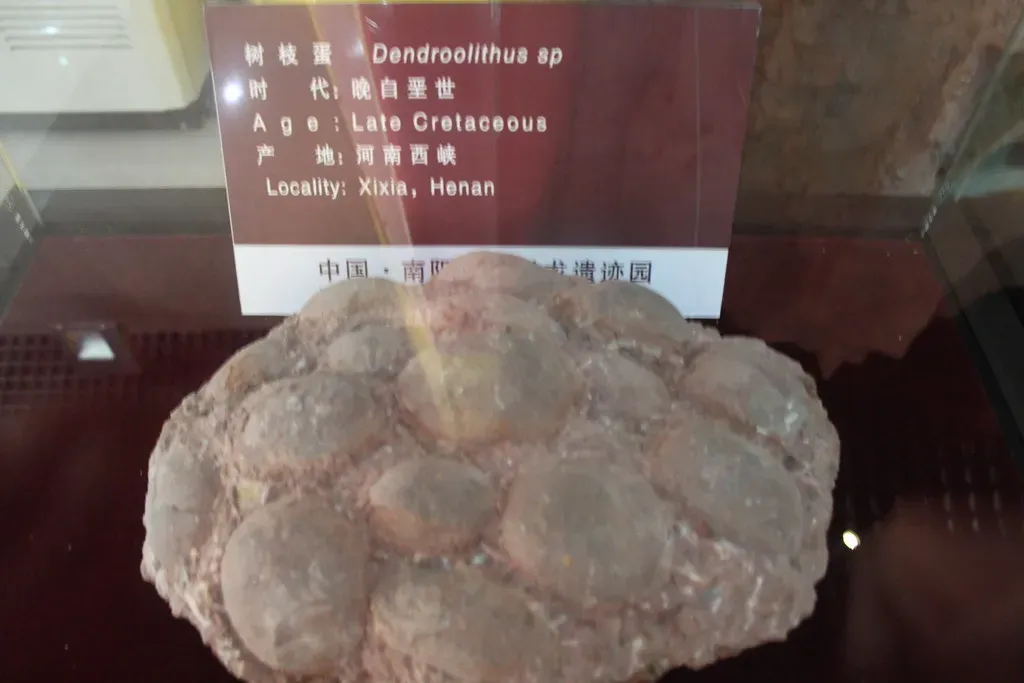
What makes dinosaur eggs and nests so compelling is not just their age or rarity. It is the intimacy they reveal. A parent frozen over its eggs in a sandstorm. Blue-green shells designed to fool predators. Nesting colonies humming with prehistoric social life. These are not the cold-blooded, solitary monsters of old monster movies. They were complex, caring, and surprisingly familiar.
The science is still young. New methods like uranium-lead eggshell dating and life-size nest reconstruction are opening doors that were firmly shut just a decade ago. Every cracked shell fragment discovered in a Mongolian desert or a Chinese quarry adds another sentence to a story that has been unfolding for over 230 million years.
The next time you see a bird carefully turning its eggs in a nest, take a moment. You are watching the echo of something ancient, something that survived an asteroid, a mass extinction, and millions of years of change. What surprises you most: that dinosaurs were caring parents, or that it took us this long to find out? Tell us your thoughts in the comments below.