
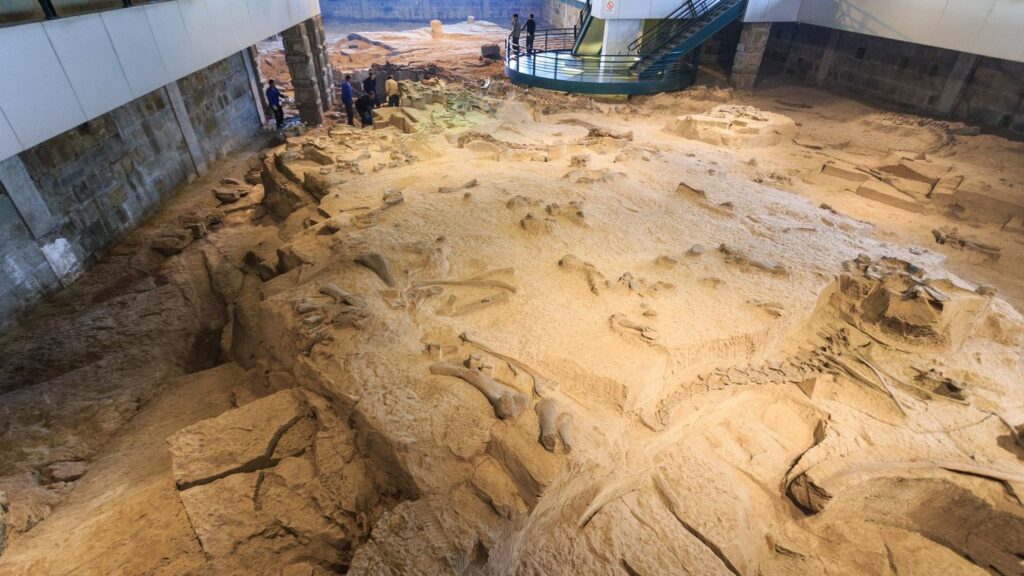
There is something deeply thrilling about the idea that the ground beneath your feet might be hiding a 70-million-year-old giant. That the scrubby badlands of Montana, or the scorching red cliffs of the Gobi Desert, or the windswept plains of Patagonia could be holding secrets that would completely rewrite what you think you know about life on Earth. Paleontology is not a glamorous science, not really. It involves hours of crouching, brushing dust, and squinting at rocks that may or may not be bone.
Yet somehow, the greatest keep giving. Decade after decade, they hand over monsters. Creatures that once thundered across the planet are now rising slowly, painstakingly, from sediment and stone. If you have ever been curious about where those museum giants actually come from, you are in exactly the right place. Let’s dive in.
The Gobi Desert, Mongolia: The Flaming Cliffs and Beyond
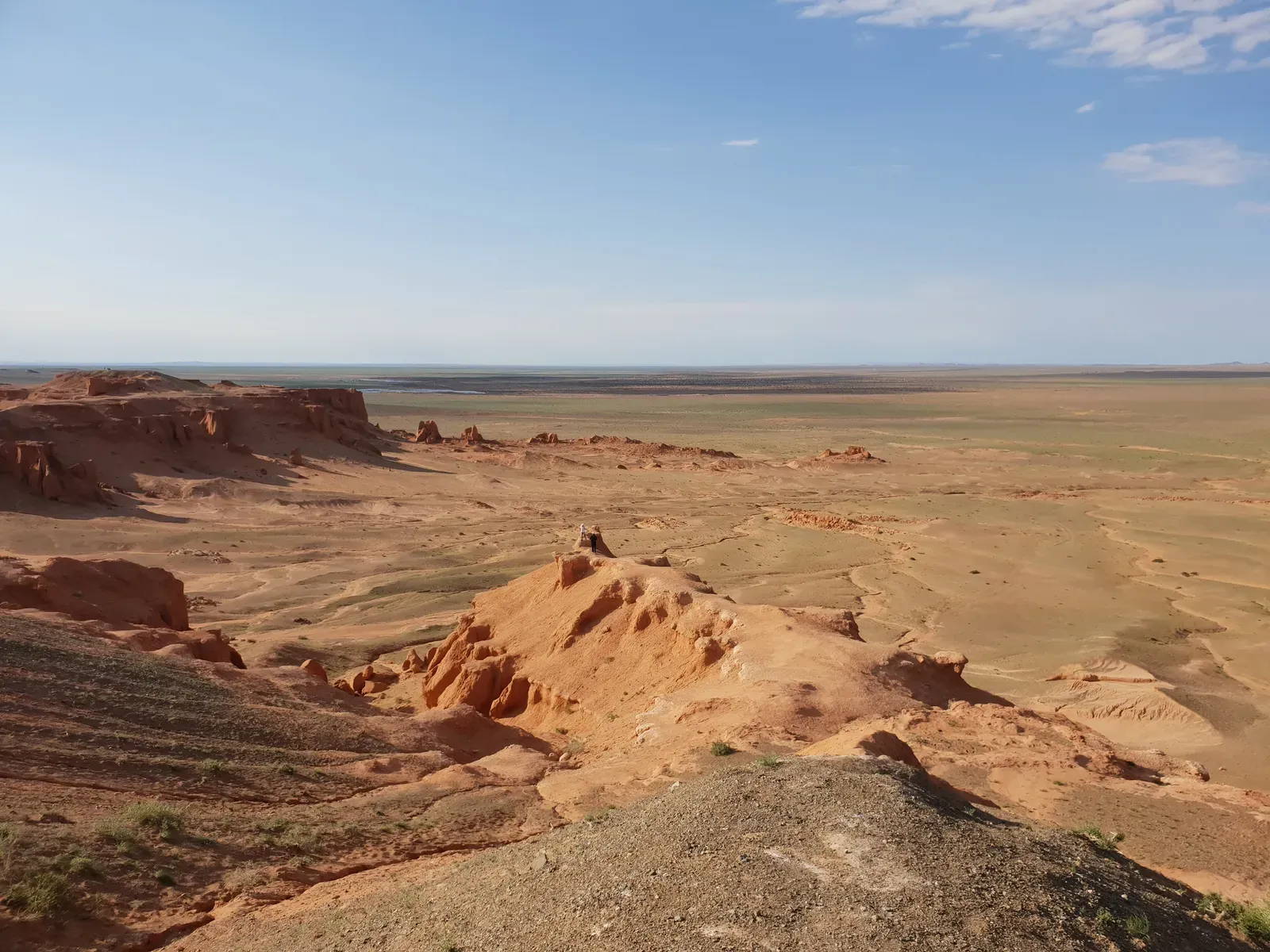
Honestly, if there is one name that dominates the world of dinosaur paleontology, it is the Mongolian Gobi Desert. The Mongolian Gobi Desert is considered the largest and most significant dinosaur fossil reservoir in the world. That is not a casual claim. It is backed up by nearly a century of excavation, and the numbers are staggering. Over a history of almost 100 years of dinosaur research, more than 80 genera of dinosaurs have been found in the Mongolian Gobi Desert. Think about that for a moment. Nearly one fifth of all known dinosaur genera, found in a single desert.
The site known as Bayanzag, nicknamed the Flaming Cliffs, is where everything changed. Andrews named the place the Flaming Cliffs, inspired by their magnificent red-orange glow in the late afternoon sun. In 1922, the Central Asiatic Expedition of the American Museum of Natural History made one of the most pivotal discoveries in paleontological history here. In 1922 the Central Asiatic Expedition of the American Museum of Natural History discovered the first nest of dinosaur eggs at Bayanzag, and this discovery served as a turning point in the paleontological history of the world, establishing the fact that dinosaurs laid and hatched from eggs. If you ever needed proof of what a single site can do for science, that is it.
Hell Creek Formation, Montana and North Dakota: Where the Titans Roamed
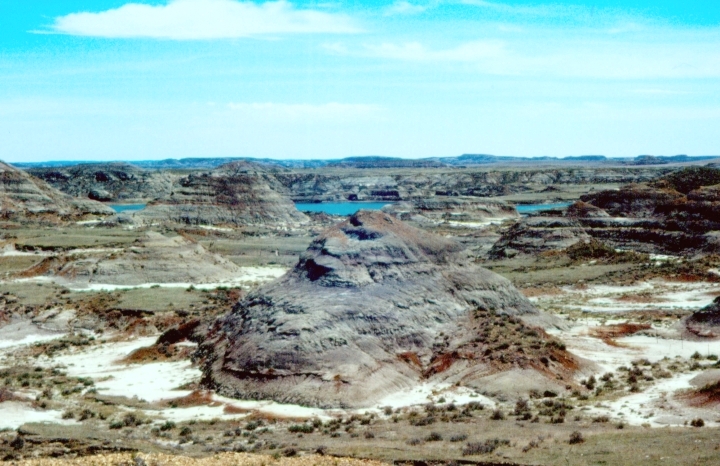
You want Tyrannosaurus rex? You go to Hell Creek. It is that simple. The Hell Creek Formation contains some of the most iconic dinosaurs in the world, including Tyrannosaurus rex, Triceratops, and the tank-like Ankylosaurus. Stretching across Montana, North Dakota, South Dakota, and Wyoming, this geological formation is essentially a who’s who of the Late Cretaceous. If dinosaurs had a Hall of Fame, Hell Creek would be the building.
What makes this site especially remarkable is that it keeps delivering. The Burpee Museum has been working in southeast Montana since 2000 and has discovered thousands of fossils. The formation spans vast stretches of badlands, and erosion does the slow, patient work of revealing bones that have been buried for roughly 66 million years. The Hell Creek Formation in Montana is a world-renowned site for dinosaur fossils, including the famous Tyrannosaurus rex, Triceratops, and Edmontosaurus. It is hard to say for sure how many more giants are still buried here, waiting for a particularly rainy season to wash the rock away and expose them.
Dinosaur National Monument, Colorado and Utah: A Wall of Ancient Bones
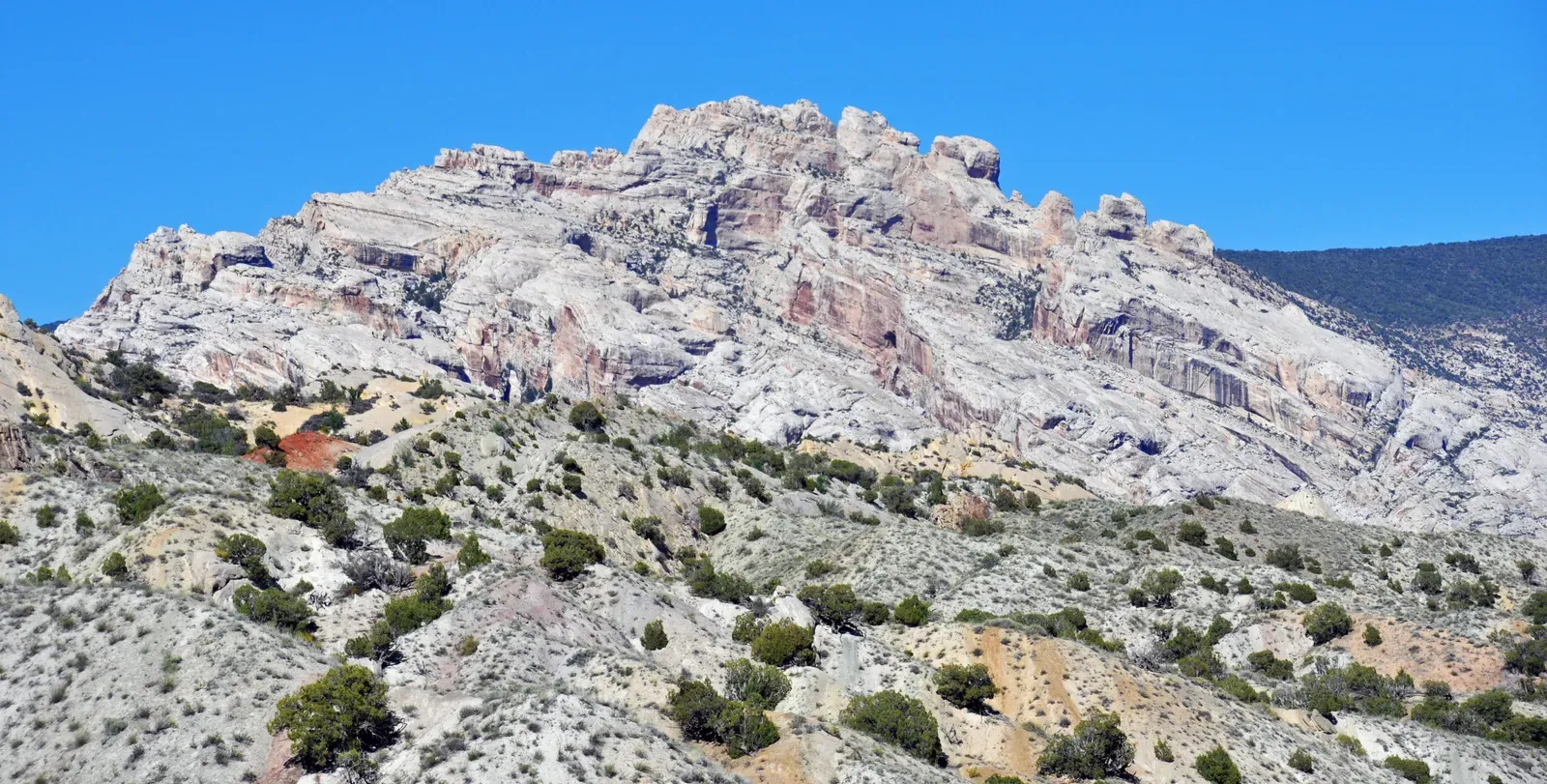
Picture standing in front of a cliff face. Now imagine that cliff face is studded with over a thousand dinosaur bones, still embedded in the rock, exactly as they were left millions of years ago. That is the experience waiting for you at Dinosaur National Monument. Located on the border of Colorado and Utah, the Dinosaur National Monument is a must-visit for any dinosaur enthusiast, and this site is home to over 1,500 dinosaur fossils, including Allosaurus and Stegosaurus. It is one of those places that makes you feel genuinely small in the best possible way.
The Morrison Formation is a rock formation dating back to the Late Jurassic period, which ended around 145 million years ago, and part of it is located inside the aforementioned Dinosaur National Monument. What you find here is a rich cross-section of Jurassic life. Amateur archaeologists can find fossils from a huge range of different dinosaur species, including Camarasaurus, Diplodocus, Apatosaurus, Stegosaurus, and Allosaurus. The Quarry Exhibit Hall is genuinely jaw-dropping. You can observe hundreds of dinosaur bones embedded in a rock face, providing a unique glimpse into the past. Few places on Earth offer that kind of raw, unmediated connection to prehistoric life.
Patagonia, Argentina: The Land of Giants
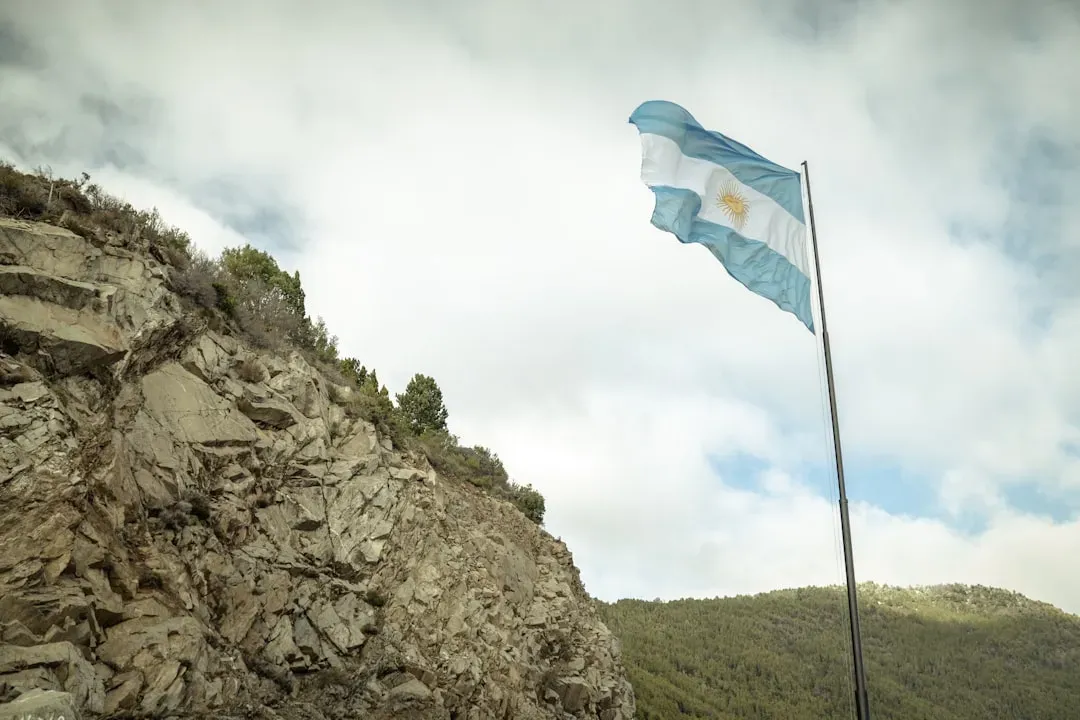
Here is the thing about Patagonia that surprises most people: the biggest dinosaurs ever found on Earth came from here. Not from North America, not from Mongolia. From a remote, windswept corner of southern Argentina. Patagotitan was found at La Flecha Ranch in Patagonia, Argentina, in 2010, when a ranch worker spotted an enormous dinosaur bone poking out of the ground, and scientists who were brought in to investigate unearthed hundreds of fossil bones during digs in 2012, 2013, and 2015. That discovery alone is enough to place Patagonia among the greatest dig sites on the planet.
Though titanosaurs roamed all over the globe, it was in South America that they were most diverse and abundant, serving as the subcontinent’s most important herbivores. The region also continues to surprise. While scouring Argentina’s La Colonia Formation for new dinosaur fossils, paleontologists noticed a single toe bone sticking out of the ancient rock, and when they dug in, they found a new dinosaur, a carnivore that roamed prehistoric Patagonia several million years before an asteroid impact brought the Cretaceous to a fiery close. Much of the rocks there remain unexplored by paleontologists, making them ripe for new discoveries. Patagonia is, in every sense, still a treasure chest with the lid barely cracked open.
The Morrison Formation, Colorado: Birthplace of Iconic Discoveries
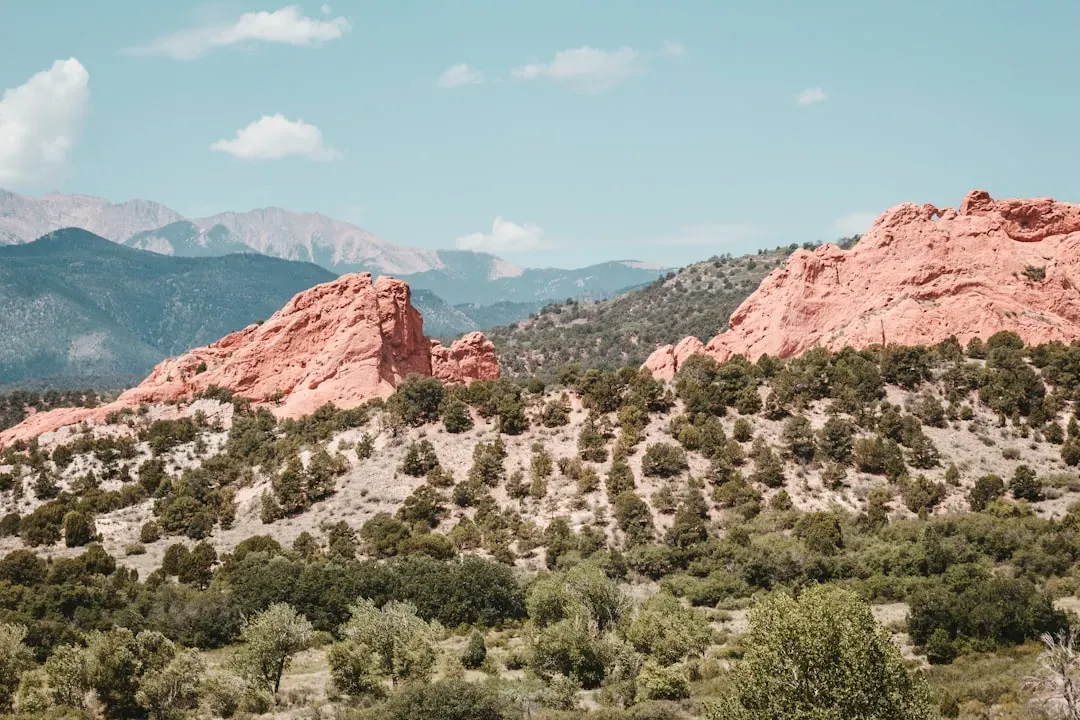
Garden Park Fossil Area in Colorado is one of those places where paleontological history was made early and has never stopped being made since. The first dino dig here took place in 1877, and since then a range of discoveries have been made, including the first complete skeleton of an Allosaurus, some of the most complete Stegosaurus skeletons, and the first known remains of many dinosaurs like Camarasaurus, Ceratosaurus, and Diplodocus. Let’s be real: that is an absurd roll call of firsts for a single location.
Colorado as a whole sits at the center of what has been called the Dinosaur Diamond. The “Dinosaur Diamond” is home to some of the most significant dinosaur fossil discoveries in the world and stretches across Western Colorado and into Utah. The state even has its own official state fossil. Colorado even has its own state fossil, the Stegosaurus. Meanwhile, the Wyoming Dinosaur Center just to the north offers visitors something extraordinary. Wyoming Dinosaur Center staff and visitors have removed more than 14,000 bones from the excavation sites, with most fossils coming from long-necked sauropods such as Camarasaurus, Diplodocus, and Apatosaurus, though an abundance of Allosaurus teeth have also been found at all of their active quarries. That is citizen science at its most hands-on and awe-inspiring.
Montana’s Two Medicine Region: Baby Dinosaurs and Bone Beds
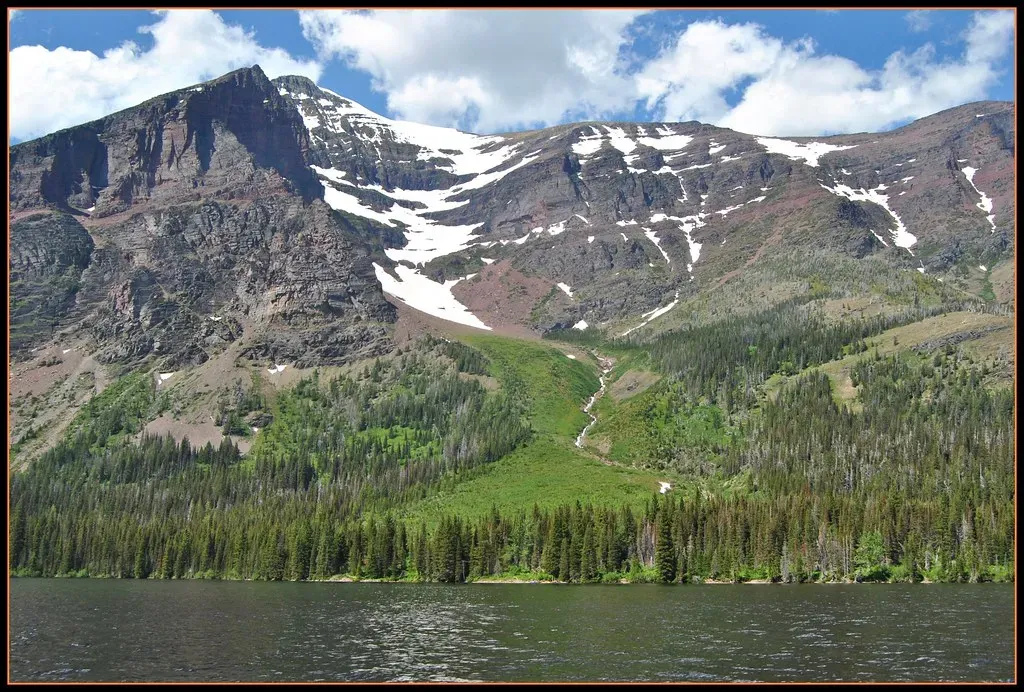
There is one discovery that forever changed how scientists think about dinosaur parenting, and it happened in Montana’s Two Medicine region. The Montana Dinosaur Center in Bynum, Montana is the home of the world’s first discovered dinosaur babies in a nest. Before that discovery, the image of a dinosaur as a cold, unfeeling reptile that laid eggs and walked away was the prevailing view. The Two Medicine Formation shattered that assumption completely. The very first dinosaur eggs in the United States were discovered near this site in the heart of Montana dino country.
What makes this area stand out even further is the sheer density of fossil material still waiting to be uncovered. This season’s fieldwork takes place in a massive bone bed with fossils galore. The bone beds here are so rich that professionals and enthusiastic amateurs alike regularly return season after season, each year turning up something new. Think of it like farming, except instead of crops, you are harvesting the bones of creatures that lived tens of millions of years before the first human ever walked upright. It is, without question, one of the most emotionally moving dig experiences anywhere in the world.
Conclusion
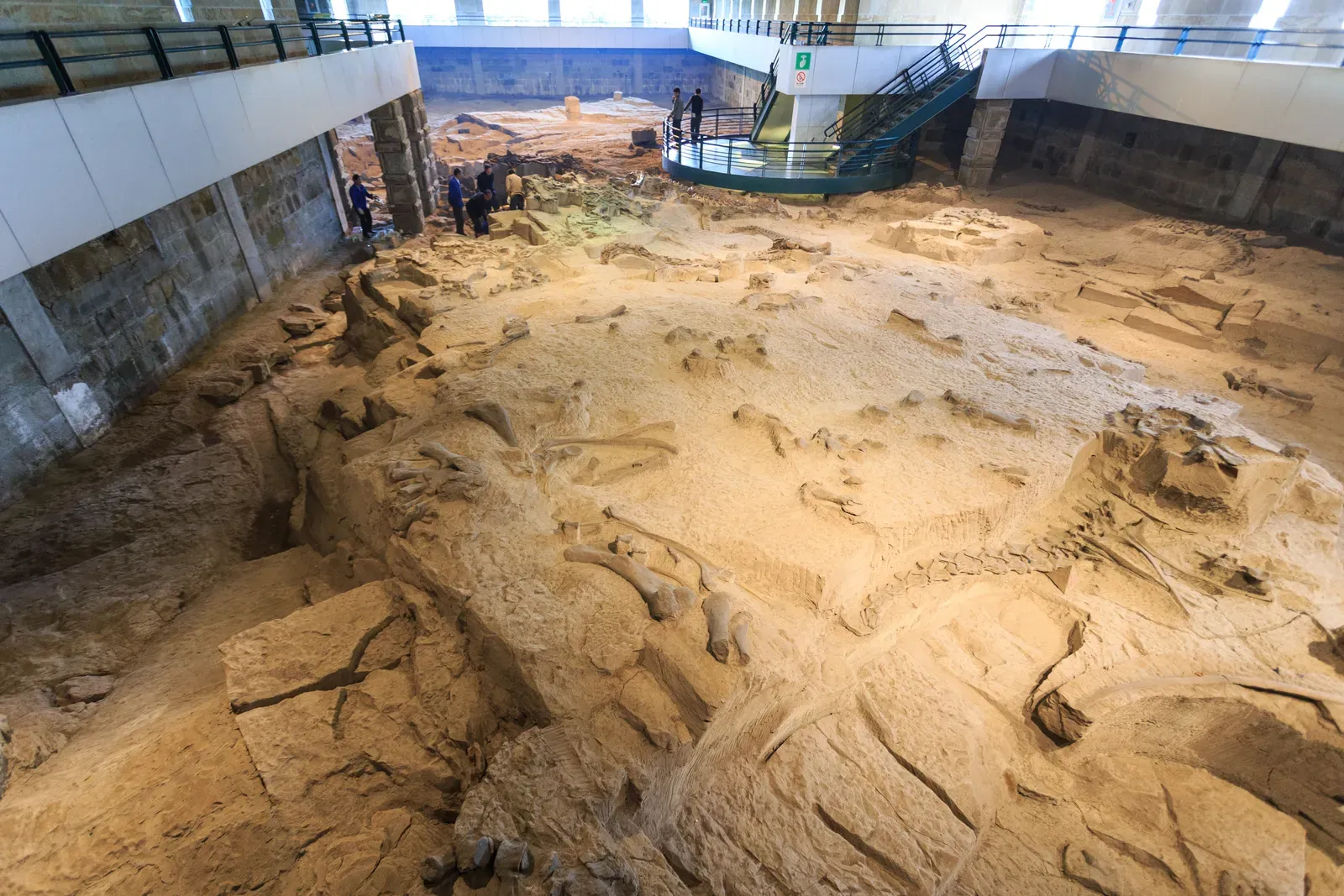
From the searing red cliffs of the Gobi Desert to the windswept Patagonian plains and the bone-studded walls of Dinosaur National Monument, the world’s greatest dig sites share one powerful truth: the Earth has been hiding extraordinary secrets for millions of years, and we have only just begun to find them. Every brushstroke across a fossilized femur, every careful scrape of rock from ancient bone, is an act of discovery that connects you directly to a world that existed long before humans arrived on the scene.
What is perhaps most humbling is that, across all these sites, the experts will tell you the same thing: there is so much more still underground. Not counting birds, dinosaur fossils have been found on all seven continents, and dinosaur species have been named from 51 countries and Antarctica. The giants have not finished revealing themselves. The ground beneath places like Patagonia and Montana is still giving up its secrets, one careful excavation at a time. So here is a question worth sitting with: if a ranch worker in Argentina could accidentally stumble upon the largest animal that ever walked the Earth, what else might be out there, just one lucky step away from discovery? What would you have guessed?