Northeastern Mexico – Paleontologists have unveiled a remarkable find from the late Cretaceous period: a massive mosasaur species known as Prognathodon cipactli. This six-meter-long creature dominated ancient seas around 70 million years ago. The discovery, based on well-preserved fossils, sheds new light on the fierce marine life that thrived in the region just before the dinosaurs’ extinction.
Apex Hunter of Ancient Oceans
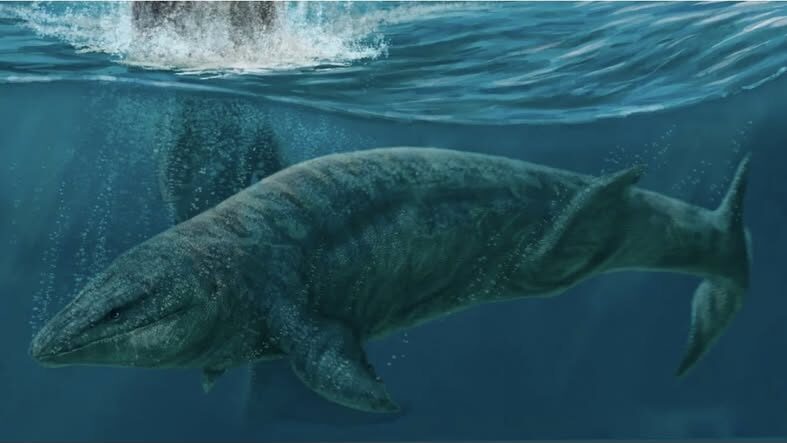
Apex Hunter of Ancient Oceans (Image Credits: Facebook)
Prognathodon cipactli stood out as a top predator in its watery domain. Measuring six meters in length, it possessed jaws designed for crushing power and teeth built to tear through prey. Researchers identified these traits from fossils that revealed a robust skull structure, perfect for ambushing large marine animals.
Such features marked it as a dominant force among mosasaurs, those giant marine reptiles that ruled the late Cretaceous seas. The species’ build suggested it hunted aggressively, likely targeting fish, turtles, and even fellow reptiles. This identification adds a thrilling chapter to our understanding of prehistoric ocean giants.
Fossils Emerge from Mexican Deposits
The fossils of Prognathodon cipactli came to light in northeastern Mexico, a hotspot for Cretaceous-era remains. Excavations uncovered bones that formed a nearly complete specimen, allowing scientists to name and describe the species formally. This find occurred in rock layers dated to approximately 70 million years ago.
Local geological conditions preserved the skeleton exceptionally well, highlighting the area’s rich fossil record. Paleontologists noted the mosasaur’s elongated body and powerful limbs adapted for swimming. These discoveries continue to draw experts to the region for further digs.
Diversity in Late Cretaceous Waters
The identification of Prognathodon cipactli points to greater variety among marine reptiles in ancient Mexico than previously thought. During the late Cretaceous, these waters teemed with diverse predators, from smaller swimmers to colossal hunters. This species’ presence suggests a complex food web supported multiple large carnivores.
Evidence from the fossils indicates that northeastern Mexico served as a key habitat. Scientists now recognize heightened biodiversity in these seas, challenging earlier views of uniform marine ecosystems. Ongoing studies may reveal even more species from this vibrant period.
Key Characteristics of the Beast
To grasp Prognathodon cipactli’s prowess, consider its standout adaptations:
- Length: Six meters, rivaling modern great white sharks.
- Jaws: Exceptionally strong, ideal for gripping and shattering bones.
- Teeth: Robust and conical, suited for piercing tough hides.
- Body: Streamlined for swift pursuits in open water.
- Era: Late Cretaceous, about 70 million years ago.
These traits positioned it firmly at the top of the food chain. Comparisons with related mosasaurs underscore its specialized hunting style.
| Feature | Prognathodon cipactli | Typical Mosasaur |
|---|---|---|
| Size | 6 meters | 4-15 meters |
| Primary Weapon | Powerful jaws | Varied teeth |
| Habitat | Northeastern Mexico seas | Global oceans |
Implications for Prehistoric Research
This discovery enriches the mosaic of late Cretaceous marine life. It prompts researchers to revisit other fossils from the same deposits for overlooked species. The region’s role as a biodiversity hub becomes clearer with each new find.
Prognathodon cipactli exemplifies how local excavations contribute to global paleontology. Future work could uncover behavioral clues or related specimens.
Key Takeaways:
- Prognathodon cipactli measured six meters and ruled as an apex predator 70 million years ago.
- Its powerful jaws and teeth made it a fearsome hunter in northeastern Mexico’s ancient seas.
- The find boosts evidence of high marine reptile diversity in the late Cretaceous.
Prognathodon cipactli reminds us of the raw power that once filled prehistoric oceans, just before a cataclysmic shift ended the dinosaur age. As digs continue in Mexico, more secrets from these turbulent waters may surface. What do you think about this ancient sea monster? Tell us in the comments.