There is something quietly electric about standing on ground that was once walked by creatures so ancient they defy imagination. America is stitched together with layers of prehistoric time, hidden in desert cliffs, bubbling asphalt pits, and windswept badlands. You don’t need to be a scientist to feel it – you just need to show up at the right place.
From the sun-baked parks of Utah to the colorful ridges of South Dakota, you are never far from a window into deep time. Some of these sites will leave you speechless. Others will have you crawling through shale looking for the outline of something ancient, heart racing just a little. Let’s dive in.
Dinosaur National Monument, Utah and Colorado: Where the Jurassic Lives On
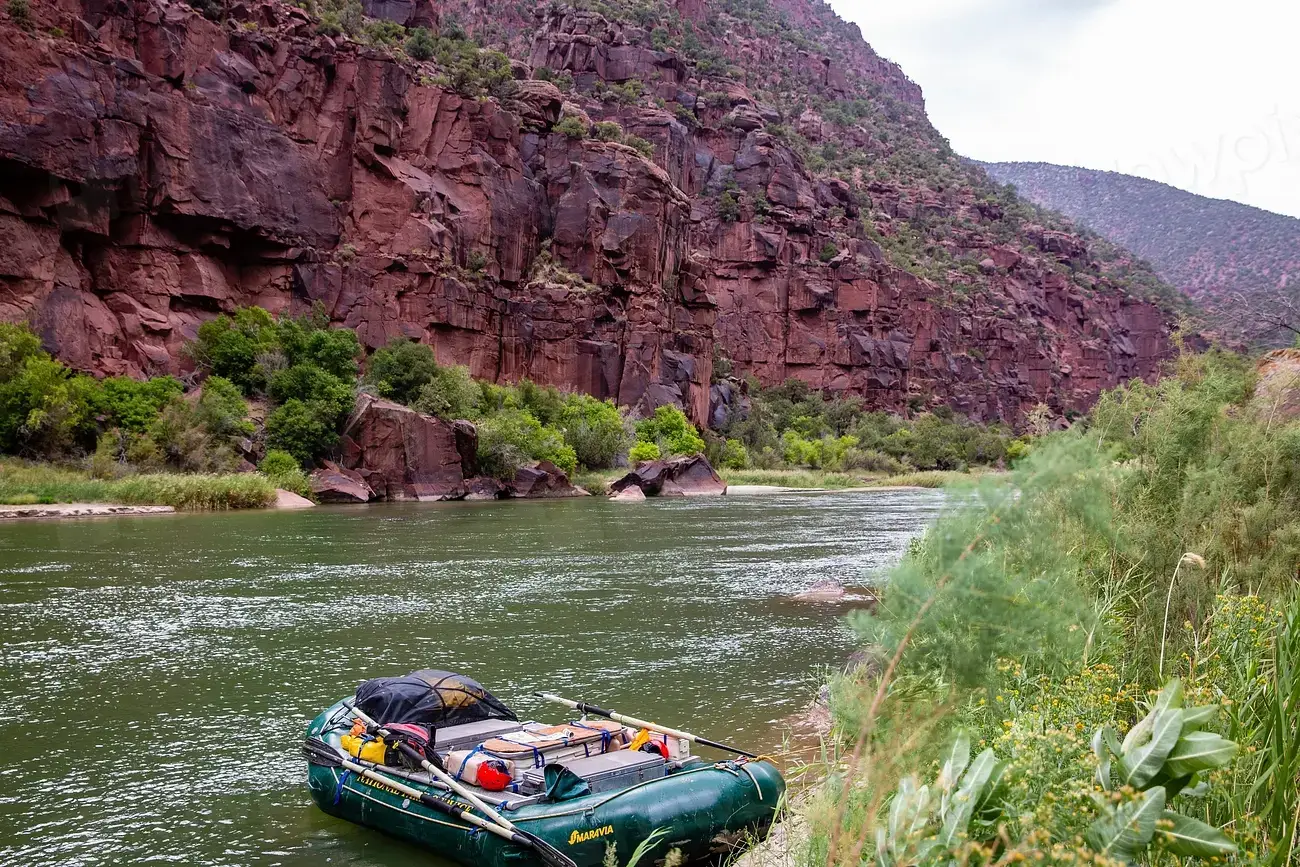
Honestly, if there is one fossil site in America that earns the title of legendary, it might just be this one. Located on the border of Colorado and Utah, just over 200 miles east of Salt Lake City, where the Yampa and Green Rivers meet, this spectacular national monument was created in 1915 specifically to protect the world-famous Dinosaur Quarry, and later expanded to preserve the region’s extraordinary landscapes and natural history resources. Think about that – it was set aside more than a century ago, and it still delivers.
Situated between Utah and Colorado, this stretch of mountains, canyons, and desert comprises a major chunk of the Morrison Formation, an expansive sedimentary rock unit considered the most productive source of near-complete dinosaur skeletons in North America. Among the highlights is the Quarry Exhibit Hall, which allows you to view an enclosed quarry-face “wall” of about 1,500 dinosaur bones. You can view one of the few baby Stegosaurus fossils ever found, a meat-eating Allosaurus, Apatosaurus, Camarasaurus, Diplodocus, and others. That is not a museum replica – those bones are exactly where the ancient river deposited them.
La Brea Tar Pits, Los Angeles, California: A City Built Over an Ice Age Graveyard
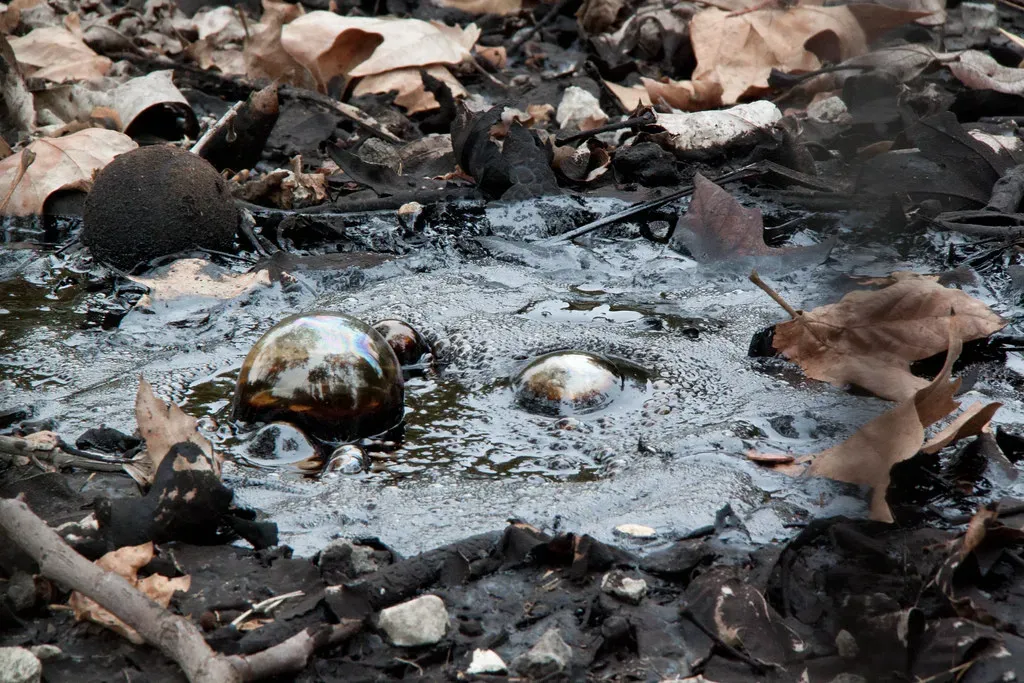
Let’s be real – only Los Angeles could have something this surreal sitting in the middle of rush-hour traffic and museum row. La Brea Tar Pits is the only ongoing, urban Ice Age excavation in the world, making the site a unique window into active science where fossils are discovered, prepared, researched, and displayed in one place. You can literally stand outside and watch asphalt bubble up from the ground while saber-toothed cat bones are being cleaned through a glass wall a few feet away.
For over 50,000 years, natural asphalt has seeped from the ground in this area, creating sticky traps that ensnared countless animals and plants. What makes the La Brea Tar Pits so significant is their exceptional preservation of an entire ecosystem from the Pleistocene epoch. Unlike most fossil sites that preserve only hard parts like bones and shells, the unique properties of the asphalt at La Brea have preserved even delicate items like insect wings, plant material, and microfossils. The diversity of species preserved in the asphalt is astounding, with over 600 species identified from the tar pits. That kind of completeness is unheard of almost anywhere else on Earth.
Badlands National Park, South Dakota: Where Every Hiker Is a Potential Paleontologist

South Dakota’s Badlands look like they belong on another planet – stripped, layered, and brutally beautiful. Beneath those alien-looking buttes lies one of the richest fossil records on the continent. Badlands National Park is home to one of the world’s richest fossil mammal beds from the late Eocene and early Oligocene epochs. Fossils found in the park range from 75 to 28 million years old, and many are in excellent condition. That is a staggering time span compressed into a single landscape you can walk through in an afternoon.
Here is what makes the Badlands genuinely different from most fossil sites. The Badlands has an open hike policy, and because of the high rate of erosion, you as a visitor can discover fossils for further study. In the Fossil Preparation Lab, you can watch park paleontologists and interns perform the amazing work of fossil preparation, including identifying species based on fossil characteristics, removing rock from fossils, and preparing and cataloguing finished specimens for display. The park essentially lets you participate in the science, even if you stumble across something on a casual afternoon walk.
Petrified Forest National Park, Arizona: Millions of Years Frozen in Wood and Stone
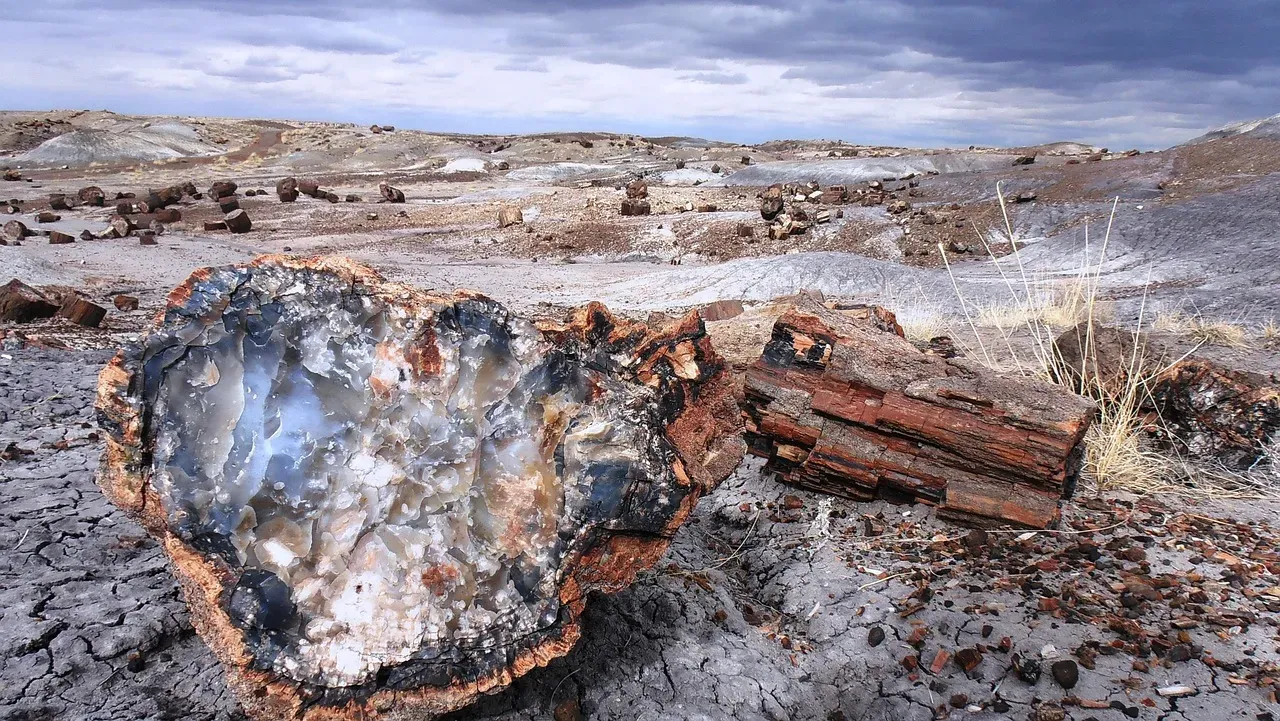
Most people expect a forest when they visit here. What they get is so much stranger and more magnificent. Petrified Forest National Park is a unique landscape known best for its petrified wood fossils from the Late Triassic period. Fossils formed when sediment and volcanic ash buried the downed trees that accumulated in river channels, and quartz crystals formed in the logs as groundwater seeped in and dissolved the ash into silica, replacing wood cells with stone. You are essentially looking at trees that turned to gemstone over 200 million years of slow, quiet transformation.
Located in the Navajo and Apache counties of Arizona, the 230-square-mile park attracts around 645,000 visitors each year for sightseeing, photography, hiking, and backpacking. Beyond the petrified trees, you can see the fossils of animals and plants from the Late Triassic period, over 200 million years ago, including early dinosaurs. There are also hundreds of archaeological sites within the park that are protected. The Rainbow Forest Museum is the main space for paleontological exhibits in Petrified Forest National Park, containing displays of fossils of prehistoric organisms and information about what the Petrified Forest area was like 215 million years ago. Pack comfortable shoes and a full water bottle – this park rewards those who wander.
Hagerman Fossil Beds National Monument, Idaho: The Birthplace of the Modern Horse
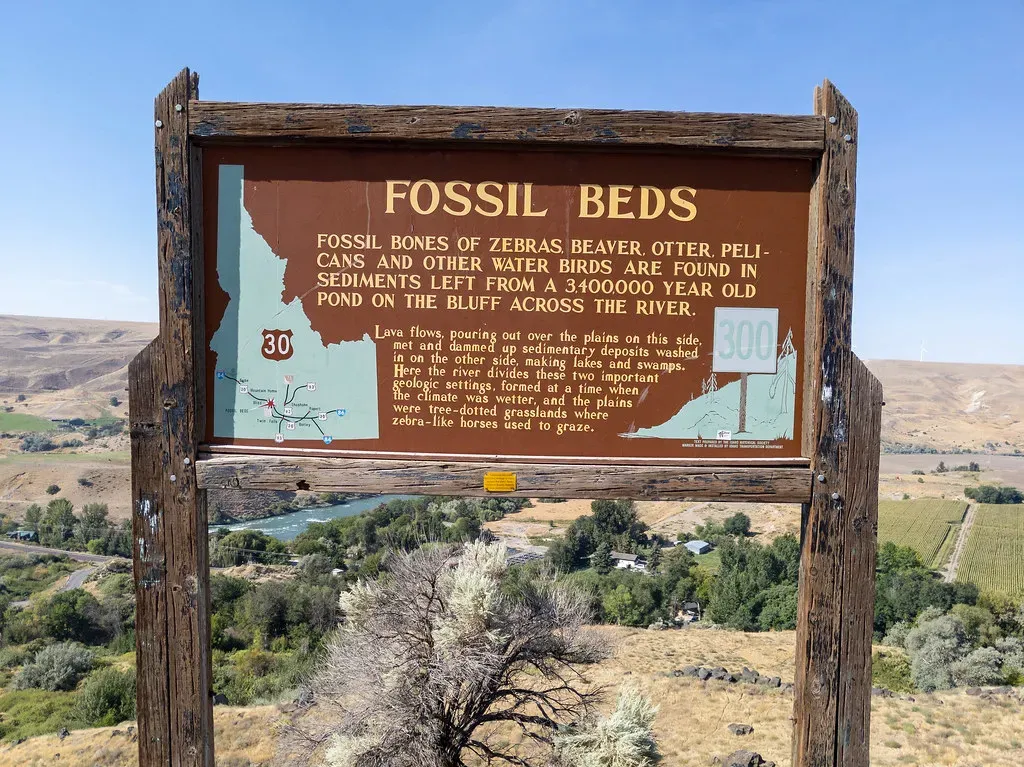
You might not have heard of this one, and I think that is honestly a shame. Hagerman Fossil Beds National Monument features the world’s richest known deposit of the Hagerman Horse, Equus simplicidens, thought to be the link between prehistoric and modern horses. Paleontologists consider Hagerman one of the most important sites in the world for the fossil history of horses. Think of this place as the ancestral homeland of every horse that has ever raced, plowed a field, or carried a cowboy.
More Hagerman horse fossils have been found here than at any other single site, including more than 30 complete skeletons. The Hagerman horse is the oldest species ever discovered in the Equus family, which includes modern horses, although this prehistoric ancestor more closely resembles zebras. Numerous creatures lived in this region during that time, including mastodons, bears, saber-toothed cats, Camelops, and the earliest known ancestor of the river otter. The visitor center displays fossils on site, and the surrounding landscape along the Snake River carries a quiet, windswept beauty that makes the whole experience feel like genuine discovery.
Florissant Fossil Beds National Monument, Colorado: Where Insects Outlasted the Ages
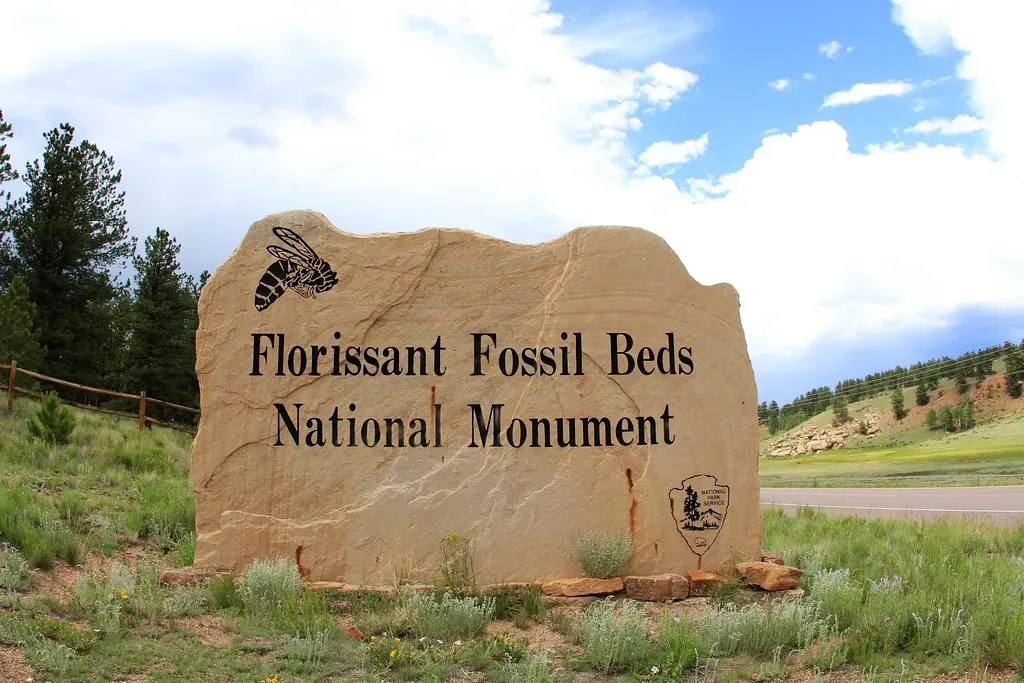
Here is something that genuinely surprises most visitors – this site about two hours south of Denver has almost nothing to do with dinosaurs, yet it is extraordinary. Florissant Fossil Beds is one of the most diverse insect fossil sites in the world, with an impressive trove of specimens from the late Eocene Epoch roughly 35 million years ago. It is amazing to think that hundreds of these fragile creatures survived for millennia sandwiched between thin layers of shale, including beetles, caddisflies, dragonflies, lacewings, and mayflies. Among these many arthropods was the first fossilized butterfly ever discovered in North America. A butterfly, perfectly pressed in shale like a forgotten flower in a book.
The site is also known for its many petrified tree trunks, including the only known trio of interconnected petrified redwood trees in the world. Since studies began in the 1800s at Florissant, scientists have discovered fossils of plants, insects, and ancient tree stumps. Research projects are ongoing, so if you have ever wanted to visit a working fossil site, Florissant is about as close as you can get. Fossil enthusiasts can walk the trails to see petrified tree stumps and learn about the volcanic activity that shaped the land millions of years ago. It is the kind of place that rewards slow, curious attention more than speed.
Agate Fossil Beds National Monument, Nebraska: The Serengeti That Time Forgot
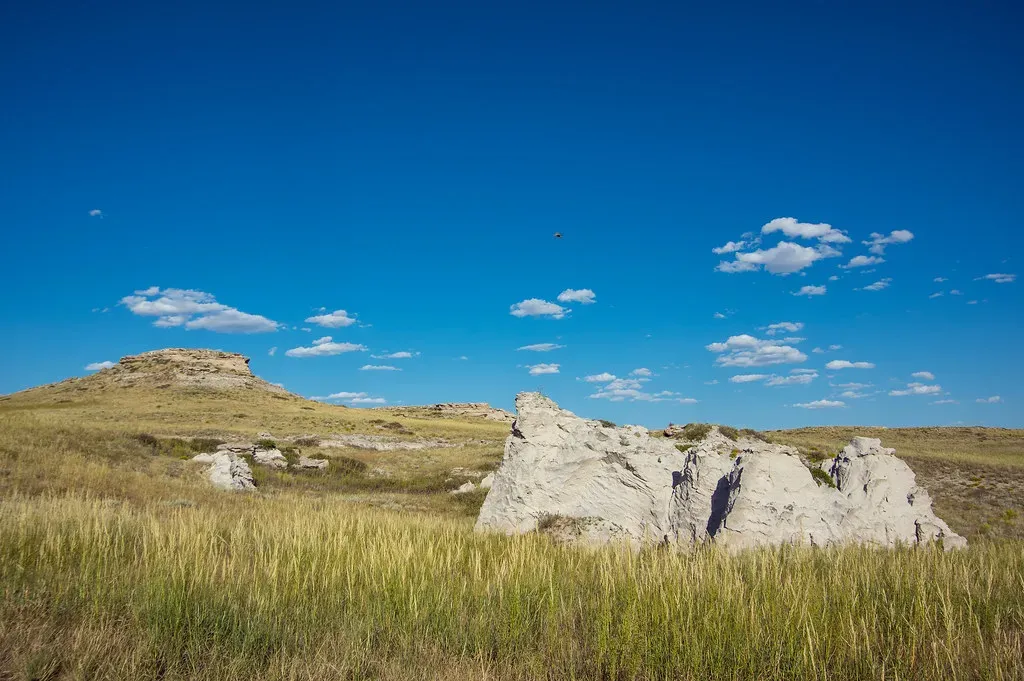
Picture a golden, wind-swept grassland in northwestern Nebraska. Twenty million years ago, this same land looked remarkably like the African Serengeti – teeming, alive, restless. Once you consider the fact that 20 million years ago this region was a grassy, Serengeti-like plain, it becomes less surprising that the Agate Fossil Beds have become one of the most impressive fossil sites in North America. Most of the fossils have been visible in the Agate’s cliffs, and especially notable discoveries have included Amphicyon (also known as a “beardog”), the pig-like Dinohyus, a short rhinoceros called a Menoceras, and a Miohippus, a prehistoric ancestor of the horse. An eight-foot animal with the head of a horse and the feet of a sloth? Honestly, prehistoric life was wild.
Agate Fossil Beds National Monument’s visitor center tells the paleontological story of the monument. It includes bone fossils, trace fossils such as the spiral beaver burrow Daemonelix (known as “Devil’s Corkscrew”), and a diorama made with casts of fossils recovered from Agate’s bone quarries. The monument also protects Miocene Epoch fossil collections, Plains Indians heritage and art, and remnants of the time when explorers passed through and pioneers settled the American West. To see many of the region’s most impressive finds, you should wander the 2.7-mile long Fossil Hills Trail. It is a quieter destination than many on this list, which means you might just have the cliffs to yourself.
Conclusion: Your Journey Through Deep Time Starts Now
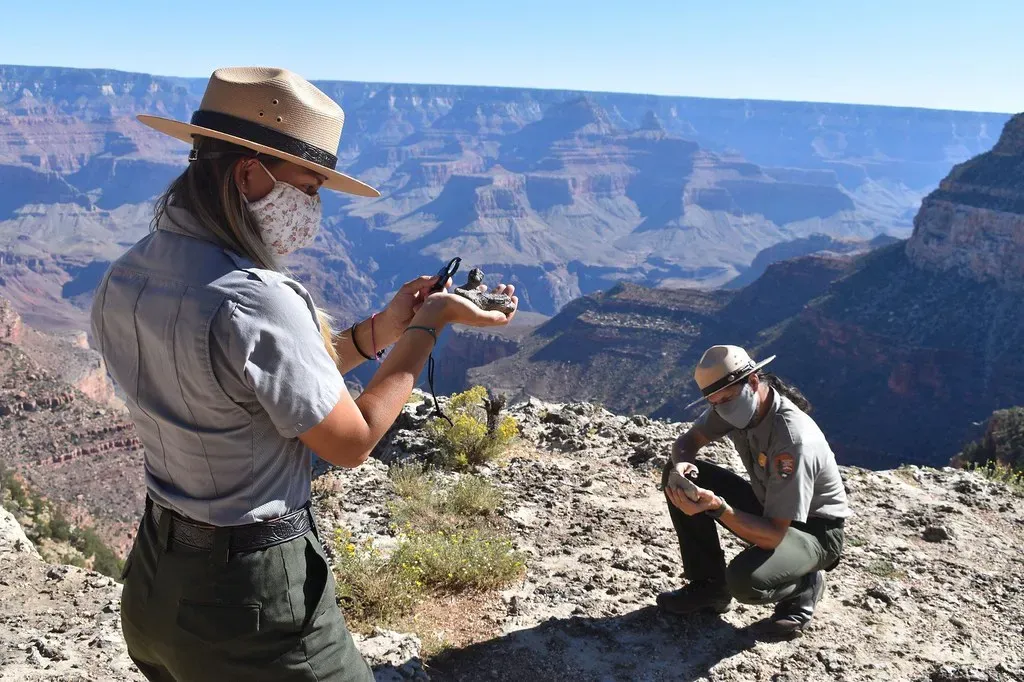
America’s fossil sites are not just parks or geological curiosities. They are portals. Each one drops you into a chapter of Earth’s story that most people never think to look for, buried just beneath their feet. From the jaw-dropping “wall of bones” at Dinosaur National Monument to the bubbling asphalt of La Brea right in the heart of Los Angeles, these places have a power to shift your sense of scale in a way that is hard to explain until you experience it.
The best part? You don’t need to be a paleontologist, a geologist, or even particularly outdoorsy to connect with these places. You just need to show up with curiosity and a willingness to look closely. Some of the greatest fossil discoveries in American history were made by regular visitors on a random afternoon walk. Who knows what might be waiting just around the next ridge – or right beneath your feet.
Which of these remarkable sites would you visit first? Tell us in the comments.