Millions of years before humans walked the earth, creatures of almost unimaginable scale ruled the oceans. Ichthyosaurs, plesiosaurs, mosasaurs, and their kin dominated the Mesozoic seas with a combination of raw power and biological sophistication that still leaves scientists stunned. What’s even more remarkable is how much of that sophistication was lodged right inside their skulls.
The brain, that soft and fragile organ, rarely survives the fossilization process. Yet through extraordinary fossil preservation and the miracle of modern scanning technology, researchers have been piecing together a picture of ancient marine reptile neuroscience that defies almost every old assumption. You’ll be surprised by what they’ve uncovered. Let’s dive in.
1. CT Scanning Unlocked Brains Buried for 180 Million Years
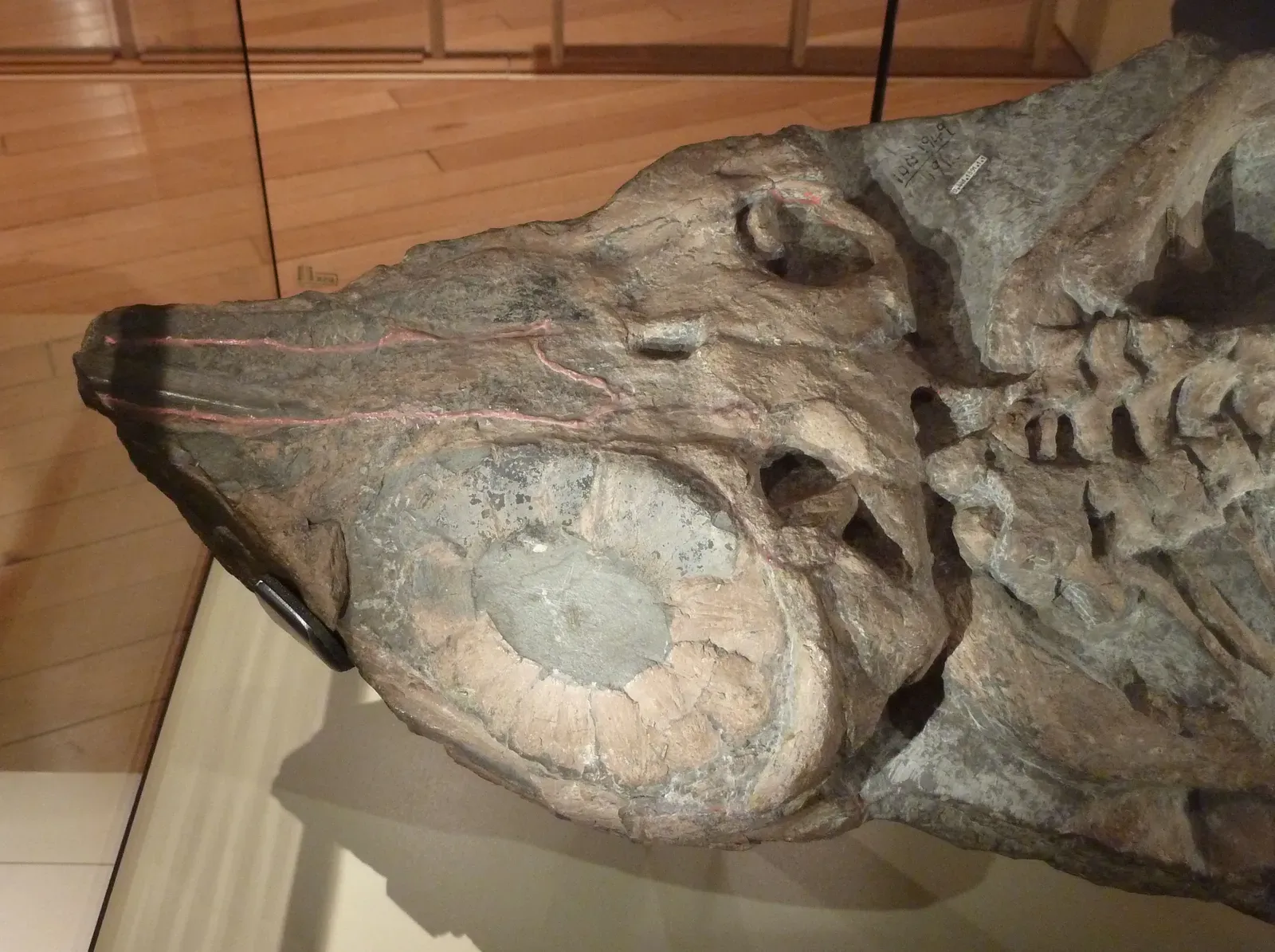
For a long time, studying the brain of an ancient marine reptile sounded like wishful thinking. The soft tissue is long gone, and the skulls, when they survive at all, are typically crushed flat during fossilization. Then came CT scanning technology, and the game changed entirely.
The world’s first study into the brain anatomy of an ichthyosaur, a marine reptile that lived at the same time as the dinosaurs, shed light on how the reptilian brain adapted to life in the oceans. Using CT scanning and digital visualization software, researchers were able to fully restore the skull of the ichthyosaur assigned to the species Hauffiopteryx typicus, which lived 180 million years ago, and by filling in the cavity that the brain once occupied, they studied its anatomy for the very first time. You’re essentially looking at a ghost brain, a perfect impression of something that vanished an eternity ago.
2. Endocasts Are the Secret Windows Into Prehistoric Minds
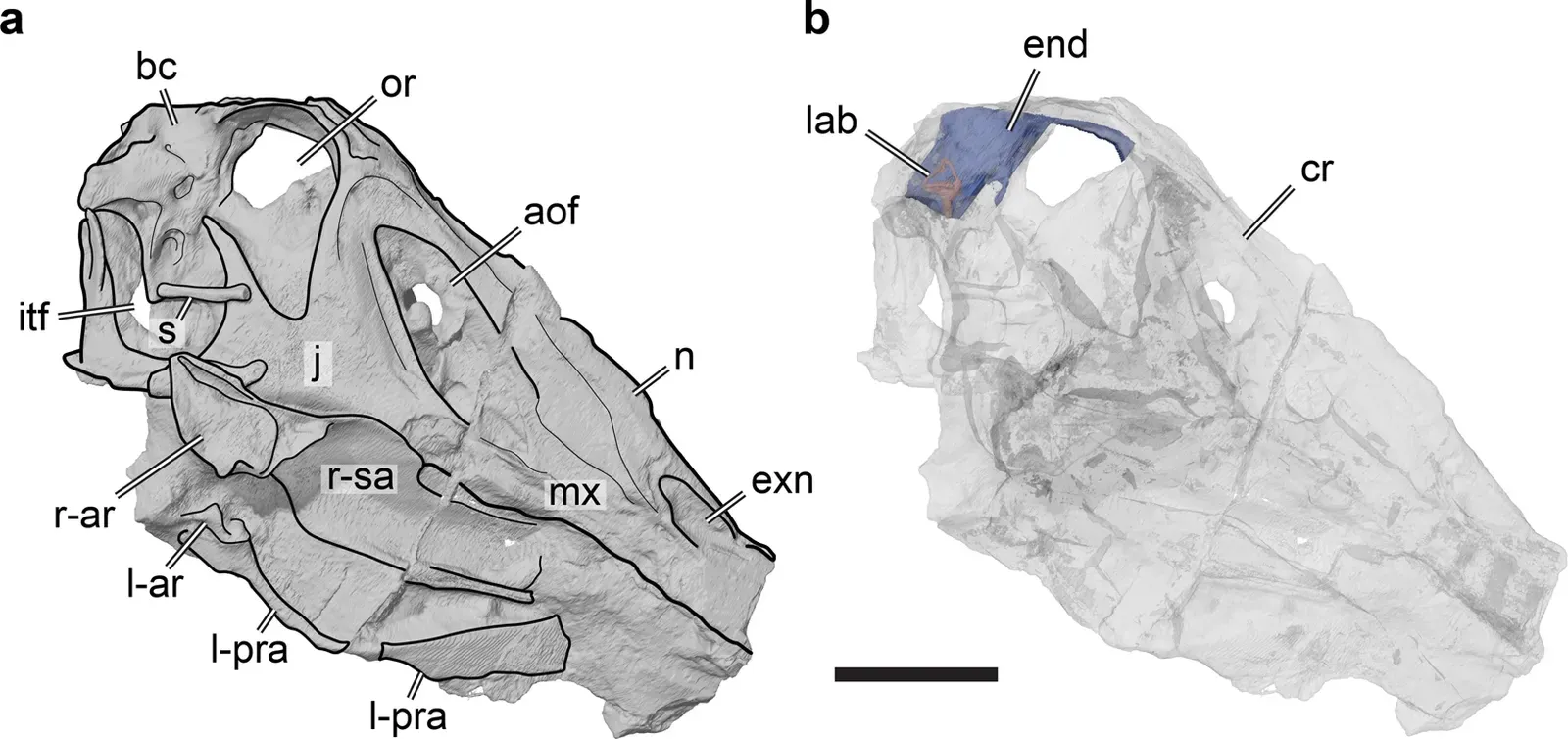
You might wonder how scientists can say anything meaningful about a brain that no longer exists. The answer lies in something called an endocast. An endocast is the internal cast of a hollow object, and it can occur naturally through fossilization or be created artificially for examining the properties of a hollow, inaccessible space. Think of it like the impression a foot leaves in wet cement. The foot is gone, but the shape remains.
Recent years have seen an acceleration in the study of sensory systems in Mesozoic marine reptiles, partially fueled by the increasing availability of non-destructive three-dimensional investigation methods. Computed tomography has revealed the morphology of the cranial endocast and endosseous labyrinth across a diverse array of taxonomic groups that had remained concealed before. Honestly, it’s one of the most exciting methodological breakthroughs in paleontology in decades.
3. Ichthyosaur Brains Were Built Around Vision
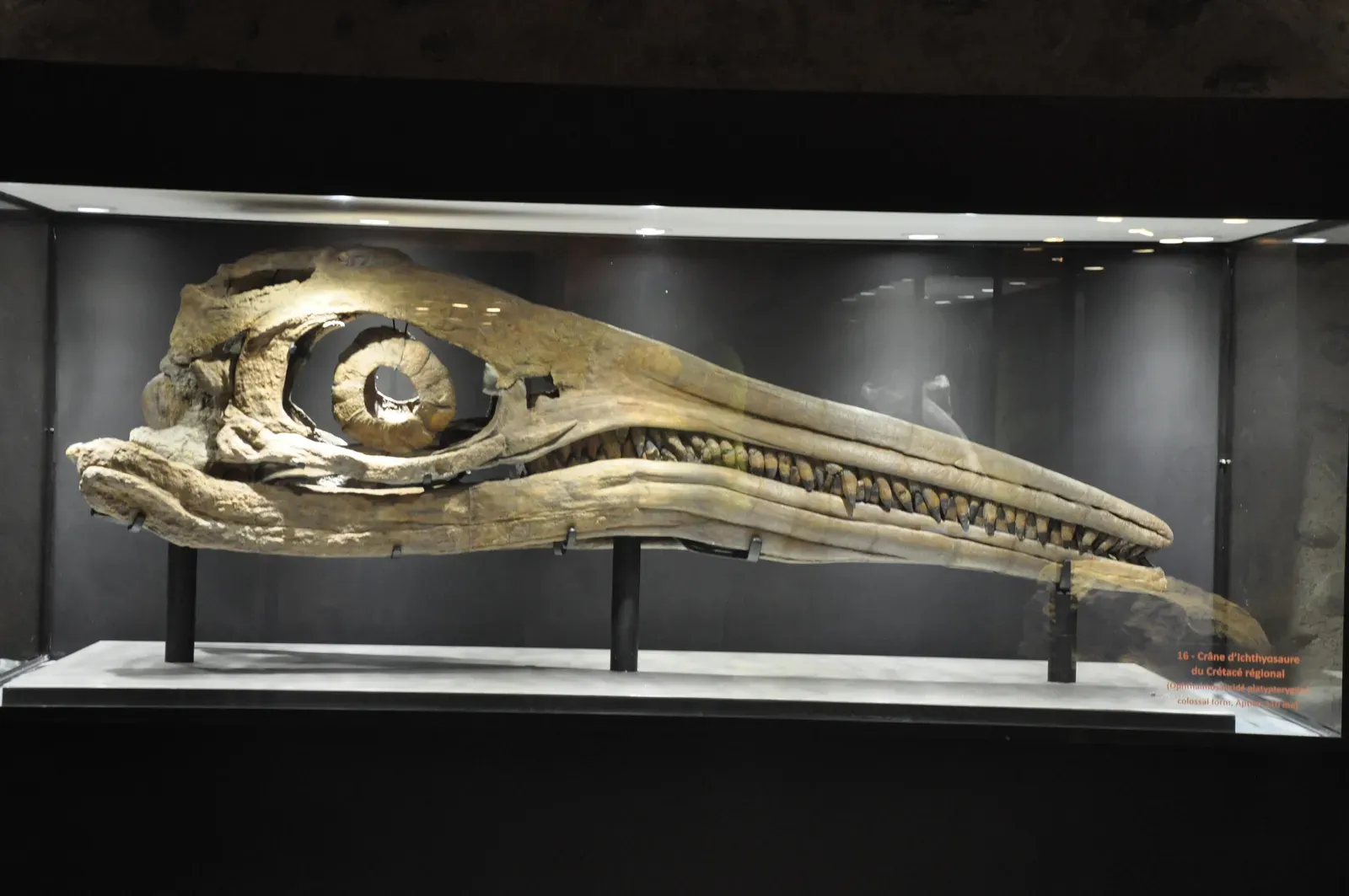
Here’s something that might genuinely blow your mind. Many species of extinct marine ichthyosaurs had much larger eyes for their body size than would be expected of extant marine mammals and reptiles. Those giant eyes weren’t just for show, they rewired the brain itself.
Studies found enlarged optic lobes in ichthyosaurs, which correspond to their huge eyes and allowed them to see when diving to deeper waters. The ichthyosaur also had an enlarged cerebellum, the part of the brain responsible for motor control, enabling it to be a highly mobile, visual predator. CT scans of an exceptionally preserved ichthyosaur skull have revealed the anatomy of its brain, backing up previous ideas about how well ichthyosaurs could see, with such large eyes producing correspondingly large optic lobes. You’re looking at an animal whose entire cognitive architecture was shaped by the need to hunt in near darkness.
4. The Ophthalmosaurus Had the Largest Eyes of Any Known Vertebrate
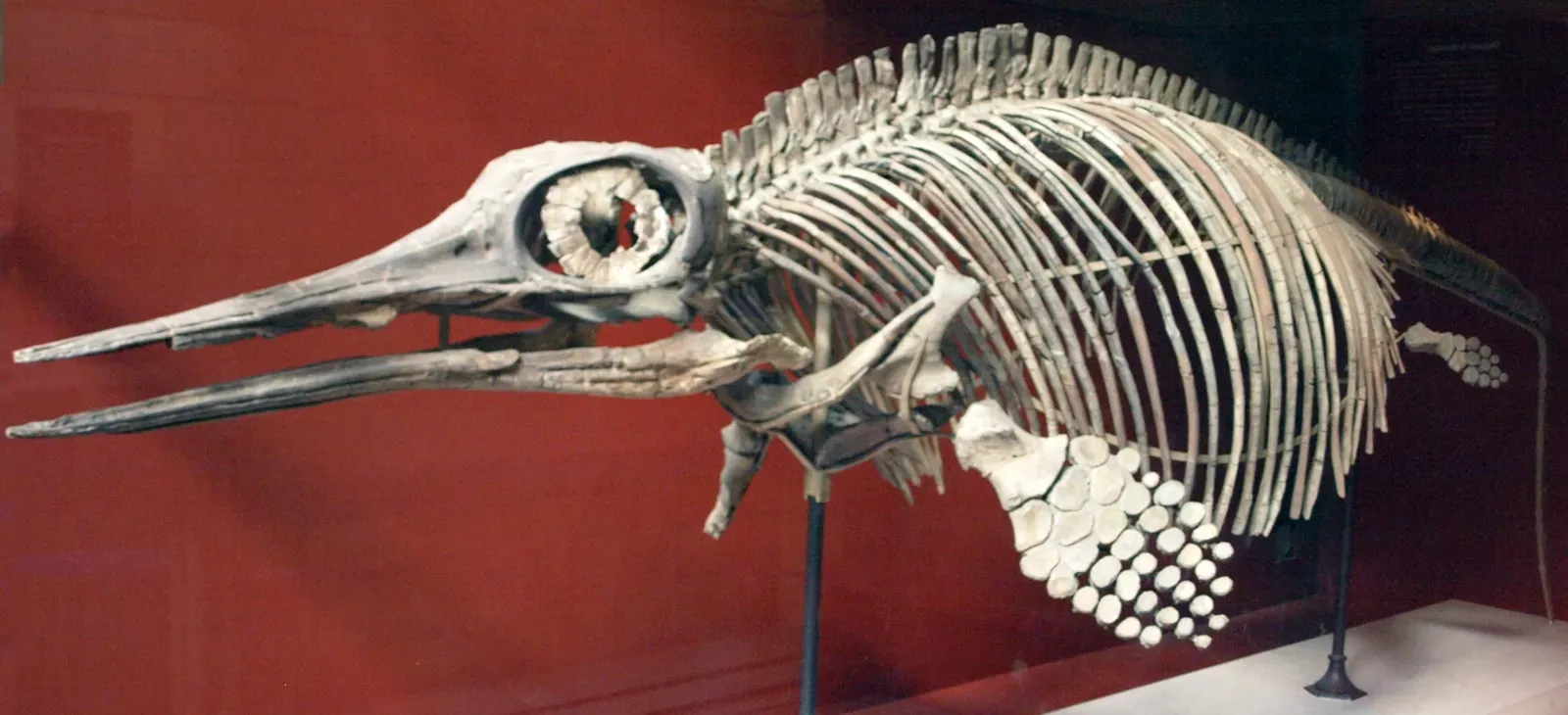
If you think the visual specialization of ichthyosaurs was impressive in general, wait until you look at Ophthalmosaurus specifically. Ophthalmosaurus had the largest eyes, more than 220 millimeters in diameter, of any ichthyosaur relative to its body length, and the largest sclerotic ring aperture, with a diameter of about 100 millimeters. That’s an eye larger than a softball in an animal the size of a dolphin.
Ichthyosaurs could dive to depths of around 600 meters, comparable to modern mesopelagic animals. Research suggests that the large eyes of ichthyosaurs are more likely to be the result of simultaneous selection for both sensitivity to low light and visual acuity. In other words, you’re not looking at a single adaptation. You’re looking at a brain and visual system co-evolving together over millions of years to master one of the most extreme environments on Earth.
5. Mosasaur Brain Endocasts Revealed Unexpected Evolutionary Surprises
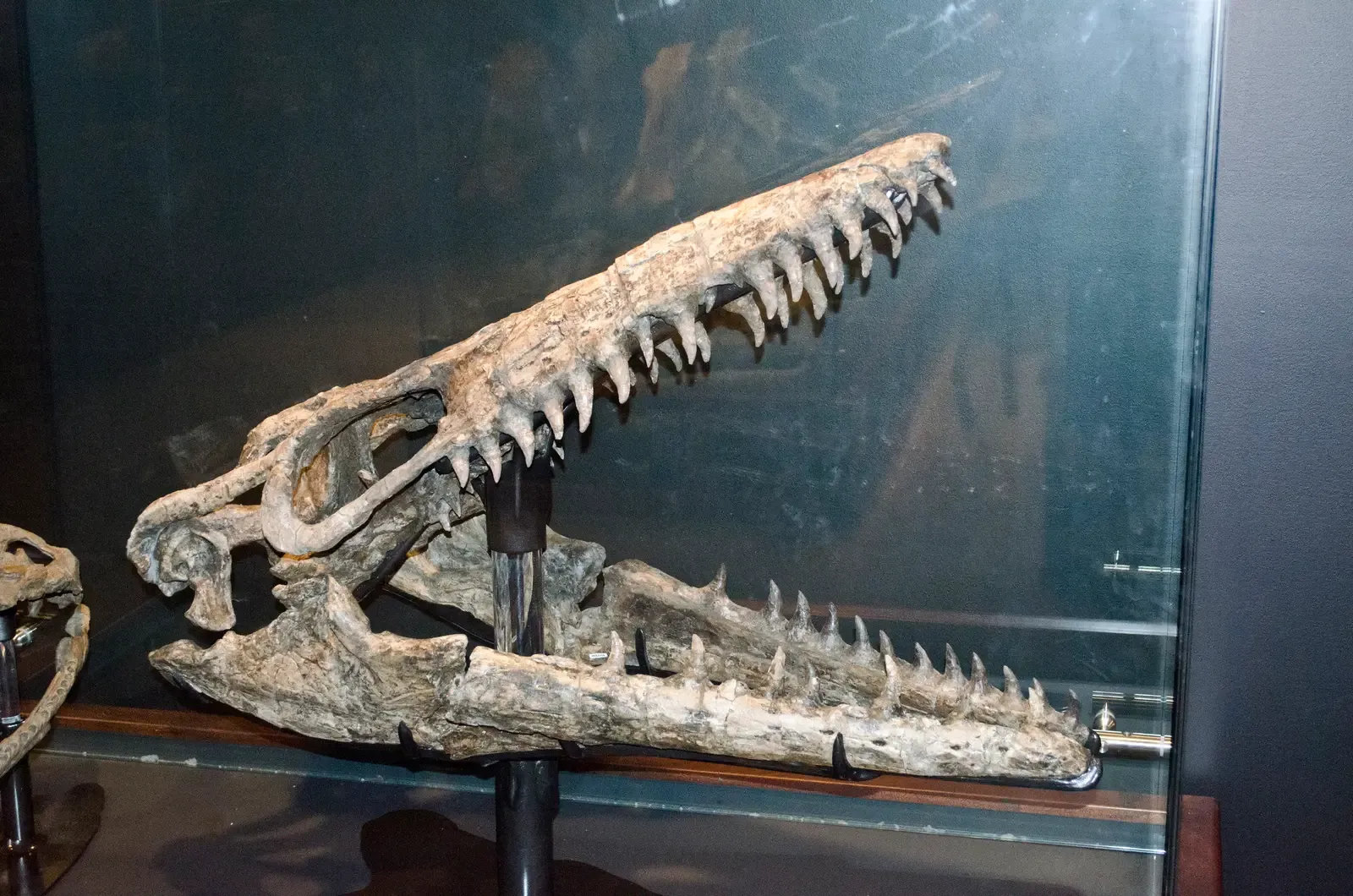
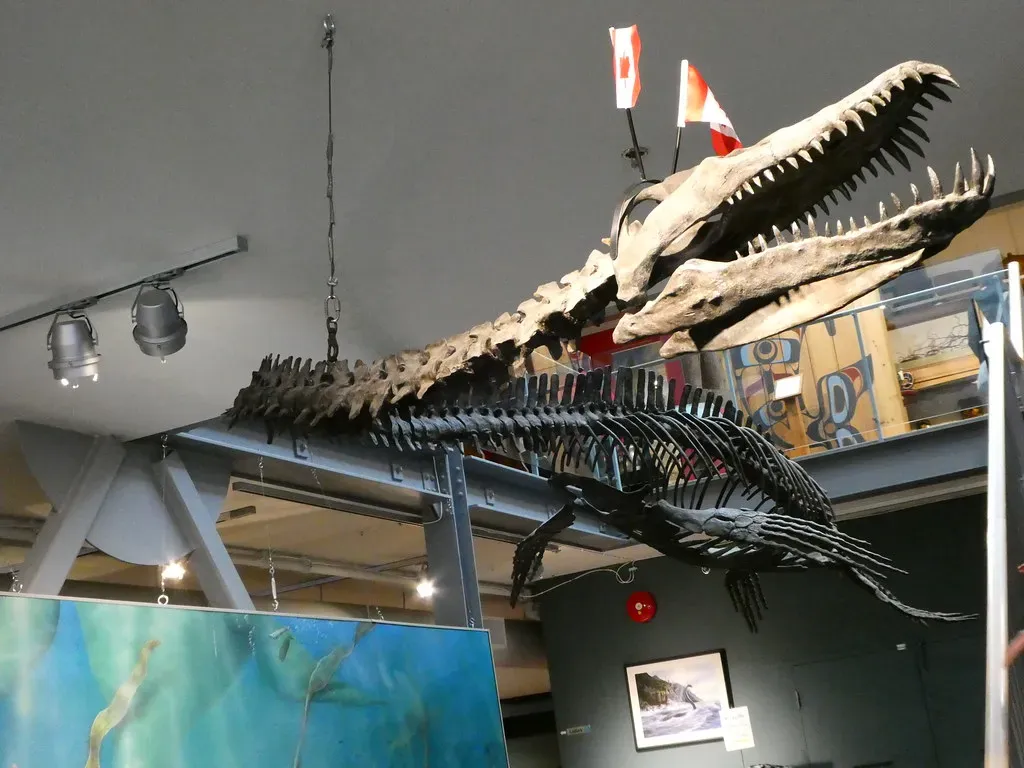
Uploaded by FunkMonk, CC BY-SA 2.0)
When researchers finally reconstructed mosasaur brain endocasts using micro-computed tomography, they didn’t quite get what they expected. Paleoneurological studies of mosasaurids had been few and limited to old partial reconstructions from latex casts on Platecarpus and Clidastes, until the brain endocasts of three specimens of the early mosasaurid Tethysaurus nopcsai from the Turonian of Morocco were reconstructed for the first time.
The results revealed that Tethysaurus exhibits a unique combination of endocranial features compared to extant toxicoferans. Contrary to previous statements, researchers found no strong resemblance in endocast morphology between Tethysaurus and varanids. Rather, the endocast of Tethysaurus shows some morphological similarities with each of the clades of anguimorphs, iguanians, and snakes. Translation: what scientists assumed about mosasaur ancestry, based on their brains, turned out to be much more complicated than anyone thought.
6. Mosasaur Brain Organization Changed Over Time
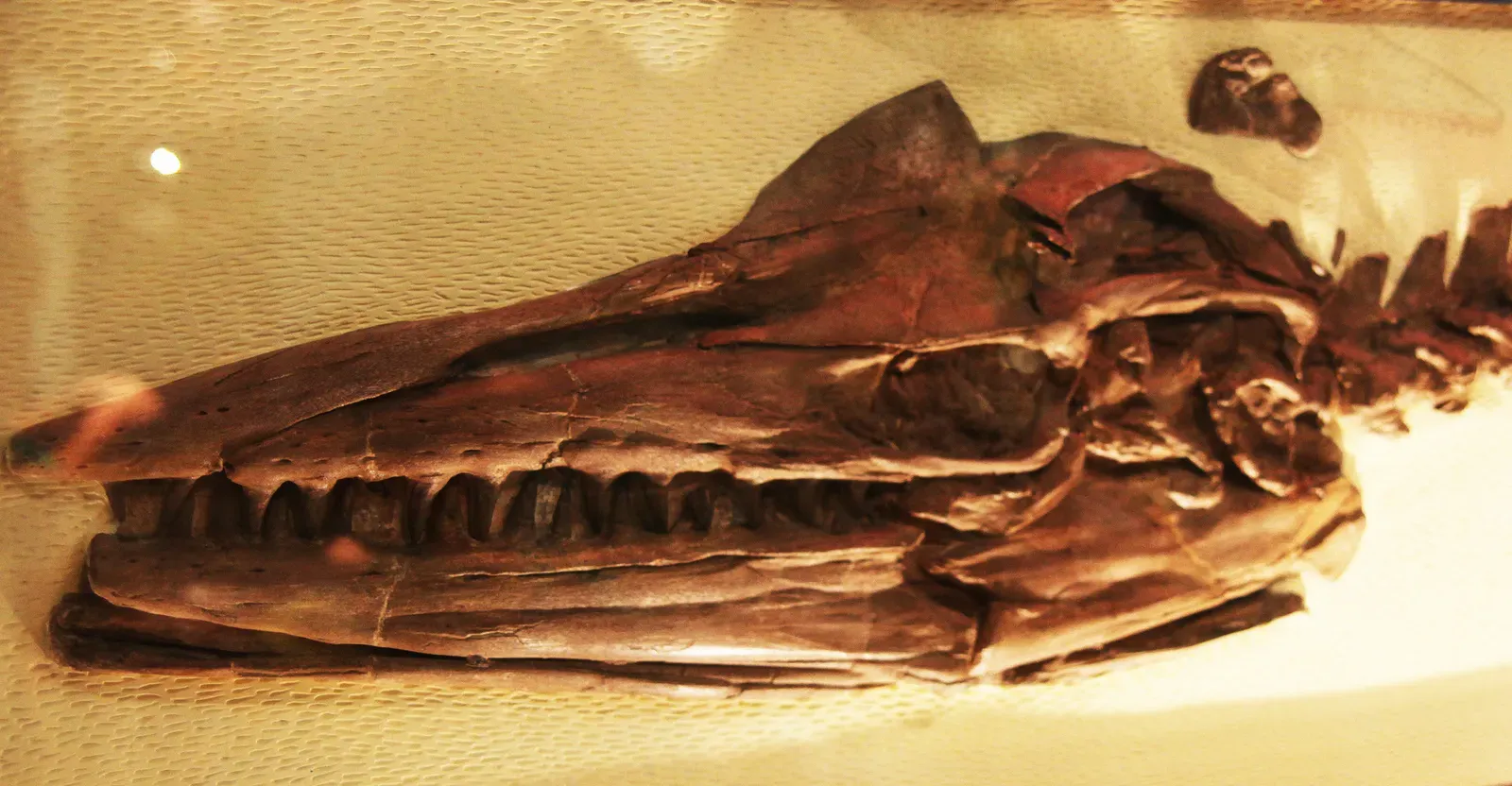
Uploaded by FunkMonk, CC BY-SA 2.0)
One of the more nuanced brain discoveries involves the internal diversity within the mosasaur lineage itself. Researchers present reconstructions of brain endocasts of three specimens of Tethysaurus nopcsai, providing evidence of different endocranial organizations in Tethysaurus, Platecarpus and Clidastes, and find no evidence of closer endocranial resemblance of Tethysaurus to monitor lizards than other toxicoferans.
Comparisons between Tethysaurus and the later Platecarpus and Clidastes show that distinct endocranial organizations occurred within the clade through time, including differences in the flexure of the endocast and the size of the parietal eye, and the physiological consequences of such variability remain unclear and require further investigation. This is a remarkable finding. You’re watching brains literally evolve in real time across the fossil record, and it raises tantalizing questions about how behavior and cognition shifted alongside body shape as these animals became more committed to an oceanic lifestyle.
7. The Mosasaur “Third Eye” Had a Real Presence in the Brain
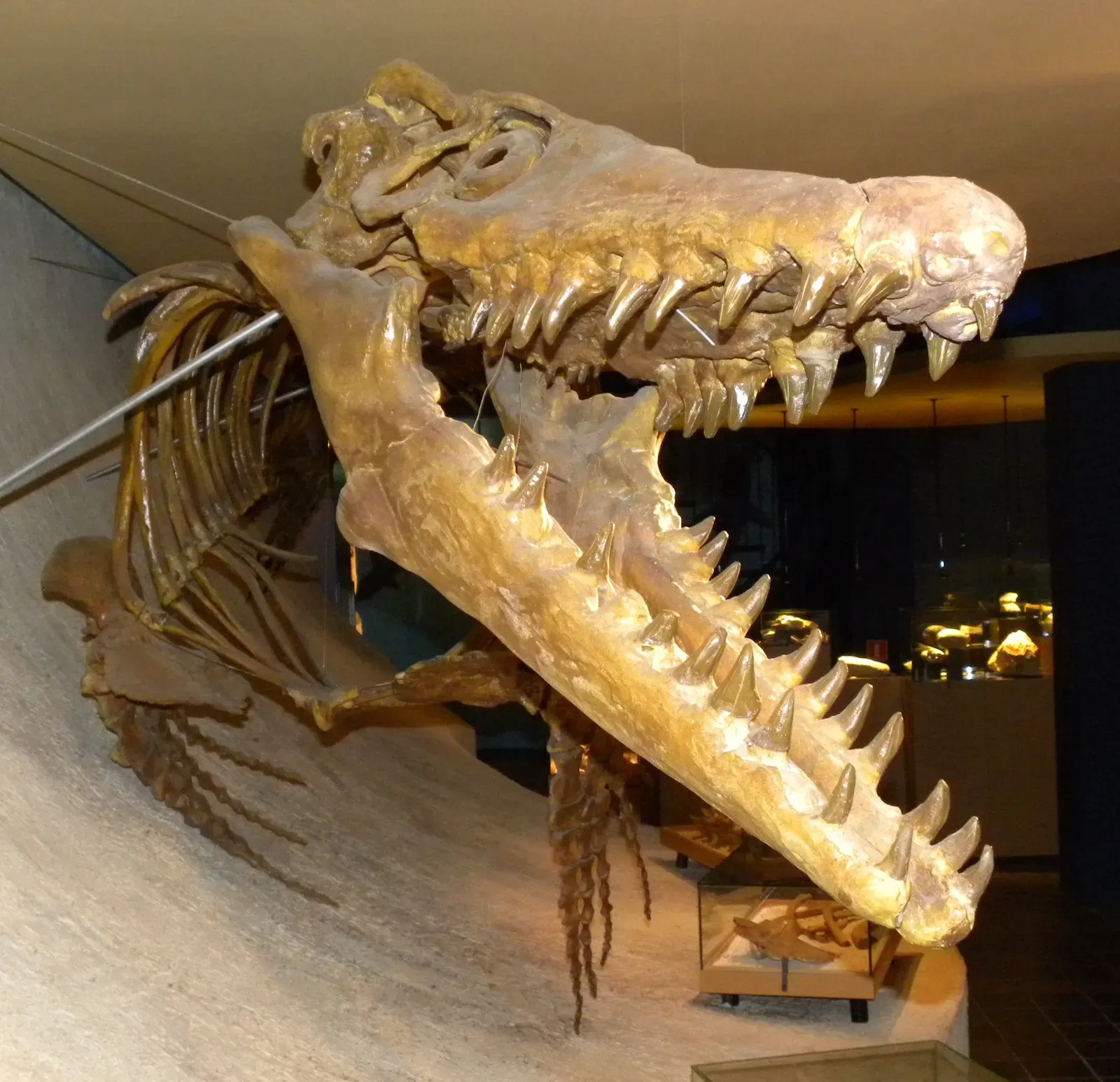
This one sounds almost mythological, but it’s completely real. The pineal foramen is the mosasaur brain’s window to the outside world, often called a “third eye” and associated with the pineal gland. In many reptiles this structure detects light to regulate biological rhythms like sleep cycles and seasonal behavior, and in mosasaurs, the endocasts reveal it was genuinely present as a structural feature.
Digital reconstructions showed that Tethysaurus is characterized by a relatively narrow and flattened endocast, with olfactory bulbs and peduncles that are relatively long and gracile, with the anterior part of the olfactory complex being wider than the posterior part. The olfactory lobes run between and above the eyes and nestle under the frontal bone where they are in contact with the nasal passages. The mosasaur brain was a carefully organized sensory hub, not a simple lump of neural tissue. Let’s be real, that’s not the image most people have when they picture a “sea monster.”
8. The Nothosaur Brain Had a Uniquely Straight, Tubular Shape
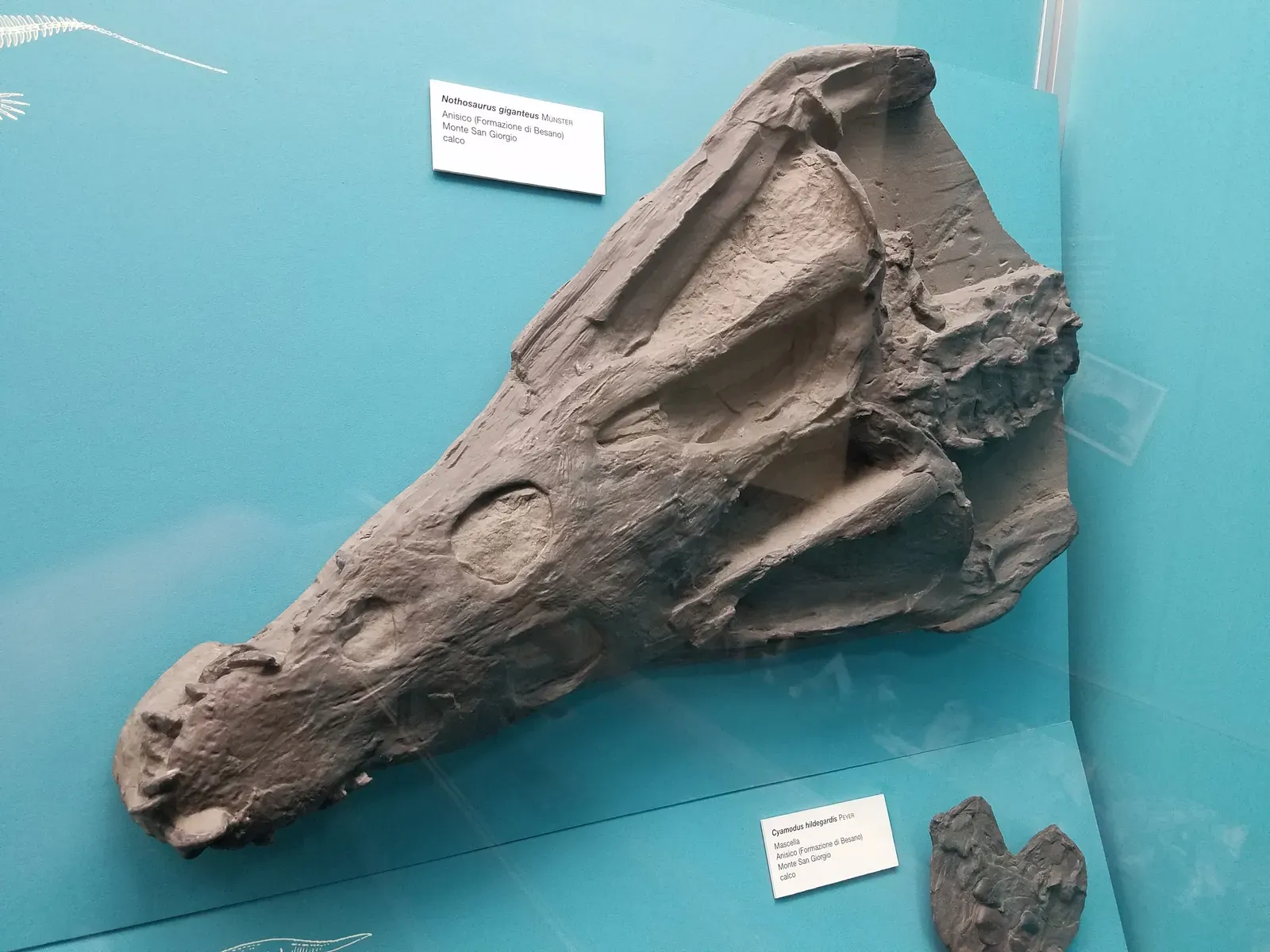
You might expect that different marine reptile groups would have broadly similar brains, given that they all lived in the same oceans and faced many of the same challenges. You’d be wrong. The nothosaur brain, which belongs to an earlier group of Triassic marine reptiles, had a geometry all its own.
The specialized cranial condition in Nothosaurus that combines dorsoventral flattening with strong lateral constriction of the braincase by the temporal fenestrae is associated with an extremely elongated linear brain morphology that exhibits an overall sequential zonation of the brain along its anteroposterior axis, including a strongly extended olfactory tract. Cranial flattening and lateral constriction by hypertrophied temporal musculature grant the brain a straight, tubular geometry that lacks particularly well-developed cerebral lobes but does potentially involve distinguishable optic lobes, suggesting vision may have represented an important sense during life. It’s like comparing a sausage-shaped brain to a walnut-shaped one. Same function, wildly different architecture.
9. A Mosasaur Rewired Its Brain’s Blood Supply Like a Whale
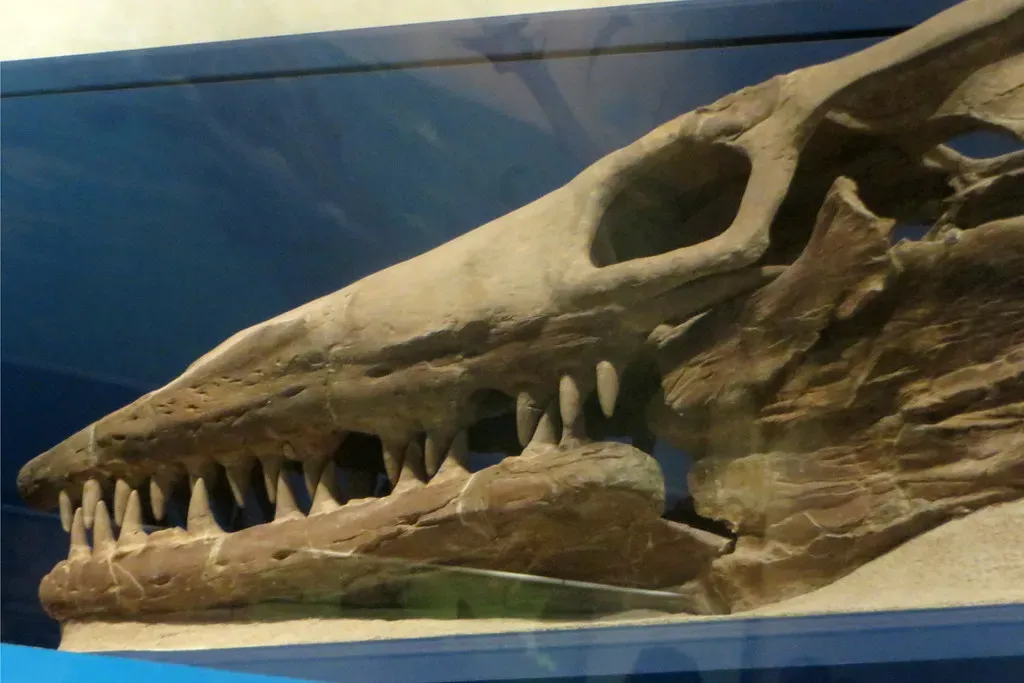
Here is one of the most astonishing neurological parallels in all of paleontology. Researchers found that the way blood gets to the brain is quite conservative in lizards, with the internal carotid arteries carrying the load. One group of mosasaurs that includes Sarabosaurus did something very different, shifting the primary blood supply from a branch of the internal carotid arteries to arteries entering the brain below the brain stem, a shift similarly observed in the evolution of cranial circulation in whales.
Stop and think about that for a second. An ancient ocean predator independently evolved virtually the same brain blood-supply arrangement as the whales and dolphins that would swim the seas millions of years later. A fossil unearthed by a Bureau of Land Management team is unlocking new information about the evolution of the most successful marine reptile family during the later part of the dinosaur age, with research focused on a 94-million-year-old mosasaur discovered in the gray shale badlands of the Glen Canyon National Recreation Area. It’s convergent evolution at its most breathtaking.
10. The Inner Ear Revealed How Mosasaurs Moved Through Water
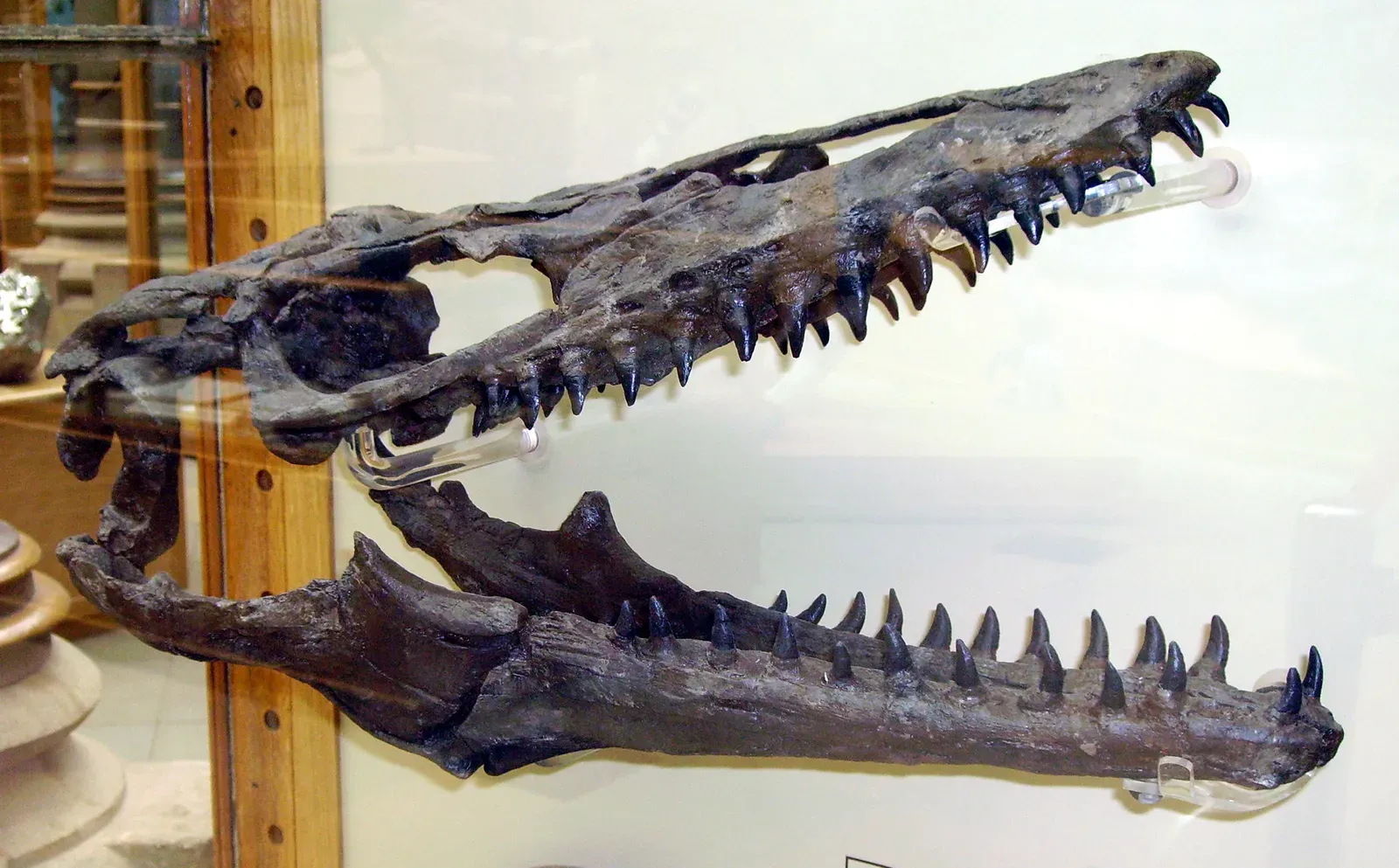
Your inner ear controls your sense of balance, and it turns out the same principle applies to ancient sea reptiles. In recent years, imaging techniques such as computed tomography have permitted the acquisition of anatomical data from previously inaccessible sources. An exquisitely preserved specimen of the plioplatecarpine mosasaur Plioplatecarpus peckensis presented an opportunity to examine the detailed structure of the braincase as well as the form of the otic capsule endocast, elaborating upon previous descriptions and providing a detailed three-dimensional reconstruction of the osseous labyrinth for the first time.
The morphology of the canals of Plioplatecarpus peckensis differs from that described for Platecarpus and Tylosaurus. In the latter taxa, the canals are more oblong in morphology, which is more similar to ground-dwelling species, suggesting that these mosasaurs may have exhibited distinctly different swimming behaviors despite sharing similar body proportions and close phylogenetic relationships. You wouldn’t guess from looking at their skeletons that their swim styles differed. The brain anatomy had to reveal it.
11. Plesiosaur Brains Hint at Surprisingly Complex Social Behavior
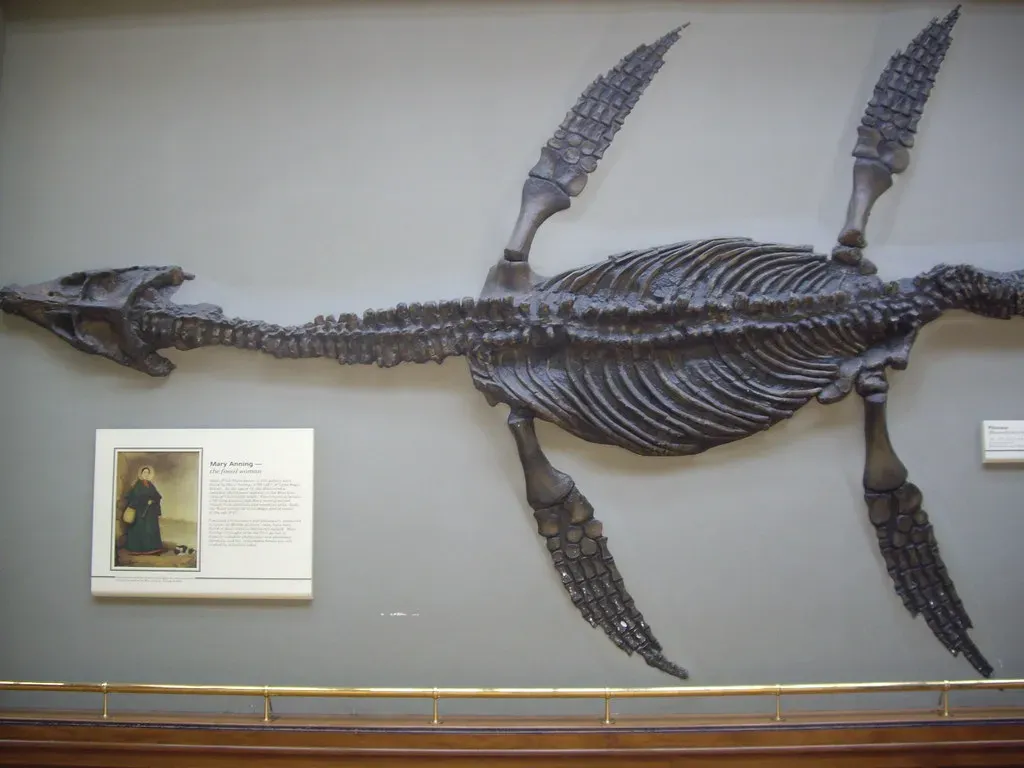
When you think of plesiosaurs, you probably picture a solitary, long-necked predator gliding silently through ancient seas. The brain evidence, however, points toward something more interesting than simple solo hunting.
A fossil of a pregnant Polycotylus latippinus eventually proved that plesiosaurs gave birth to a single large juvenile and probably invested parental care in their offspring, similar to modern whales. The young was about 1.5 meters long, large compared to its mother of five meters, indicating what biologists call a K-strategy in reproduction. From the parental care indicated by the large size of the young, it can be deduced that social behavior in general was relatively complex. Parental care like that demands a brain capable of social cognition. It’s hard to say for sure, but the pieces suggest plesiosaurs were socially aware animals in a way we’ve long underestimated.
12. The Ichthyosaur Brain Had an Unexpectedly Large Smell Center
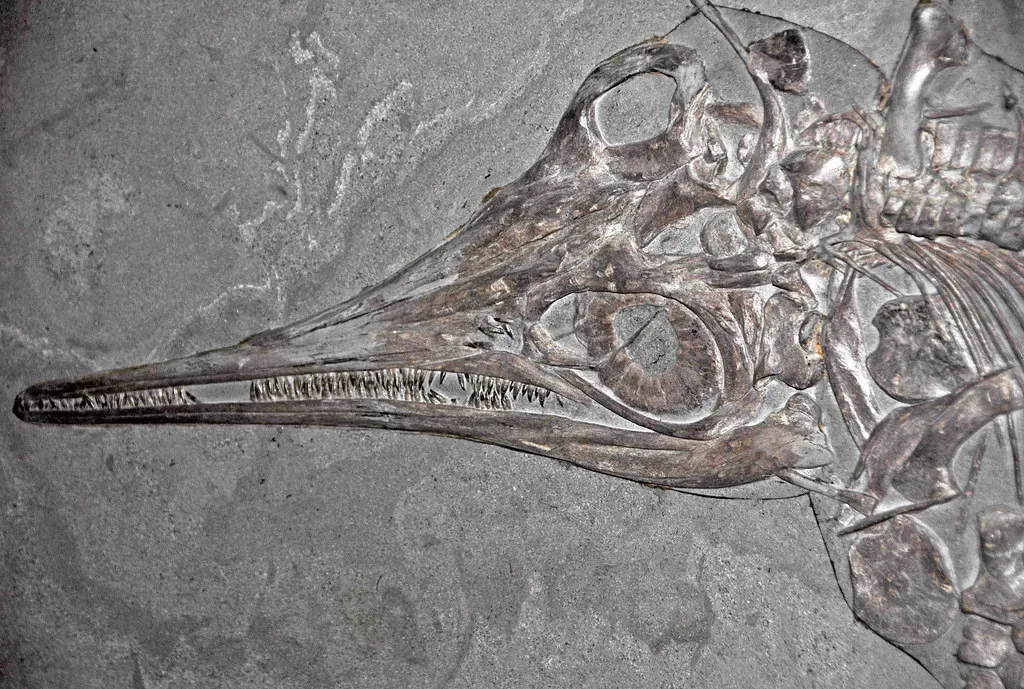
Given how heavily ichthyosaur research focuses on their extraordinary eyes, you might assume smell was a minor concern for these creatures. The actual brain anatomy tells a different story entirely. Unexpectedly, the olfactory region, the area responsible for processing smell, is enlarged in ichthyosaur brains. This was considered a genuine surprise when researchers first reconstructed the full endocast of Hauffiopteryx typicus.
The positions of two shallow but resolvable recesses in the ventral frontal correspond to those of the osteological correlates of the olfactory lobes in mosasaurs, Varanus, rhynchosaurs, archosaurs such as phytosaurs, ichthyosaurs, and potentially in elasmosaurid plesiosaurs. What this tells you is that these animals weren’t relying on just one sense. They were multisensory hunters, navigating a three-dimensional world with both extraordinary sight and a sophisticated sense of smell working together. The ocean isn’t just dark at depth. It’s filled with chemical signals, and these animals evolved brains ready to read every single one of them.
Conclusion
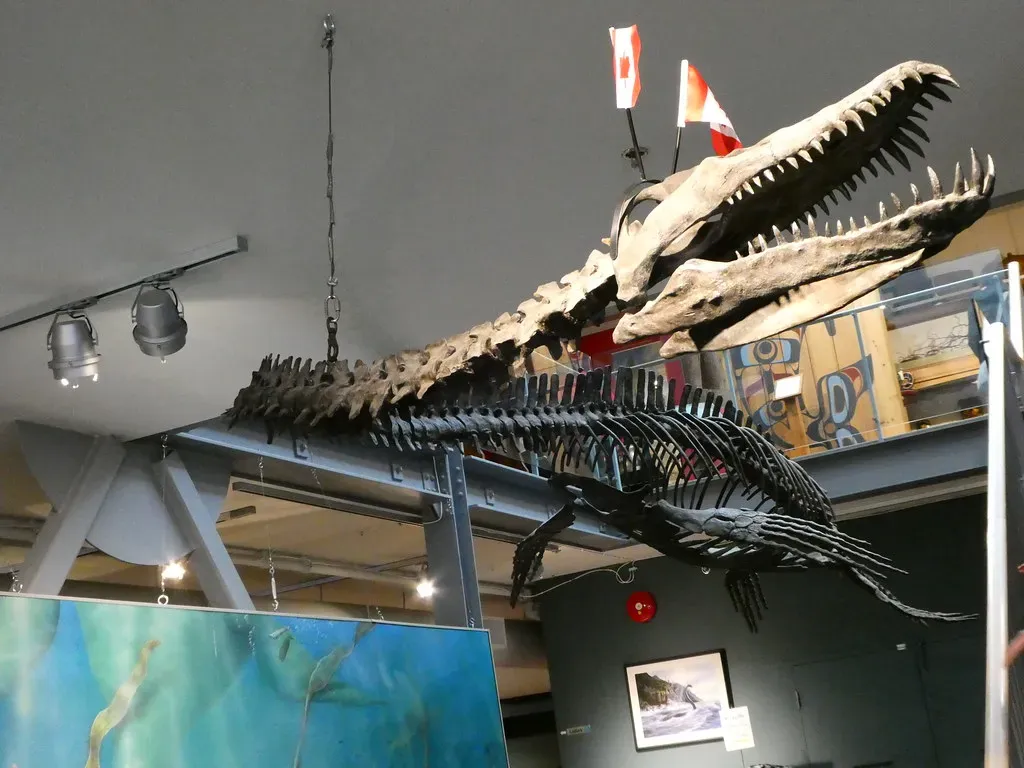
What you’ve just read is only a fraction of what’s being uncovered about the neuroscience of ancient marine reptiles. Every time a new scanning technique is applied to a fossil that’s been sitting in a museum drawer for a century, something unexpected emerges. The brains of ichthyosaurs, mosasaurs, plesiosaurs, and their relatives were not the primitive, underpowered organs we once assumed. They were finely tuned instruments shaped by hundreds of millions of years of evolution under enormous environmental pressure.
The study of ancient marine reptile brains forces a rethink about what intelligence, sensory sophistication, and social complexity looked like long before mammals ever came close to dominating the planet. These were not simple, cold-blooded sea monsters. They were complex, sensory-driven predators with brains that, in some cases, solved the same evolutionary problems that dolphins and whales would solve all over again millions of years later.
So the next time you see an ichthyosaur skeleton in a museum, look past the bones. There’s a brain story in there that science is only just beginning to fully tell. What discovery surprised you the most? Tell us in the comments below.