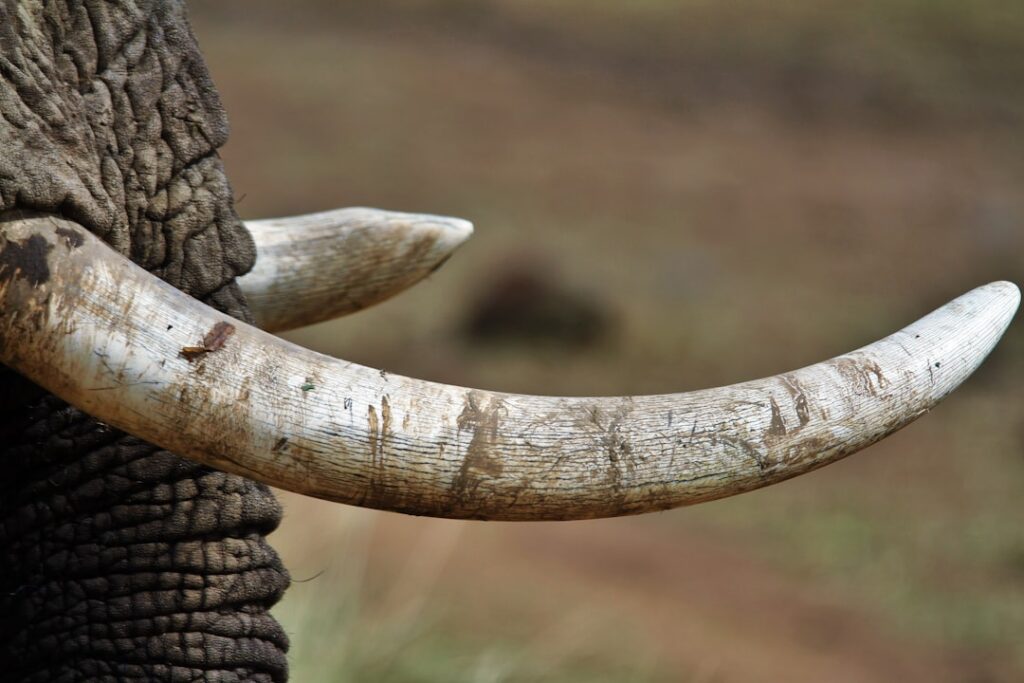
Lusaka, Zambia – Wildlife authorities launched a decisive raid on March 9, targeting a residential property in the capital where they uncovered nearly 550 kilograms of illegal ivory. The operation resulted in the arrest of nine suspects, including a national from the Democratic Republic of Congo, after intelligence from the U.K.-based Environmental Investigation Agency guided law enforcement to the site. This action disrupted a cross-border syndicate that had evaded detection for years across southern Africa.
A Stunning Haul Exposes Hidden Dangers
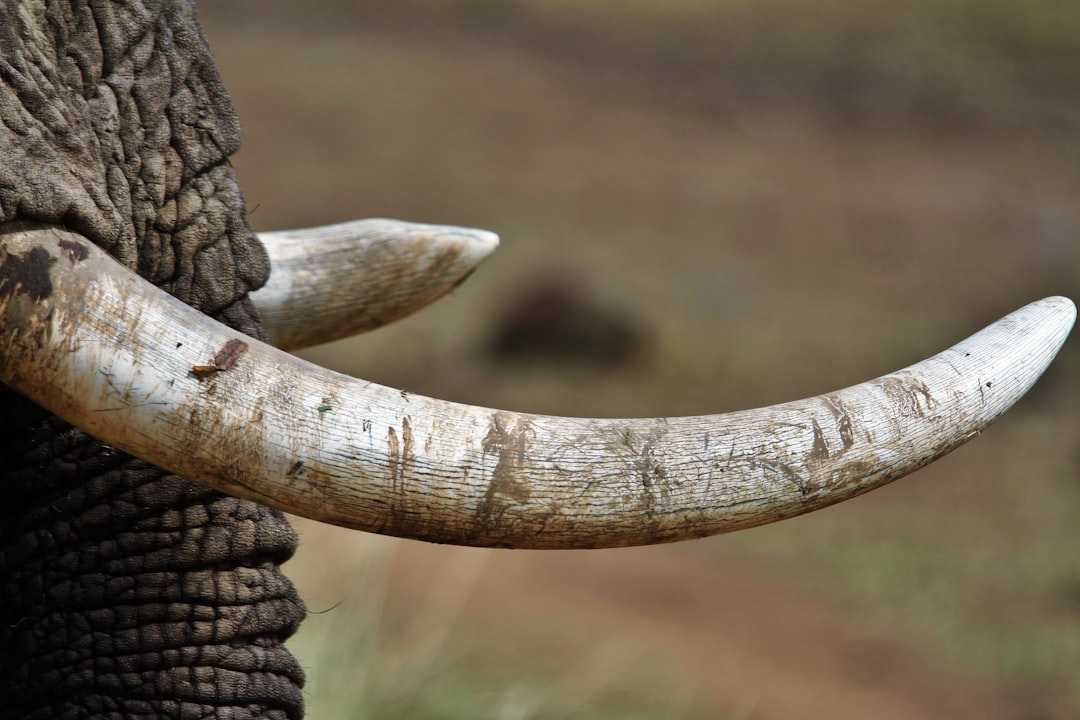
A Stunning Haul Exposes Hidden Dangers (Image Credits: Unsplash)
Officers from Zambia’s Department of National Parks and Wildlife entered the house and discovered the massive cache of ivory tusks, with additional seizures following in a related operation. The total weight approached half a tonne, a quantity that underscored the scale of the illicit operation hidden in plain sight within an urban neighborhood. This raid capped months of meticulous planning and marked a rare victory against entrenched criminal elements.
Among the arrested individuals, some stood out as repeat offenders with prior convictions for wildlife crimes. These details emerged as authorities pieced together the network’s operations, revealing how seasoned traffickers continued to exploit vulnerabilities in the system. The presence of a foreign national pointed to the transnational nature of the threat, linking local actors to broader regional schemes.
Intelligence Partnership Delivers Results
The Environmental Investigation Agency played a pivotal role by supplying actionable intelligence that prompted the raid. EIA Executive Director Mary Rice emphasized the operation’s significance, stating, “This operation is one small part of a broader initiative to address alleged organised criminal networks operating in the Southern African region, spanning many countries and involving many nationalities.” Such collaborations between NGOs and national agencies have proven effective in targeting high-level traffickers.
Rice further noted the potential of strategic enforcement, adding, “It demonstrates what can be achieved when intelligence-led investigations and information are applied in a targeted and strategic manner and we congratulate the DNPW for providing an excellent example of a strong enforcement response.” Zambia’s authorities acted swiftly, raiding multiple locations in Lusaka to secure the evidence and suspects. This partnership model has yielded successes elsewhere, including past disruptions of Asian smuggling routes.
Unraveling a Persistent Regional Network
The syndicate targeted in the raid operated across southern Africa, allegedly orchestrating poaching raids into Botswana for ivory supply. Traffickers then moved the contraband through neighboring Namibia and Angola toward unknown markets. Zambia had long served as a transit hub, with large seizures dating back to 2002 implicating the country in global trade flows.
These networks thrived on weak enforcement and corruption, drawing in marginalized communities and complicit officials. Rice highlighted this dynamic: “These networks exploit any lack of political will and weak enforcement. They are facilitated by corrupt officials and marginalised communities who are criminalised to supply their trade.” Despite declines in elephant poaching reported by monitoring programs, trafficking persisted, demanding vigilant responses.
Authorities charged the suspects with unlawful possession of protected trophies, though court appearances remained pending at the time of reporting. The Department of National Parks and Wildlife acknowledged the challenge, stating, “Notably, some of the apprehended suspects are repeat offenders who have previously been convicted for wildlife-related crimes, highlighting the persistent challenge posed by illegal wildlife trafficking networks.”
Key Impacts on Wildlife Conservation
- Nearly 550kg of ivory removed from circulation, potentially saving dozens of elephants from poaching.
- Nine arrests, including cross-border elements, weakening a multi-year syndicate.
- Boost to international cooperation, setting a model for NGO-government partnerships.
- Spotlight on repeat offenders, urging stricter penalties and monitoring.
- Reminder of ongoing threats despite poaching reductions in the region.
| Aspect | Details |
|---|---|
| Seizure Date | March 9, 2026 |
| Location | Lusaka, Zambia |
| Suspects | 9 arrested (incl. 1 DRC national) |
| Ivory Amount | Just under 550kg |
- Intelligence from EIA proved crucial in dismantling the operation.
- Repeat offenders among suspects signal need for tougher recidivism measures.
- Regional syndicates demand sustained cross-border vigilance.
This seizure stands as a testament to coordinated efforts yielding tangible results against wildlife crime, yet the battle continues as networks adapt. Zambia’s success offers hope, but only through unwavering commitment will elephants roam safer. What steps should governments take next to curb ivory trafficking? Share your thoughts in the comments.