
Picture a planet almost unrecognizable. No Atlantic Ocean. No Himalayas. Continents smashing, drifting, and rifting over hundreds of millions of years, rewriting the rulebook of life with every seismic shudder. It sounds like something from science fiction, but this is the very real, dramatic, and often catastrophic story of Earth’s geological past.
You might assume that life evolved on its own terms, quietly and steadily, driven purely by genetics and survival pressures. Honestly, that’s only part of the picture. The ground beneath ancient creatures was never truly stable, and the shifts of massive landmasses played perhaps the greatest role in shaping which species thrived, which were wiped out entirely, and which became the ancestors of all life you see today. Be prepared to have your ideas about Earth’s history turned upside down – let’s dive in.
1. The Formation of Gondwana and the Birth of a Supercontinent
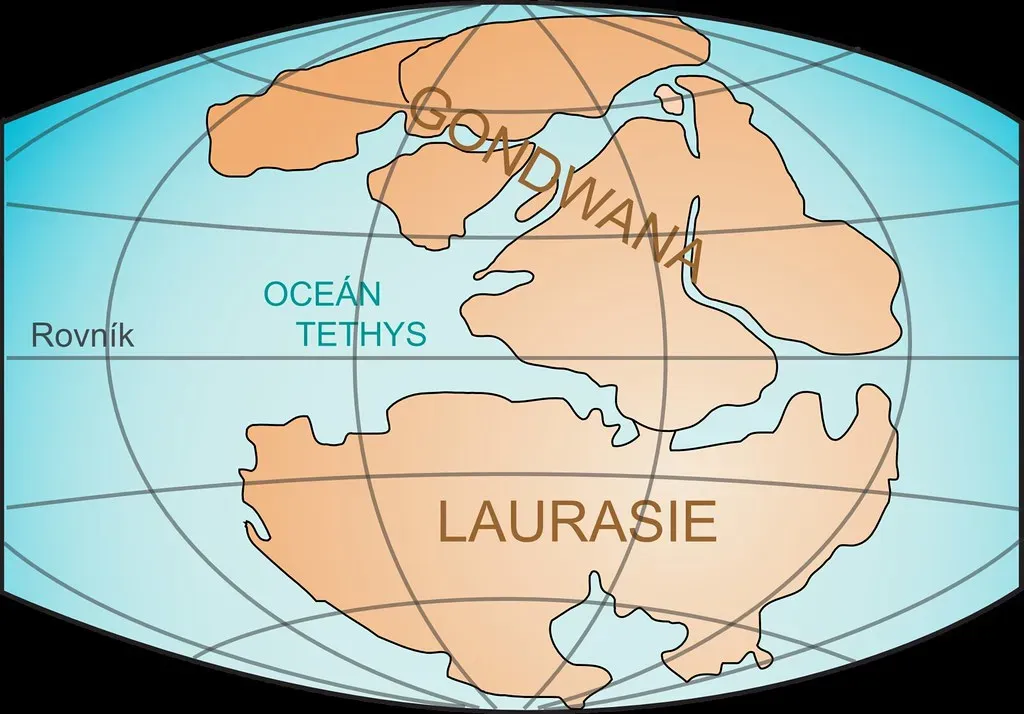
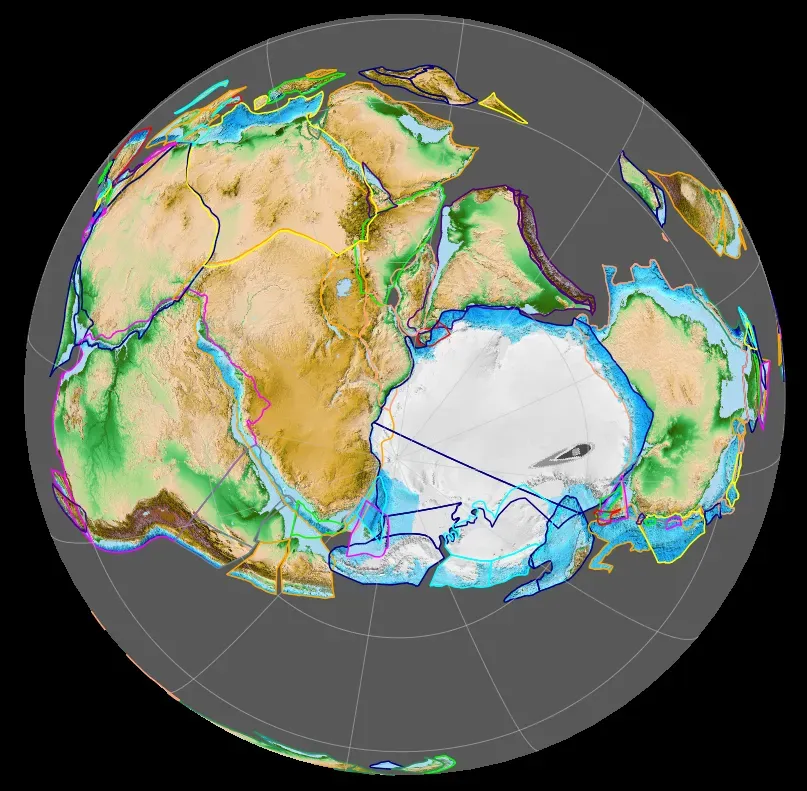
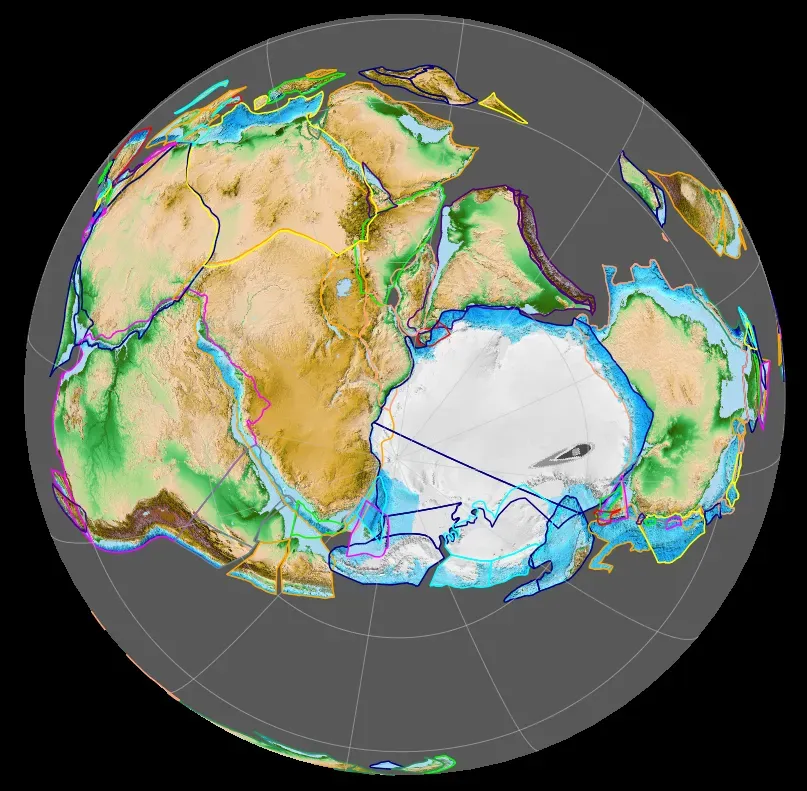
Long before Pangaea ever existed, an earlier supercontinent called Gondwana was already reshaping life on Earth. The collision between East and West Gondwana to form the East African Orogen took about 100 million years, from around 610 to 510 million years ago. That is an almost incomprehensible span of slow-motion geological violence, and the biological consequences were enormous.
Palaeomagnetic data and tectonic reconstructions suggest that the main assembly of Gondwana took place around the beginning of the Palaeozoic in near-equatorial latitudes, and that the supercontinent as a whole shifted into high southern latitudes, allowing widespread glaciation by the end of the Carboniferous. Think of it like pushing a massive raft of land over the Earth’s polar regions. Everything living on and around the margins of those ancient shorelines was suddenly at the mercy of an entirely new climate regime, one that would set the stage for some of the most dramatic biological transformations in Earth’s history.
2. Gondwana Drifts South: The Ordovician-Silurian Mass Extinction
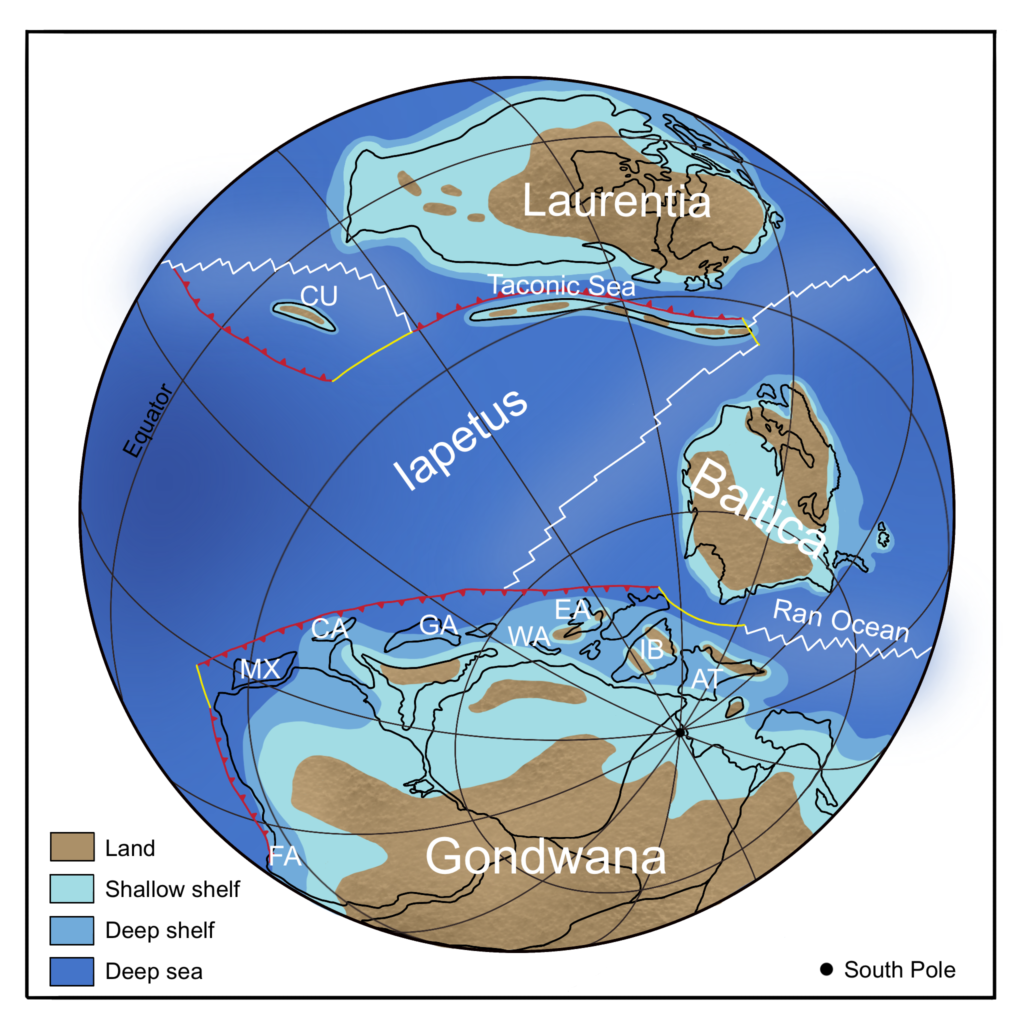
Here’s the thing – you don’t always need an asteroid to trigger one of history’s most devastating extinction events. Sometimes, a drifting supercontinent is more than enough. The Ordovician-Silurian extinction occurred during the Hirnantian Age, roughly 445 to 443 million years ago, and eliminated an estimated 85 percent of all Ordovician species. That’s a staggering number, second only to the Great Dying of the Permian in terms of its destructiveness.
The most widely accepted explanation is that the continent of Gondwana slowly drifted south to cover the region around the South Pole. Because landmasses lose heat faster than water, this caused large ice caps to form over the continent. The ice-covered landmass altered weather patterns and sea currents, leading to the growth of large glaciers. These glaciers locked up water from the ocean, causing sea levels to fall, and also changed the chemical makeup of the sea water. For ocean life already adapted to warm, stable conditions, it was a death sentence delivered in slow motion.
3. The Assembly of Pangaea and the Collapse of the Shallow Seas
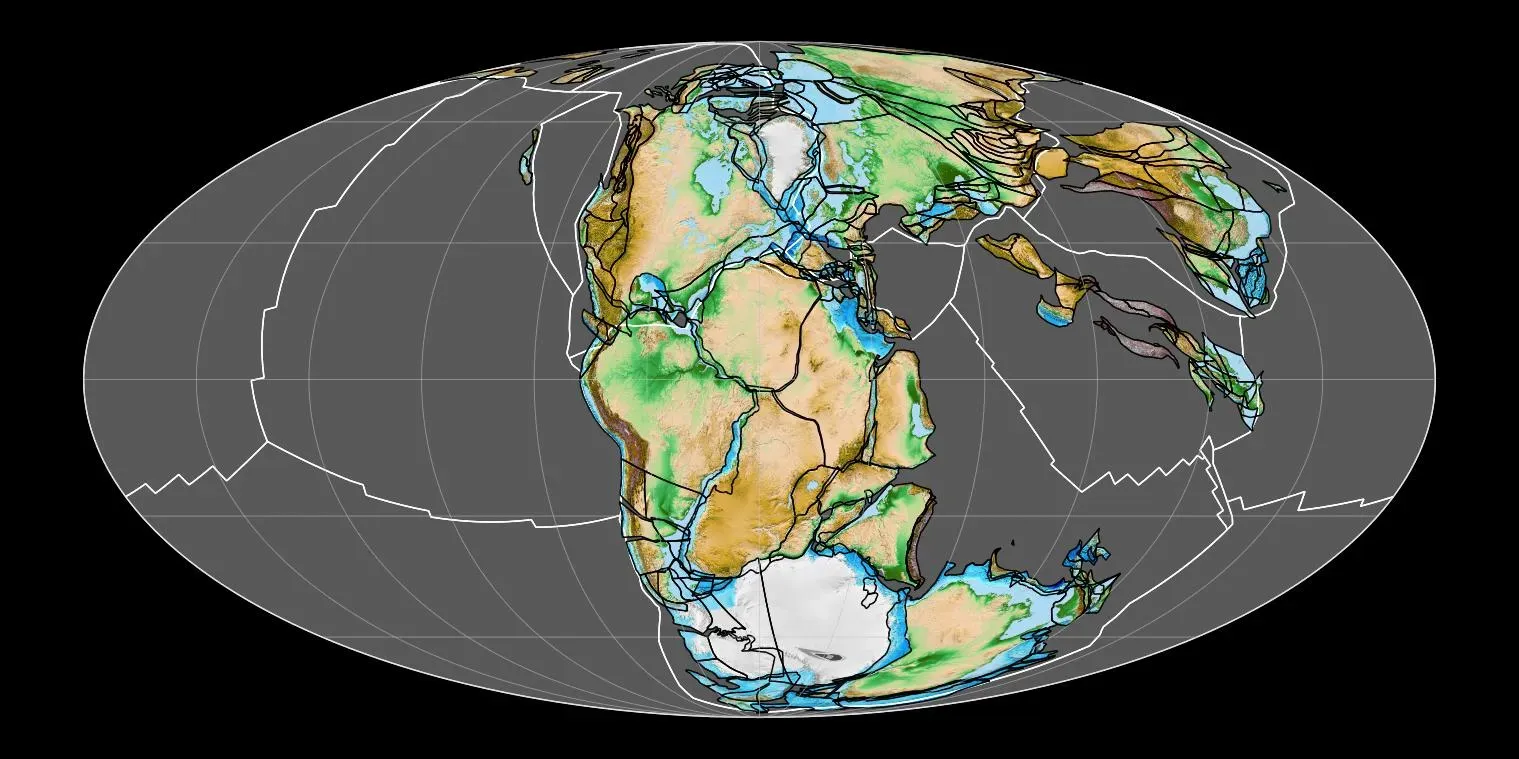
Pangaea assembled from the earlier continental units of Gondwana, Euramerica, and Siberia during the Carboniferous period approximately 335 million years ago. Imagine every continent you know today being crammed together into a single colossal landmass – it’s the geological equivalent of forcing all the world’s oceans through a single drain. The biological fallout was immediate and severe.
This configuration radically decreased the extent of shallow aquatic environments and exposed formerly isolated organisms of the rich continental shelves to competition from invaders. Pangaea’s formation would have altered both oceanic circulation and atmospheric weather patterns, creating seasonal monsoons and an arid climate in the vast continental interior. Life that had previously evolved in comfortable isolation was suddenly thrown into brutal competition with species it had never encountered. I think it’s one of geology’s most underrated extinction triggers – slow, inevitable, and utterly merciless.
4. The Great Dying: Pangaea and the Permian-Triassic Extinction
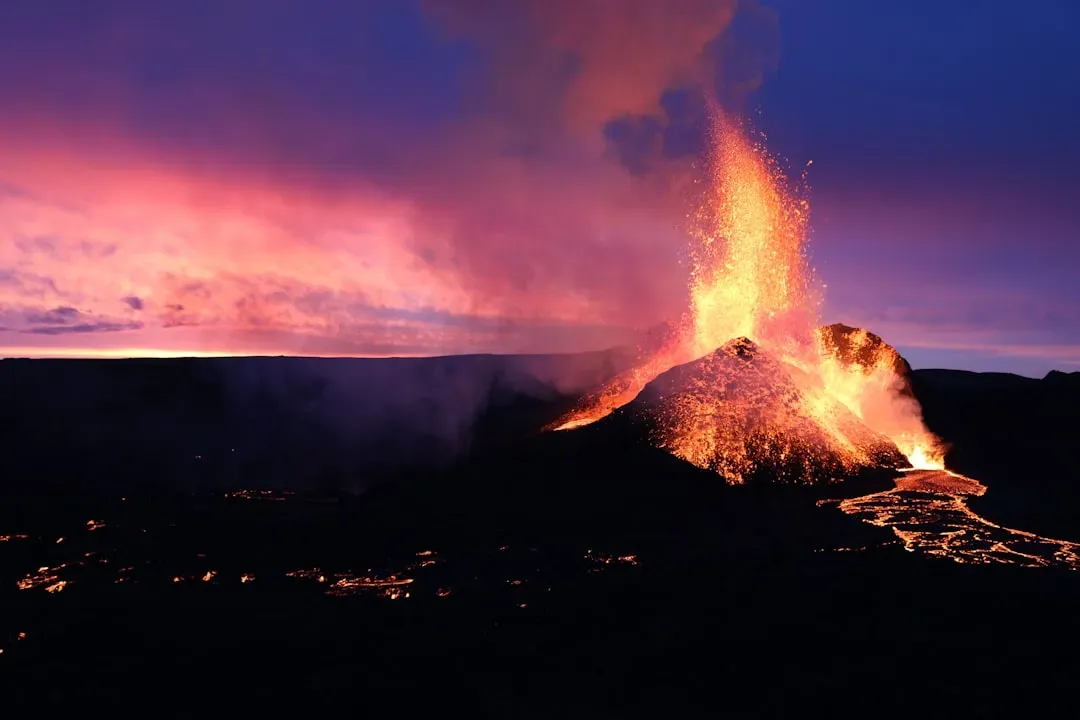
No other event in Earth’s history comes close to what happened roughly 252 million years ago. Of the five mass extinction events on Earth, the one 252 million years ago during the Permian Period was the most devastating. The Permian mass extinction, or the “Great Dying,” killed nine out of every ten species on the planet, and its effects are still seen today. That means the vast majority of all life that had ever evolved up to that point was simply gone. It’s almost impossible to wrap your mind around.
The Permian ended with the Permian-Triassic extinction event, the largest mass extinction in Earth’s history, in which nearly 81 percent of marine species and 70 percent of terrestrial species died out, associated with the eruption of the Siberian Traps. It took well into the Triassic for life to recover from this catastrophe; on land, ecosystems took 30 million years to recover. Thirty million years. That’s longer than the entire span between now and the extinction of the dinosaurs – spent simply clawing life back from almost nothing.
5. The Breakup of Pangaea and the Explosion of Biodiversity
What Pangaea’s formation took away, its breakup slowly gave back – and then some. Pangaea’s breakup had the opposite effect of its formation: more shallow water habitat emerged as overall shoreline length increased, and new habitats were created as channels between the smaller landmasses opened and allowed warm and cold ocean waters to mix. On land, the breakup separated plant and animal populations, but life-forms on the newly isolated continents developed unique adaptations to their new environments over time, and biodiversity increased.
The breakup of supercontinents over the last 443 million years is responsible for the richness of global marine life. In fact, a significant component of marine animal diversity is due to the creation and then separation of just one supercontinent – Pangaea – more than 175 million years ago. It’s like taking a single, monotonous forest and splitting it into dozens of isolated islands. Over time, each island develops its own extraordinary cast of creatures. That’s the power of continental separation, and it’s why you find such wildly different animal life across today’s continents.
6. India Slams into Asia: The Collision That Changed the World
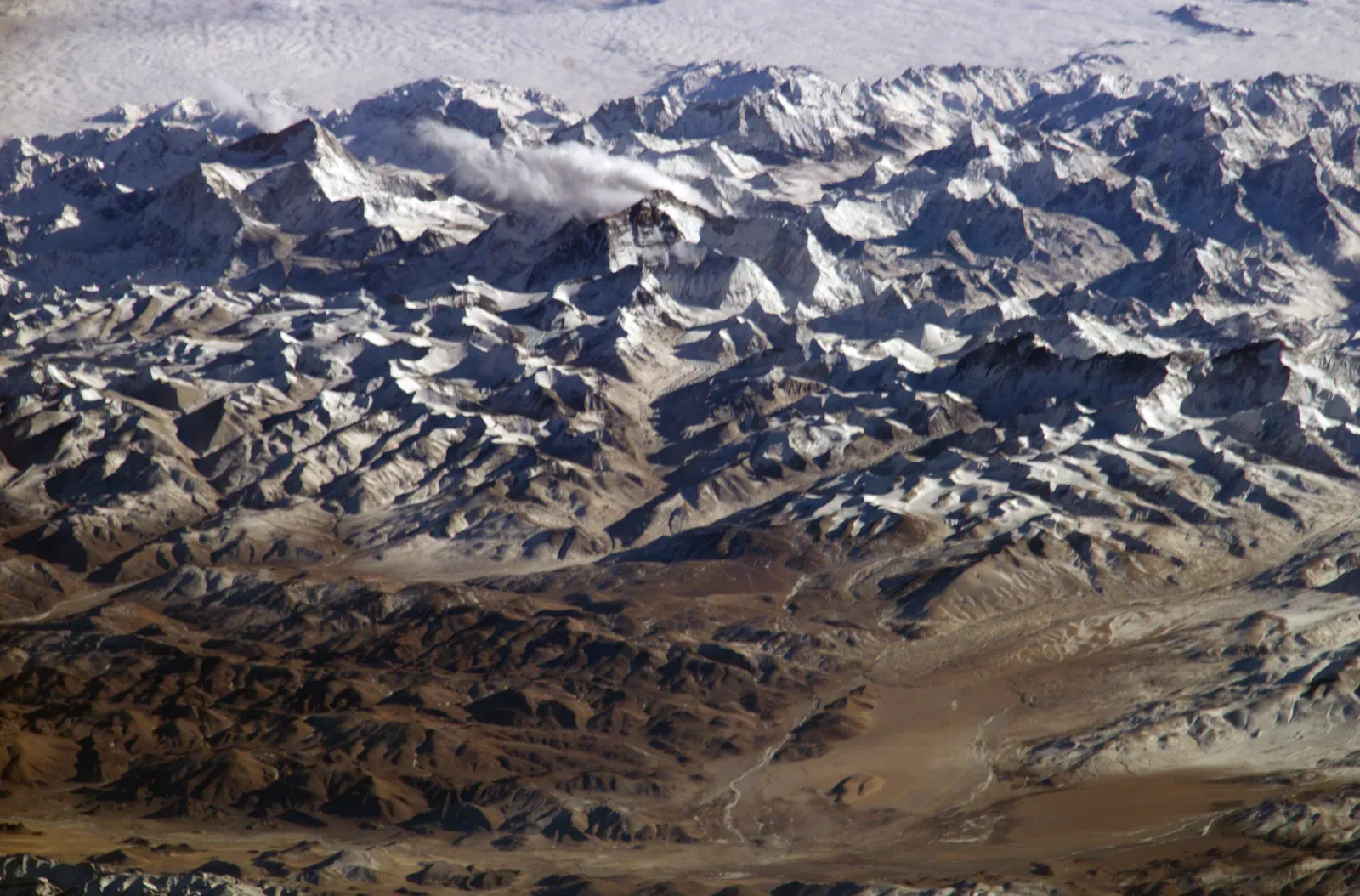
Few tectonic events are as dramatically consequential as the moment the Indian subcontinent crashed into Asia. When the landmass that is now the Indian subcontinent slammed into Asia about 50 million years ago, the collision changed the configuration of the continents, the landscape, global climate, and more. The Himalayas – the tallest mountain range on Earth today – rose directly from that colossal impact, and you’re still living with the consequences right now.
The collision of India with Asia closed off an ancient sea called the Tethys, disturbing the continental shelves and their connections with the open ocean. A team of Princeton University scientists identified one more effect of this event: the oxygen in the world’s oceans increased, altering the conditions for life. The rise of the Himalayas also fundamentally redirected monsoon systems, creating the vast Asian monsoon rains that billions of people and countless ecosystems still depend on today. One collision. One mountain range. Consequences that echo across all of geological time.
7. The Closure of the Tethys Seaway and the Great Old World Biotic Interchange
Around 20 million years ago, another world-altering collision reshaped life on two continents simultaneously. The Arabian and Eurasian plates crashed together, closing the Tethys Seaway – an ocean corridor that once divided Africa and Eurasia. This wasn’t just a geological curiosity. It was the removal of a marine barrier that had kept two very different worlds of animals separated for tens of millions of years.
When the land bridge formed around 20 million years ago, it began what scientists call the Great Old World Biotic Interchange. African mammals, including elephant ancestors, moved into Eurasia, while Eurasian species expanded south into Africa. This exchange transformed ecosystems across both continents. The same event also dried out North Africa, helping form the Sahara Desert, while intensifying monsoon rainfall across South Asia. It’s a remarkable reminder that you can trace the shape of today’s ecosystems all the way back to two tectonic plates deciding to collide millions of years ago.
8. The Formation of the Isthmus of Panama and the Great American Biotic Interchange
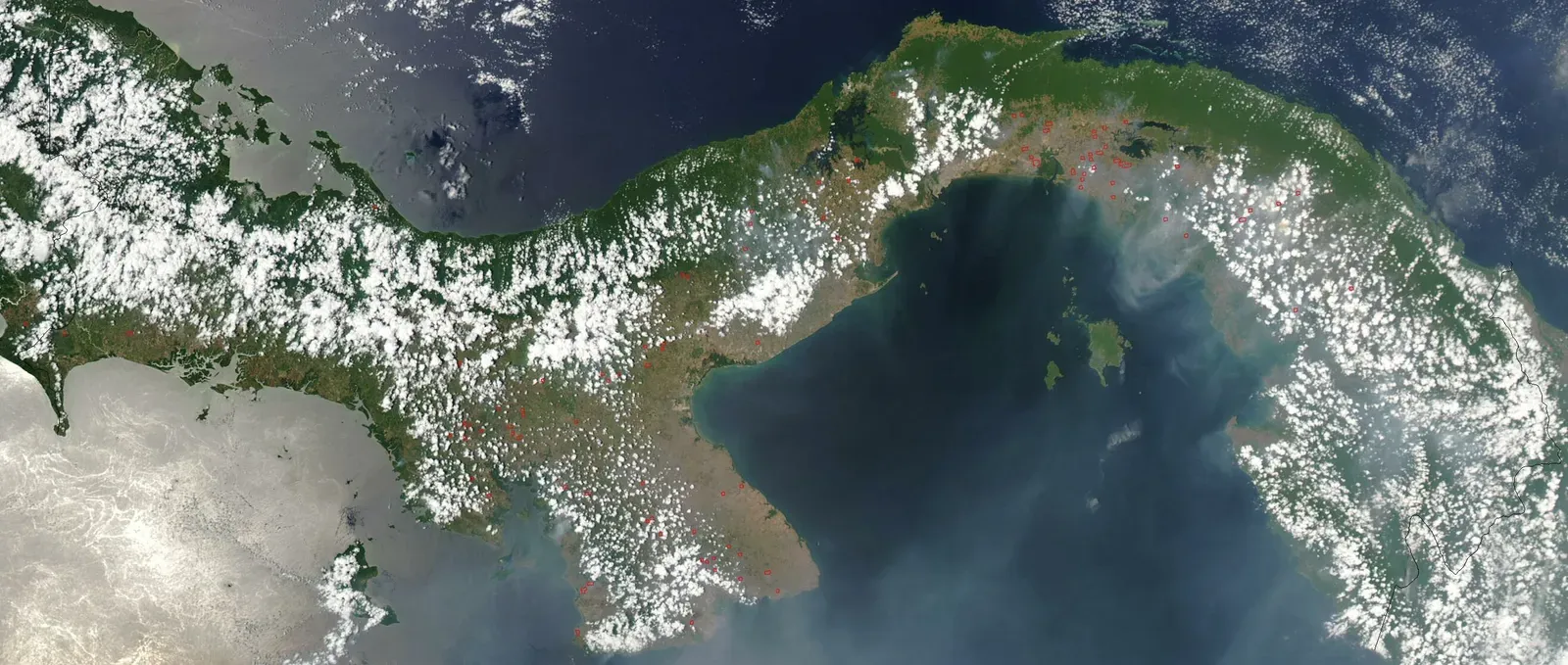
Let’s be real – the formation of a relatively narrow strip of land doesn’t sound particularly epic. Yet the Isthmus of Panama’s emergence roughly 2.8 to 3 million years ago may be one of the most consequential geological events of the entire Cenozoic era. The formation of the Isthmus of Panama stands as one of the greatest natural events of the Cenozoic, driving profound biotic transformations on land and in the oceans. Two entirely separate biological worlds were suddenly connected by a walkable road.
The Great American Biotic Interchange is characterized by a surge in successful dispersals in both directions beginning around 2.6 million years ago, with various members of North American families, including Mustelidae and Canidae, successfully colonizing South America. When the isthmus formed, North American carnivores replaced their marsupial counterparts. Although invaders crossed in both directions, North American mammals spread widely, diversified greatly, and steadily replaced South American open-country counterparts, unused to effective predators. The animals that had evolved in comfortable South American isolation for millions of years simply weren’t prepared. It’s a collision story without a single earthquake – just footsteps crossing a land bridge, changing the world forever.
Conclusion: The Ground Beneath Us Has Always Been in Charge
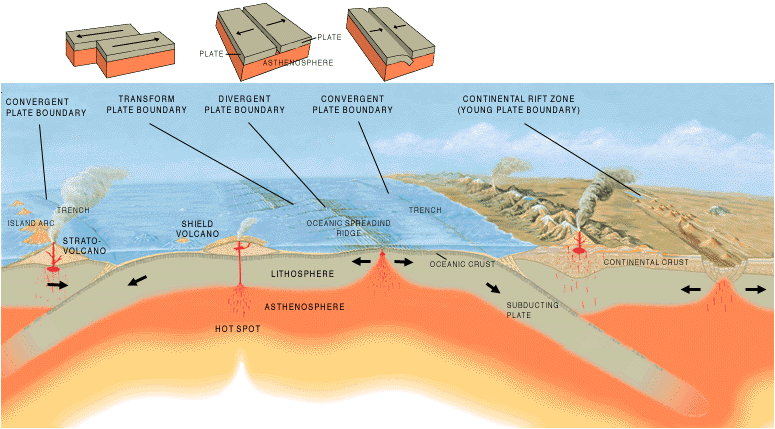
You might look at a mountain range today and see nothing more than scenery. You might watch the ocean and think of beaches. What these 8 events teach you, though, is that the ground you stand on is not a passive backdrop to the story of life – it’s one of the lead characters. Continents have collided, separated, and shifted, and every single time they did, the fate of countless species hung in the balance.
From the glaciation triggered by a drifting Gondwana to the land bridge that sent North American wolves into South America, tectonic events have written, erased, and rewritten the story of life on Earth with breathtaking authority. The supercontinent cycle causes major shifts in global climate, geochemical cycling of carbon, and sea level. Any one of these factors is likely to affect evolution, and the combination of all can have profound effects. The next time you feel the ground beneath your feet, consider this: every creature alive today – including you – owes its existence partly to the slow, grinding drama of moving rock. Doesn’t that change the way you think about where you’re standing?