Millions of years before the first human ever set foot on this planet, enormous creatures ruled the land. They left behind bones, teeth, tracks, and entire skeletons now buried beneath the very soil you walk on every day. The idea alone is staggering. Honestly, there’s something deeply humbling about the fact that the ground under your feet has stories older than anything written in a history book.
You might already know that dinosaur fossils exist across the American West, but what you probably don’t realize is just how incredibly concentrated those discoveries are in certain states. Some of these places have yielded thousands of specimens from a single dig site. So let’s dive in and explore the six US states where ancient bones are practically waiting to be found.
Montana: The Crown Jewel of Cretaceous Discoveries
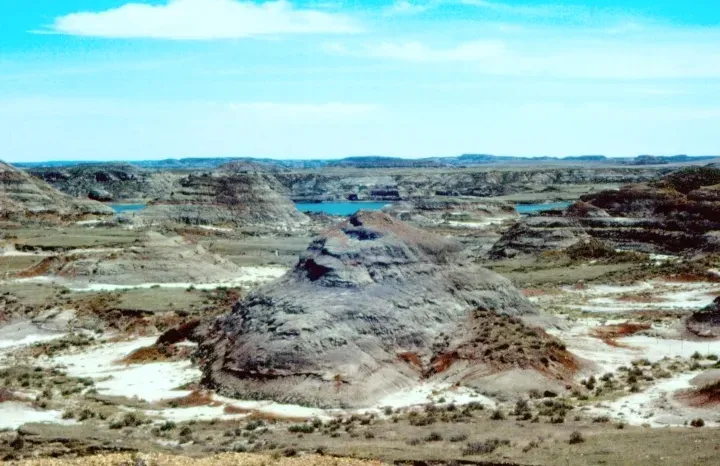
If there is one state that comes closest to being a real-life land of dinosaurs, Montana is it. Paleontologists have dug up bones belonging to at least 75 dinosaur species that once lived in the region. That number alone should make your jaw drop. Think about it, 75 distinct species, all roaming what is now wide-open ranch land and badland terrain.
The Hell Creek Formation is an intensively studied division of mostly Upper Cretaceous and some lower Paleocene rocks in North America, named for exposures studied along Hell Creek, near Jordan, Montana. Fossils in the formation include the remains of plants, dinosaurs, and many small Cretaceous mammals, including some early primates, and the rich dinosaur fauna includes theropods such as Tyrannosaurus, pachycephalosaurs, ornithopods, ankylosaurs, and ceratopsians such as Triceratops. The largest Triceratops skull ever discovered, nicknamed “Dragon King,” was found in Glendive, Montana. That single find alone cements Montana as something truly extraordinary in the world of paleontology.
Wyoming: Where the Bone Wars Began
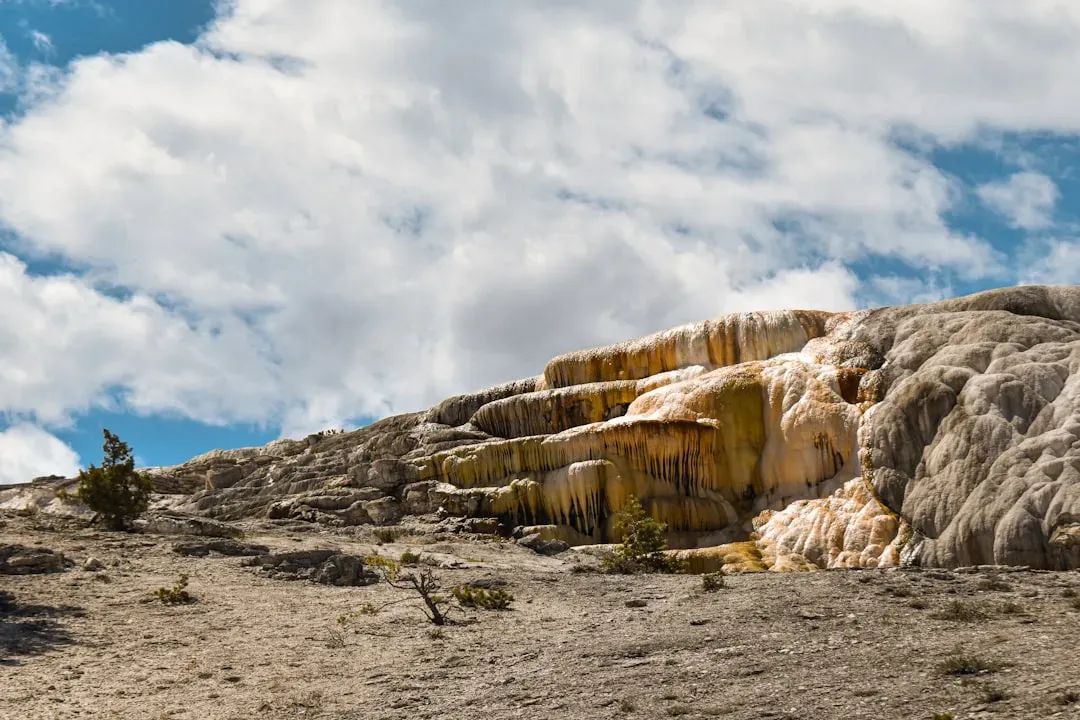
Here’s the thing, Wyoming may actually be the birthplace of modern dinosaur science as you know it. Como Bluff, east of Medicine Bow, Wyoming, was the site of one of the first major discoveries of dinosaur remains in the world, receiving this notoriety because of the sheer number of bones found there and the exceptional preservation of dinosaur skeletons. When you hear about massive paleontological rivalries in the 1800s, this is the ground they were fighting over.
In Wyoming, scientists have unearthed over 1,000 fossilized remains, making it the second most popular spot in the United States for finding dinosaurs. The Morrison Formation is a distinctive sequence of Upper Jurassic sedimentary rock found in the western United States which has been the most fertile source of dinosaur fossils in North America, and it is centered squarely in Wyoming. Many famous dinosaurs were named from discoveries here, including the carnivores Allosaurus, Ceratosaurus, Coelurus, and Ornitholestes, and the sauropods Apatosaurus, Brontosaurus, Camarasaurus, and Diplodocus. That list reads like a greatest-hits album of the prehistoric world.
Utah: The Dinosaur Diversity Champion
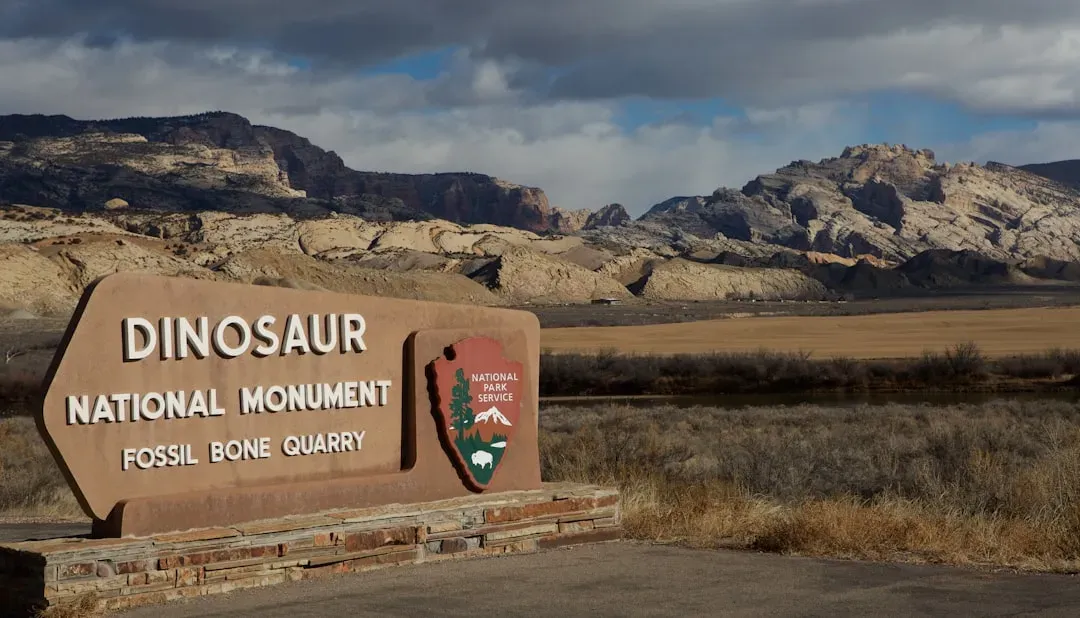
Utah deserves a standing ovation when it comes to fossil diversity. Let’s be real, no other state packs quite the same prehistoric punch per square mile. Utah is famous for its dinosaur fossils and related discoveries, behind only China in regard to the number of dinosaur types found. Think about that for a moment. China, a country of enormous size and ancient geological history, and Utah is right there alongside it.
Dinosaur paleontology is a very active area of scientific research, and every year over 20 scientific papers are published on dinosaur fossils in Utah. The amount of information that we have about the biology of dinosaurs increases every day, and over the past 30 years Utah has gone from a relatively small number of known dinosaur species from just a few geological formations, to well over 100 species from numerous formations. Over 6,000 different fossils have been found at a single dig site in Emery County in Utah, and researchers believe the specimens at this site date back 100 million years. Just one dig site. That statistic is honestly hard to wrap your head around.
Colorado: Birthplace of the Great Dinosaur Rush
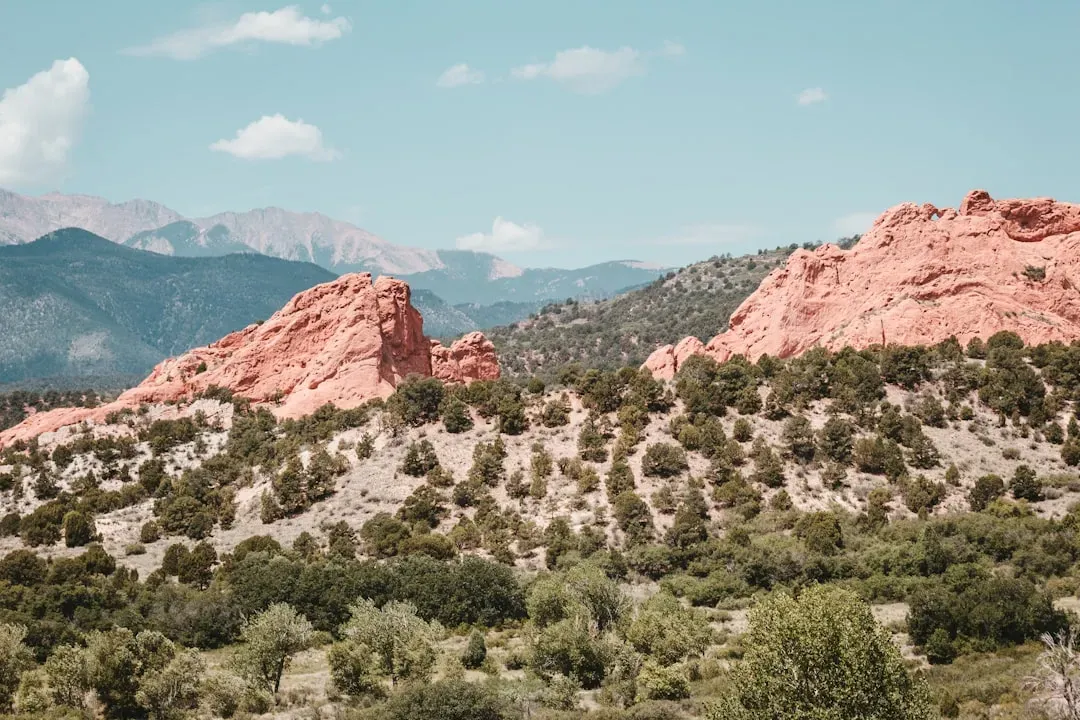
Colorado holds a special place in paleontological history, and you should know why. The Morrison Formation was named after the town of Morrison, Colorado, where some of the first fossils in the formation were found by a man named Arthur Lakes in the 1870s. That single discovery sparked a chain of events that would change how science understood prehistoric life forever. It helped spur the “Bone Wars” between Cope and Marsh, who soon had people working to excavate dinosaur bones and other fossils in Colorado and Wyoming.
In the past thirty years, scientists have unearthed the world’s first articulated Stegosaurus skeleton, three of the world’s four largest dinosaurs, the largest dinosaur trackway in North America, a huge palm forest, one of the world’s most diverse leaf fossil sites, an eight-foot long mammoth tusk, and Tyrannosaurus rex bones. Colorado has supplied dinosaurs to museums all over the world, and its official state fossil is Stegosaurus. I think that says everything you need to know about just how seriously Colorado takes its prehistoric legacy.
New Mexico: The Ancient Southwest’s Hidden Treasure
New Mexico often flies under the radar when people talk about dinosaur hotspots, which is a shame because what’s hidden in this state’s rock layers is genuinely remarkable. One key geologic rock unit from which early dinosaurs are well known is the Chinle Formation, which is exposed over wide areas of northern Arizona, northern New Mexico, and southern Utah, and this formation is most famous for its abundant remains of colorful and well-preserved petrified wood, found in places like Petrified Forest National Park of northern Arizona. The Chinle Formation is, in many ways, a geological time capsule you can visit on a day trip.
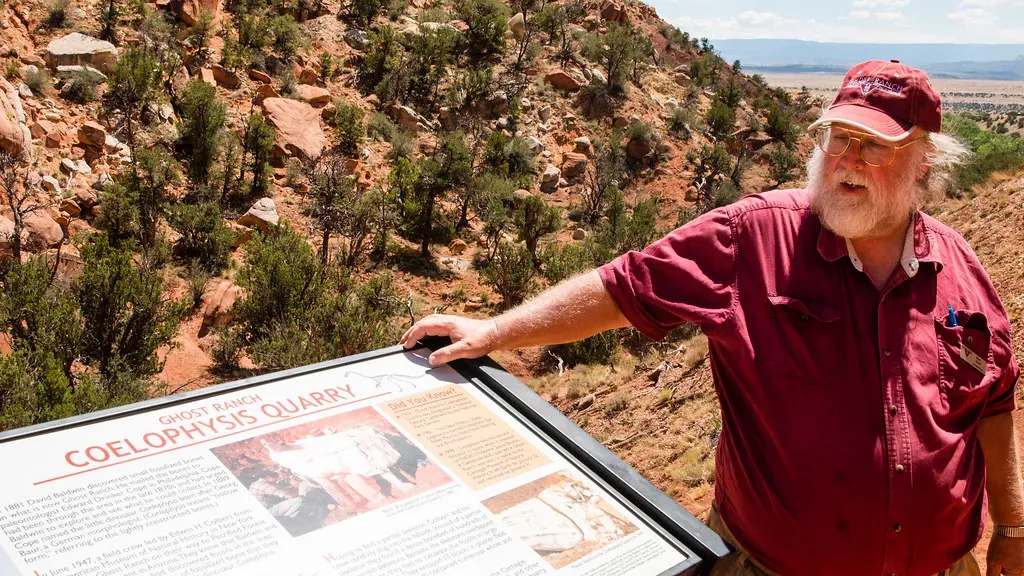
The theropod Coelophysis is the most common dinosaur of the Chinle, and is known from Chinle deposits throughout New Mexico and Arizona, including a mass burial of hundreds of individuals, all Coelophysis, at Ghost Ranch, New Mexico. Hundreds of individuals preserved together in one place. That is the kind of find that makes paleontologists lose sleep with excitement. Late Cretaceous dinosaurs are also known from northern New Mexico, where herbivores are represented by hadrosaurs, ankylosaurs, and several kinds of ceratopsians, while theropods are well represented in the southern Colorado Plateau.
Arizona: Triassic Wonders and an Unsung Fossil Legacy
Arizona might surprise you. Most people think of the Grand Canyon when they picture this state, but beneath those red rock layers and painted desert landscapes is an extraordinary fossil record stretching back even further than the age of the giant dinosaurs. Through hard work and digging, paleontologists have discovered over 15 species of dinosaur in Arizona, with scientists finding over 147 fossils in this state, and most fossils found belonging to theropods, meaning most dinosaurs that lived in this state were carnivores.
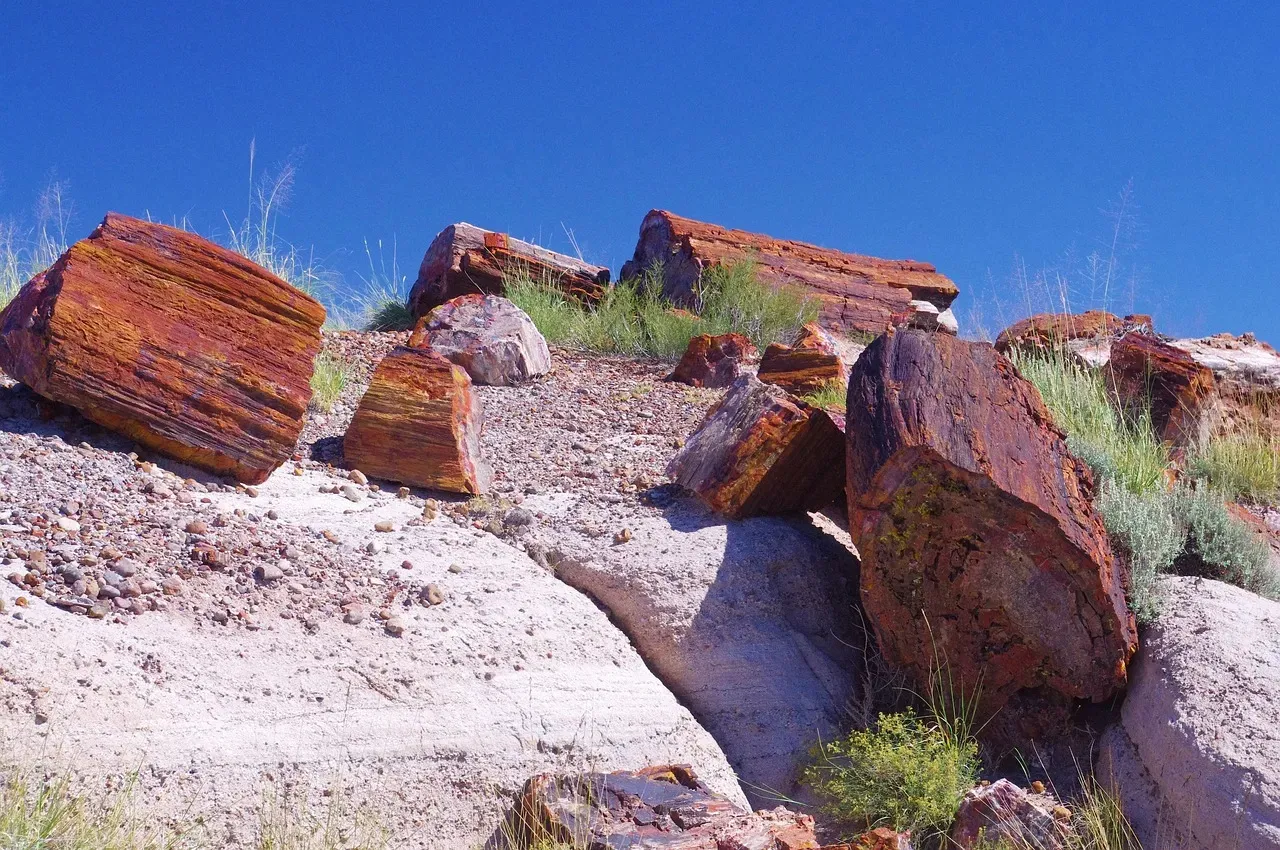
The most common fossil type in the Southwest is petrified wood, and the most fruitful location is Petrified Forest National Park in northeast Arizona, near Holbrook. It is striking to consider that you can walk through an ancient forest preserved in stone right there in the desert. Most finds come from a rectangular area from Montana and North Dakota south to Arizona and Texas, and Arizona sits right at the southern edge of that prehistoric corridor. Sonorasaurus is Arizona’s state dinosaur, with scientists finding the first fossil of this species in 1994. A gentle giant from the Cretaceous, locked in Arizona’s earth for roughly a hundred million years before someone finally stumbled across it.
A Final Thought Worth Sitting With
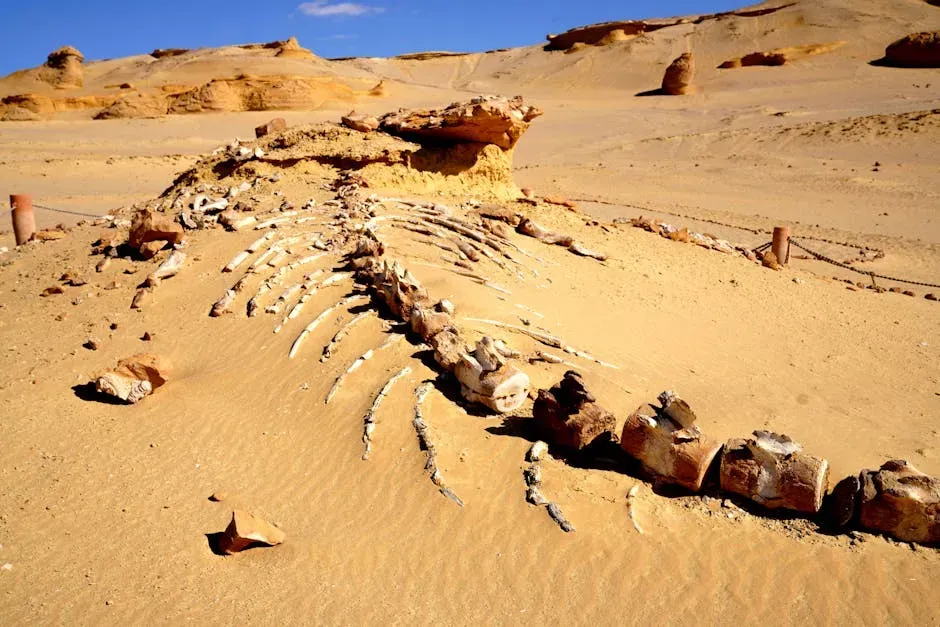
What ties all six of these states together is not just geology, it is an open invitation to the past. The most numerous and diverse dinosaur fossils have been found primarily in North America, China and Argentina, with the Western United States representing a large portion of all dinosaur fossils found. You live in a country that is, quite literally, sitting on one of the greatest fossil records in the world.
These states are not just chapters in a paleontology textbook. They are living, breathing excavation sites where new discoveries still happen every single year. The latest Cretaceous Hell Creek and Lance Formations are some of the most fossil-rich rock units in the United States, if not the world, and every year both public and private groups travel to Montana, Wyoming, North Dakota and South Dakota in pursuit of these remains, returning with new skeletons, isolated elements, and teeth. The story of the dinosaurs is still being written, one bone at a time.
It’s hard to say for sure what the next decade of excavation will reveal. But based on everything you’ve seen here, one thing seems certain: the American West still has prehistoric secrets buried deep, and they’re waiting to be uncovered. What would you have guessed was the most fossil-rich state before reading this? Tell us in the comments!