Long before GPS, grocery stores, or synthetic fabrics, human beings were doing something truly extraordinary. They were surviving. Not just barely scraping by, but thriving in deserts, ice sheets, dense rainforests, and open oceans, using strategies so aligned with the animal world around them that the line between human and creature almost disappeared. Honestly, when you start digging into these ancient tribes and their methods, you realize how jaw-dropping the parallels to prehistoric animals really are.
From hunters who disguised themselves as wolves to sea nomads whose bodies literally evolved for deep-water diving, these tribes are living proof that ingenuity doesn’t require technology. What you are about to discover will make you rethink everything you assumed about what it means to be human. Let’s dive in.
1. The San Bushmen of Southern Africa: Masters of Persistence, Like the Wolves of the Savanna
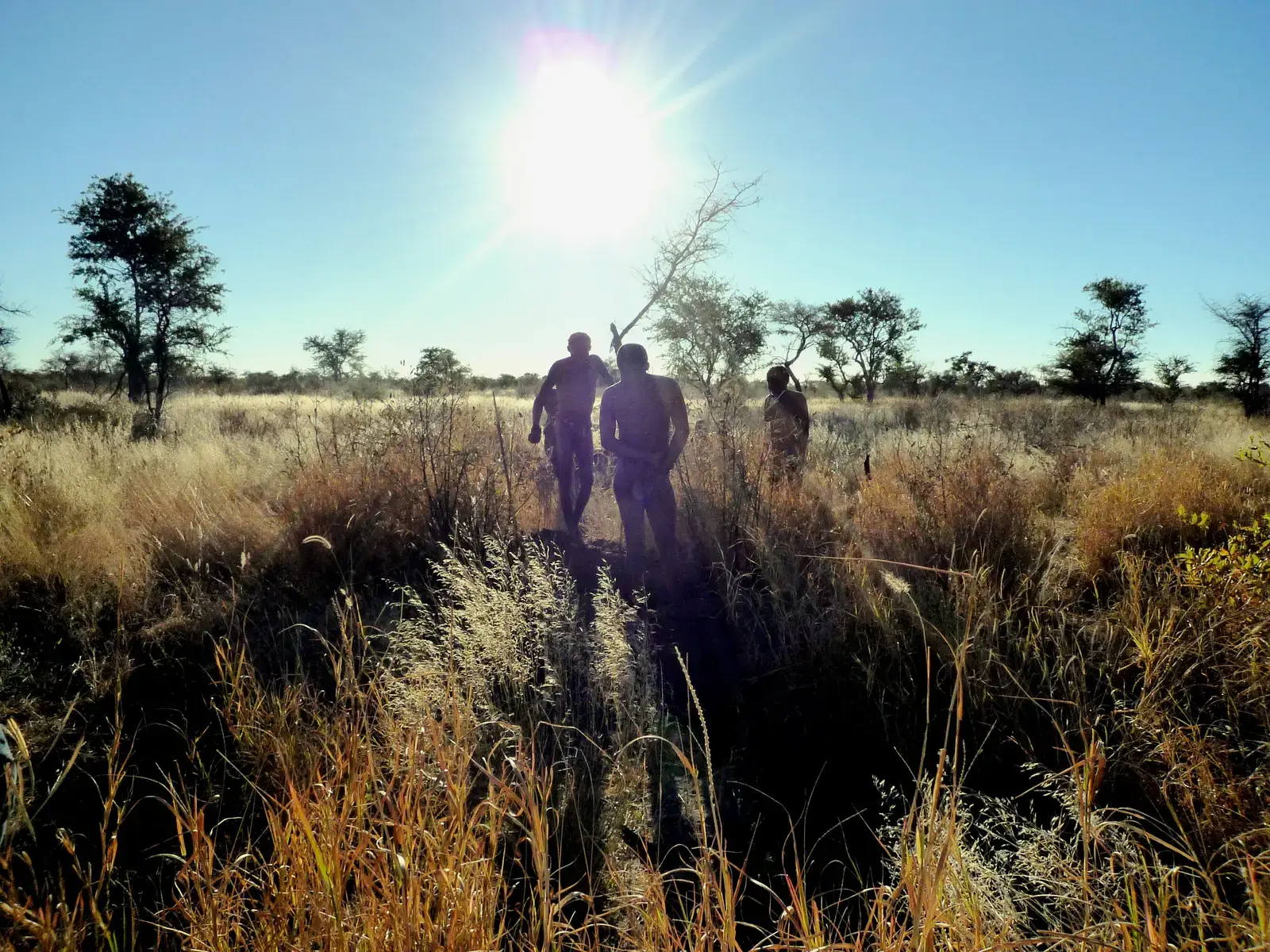
Here’s the thing about the San Bushmen – they didn’t need speed to catch prey. They used something far more primal: endurance. The San peoples, also known as Bushmen, are members of indigenous hunter-gatherer cultures of southern Africa and the oldest surviving cultures of the region. Their core hunting strategy, known as persistence hunting, involves literally running an animal to death under the midday sun, tracking it for hours until it collapses from heat exhaustion. It sounds almost too simple, but it works with devastating effectiveness.
Some interpretations of genetic analysis suggest the San diverged from other human populations as early as 100,000 to 200,000 years ago, and a 2016 DNA study of fully sequenced genomes confirmed that the ancestors of today’s San hunter-gatherers began to diverge from other populations in Africa about 200,000 years ago. This is the kind of lineage that puts everything into perspective. Their persistence hunting closely mirrors the relentless pursuit strategies of early pack predators, who wore down prey not through brute strength, but through stamina and unyielding focus. The comparison to prehistoric cursorial hunters is not just poetic – it is biologically grounded.
2. The Hadza of Tanzania: Poison-Tipped Precision Like a Prehistoric Ambush Predator
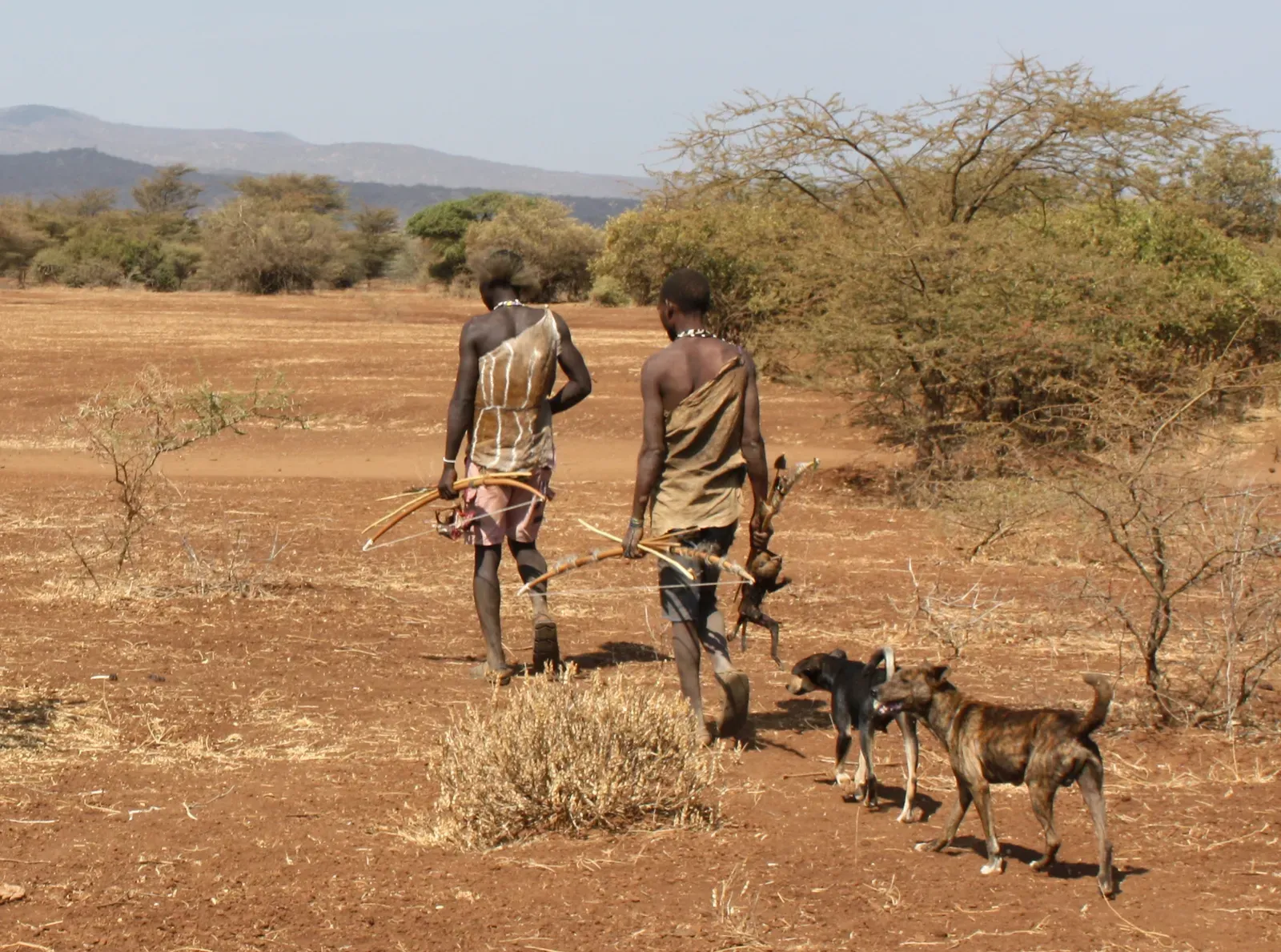
The Hadza, a small tribe of highly skilled hunter-gatherers, live by the soda waters of Tanzania’s Lake Eyasi. Until recently, they frequently hunted large animals such as zebra, giraffe, and buffalo in the dense acacia bushland of their homeland. That’s not a typo. Zebra and giraffe, with a bow and arrow. What makes their strategy so fascinatingly prehistoric is the use of chemical warfare in nature’s purest form.
The Hadza use the toxic sap of the desert rose shrub to coat their arrow tips. This technique is shockingly similar to the venom delivery systems used by prehistoric predators. You can think of it like a modern-day Komodo dragon – patient, precise, and chemically lethal. Today, only 300 to 400 of a population of approximately 1,300 Hadza are still nomadic hunter-gatherers, while the rest live part-time in settled villages. The fact that any of them still practice this at all is, honestly, remarkable.
3. The Yanomami of the Amazon: Chemical Hunters Mirroring Nature’s Most Toxic Creatures
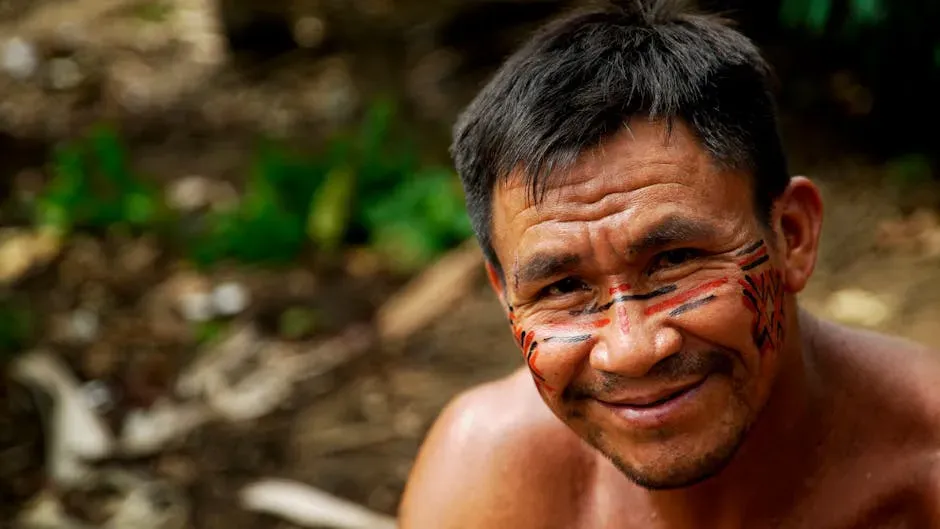
If you thought the Hadza’s arrow poison was impressive, the Yanomami take it to an entirely different level. The Yanomami and many other Amazonian tribes coat their arrows or darts with curare, a poisonous mix of different plants which is boiled down to a thick glue, smeared on darts and left to dry. As it enters the blood of the targeted bird or animal, it relaxes their muscles – monkeys can no longer hold branches and birds can no longer fly; eventually, they drop to the ground. This is nature’s own neurotoxin, weaponized by human hands.
The Amazon rainforest is home to a diverse array of indigenous tribes, each with its unique language, traditions, and connection to the rainforest ecosystem. Tribes including the Yanomami have lived in the Amazon for thousands of years, developing intricate knowledge of the forest’s resources, medicinal plants, and spiritual beliefs. The parallels to a poison dart frog or a venomous prehistoric reptile are almost impossible to ignore. Curare has since been appropriated as a muscle relaxant in western medicine, making possible procedures such as open-heart surgery. Think about that for a moment. A jungle tribe’s ancient hunting toxin is now saving lives in operating theaters around the world.
4. Native American Plains Tribes: Wolf-Disguise Tactics Straight Out of the Predator Playbook
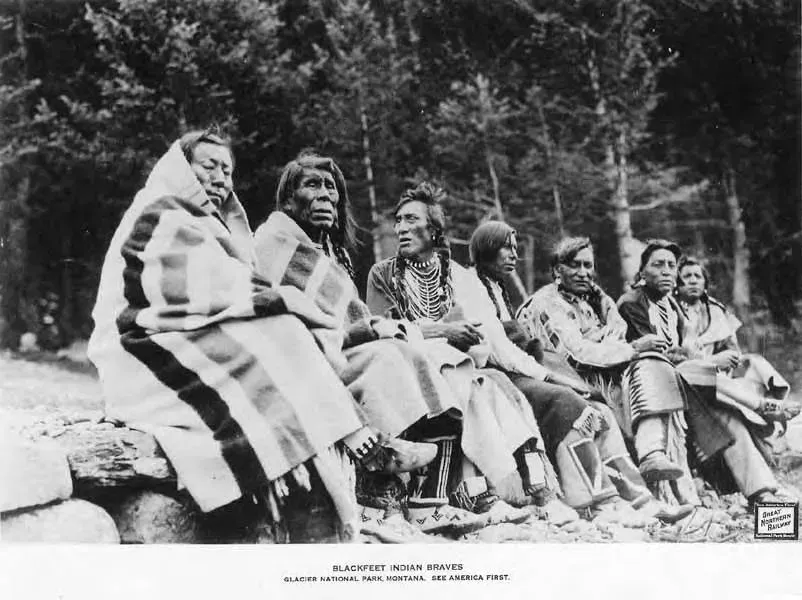
You might think dressing up as an animal to hunt is something out of a fairy tale. It is not. George Catlin, who spent his life in the early 1800s out West chronicling the Native Americans’ way of life through writing and paintings, depicted Native Americans disguising themselves as wolves. The logic behind this disguise is almost elegant in its simplicity. The bison knew that the best way to avoid being killed by a human was to run. The exact opposite was true for wolves – wolves only attacked running bison, so by standing their ground, the buffalo had a higher chance of staying safe. The native hunters played to this by masking the human outline and disguising themselves as animals.
On the vast plains, where immense herds of bison roamed, communal hunts were the most efficient and culturally significant method. The most spectacular of these were the “buffalo jumps.” Tribes like the Blackfeet, Crow, and Plains Cree would skillfully herd thousands of bison using knowledge of their migratory routes and terrain, stampeding them over cliffs. Sites like Head-Smashed-In Buffalo Jump in Alberta, Canada, a UNESCO World Heritage site, bear witness to millennia of this practice. Let’s be real: this is pack predator behavior translated into human action, and it is breathtaking.
5. The Inuit of the Arctic: Cold-Climate Adaptation Echoing Polar Megafauna
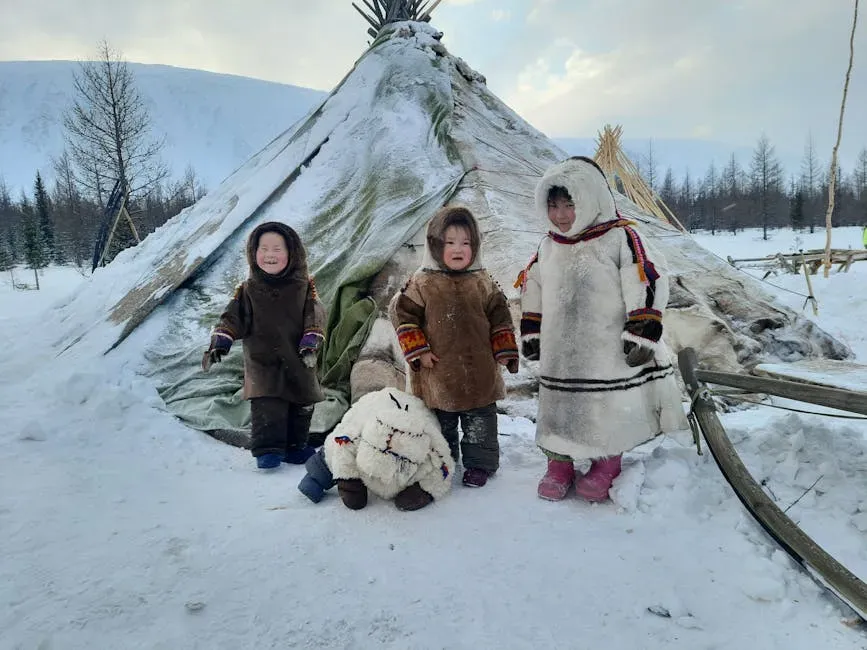
Think of the Arctic as the most unforgiving place on Earth. Now imagine choosing to live there for thousands of years and mastering every inch of it. The Inuit, indigenous peoples inhabiting the Arctic regions of Canada, Greenland, and Alaska, have adapted to one of the harshest environments on Earth. Their traditional way of life revolves around hunting and fishing, using tools and techniques honed over centuries to survive in extreme cold and an unforgiving landscape. The echoes of polar megafauna like the woolly mammoth and musk ox – thick insulation, low-profile movement, energy conservation – are all present in Inuit survival culture.
The extreme cold regions demanded warm clothing, and their ancestors covered their bodies with animal skin from animals like seals, Arctic fox, and even polar bears, as these skins help prevent heat loss and the fur provides additional warmth. They depended on these animals for food since the land is constantly covered with snow, and the only food available was meat, which provided protein and fat that helped them resist the severe cold. Depending on the seasons, they followed the animals they hunted for clothing and nourishment, and had to relocate and reconstruct their camps frequently, following the same traditions for generations. Migration, insulation, fat storage as energy – these are not just human choices. They are animal strategies, replicated with stunning precision.
6. The Bajau Sea Nomads of Southeast Asia: Evolved for the Deep Like Ancient Aquatic Hunters
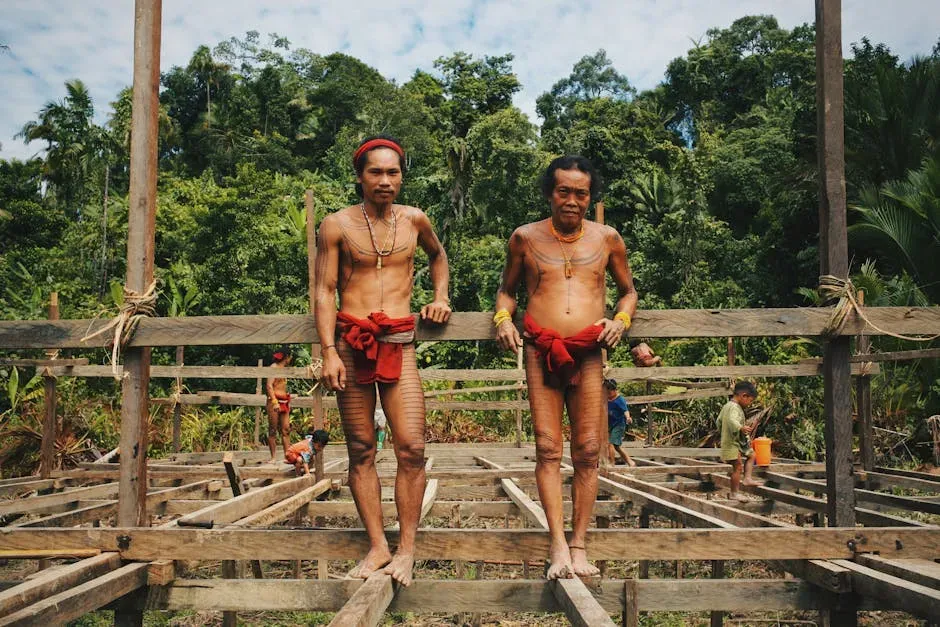
Here is something almost science-fiction level, except it is completely real. Marine nomads like the Bajau people of Southeast Asia rely on the sea for their livelihood, moving from place to place in boats, fishing, and gathering marine resources. What makes the Bajau truly extraordinary is not just their lifestyle. It is their bodies. Scientific studies have confirmed that the Bajau have significantly enlarged spleens compared to land-dwelling populations – a physical adaptation that allows them to store more oxygenated blood and dive deeper for longer periods. This is the same mechanism marine mammals like seals and dolphins use.
Their free-diving abilities, which allow them to descend to depths of over 60 meters on a single breath, mirror the hunting behaviors of prehistoric aquatic predators. They excel at tracking, reading animal behavior, camouflage, patience, and teamwork. Deep ecological knowledge and respect for the land – and in their case, the sea – were also vital. These aren’t tricks learned from a book. They are passed down through generations of lived experience, encoded both culturally and, in the Bajau’s extraordinary case, biologically. It’s the closest thing you’ll find to human evolution happening in real time.
7. The Blackfoot Nation: Scent Masking and Stealth That Would Impress Any Apex Predator
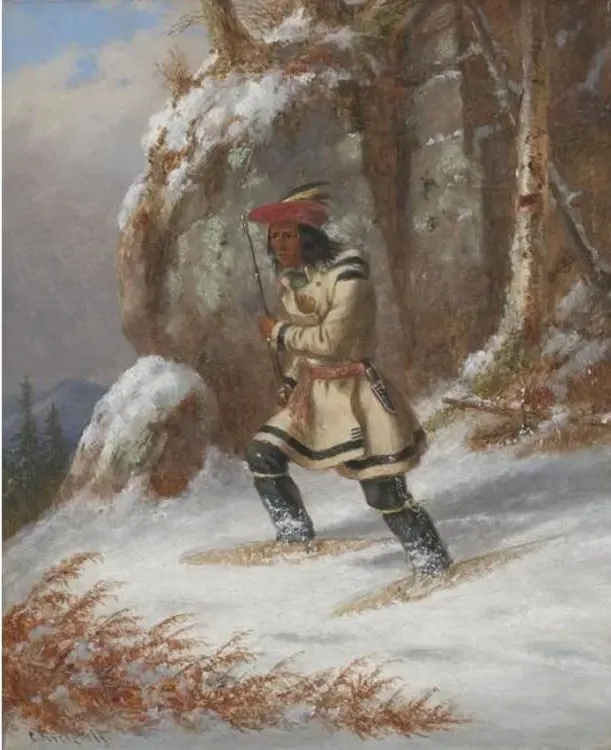
Long before modern hunters obsessed over scent-eliminating sprays, the Blackfoot people of the North American plains were doing something remarkably similar – and far more elegant. Hunters understood that wind direction was paramount. They would always approach an animal from downwind to prevent their scent from reaching the prey. Some tribes also used natural deodorizers, such as rubbing their bodies with aromatic plants or mud. Think of how a big cat moves before a kill – low, silent, and always downwind. That is the Blackfoot hunter.
Camouflage was not just about blending in; it was about becoming an extension of the environment. Hunters used natural dyes, animal skins, and even mud to break up their silhouettes, often moving with such stealth that they seemed to vanish into the landscape. They mastered the art of “calling,” mimicking animal sounds to lure prey closer, a skill honed through generations of listening and practice. The precision and patience involved is almost uncomfortable to consider. Native people were excellent trackers who could not only identify which animal they were hunting, but could also determine gait, size, and how old a print was. These skills were taught from a very early age, with boys as young as two or three taken out for walks to learn how to identify tracks.
8. The Maasai of East Africa: Communal Defense Strategies Mirroring Prehistoric Herd Animals
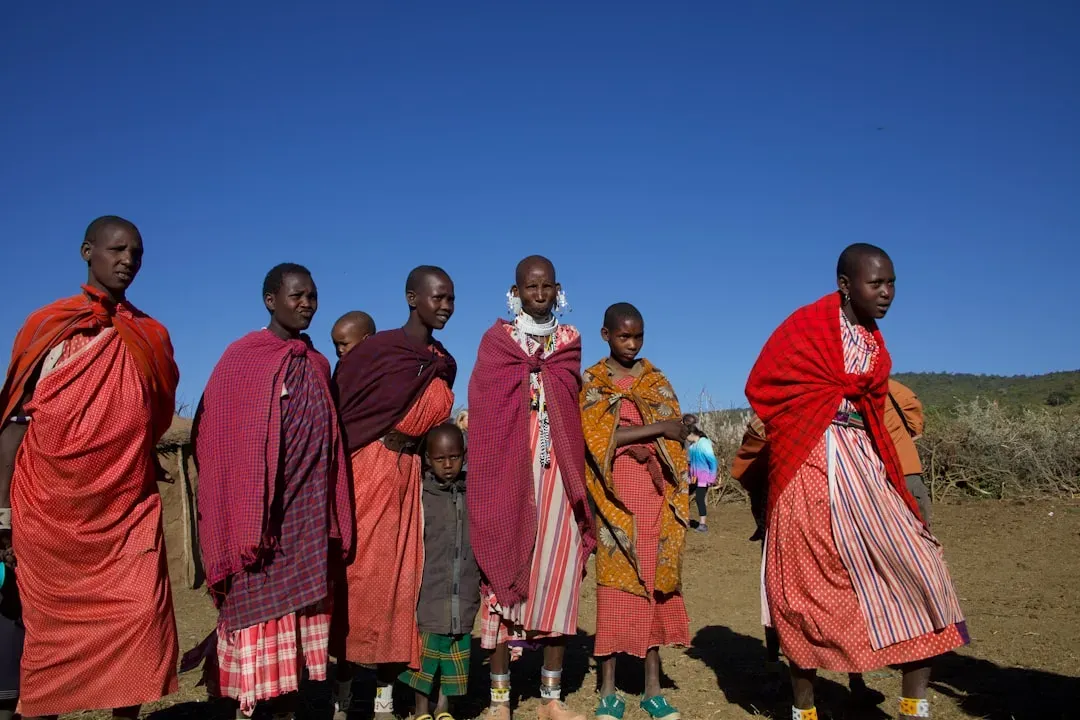
You might expect a warrior culture to focus solely on offense. The Maasai do something more nuanced and, in many ways, more powerful. The Maasai are a pastoral nomadic tribe found in Kenya and Tanzania. Their distinctive red clothing and unique cultural practices have made them one of the most recognizable nomadic tribes. They are known for their strong warrior tradition, their connection to nature, and their reverence for their cattle, which are central to their livelihood. Their communal defensive formations and cattle-protection strategies closely mirror the way prehistoric herd animals like aurochs and buffalo formed defensive circles against predators.
The Maasai inhabit Kenya and Tanzania and are renowned for their vibrant culture, colorful attire, and close-knit community. Their lives revolve around livestock, particularly cattle, which are integral to their social structure, economic well-being, and spiritual beliefs. The Maasai are known for their elaborate rituals, including age-old ceremonies for young men transitioning into warriors, and their deep respect for nature, particularly lions. The communal vigilance – every member of the group alert and protective – is nature’s own anti-predator algorithm. The Maasai didn’t invent it. They inherited it from the deepest instincts of living creatures that survived long enough to pass wisdom forward.
9. The Andaman Islanders: Isolation as Survival, Echoing Prehistoric Island Fauna
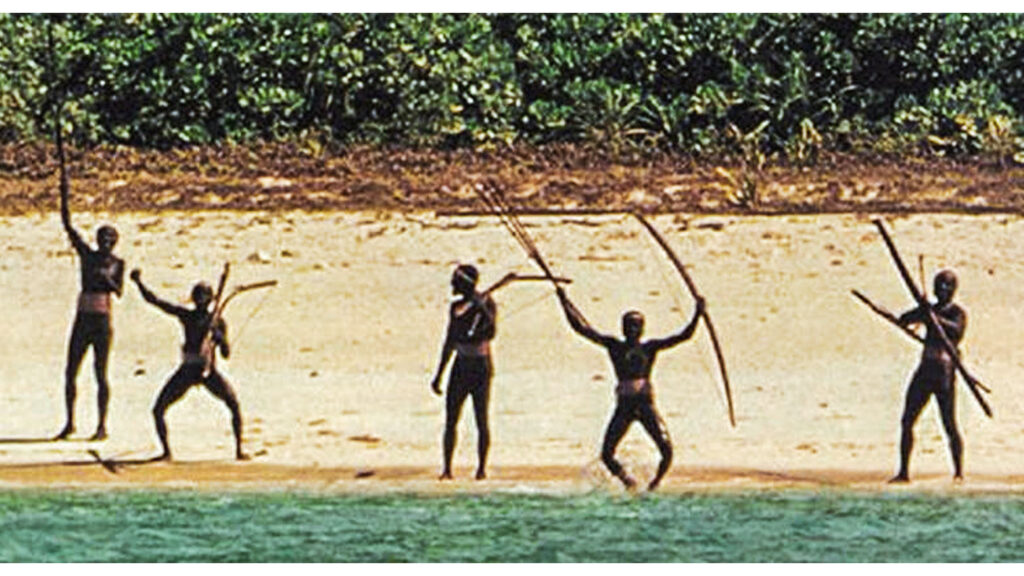
Here is a tribe that took isolation to a level no other group on Earth can match. The hunter-gatherer tribes of the Andaman Islands – the Jarawa, Great Andamanese, Onge, and Sentinelese – are believed to have lived in their Indian Ocean home for up to 55,000 years. The Jarawa are thought to have optimal levels of nutrition, eating foods such as wild pig, turtle, fish, crab, prawns, and molluscs, supplemented with wild roots, tubers, nuts, seeds, and honey. The Sentinelese, in particular, have weaponized isolation itself as a survival mechanism.
This strategy mirrors the behavioral ecology of prehistoric island fauna, where species that stayed isolated from mainland predators survived while those that didn’t were often driven to extinction. The Andaman islanders rejected outside contact so completely that their immune systems, social structures, and knowledge systems remain entirely uncontaminated by the outside world. Unlike modern commercial hunting, traditional indigenous techniques were rarely driven by excess or sport. The goal was to take only what was needed for survival, ensuring the continued abundance of prey populations for future generations. It’s a kind of ecological discipline that modern civilization, honestly, could learn something from.
10. The Kayapo of Brazil: Fire as a Tool, Mirroring the Controlled Burns of Ancient Megafauna Landscapes
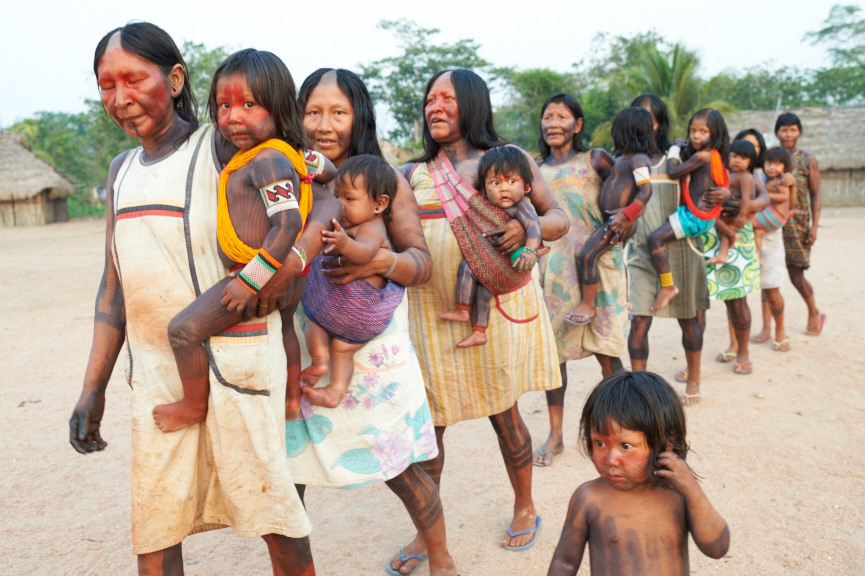
The Kayapo are, in many ways, the most strategically sophisticated tribe on this list when it comes to environmental manipulation. The Amazon rainforest is home to indigenous tribes, including the Kayapo, who have lived in the Amazon for thousands of years, developing intricate knowledge of the forest’s resources, medicinal plants, and spiritual beliefs. But what makes them uniquely tied to prehistoric survival strategies is their use of fire to actively manage entire ecosystems. Controlled burns, practiced for millennia, reshape the forest to increase game density and edible plant growth in precisely the same way mammoths and other megafauna once maintained open grasslands through grazing and trampling.
Controlled burning was used by indigenous peoples to promote the growth of desired plants and create more productive gathering areas. Gatherers would take only what was needed, leaving enough for plants to regenerate and for other animals to feed on, often rotating their gathering sites to avoid over-harvesting and allow areas to recover. The Kayapo essentially act as keystone species in their own ecosystem – just as elephants, mammoths, or giant ground sloths once did. Their hunting techniques not only ensured survival but also fostered a deep respect for nature. Understanding these methods is more than intriguing history; it’s a chance to connect with time-tested skills and sustainable practices. In a world where biodiversity loss is accelerating at an alarming rate, that ancient knowledge carries a weight that no modern policy document can match.
Conclusion: Ancient Wisdom in a Modern World
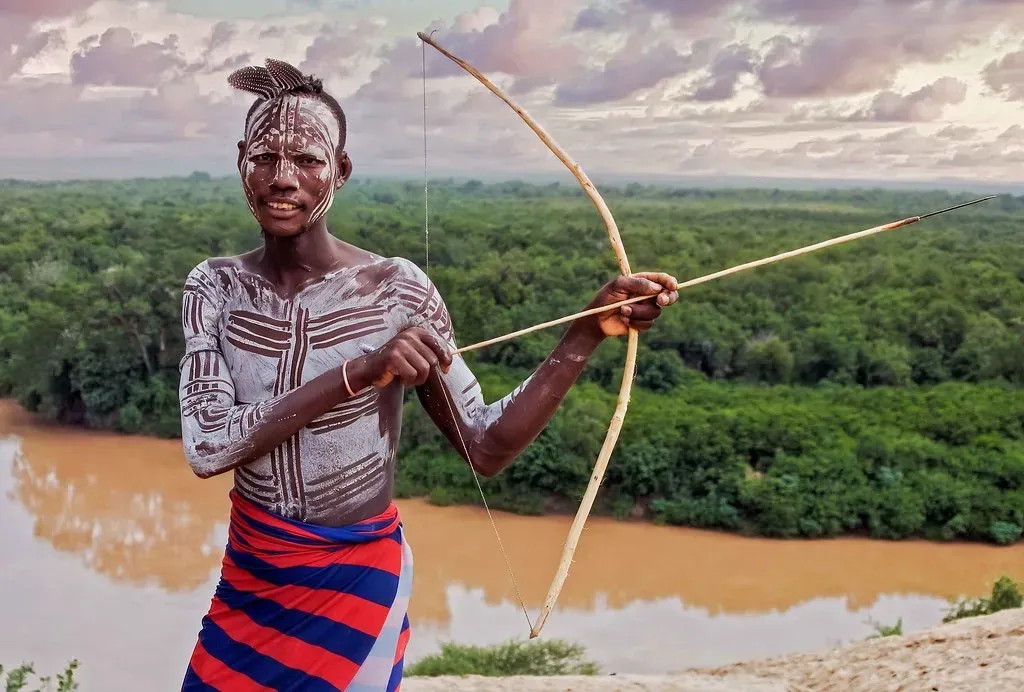
What you have just read is not a history lesson. It is a mirror. These ten tribes didn’t copy nature by accident – they merged with it so completely that their survival strategies became indistinguishable from the biological instincts of the creatures around them. Persistence like a wolf pack. Chemical precision like a venomous predator. Physical evolution like a marine mammal. Communal defense like a herd.
Tribal hunters today use many highly attuned skills, such as mimicking animal calls or acting in a particular way, to attract the curiosity of game or drive it toward a fellow hunter. Snaring and other traps require great skill in construction and placement, as well as considerable patience. These are not relics of a forgotten time. They are refined solutions to the oldest problem on Earth: how to stay alive. The native tribe hunting techniques of indigenous peoples stand as a powerful testament to human ingenuity, resilience, and a profound connection to the natural world. While modern hunting often relies on technology, the ancient wisdom of these techniques offers invaluable lessons for contemporary society, particularly in the realm of conservation and sustainable living.
The real question isn’t whether these strategies worked. Clearly, they did – some for over 100,000 years. The question worth sitting with is this: what do we lose when the last practitioners of these ancient arts disappear, and is there still time to listen before that knowledge is gone forever?