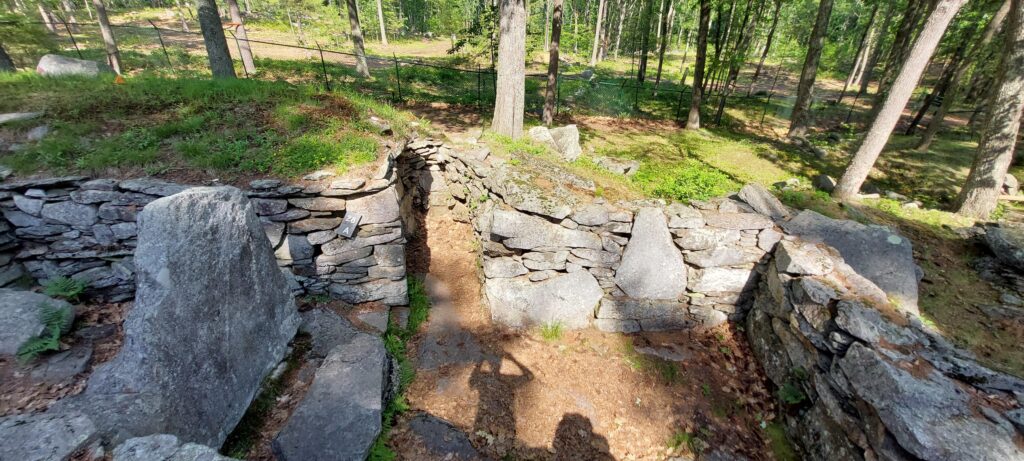
Tucked away in the granite-studded woodlands of Salem, New Hampshire, there is a place that has been quietly baffling people for the better part of a century. Stone chambers. Winding walls. Enormous slabs of rock arranged in ways that seem far too deliberate to be accidental. You might expect something like this in England or Ireland, not a short drive from the suburbs of Boston.
This site goes by two names. Locals still call it Mystery Hill. Everyone else knows it as America’s Stonehenge. Whether you’re a skeptic, a history buff, or someone who just loves a good unsolved puzzle, what you’re about to discover might genuinely surprise you. Let’s dive in.
It Sits on 30 Acres of Forested New Hampshire Hillside
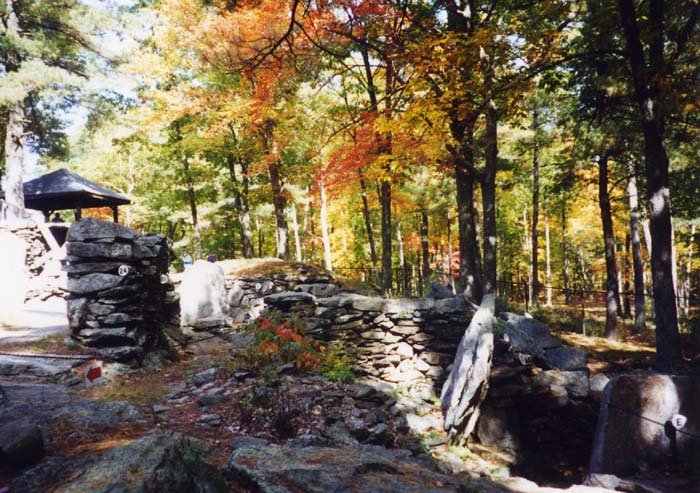
America’s Stonehenge is a privately owned tourist attraction and archaeological site consisting of a number of large rocks and stone structures scattered around roughly 30 acres within the town of Salem, New Hampshire. That’s no small footprint. To put it in perspective, 30 acres is roughly the size of 23 American football fields, all of it laced with ancient-looking stone structures deep in the woods.
Running across the 30 acres of hillside are a series of low walls, cave-like primitive buildings, and tunnels that are spread about with, according to one archaeologist, “gigantic confusion and childish disorder, deep cunning and rude naivety.” That contrast, bewildering disorder on the surface yet careful precision underneath, is exactly what makes this place so endlessly fascinating to explore.
Humans Were Likely Here 4,000 Years Ago
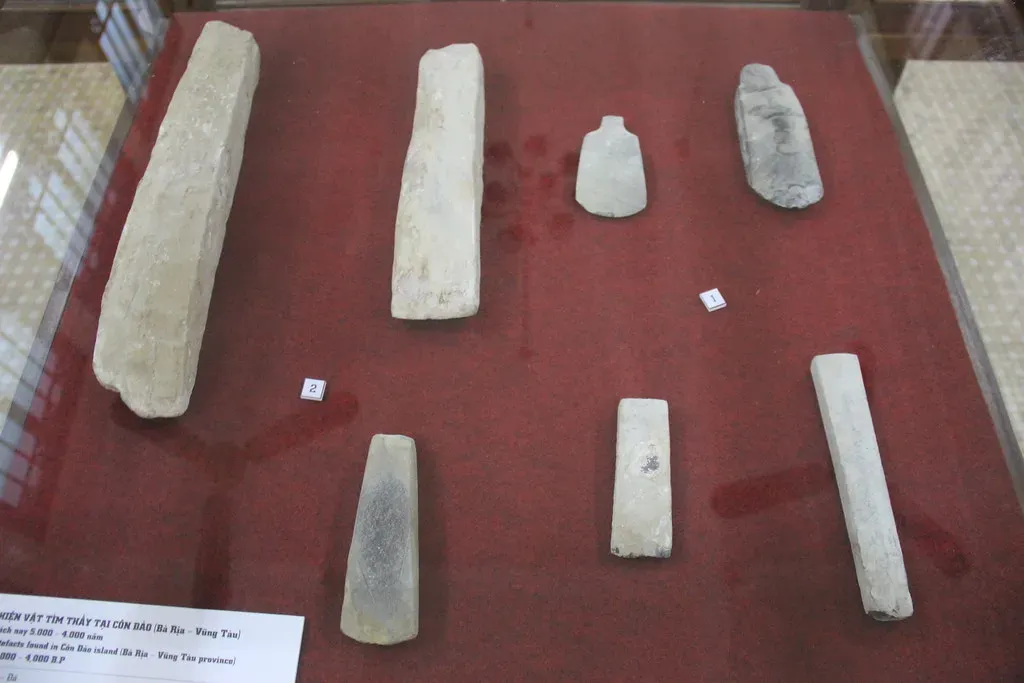
Archaeologists’ radio-carbon analysis of charcoal on the site shows that there were humans occupying the area 4,000 years ago. That is a staggering number when you sit with it for a moment. Four thousand years ago, ancient Egypt was still flourishing, the Bronze Age was in full swing, and someone, somewhere, was doing something significant with stone on a hill in what is now New Hampshire.
In 1969, archaeologist James Whittall unearthed stone tools at the site, along with charcoal flakes that could be carbon dated. The dating showed the tools’ user was working around 1,000 B.C. Whittall recovered charcoal from several other locations on site and carbon dating ranged from 2,000 B.C. to 400 B.C. It’s hard to say for sure what those ancient people were doing there, but the evidence of sustained, repeated human presence over such a long span of time is genuinely remarkable.
The Site Functions as an Astronomical Calendar
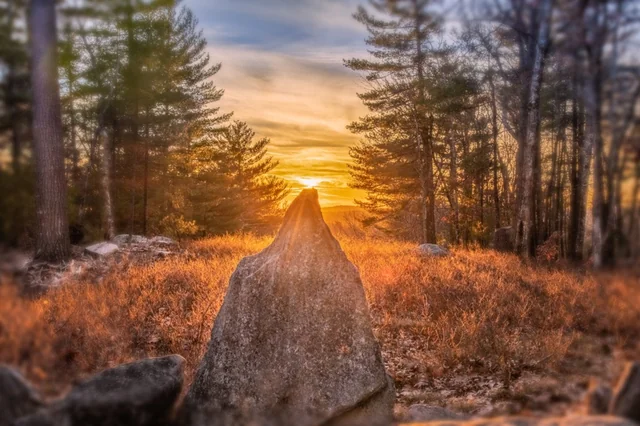
Similar to other ancient sites around the world, upright stones at America’s Stonehenge are strategically placed to align with astronomical events such as solstices and equinoxes. Other rocks are positioned to point to significant stars such as Polaris, the north star. Think about that: someone arranged stones precisely enough to mark the turning points of the sky, year after year, with no modern instruments and no written guides.
From a central viewing slab, monoliths align to the midwinter solstice sunrise and sunset, the spring and fall equinox sunrises and sunsets, the midsummer solstice sunrise and sunset, and true north – this stone is aligned to the star Thuban, the pole star of 2,000 B.C. The level of astronomical knowledge embedded in those stone positions is what keeps researchers coming back. Whether it was built by Native Americans or ancient visitors from across the sea, whoever did this clearly understood the sky in a sophisticated way.
There’s a Mysterious “Oracle Chamber” With a Hidden Speaking Tube
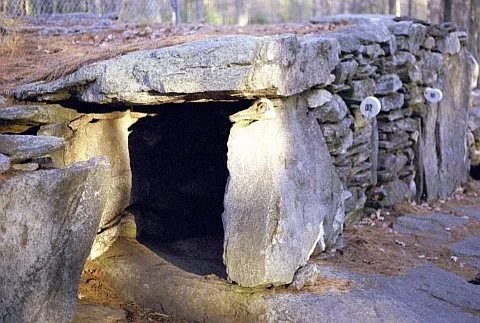
The site features stone huts, rooms, chambers, passageways, a 4.5-ton “sacrificial” stone table, a speaking tube into a chamber below, and small standing stones on the perimeter that align with an observation platform to form an astronomical calendar. That speaking tube is one of the most genuinely eerie features of the entire site, and honestly, it never gets old to think about.
Inside the oracle chamber is a hidden room containing what is believed to be a speaking tube. Words spoken into this tube emit from beneath the sacrificial table. Perhaps this was done for eerie effect by a hidden priest or shaman during a religious ceremony. You can imagine the theatrical impact that would have had on any audience gathered around that stone table. It’s the kind of detail that makes this place feel more like a stage set than a simple farm.
The Famous “Sacrificial Table” Has a Very Ordinary Explanation – Maybe
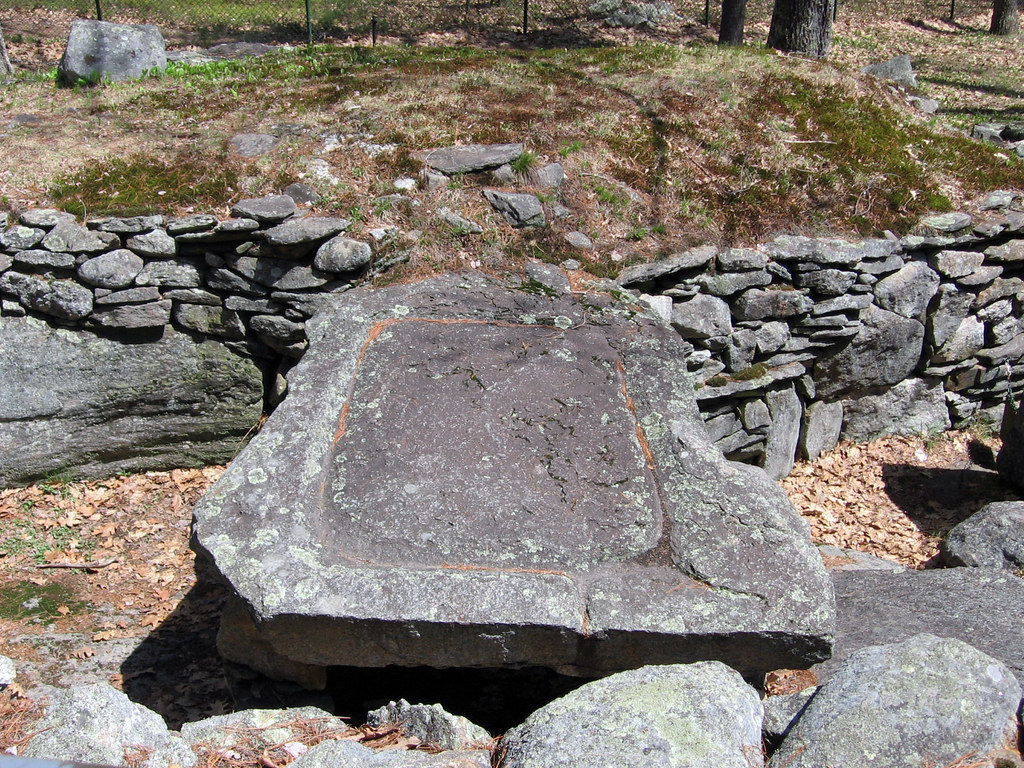
There is a so-called “sacrificial stone” which contains grooves on site that some say channeled blood, but it closely resembles “lye-leaching stones” found on many old farms that were used to extract lye from wood ashes, the first step in the manufacture of soap. Let’s be real: a soap-making stone is far less cinematic than a blood altar. Still, you can’t entirely blame people for their imaginations running wild when you see the thing in person.
The “sacrificial stone” could have also been a cider press bed stone, a common tool among colonial farmers in New England, the grooves in the table serving to collect the cider. So you have one dramatic stone slab that has been interpreted as an ancient altar, a soap tool, and a cider press, sometimes simultaneously. The debate says as much about human storytelling as it does about archaeology.
William Goodwin May Have Rearranged the Whole Thing
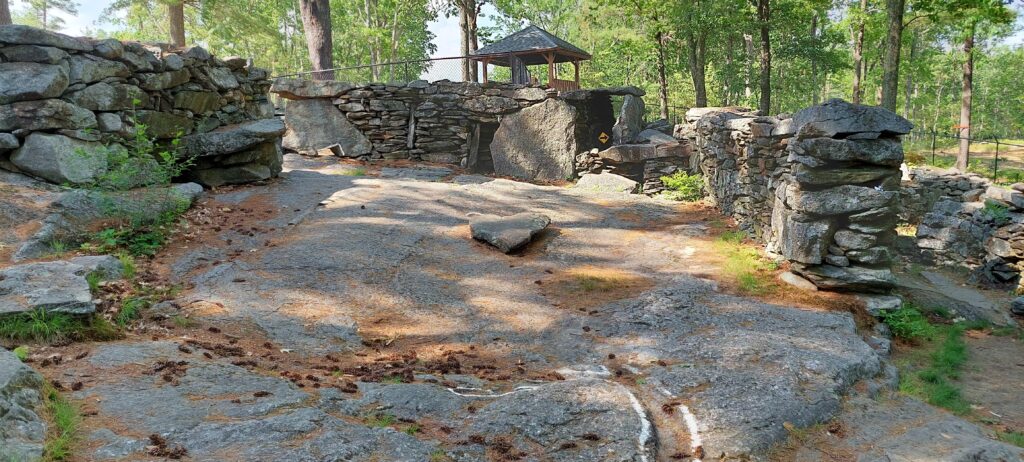
One viewpoint is a mixture of land-use practices of local farmers in the 18th and 19th centuries and construction of structures by owner William Goodwin, an insurance executive who purchased the area in 1937. This is the part that frustrates serious researchers most. Because if Goodwin moved stones around to match his theory, the original layout may be permanently lost to history.
Archaeologist David Starbuck notes the 19th century quarrying marks on many of the stones and said the site has been altered so many times over the decades – particularly by owner and researcher William Goodwin starting in 1936 – that there will never be a way to settle the argument over its genesis. Goodwin became convinced the site was in fact made by “Culdees” or Irish monks who had been fleeing the Vikings and managed to get to New Hampshire long before Columbus discovered the Americas. Honest to goodness, you can’t make this stuff up.
A Shoemaker Named Jonathan Pattee May Be the Real Culprit

Anthropologists and archaeologists believe America’s Stonehenge was more likely the homestead of shoemaker Jonathan Pattee, who settled here in 1823. That is not nearly as exciting as ancient Celts or Irish monks, but it is the explanation that most credentialed archaeologists quietly point to when they’re not trying to be polite about the whole thing.
Mainstream archaeologists often cite research done in the 1950s by Gary Vescelius, who concluded the chambers were likely made in the 19th century. The academic perspective seems to be that the builder was Jonathan Pattee, with the site being further modified by Goodwin. So you’ve got a shoemaker, an obsessive insurance executive, and possibly an ancient civilization all vying for credit. The truth, as usual, is probably somewhere in a messy middle.
Barry Fell Claimed Ancient Languages Were Inscribed on the Stones
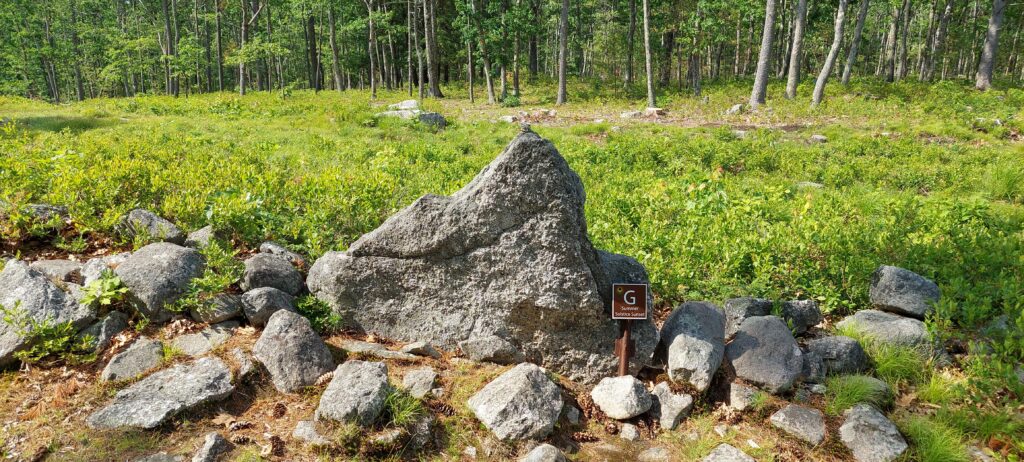
In 1976, Dr. Fell published a book called America BC, in which he stated that inscriptions at the site were written in the ancient languages of Ogham (Irish), Phoenician, and Iberian Punic. This was a genuinely explosive claim. If true, it would mean people from across the Atlantic Ocean were visiting New England thousands of years before Columbus set sail. It sent shockwaves through both the archaeological world and the popular press.
However, the book received harsh criticism from mainstream archaeologists who countered that the inscriptions looked like scrapes from plows. Fell, it’s worth noting, was a marine biologist – your go-to guy if you wanted to know about sea urchins. His forays into epigraphy were perhaps less accomplished and won him mostly skepticism and ridicule from the scientific community. Still, the inscriptions remain unexplained to most visitors’ satisfaction, and that ambiguity keeps the story alive.
It Has No Proven Connection to England’s Stonehenge – Despite the Name
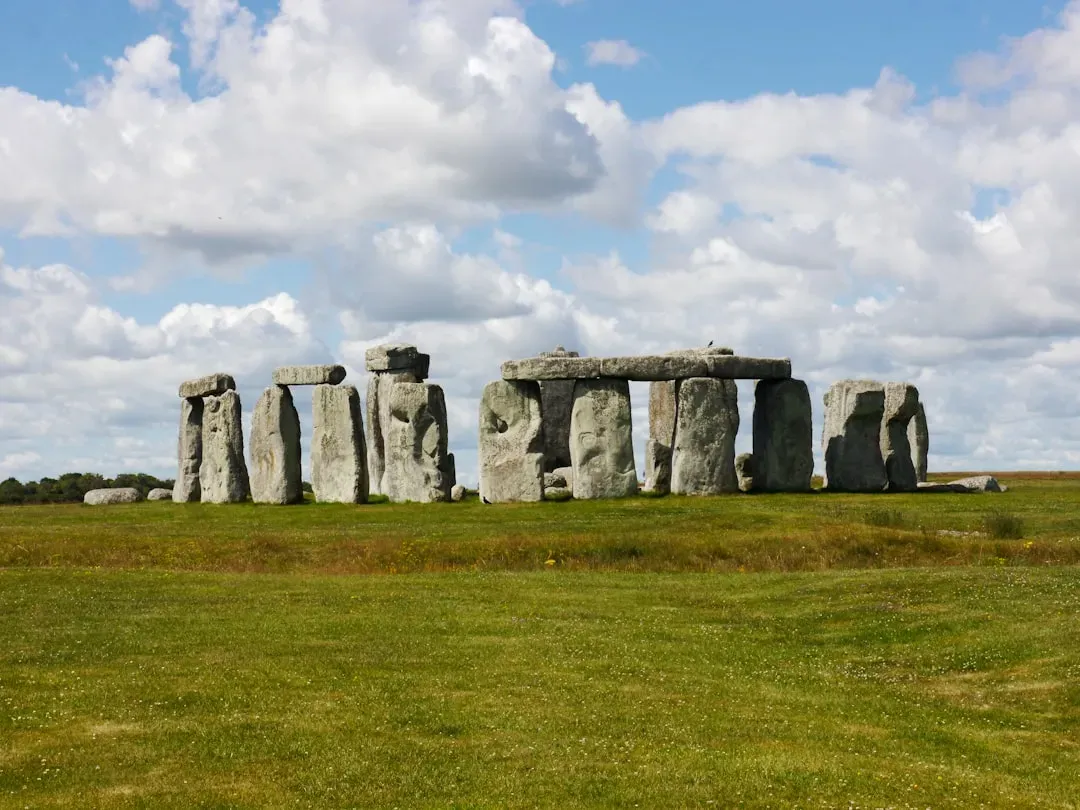
The area is named after Stonehenge in England, although there is no evidence of cultural or historical connection between the two. The name was essentially a marketing choice, and a brilliant one at that. It stuck, drew tourists, and permanently linked this New Hampshire hillside to one of the most iconic ancient monuments on earth – even though the two sites are wildly different in scale and style.
The stones involved in Stonehenge are larger, up to 45 tons. The stones at Mystery Hill are smaller, with the largest being about 11 tons, and the construction is less intricate. The name of the site was officially changed to America’s Stonehenge in 1982, an allusion to the alignments of Stonehenge in England. Honestly, the name change was genius from a tourism standpoint, even if it gave archaeologists a mild headache. What the two sites do share, though, is a stubborn refusal to be fully explained, and that might be the most meaningful connection of all.
Conclusion: The Mystery That Refuses to Stay Solved
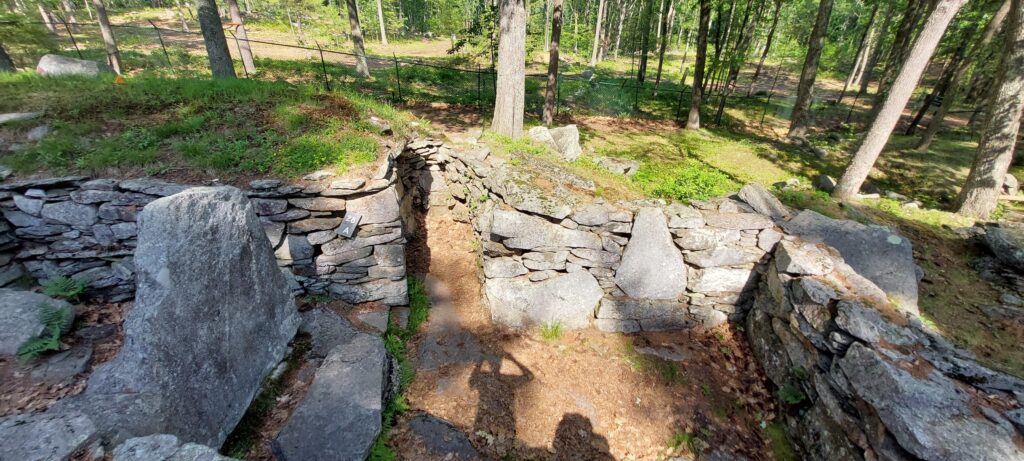
America’s Stonehenge is one of those rare places that manages to feel significant no matter which side of the debate you land on. Even if you walk away fully convinced it was built by a 19th-century shoemaker, you’re still standing among thousands of tons of carefully arranged stone on a hill that humans have occupied for at least four millennia. That’s worth something.
What we can say with confidence is that Mystery Hill represents a genuine archaeological puzzle deserving of serious study. Whether it’s evidence of ancient European visitors, a sophisticated Native American site, or an elaborate colonial-era farm, it clearly holds significance beyond its current tourist appeal. The layers of history, hoax, hope, and genuine wonder stacked on top of each other at this site make it unlike anywhere else in America.
So here’s a thought to leave you with: in a world where almost everything can be Googled in seconds, Mystery Hill still doesn’t have a clean answer. Maybe that’s not a flaw. Maybe that’s the whole point. What do you think really happened on that hill? Drop your theory in the comments.