Every so often, the ground beneath our feet gives up a secret so enormous it sends scientists scrambling back to the drawing board. You think you know where humans came from, what our ancestors were capable of, or when civilization truly began. Then a shepherd stumbles into the wrong cave. A diver reaches for a sponge and grabs history instead. A farmer’s plough hits metal that hasn’t seen daylight in two thousand years.
The truth is, our understanding of human history has been rewritten not once, not twice, but repeatedly, thanks to discoveries so jaw-dropping they felt impossible at first. Some of these finds came by accident. Others came after decades of obsessive searching. All of them changed everything. Curious yet? Let’s dive in.
Göbekli Tepe: The Temple That Broke the Rulebook
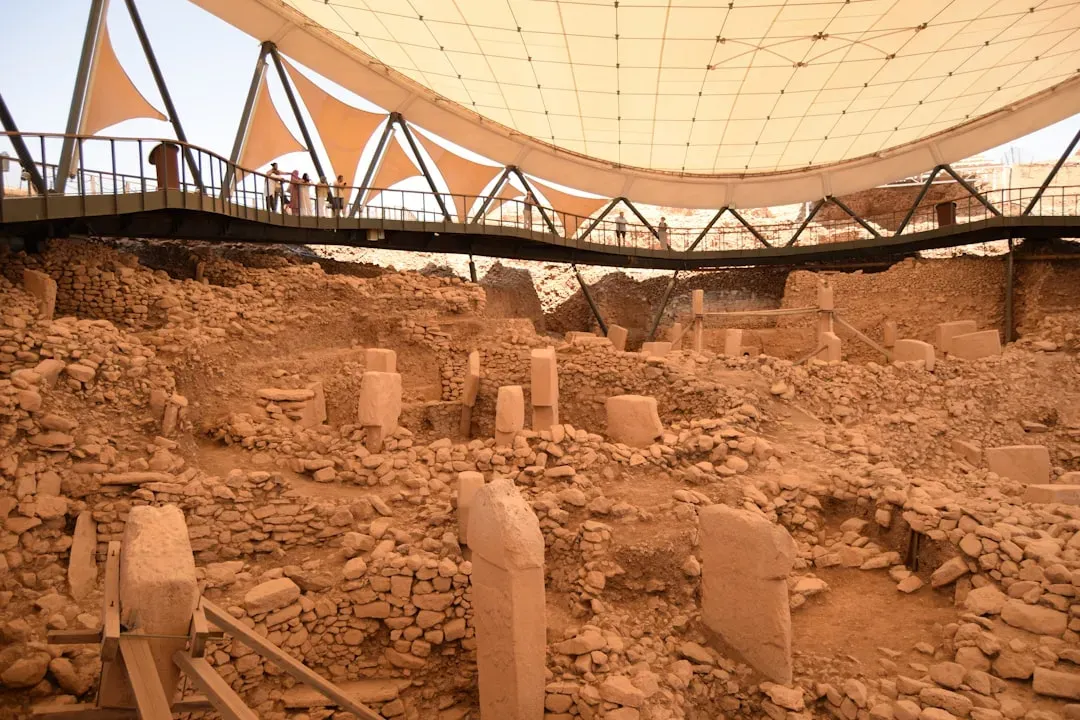
Here’s a fact that still blows minds, even in 2026. More than 11,000 years ago, hunter-gatherers built a monumental stone complex thought to be the world’s first temple, known as Göbekli Tepe, perched on a mountain ridge in Upper Mesopotamia in what is now southeastern Turkey. That’s not just old. That’s older than the wheel, older than writing, older than farming as we know it.
This sophisticated complex of stone circles, decorated with intricate animal carvings, challenges conventional theories about the development of human civilization, and its existence suggests that hunter-gatherer societies were capable of creating monumental structures before the advent of agriculture. Think about what that really means: your textbook’s entire “first comes farming, then comes civilization” timeline? Completely flipped on its head. Ritual and religion, it seemed, launched the Neolithic Revolution, not the other way around.
Researchers consider the columns, which stand up to 18 feet tall and weigh as much as 50 tons each, to be architectural marvels. The sheer scale of it is almost incomprehensible. To date, geophysical surveys have identified at least 20 enclosures across the mound, though only a handful have been excavated, with less than 5% of the site unearthed, meaning whatever has been found is only a fraction of what remains buried.
The Dead Sea Scrolls: Hidden Words That Shook Two Religions
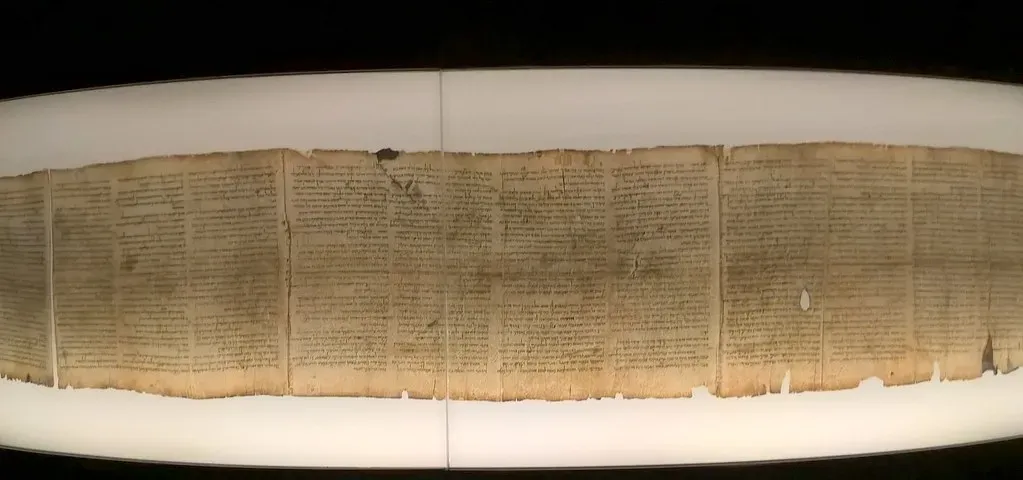
Accidentally discovered by a Bedouin shepherd in 1947, the Dead Sea Scrolls are a collection of ancient Jewish texts found in caves near the Dead Sea. Honestly, the sheer randomness of how they were found makes the whole thing feel like something out of a movie. A shepherd, a cave, and a chance throw of a rock changed the course of religious scholarship forever.
The Dead Sea Scrolls are a collection of 800 manuscripts found in 11 caves just 2 km inland from the Dead Sea, and the texts are some of the earliest known Hebrew biblical documents, dating over a 700-year period before the birth of Jesus Christ. The implications were staggering. The discovery provided invaluable insights into the development of Judaism, the origins of Christianity, and the ancient world in general. Two of the world’s major religions had to reckon with entirely new textual evidence, some of it deeply surprising.
The Rosetta Stone: The Key That Unlocked an Empire
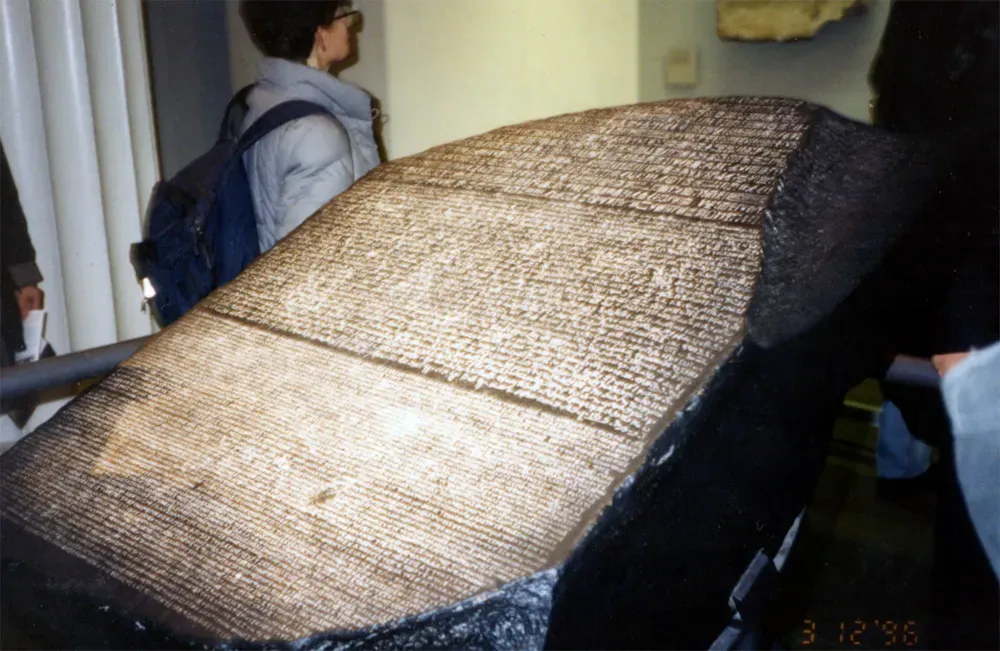
Discovered in 1799 by a French soldier during Napoleon’s Egyptian campaign, the Rosetta Stone proved to be the key to deciphering ancient Egyptian hieroglyphs, and this remarkable artifact features a decree issued in 196 BC, inscribed in three scripts: hieroglyphic, demotic, and ancient Greek. Before this slab of granodiorite turned up, thousands of years of Egyptian history sat locked behind symbols no living person could read. Imagine an entire civilization going silent because you’ve lost the password.
Because scholars at the time still knew how to read Ancient Greek, and the three decrees were nearly identical, the stone became the key to deciphering the unknown hieroglyphic script, allowing us to read much of the writing left behind by the ancient Egyptian dynasties. It’s a bit like finding the instruction manual for a machine that’s been running for centuries without anyone knowing how to operate it properly. We can now translate almost any artifact with Ancient Egyptian hieroglyphs thanks to the discovery of the Rosetta Stone.
Lucy: The 3.2 Million-Year-Old Ancestor Who Changed Everything
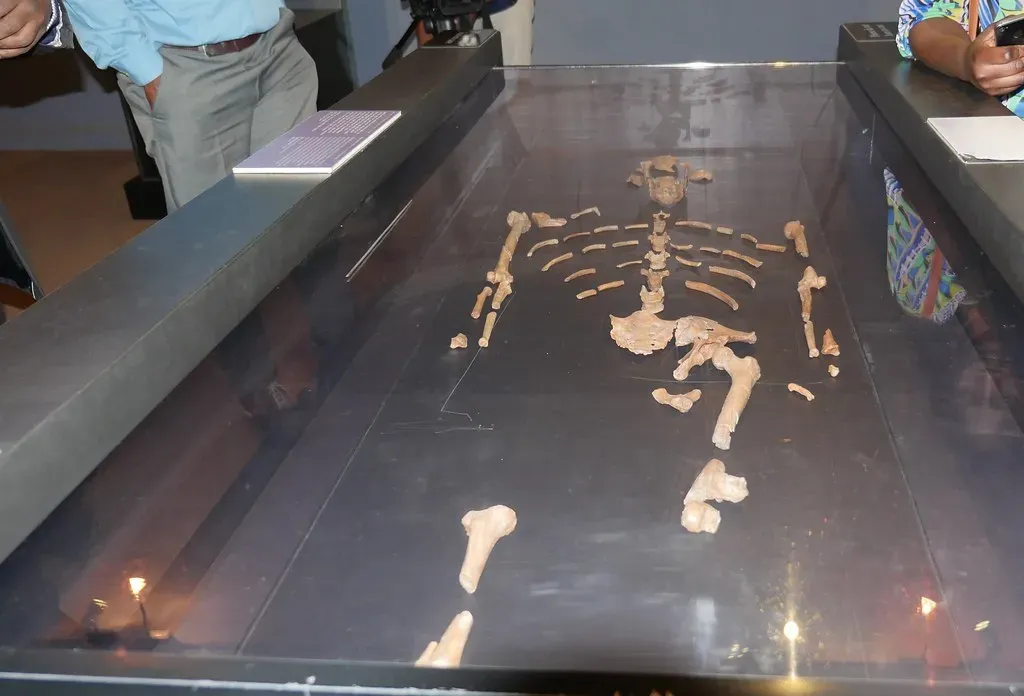
On November 24, 1974, paleoanthropologist Donald Johanson was looking for something very specific in the gravel-strewn landscape of northeastern Ethiopia, and a year earlier, Johanson and a colleague had made a thrilling discovery in the very same region: a perfectly preserved knee joint from an ancient human that walked those hills 3.4 million years ago, which was nearly a million years older than the oldest known human fossil at the time. That kind of discovery makes you dizzy just thinking about it.
In 1978, after carefully comparing Lucy and the First Family with the recovered remains of other ancient humans, Johanson’s team claimed with confidence that Lucy and the other Ethiopian fossils represented a previously unknown species of human, named Australopithecus afarensis after the Afar region of Ethiopia. A half century later, Lucy remains one of the most iconic finds, offering clues to solving the mystery of human origins. She walked upright, she had both humanlike and apelike traits, and she forced scientists to completely redraw the human family tree.
The Antikythera Mechanism: A Computer 2,000 Years Ahead of Its Time
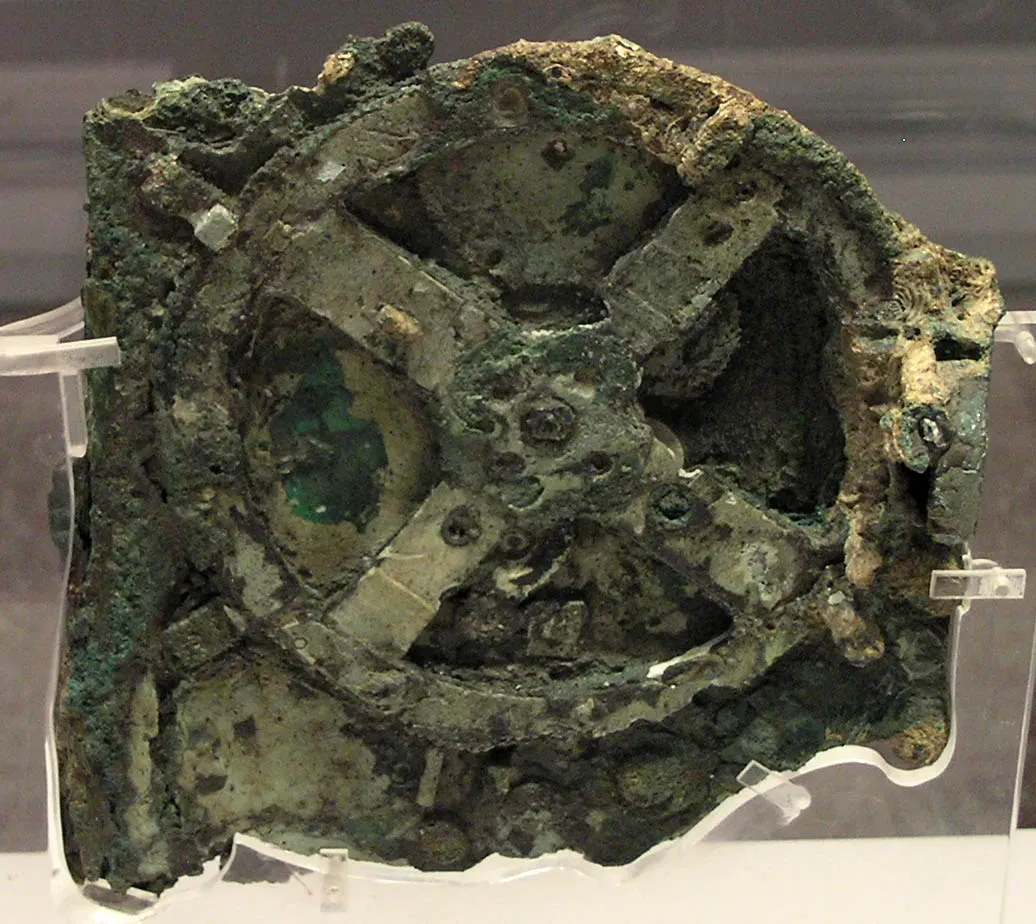
I think this one might be the most astonishing discovery on this entire list. Full stop. The Antikythera mechanism, dated to the late 2nd century to early 1st century BCE, is understood as the world’s first analog computer, created to accurately calculate the position of the sun, moon, and planets. It was found on the wreck of an ancient Greek trading vessel. Nobody expected it. Nobody could quite believe it.
Built roughly 2,100 years ago, its complex system of interlocking bronze precision gears charted the movements of the planets, sun and moon, and this Greek hand-powered device also predicted eclipses and tracked the moon’s phases. The sophistication is staggering. No other geared mechanism of such complexity is known from the ancient world or indeed until medieval cathedral clocks were built a millennium later. That’s roughly a thousand years of technological history the Greeks apparently skipped ahead to, built by hand, and then somehow lost.
The Terracotta Army: Eight Thousand Guardians of a Dead Emperor
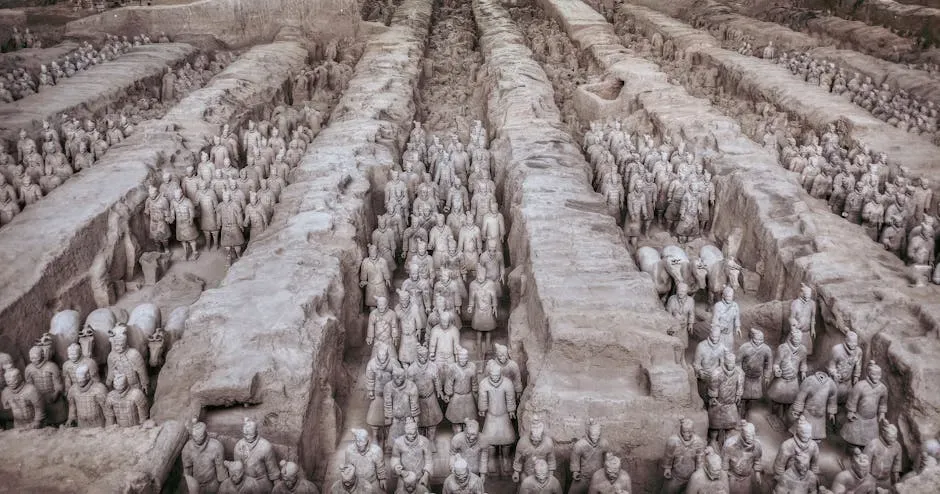
The Terracotta Army, which protects the tomb of China’s first emperor, is one of the best-known archaeological discoveries of all time, with Emperor Qin Shi surrounded by thousands of clay soldiers, each with their own facial expressions and designs, to protect him in the afterlife. It’s one thing to read about it. It’s another entirely to grasp the scale of what was actually created here, a vision of loyalty and power so extreme that an entire army was crafted in clay to serve beyond death.
Though his tomb has yet to be found, over 8,000 clay soldiers, horses, chariots, dancers, and musicians have already been unearthed. Every single figure is different. Each warrior has unique facial features, unique posture, unique armor details. This staggering tomb from around 220 to 210 BC, spreading over hundreds of acres, single-handedly awakened Western interest in Chinese history, and the opulence and grandeur of an emperor’s tomb astonished the world.
Olduvai Gorge: Where Human Origins Were Finally Proven
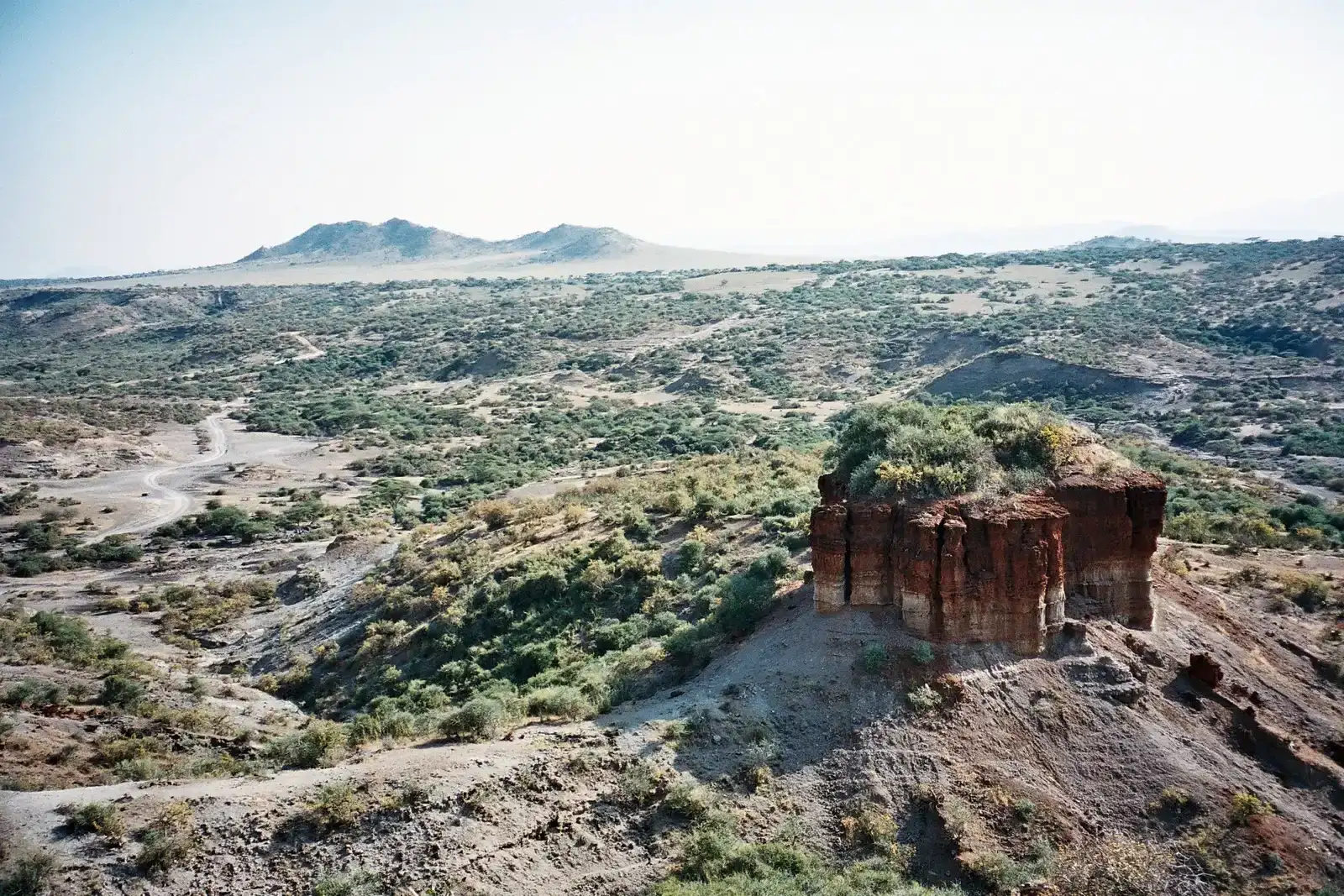
Let’s be real. Before Olduvai Gorge, the entire story of where humans came from was still genuinely up for debate. Northern Tanzania’s Olduvai Gorge is one of the most important archaeological finds ever made, and while paleontologist Mary Leakey was searching the area, she found evidence of our earliest human relatives by digging up Homo habilis, our two-million-year-old hominid ancestor. Two million years. That number is almost impossible to wrap your head around.
This 30-mile section of Tanzania’s Rift Valley is responsible for much of what we know about the evolution of hominins and the eventual existence of our species, and fossil remains found in Olduvai Gorge show that precursor human species date as far back as 1.9 million years ago, also showing how we increased in social and cognitive complexity through stone tool use and a hunter-gatherer lifestyle. Tools and animal remains found in a central area indicated developing social interaction, and these phenomena are seen in increasing fashion in the more recent remains. In short, Olduvai is where Darwin’s theory of evolution got its most powerful real-world confirmation.
Pompeii: The Frozen City That Taught Us How Ancient Romans Really Lived
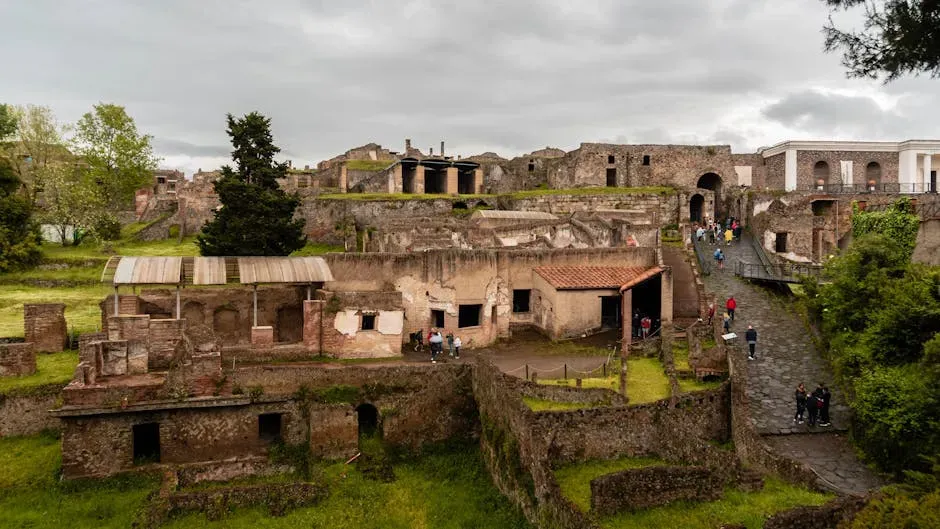
After a devastating volcanic eruption of Mount Vesuvius in 79 AD, Pompeii, an ancient Roman city, was buried under ash and pumice, and the eruption destroyed the city and killed its inhabitants, leaving us with a vast archaeological site and a hoard of Roman treasure. It is one of history’s most heartbreaking accidents, yet also one of archaeology’s greatest gifts. Tragedy and discovery locked together, inseparable.
Buried under ash means no air and moisture, so buildings, objects, and cadavers have stayed well-preserved for thousands of years, and a great deal of our knowledge of everyday life in a Roman city is owed to the very existence of Pompeii. You’re not just learning about kings and generals here. You’re finding bakeries with bread still in the oven, political graffiti on walls, heartbreaking casts of families frozen mid-embrace. Much of our history concerns kings and generals, but the lives of common people are less likely to be preserved in history books, which is why glimpses into what everyday life was like in eras gone by are always extremely valuable to archaeologists, making sites like Pompeii treasure troves of daily minutiae.
Conclusion
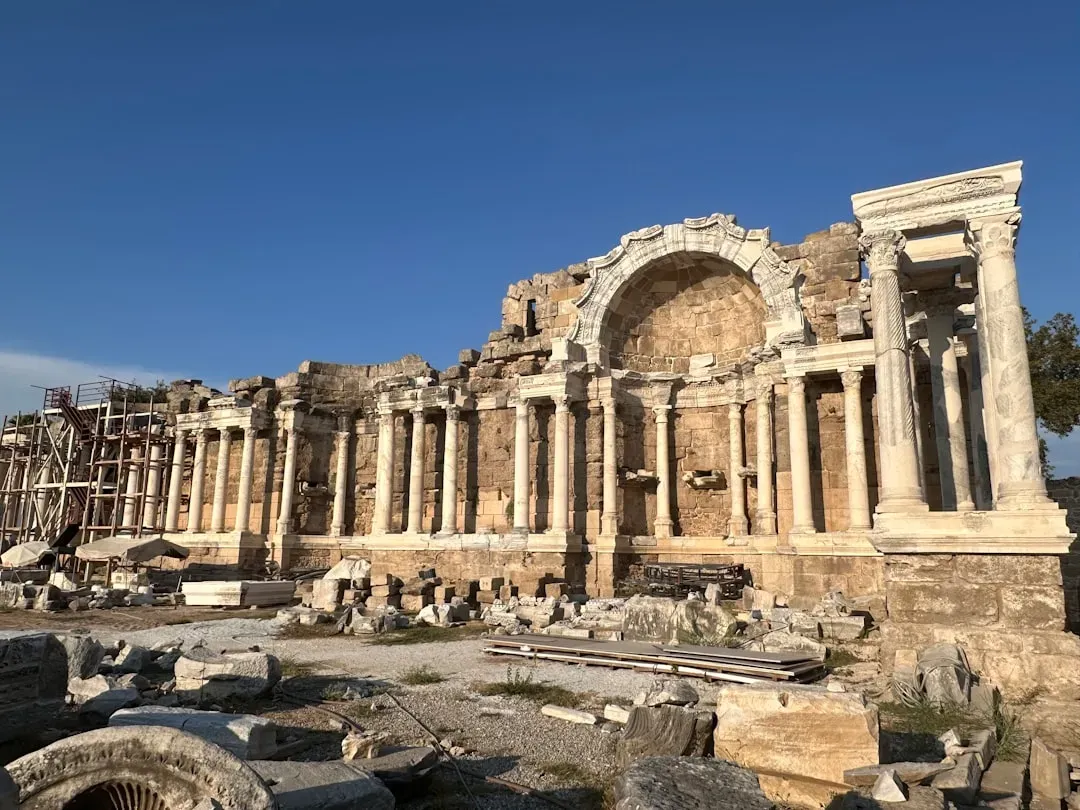
What strikes you, looking at all eight of these discoveries together, is how often the past refused to behave the way we expected it to. Hunter-gatherers built temples. Ancient Greeks engineered computers. A Roman city frozen in time turned out to be the greatest time capsule in history. A shepherd threw a rock and changed theology forever.
Every single one of these finds arrived with the same unsettling message: you thought you knew us, but you really didn’t. History is not a fixed thing. It is a living conversation between the present and an increasingly surprising past, and the ground beneath your feet is still full of secrets waiting for the right moment to surface.
The next discovery that rewrites everything could be happening right now, perhaps beneath a field somewhere, or at the bottom of the sea, or in a cave no one has thought to look inside yet. Which of these eight discoveries surprised you the most? Drop your thoughts in the comments.