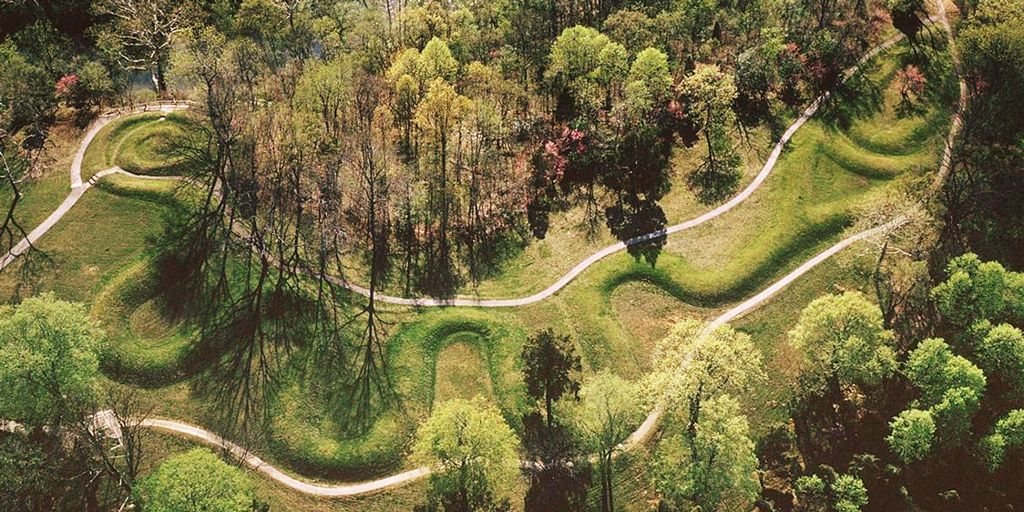
Picture a giant snake, coiled and elegant, stretched across a grassy Ohio plateau for nearly a quarter of a mile. No stone. No mortar. Just earth, clay, ash, and the extraordinary vision of an ancient people who left no written records behind. It sounds like something out of a myth, yet you can drive there today and walk along its body yourself.
Ohio’s Great Serpent Mound is one of those rare places on Earth that makes you stop mid-step and think, “How on earth did they do this?” The questions it raises have occupied archaeologists, astronomers, historians, and curious visitors for well over a century. Every time a new theory seems to settle the debate, another discovery reopens it. So if you’re ready to be surprised, let’s dive in.
It Is the Largest Serpent Effigy Mound on Earth
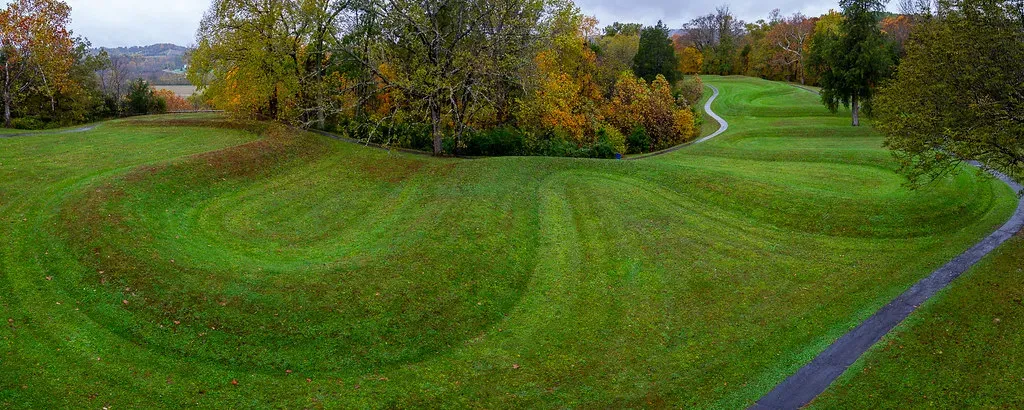
Let’s be real, when most people hear “prehistoric earthwork,” they picture a small, weathered lump in a field. The Great Serpent Mound is nothing like that. You’re looking at the world’s largest surviving effigy mound, which is a mound shaped in the form of an animal, from the entire prehistoric era. That’s not a regional title. That’s a world record held quietly in southern Ohio.
The mound resembles a giant sinuous snake with a curled tail at the west end, a head at the east end, and seven winding coils in between. In all, the snake stretches a quarter of a mile and ranges from roughly four to five feet in height and nearly twenty to twenty-five feet in width. Imagine trying to lay all of that out with no aerial view, no GPS, and no machines. The scale of ambition is honestly breathtaking.
It Sits Directly on a 300-Million-Year-Old Meteorite Crater
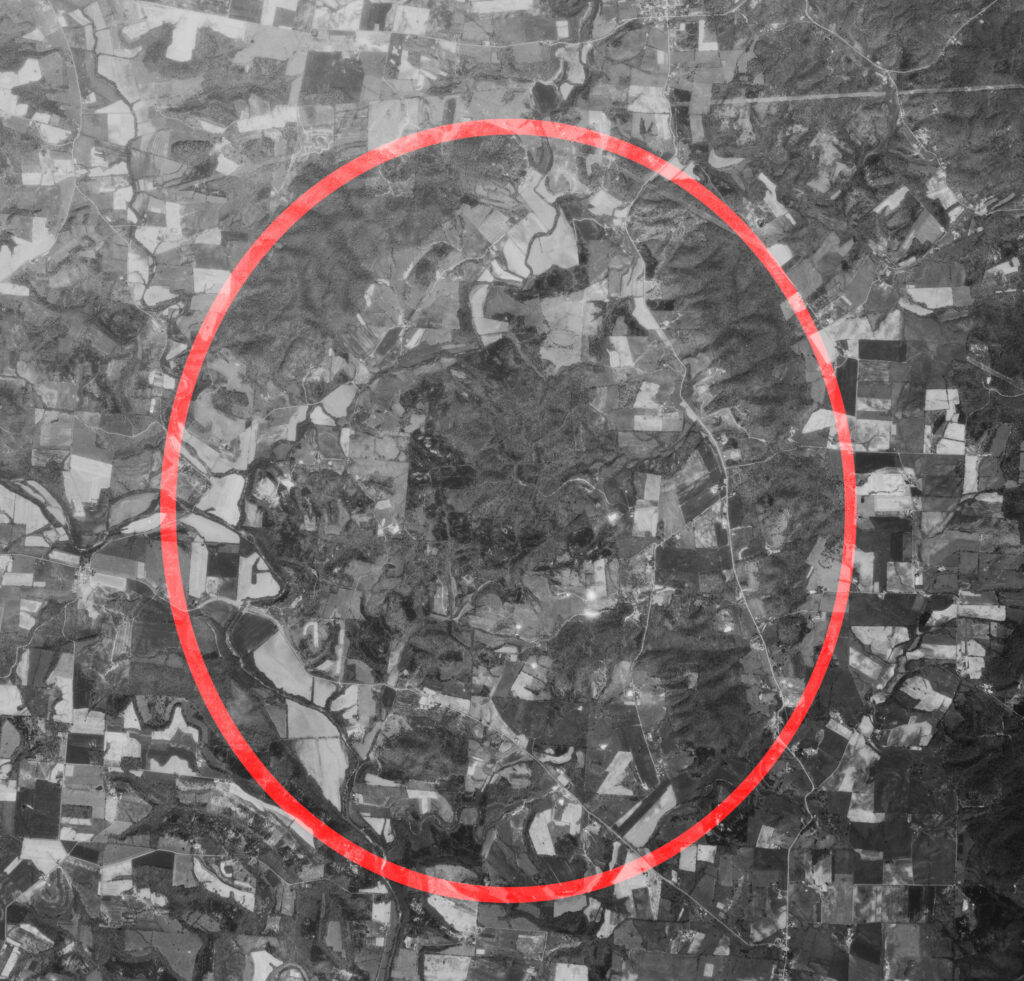
Here is where things get genuinely jaw-dropping. The land beneath the Serpent Mound is not ordinary land. The mound is located on a high plateau overlooking Ohio Brush Creek in Adams County, Ohio, about 73 miles east of Cincinnati. It sits on the site of an ancient meteor impact dating to around 300 million years ago, and the crater, measuring between five and nearly nine miles in diameter, is known as the Serpent Mound Crater.
At some time between 256 and 330 million years ago, when Ohio and North America were part of one giant supercontinent called Pangaea, a giant asteroid or comet struck southern Ohio. The projectile punched a hole in the ground five to nine miles wide and devastated most life within a radius of 58 square miles. Whether the ancient builders knew they were constructing on top of a cosmic scar is a mystery. Yet the fact that they chose this very spot, of all places, is hard to dismiss as coincidence.
The Dating of the Mound Is One of Archaeology’s Great Debates
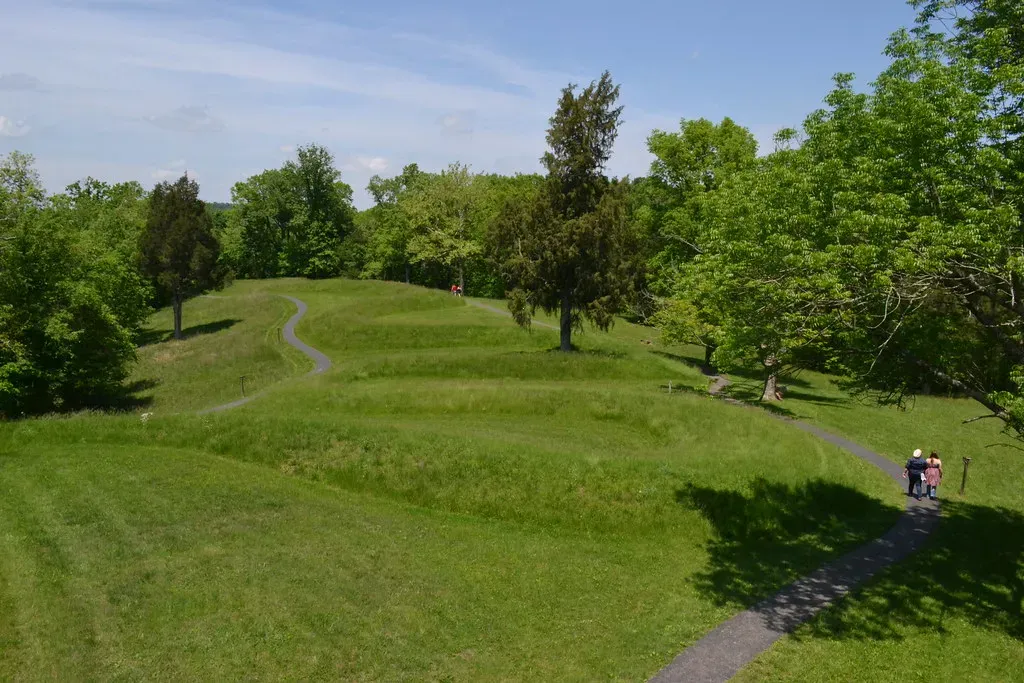
You might think that after over a century of study, we’d know exactly when this thing was built. We don’t. Not definitively, anyway. Based mainly on circumstantial evidence, researchers long held that Serpent Mound was constructed two to three thousand years ago during the Early Woodland or Middle Woodland periods. That gave it serious ancient credentials.
Bayesian statistical analyses of multiple carbon-14 ages from the mound suggest it was first constructed around 2,300 years ago during the Early Woodland Adena period but was renovated roughly 1,400 years later during the Late Prehistoric Fort Ancient period, probably to repair eroded portions of the mound. So the honest answer is that it’s complicated. It’s hard to say for sure, but the most credible current view is that you’re looking at a structure with a long, layered history spanning more than one ancient culture.
Two Cultures, One Sacred Site
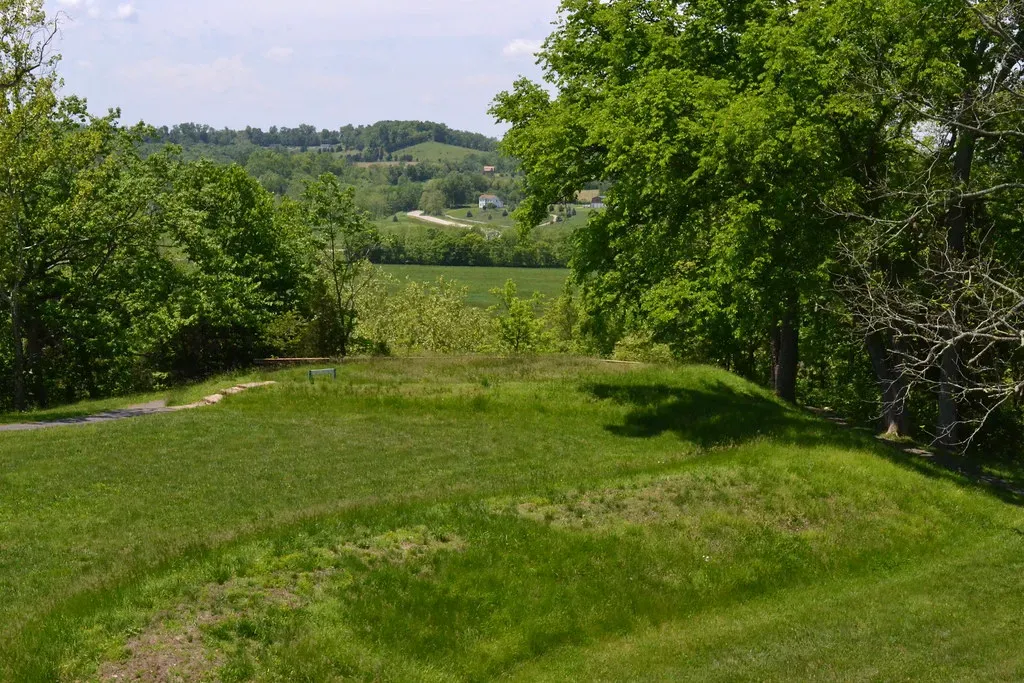
So who actually built it? This question has split archaeologists for decades. Dating of the site has been problematic, as it was first attributed to the Native American Adena culture, but later excavations strongly suggested it was built by the Fort Ancient culture and, most likely, around 1070 CE. Both cultures left their marks on the surrounding landscape, which makes untangling the story genuinely difficult.
The debate on the mound’s builders continues, but the most reasonable conclusion is that it was started by one culture and completed by the other. Artifacts recovered from Fort Ancient sites suggest a belief in an afterlife, higher powers, and the potency of images of totemic animals. A sacred site passed between generations, rebuilt, honored, and shaped over centuries. In a way, that’s even more fascinating than a single builder working in isolation.
The Mound Aligns With the Sun and Possibly the Moon
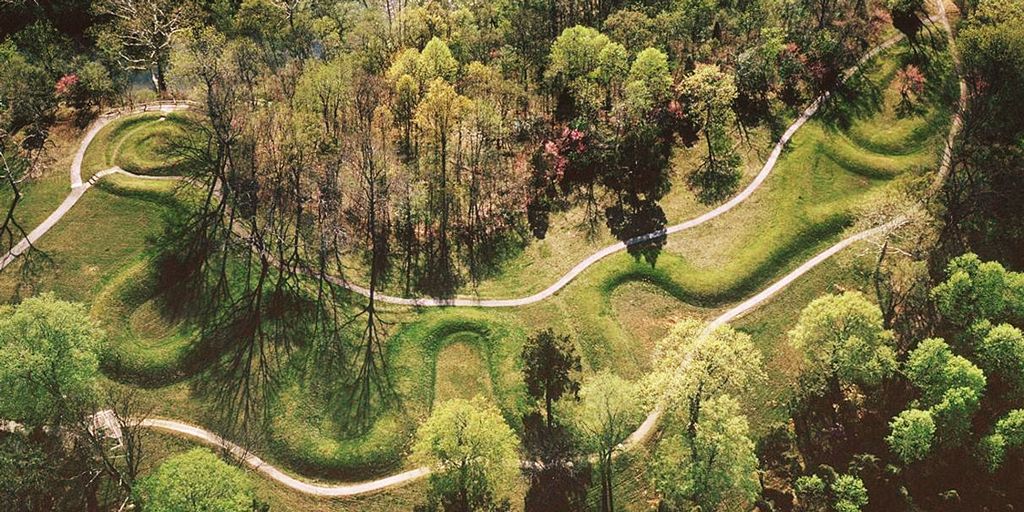
Here’s where the Great Serpent Mound starts to feel less like a burial site and more like an ancient observatory. The serpent’s head is aligned with the setting sun on the summer solstice, when the days are longest and the light lingers. Its coils appear to correspond to the positions of the sun during the solstices and equinoxes, and perhaps even to the extreme points of the moon’s 18.6-year cycle. That’s not random. That’s precision.
The three eastern-facing curves of the snake’s body line up with the sunrise on the equinoxes, and the serpent’s tail coils align with the winter solstice. Think of it like a stone calendar, only made of earth instead of rock. The head of the serpent aligns with the summer solstice sunset while the tail points to the winter solstice sunrise, suggesting ancient peoples may have used the structure to mark time or seasons. For farming communities, knowing when seasons shift is literally a matter of survival.
The Construction Technique Was Remarkably Sophisticated
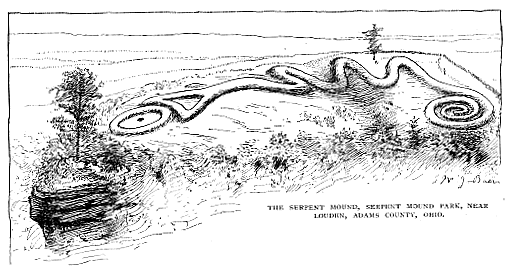
You don’t accidentally build a quarter-mile-long snake with seven perfect coils. We know that the design was laid out all at once, with a layer of clay and ash, and reinforced with stones. That implies planning. Real, careful, coordinated planning. Think of it the way a modern architect drafts blueprints before a single brick is laid, except these builders had no paper, no computers, and no view from above.
Yellowish clay and ash make up the main constituents of the mound, with a layer of rocks and soil reinforcing the outer layer. The mound winds back and forth for more than eight hundred feet, with its tail coiling in seven areas throughout the mound, and features a triple-coiled tail at the end of the structure. What’s remarkable is that this wasn’t just piling dirt. It was sculpted, intentionally, by people who clearly understood shape, symmetry, and landscape in a way that still commands respect today.
It Contains No Burials or Artifacts Inside the Mound Itself
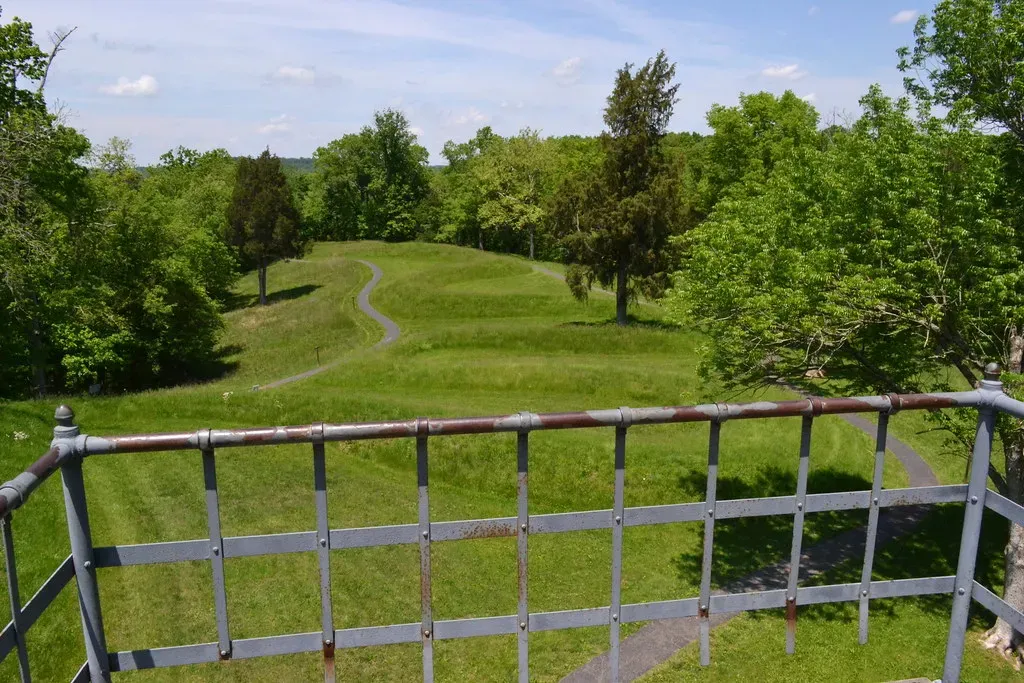
One of the strangest and most tantalizing facts about Serpent Mound is what is not inside it. Unlike burial mounds or geometric earthworks common throughout the Ohio Valley, the Serpent Mound is purely effigial. It does not cover graves or house artifacts the way other mounds often do. Its purpose was symbolic, ritualistic, and perhaps cosmological. That’s what makes it so hard to interpret.
Graves and burial mounds near the site suggest Serpent Mound’s builders may have constructed the structure for some kind of important burial or mortuary function, such as to guide spirits. The mound itself, however, doesn’t contain any graves or artifacts. So what was it for? Serpent Mound may have had a spiritual purpose, given that many native cultures in North and Central America revered snakes, attributing supernatural powers to the slithering reptiles. It is, honestly, one of the most enduring mysteries in American archaeology.
The Mound Earned a Place Among the World’s Greatest Wonders
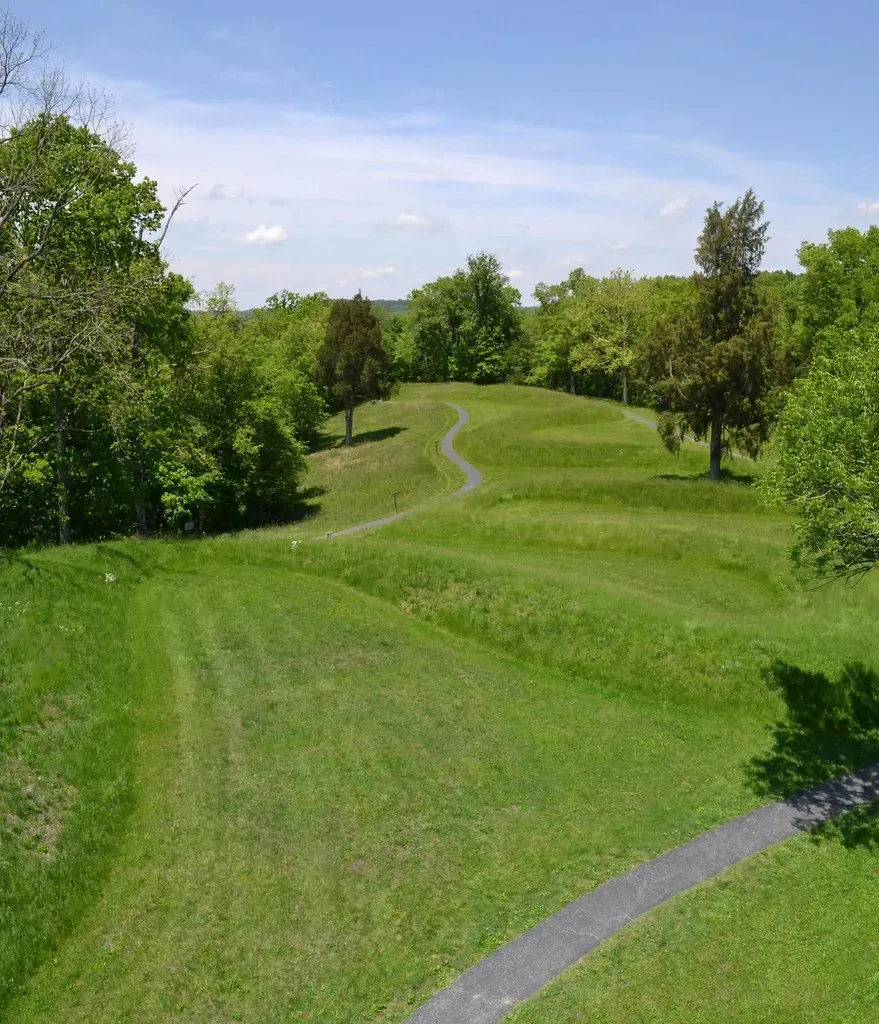
If you needed more proof that the wider world has finally caught up to what Ohio’s ancient people created, look no further than its recognition record. The Serpent Mound is listed as a “Great Wonder of the Ancient World” by National Geographic Magazine. That places it alongside structures that draw millions of global visitors every year. Not bad for a grassy ridge in Adams County.
In 2008, Serpent Mound and eight other Ohio American Indian earthworks were selected by the United States Department of the Interior for inclusion on the United States’ Tentative List of sites to be submitted to UNESCO for inscription on the prestigious World Heritage List. If it is eventually inscribed on the World Heritage List, Serpent Mound will join the ranks of the Pyramids of Egypt, the Great Wall of China, Pompeii, Stonehenge, and the Taj Mahal, all of which are World Heritage sites. When you stand beside it, you start to feel that recognition is long overdue.
Conclusion
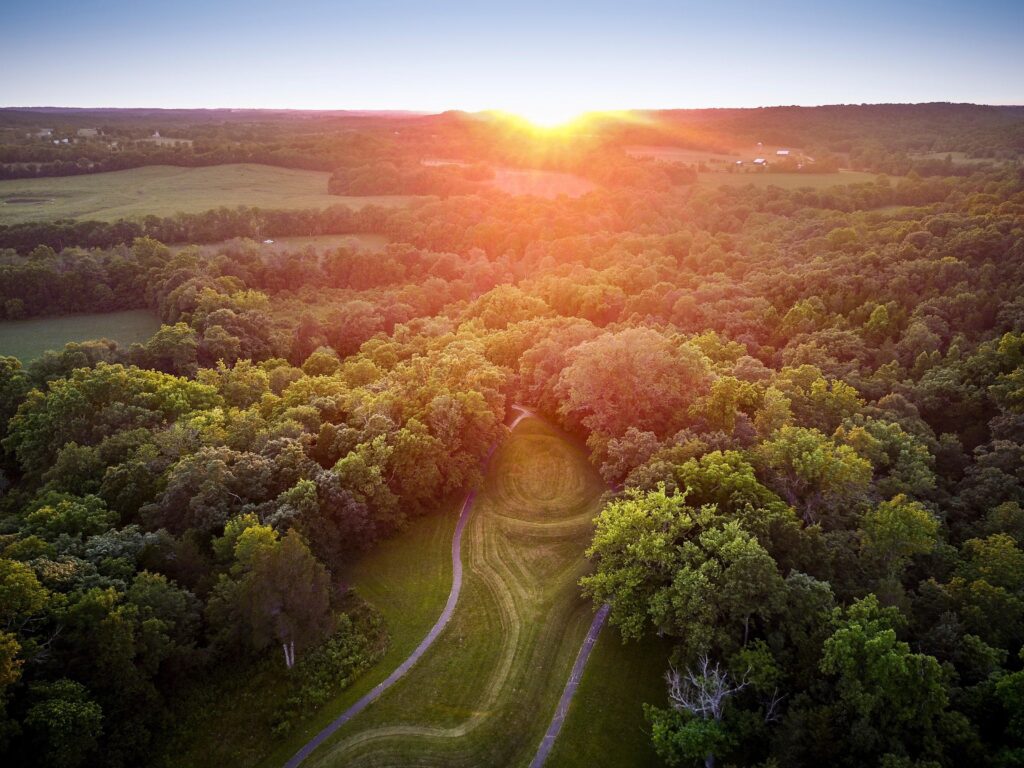
Ohio’s Great Serpent Mound is not just a pile of old dirt. It is a testament to the intelligence, vision, and spiritual depth of the people who shaped this landscape long before modern civilization had a name for Ohio. It aligns with the sun. It rests on a meteorite crater. It contains no bones, no gold, no artifacts, and yet it says more about human ambition and belief than many structures ten times its size.
Every time researchers think they have it figured out, the mound reveals another layer of mystery. That, perhaps, is its greatest achievement. Something built thousands of years ago still has the power to make us argue, wonder, and look up at the sky with fresh eyes.
If you have never visited, go. Stand along its winding body at dusk during the summer solstice, watch the setting sun line up with the serpent’s open head, and ask yourself: what would you have thought if you had witnessed that moment two thousand years ago?