Imagine standing on a dusty hilltop in southeastern Turkey, staring at massive carved stone pillars that were already ancient when the Egyptian pyramids were just a distant dream. That’s exactly what Göbekli Tepe offers – a window into a past so remote it makes your head spin. This remarkable site has shaken archaeology to its core, forcing experts to completely rethink what we thought we knew about early human civilization.
There’s something genuinely thrilling about a place that defies every neat little timeline we’ve constructed about human history. You’re about to discover eight facts about Göbekli Tepe that are as surprising as they are profound. Let’s dive in.
It Is Staggeringly Older Than Stonehenge and the Pyramids
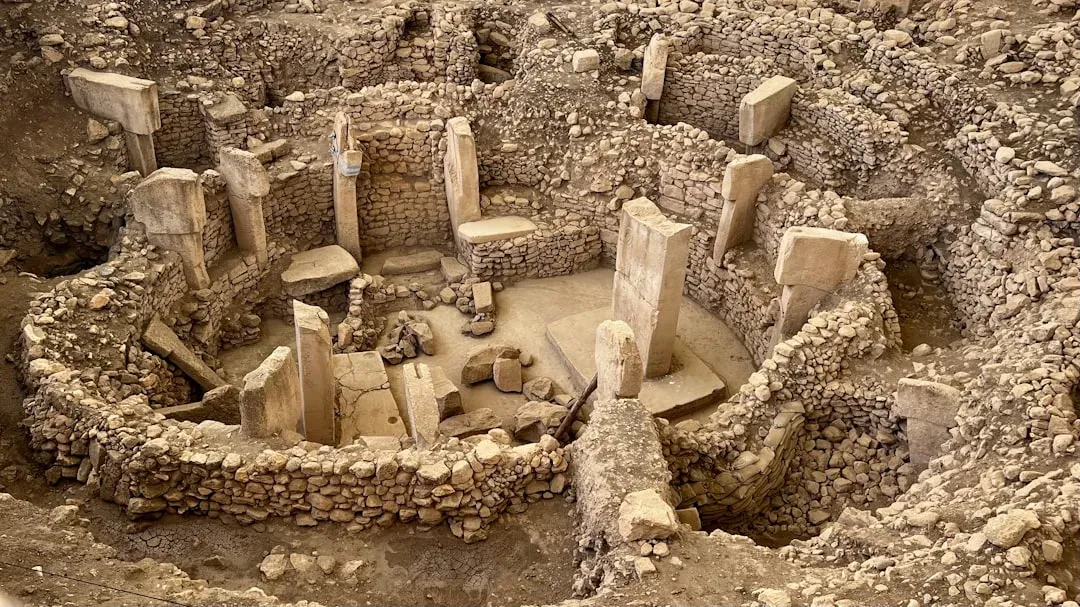
Here’s a fact that honestly never gets old: radiocarbon dating has revealed that Göbekli Tepe was built around 9600 BCE, making it over 11,000 years old. That number alone is enough to stop you in your tracks. For context, the Great Pyramid of Giza dates to roughly 2560 BCE. Göbekli Tepe was already thousands of years old by then.
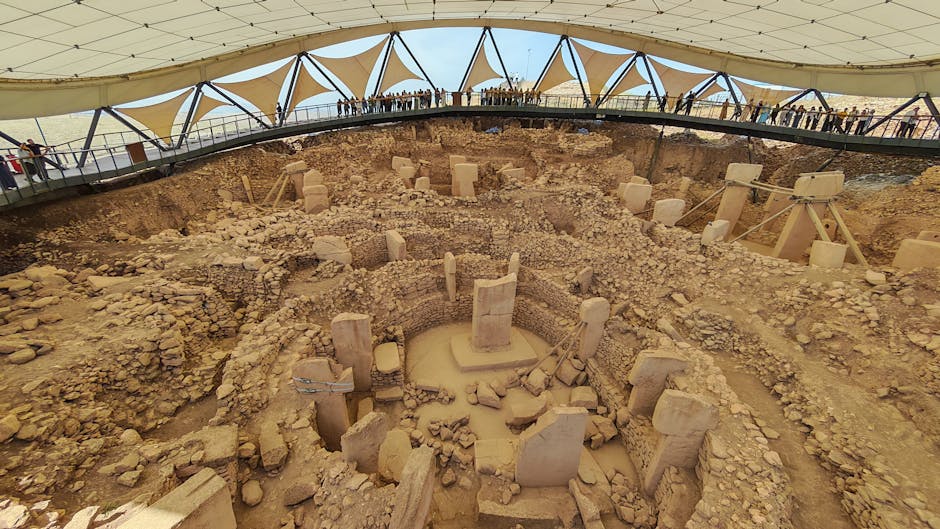
The Neolithic site is two times older than Stonehenge and contains a series of elaborate circular enclosures constructed of massive T-shaped limestone columns. Think about that like a family tree – if Stonehenge were your grandparent, Göbekli Tepe would be something closer to a great-great-great-great-great-great-great-grandparent. It’s almost unfathomable.
It Was Nearly Dismissed as a Medieval Cemetery
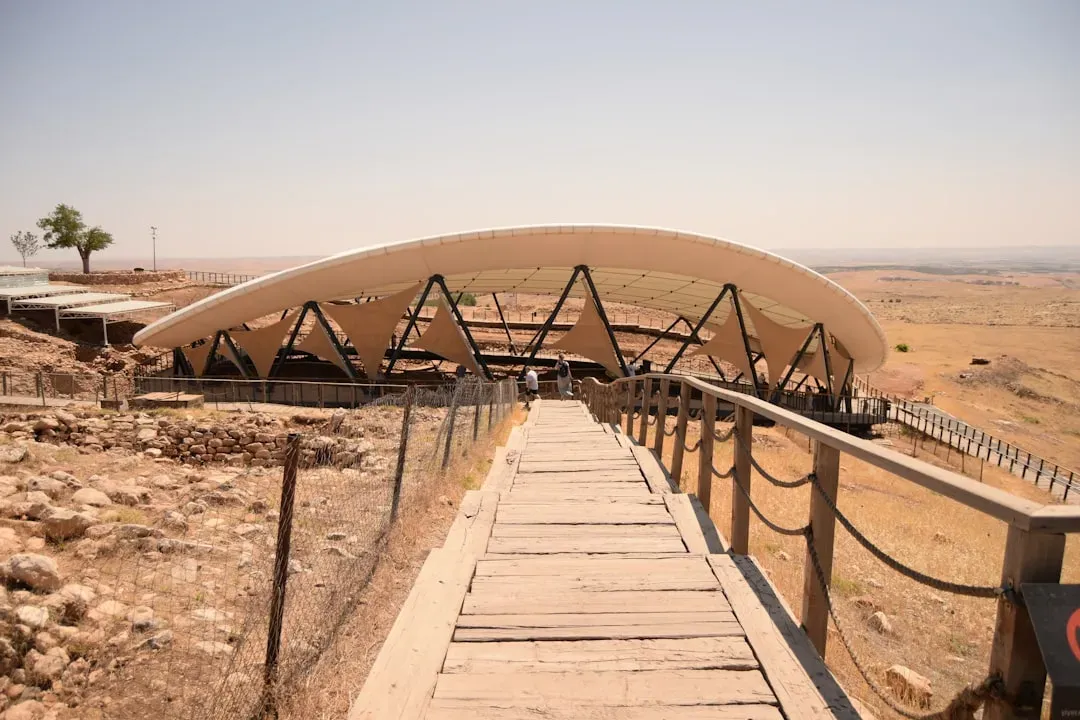
Göbekli Tepe, which predates Stonehenge by some 6,000 years, was first investigated in the 1960s but was dismissed as a medieval cemetery. It was explored again in the 1990s, when its true age was revealed by comparing remnants of tools discovered at the site with those that had been carbon-dated from nearby sites. It’s a bit humbling, isn’t it? One of the most extraordinary archaeological finds in human history was nearly written off as unremarkable rubble.
Göbekli Tepe was discovered by a team of American and Turkish surveyors in the 1960s, but their discovery of limestone slabs and flint artifacts wasn’t recognized for what it was until 1994, when a German archaeologist named Klaus Schmidt stepped in and realized its significance. Schmidt’s instinct to look closer, rather than move on, changed archaeology forever. It’s a reminder that sometimes the most important discoveries are hiding in plain sight.
Hunter-Gatherers Built It – Without Metal Tools or Pottery
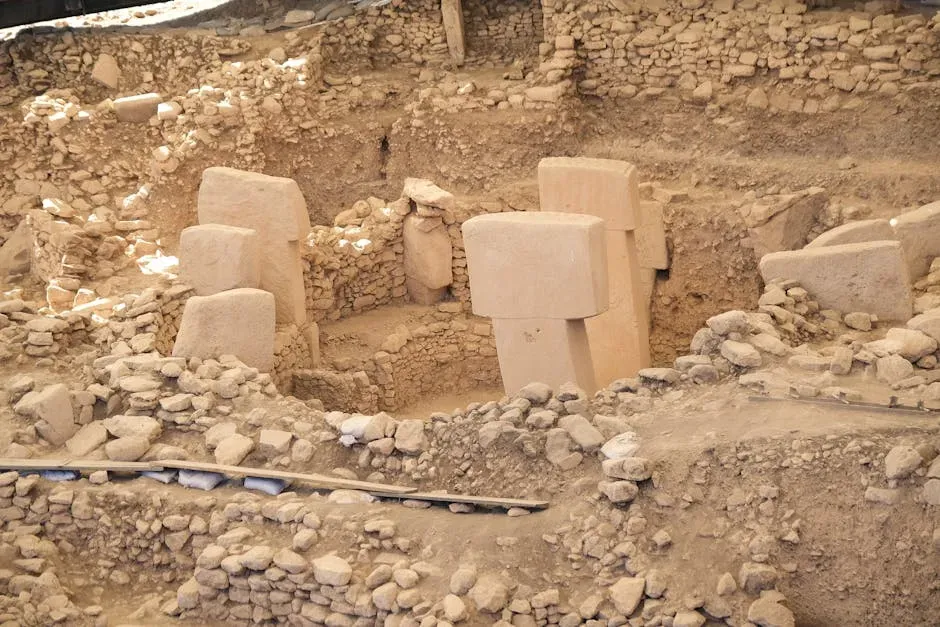
The many examples of sculptures and megalithic architecture which make up what is perhaps the world’s earliest temple at Göbekli Tepe predate pottery, metallurgy, the invention of writing, the wheel and the beginning of agriculture. Let that sink in. No wheels. No metal. No written plans or blueprints. Yet somehow, an incredibly complex monumental structure was erected with breathtaking precision.
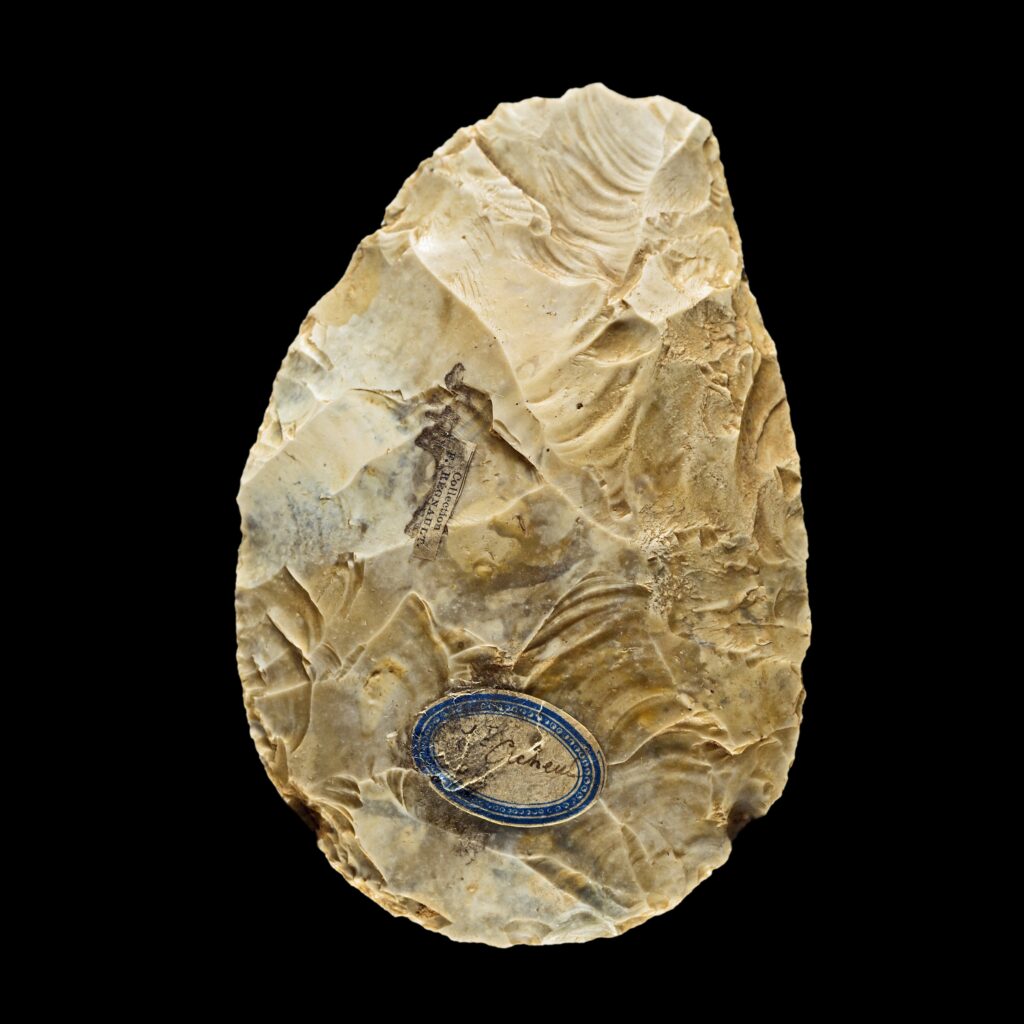
Researchers consider the columns, which stand up to 18 feet tall and weigh as much as 50 tons each, to be architectural marvels. The structures were completed with only the tools available at the time, such as stone hammers and flint blades – which researchers have found strewn about the site during subsequent excavations. It’s the ancient world equivalent of building a skyscraper with garden tools. The sheer ambition of it is staggering.
The Pillars Feature Intricate and Mysterious Carvings
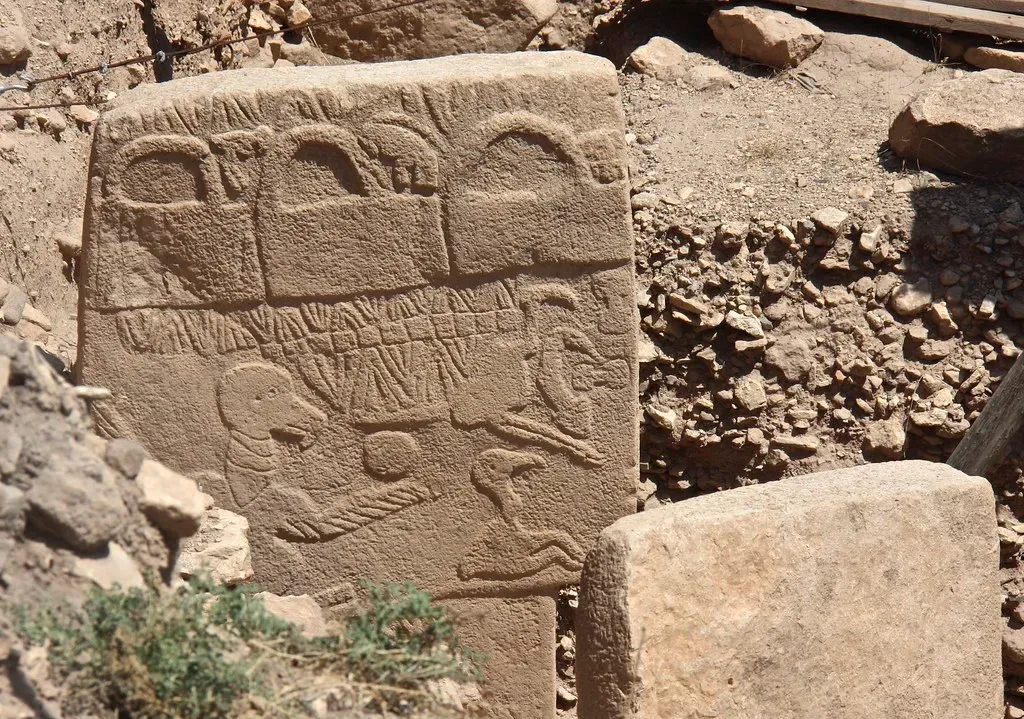
Many of the pillars are decorated with abstract, enigmatic pictograms and carved animal reliefs. The pictograms may represent commonly understood sacred symbols, as known from Neolithic cave paintings elsewhere. The reliefs depict mammals such as lions, bulls, boars, foxes, gazelle, and donkeys; snakes and other reptiles; arthropods such as insects and arachnids; and birds, particularly vultures. What’s fascinating is that these weren’t random doodles. These were deliberate, carefully executed works of art carved into massive stone slabs.
Some of the massive monoliths are carved with stylized anthropomorphic details – including arms, legs and clothing – that give the impression of large super-human beings watching over the enclosures. Think of them as ancient guardians frozen in stone. In addition to game animals like gazelles and boars, the pillars depict foxes, snakes, lions, birds like cranes and vultures, as well as spiders and scorpions – in fact, the pictographs seem to be dominated by animals that wouldn’t have been particularly good to eat. This detail alone suggests the carvings carried deep symbolic or spiritual weight.
It May Have Flipped Our Understanding of Civilization Upside Down
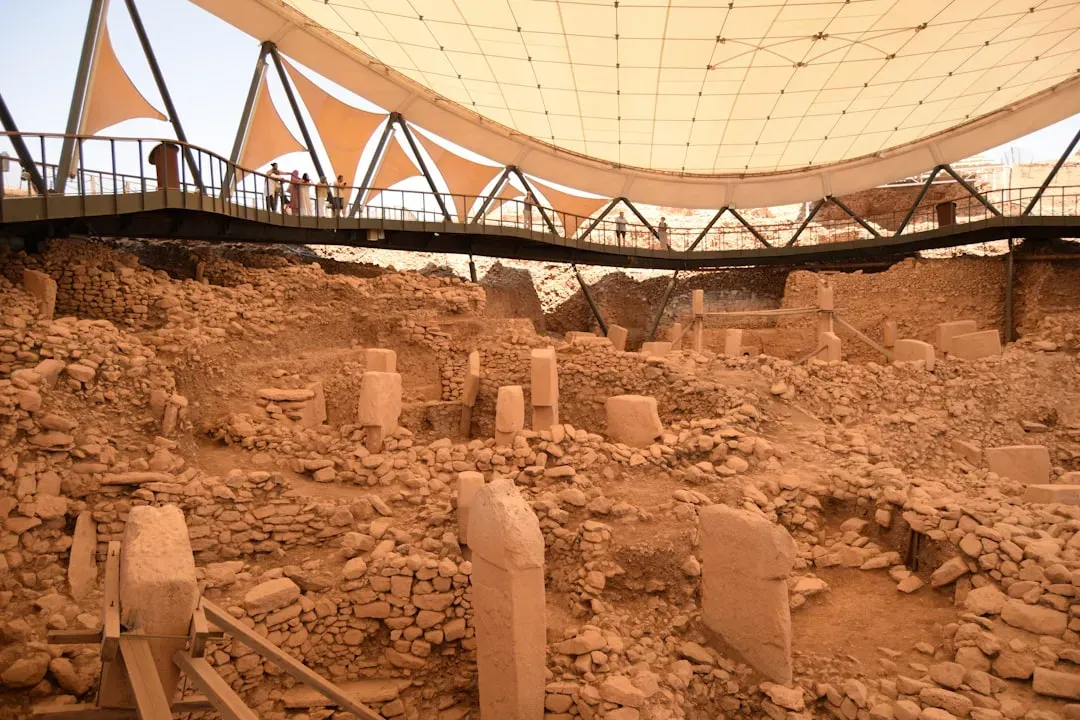
Until recently, scholars agreed that agriculture and human settlement in villages gave rise to religious practices. The discoveries at the Göbekli Tepe ruins, however, indicate that earlier hunter-gatherer groups that had not yet settled down had already developed complex religious ideas, together with monumental ceremonial sites to practice sacred communal rituals. This is one of the most disruptive ideas in modern archaeology. The old model said: farm first, then build temples. Göbekli Tepe says the opposite may be true.
Klaus Schmidt, a German archaeologist who led excavations at the site, argued before he died in 2014 that it might have worked the other way around: the vast labor force needed to build the enclosures pushed people to develop agriculture as a way of providing predictable food – and perhaps drink – for workers. So in a very real sense, you might be looking at the site where organized religion and, ultimately, civilization itself were born. It’s hard to overstate how radical that idea really is.
It Was Likely a Sacred Gathering Place, Not a Home
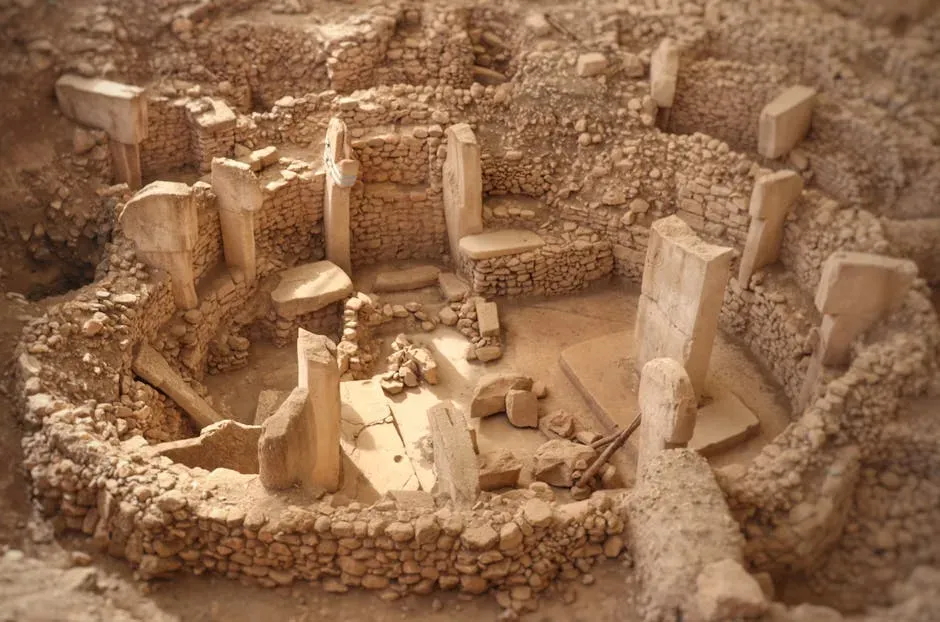
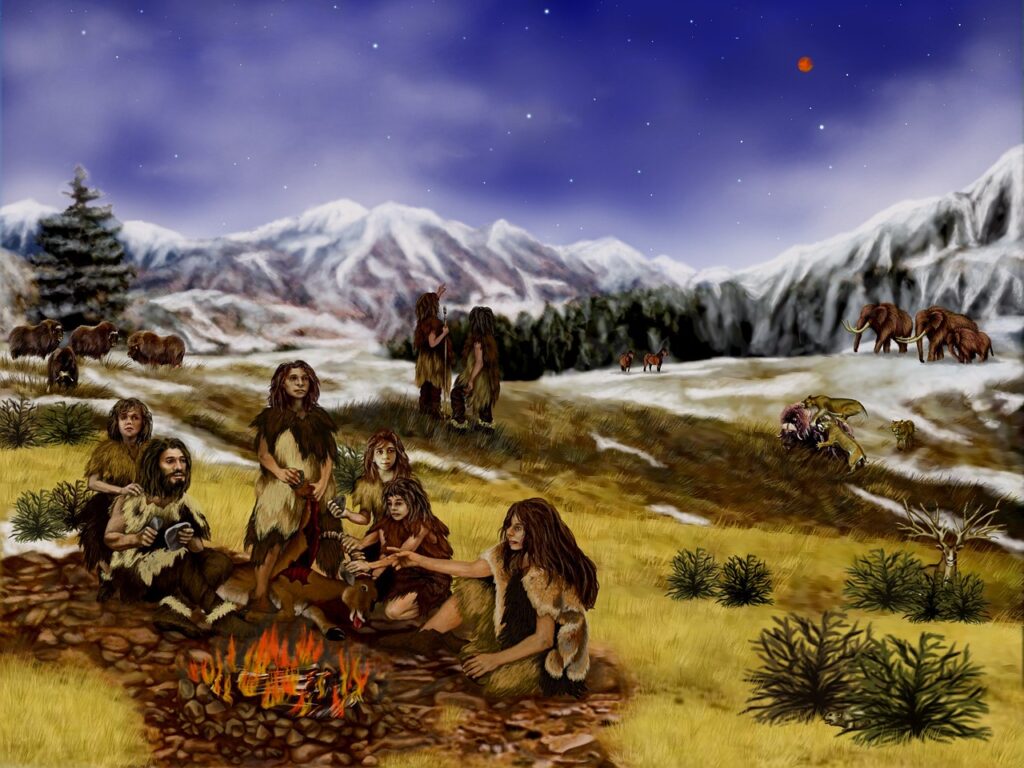
The remains of undomesticated plant material and tens of thousands of wild animal bones – chiefly gazelle bones – have been uncovered there, but the lack of trash pits, hearths, or other signals of domestic life indicates that it was most likely not a permanent settlement. Most experts instead identify it as a ritual site, one that may have attracted worshipers from great distances. Picture it like an ancient pilgrimage destination. People traveled long and hard to get there – not to live, but to gather, worship, and commune.
Smaller versions of the pillars, symbols and architecture carved into stone at Göbekli Tepe have been found in settlements up to 125 miles away. It’s as though Göbekli Tepe were a cathedral and the others local churches; hunter-gatherers might have traveled long distances to meet, worship and help build new monumental structures, sponsoring feasts to display their wealth. That comparison to a cathedral and local churches is honestly one of the most vivid ways to understand just how central this place was to the surrounding world.
Advanced Geometry Was Used in Its Construction
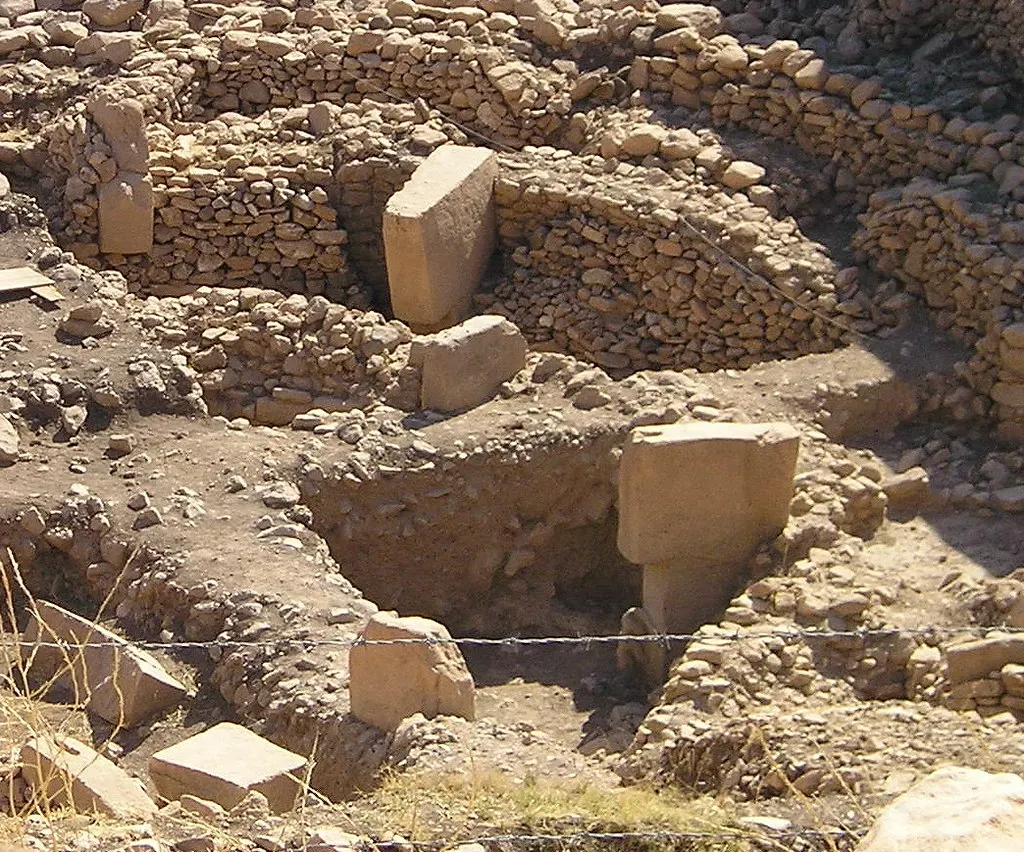
Using computer modeling, research revealed that workers relied heavily on geometry to construct the monolithic structures. Patterns soon emerged, leading researchers to conclude that the site was built as a single complex and not as individual structures added over the years. This is where it gets almost impossibly impressive. These weren’t random stone circles plonked down by chance. There was a master plan, an intentional blueprint for the entire site.
The equilateral triangle, a shape that contains three sides of equal length, was built using three T-shaped pillars that align almost perfectly – connecting three temple-like enclosures. Researchers concluded that the builders may have stretched a piece of rope to the desired shape before constructing the columns to ensure their accuracy. A stretched rope as a prehistoric measuring tool. It’s a beautifully simple solution to an enormous challenge, and it worked with stunning precision that still impresses researchers today.
Most of It Remains Buried and Unexplored
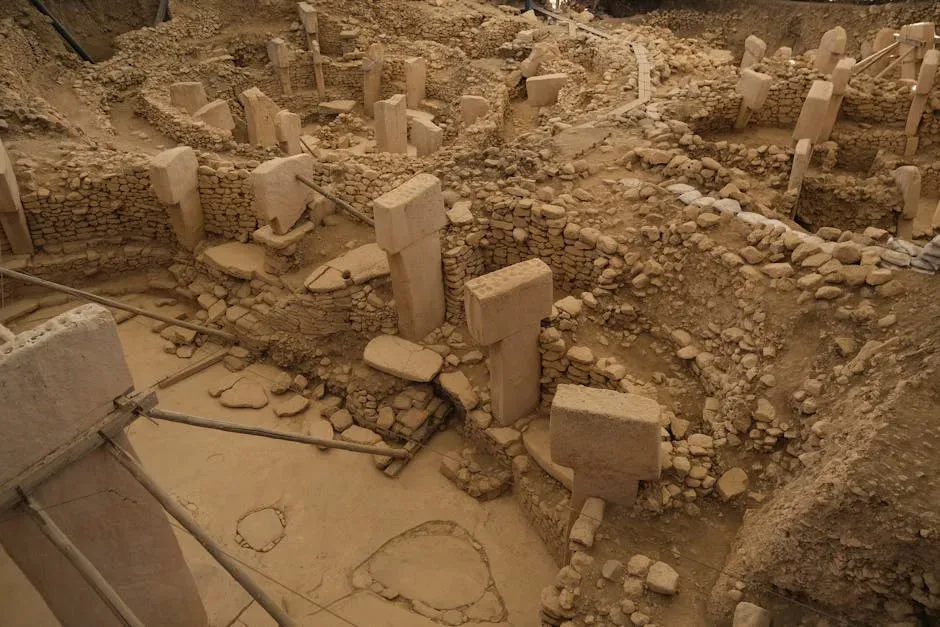
Although it appears to the casual visitor that much of the site has been excavated, what we know from surveys indicates that less than 5% of the site had been excavated as of 2021. There is therefore much more to be revealed about Göbekli Tepe. That figure is genuinely mind-bending. Everything that has already rewritten the history books – all those stunning pillars, the carvings, the circular enclosures – represents only a tiny fraction of what’s actually down there.
Excavations of the site have revealed 43 large megalithic pillars, and it is possible that up to 250 more are yet to be found. It’s hard to say for sure what future digs might uncover, but the potential is extraordinary. The site continues to be a focal point for research, with only a small percentage excavated, leaving open the possibility of further insights into the social and cultural dynamics of early human societies. In a very real sense, the most exciting chapters of the Göbekli Tepe story haven’t been written yet.
Conclusion
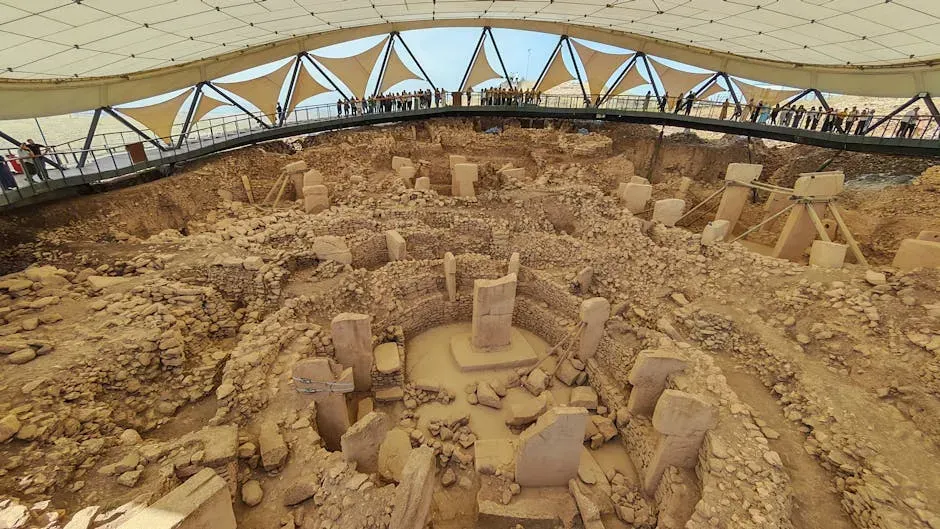
Göbekli Tepe is more than just old stones on a Turkish hilltop. It is a direct challenge to everything you thought you knew about where human ambition, spirituality, and organized society truly began. A place where prehistoric people without metal, without wheels, and without written language somehow organized themselves to build something that still leaves modern archaeologists speechless.
What makes it all the more extraordinary is how much of it remains hidden underground, waiting. Each new season of excavation has the potential to rewrite history yet again. The site is, in every sense, a story still unfolding – one that began over 11,000 years ago and shows no sign of ending anytime soon.
Isn’t it remarkable that a pile of stones once mistaken for a medieval cemetery turned out to be the possible birthplace of human civilization itself? What do you think about that? Drop your thoughts in the comments below.