There is something deeply human about standing in front of a massive stone, a cave wall covered in ancient images, or the entrance to an underground temple, and feeling the weight of thousands of years pressing down on you. These aren’t just old buildings or scenic ruins. These are places where our ancestors reached beyond the everyday world and tried to touch something invisible and eternal. Sacred sites from the prehistoric era tell a story about who we were long before writing, before cities, before everything we now call civilization.
What is perhaps most astonishing is that despite lacking metal tools, wheels, or written language, prehistoric people managed to create structures and spaces of extraordinary complexity and intention. Some are aligned with the stars. Others hold thousands of human remains. A few are still not fully understood even today, in 2026. So buckle up, because what you are about to discover may genuinely surprise you. Let’s dive in.
1. Stonehenge, England: The World’s Most Famous Stone Circle
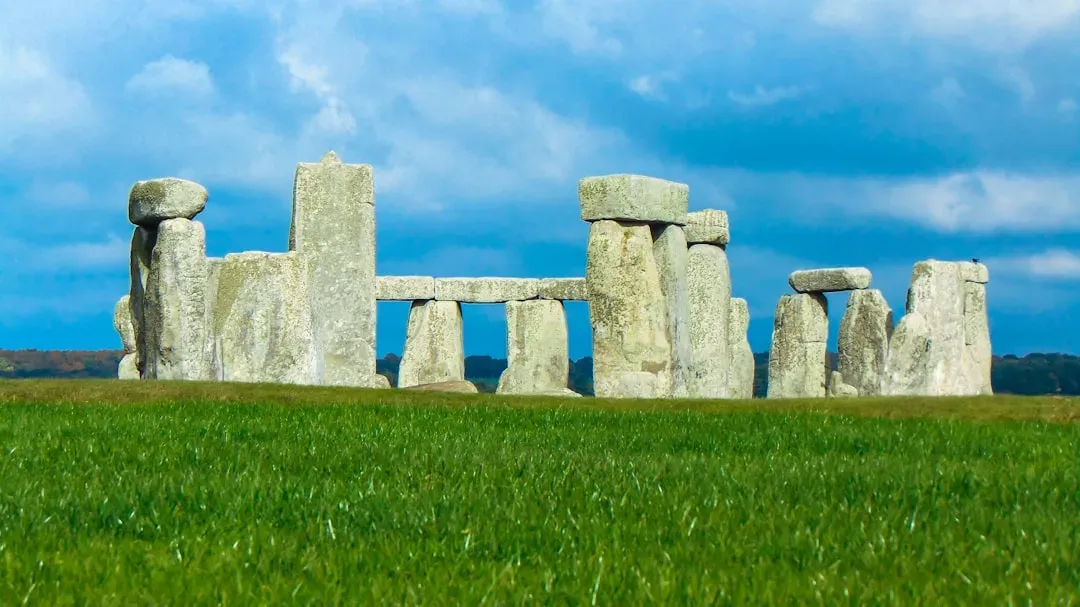
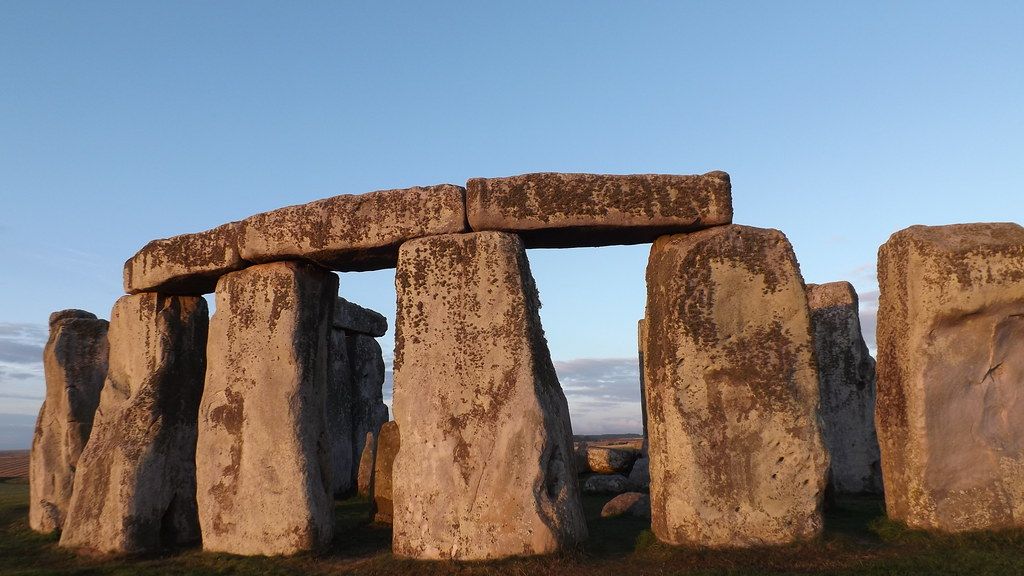
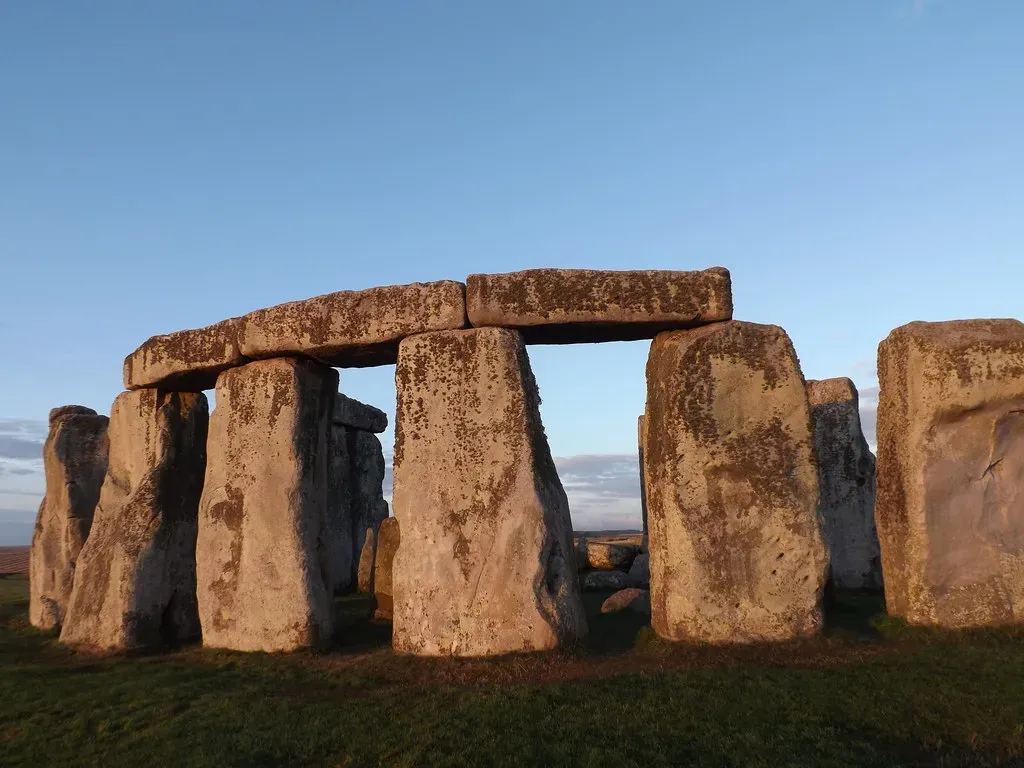
If you have ever looked at a photograph of Stonehenge and wondered what on earth those ancient people were thinking, you are in very good company. Located in southern England, Stonehenge ranks among the world’s most iconic archaeological sites and one of its greatest enigmas, with the megalithic stone circle on Salisbury Plain inspiring awe and fascination some 4,600 years after it was built by ancient Britons who left no written record. Honestly, the mystery is part of the entire appeal. For centuries, historians and archaeologists have puzzled over the many mysteries of Stonehenge, which took Neolithic builders an estimated 1,500 years to erect.
Stonehenge was built in six stages between 3000 and 1520 BCE, during the transition from the Neolithic Period to the Bronze Age, and is unique as a prehistoric stone circle because of its artificially shaped sarsen stones arranged in post-and-lintel formation, and because of the remote origin of its smaller bluestones from 100 to 150 miles away in South Wales. The structure consists of an outer ring of lintel-topped vertical standing stones, each around 13 feet tall and weighing around 25 tons, and the ruins are aligned towards the sunrise on the summer solstice and the sunset on the winter solstice. Think of it like a massive, open-air calendar built in stone. Human bones have been found in the area, suggesting Stonehenge may have been a sacred burial ground, and more recently it has been theorized that Stonehenge was erected to unite ancient farming communities during a period of cultural shifts in Britain.
2. Göbekli Tepe, Turkey: The World’s Oldest Temple
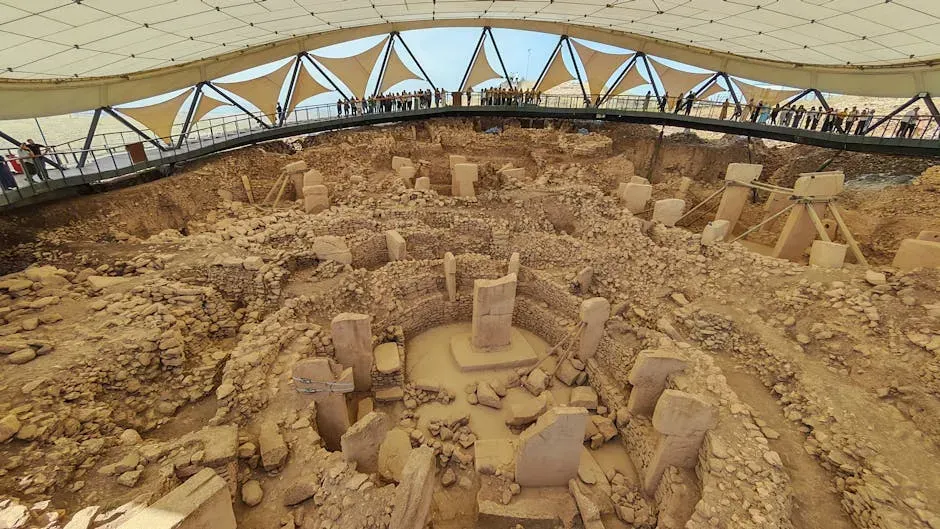
Here is something that genuinely blew the archaeological world apart. Göbekli Tepe is over 11,000 years old and is currently believed to be the site of the world’s oldest temple. To put that in perspective, Göbekli Tepe is the oldest manmade structure yet discovered on Earth, dated to at least 9,000 BC, making it seven thousand years older than the Pyramids or Stonehenge. That’s not a typo. Seven. Thousand. Years older.
The site, believed to have been a sanctuary of ritual significance, is marked by layers of carved megaliths and is estimated to date to the 9th and 10th millennium BCE. The site was first discovered in 1963 and anthropologists initially thought the broken limestone slabs were gravestones, being uninterested in the site because they thought it was just an abandoned medieval cemetery. However, German archaeologist Klaus Schmidt rediscovered the site in 1994 and knew right away it was something far more significant, continuing to lead the excavation team until his death in 2014 and believing that Göbekli Tepe must have been a very early Neolithic temple. In 2018, Göbekli Tepe was designated as a UNESCO World Heritage Site. What makes this place so staggering is that it predates agriculture, which means hunter-gatherers, not settled farmers, built it. People organized, cooperated, and constructed something monumental purely for spiritual reasons.
3. The Hypogeum of Ħal Saflieni, Malta: An Underground Temple of the Dead
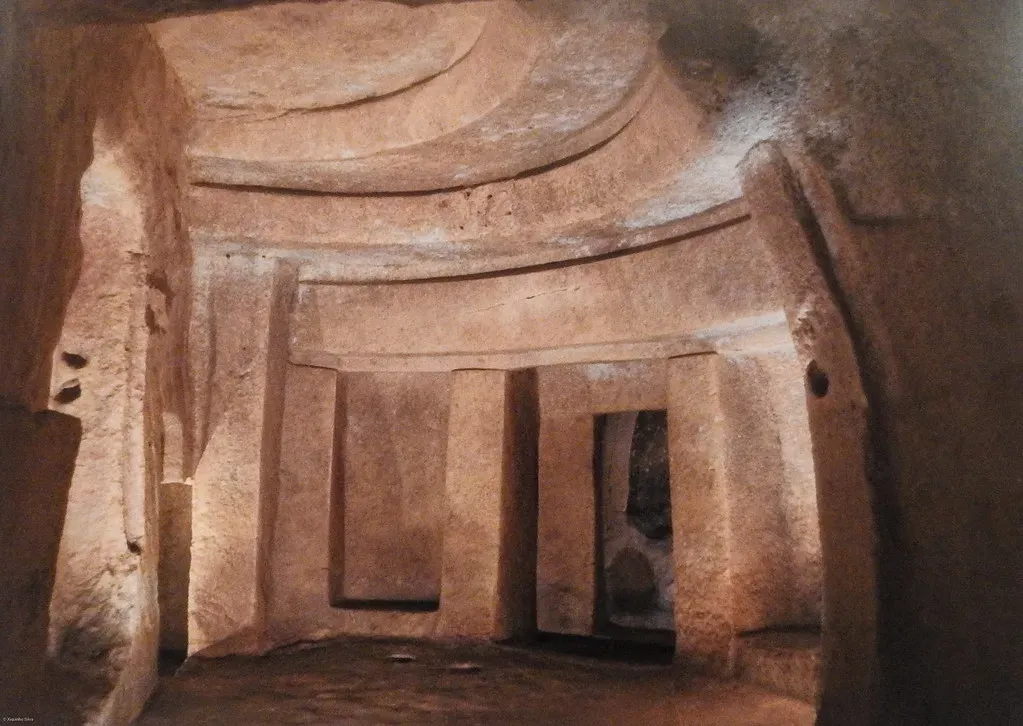
If descending into an ancient underground labyrinth sounds like the plot of an adventure film, wait until you hear about this one. The Hal Saflieni Hypogeum is an underground network of alcoves and corridors carved into soft Globigerina limestone just three miles from what is now the capital city of Valletta. Construction began around 3500 BC, and it is the only example of a prehistoric temple being built underground. It sits quietly beneath a residential neighborhood in Paola, Malta, which is wild to think about.
This extraordinary structure, carved entirely into limestone, consists of multiple chambers spread across three levels, with intricate red ochre wall paintings still visible in some areas, and is believed to have served as both a burial site and a ceremonial space where over 7,000 human remains have been uncovered, along with artifacts like figurines, tools, and pottery. A “speaking chamber,” a rounded niche carved into one wall, allows anything spoken into it to echo throughout the entire Hypogeum. The most striking figurine discovered is the iconic fat woman lying on a couch, known as the “Sleeping Lady,” now on display at the National Museum of Archaeology in Valletta. The acoustic design alone suggests a level of intentionality that most people would never attribute to prehistoric builders.
4. Ġgantija Temples, Gozo, Malta: Built Before the Pyramids
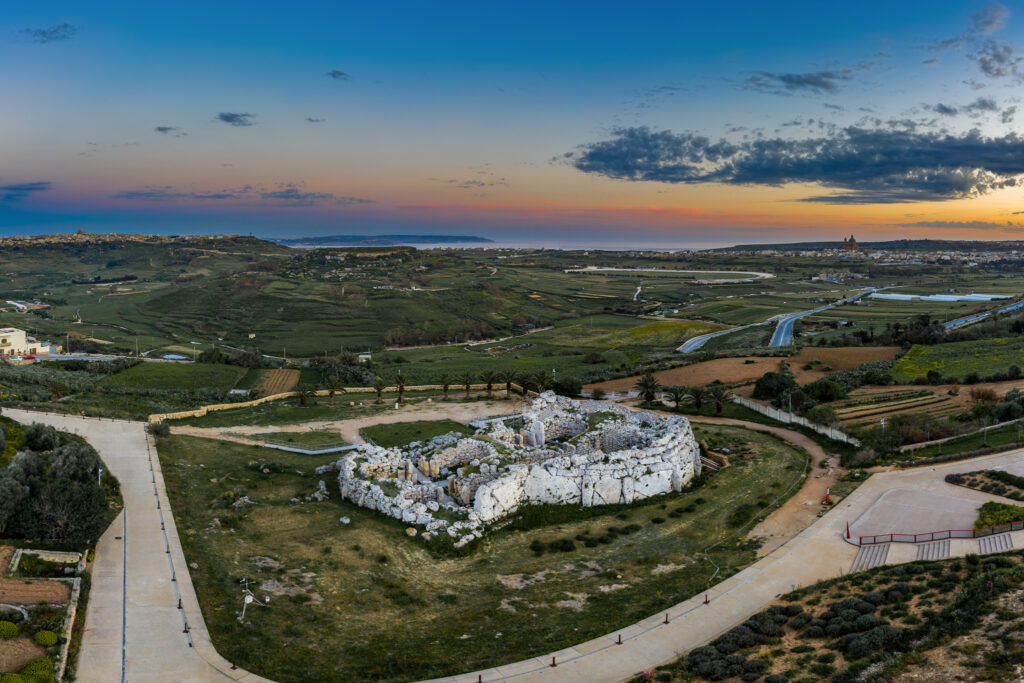
Let’s be real: not enough people know about the Ġgantija Temples, and that is a genuine shame. The Ġgantija Temples on Malta’s Gozo island are among the world’s oldest freestanding structures, built between 3600 and 3200 BCE, and are named after the Maltese word for “giant” due to the massive limestone blocks, with local legend claiming they were built by mythical giants. The site includes two interconnected temples with a cloverleaf-shaped layout featuring inner chambers, altars, and niches, with these elements suggesting their use for religious rituals as the ruins contain statues resembling the Mother Goddess, an ancient deity in Malta.
A testament to the ingenuity of Neolithic Malta, the temples were built without metal tools or the wheel, utilizing advanced construction techniques like corbelled walls and massive upright stones, and predating Stonehenge and the Great Pyramids, this UNESCO World Heritage Site highlights the unanticipated early sophistication of Malta’s prehistoric society. Ġgantija has the largest stones of all the megalithic temples on Malta, measuring up to six meters high. It is the kind of achievement that makes you look at your hands and wonder what humans are truly capable of when driven by faith. In 1980, the two megalithic temples at Ġgantija, Gozo, became UNESCO World Heritage Sites.
5. Newgrange, Ireland: Older Than Stonehenge and the Pyramids
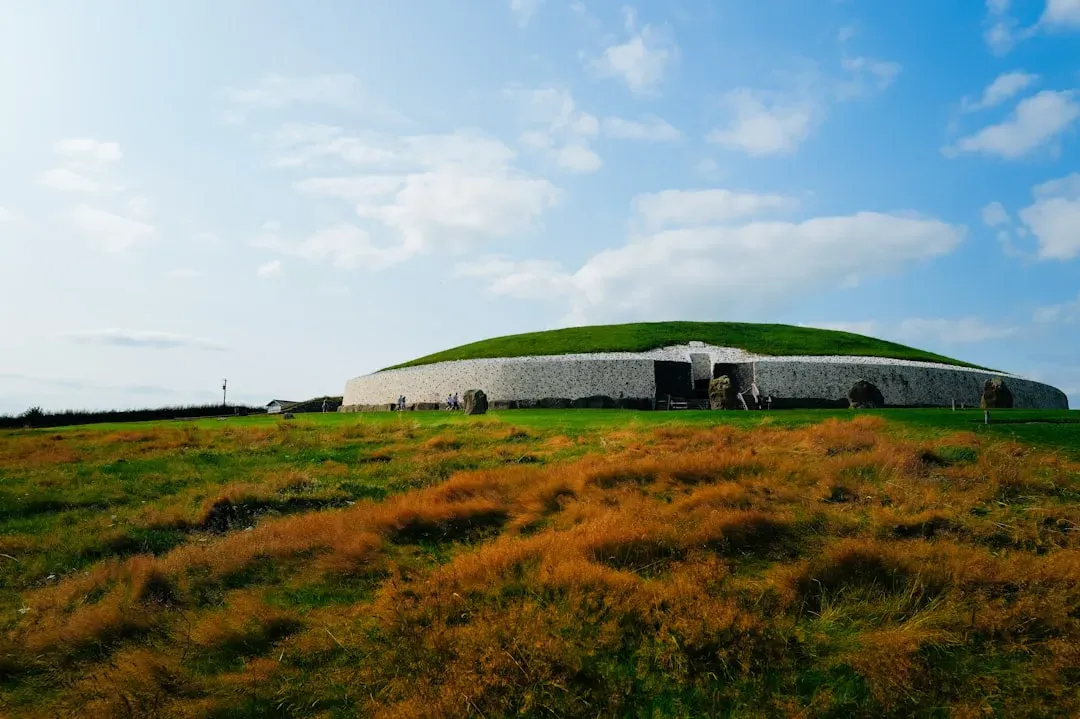
Newgrange in County Meath, Ireland is one of those sites that stops you cold the moment you understand what it actually is. It is a massive Neolithic passage tomb built around 3200 BCE, which makes it older than both Stonehenge and the Egyptian pyramids. Megalithic builders from the Neolithic period, whose work includes the world-renowned Stonehenge in Wiltshire, England, Newgrange in the Boyne Valley, Ireland, and the Ring of Brodgar in Scotland, were a remarkable and interconnected culture of monument builders. Newgrange sits at the spiritual center of their world.
The passage at Newgrange is aligned so that light enters it on the winter solstice, flooding the inner chamber for approximately 17 minutes with a beam of sunlight so precise it is almost impossible to believe it was not engineered by modern architects. The entire construction, weighing thousands of tons of stone brought from rivers dozens of miles away, was designed to capture a single moment of light once a year. Sites including Avebury, Newgrange, and Stonehenge may have also served as ancient schools where astronomy could have been transmitted. Today, a lottery is held each year for the chance to witness that extraordinary winter solstice illumination from inside the chamber.
6. Lascaux Cave, France: The Sistine Chapel of Prehistory
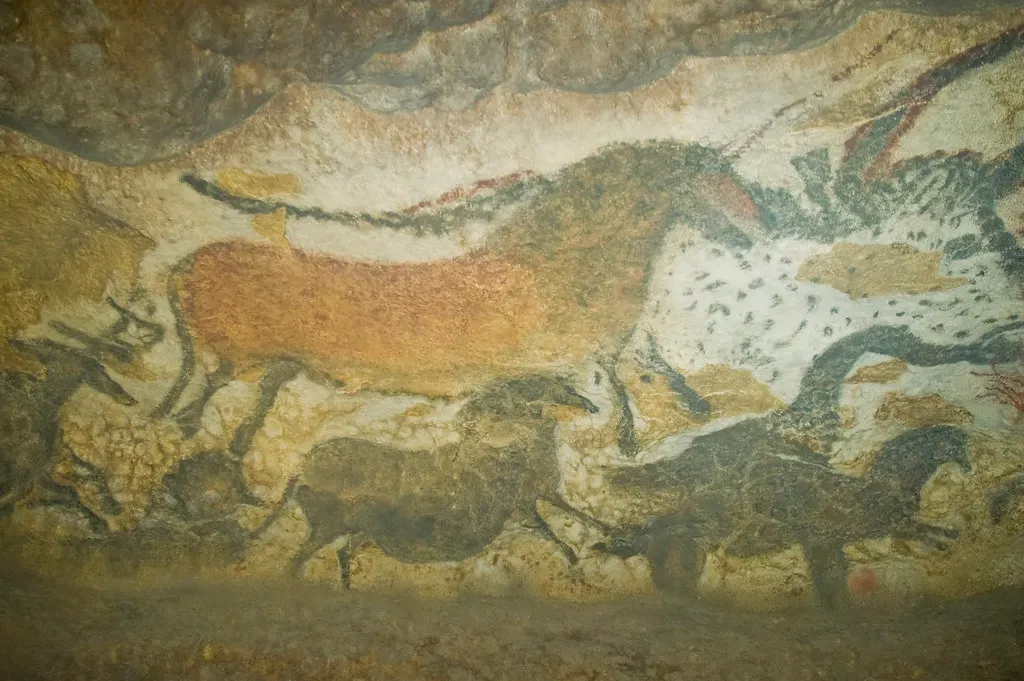
Imagine walking into a cave and discovering, by lamplight, a gallery of art so vivid and alive that it brings tears to your eyes. That was the experience of the teenagers who stumbled upon the Lascaux Cave in southwestern France in 1940. Although it doesn’t have the oldest cave paintings , Lascaux Cave is probably the most famous prehistoric cave painting site , and since its discovery in 1940, it has been extensively studied.
The cave’s walls are covered in pictures of animals, human figures, and signs, with over 6,000 representations of animals including horses, stags, aurochs, ibexes, and bison. These images were painted by human hands roughly 17,000 years ago, when much of Europe was still under glacial ice. To protect Chauvet Cave and its paintings, it was sealed off from the public not long after it was first discovered in 1994, and a similar protection approach was later applied to Lascaux after the original site began to deteriorate due to visitor exposure. A complete replica of Lascaux Cave was opened to the public, reproduced using the techniques and art of specialist Facsimile Studios. It’s hard to say for sure exactly what sacred purpose these caves served, but the sheer devotion of making such art deep underground speaks to something profoundly spiritual.
7. Chauvet Cave, France: The Oldest Gallery on Earth
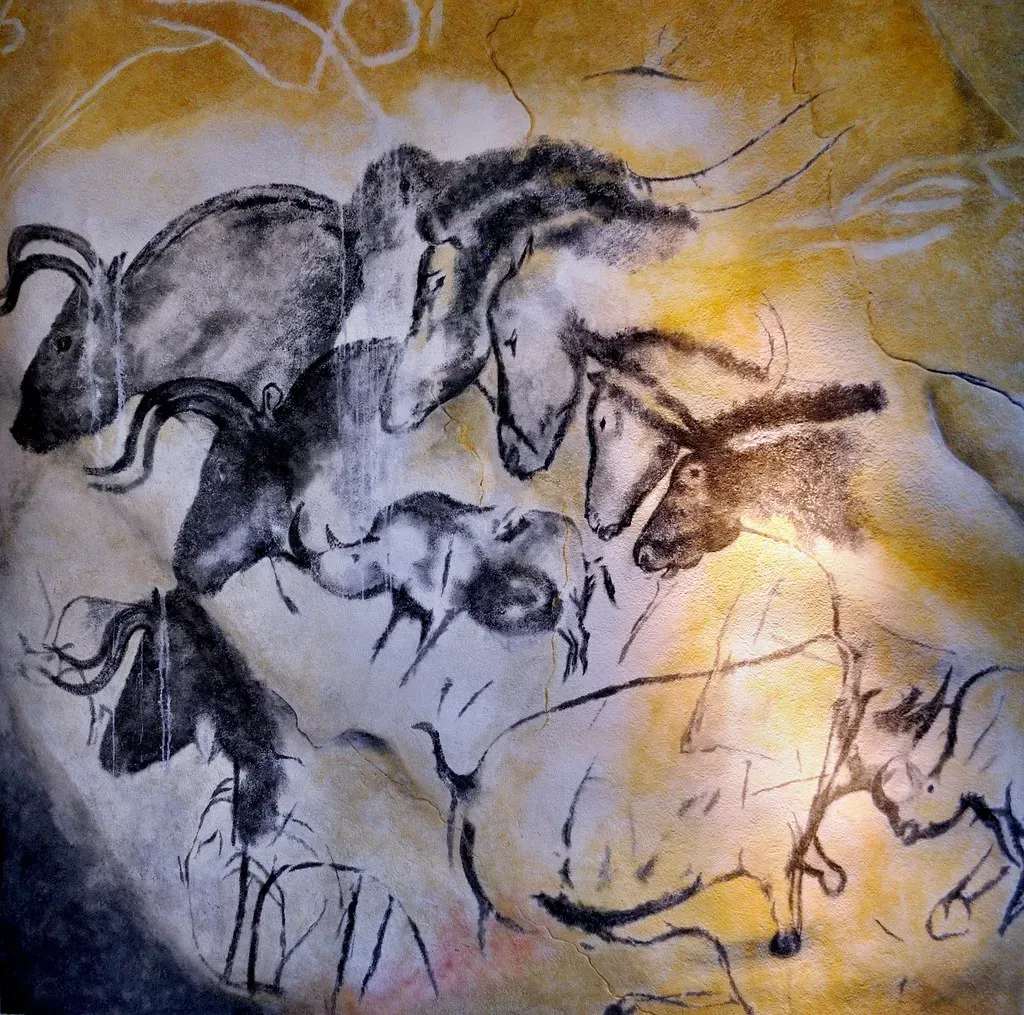
If Lascaux is the Sistine Chapel of prehistory, then Chauvet Cave is something even more ancient and even more astonishing. The Chauvet Cave in France is one of the most important sites of prehistoric art , with cave paintings that are some of the most beautiful and well-preserved, clearly depicting animals like rhinos, lions, and deer, and recent research places human occupation of Chauvet to around 36,000 years ago. That means someone stood inside this cave and created art at a time when woolly mammoths still roamed Europe.
Archaeological evidence suggests there was a second period of use of the Chauvet Cave between 31,000 to 28,000 years ago that lasted for 2,000 to 3,000 years. The repeated return to this particular cave over thousands of years suggests it held deep and enduring sacred meaning for the communities who used it. The animals depicted, including lions mid-hunt and rhinos clashing heads, are painted with a dynamism and energy that feels almost cinematic. Some of the oldest known paintings are in the Cave of the Castle in Cantabria in northern Spain, thought to be more than 40,000 years old, with many images being stencils of ancient hands made by artists blowing paint from their mouths. The act of pressing a hand to a cave wall and blowing paint around it may be the earliest known act of saying: I was here. I existed.
8. Murujuga (Burrup Peninsula), Australia: The World’s Largest Rock Art Gallery
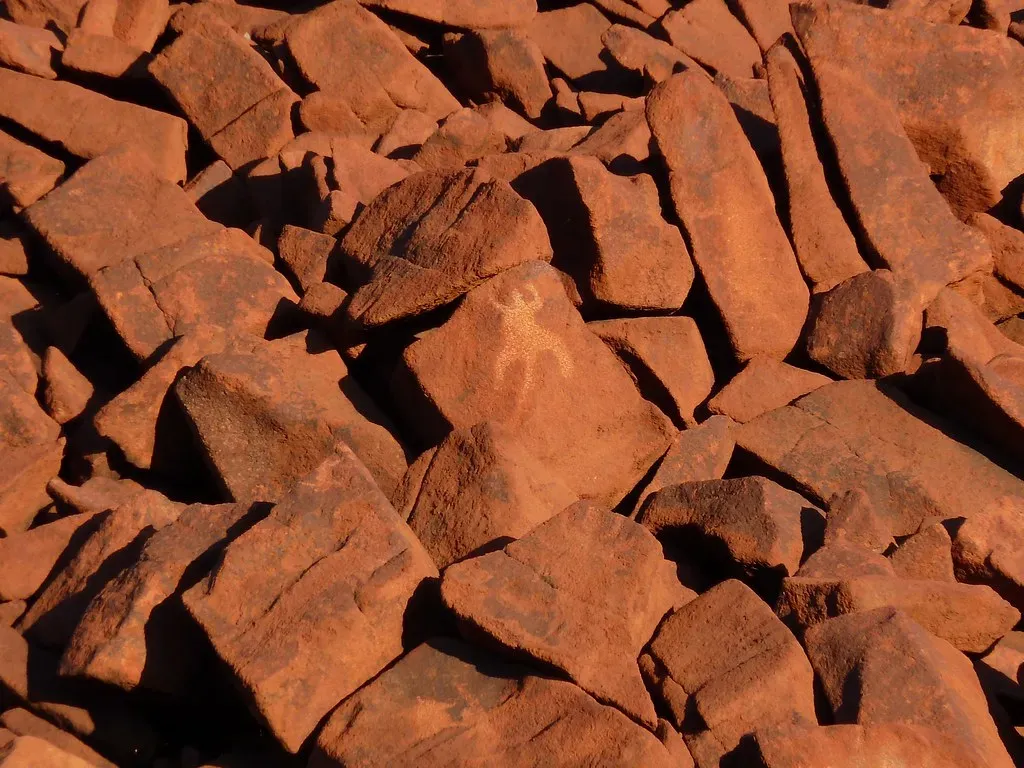
You might not have heard of Murujuga before, but it may well be the most remarkable outdoor sacred site on the planet in terms of sheer scale and antiquity. Murujuga, or the Burrup Peninsula, is a sacred place to the Aboriginal people of Australia. Located in the Dampier Archipelago of Western Australia, it is home to some of the oldest petroglyphs and is also one of the biggest collections of rock art, with at least a million individual works of art. A million. Let that sink in.
The petroglyphs date back to about 30,000 years ago, although the Aboriginals may have been living in the region for over 50,000 years, and they depict several now-extinct species of animals in Australia, with researchers saying that the rock art shows how this part of Australia’s environment has changed over time. Murujuga, also known by the modern name Burrup Peninsula in northwestern Australia, is home to potentially the world’s oldest and most endangered petroglyphs, with some of the more than one million images being more than 40,000 years old. The word “endangered” is chilling here. Industrial development in the surrounding area has posed real threats to this irreplaceable cultural heritage, making its protection one of the most pressing archaeological causes of our time.
9. Skara Brae, Scotland: A Neolithic Village Frozen in Time
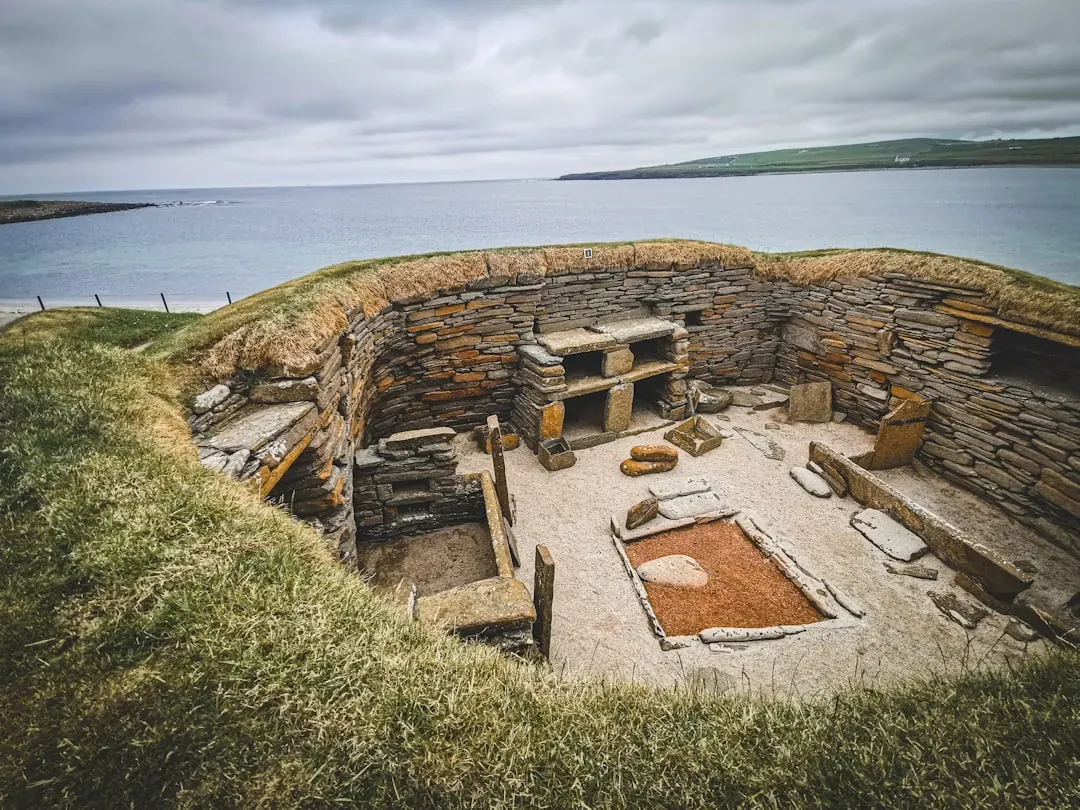
Here is a prehistoric sacred site that is slightly different from the others, and that difference makes it especially fascinating. Skara Brae is not a single monument but an entire Neolithic village, and it is extraordinarily well preserved. Inhabited more than 5,000 years ago, the Neolithic town of Skara Brae flourished on Mainland, the largest island in the Orkney archipelago, and strong storms in 1850 led to its discovery, revealing intricate stone roofs, ceremonial structures, and even furniture. Stone furniture. In a house older than Stonehenge.
Another important archaeological site located near Skara Brae is the Standing Stones of Stenness, a ritual site long associated with magic and the Norse god Odin, which may also have archaeo-astronomical significance, and nearby stands the Ring of Brodgar, a related henge, with the Standing Stones of Stenness dating to about 3100 BC, making it one of the oldest henge structures in the British Isles. The proximity and number of megalithic structures implies that this was a landscape of ritual significance. Skara Brae itself sits within a community that treated the entire surrounding landscape as sacred, making it far more than just a place to sleep at night.
10. The Carnac Stones, France: Europe’s Greatest Megalithic Mystery
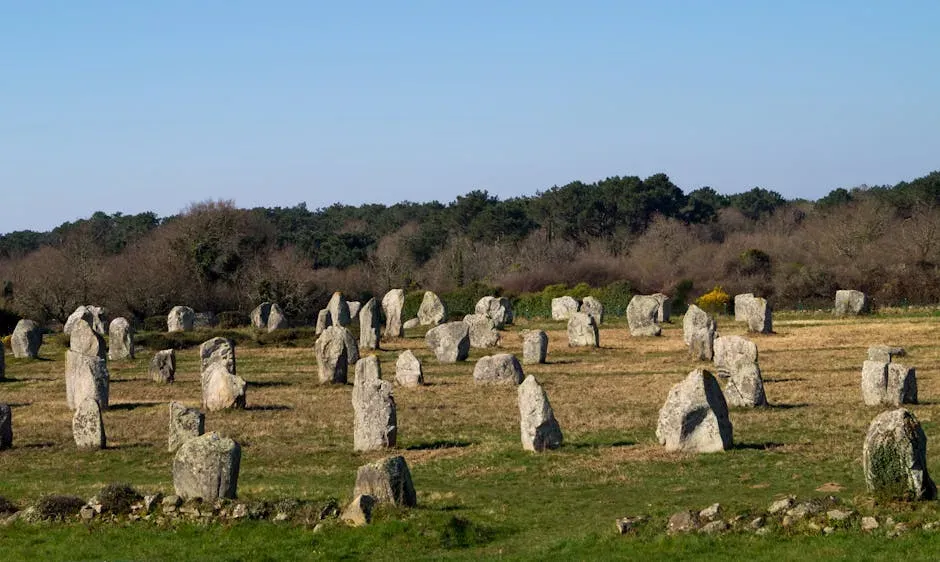
When most people think about prehistoric megaliths, Stonehenge comes to mind first. Yet the Carnac Stones in Brittany, France, are arguably even more dramatic in their sheer physical presence. In the French region of Brittany, at Carnac, over 4,000 enormous stone slabs dating back almost 6,000 years can be found, with some of the slabs isolated, others aligned in perfect rows, and others marking the location of burial chambers underneath mounds.
The Carnac Alignments, located along the Brittany coast and spanning 4 kilometers, comprise over 3,000 menhirs and are the most extensive collection of man-made standing stones worldwide, remaining shrouded in mystery similar to Stonehenge regarding their purpose, meaning, and creators. Carbon dating places the granite menhirs’ construction around 6,000 years ago by a Neolithic community, a millennium earlier than Stonehenge, and the stones vary in height with the largest, the Giant of Manio, reaching 6 meters and weighing five to ten tons. Walking among these endless rows of ancient stones on a misty morning in Brittany is reportedly one of the most powerful and haunting experiences a person can have. There are no inscriptions, no definitive answers. Just stone after stone after stone, marching across the French countryside for miles, daring you to figure out what it all means.
Conclusion: The Sacred World Our Ancestors Built
What unites all ten of these extraordinary places is something beautifully simple: the human need to make meaning. These weren’t just structures. They were statements. They were expressions of awe, grief, reverence, and an almost desperate desire to connect with something larger than one single human life.
From the underground chambers of Malta to the sweeping stone rows of Brittany, from the painted caves of France to the rock art of ancient Australia, you are looking at the earliest chapters of a spiritual story that has never stopped being written. The tools were primitive. The ambition was anything but.
It is worth sitting with that for a moment. The next time you feel that the world is moving too fast or that meaning is hard to find, remember that 36,000 years ago someone walked deep into a cave with a torch and painted a lion on the wall. Not for survival. Not for food. For something else entirely. What do you think drove them? Tell us in the comments below.