
Most people think fossils are locked behind museum glass, permanently out of reach. What if you could actually kneel in the dirt, crack open a slab of ancient stone, and pull out a creature that last saw sunlight hundreds of millions of years ago – and then take it home? Honestly, it sounds like a dream. The good news? It’s not.
Across the United States, there are remarkable spots where you’re not just a spectator of prehistoric history. You become an active participant. Some of these places are free, some require a small fee, and some are serious, week-long expeditions where you work shoulder to shoulder with real paleontologists. Let’s dive in.
Penn Dixie Fossil Park and Nature Reserve – Hamburg, New York
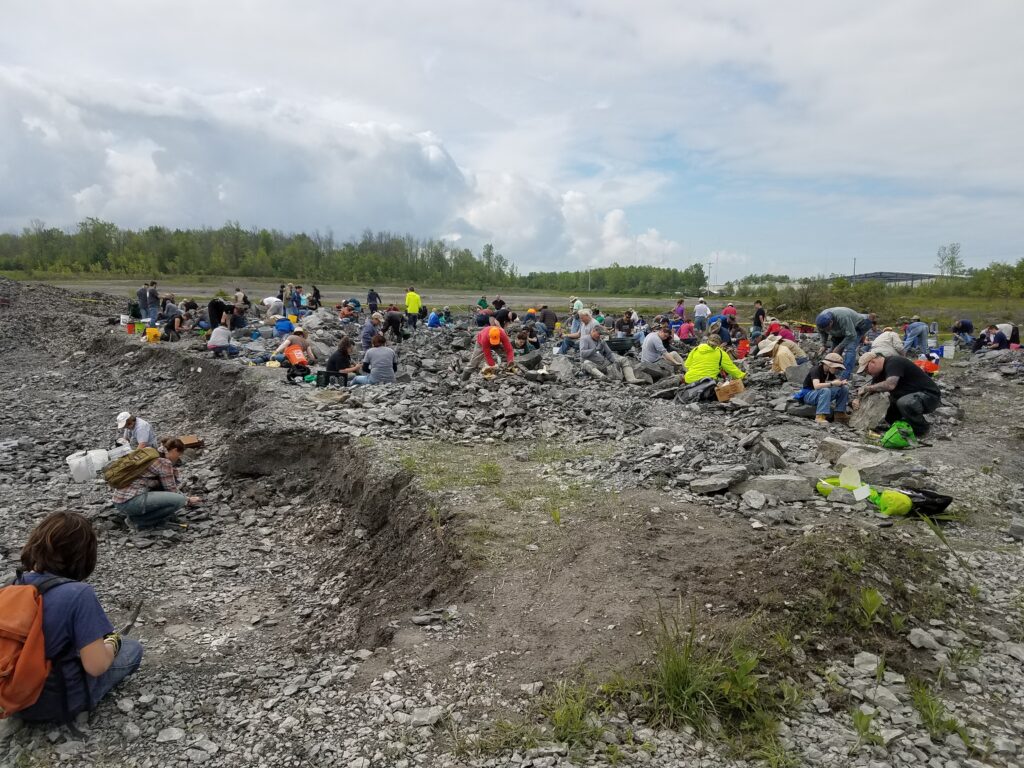
If you’re anywhere near western New York and you haven’t been to Penn Dixie yet, put it on your list right now. Penn Dixie Fossil Park and Nature Reserve is a 54-acre park located on the site of a former cement quarry in Hamburg, NY. This is not some roadside novelty. This area just south of Buffalo has been ranked one of the best in the world for an amazing fossil hunting experience.
Visitors can collect and keep Devonian Period fossils including trilobites, brachiopods, crinoids, and more. Think about that. You’re reaching into rock that was formed roughly 385 million years ago, when western New York sat beneath a warm, shallow sea. In 2018, Penn Dixie claimed the Guinness World Records title for the World’s Largest Fossil Dig, thanks to 905 fossil diggers who participated. That’s the kind of place this is. You get to keep what you find, and it’s rare that a visitor leaves empty-handed.
U-Dig Fossils Quarry – Delta, Utah
Here’s the thing about Utah – it tends to absolutely deliver when it comes to prehistoric surprises. The U-Dig Fossils Quarry, located just an hour west of Delta, Utah, allows visitors from all over the world to collect their own museum-quality fossils from one of the most robust Cambrian fossil formations on Earth. That word “museum-quality” is not just marketing. It’s real.
The quarry is in the heart of the famous Wheeler Shale, which has many types of beautifully preserved Cambrian trilobites, including the famous Elrathia trilobites. You split the shale yourself, and on average, visitors find between 10 and 20 trilobites each day, just by simply splitting the shale. Tools and helpful advice are provided, and the whole family is welcome. Honestly, finding 15 trilobites in an afternoon is the kind of thing that turns a casual weekend trip into a full-blown obsession.
Wyoming Dinosaur Center’s “Dig for a Day” – Thermopolis, Wyoming
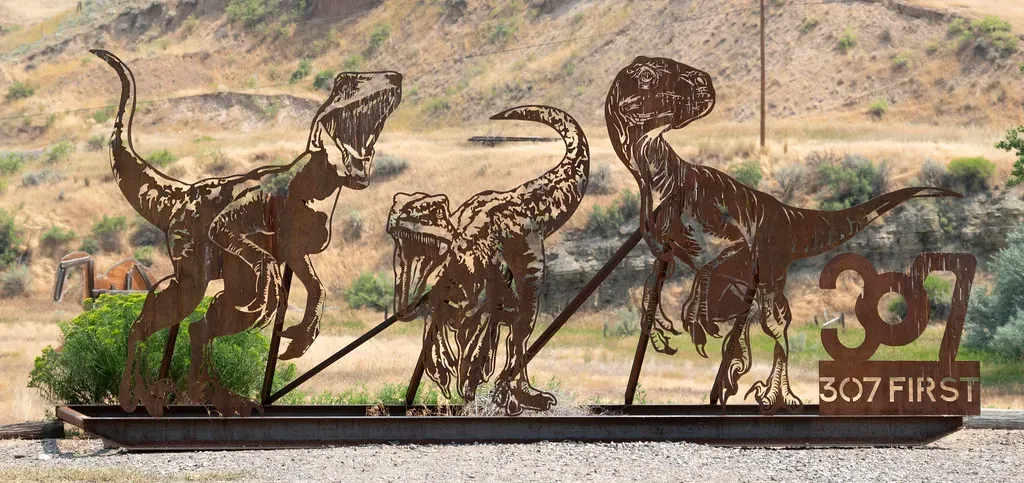
If you want to know what it actually feels like to be a paleontologist, this experience is probably the closest you’ll ever get without going back to school for a decade. If you want to get a feel for what a paleontologist does all day, the Wyoming Dinosaur Center’s “Dig for a Day” program is a great experience, located near Thermopolis in central Wyoming. You dig for bones in one of their active dinosaur dig sites, search an ancient sea for marine fossils, and enjoy a full guided tour of the museum.
Wyoming Dinosaur Center staff and visitors have removed more than 14,000 bones from the excavation sites, all within a 10-minute drive of the museum. Most fossils are from long-necked sauropods like Camarasaurus, Diplodocus, and Apatosaurus, though they have also found an abundance of Allosaurus teeth at all of their active quarries. If you find a new bone, it will remain at the Wyoming Dinosaur Center as your contribution to science, and your name, the bone, and its location will be recorded in their bone registry for all to see. That’s not a souvenir you can put on a shelf, but it might be the coolest thing you ever leave behind.
Fossil Lake Safari – Kemmerer, Wyoming
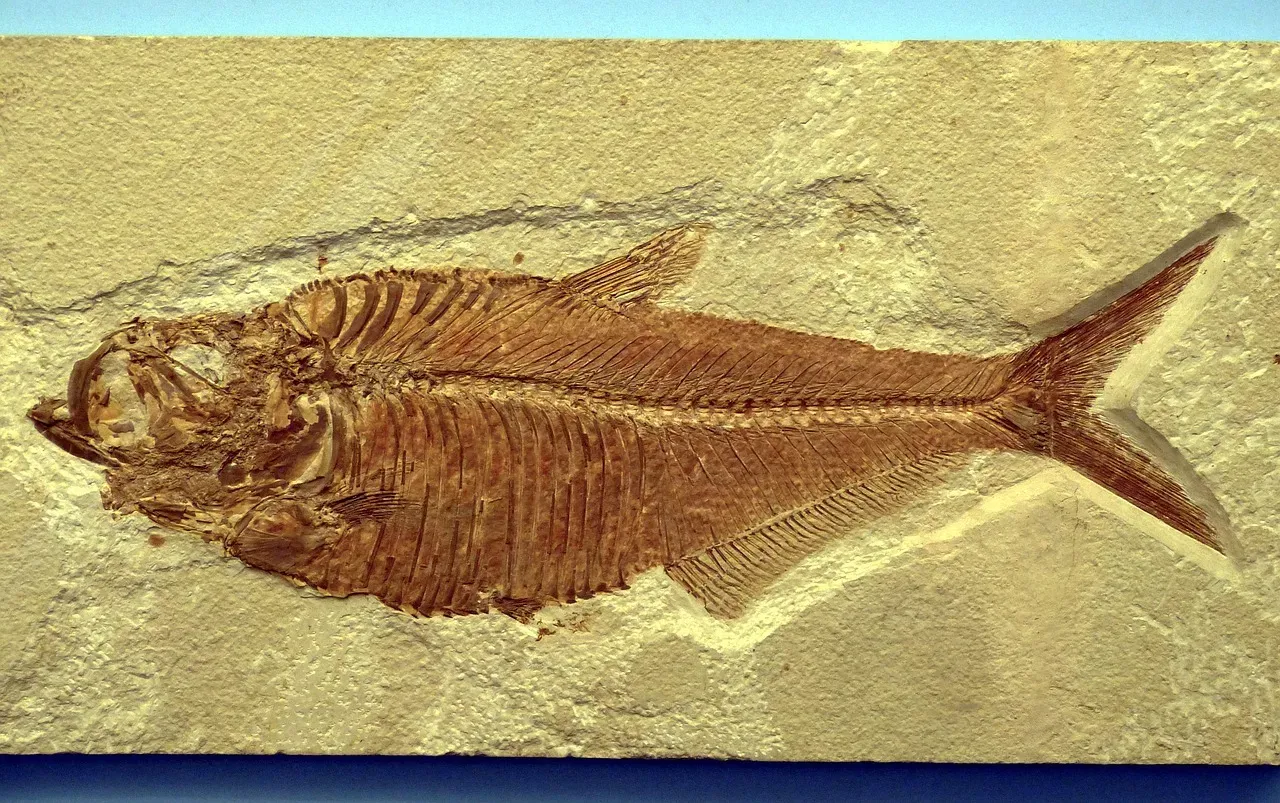
Wyoming keeps showing up on this list for good reason. Located near Kemmerer, Wyoming, you can dig your own 52-million-year-old fossils in one of the world’s premier fossil sites, experiencing the thrill of digging your own fossil fish at their private quarry. The setting is the legendary Green River Formation, a geological layer cake of ancient lake sediment that has been hiding extraordinary secrets for millions of years.
You get to keep the fossils you find at the Fossil Lake Safari quarry, including dozens of species of fish, stingrays, gars, and other invertebrates and plants. Fossils of birds, bats, turtles, crocodiles, lizards, and mammals can also be found, though they are an extremely rare component of the Green River Formation fauna. There is an abundance of fossil fish in the Green River Formation, and most people find enough fish to satisfy their appetite in the first two hours. I know it sounds crazy, but splitting open a slab of pale tan rock and finding a perfectly preserved fish from 52 million years ago is something that stays with you long after the trip ends.
Mineral Wells Fossil Park – Mineral Wells, Texas
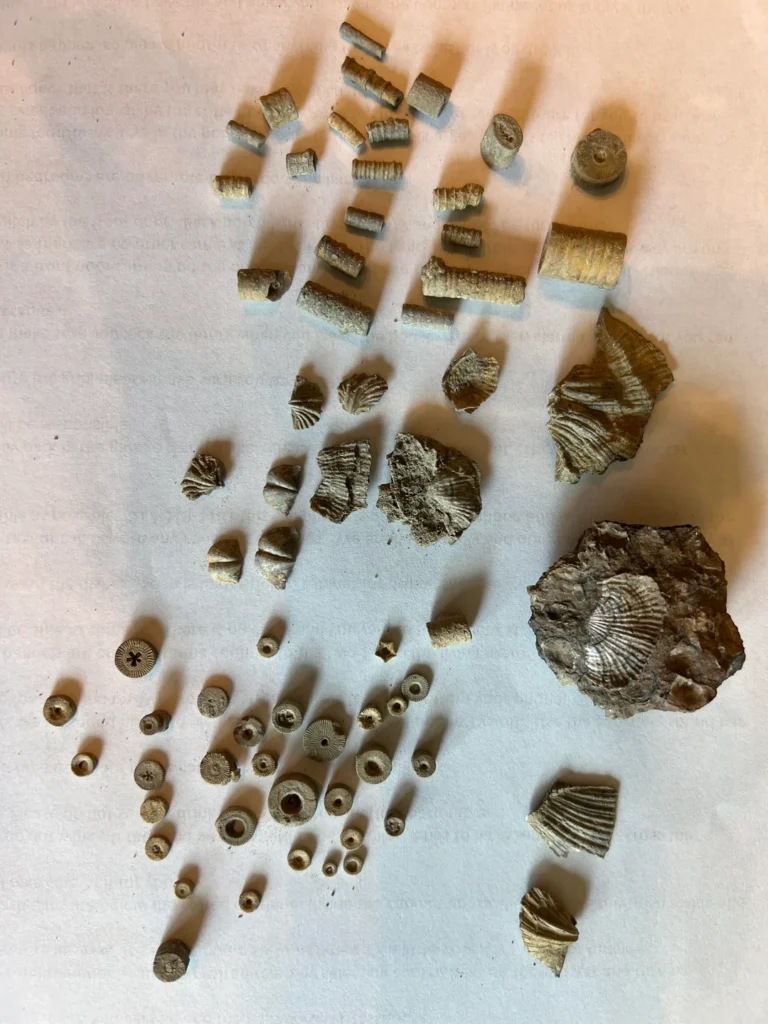
This one is a genuine hidden gem, and it happens to be completely free. Mineral Wells Fossil Park provides fossil enthusiasts, paleontologists, and students an excellent opportunity to see and collect well-preserved “Pennsylvanian Period” fossils, which have been dated to be just over 300 million years old. The park’s treasures were exposed as a result of erosion in the city’s former landfill gravel pit, and years of rain, runoff, and wind have uncovered a trove of ancient seabed fossils, making it perfect hunting grounds for fossil enthusiasts and professional paleontologists alike.
The erosion of the borrow pit has revealed fossils documenting ancient sea species of crinoids, echinoids, brachiopods, clams and oysters, bryozoans, corals, trilobites, plants, and even primitive sharks. You may collect and take fossils out of the park, for personal use only. The term “dig” is actually used loosely here, as digging is less productive than simply collecting the fossils you find on the surface, especially after a good rain, which is why only small hand and garden tools are allowed. Bring water, wear sunscreen, and prepare to be amazed at what the ground just volunteers to give you.
Fossil Park – Sylvania, Ohio
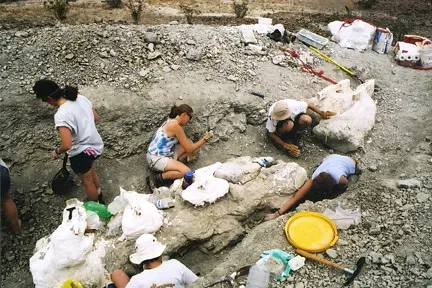
There is something wonderfully democratic about a fossil site that costs nothing to enter and lets you keep everything you find. Nearly 375 million years ago, northwest Ohio was a great sea teeming with life. Fossil Park is rich in fossilized brachiopods, coral, and more than 200 species of prehistoric life, and the best part is you get to keep whatever you find. Fossil Park’s 5-acre, ADA-accessible rock quarry allows you to search for world-renowned fossils in a safe, controlled environment. The fossils come from Hanson Aggregate Midwest’s large working quarries located just a mile south, and the specimens are already in shale soft enough to break with your bare hands, making this an activity nearly anyone can enjoy.
The park is open from mid-April to October, and you can dig for fossils during specific hours that vary by season. It’s a great way to spend a day outside, and the best part is that admission, parking, and fossil hunting are all free. Fossil Park Sylvania is situated on a site rich with fossils from the Devonian Era, approximately 375 million years ago, when Northwest Ohio was submerged under a shallow, warm sea teeming with marine life. It’s the kind of place where a rainy afternoon actually works in your favor – a fresh rainfall tends to wash new specimens right to the surface, practically putting them in your hands.
Your Own Prehistoric Adventure Awaits
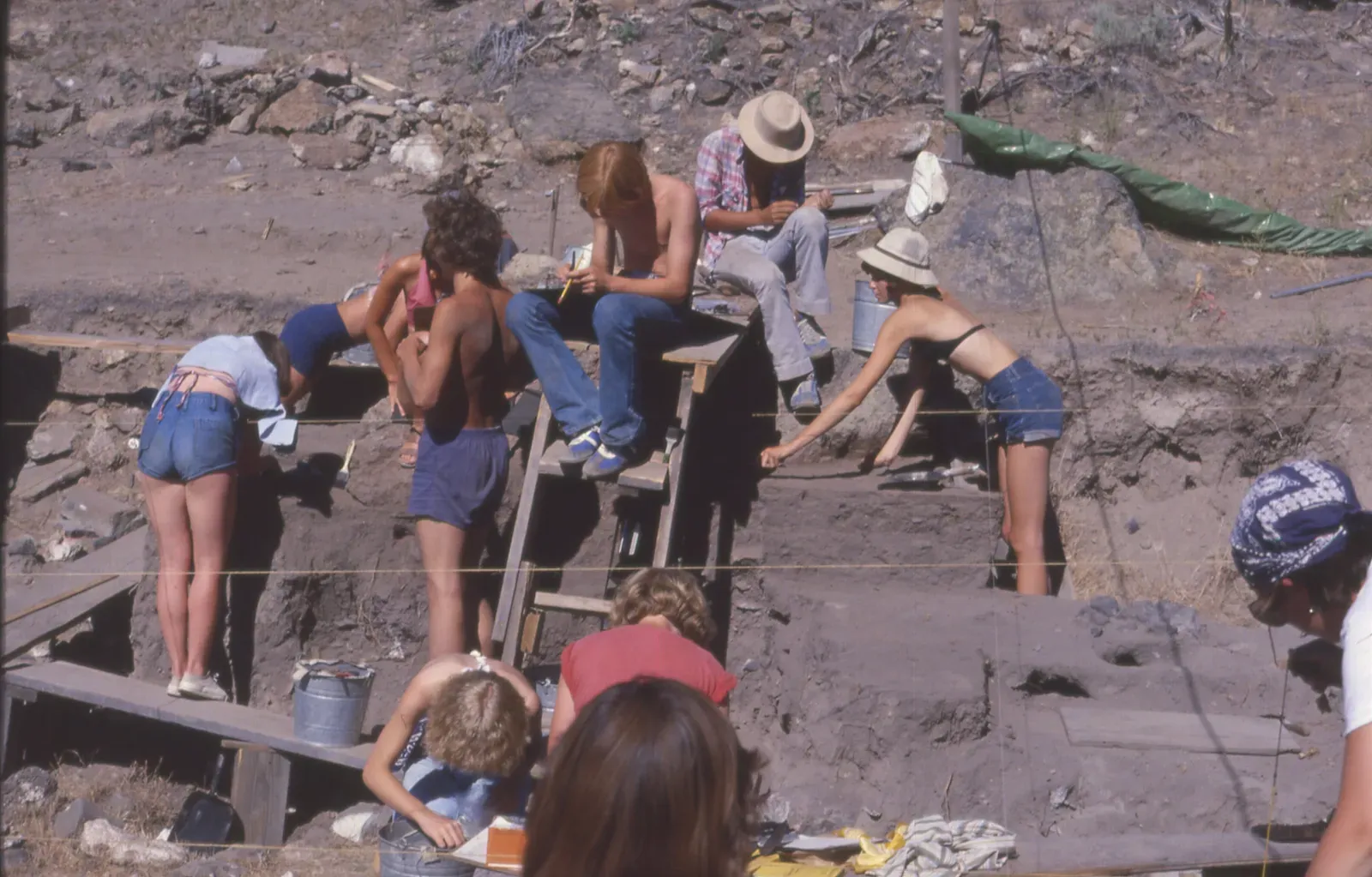
What’s striking about all six of these sites is how different they are from each other. From the free, sun-baked pit in Texas to a week-long guided expedition alongside real scientists in Wyoming, the spectrum is wide. There truly is something for everyone, whether you’re a curious kid on a family road trip or a grown adult who’s secretly always wanted to dig up a trilobite.
Fossil hunting is one of those rare activities where the payoff is both physical and deeply emotional. You hold something in your hand that no living human has ever touched. That’s not a small thing. It’s a strange, quiet connection to deep time that museums can hint at but never quite deliver. The best part is that you don’t need a PhD, a research permit, or a big budget. You just need to show up, get a little dirty, and start looking.
So, which of these six sites would you visit first? Drop a comment and let us know – and if you’ve already dug at one of these spots, we’d love to hear what you found.