Scattered across deserts, jungles, mountains, and ocean floors, the ancient remains of human civilization tell a story more gripping than any novel ever could. Every stone, every buried corridor, every half-crumbled temple is a message from people who once laughed, prayed, built, and vanished. Archaeology is, at its heart, a discipline of listening to silence.
You might think you already know the most famous of these places. Maybe you’ve seen photos, watched a documentary, or flipped through a travel magazine. But the reality of these , what they actually reveal about us as a species, is far more astonishing than the surface images suggest. Get ready to be surprised by what you find.
1. Göbekli Tepe, Turkey – The Site That Rewrote History
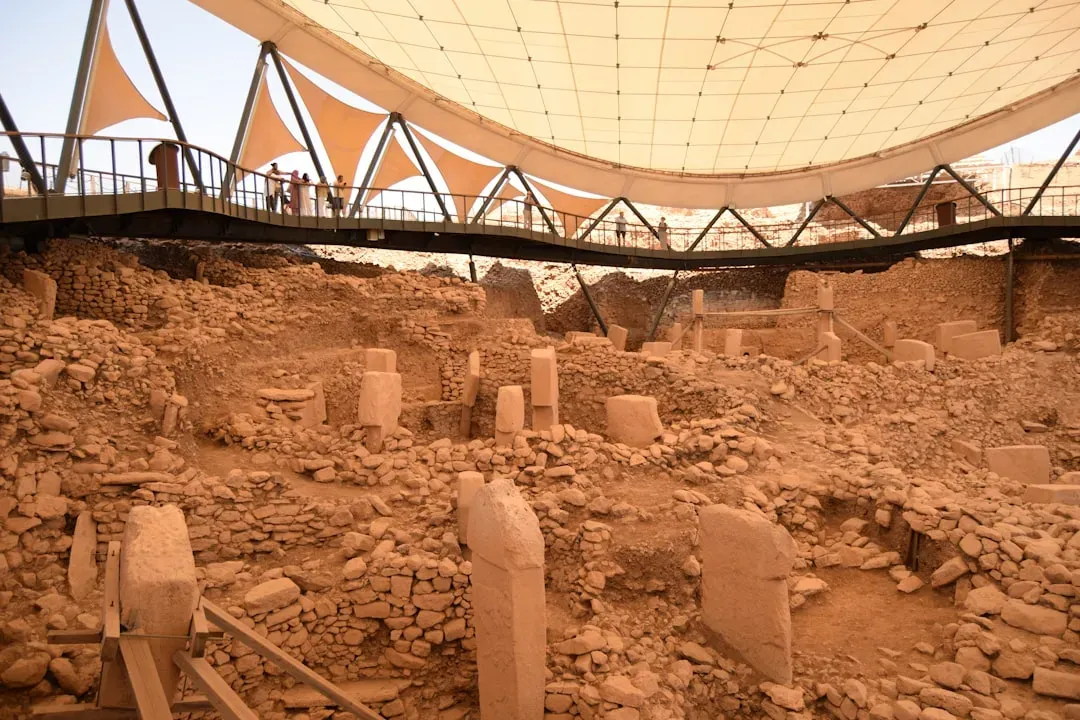
Here’s the thing about Göbekli Tepe. More than 11,000 years ago, hunter-gatherers built a monumental stone complex that is thought to be the world’s first temple, perched on a mountain ridge in Upper Mesopotamia, in what is now southeastern Turkey. That alone would be remarkable. But what makes this place truly earth-shattering is that all of the hallmarks of civilization were assumed to have occurred because of agriculture. Simply put, Göbekli Tepe was built before we currently believe humans practiced organized agriculture.
The Neolithic site, which translates to “belly hill” in Turkish, is two times older than Stonehenge and contains a series of elaborate circular enclosures constructed of massive T-shaped limestone columns, many of which feature intricate carvings of abstract symbols and wild animals, including lions, foxes, gazelles, and birds. Göbekli Tepe was designated a UNESCO World Heritage Site in 2018, recognized for its outstanding universal value as “one of the first manifestations of human-made monumental architecture.” Today, less than ten percent of the site has been excavated, which honestly makes you wonder what else is still buried down there.
2. The Pyramids of Giza, Egypt – Monuments That Defy Explanation
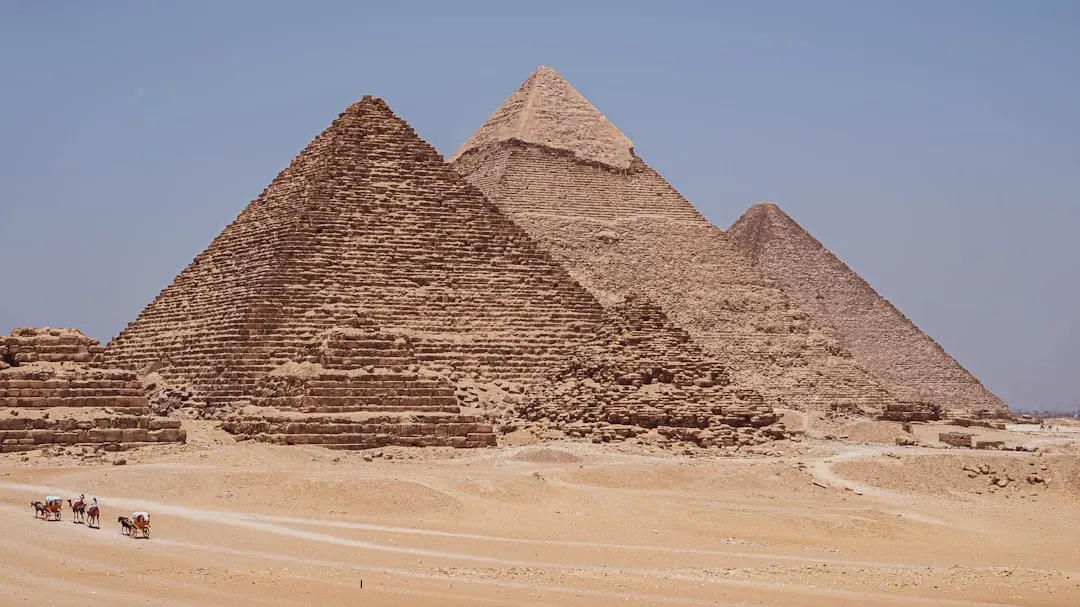
You’ve seen them a thousand times in pictures. Yet standing before the Pyramids of Giza in person, so I’ve been told by every single person who has made that trip, makes you feel shockingly small. These colossal structures, built over four and a half thousand years ago, remain among the most precisely engineered constructions in human history. Researchers have recently detected a long-lost branch of the Nile, now mostly dried up, which was used thousands of years ago to bring stone to build the pyramids at Giza.
Imbued with the values of the cultures that created them, like these shed light on past civilizations, preserving their societal structures, religious beliefs, and modes of living, and by studying them, scholars are often able to trace their histories and place in the historical continuum. The Giza complex, with its three primary pyramids, the Great Sphinx, and surrounding cemeteries, remains one of the most studied and yet least fully understood places on the planet. The engineering precision, with blocks weighing several tons aligned to within fractions of a degree, continues to baffle modern construction experts.
3. Pompeii, Italy – A City Frozen in Time
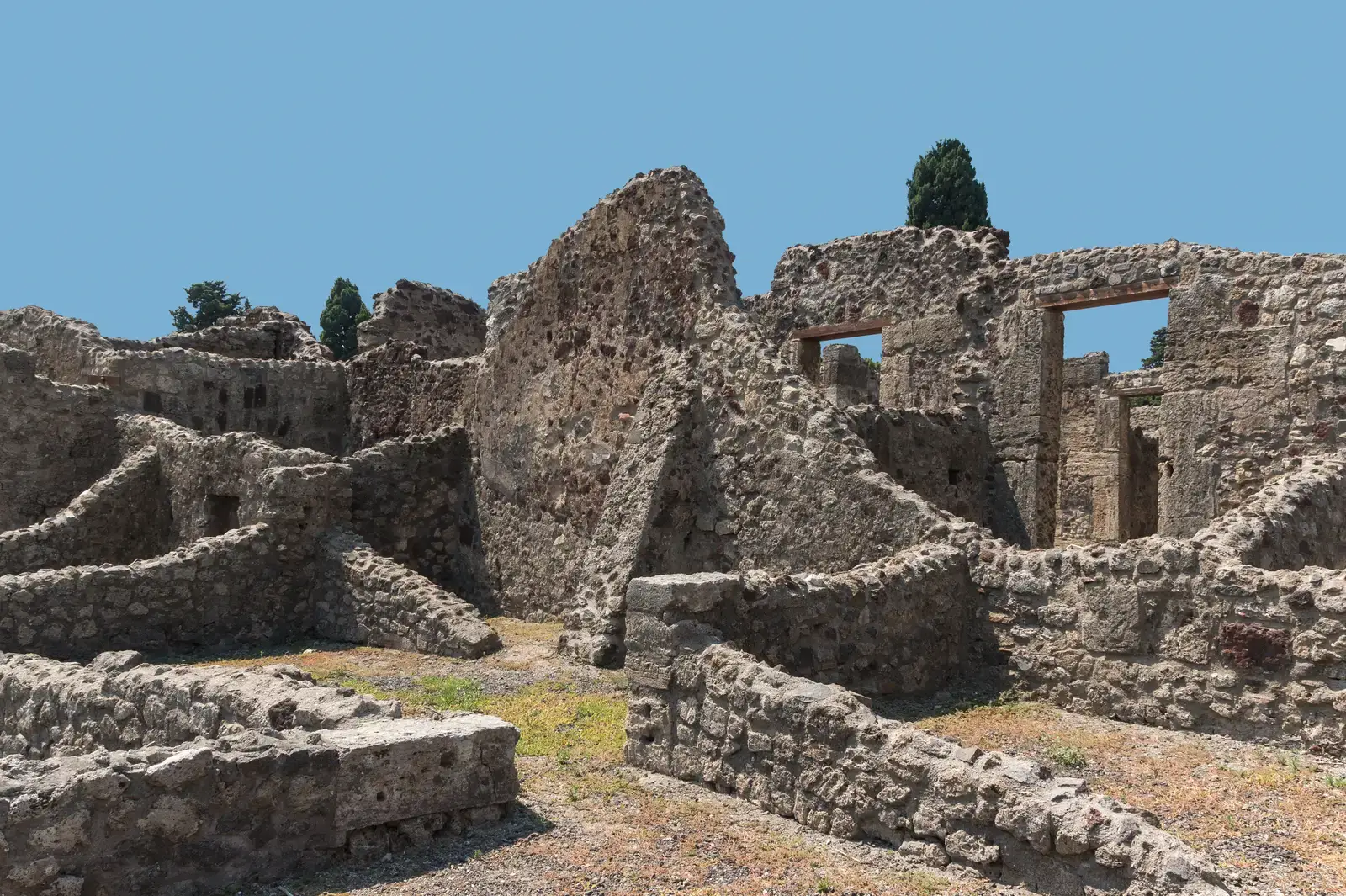
In 79 CE, Mount Vesuvius erupted, burying the ancient Roman city of Pompeii just outside present-day Naples, freezing it in time under layers of ash and pumice and later providing extraordinary insight into the daily lives of patricians and plebeians alike. The city was rediscovered in 1748 by a group of explorers looking for ancient artifacts. What they found was nothing short of a time capsule. Scholars estimate that roughly 12,000 people were living in Pompeii at the time of the eruption, and the city featured a few elaborate houses and villas as well as a 20,000-seat arena, small factories, artisan shops, taverns, cafés, and brothels.
Archaeologists can study complete domestic assemblages showing how Romans actually lived rather than idealized versions, revealing social hierarchies through house sizes, economic activities through shop inventories, religious practices through household shrines, dietary habits through food remains, and literacy levels through thousands of graffiti messages scratched into walls throughout the city. Honestly, no other site on earth offers this kind of raw, unfiltered intimacy with an ancient civilization. The site attracts approximately 2.5 million visitors annually, making it one of Italy’s most visited archaeological destinations and a cornerstone of modern archaeological science.
4. Machu Picchu, Peru – The Lost City of the Incas
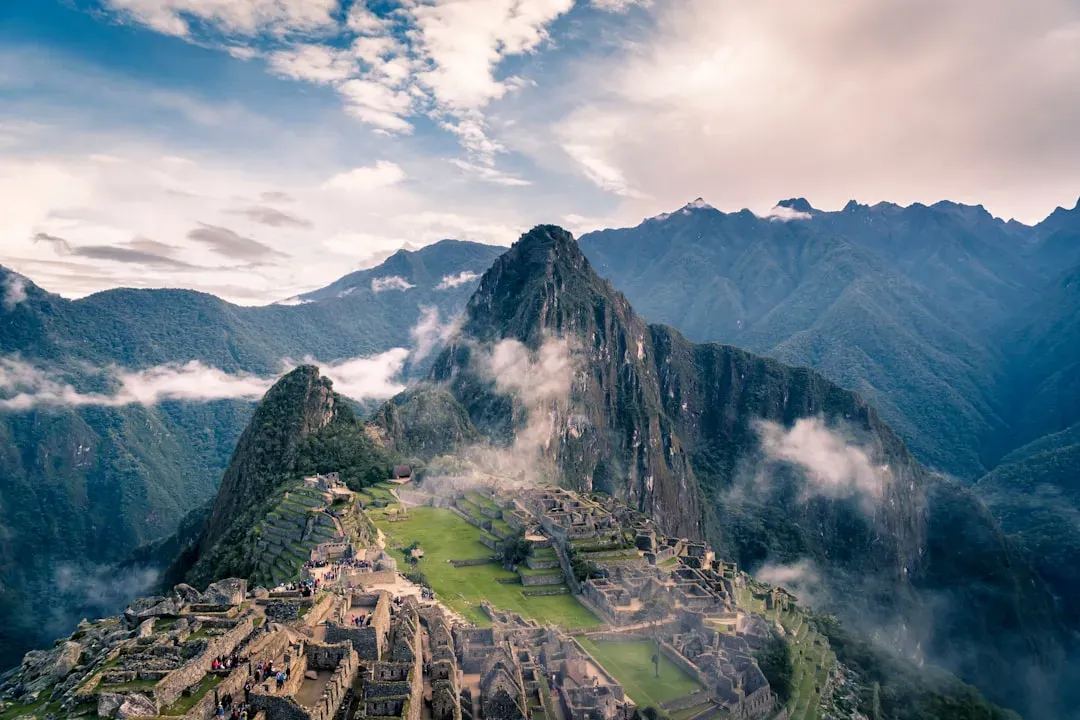
Often referred to as the “Lost City of the Incas,” Machu Picchu is one of the most iconic symbols of the Inca civilization and a major archaeological site in the Americas. Built around 1450, it is believed to have served as an estate for the Inca emperor Pachacuti, and the site was abandoned roughly a century later, likely during the Spanish conquest. Due to its inaccessibility, Machu Picchu was not invaded by Spanish conquistadors during their campaign against the Inca in the 1530s, and after they overtook the Inca, the site was abandoned until 1911, when it was uncovered by Yale archaeologist Hiram Bingham.
Machu Picchu was constructed in the classical Inca style, featuring finely crafted dry-stone walls, and notable structures include the Temple of the Sun, the Temple of the Three Windows, and the Intihuatana ritual stone. Its layout reflects Inca cosmology, with temples aligned to celestial events emphasizing their astronomical knowledge, and excavations have uncovered tools, pottery, and farming evidence revealing connections to wider social and economic networks. It is, I think, one of the single most breathtaking achievements of pre-Columbian civilization anywhere in the Americas.
5. Stonehenge, England – The Circle That Still Has No Answer
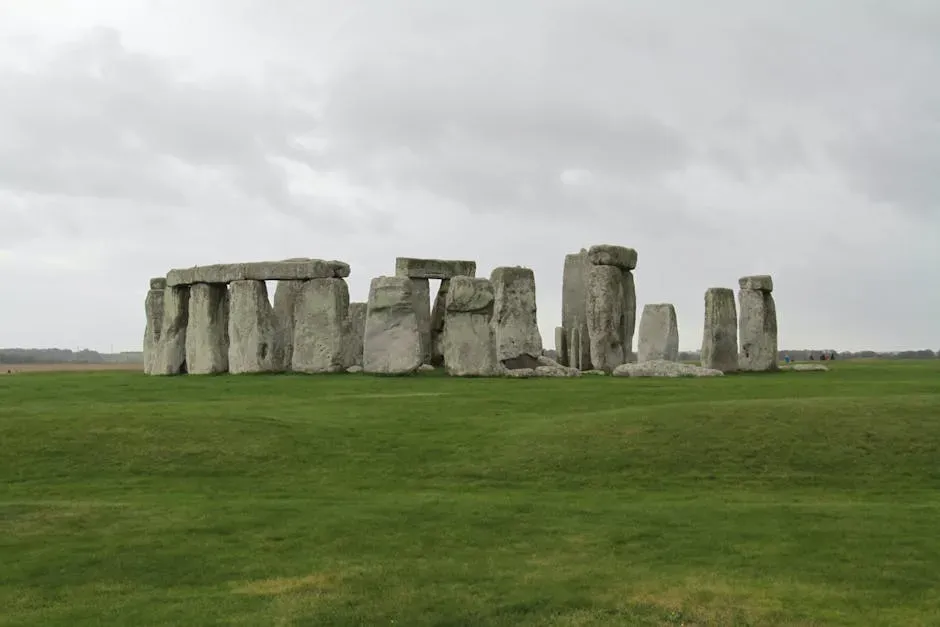
One of numerous “henges” in the United Kingdom, the archaeological site of Stonehenge consists of massive prehistoric stones standing vertically and arranged in an outer ring and an inner horseshoe with smaller stones interspersed, and it still survives at more than 5,000 years old. Most scientists agree that it was built in stages by Neolithic and Bronze Age people who constructed them with simple tools and limited technology, and while Stonehenge’s purpose remains unclear, the monument is aligned toward sunrise at the summer and winter solstices.
The mystery only deepens the more you dig in. In 2024, researchers found that Stonehenge’s central six-ton altar stone may have come from more than 450 miles away in Scotland. There have also been human bones found in the area, suggesting that Stonehenge may have been a sacred burial ground or a site of ritual sacrifice, while more recently it has been theorized that Stonehenge was erected to unite ancient farming communities during a period of cultural shifts in Britain. Whatever its true purpose, it commands a quiet reverence that is impossible to explain in words.
6. The Valley of the Kings, Egypt – Tombs of the Gods
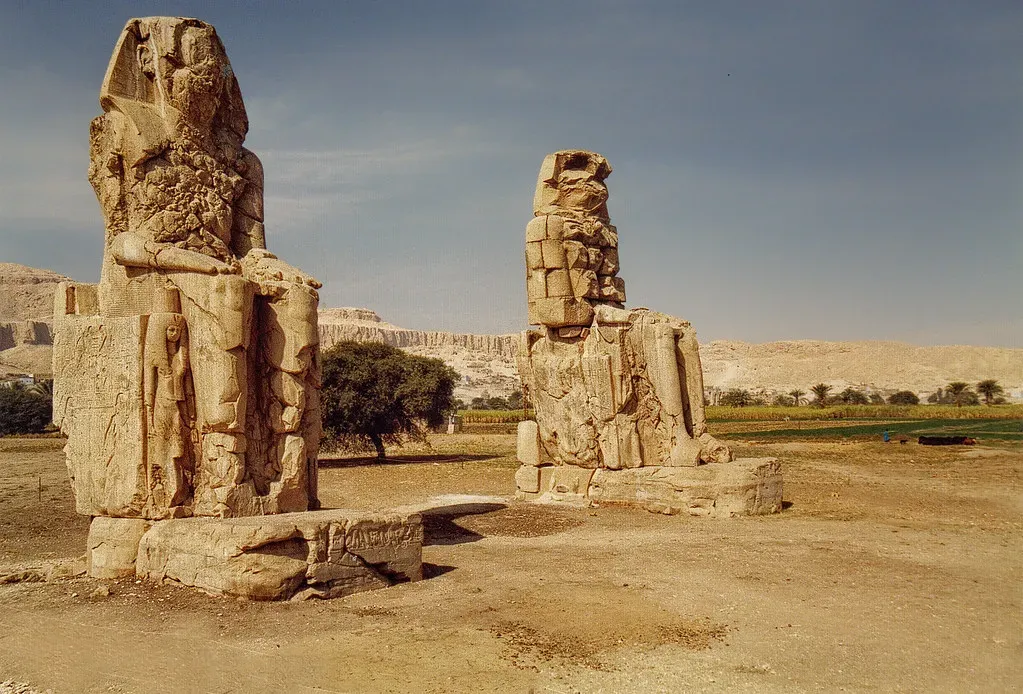
This area has been a focus for Egyptologists and archaeological exploration since the end of the 18th century, and its tombs and burials continue to stimulate research and interest. The Valley of the Kings garnered significant attention following the discovery of the tomb of Tutankhamun in 1922, and in 1979, it became a UNESCO World Heritage Site alongside the rest of the Theban Necropolis. The most notable discovery within the Valley of the Kings is the tomb of King Tutankhamun by British archaeologist Howard Carter in 1922, and inside the tomb were more than 5,000 objects, ranging from a granary and fruit to chariots and chairs to sandals and a cheetah-skin shield, as well as the bodies of the pharaoh’s two stillborn daughters.
The discoveries here just keep coming. In February 2024, it was publicly announced that another royal tomb, the first since King Tut, was identified in 2022. Experts working on the excavation believe it is the tomb of King Thutmose II, who was a pharaoh of the 18th Dynasty thought to have died prematurely from disease around age 30, and since little is known about him, the tomb presents an opportunity to learn much more. This is a place that refuses to stop surprising us. Each new season of digging hints at how much ancient Egypt still has to say.
7. Petra, Jordan – The Rose-Red City Carved from Rock
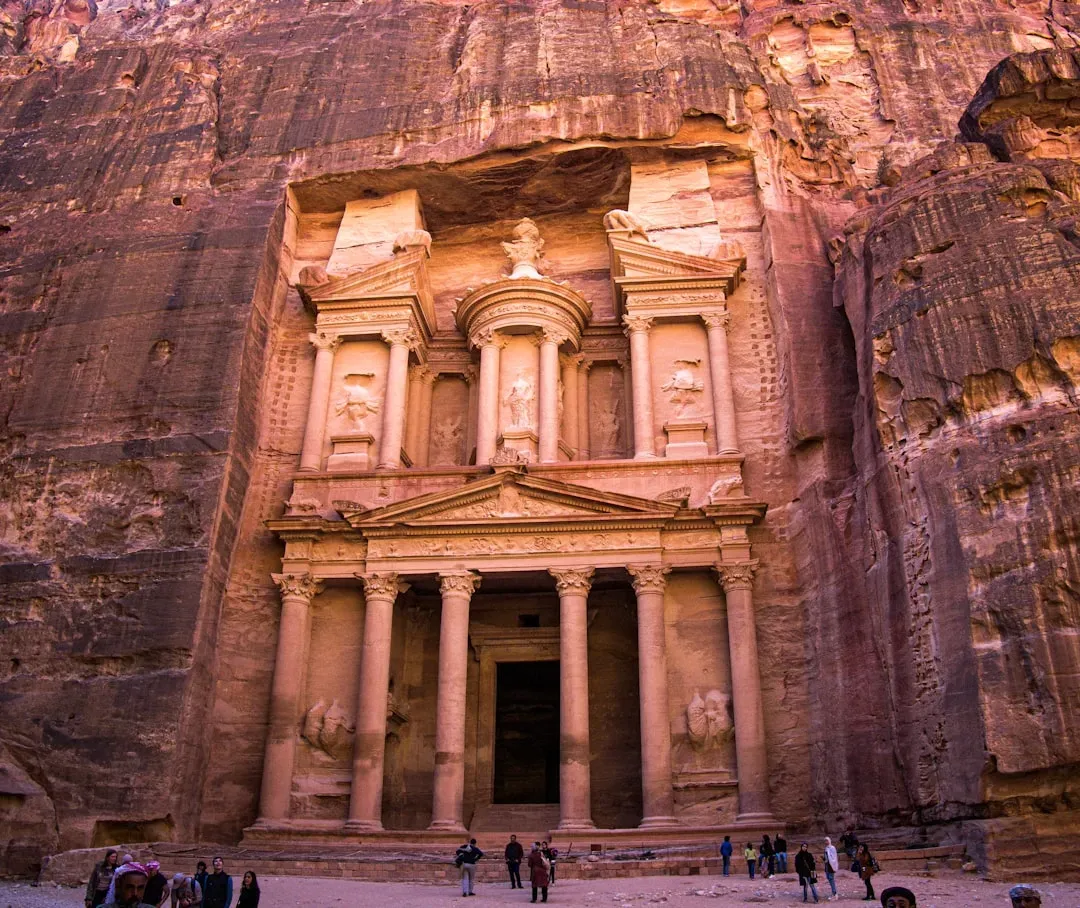
Petra is, without question, one of those places that looks impossible. The carved rock columns of the Treasury, or Al-Khazneh in Arabic, form Petra’s most iconic structure, and the name derives from a legend that the large urn above its façade hides a valuable treasure, though the urn is actually made from solid sandstone. Built by the Nabataean people, this ancient desert city was carved directly into the rosy red cliffs of southern Jordan and served as a vital crossroads of commerce between Arabia, Egypt, and the Mediterranean world.
One of the year’s most remarkable recent finds was the discovery of 12 ancient skeletons in a tomb beneath the Treasury at Petra, a desert archaeological site in Jordan known for the elaborate structures carved into its red sandstone cliffs. Archaeologists announced the discovery of these 12 skeletons buried beneath Al-Khazneh, and since few tombs at the complex actually contain human remains, researchers hope the new find will provide insight into the Nabataean people. Petra was essentially lost to the Western world for centuries before its rediscovery in 1812 by Swiss explorer Johann Ludwig Burckhardt, making it one of archaeology’s most dramatic rediscoveries.
8. Angkor Wat, Cambodia – The Largest Religious Monument Ever Built
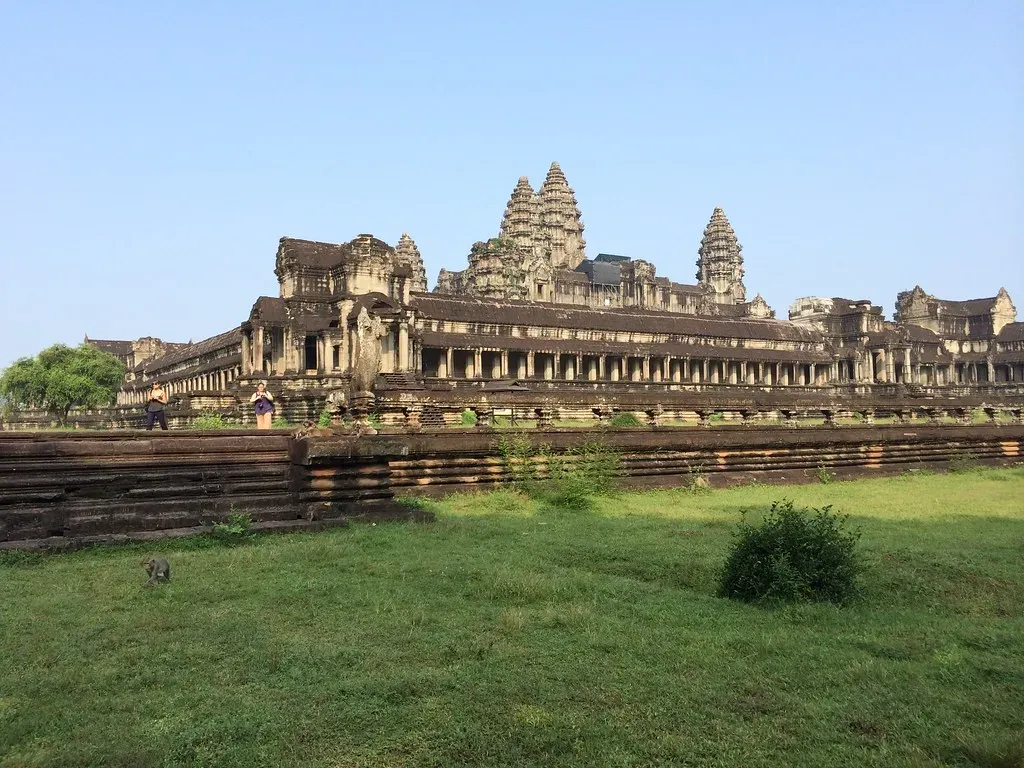
Let’s be real. When you hear “the largest religious monument ever built,” you expect something impressive. Angkor Wat delivers on a scale that still staggers modern architects. Constructed in the early 12th century by the Khmer King Suryavarman II, this temple complex in northwestern Cambodia covers more than 400 acres and was originally dedicated to the Hindu god Vishnu before gradually transforming into a Buddhist site. Countries with more total sites like Italy or China share locations with some of history’s greatest ancient civilizations, and it is common for them to have more sites than average.
For those seeking an Angkor Wat experience without the crowds, the ancient city of Bagan in Myanmar offers a parallel wonder. The fields there are dotted with an estimated 2,300 temples, stupas, and pagodas, down from the roughly 10,000 built between the 11th and 13th centuries. Still, Angkor Wat itself remains the crown jewel. The sheer ambition of its builders, who aligned the temple to astronomical events and decorated every surface with narrative bas-reliefs, shows a civilization of remarkable sophistication. Its rediscovery by Western explorers in the 19th century caused a sensation that echoes to this day.
9. The Terracotta Army, China – An Emperor’s Eternal Guard
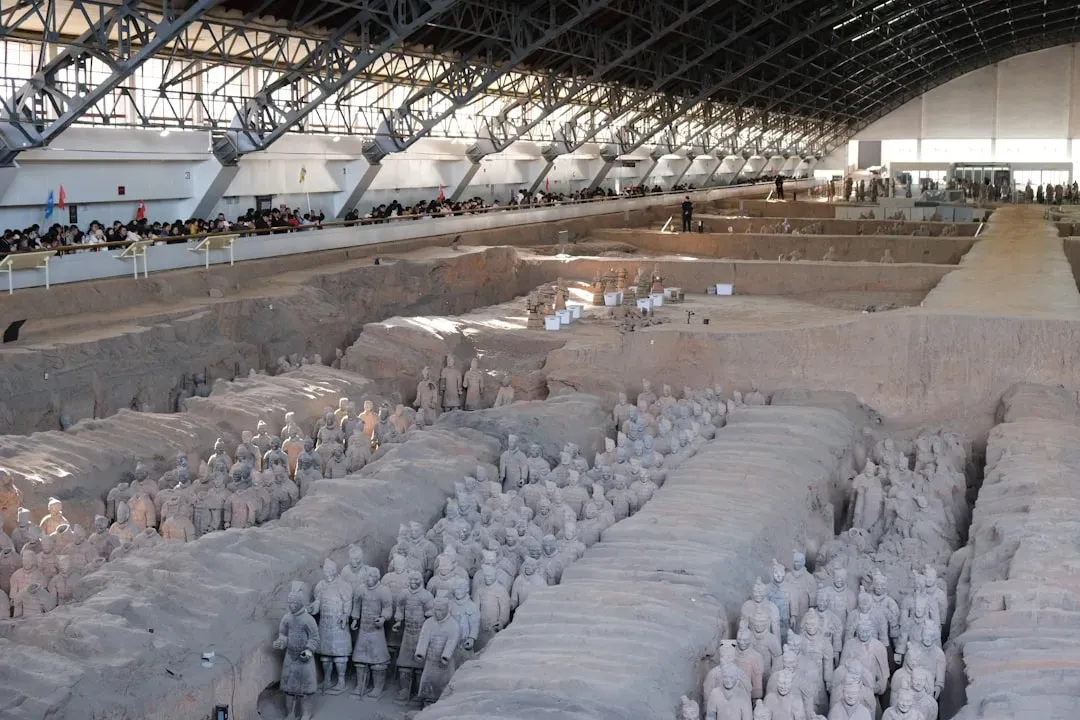
Nineteen miles from Xian sits the tomb of China’s first emperor, Qin Shi Huangdi, a ruthless autocrat who ruled from 221 BCE until his death eleven years later. On top of the burial chamber sits a pyramid-shaped mound with a circumference of almost one mile and a height of 165 feet, and inside, the mausoleum is believed to contain a scale model of the capital city, including mercury-filled rivers and a planetarium with constellations made from pearls. Since the main chamber has not yet been excavated, much remains unknown about the tomb, though an army of more than 8,000 life-size terracotta warriors and horses, each with an individual likeness, was discovered in a nearby pit.
Think about that for a moment. Eight thousand individual faces. Not a single one is a duplicate. Each soldier was sculpted with different features, different expressions, different hairstyles. It is one of the most astonishing demonstrations of artistic ambition and administrative organization in the ancient world. The tomb complex was accidentally discovered in 1974 by local farmers digging a well, which remains one of the most remarkable stories of accidental discovery in all of archaeology. The inner burial chamber itself remains sealed, and what it may contain continues to tantalize researchers.
10. Mohenjo-daro, Pakistan – The City That Had No Kings
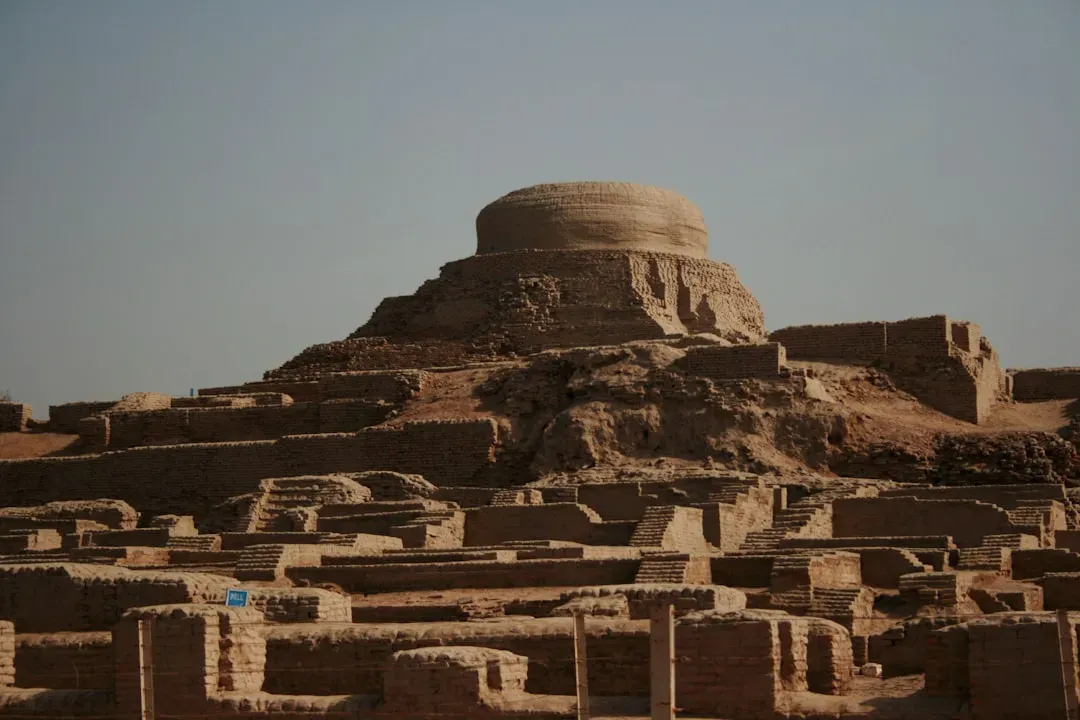
Mohenjo-daro, meaning “the mound of the dead” in the Sindhi language, ranks among archaeology’s greatest puzzles. Built around 2500 BCE, the same era as Egypt’s pyramids, it was the largest city of the Indus Valley Civilization, and unlike other ancient civilizations, archaeologists found zero evidence of monarchy or central authority. Located in what is now the province of Sindh, Pakistan, it held a population of roughly 40,000, and the city features standardized mud bricks, rectilinear street grids, and covered sewage systems complete with flush toilets, cesspits, and public baths.
Water ruled Mohenjo-daro like no pharaoh ever ruled Egypt. The city’s most iconic structure is the Great Bath, a watertight tank measuring 39 by 23 feet and 8 feet deep, built atop an artificial mound with walls of fired brick, and it is the closest thing to a temple the city ever possessed. Trade connected its inhabitants to distant lands, and seals from Mohenjo-daro have been found in Mesopotamia, evidence of a vibrant exchange of goods and ideas. Fascinatingly, its writing system remains undeciphered to this day, making it one of the greatest unsolved linguistic mysteries in the world.
11. Chichén Itzá, Mexico – The Pyramid That Plays Tricks With Light
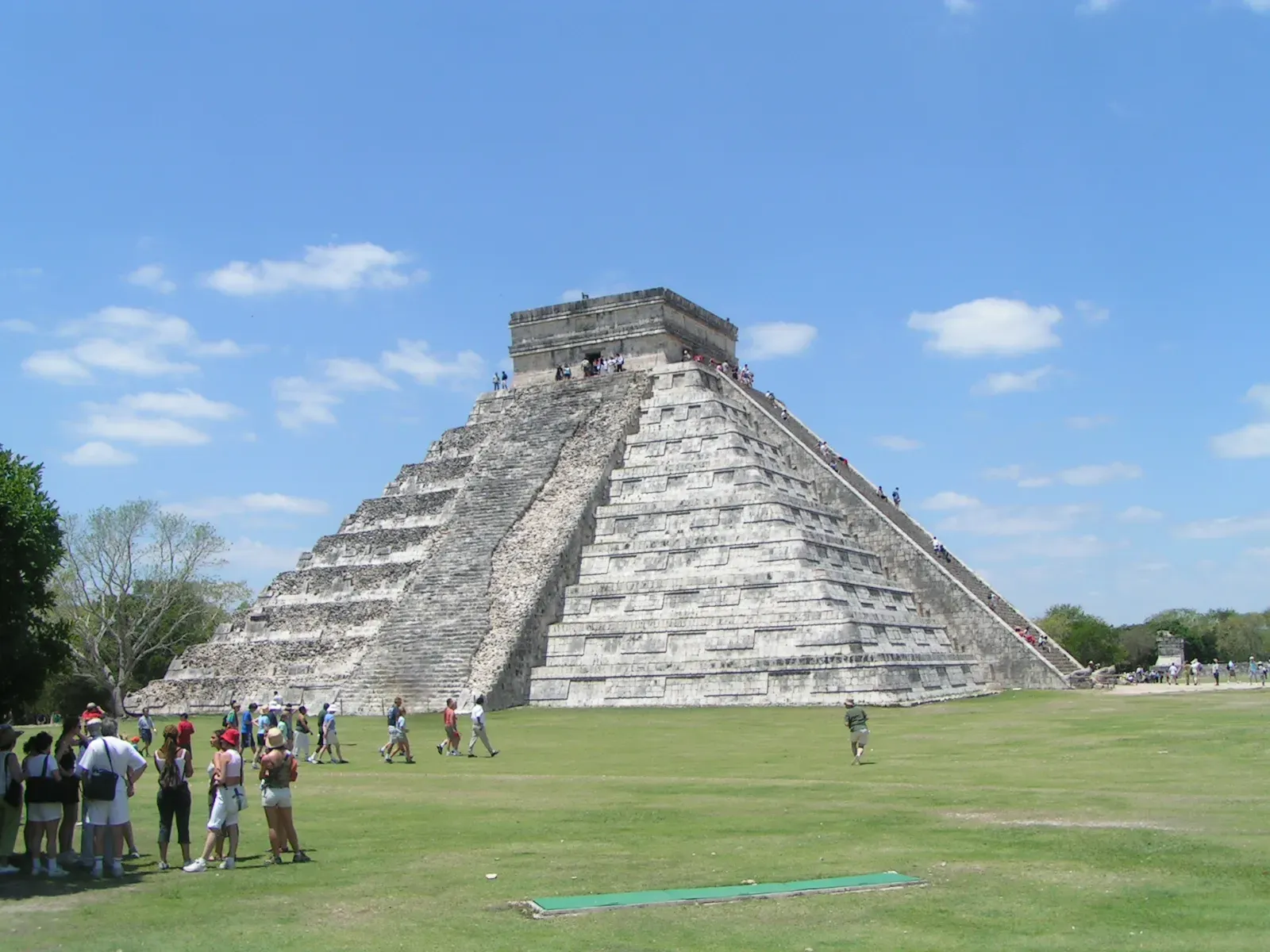
If you’ve ever been to Chichén Itzá during the spring equinox, you already know what I’m talking about. The iconic El Castillo pyramid, rising nearly 100 feet from the flat Yucatán plain, is engineered so precisely that twice a year, during the spring and autumn equinoxes, the setting sun creates a shadow pattern on the staircase that resembles a serpent slithering down to the earth. This phenomenon attracts thousands to the already packed archaeological site, and other attractions include a circular observatory, the Great Ball Court, and the Jaguar Temple.
The Maya civilization that built Chichén Itzá around 600 CE was among the most intellectually advanced societies in the ancient Americas, developing a sophisticated calendar system and one of only a handful of genuinely independent writing systems in all of human history. A 2024 AI-assisted study identified 303 previously unknown geoglyphs in the Peruvian desert, and while that relates to the Nazca culture, it illustrates how new technologies are still dramatically reshaping our understanding of pre-Columbian civilizations. Chichén Itzá itself continues to yield new discoveries, reminding you that even the most studied sites have more secrets to share.
12. Göbekli Tepe’s Sibling: The Nazca Lines, Peru – Drawings Only the Sky Can Read
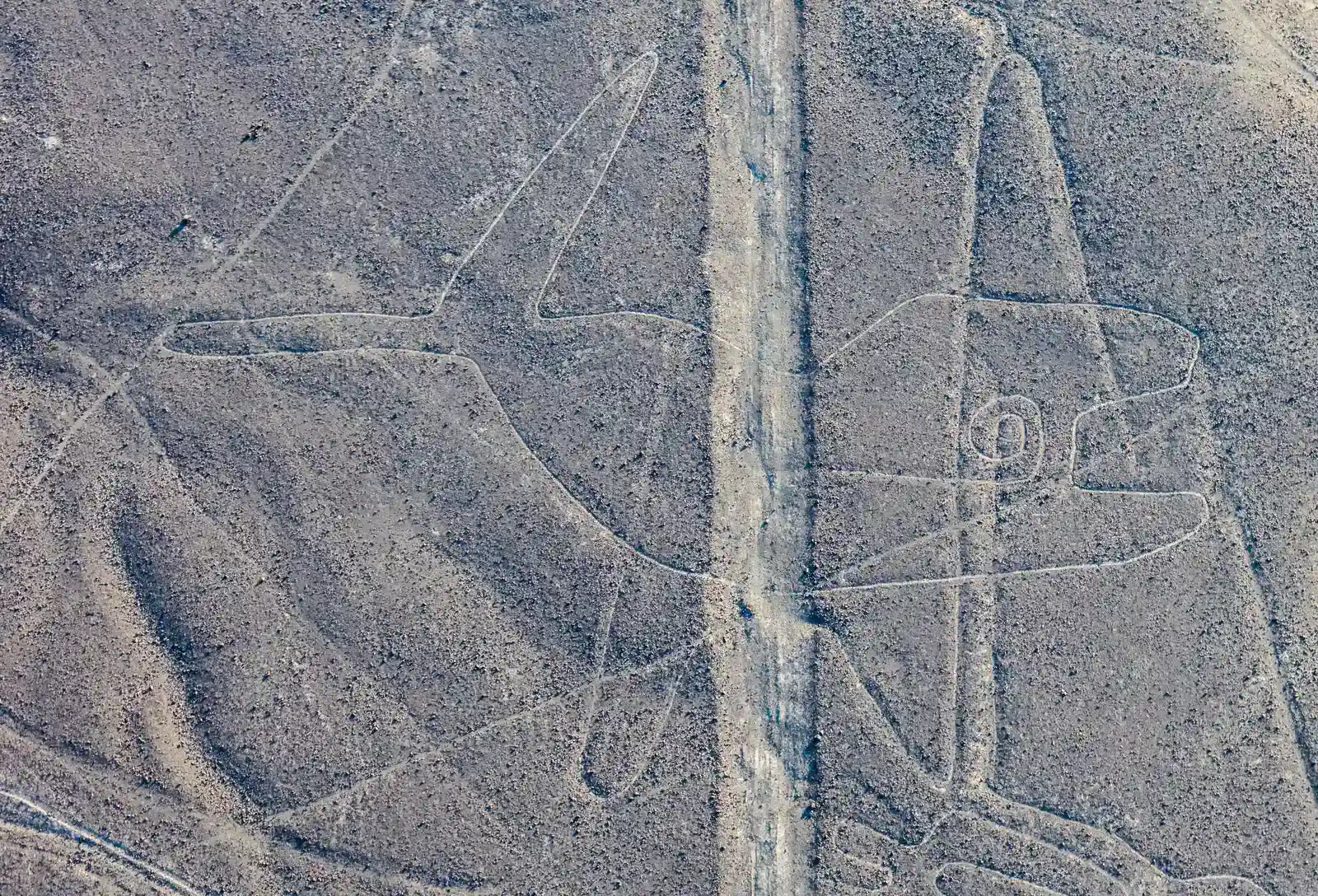
The Nazca lines are a collection of hundreds of geometric earthworks in southern Peru. Some look like landing strips and run for kilometers. Others are shaped like animals or people. Pottery shards near these sites suggest they were made by pre-Columbian people between 100 BCE and 1400 CE. You can’t properly see them from the ground. They were designed, it seems, to be viewed from above, which has fuelled centuries of wild speculation and, more recently, serious scientific inquiry.
People have known about the existence of around 400 Nazca lines thanks to surveys that started in the 1940s, and archaeologists added hundreds more to the mix in 2024 thanks to the scanning power of AI, which identified 303 more shapes in the region over just six months. The leading scientific consensus suggests these geoglyphs were connected to ritual practices and possibly water-related ceremonies in an arid environment where water was precious and scarce. The fact that a largely pre-industrial civilization created images so large they require aerial perspective to appreciate fully is one of the most disorienting and electrifying puzzles archaeology has ever faced.
Conclusion: The Past Is Never Truly Gone
Across every continent, in deserts and jungles and under ancient seabeds, the remnants of who we once were continue to surface. When ancient ruins are rediscovered, they have the ability to fundamentally rewrite our understanding of history, and through archaeological expeditions, researchers have learned of lost cities, forgotten religions, and entire civilizations that had previously gone unrecognized. These twelve sites are not merely tourist destinations or historical curiosities. They are living arguments that human ingenuity, creativity, and the drive to make meaning are not modern inventions.
What strikes me most, honestly, is how much is still unknown. Göbekli Tepe is barely scratched. Mohenjo-daro’s script remains unread. The inner chamber of Qin Shi Huangdi’s tomb has never been opened. The more archaeology advances, the more it seems to reveal the sheer depth of what we do not yet know. These sites have been waiting for thousands of years. They will keep waiting, patient as stone.
Which of these twelve sites surprised you the most? Drop your thoughts in the comments and let us know which one you’d most want to visit.