Wyoming – Paleontologists continue to reveal a diverse avian fossil record that stretches from the Late Cretaceous to the Cenozoic era. This timeline captures the state’s role in understanding bird evolution following the dinosaur extinction. Exceptional finds, particularly from the Eocene Green River Formation, highlight Wyoming’s unique contribution to ornithological history.
Sparse Beginnings in the Late Cretaceous
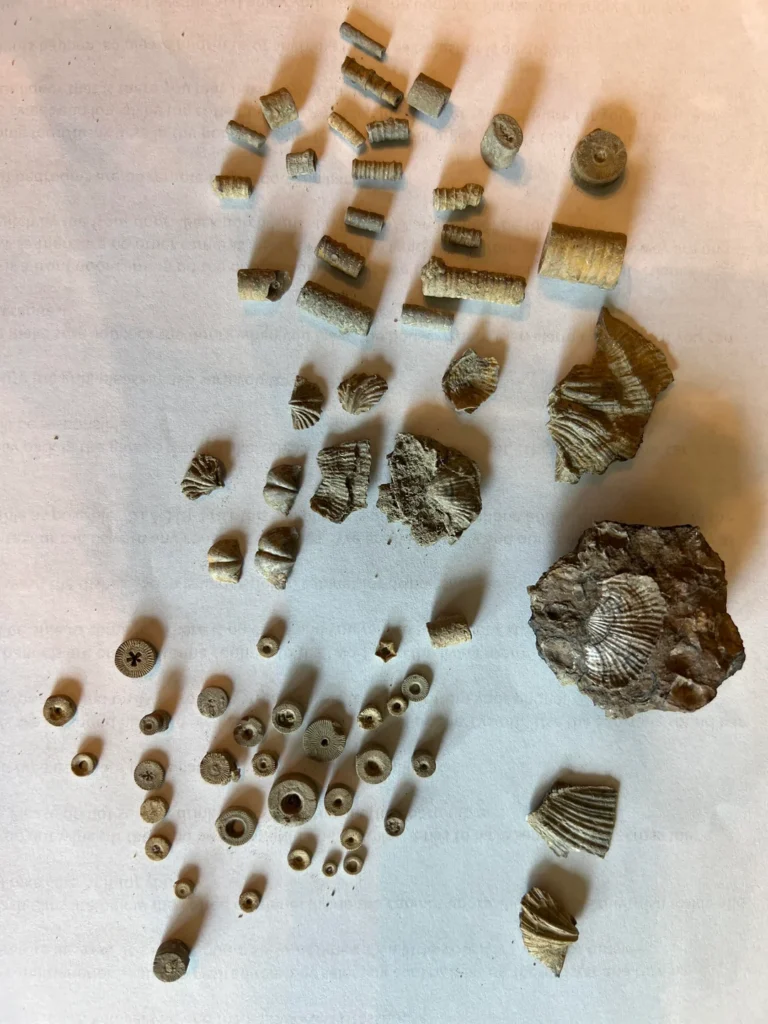
Sparse Beginnings in the Late Cretaceous (Image Credits: Reddit)
The earliest evidence of birds in Wyoming dates back approximately 79 million years to the Late Cretaceous period. Fossils from the Mesa Verde Formation and Pierre Shale consist mainly of fragmentary remains, offering limited insights into these ancient flyers. These sparse discoveries mark the initial appearance of birds in the region amid a world dominated by dinosaurs.
Researchers note that such early records remain incomplete, underscoring the challenges of preserving delicate bird bones over vast timescales. Still, these fragments confirm birds’ presence before the mass extinction event that reshaped life on Earth.
Eocene Abundance in the Green River Formation
Wyoming’s Eocene epoch, around 50 to 52 million years ago, produced some of the world’s finest bird fossils, primarily from the Green River Formation’s Fossil Lake deposits near Kemmerer. This site yielded exquisitely preserved specimens, including complete skeletons with feathers, thanks to the ancient lake’s oxygen-poor bottom waters. At least 34 bird species from 27 families have emerged from these layers, far outpacing other intervals in the state’s record.
Paleontologists describe the Green River as an unparalleled snapshot of an ecosystem recovering from extinction. Birds here closely resemble modern tropical and subtropical groups, with strong ties to European contemporaries. The formation’s Fossil Butte Member stands out for its detailed preservation of feathers and skeletal features, rare even among global sites.
Standout Discoveries Reshaping Bird Evolution
One landmark find from Fossil Lake is Eofringillirostrum boudreauxi, the earliest known seed-eating perching bird, dated to 52 million years ago. This passerine relative featured a finch-like beak adapted for hard seeds, a trait uncommon in early birds that typically pursued insects or larger prey. The complete, feathered skeleton illuminated the rapid diversification of songbirds, which now dominate avian diversity.
Another rarity surfaced on a private ranch near Kemmerer: a feathered bird fossil potentially representing a new species ancestral to modern mousebirds. Discovered during Green River excavations, it joined the Field Museum’s collection after donation, highlighting the site’s ongoing yields. These specimens underscore Wyoming’s role in tracing post-Cretaceous avian adaptations.
Diverse Avian Families and Preservation Marvels
The Green River Formation boasts an impressive array of bird types, reflecting a thriving Eocene ecosystem:
- Frigate birds, known for aerial prowess.
- Parrots, with strong beaks for cracking nuts.
- Jacamars, tropical insectivores.
- Mousebirds, agile climbers.
- Early passerines and others totaling over 30 species.
Complete birds prove scarce, with predators like turtles likely scattering remains, yet feathers and partial skeletons abound. This diversity aided studies on flight evolution and ecological roles.
Expert Contributions and Future Prospects
Jean-Pierre Cavigelli, collections manager at Casper College’s Tate Geological Museum, has illuminated Wyoming’s bird fossils through presentations and fieldwork. His talks trace the record from Cretaceous fragments to Eocene riches, emphasizing untapped potential in Paleocene and post-Eocene gaps. Cavigelli’s expertise stems from decades managing collections and expeditions worldwide.
The state’s avian story remains incomplete, with much work ahead for paleo-ornithologists. Ongoing quarries like Fossil Lake Safari continue unearthing specimens, promising further revelations.
Key Takeaways
- Wyoming’s bird fossils span 79 million years, peaking in Eocene Green River deposits.
- Over 30 species from Fossil Lake reveal early modern bird traits.
- Discoveries like E. boudreauxi track seed-eating and passerine origins.
Wyoming’s fossil birds offer enduring lessons on resilience and adaptation in the skies. As new finds emerge, they bridge ancient ecosystems to today’s winged world. What aspect of these prehistoric flyers intrigues you most? Share in the comments.