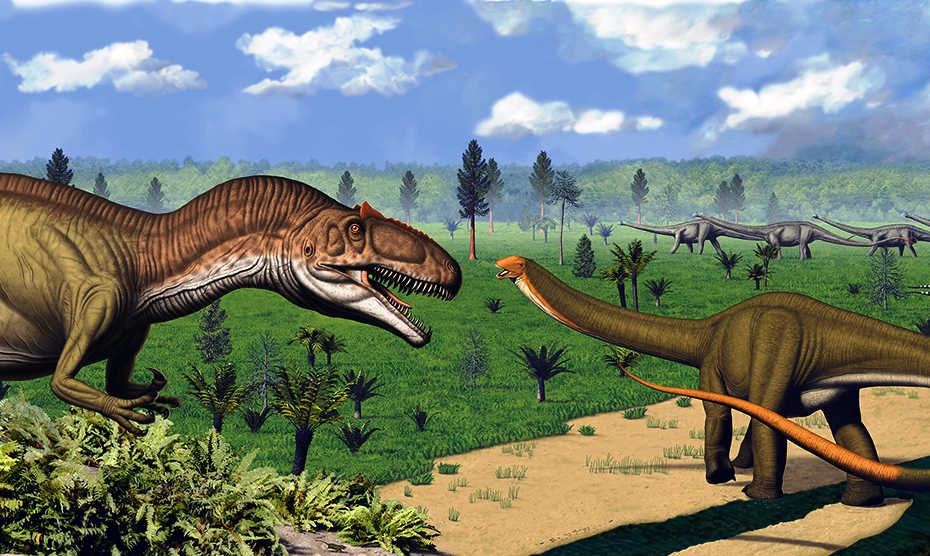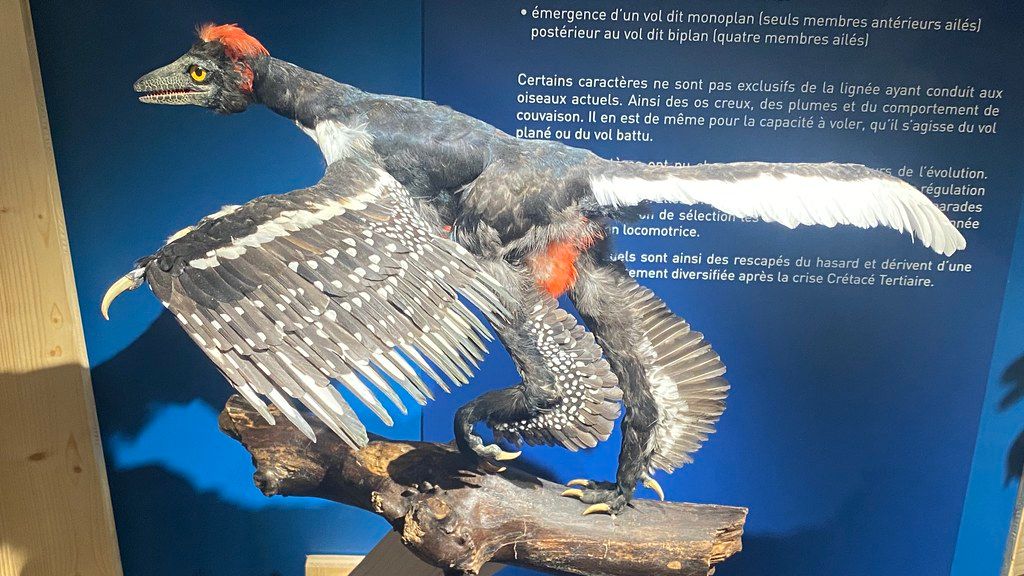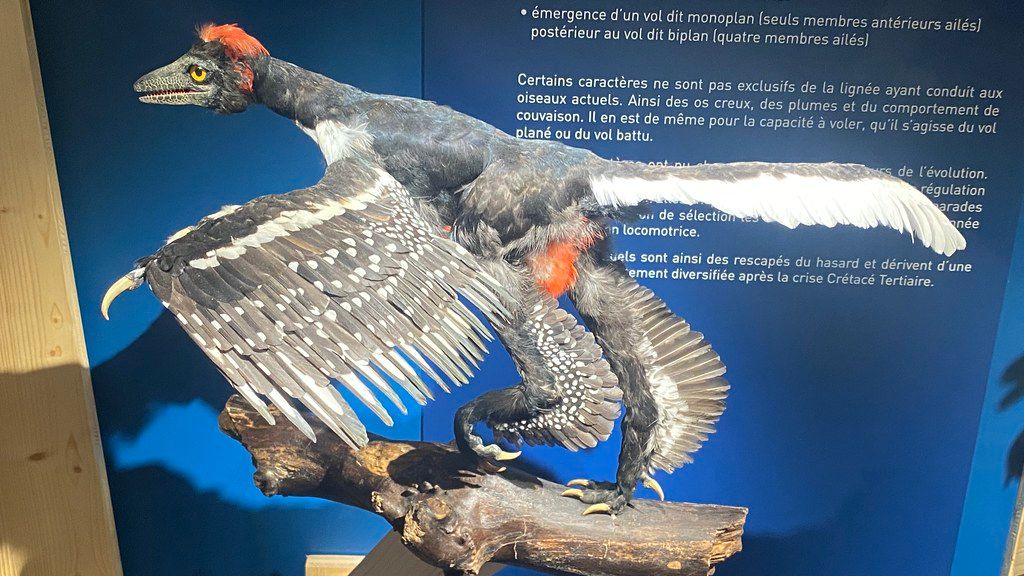
Picture a Velociraptor. Now picture a sparrow. Honestly, at first glance, you’d never think those two creatures share a direct family connection. Yet science has spent over 160 years quietly assembling one of the most jaw-dropping evolutionary stories ever told – and the evidence is now more compelling than ever.
The idea that every bird you’ve watched dart across the sky is, in fact, a living dinosaur sounds almost poetic. But it’s also scientifically rigorous, backed by fossils, genetics, and an ever-growing understanding of deep evolutionary time. If you’ve ever looked at a pigeon on a city ledge and felt a strange kind of awe, you were onto something real. Let’s dive in.
The Theropod Connection: Where It All Begins
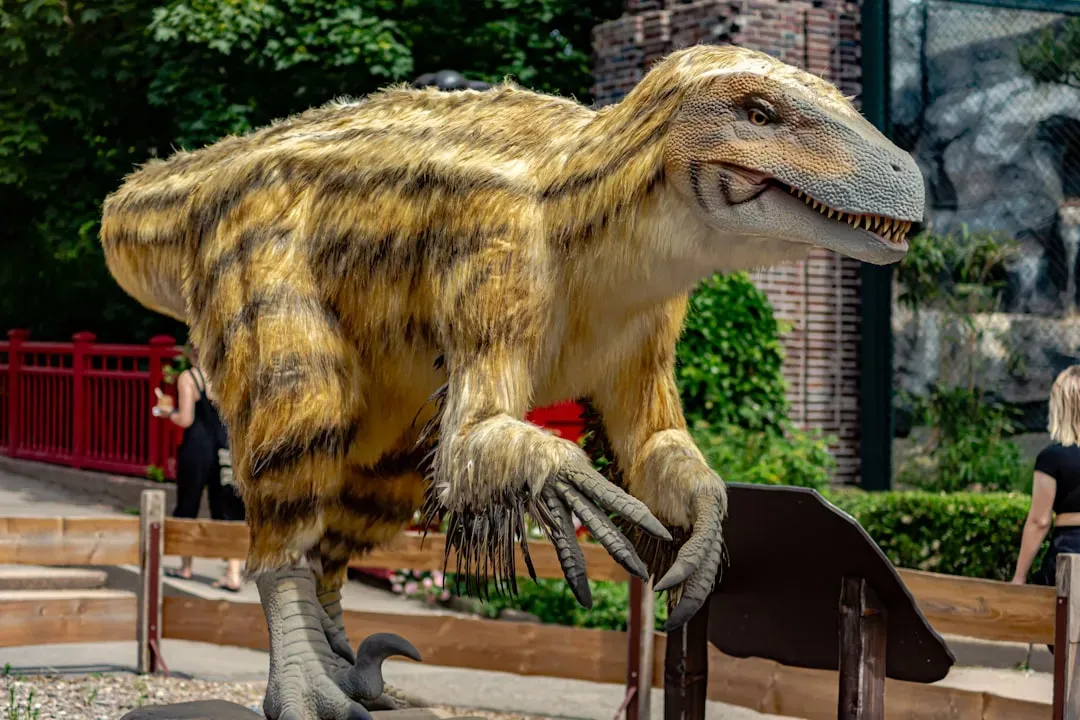
You might be surprised to learn that the dinosaur group you need to focus on isn’t the lumbering giants. The group that Tyrannosaurus rex belonged to – theropods – was the humble origin of modern-day birds, though birds evolved from much smaller species, more like Velociraptor. Think of it this way: the terrifying poster dinosaur of every museum gift shop is, in evolutionary terms, a distant cousin of your garden robin.
The present scientific consensus is that birds are a group of maniraptoran theropod dinosaurs that originated during the Mesozoic era. This wasn’t always a settled conclusion. For much of the 20th century, scientists fiercely debated the origins of birds, with some arguing for a completely different reptilian ancestor. It took wave after wave of fossil discoveries to finally tip the scales. The theropod lineage, it turns out, had been quietly evolving toward birdhood for tens of millions of years.
Archaeopteryx: The Crown Jewel of Evolutionary Fossils
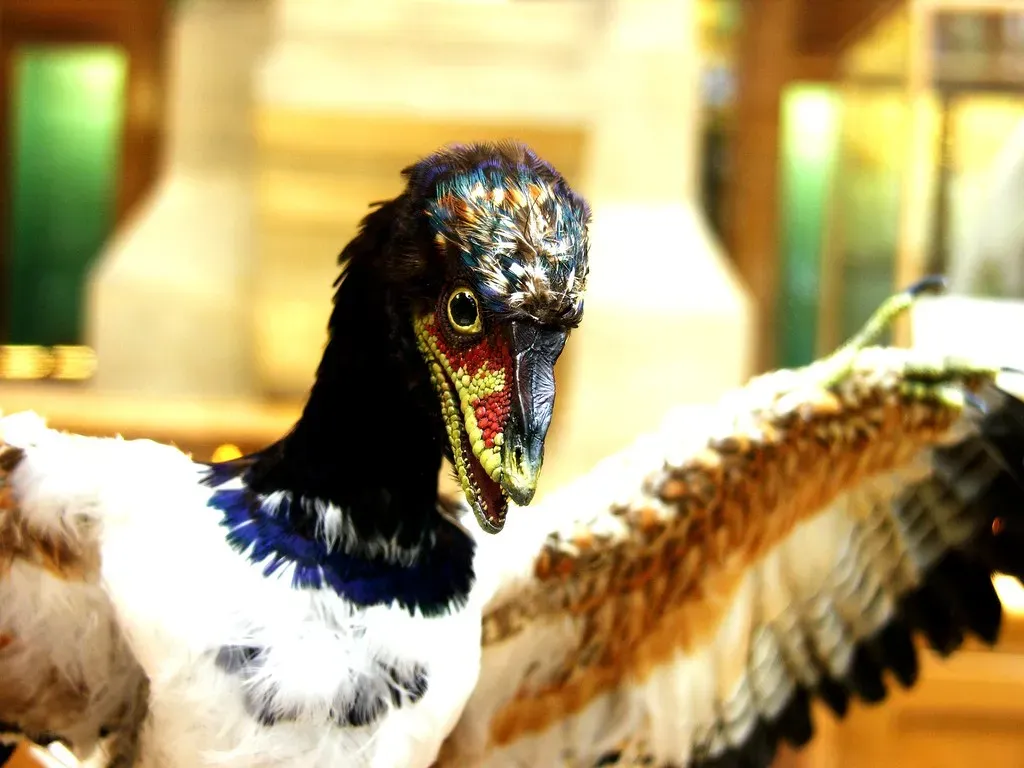
Known as “the missing link” between dinosaurs and birds, Archaeopteryx lived in the Late Jurassic around 150 million years ago. When this creature was first described back in 1861 – just two years after Darwin published his landmark work – it caused a sensation. Here was a creature that seemed to exist precisely at the boundary between reptile and bird, as if nature had drawn a deliberate line and then crossed it.
Despite their small size, broad wings, and inferred ability to fly or glide, Archaeopteryx had more in common with other small Mesozoic dinosaurs than with modern birds. In particular, they shared features with the dromaeosaurids and troodontids: jaws with sharp teeth, three fingers with claws, a long bony tail, and hyperextensible second toes. It’s a creature that defies easy categorization, and that’s precisely what makes it so thrilling. Archaeopteryx had feathers, hollow bones, and wings. It was roughly the size of a raven and had a wishbone, a hallmark feature of birds today.
Feathers Before Flight: The Surprising Story of Plumage
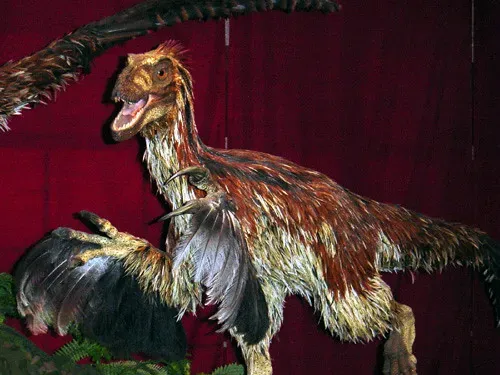
Sinosauropteryx and other Liaoning fossils make one thing certain: feathers did not suddenly spring forth with the first birds but originally debuted far earlier, in their distant dinosaurian ancestors. Here’s the thing – feathers weren’t invented for flying. That idea seems almost counterintuitive, but the fossil record is clear on this point. The earliest feathers were more like fluffy insulation than aerodynamic tools.
The first feathers must have therefore evolved for something else, probably to keep these small dinosaurs warm. For most dinosaurs, a coat of bristly feathers was enough. But one subgroup – the maniraptoran theropods – went for a makeover. Over millions of years, those simple filaments became more complex. Dromaeosaurids and Archaeopteryx developed a vane-like structure in which the barbs are well-organized and locked together by barbules – identical to the feather structure of living birds. That’s a staggering leap from fuzz to flight feathers, and yet it happened step by methodical step.
A Gradual Transformation: Evolution One Feature at a Time
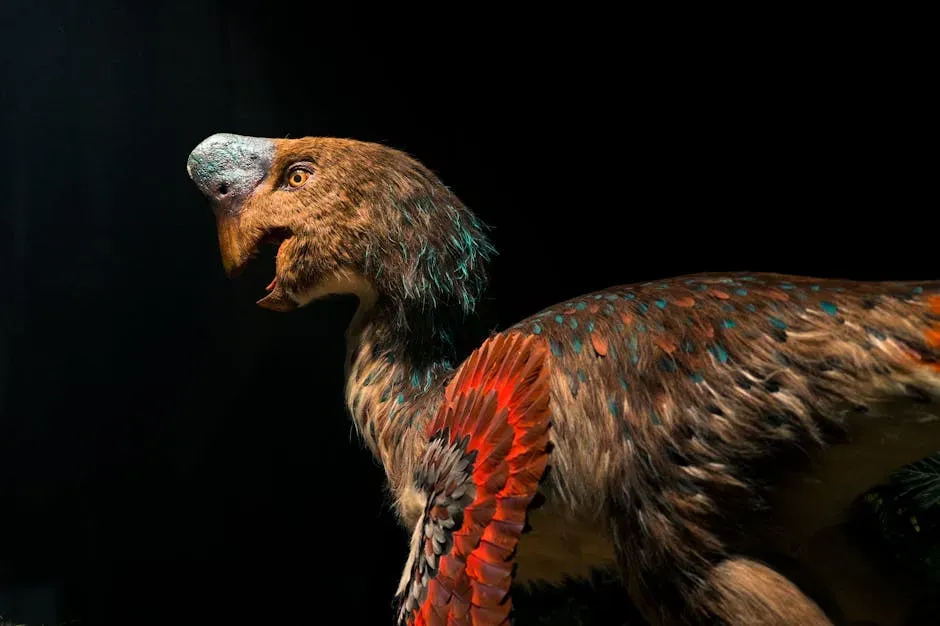
One of the most common misconceptions is that dinosaurs “became” birds in one dramatic event – like some prehistoric metamorphosis. In reality, the process was anything but sudden. Birds didn’t evolve in one fell swoop from their dinosaur ancestors, suggests a newly constructed dinosaur family tree showing our feathery friends evolved very gradually at first. The findings show that birdlike features such as wings and feathers developed slowly over tens of millions of years.
Researchers tracked changes in a number of skeletal properties over time and found that there was no great jump that distinguished birds from other coelurosaurs. “A bird didn’t just evolve from a T. rex overnight, but rather the classic features of birds evolved one by one; first bipedal locomotion, then feathers, then a wishbone, then more complex feathers that look like quill-pen feathers, then wings.” Think of it like renovating a house one room at a time over decades. You’d look at it every day and barely notice the change. Then one day a stranger visits and says – wait, is that a completely different house? That’s evolution in a nutshell.
The Chinese Fossil Revolution: Filling in the Gaps
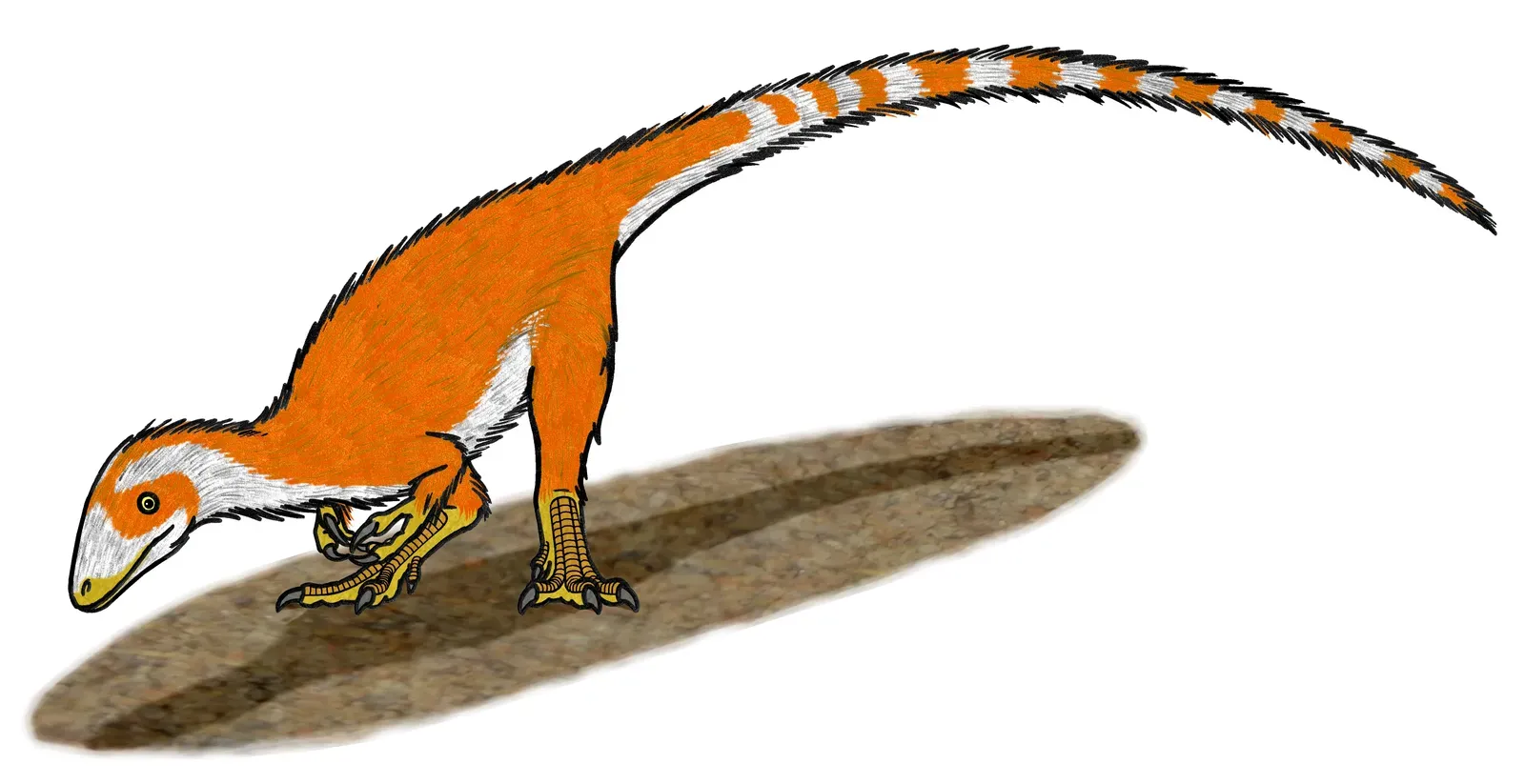
The discovery that birds evolved from small carnivorous dinosaurs of the Late Jurassic was made possible by recently discovered fossils from China, South America, and other countries, as well as by looking at old museum specimens from new perspectives and with new methods. It’s hard to say for sure, but the sheer volume of feathered dinosaur fossils coming out of China’s Liaoning Province may have done more to transform our understanding of bird evolution than anything else in the past century.
Discoveries in northeast China, Liaoning Province, demonstrate that many small theropod dinosaurs did indeed have feathers, among them the compsognathid Sinosauropteryx and the microraptorian dromaeosaurid Sinornithosaurus. These weren’t marginal oddities. There are now so many feathered dinosaurs from Liaoning and elsewhere that, taken together, they provide the best glimpse at a major evolutionary transition in the fossil record. It’s like finding a long-lost chapter of a book you thought was missing forever.
Shrinking Giants: How Body Size Drove the Transformation
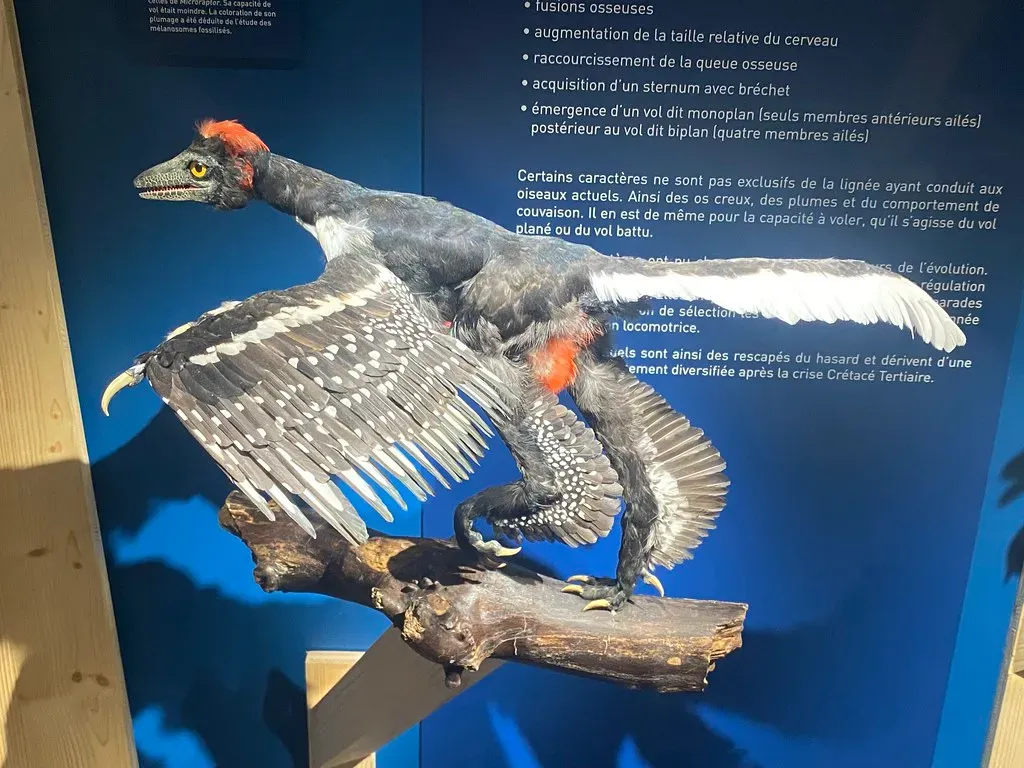
Let’s be real – one of the most visually striking things about the dinosaur-to-bird transition is the dramatic change in size. T. rex tips the scales at roughly nine tons. A sparrow weighs less than a teaspoon of sugar. That transformation didn’t happen overnight either. A study reveals why this lineage has been so successful: birds started downsizing well before the rest of the dinosaurs disappeared.
When an asteroid hit Earth 66 million years ago, only those feathered maniraptorans that had downsized to about one kilogram or so – the birds – were able to survive, probably because their small size allowed them to adapt more easily to changing conditions. The researchers argue that being small made it easier for maniraptorans to adapt to a wider variety of habitats, whereas the rest of the dinosaurs, encumbered by their huge bodies and enormous food requirements, simply didn’t make it. In evolutionary terms, being small and flexible turned out to be the ultimate survival strategy. Size, it seems, really isn’t everything.
Surviving the Apocalypse: Why Birds Made It and Others Didn’t
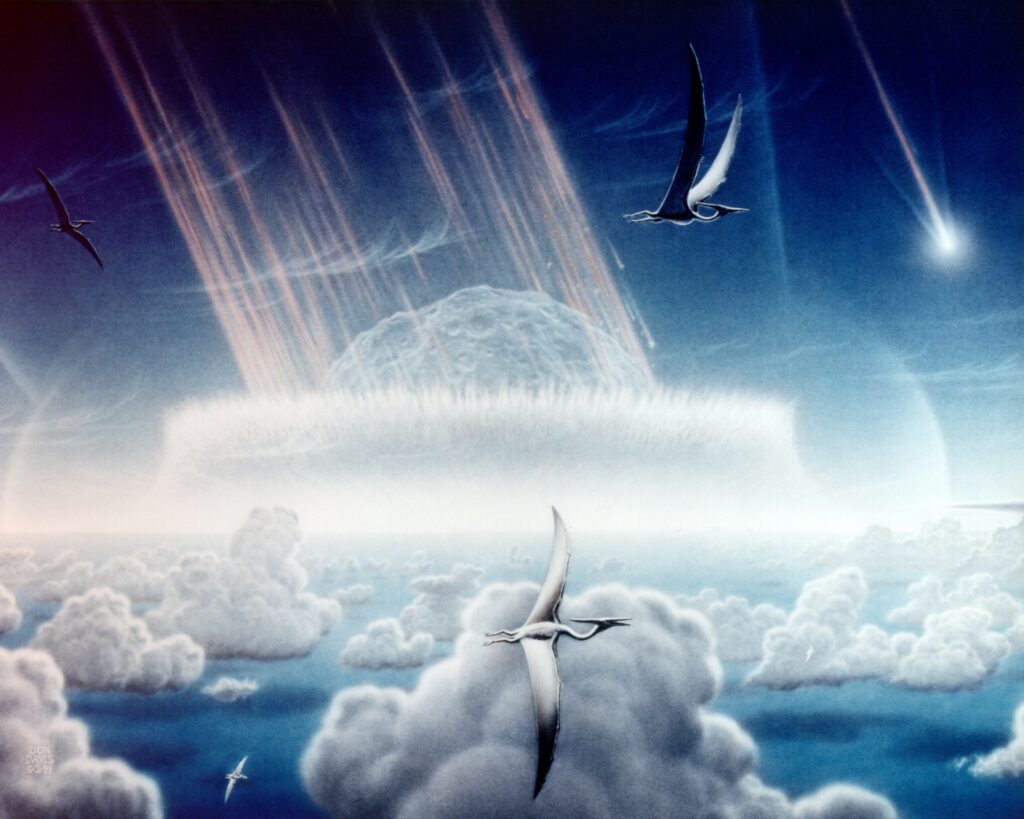
Sixty-six million years ago, a rock roughly six miles across slammed into what is now Mexico’s Yucatan Peninsula. The aftermath was catastrophic. An asteroid more than six miles across struck what’s now the Yucatan Peninsula, triggering the fifth mass extinction in the world’s history. Some of the debris thrown into the atmosphere returned to Earth, the friction turning the air into an oven and sparking forest fires as it landed all over the world. Then the intensity of the heat pulse gave way to a prolonged impact winter, the sky blotted out by soot and ash as temperatures fell.
You’d think that under those conditions, nothing would survive. Yet some birds did, and science has been piecing together the reason why. Of the groups of birds and bird-like reptiles present at the end of the Cretaceous, it was only the beaked birds that survived. The happenstances of evolution had given birds a lucky break, the key events set in motion long before the asteroid struck. In the aftermath of the extinction, when animal life was severely cut back, beaked birds were able to feed on the seeds of the destroyed forests and wait out the decades until vegetation began to return. Seeds, of all things, were the boarding pass to the future.
Conclusion: The Most Spectacular Survival Story Ever Told
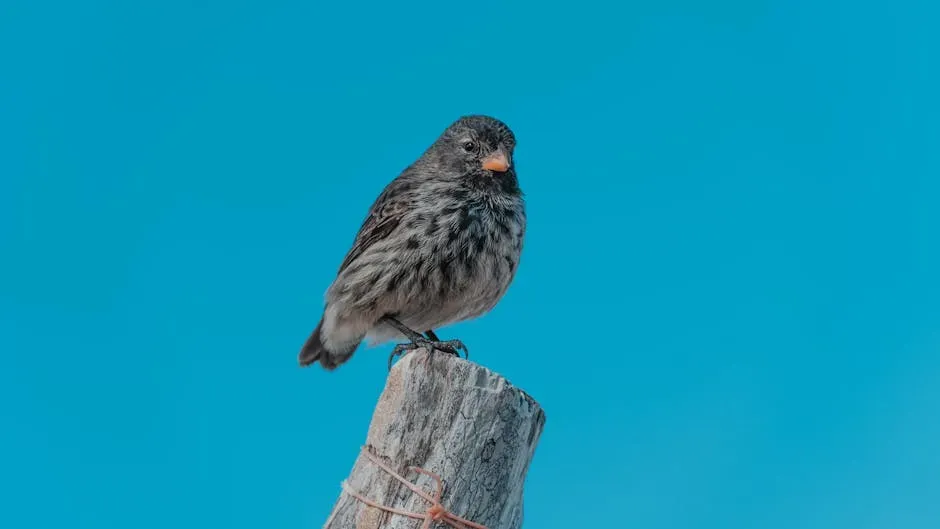
Among the most revolutionary insights emerging from 200 years of research on dinosaurs is that the clade Dinosauria is represented by approximately 11,000 living species of birds. Every time you watch a flock of starlings twist and turn in the late afternoon sky, you’re watching the direct descendants of creatures that once ruled the Earth. That’s not metaphor – that’s evolutionary biology.
The story of how prehistoric birds evolved from dinosaurs is not a simple tale of one creature becoming another. It’s a sprawling, multi-million-year epic of gradual change, lucky accidents, feathered experiments, and ultimately, extraordinary resilience. While 200 years of research on dinosaurs has revealed a huge amount about the extinct diversity of the Mesozoic Era, arguably the most important single insight arising from that vast body of research is the revelation that Dinosauria includes all birds, living and extinct. The missing links, as it turns out, were never truly missing. They were buried in limestone, waiting to be found.
Next time a bird lands near you, take a second look. What do you see now that you didn’t before?