
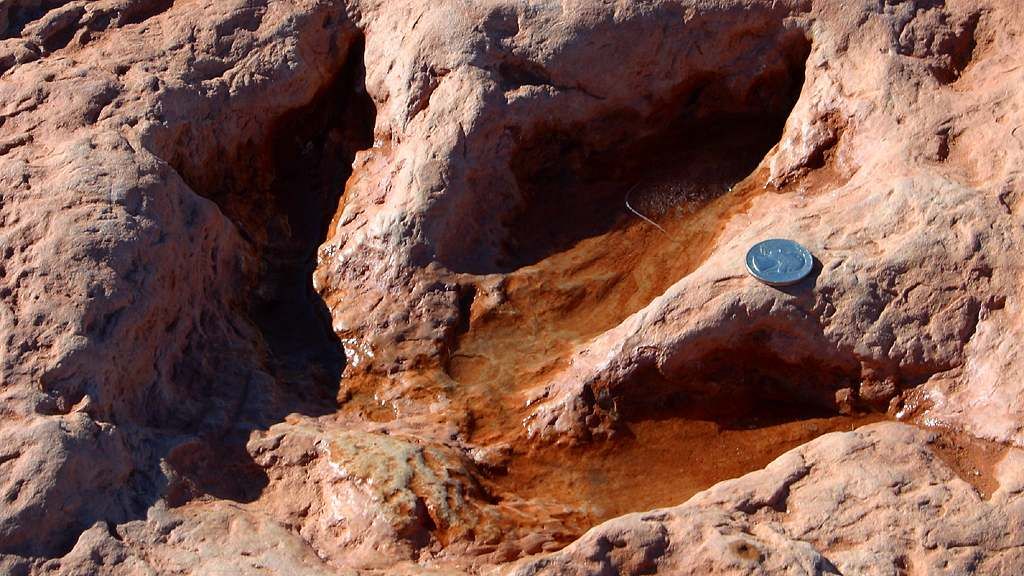
There is something almost surreal about the idea that the ground you walk on might be hiding the footsteps of a creature that lived over 150 million years ago. You could be standing on a hiking trail in Colorado, strolling through a Utah canyon, or exploring a state park in Texas, and just beneath the rock – or right at its surface – the ancient impression of a massive dinosaur foot is quietly waiting to be found.
The United States is home to some of the most extraordinary dinosaur tracksite geology on the planet, with formations scattered from Alaska to the American Southwest. Each one tells a different story, shaped by ancient seas, lakeshore mudflats, shifting sand dunes, and the slow, patient work of geological time. So let’s dive in and explore the ten formations that are hiding these breathtaking ancient footprints.
1. The Glen Rose Formation, Texas – Where Sauropod Giants Left Their Mark
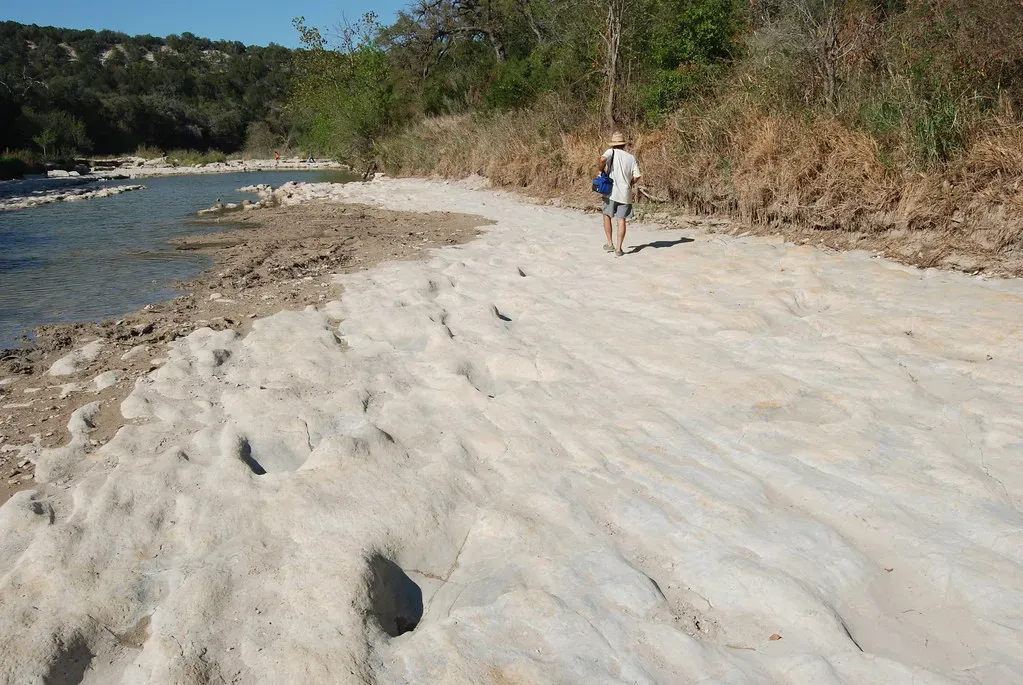
If you ever find yourself in Glen Rose, Texas, you are standing on top of one of the most scientifically important pieces of ground in all of North American paleontology. In the United States, dinosaur footprints and trackways are found in the Glen Rose Formation, the most famous of these being the Paluxy River site in Dinosaur Valley State Park – the first sauropod footprints to be scientifically documented, and they were designated a US National Natural Landmark in 1969.
The Dinosaur Valley State Park trackway is famous as a well-preserved site of very large sauropod dinosaurs, with the tracks preserved in the Lower Cretaceous Glen Rose Formation in the river bed – and rear footprints of the sauropods are as much as 3 feet in diameter and 18 inches deep. To put that in perspective, that is roughly the size of a large car tire pressed into ancient limestone. The formation also contains evidence of theropods walking in the same area, and the prints are thought to have been preserved originally in a tidal flat or lagoon, with tracks from two types of dinosaur – a sauropod made by an animal of 30 to 50 feet in length, and a second set from a theropod of 20 to 30 feet in length.
2. The Morrison Formation, Colorado and Utah – The Jurassic Superstar
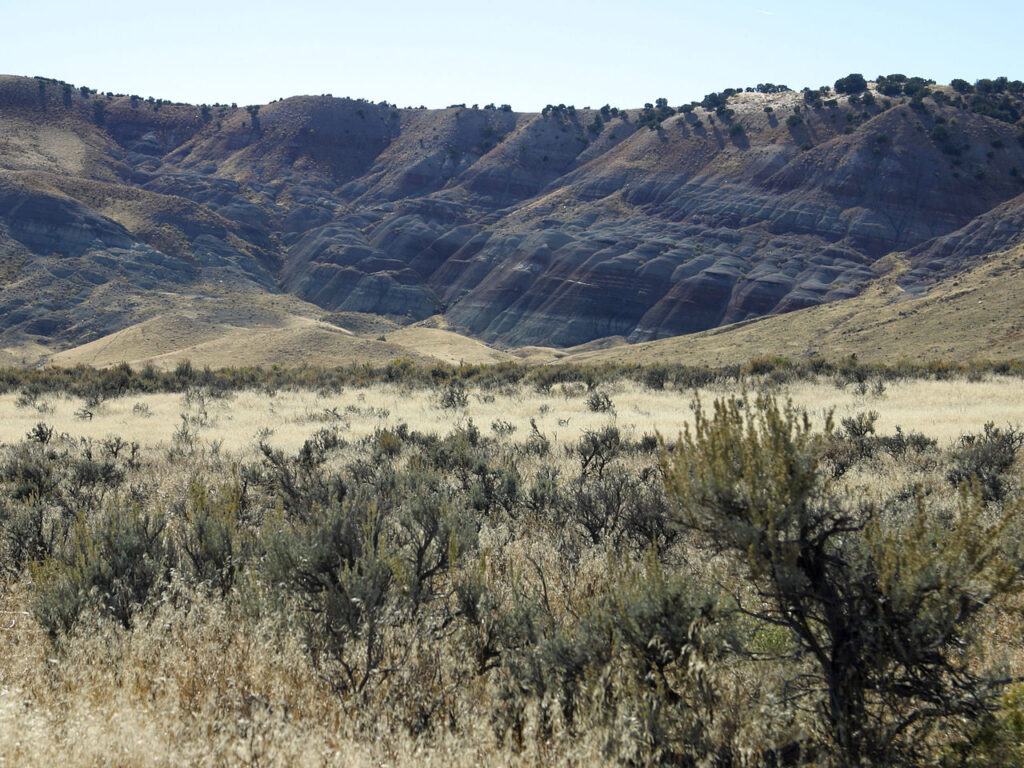
Honestly, if you were to rank geological formations by sheer paleontological fame, the Morrison Formation would probably win by a landslide. Situated in the Morrison Fossil Area National Natural Landmark, the Morrison Formation dates back to the Late Jurassic period, approximately 148 to 155 million years ago, and is famous for its rich assemblage of fossils and unique rock layers that provide valuable insights into the prehistoric world. Think of it as the Hollywood Boulevard of the dinosaur world. Geologists call this particular layer of sedimentation the Morrison Formation, which extends and reveals dinosaur remains across a large region of the North American deserts in Utah, Colorado, South Dakota, New Mexico, and Arizona.
The Morrison Formation was deposited in a variety of environments, including riverbanks, floodplains, lakes, and swamps – and this diverse range of environments is reflected in the different rock types and fossils found within the formation. Among its many remarkable locations, Dinosaur Ridge near Morrison, Colorado stands out. In 1877, Arthur Lakes, a clergyman, teacher, and amateur paleontologist from Golden, CO, discovered the first-ever dinosaur material in the Morrison Formation at Dinosaur Ridge. You can still walk the ridge today and place your hand in one of these ancient impressions.
3. The Purgatoire Valley Tracksite, Morrison Formation – North America’s Biggest Dinosaur Footprint Site
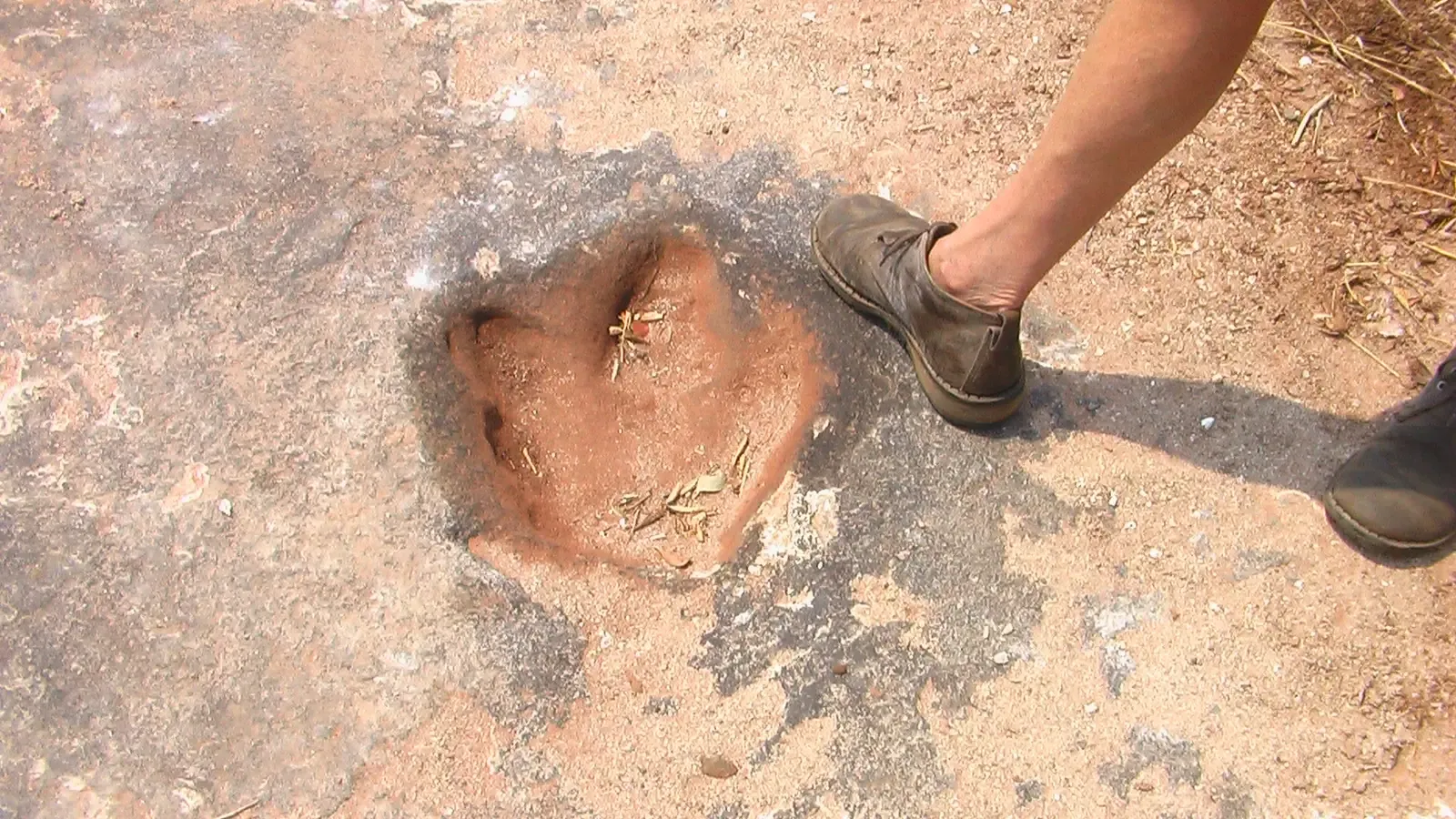
Here is the thing – most people have never heard of this place, and that seems almost criminal considering what it holds. The Purgatoire River track site, also called the Picketwire Canyonlands tracksite, is one of the largest dinosaur tracksites in North America, located on public land of the Comanche National Grassland along the Purgatoire River south of La Junta in Otero County, Colorado. It is remote, demanding to reach, and staggeringly impressive once you get there.
More than 1,500 fossil footprints allow you to follow dinosaurs as they walked along a lakeshore 150 million years ago – and the dinosaur tracksite, the largest in North America, is beside the Purgatoire River in Picketwire Canyon south of La Junta. Extensive new excavations have made an already breathtaking site even more jaw-dropping. At the Purgatoire dinosaur tracksite, several bedding plane exposures hold more than 2,000 dinosaur footprints contributing to the global Late Jurassic ichnological heritage. Those footprints belong to sauropods and theropods, and the parallel trackways even suggest that these enormous creatures traveled together in groups – a fascinating window into dinosaur social behavior.
4. The Moenave Formation, Utah – A Lakeside Snapshot Frozen in Stone
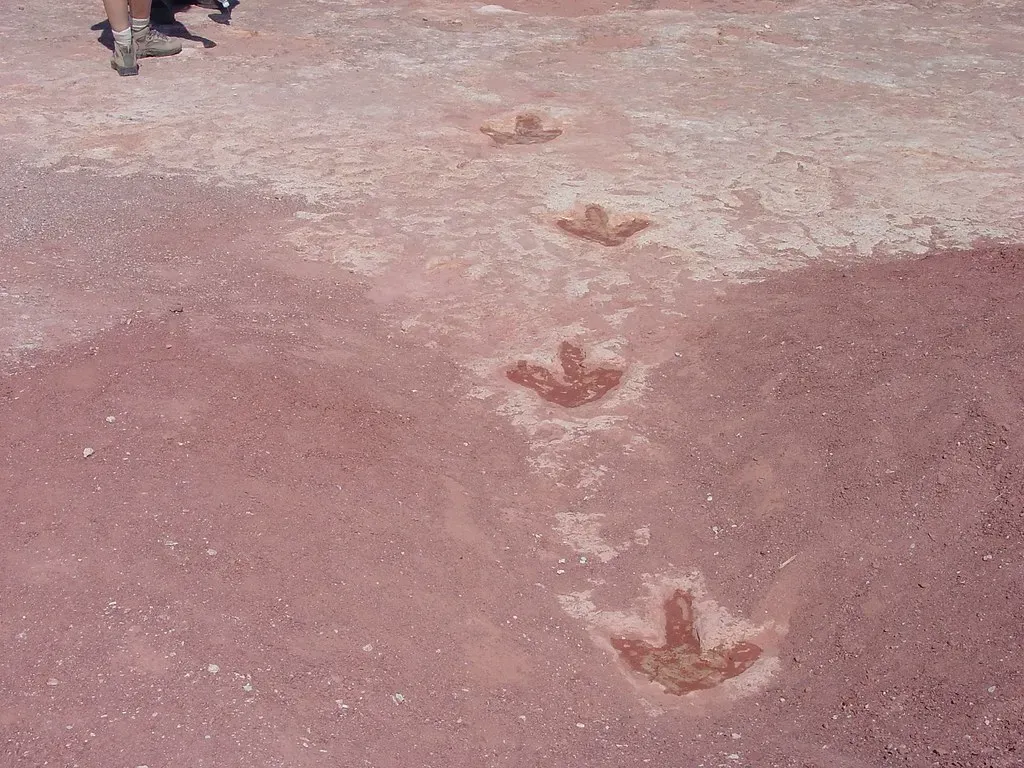
You would never guess that a retired optometrist would be the one to uncover one of the most significant dinosaur track sites in the American West. While leveling land on his property in February 2000, Dr. Sheldon Johnson discovered bumps on the underside of a large block of sandstone he was moving – and instead of the usual indented dinosaur tracks, these looked like the actual dinosaur feet, as they were well-preserved 3-D casts of dinosaur footprints, with many showing detailed skin impressions, foot pads, claw marks, and dew claws.
Back in Early Jurassic time, around 200 million years ago, a shallow, saline lake stretching hundreds of miles existed in southwestern Utah, and dinosaurs congregated on the shores of this lake. The result is remarkable. The site features exceptional preservation of tracks, abundant actual skin impressions, the largest and best-preserved collection of dinosaur swim tracks known, and there are 26 different layers of tracks preserving thousands of individual footprints and associated body fossils such as a variety of fish, plants, invertebrates, and rare dinosaur remains. The Moenave Formation at Johnson Farm may well be one of the most scientifically complete dinosaur tracksites in the entire country.
5. The Kayenta Formation and Navajo Sandstone, Utah – Two Formations, One Stunning Transition
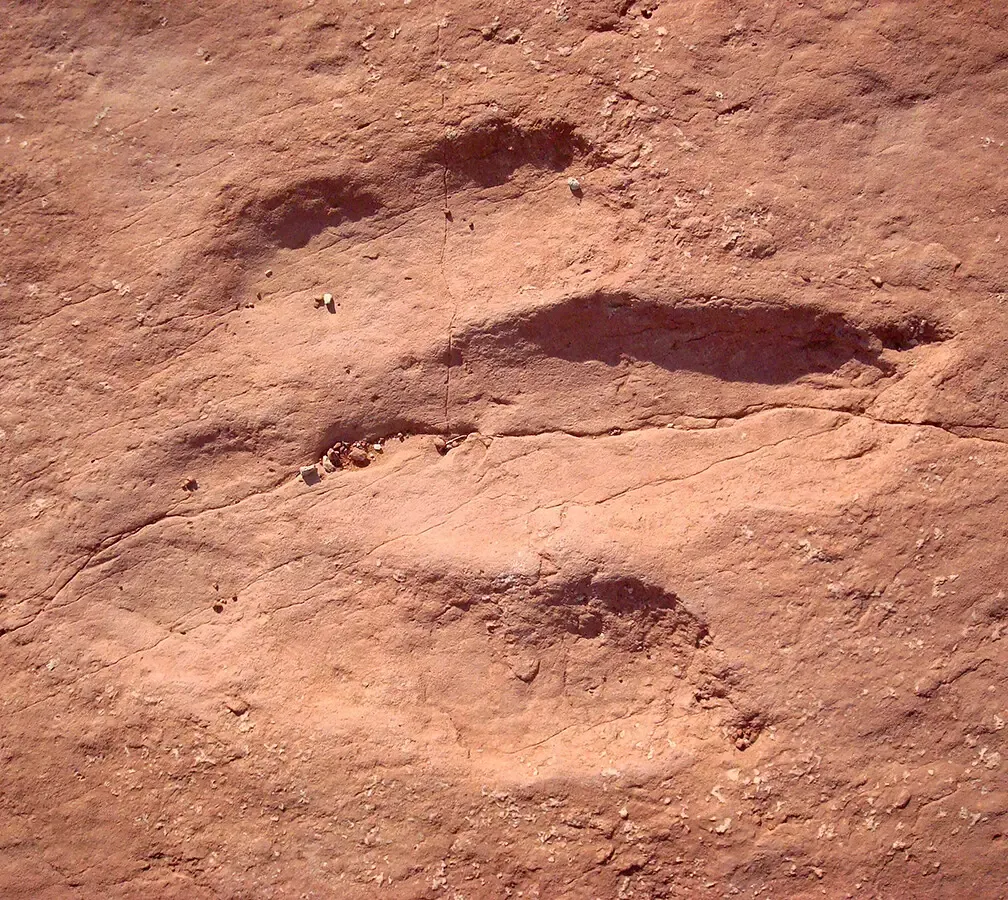
Some formations hide their secrets in plain sight, and that is precisely what makes the geology of southern Utah so endlessly fascinating. The Red Cliffs Track Site occurs in the transition zone between the Kayenta Formation and Navajo Sandstone formed during the Jurassic Period – and in this transition zone, river-deposited siltstones, mudstones, and fine-grained sandstones typical of the Kayenta Formation are layered with crossed-bedded, windblown sandstone typical of Navajo Sandstone.
When dinosaurs left their footprints here 190 million years ago, the landscape of the southwest was in transition – aridity was increasing, and the large meandering rivers and shallow lakes that characterized an earlier geologic time were giving way to wind-blown seas of sand. The three different types of tracks found in the Red Cliffs area have been identified as Grallator, Eubrontes, and Kayentapus, with paleontologists suggesting the Grallator and Eubrontes tracks were made by Megapnosaurus and Dilophosaurus. Standing among those red cliff walls, it genuinely feels like you are peering through a geological window into a world long gone.
6. The Sundance Formation, Wyoming – A Shoreline Walk from 167 Million Years Ago
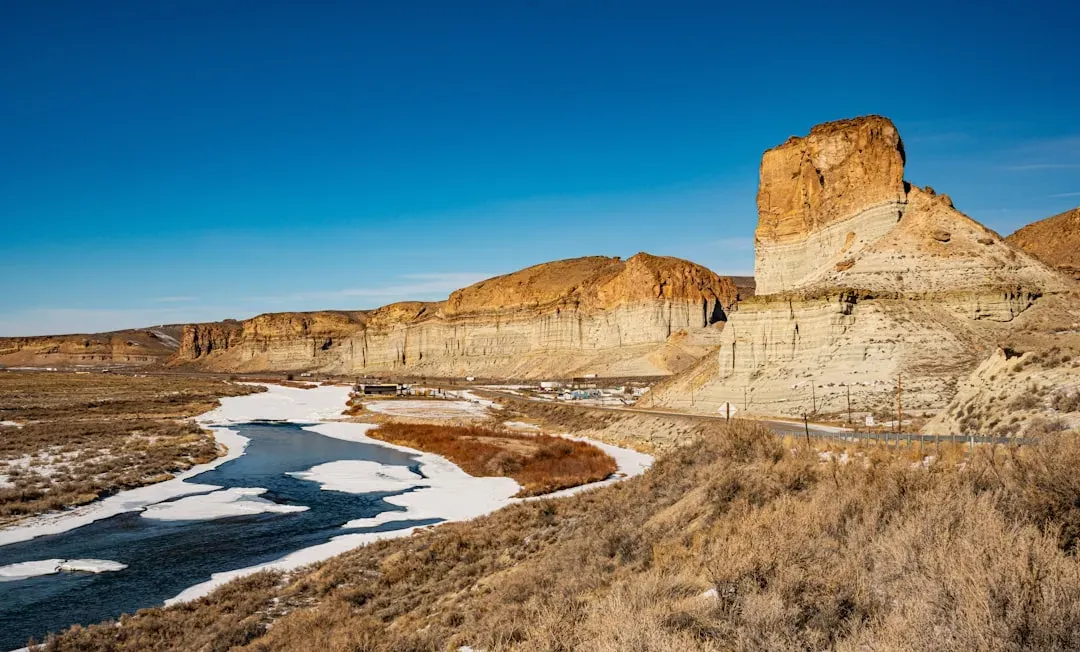
I know it sounds almost impossible, but the rock you can visit at Wyoming’s Red Gulch tracksite is essentially a frozen ancient beach. The Red Gulch dinosaur tracksite in Wyoming features numerous fossil footprints formed when the area was the coast of a prehistoric sea – the tracks were made during the Jurassic Period when this area was the shoreline of the Sundance Sea. Picture dozens of dinosaurs wandering along a Jurassic coastline, hunting for food, leaving prints that hardened in the sun before being buried and preserved for you to find eons later.
The site is interesting because it is so extensive and unusual in its age and geographic occurrence, its location makes it easily accessible for scientific research, and even the geologic history of the area, once thought to be well understood, needs to be rewritten because of the tracks’ discovery. The tracksite is approximately 167 million years old. After its 1997 discovery, scientists from major American universities and the Smithsonian Institution rushed to study it, and the findings genuinely changed how geologists interpreted this entire region of Wyoming. It is that significant.
7. The Dakota Formation, Colorado – Dinosaur Ridge’s Cretaceous Layer
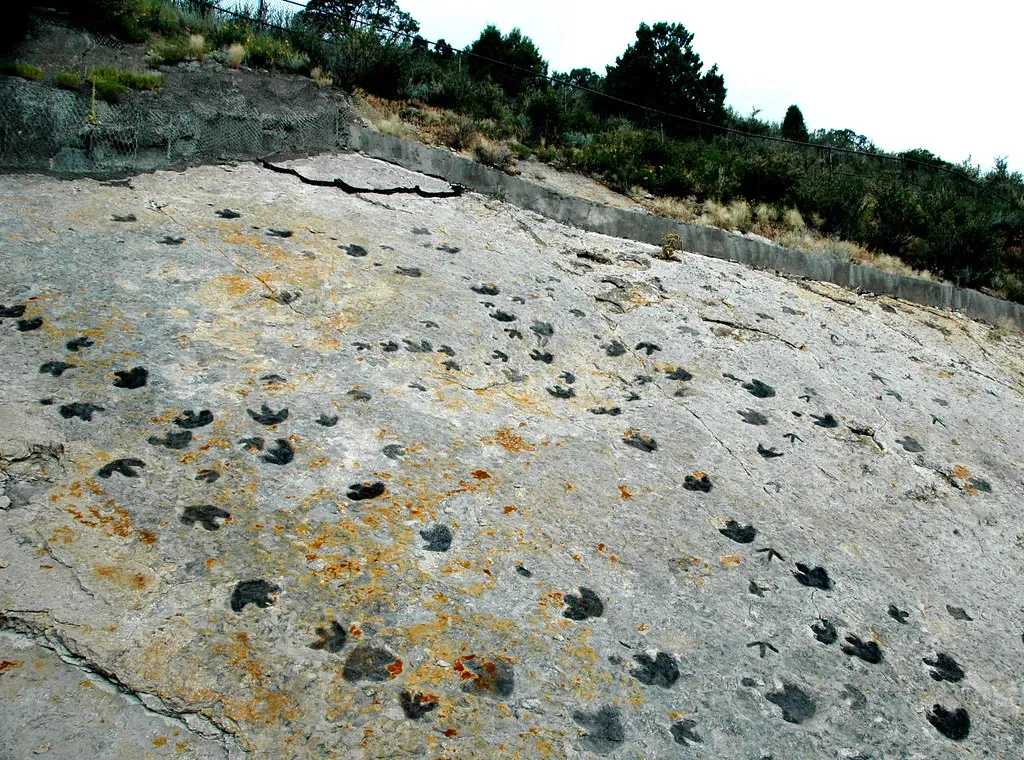
Right along the eastern foothills of the Rocky Mountains sits a ridge that hides two completely different eras of dinosaur history within just a couple of miles of exposed rock. The rocks on the east side of Dinosaur Ridge are part of the Cretaceous Dakota Formation – and when Alameda Parkway was being constructed in 1937, workers discovered dinosaur tracks that were found to include mostly Iguanodon-like footprints, perhaps from an ornithopod dinosaur called Eolambia.
Footprint bulges at the site represent those of a large sauropod and a smaller bipedal herbivore, possibly a Camptosaurus, while a theropod track from a carnivorous theropod – possibly a young Allosaurus – indicates the animal that left this particular track is estimated to have been about 11.5 feet tall. The tracks show that these dinosaurs lacked claws on their feet and their rounded toes indicate a diet of plants, while the presence of 18-inch tracks adjacent to 10-inch prints is taken as evidence of parenting behavior. That last detail is genuinely moving when you think about it – parent and child, walking side by side, 100 million years ago.
8. The East Berlin Formation, Connecticut – New England’s Surprising Dinosaur Secret
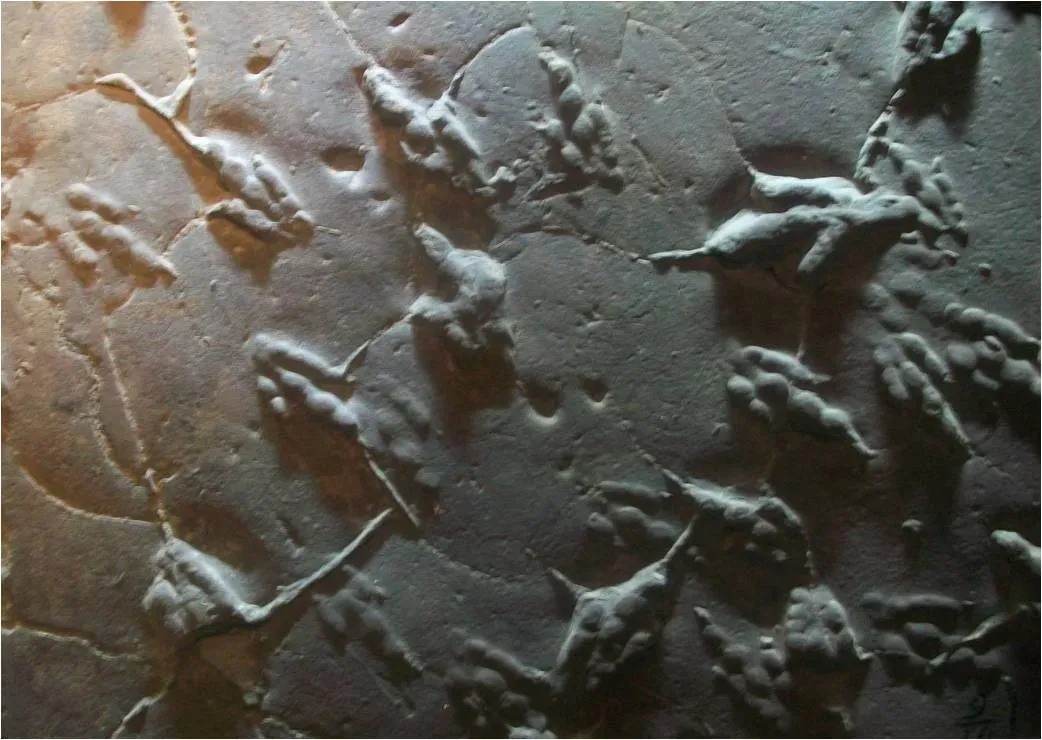
Most people think of dinosaurs in the context of the American West, and there is a reason for that. Still, the idea that New England harbors one of the country’s most historically important dinosaur tracksites is one of those facts that tends to stop people mid-sentence. The fossil track-bearing strata at Dinosaur State Park in Connecticut are part of a rock unit called the East Berlin Formation. The fossils were completely unknown until August 23, 1966, when bulldozer operator Edward McCarthy uncovered footprints while excavating for a planned Connecticut State Highway Department laboratory at Rocky Hill – and scientists at the Peabody Museum of Natural History at Yale, the University of Connecticut, and the State Geological and Natural History Survey were quickly alerted.
The Connecticut River Valley has long been a treasure trove for ichnologists. The footprints were formed during the Early Jurassic period, approximately 200 million years ago, when what is now the Connecticut River Valley was a subtropical region filled with lakes and swamps – and bipedal, carnivorous dinosaurs up to 20 feet long left footprints on the ancient mudflats. The dinosaur tracks at this site were among the first to be scientifically described in 1836, and hundreds of tracks made by as many as four distinct types of two-legged dinosaur are present in the sandstone outcrops. The scientific history here is staggeringly deep.
9. The Cantwell Formation, Alaska – The Most Unexpected Tracksite in America
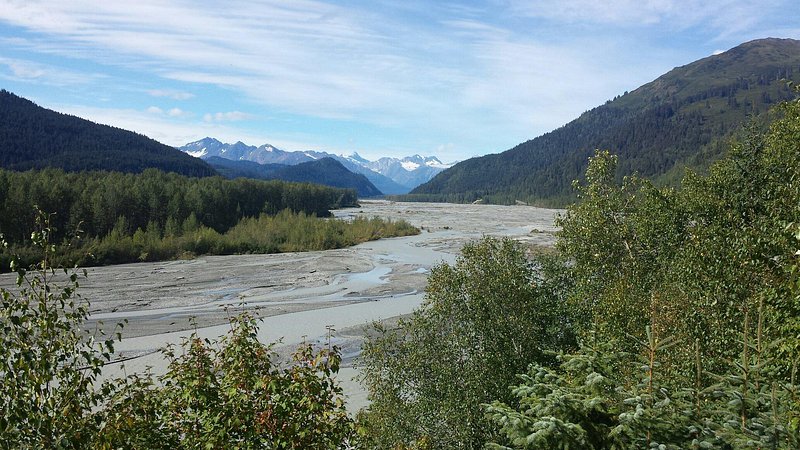
Few things in science are more delightful than an unexpected discovery, and Alaska’s Cantwell Formation delivered one of the most memorable ones in recent dinosaur paleontology. Let’s be real – when most people think “Alaska,” dinosaur footprints are probably the last thing that comes to mind. Yet the story here is remarkable. Researchers had persistently advocated for searching for dinosaur remains in the Cantwell Formation due to its Cretaceous age and geological properties as sedimentary rock – and the discovery of the first track in this formation provided confirmation and inspiration for ongoing paleontological efforts.
On a particular day of fieldwork, Dr. Paul McCarthy was explaining to geology students that this type of Cretaceous sedimentary rock commonly preserves dinosaur tracks and that they should be alert for them – and almost as if it was staged, a student immediately spied the dinosaur track not far from his gesturing hand. The track cast is about 9 inches from toe to heel and 6 inches wide, and according to researchers the track is from a meat-eating dinosaur – specifically a three-toed meat-eater known as a theropod. Based on the age of volcanic ash in the rock, the dinosaur track is approximately 70 million years old. Alaska, it turns out, had dinosaurs too. Quite a plot twist.
10. The Dinosaur Freeway, New Mexico to Colorado – An Ancient Highway of Footprints
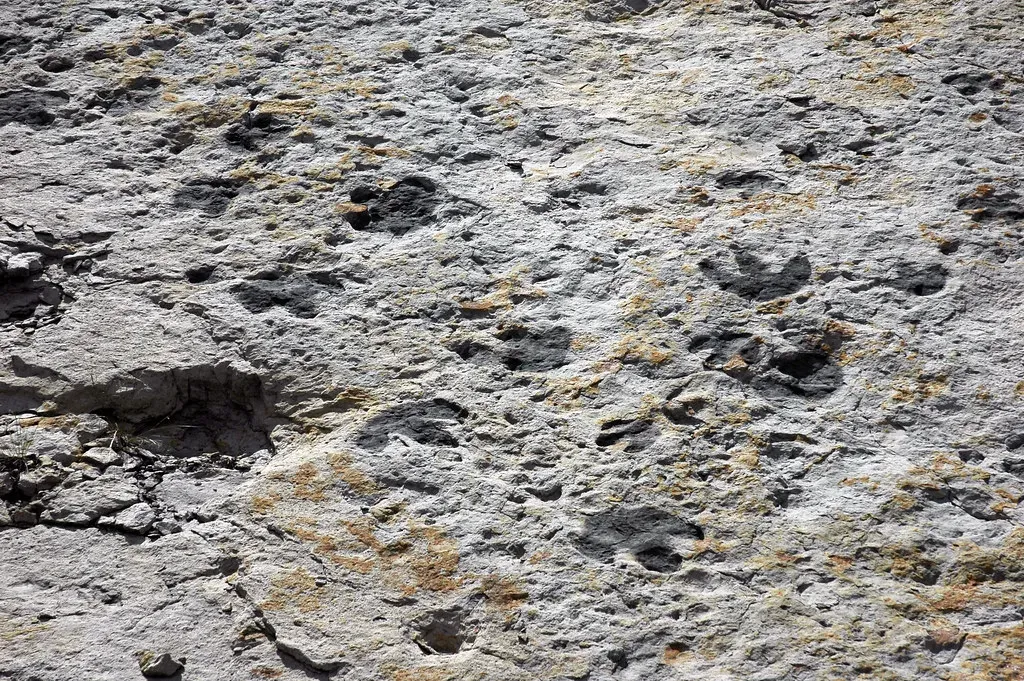
Imagine a road traveled not by cars or horses, but by enormous herds of dinosaurs making their way along an ancient shoreline – that is essentially what the Dinosaur Freeway represents. Around 100 million years ago during the Late Cretaceous Period, global sea levels were high, a body of water called the Western Interior Seaway split North America into eastern and western land masses, and large herds of dinosaurs left trackways as they moved north and south along the coastal plain – and this extensive series of track-rich coastal plain sediments is called the Dinosaur Freeway.
The Dinosaur Freeway reveals about 80 tracksites in a single rock formation ranging from northern New Mexico to northern Colorado. That is an extraordinary concentration of ancient life preserved in stone, all telling the same story of migration along a prehistoric shoreline. You can find about 500 dinosaur prints at Clayton Lake State Park about 30 miles south of the Colorado-New Mexico border. The scale of the Dinosaur Freeway is mind-bending when you think about it – it is not one site, but an entire ancient migration corridor frozen in geological time, waiting patiently for you to come and walk alongside it.
Conclusion
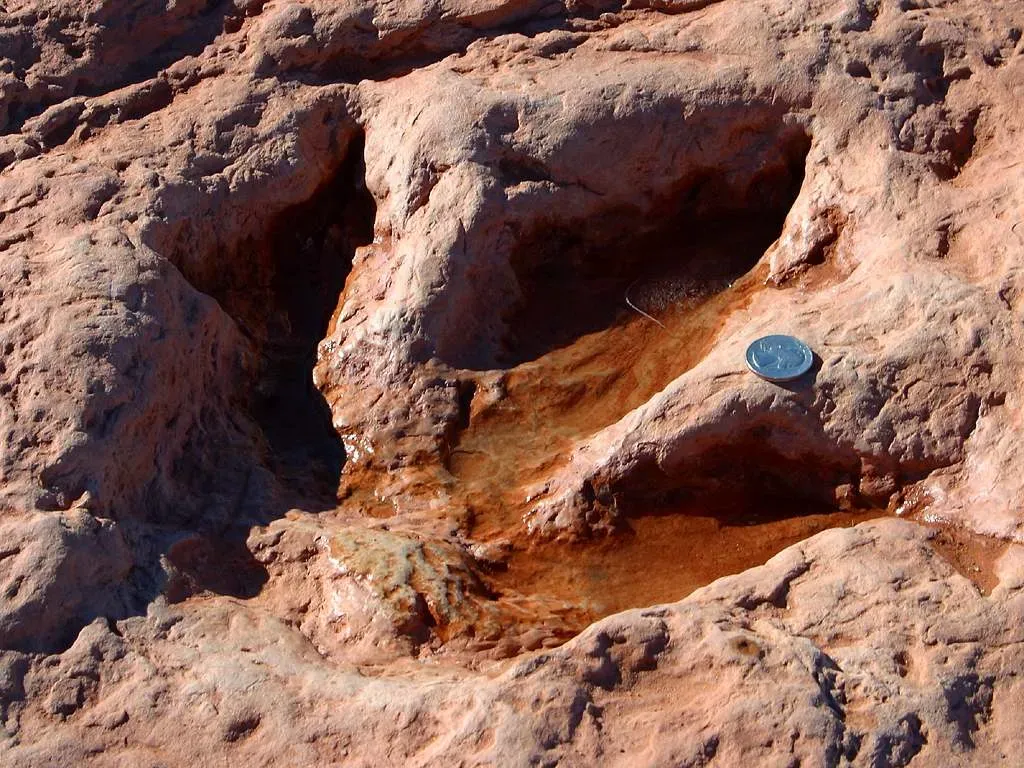
What makes these ten geological formations so extraordinary is not just the science they contain – it is the visceral connection they offer to a world almost incomprehensibly distant from our own. When you stand in front of a three-foot sauropod footprint in the limestone of Texas, or trace the outline of a theropod’s three-toed impression in Utah’s red sandstone, something deeply human stirs inside you. You realize that these creatures were real, breathing, walking animals – and the rock simply refused to forget them.
From the unexpected discovery in a Connecticut field to the remote canyons of Colorado, from an Alaskan classroom surprise to the ancient shores of a Wyoming Jurassic sea, the United States holds an astonishing archive of prehistoric life embedded in its very geology. These formations are not just tourist attractions – they are living scientific libraries that continue to rewrite what we know about the ancient world.
The next time you find yourself hiking across seemingly ordinary rock, consider this: the ground beneath your feet might be hiding a story 200 million years in the making. What would you do if you were the one to look down and find it?