There is something almost disorienting about standing on a rock and realizing it was already ancient when the first fish were learning to breathe air. Long before T. rex ever thundered across the landscape, long before the first fern unfurled its leaf, certain parts of the American continent were already billions of years old. You might walk right past these formations without a second thought, but the ground beneath your feet holds secrets that put the age of dinosaurs into humbling perspective.
The Precambrian spans from the formation of Earth about 4.6 billion years ago to the beginning of the Cambrian Period, about 538.8 million years ago, when hard-shelled creatures first appeared in abundance. Dinosaurs, by comparison, didn’t appear until roughly 230 million years ago. That gap is staggering. So let’s dive into seven remarkable US geological formations that existed long, long before the dinosaurs ever roamed the Earth.
The Vishnu Basement Rocks, Grand Canyon, Arizona
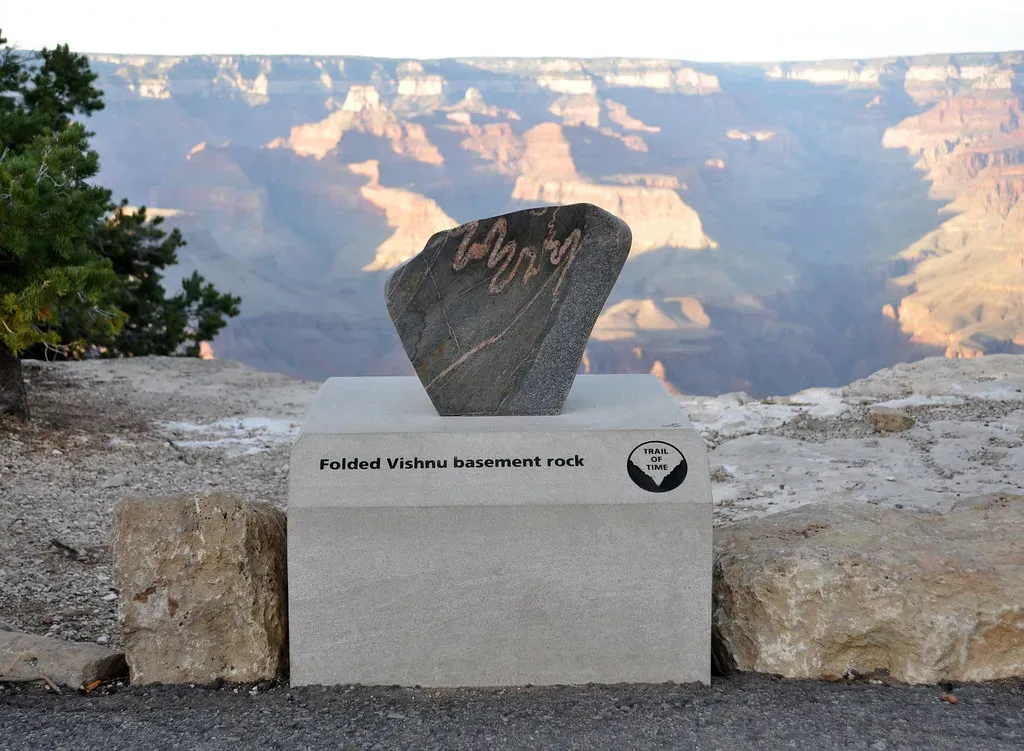
You’ve seen the Grand Canyon in photographs. But here’s the thing most people miss when they peer over the rim: the dark, almost impossibly ancient rock at the very bottom of that canyon is telling a story that reaches back nearly two billion years. The oldest rock in the Grand Canyon is the Vishnu Basement Rocks, primarily Vishnu Schist, which formed about 1.7 to 1.8 billion years ago, lying at the very bottom of the canyon close to the Colorado River. That is not a typo. Nearly two billion years old.
The Vishnu Basement Rocks is the name recommended for all Early Proterozoic crystalline rocks, both metamorphic and igneous, exposed in the Grand Canyon region, forming the crystalline basement that underlies the Bass Limestone and the Tapeats Sandstone above. The Vishnu mountains resulted from plate tectonic collision of ocean floor sediments and basalts with the North American continent. Think of it like a cosmic slow-motion car crash, one that took millions of years and created the very foundation of the American Southwest. For most of Earth’s history, these ancient rocks were buried far below the surface, only becoming visible because of the incredible erosive power of the Colorado River.
The Morton Gneiss, Minnesota
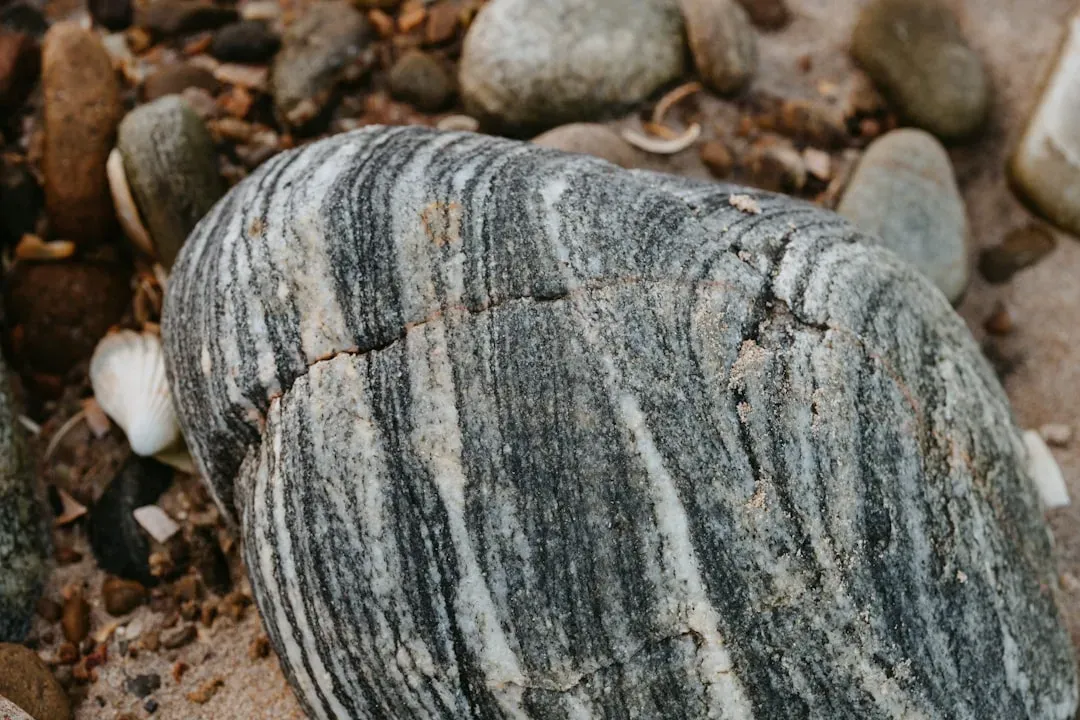
Most people have never heard of the Morton Gneiss, and honestly, that’s a shame. The reddish, scrambled-looking Morton Gneiss is a popular stone for buildings and gravestones, and at 3,524 million years of age it is considered to be the oldest bedrock in the United States. Yes, you read that right. When you touch a Morton Gneiss countertop or building facade, you’re touching rock that is roughly three and a half billion years old. That is almost incomprehensible.
Minnesota is host to some of the oldest rocks on Earth, with parts of the Morton Gneiss in western Minnesota dated at 3.5 billion years old. Rocks as old as or older than these are rare on Earth because geologic processes on and within our active planet constantly recycle old rocks and produce younger ones. The oldest group of Archean rocks, Paleoarchean to Neoarchean in age, is within the Minnesota River Valley subprovince, exposed in the valley of the Minnesota River between New Ulm and Ortonville. You could literally drive there and put your hand on a piece of the early Earth.
The Adirondack Mountains, New York
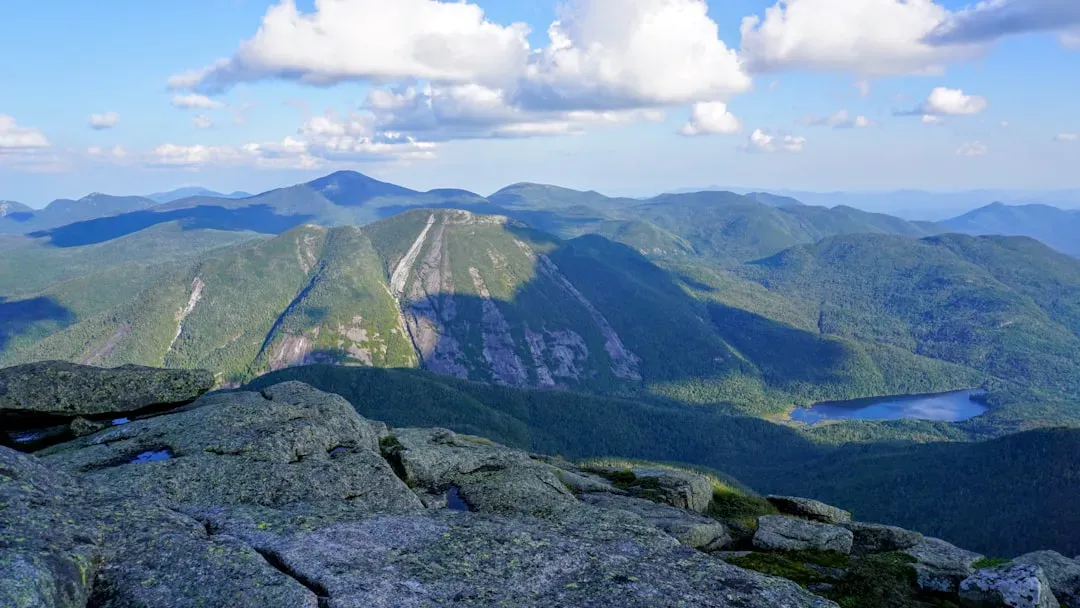
The Adirondacks might look like familiar hiking country to you, full of gorgeous lakes and autumn foliage, but beneath all that beauty is a deeply ancient story. The rocks of the Adirondack mountains originated about two billion years ago as sediments at the bottom of a sea located near the equator. Near the equator. Not in New York. The continent itself has moved that dramatically over geologic time. Because of plate tectonics, these collided with Laurentia, the precursor of modern North America, in a mountain-building episode known as the Grenville orogeny, during which the sedimentary rock was changed into metamorphic rock.
Although the mountains are formed from ancient rocks more than 1 billion years old, geologically the mountains themselves are relatively young and were created during recent periods of glaciation. This is what geologists call “new mountains from old rocks,” which I think is a genuinely poetic phrase. The Adirondacks were formed from ancient rock, mostly metamorphic and igneous, over one billion years ago, and these ancient rocks were covered by ocean sediment and reappeared only recently in geologic terms due to an unexplained uplifting event that continues today. The fact that scientists still don’t fully understand why the Adirondacks keep rising makes this place even more fascinating.
The Black Hills, South Dakota
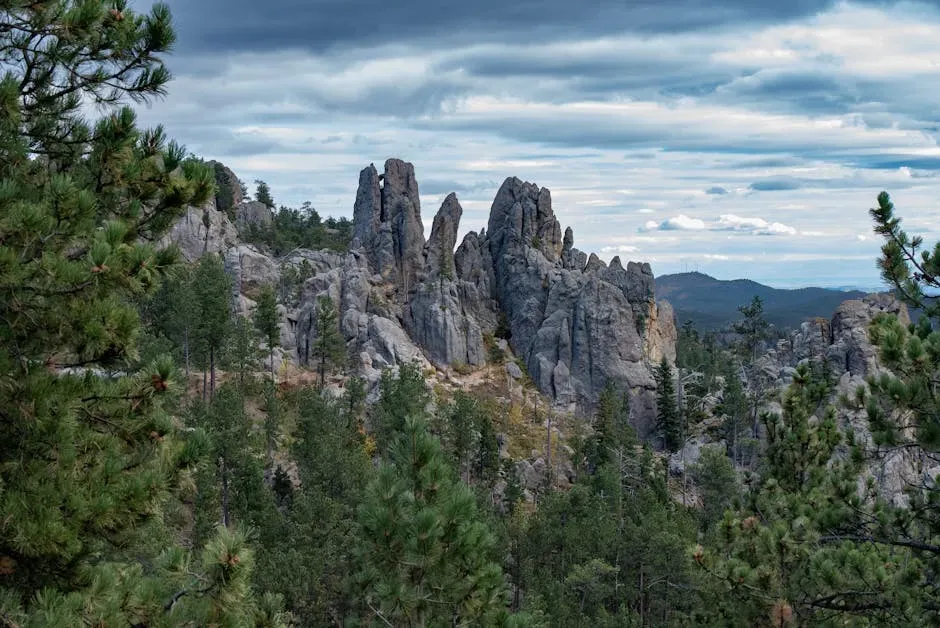
You know Mount Rushmore is in the Black Hills, but do you know what those presidential faces are actually carved into? The granite core of the Black Hills began forming nearly 1.8 billion years ago during the Precambrian era, when molten rock cooled deep underground and hardened into crystalline granite and metamorphic rock. Mount Rushmore is literally carved into the face of deep time. That changes how you look at those four stoic expressions, doesn’t it?
Around 60 to 70 million years ago, tectonic activity associated with the Laramide orogeny caused stress throughout western North America, and instead of forming a long mountain chain, the pressure pushed the ancient granite core upward in a dome-like structure, which geologists refer to as the Black Hills uplift. The uplift exposed the granite core of the Black Hills at the center while younger sedimentary rock layers tilted outward in concentric rings, which explains why the Black Hills look so different from the surrounding plains. It’s a bit like punching up through a stack of pancakes, the oldest stuff ends up right on top.
The Superior Upland, Wisconsin and Michigan
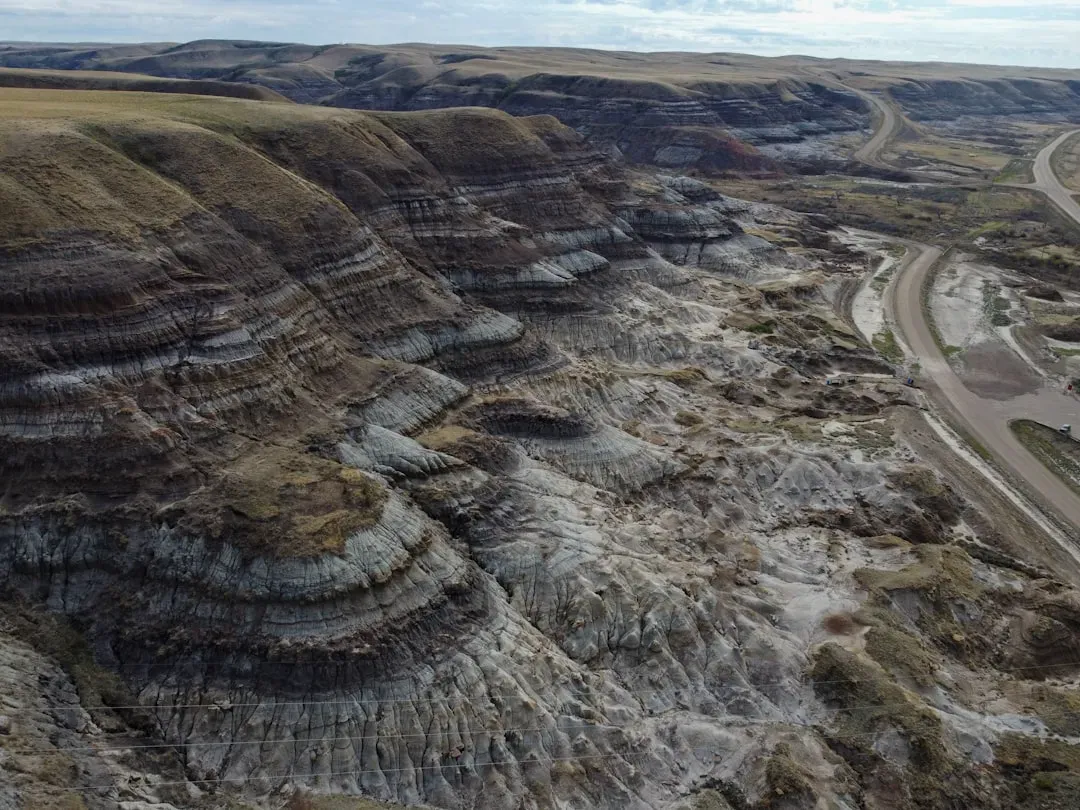
Here is a formation that doesn’t get nearly the attention it deserves. The Superior Upland stretches across Wisconsin, Minnesota, and Michigan’s Upper Peninsula, and the rocks underpinning it are extraordinary in their age. The structure of Superior Upland rock is quite complex, with folds and faults, most dating back to Precambrian time, recording several episodes of mountain-building. It’s like the geological equivalent of a very old scar map, layers of ancient collisions and eruptions written into the stone.
The rocks of the Superior Upland are mostly Precambrian metamorphic rocks and overlying Paleozoic rocks covered by a thin veneer of glacial deposits left behind when glaciers melted at the end of the Pleistocene Ice Age. The Interior Plains is a vast region that spreads across the stable core of North America, forming when several small continents collided and welded together well over a billion years ago during the Precambrian, with Precambrian metamorphic and igneous rocks now forming the stable nucleus of North America. Honestly, it’s hard to say for sure what is more mind-blowing: the age of these rocks, or the fact that they’re sitting quietly beneath the farmlands and forests of the American Midwest.
The Grenville Province Rocks, Appalachian Region
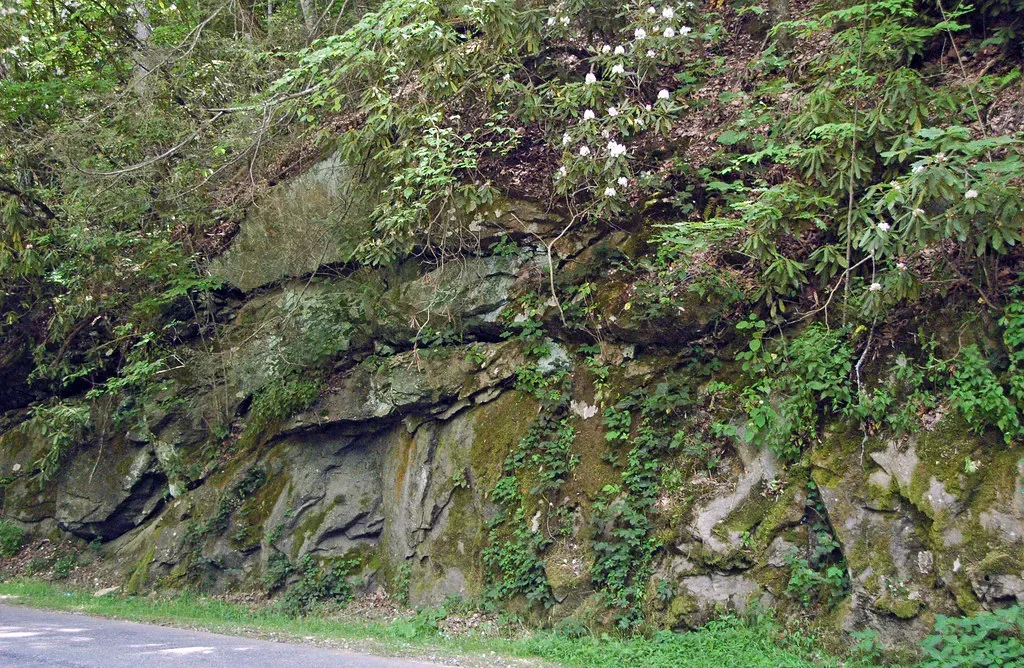
You might walk through the forests of Maryland, Pennsylvania, or Vermont without ever guessing that the bedrock beneath your feet belonged to a mountain-building event that predates nearly everything recognizable about our world. The oldest rocks exposed in the Northeast are Precambrian gneisses, exemplified by the Baltimore Gneiss in Patapsco State Park, Maryland and the Fordham Gneiss in the Bronx of New York City. The Bronx. Ancient billion-year-old rock poking through one of the world’s most urban landscapes. Let’s be real, that’s wild.
These rocks, dated at 1.1 billion years of age, were metamorphosed during a major period of mountain building called the Grenville Orogeny. The Grenville Orogeny was one of several Precambrian continental collisions that led to the assembly of the supercontinent Rodinia between about 1.4 billion and 900 million years ago. Think of Rodinia as the great-great-grandparent of all the continents we know today. In the Northeast, Grenville rocks are exposed in the Adirondacks, the Hudson and Jersey Highlands, Manhattan and Westchester in New York, the Green Mountains of Vermont, the Reading Prong of Pennsylvania, and the Berkshire Hills of Massachusetts. So the next time you hike the Berkshires, you’re really walking on the bones of a billion-year-old mountain range.
The Precambrian Basement Rocks of the Colorado Plateau
The Colorado Plateau is one of the most geologically jaw-dropping regions on the planet. It’s a place where time itself seems stacked in layers you can actually see and touch. The sculptured beauty and brilliant colors of the Colorado Plateau’s sedimentary rock layers have captured the imaginations of countless geologists, representing a vast region of plateaus, mesas, and deep canyons whose walls expose rocks ranging in age from billions to just a few hundred years old. Nowhere else on Earth can you so casually span billions of years in a single glance.
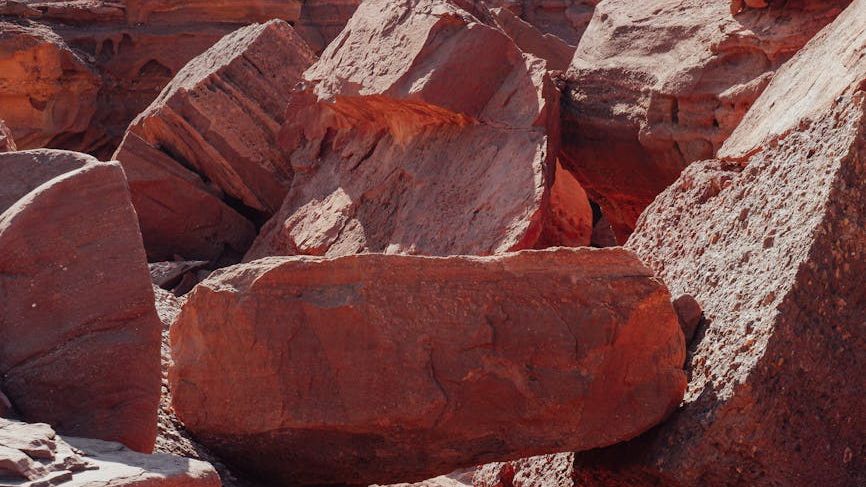
Ancient Precambrian rocks, exposed only in the deepest canyons, make up the basement of the Colorado Plateau. Most are metamorphic rocks formed deep within the Earth while continental collision on a grand scale produced the nucleus of the North American continent well over a billion years ago. One of the most geologically intriguing features of the Colorado Plateau is its remarkable stability, with relatively little rock deformation having affected this high, thick crustal block within the last 600 million years or so. In a world of constant geological change, this plateau has been a rare island of stability, preserving ancient rocks that would otherwise have been swallowed and recycled by the restless Earth.
Conclusion
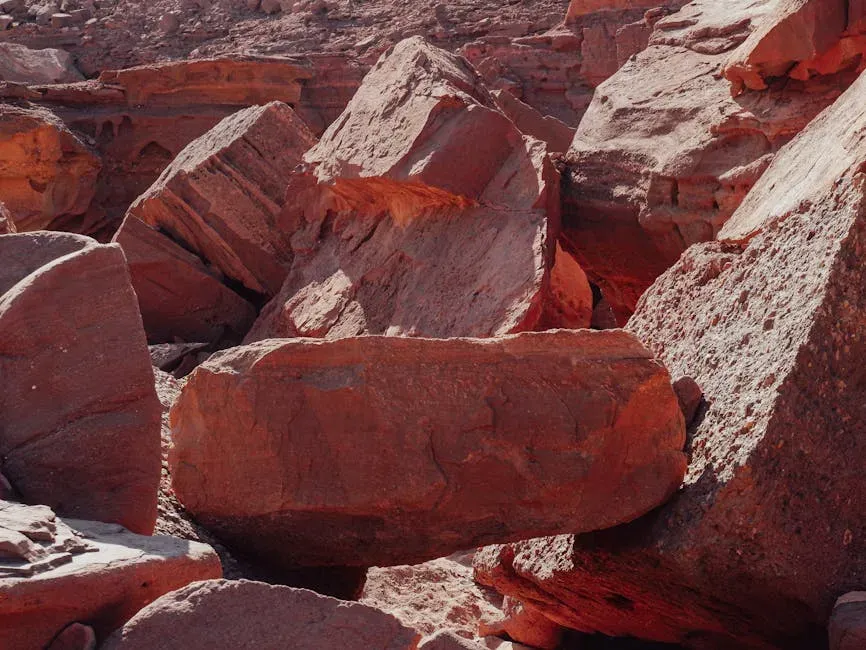
Dinosaurs ruled for roughly 165 million years. That sounds enormous until you compare it to the age of the formations above, some of which are nearly twenty times older. The oldest rocks in the US national parks are Precambrian in age, from 3 billion to 600 million years old, a time interval that saw the development of algae, fungi, and soft-bodied marine plants and animals. The sheer scale of what these rocks have witnessed, continents assembling and breaking apart, oceans opening and closing, mountains rising and eroding to dust, is genuinely humbling.
What’s remarkable is how accessible most of these formations are. You don’t need a research grant or a helicopter. You can drive to the rim of the Grand Canyon. You can hike in the Adirondacks. You can walk across a building lobby paved with Morton Gneiss. Ancient Earth is closer than you think. Next time you’re out in nature, maybe pick up a rock and wonder about its age. You just might be holding a piece of time older than the very concept of complex life. What would you have guessed?