There is something deeply human about looking at a hawk and seeing a god. Long before written laws, organized armies, or monumental architecture, our ancestors looked at the animals around them and saw something beyond mere flesh and instinct. They saw the divine. They saw power, mystery, and cosmic purpose dressed in scales, feathers, and fur.
Ancient civilizations across the globe developed complex religious systems where various creatures were venerated, deified, and incorporated into myths and legends, and these animal deities often embodied natural forces, human virtues, or cosmic principles. What makes this story so fascinating is just how widespread and independent these beliefs were. From the Nile to the mountains of Mesoamerica, cultures that never met each other arrived at the same conclusion: animals are sacred. Let’s dive in.
Ancient Egypt: Where the Animal Was the God
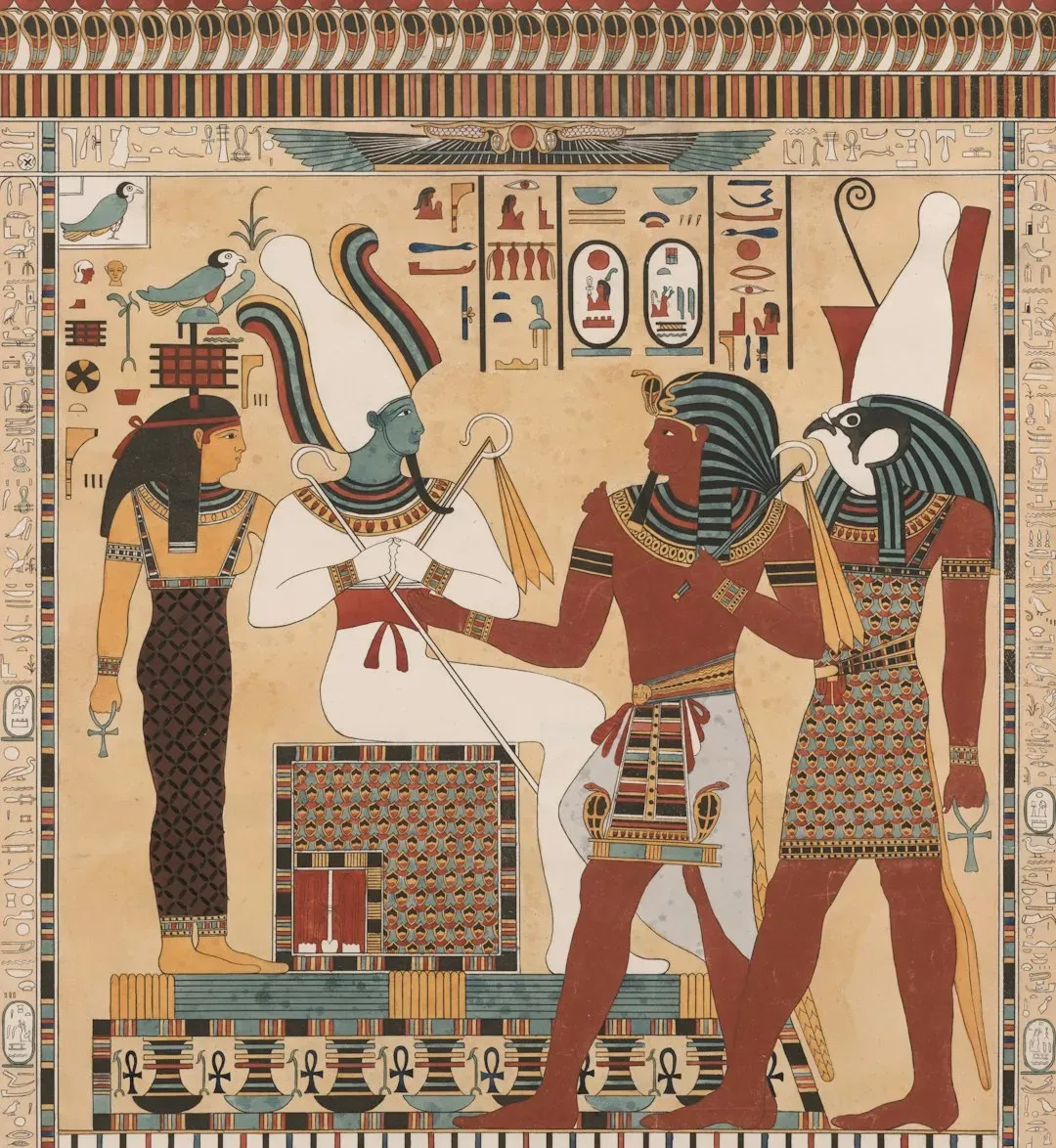
Honestly, Egypt is the first place most people picture when they think of animal deities, and for very good reason. Religion and mythology were central to the lives of the ancient Egyptians, and central to their religion were the deities they worshipped. The physical form of the deities allowed cultic or personal interaction with their gods, whether in full animal form or a mix of animal and human. Think about that for a moment. You could literally stand before a god wearing feathers or whiskers.
Bull and cow, cat and dog, ram and goat were considered to be the incarnations of different deities, and so were lion and lioness, jackal and scorpion, crocodile and hippopotamus, the poisonous cobra and several birds, among them the falcon and the vulture. The animal kingdom was essentially Egypt’s entire theological library. Animals often had attractive qualities that the ancient Egyptians admired and wanted to emulate, including strength, the ability to ward off predators, protective nature, and connections to rebirth. Displaying their deities in the forms of animals demonstrated what they believed about each god or goddess’s nature.
Ancient Egypt’s Most Iconic Animal Deity: Anubis, Guardian of the Dead
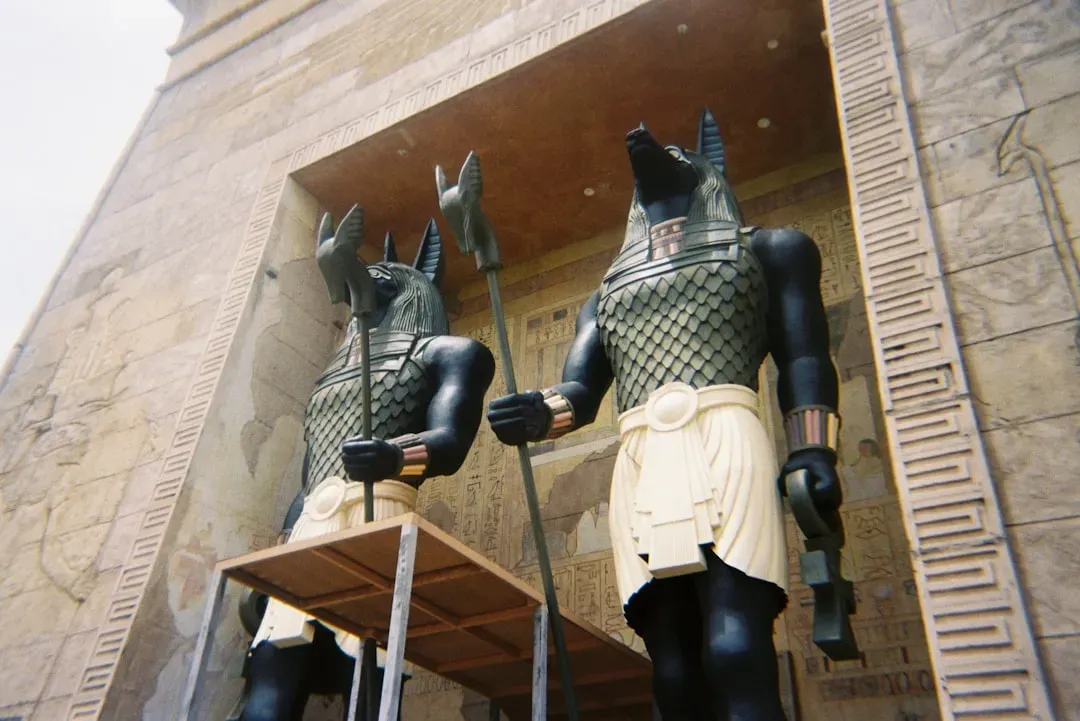
You cannot talk about Egypt without pausing on Anubis. He is arguably the most recognizable animal deity in all of human history, and his role was one of the most emotionally significant you can imagine. Anubis is the god of funerary rites, protector of graves, and guide to the underworld in ancient Egyptian religion, usually depicted as a canine or a man with a canine head. There is something both terrifying and oddly comforting about a jackal-headed figure escorting you through death.
Jackals were associated with death because they lurked around cemeteries and would eat decomposing flesh. Therefore, by making Anubis the patron deity of jackals, the Egyptians hoped to protect the bodies from being devoured. It is a clever piece of theological logic, really. Rather than fearing what the jackal represented, they made it holy and gave it a protective purpose. In the Book of the Dead, Anubis stood in the Hall of the Two Truths and weighed the hearts of people seeking judgment. The human heart was balanced against Ma’at’s feather of truth. If the heart weighed more than the feather, the soul would be destroyed. If it weighed the same, the deceased would pass into the Afterlife.
Ancient India and Hinduism: A Living Tradition of Sacred Animals
If Egypt surprises you, then Hinduism might just stun you completely. This is not a dead tradition preserved in museum glass. In many parts of India, monkeys remain protected and fed by local communities who see them as Hanuman’s representatives. Beyond Hanuman, Hindu mythology features the vanara, an entire race of intelligent monkey-like beings who assist divine forces. A religious connection forged thousands of years ago is still alive today.
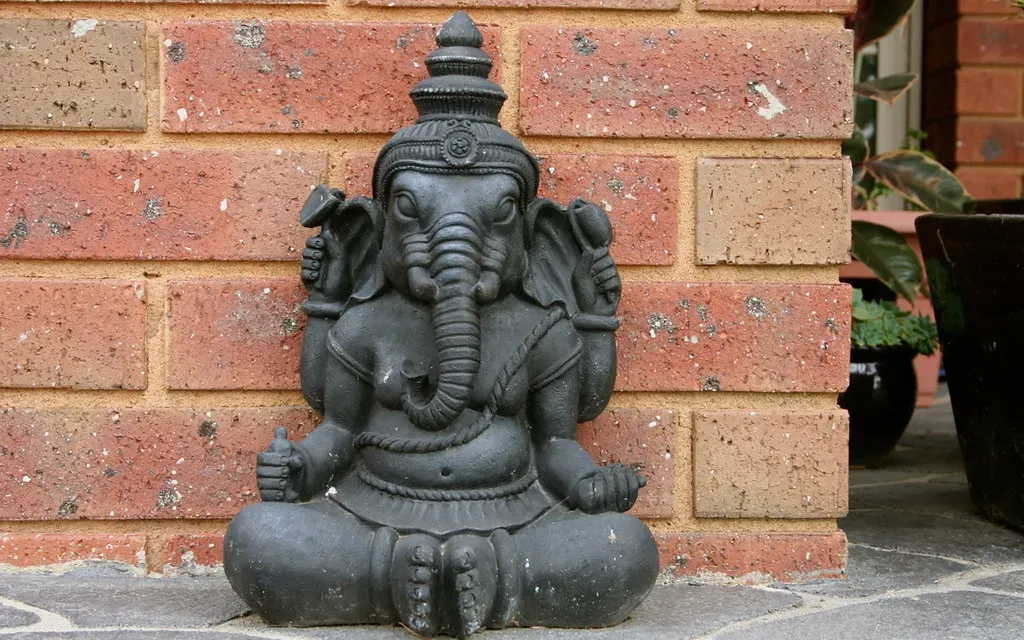
The god Krishna’s symbol is the docile cow, and king cobras are the symbol of Shiva and Vishnu, while the elephant-headed Ganesha is the perfect hybrid of animal and god. Through this mixture of gods and nature, the elders developed a deep respect for animals and learned to live side by side with them. I think this is one of the most remarkable things about Hindu theology: it did not treat animals as lesser beings. With the body of a man and the head of an elephant, Ganesha is the god of intelligence and a “remover of obstacles.” He is also one of the most widely worshipped deities in the world today, elephant head and all.
The Aztec Civilization: Feathered Serpents and Sacred Jaguars
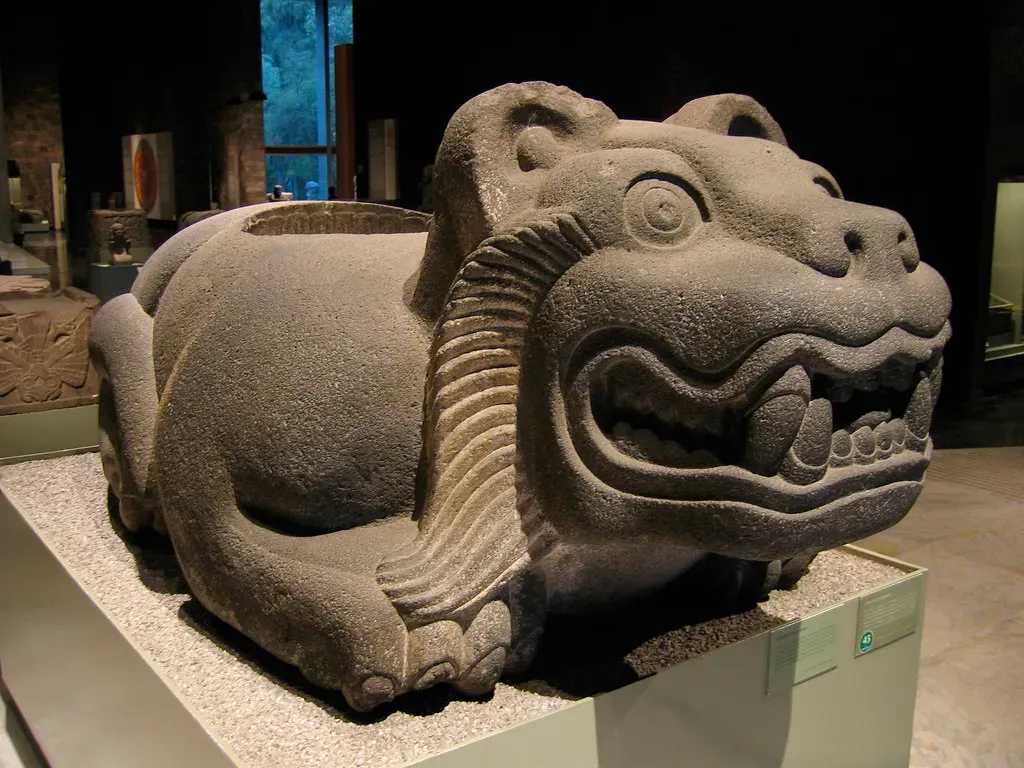
Few images in religious history are as visually electrifying as Quetzalcoatl. Quetzalcoatl, meaning “Feathered Serpent” in Nahuatl, is a deity in Aztec culture and literature. Among the Aztecs, he was related to wind, Venus, the Sun, merchants, arts, crafts, knowledge, and learning. He was also the patron god of the Aztec priesthood and a god of wisdom, learning and intelligence. In other words, he was not a minor deity. He was practically a civilization-defining figure.
In Aztec culture, the bird and the serpent carried the religious and symbolic meanings of heaven and earth, respectively. A feathered serpent deity therefore synthesized opposites, melting together the destructive character of the earth, represented by the snake, with the fertile forces of the heavens, represented by the bird. That is genuinely breathtaking when you think about it. Mesoamerican civilizations, including the Maya, Aztec, and Olmec, incorporated jaguars and eagles into their religious pantheons as supreme predators representing dual aspects of warfare and spiritual power. The jaguar, master of the terrestrial realm and night, symbolized rulership, fertility, and underworld journeys.
Ancient Mesopotamia: Where Animals Met the Cosmos
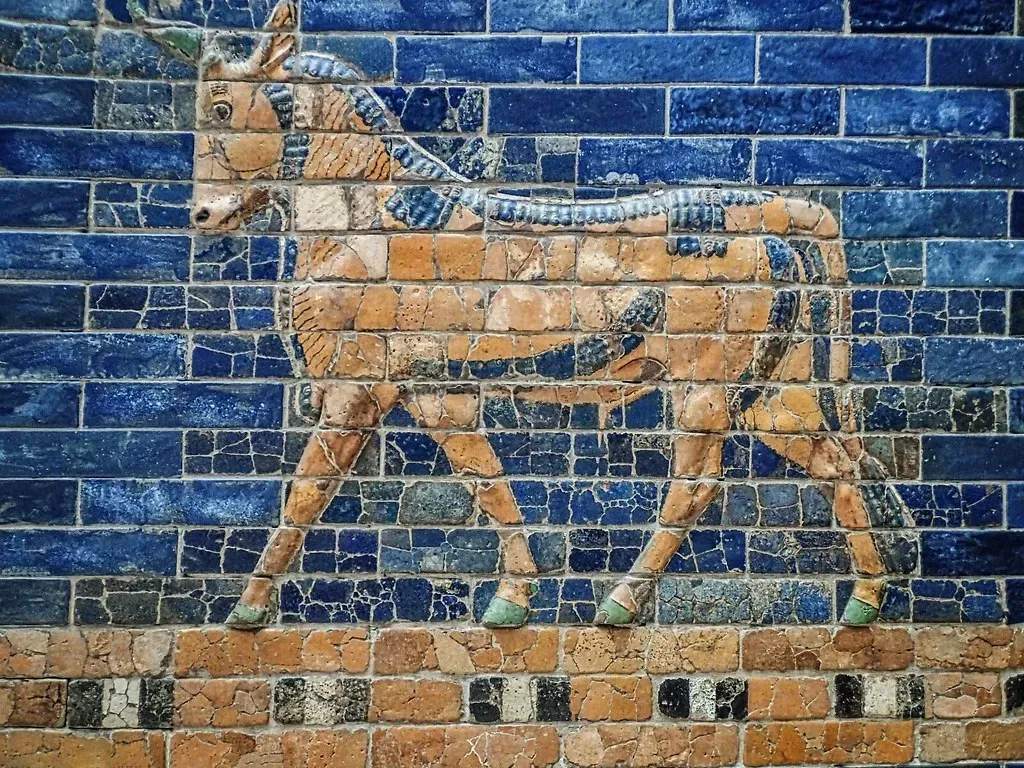
Let’s be real: Mesopotamia does not always get the credit it deserves in conversations about animal deities. Yet this region, often called the cradle of civilization, was buzzing with divine animal imagery. Gods like Gilgamesh often interacted with animals, symbolizing strength and protection. The relationship between ruler, divine beast, and the cosmos was woven into the very fabric of Mesopotamian identity.
The Assyrians feared the powerful serpent Goddess Tiamat and revered various winged beings. Tiamat herself is a fascinating case. She is not merely a serpent; she is the primordial ocean, the very stuff from which the world was made. The Mesopotamian myth of The Enuma Elish describes the conflict between the gods led by Marduk and the chaotic sea goddess Tiamat, who is often represented with monstrous forms. In Mesopotamia, the monstrous animal was not something to erase. It was something to wrestle with, literally and mythologically.
Ancient Greece: Animals as Divine Symbols and Companions
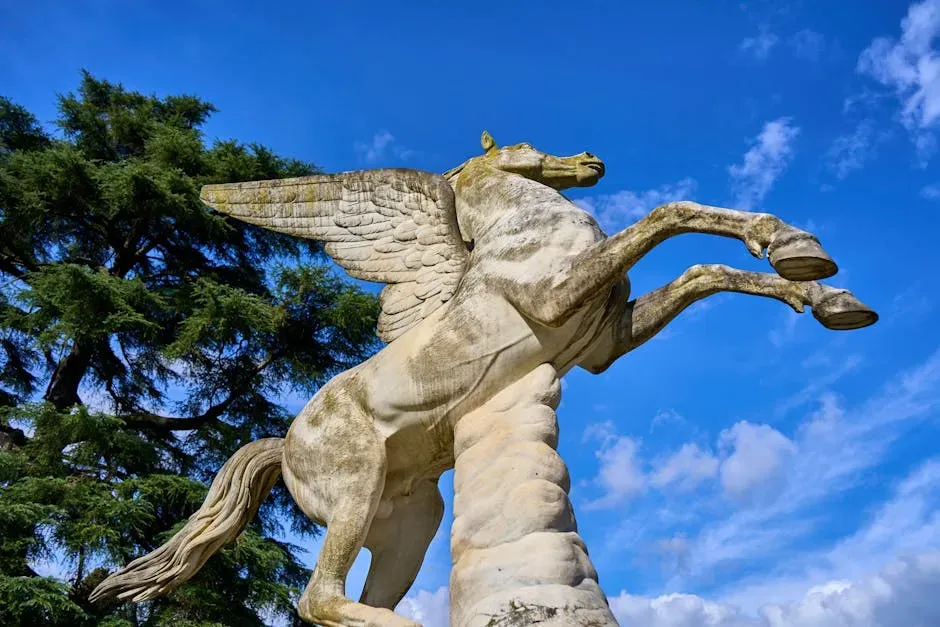
Greece tends to get painted as the civilization of perfectly human gods: chiseled, rational, and beautifully proportioned. That picture is only partially true. The ancient Greeks worshipped the god Pan, who has the hindquarters, legs and horns of a goat, and the Sea Gods Ichthyocentaurs, with human heads and torsos, the front legs of a horse and the serpentine tails of fish. Half-goat, half-god. That is not exactly the marble purity we usually imagine.
Many religions have considered cattle to be sacred, most famously Hinduism from India and Nepal, but also Zoroastrianism, and ancient Greek and Egyptian religion. Greek gods were consistently paired with sacred animals that expressed their divine nature. Zeus had his eagle, Athena her owl, Poseidon his horse. Animals considered dangerous or powerful symbolized strength, power, and divine protection. Worshipping these creatures was a way for ancient civilizations to gain the favor of these formidable forces or to symbolically control their destructive potential. The Greeks understood that instinctively, even while dressing their gods in human form.
The Maya Civilization: Camazotz, the Death Bat, and the Sacred Jaguar
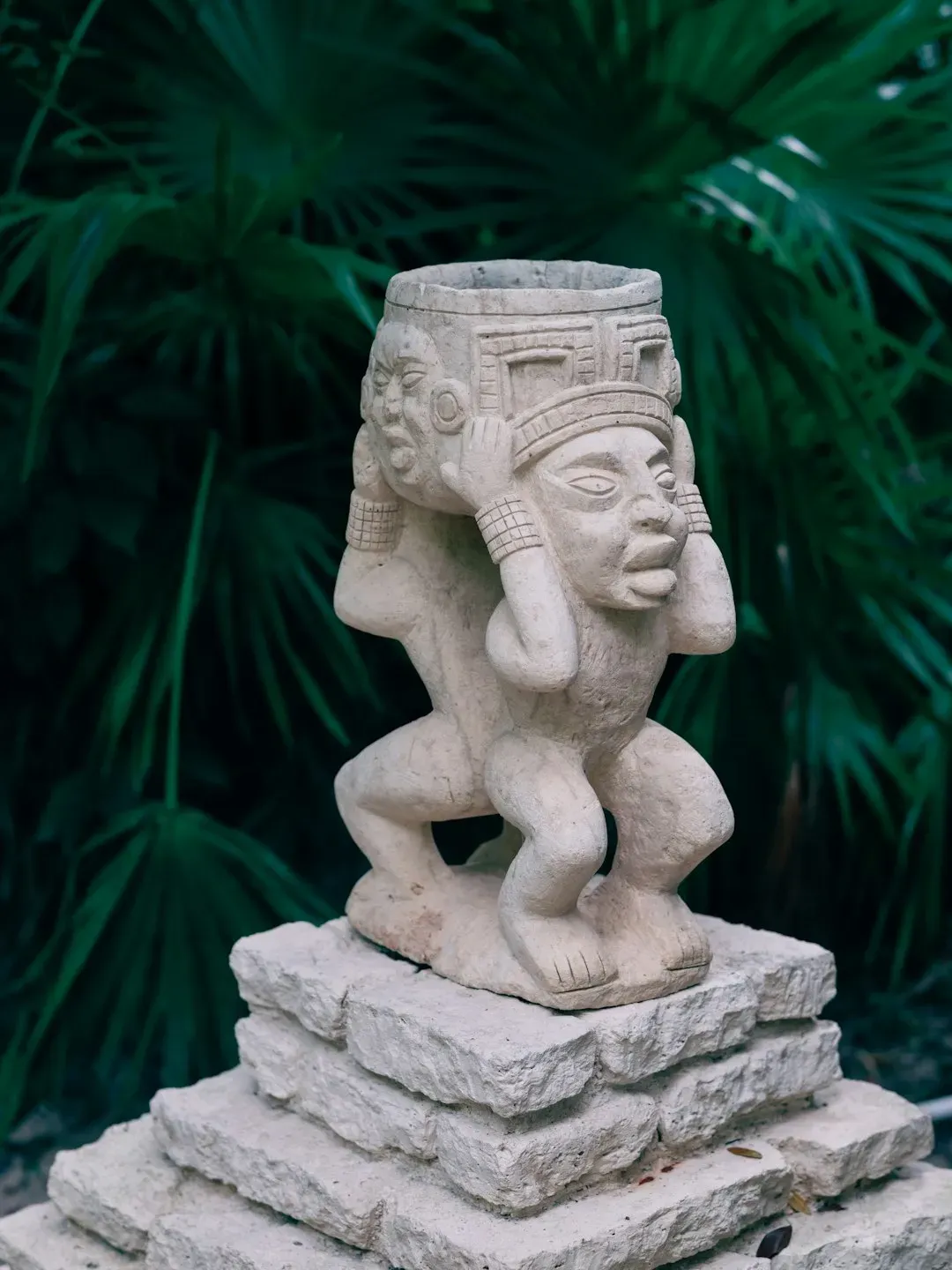
The Maya had a theological imagination that was, to put it mildly, extraordinary. The gods were involved in every aspect of the life of the Maya. As with other cultures, there were many different deities, over 250 of them, all of whom had their own special sphere of influence. They controlled the weather, the harvest, they dictated one’s mate, presided over every birth, and were present at one’s death. That is a lot of divine animal energy to keep track of.
Mayan deities ruled over a tripartite cosmos and were turned to for assistance in war or childbirth; they also ruled over specific periods of time, having feast days and months built into the calendar. Important gods in the Maya pantheon include Camazotz and many others. Camazotz, the terrifying bat deity who ruled the underworld section of Xibalba, remains one of the most spine-chilling animal gods in all of recorded mythology. In the Popol Vuh, the K’iche’ feathered serpent god Tepeu Q’uq’umatz is the creator of the cosmos itself. The Maya did not mess around when it came to assigning cosmic responsibilities to their animal deities.
Ancient Japan: The Sacred Fox, the Divine Beast, and the Shinto World

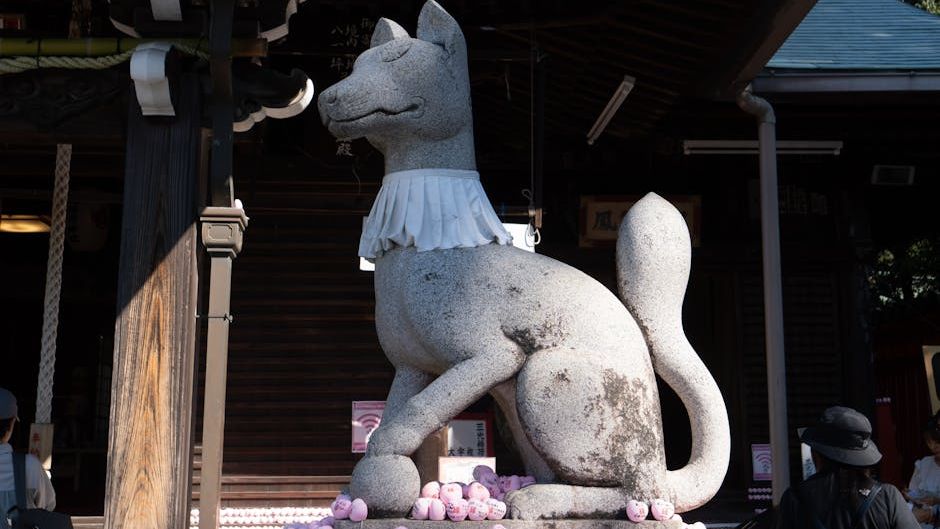
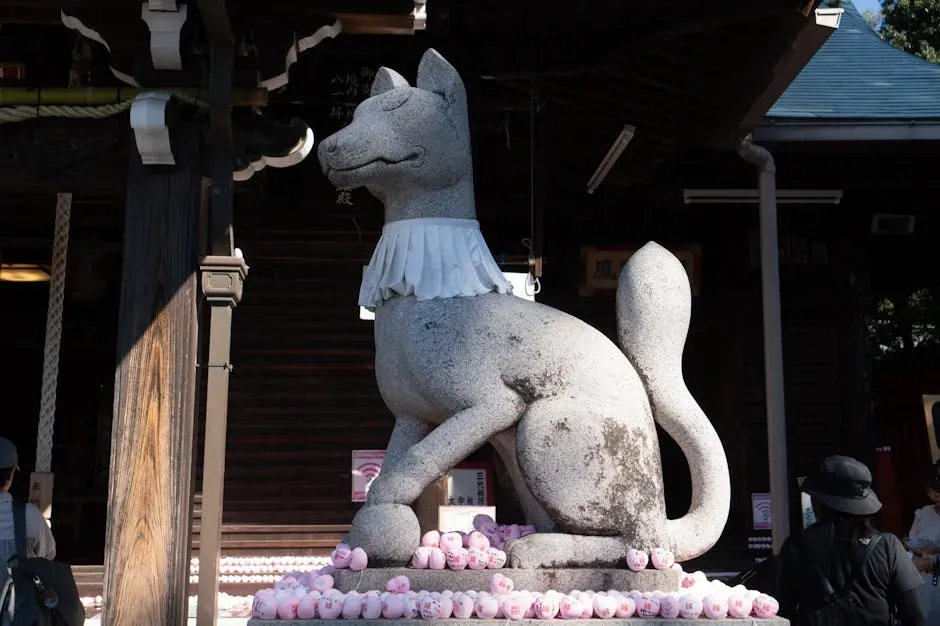
Japan offers one of the most quietly fascinating relationships between humans and animal deities anywhere on earth. In Japan, where Buddhism and Shintoism are intertwined, Kitsune the fox and Tengu the bird man are powerful shape-shifters who can transform into human or inanimate shapes to trick humans. Shape-shifting sacred animals. It sounds like fiction, but this was genuine theology, practiced and respected for centuries.
Known in Japan as the kami, the gods of ancient Japan are often referred to as the Shinto gods, as they are the foundation of the ancient religion Shintoism, a major component of Japanese mythology. If you travel through Japan today you will find countless temples and other ancient structures dedicated to these Japanese gods and goddesses. Shintoism remains, alongside Buddhism, one of the most popular religions in modern Japan. The divine animal lives on in Japan in a way that few other civilizations can claim. It is hard to say for sure, but I think Japan’s enduring reverence for sacred animals might be one of the most living examples of ancient animal theology anywhere on the planet.
Conclusion: What the Animals Were Always Telling Us
The worship of animals in ancient cultures has left an indelible mark on human civilization that extends far beyond religious practices. These animal deities shaped artistic traditions, architectural designs, and cultural identities that persist even in secular contexts today. That is not a small legacy. That is the backbone of human visual culture.
Psychologically, these animal cults reflect human recognition of qualities we admire or fear in other species: the loyalty of dogs, the regal presence of lions, the transformative abilities of serpents. When you look at it that way, ancient animal worship was not superstition. It was something much more honest. It was humanity admitting that we are not alone at the top of the natural order, and that the creatures around us carry a kind of power we will never fully possess ourselves.
Eight civilizations. Countless sacred animals. One profound, universal truth: our ancient ancestors looked at the natural world and saw it looking back. The real question worth sitting with is this: what does it say about us today that we stopped seeing it?