Picture a world where forests blanketed what is now Antarctica, where sea levels were dozens of meters higher than today, and where the air itself was thick with carbon dioxide at levels that would astound modern scientists. That was the reality dinosaurs navigated for over 160 million years. Not just surviving, but thriving, diversifying, conquering every continent, and reshaping ecosystems from pole to pole.
Here’s what makes their story genuinely jaw-dropping: they didn’t live in a static, comfortable world. While Earth was much warmer when dinosaurs lived than today, temperatures didn’t hold steady for millions of years. Earth naturally goes through warming and cooling periods that affect all life on our planet. So how exactly did they pull it off? The answers are fascinating, and more than a little surprising. Let’s dive in.
Evolving Warm-Bloodedness to Beat the Cold
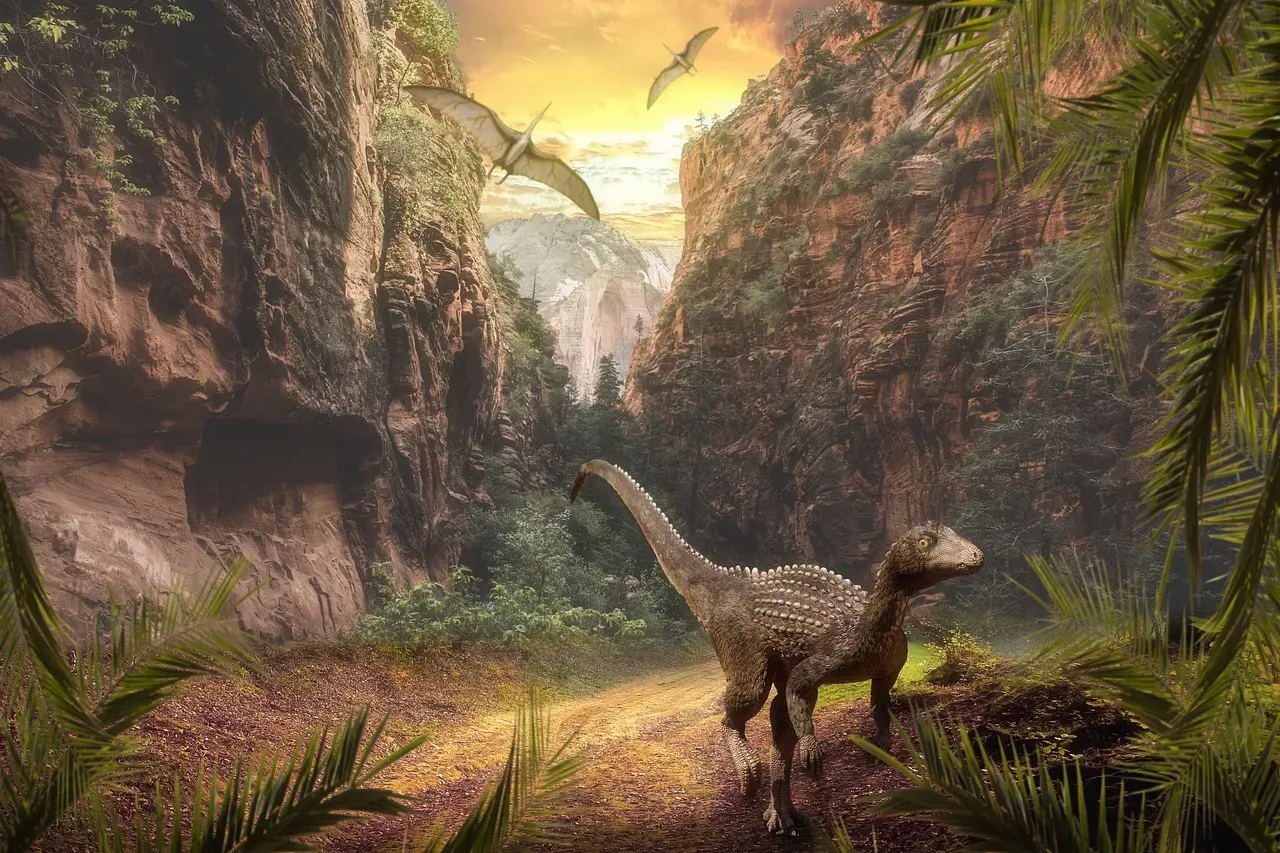
You might assume every dinosaur was a cold-blooded, sun-basking reptile. Honestly, that’s the old story. The newer, far more exciting one is this: two major groups of dinosaurs may have been warm-blooded, having evolved the ability to regulate their body temperatures around 180 million years ago. Scientists used to think that all dinosaurs were cold-blooded, meaning that, like modern lizards, their body temperatures were dependent on their surroundings. While scientists have since discovered that some dinosaurs were actually warm-blooded, they haven’t been able to pinpoint when this adaptation evolved.
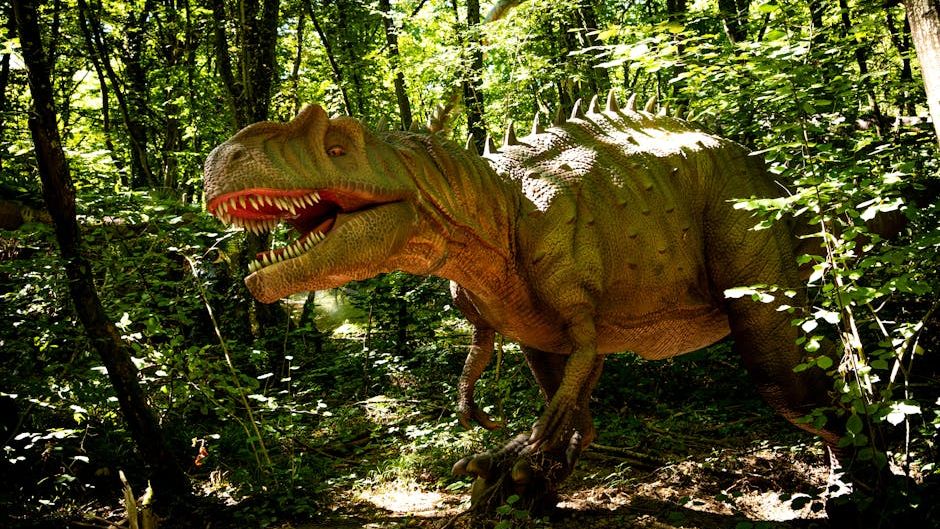
Theropods, the group that includes the iconic T. rex and Velociraptor, and ornithischians, which include relatives of the plant-eating Stegosaurus and Triceratops, were the first to embrace this newfound ability to regulate their body temperature. Think of it like upgrading from a cheap portable heater to a built-in central heating system. This adaptation enabled them to maintain high activity levels and survive in colder environments. The implications for their survival were enormous.
Growing to Gigantic Sizes as a Thermal Strategy
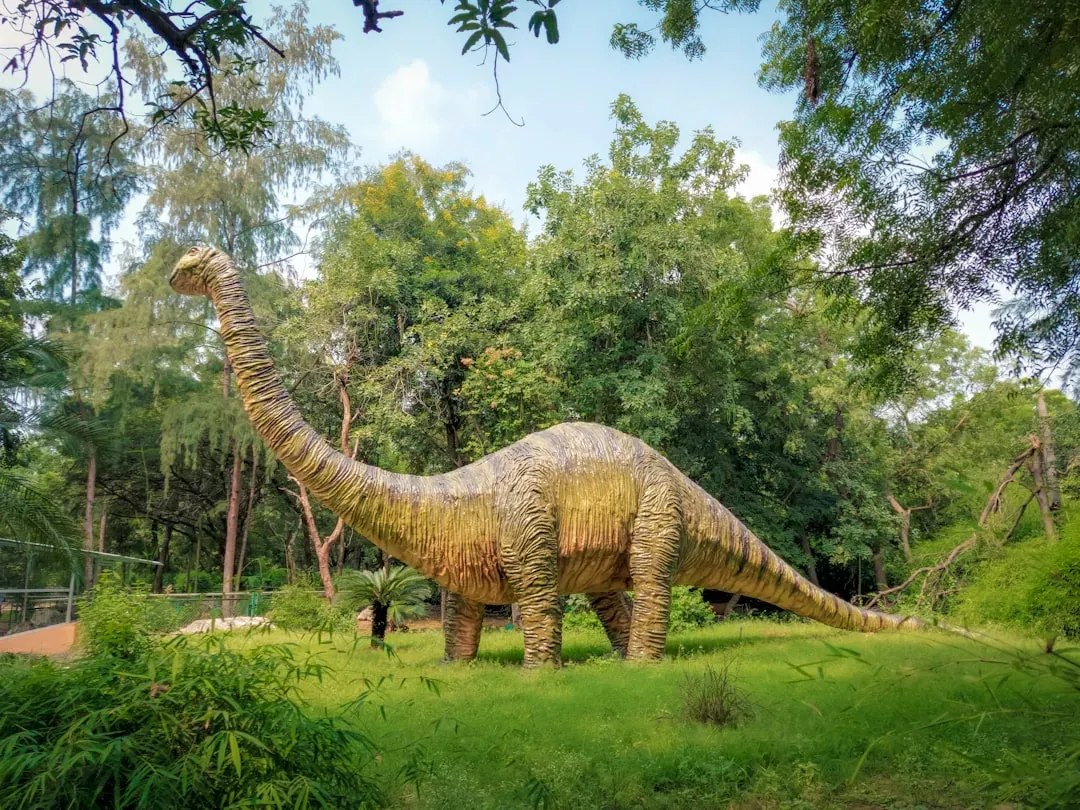
Here’s the thing about being massive: it’s actually a brilliant climate hack. While the smaller, feathered dinosaurs were busy generating their own internal heat, the sauropods took a completely different route. These gentle giants, including the Brontosaurus and Diplodocus, opted to stick to warmer climates. They achieved this by growing to enormous sizes, which helped them retain heat due to their smaller surface area to volume ratio.
Imagine a small teacup cooling down rapidly versus a massive cooking pot holding its heat for hours. That is essentially what was happening with sauropod gigantism. For the largest dinosaurs, such as the long-necked sauropods, a concept called inertial homeothermy was likely a factor in temperature regulation. A massive body has a very low surface area-to-volume ratio, causing it to gain and lose heat very slowly. The sheer bulk of a 50-ton sauropod would have stabilized its internal temperature, taking days for it to change significantly. This effectively made them warm-bodied even if their metabolic rate was closer to an ectotherm.
Developing Feathers for Insulation and Survival
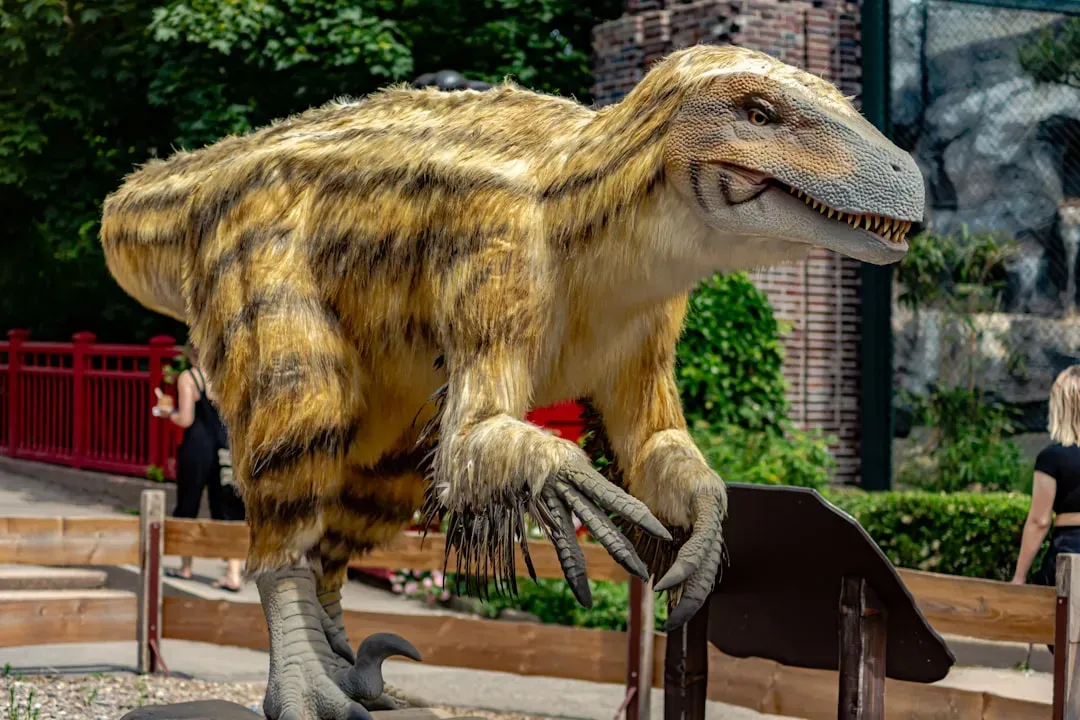
Few revelations in paleontology have shaken things up quite like discovering that many dinosaurs were feathered. When changing climates left the planet colder, some dinosaurs evolved to grow feathers to help them regulate their body temperature and insulate warmth. It’s a remarkable parallel to what you see in modern Arctic birds. Feathers would have allowed dinosaurs, ancestors of birds, to trap their body heat in cold climates.
Research shows that the divergence in dinosaurs’ climatic preferences coincided with the so-called Jenkyns event, an Early Jurassic episode around 183 million years ago of global warming that was followed by the diversification of many dinosaur lineages, including the emergence of feathered dinosaurs. I think it’s fascinating that a warming event could, paradoxically, trigger the evolution of insulating feathers. Researchers note that these dinosaurs may have evolved traits like feathers or changed body sizes to help insulate their bodies in order to retain this self-generated heat, which allowed them to regulate their temperature like modern birds do.
Migrating Across Vast Distances to Follow Favorable Climates
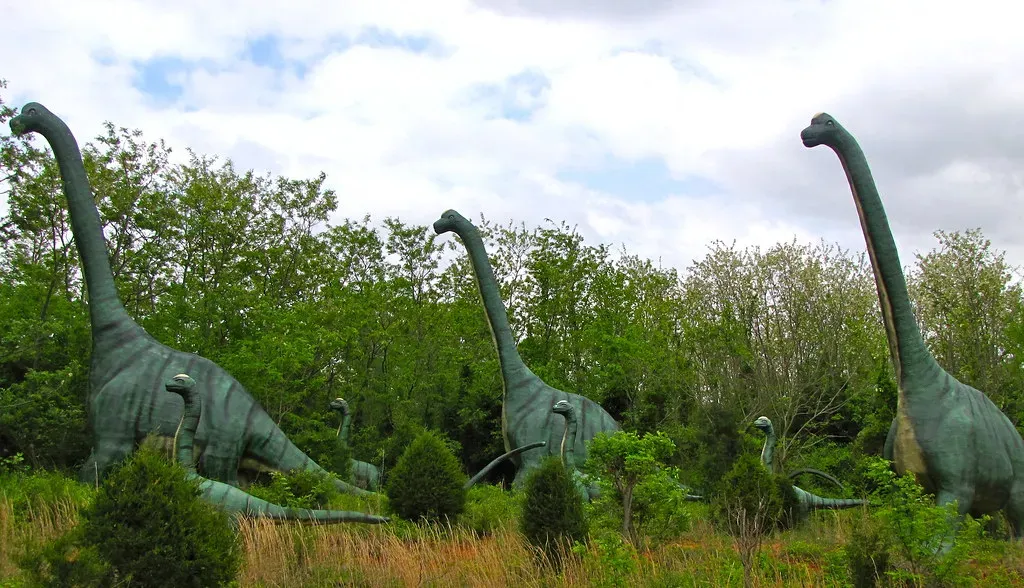
Recent research suggests that many dinosaurs might have been on the move, migrating across vast distances in search of food, favorable climates, and safe breeding grounds. This is far from guesswork. We know dinosaurs migrated at some point because of massive dinosaur track sites. Locations such as Dinosaur Ridge Trail near Morrison, Colorado, have over 300 dinosaur tracks preserved in the rock. What’s most interesting is that this track site has footprints from numerous species but dates at a similar geological age, indicating that various species may have traveled together.
Climate change during the Mesozoic era played a critical role in dinosaur migrations. Fluctuating temperatures and sea levels, along with volcanic activity, would have created a dynamic landscape, prompting dinosaurs to migrate in search of food and favorable habitats. Think of it like wildebeest crossing the Serengeti today, only on a scale involving creatures the size of buses. By migrating according to climate shifts, dinosaur species also increased their chance of survival since they’d have better access to food. Likewise, moving ecosystems eased other survival essentials, such as finding a mate.
Adapting Their Diets as Vegetation Changed
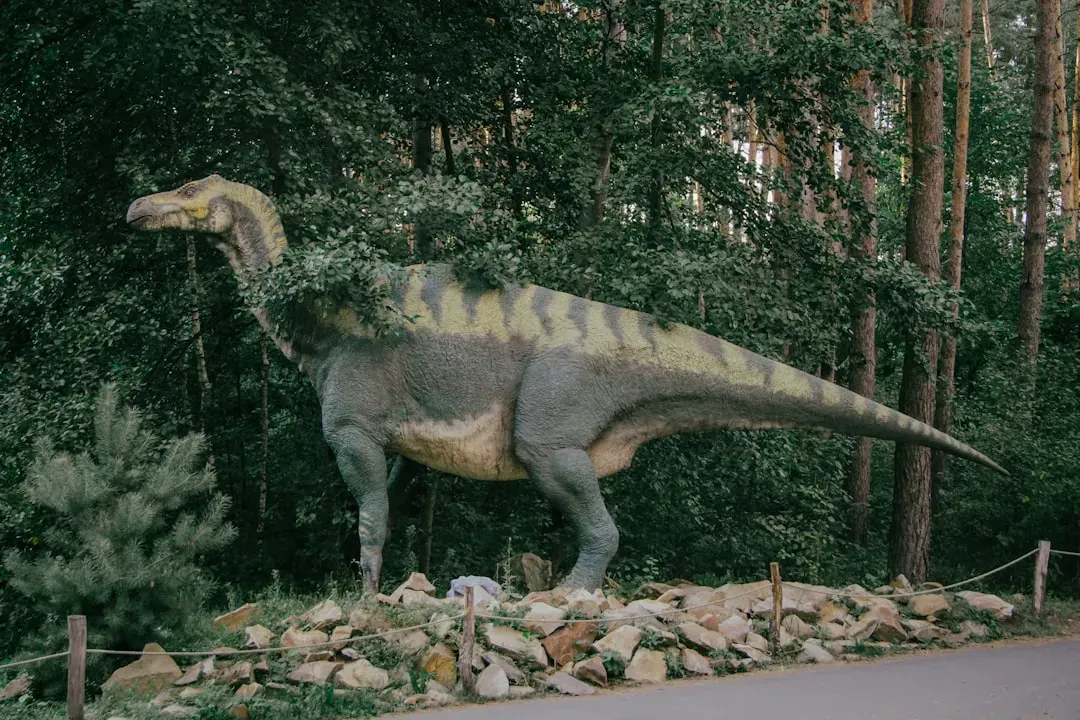
When the climate shifts, the plant world shifts with it. And when the plants change, every herbivore either adapts its diet or pays the price. The food dinosaurs ate was directly linked to what was available. When herbivores struggled to find food, options became scarcer for their predators since there were fewer dinosaurs to hunt. It’s a domino effect that runs straight through the entire food web.
Many sauropods feasted on moss during the late Jurassic period when much of Earth was rainforest-like. Earth warmed up as the Cretaceous period approached, and moss became less common. If an herbivore wanted to survive, it’d have to rely on other plants, such as cycads, ferns, and ginkgoes. The discovery of Iani smithi adds an even more vivid chapter to this story. Altered plant life meant herbivorous dinosaurs needed to adapt. Iani smithi seems to have been one such method of adapting, as its teeth are perfect for chewing through hardier plants.
Thriving When Climate Wiped Out the Competition
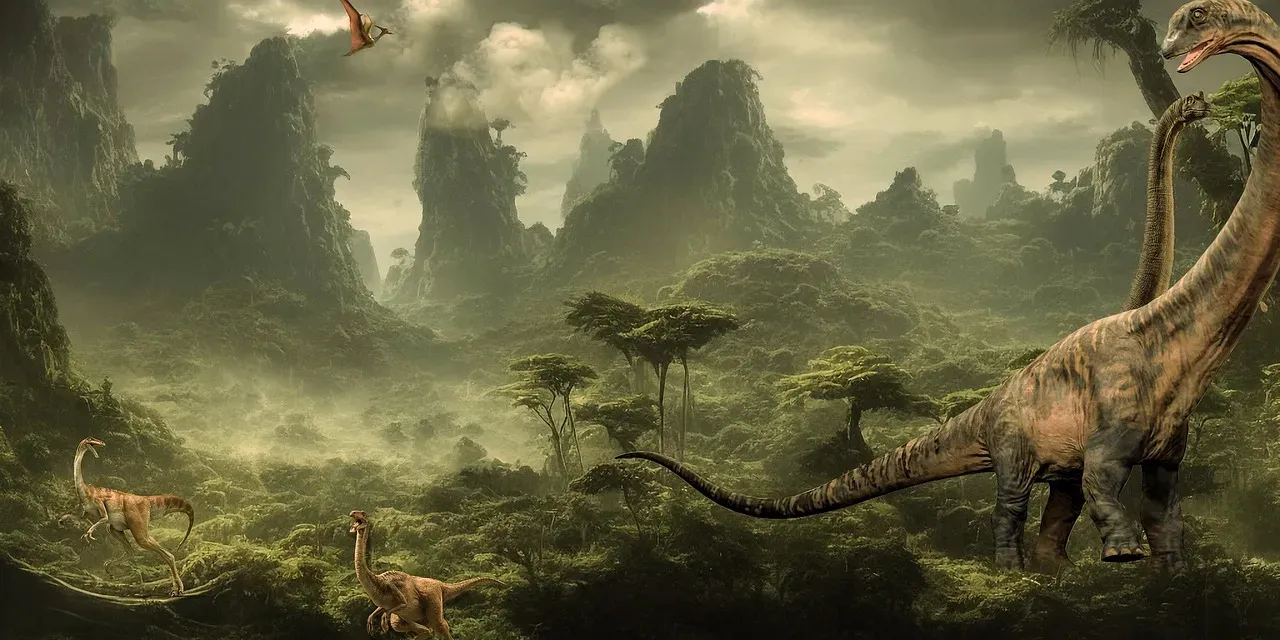
Let’s be real: one of the most counterintuitive adaptations wasn’t a physical trait at all. It was timing. Climate change, rather than competition, played a key role in the ascendancy of dinosaurs through the Late Triassic and Early Jurassic periods. When conditions became brutal, rival species collapsed while dinosaurs endured. That resilience was itself a kind of adaptation, the product of millions of years of selection pressure.
According to research, changes in global climate associated with the Triassic-Jurassic mass extinction, which wiped out many large terrestrial vertebrates such as the giant armadillo-like aetosaurs, actually benefitted the earliest dinosaurs. In particular, sauropod-like dinosaurs, which became the giant herbivore species of the later Jurassic like Diplodocus and Brachiosaurus, were able to thrive and expand across new territories as the planet warmed up after the extinction event, 201 million years ago. It’s a bit like how a catastrophic forest fire can actually clear the way for new, stronger growth. During the extinction, cold snaps already happening at the poles spread to lower latitudes, killing off the cold-blooded reptiles. Dinosaurs, already adapted, survived the evolutionary bottleneck and spread out.
Diversifying Across Climatic Zones Through Evolutionary Flexibility
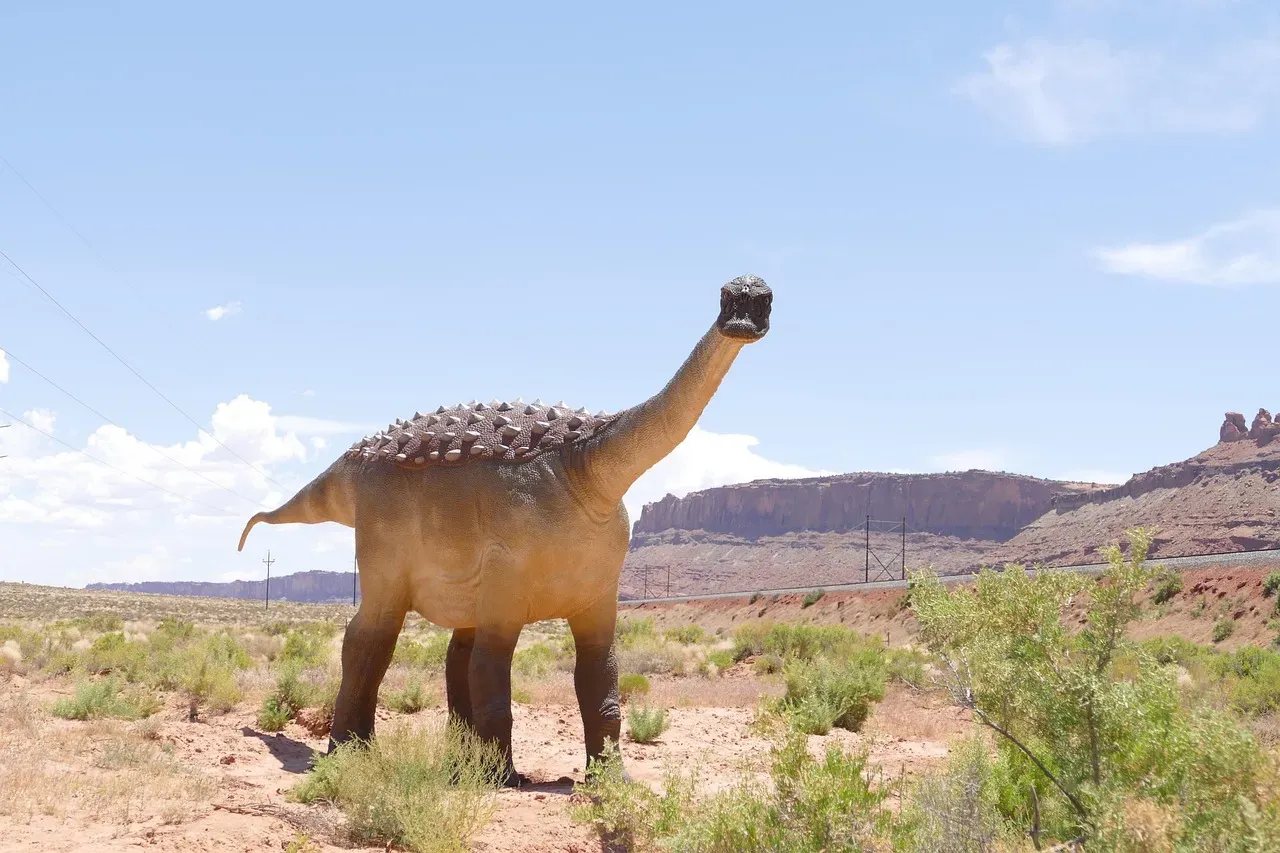
Dinosaurs were diverse and abundant during most of the Mesozoic, with a cosmopolitan distribution. They radiated into a wide range of ecotypes, dietary habits, and body sizes, the latter including the largest land animals of all time. That diversity was not random. It was the result of extraordinary evolutionary flexibility, shaped directly by the pressures of a constantly shifting climate. Dinosaurs thrived for over 160 million years in Mesozoic ecosystems, displaying diverse ecological and evolutionary adaptations. Their ecology was shaped by large-scale climatic and biogeographic changes.
Researchers studying the geographic spread of dinosaurs during the Mesozoic Era by examining fossils, climate models and dinosaur evolutionary trees found that theropods and ornithischians lived in wide-ranging climates, and during the early Jurassic, these two groups migrated to colder areas. This suggested they had developed the ability to generate their own heat. Meanwhile, sauropods, uniquely among dinosaurs, occupied climatic niches characterized by high temperatures and were strongly bounded by minimum cold temperatures. This constrained the distribution and dispersal pathways of sauropods to tropical areas, excluding them from latitudinal extremes. Two completely different climate strategies, both spectacularly successful for tens of millions of years.
Conclusion
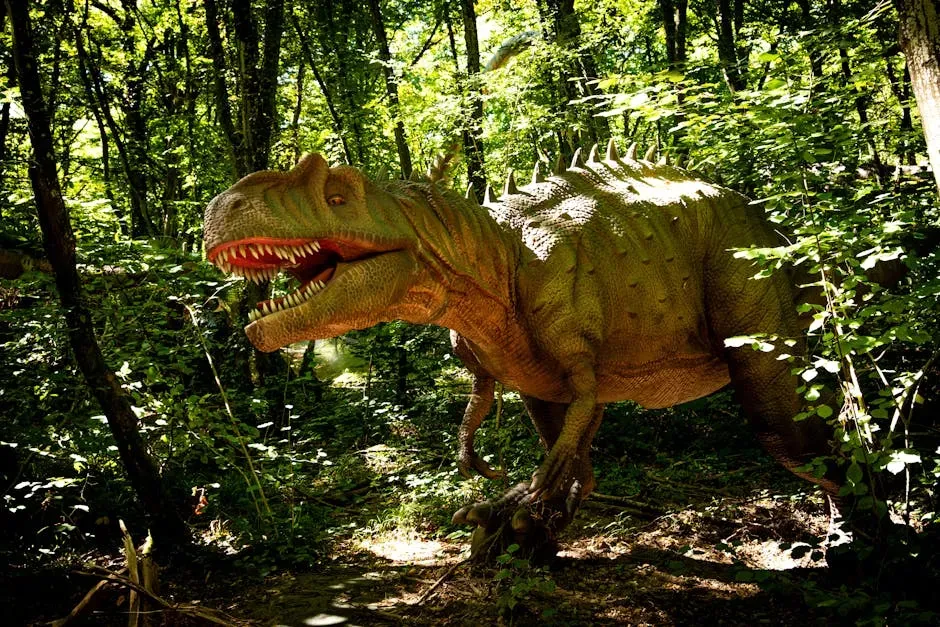
Dinosaurs were not passive passengers on a changing planet. They were active, evolving, migrating, and adapting life forms that rewrote the biological rulebook again and again across more than 160 million years. The fossil record tells us that climate change is the planet’s “normal” state. What dinosaurs reveal is that survival, at its deepest level, is always a story of adaptation. From feathers to gigantism, from dietary shifts to continent-spanning migrations, they tried everything.
Throughout most of Earth’s history, carbon dioxide levels have generally changed very slowly. That gave organisms and their ecosystems sufficient time to adapt to climate change through both evolution and migration. That slow pace was the dinosaurs’ greatest ally. It gave evolution time to work. Looking back at these ancient masters of adaptation, one question naturally lingers: what can we learn from creatures who ruled the Earth for 160 million years, and what would they make of the speed at which our world is changing now?